menu

Sewage Backup Cleanup in Miami – 24/7 Emergency Response With IICRC-Certified Technicians

When raw sewage invades your Miami property, our rapid-deployment teams arrive within hours to contain contamination, extract hazardous waste, and restore safety using advanced biohazard protocols designed for South Florida's unique flood risks.

Slider Image 1
Slider Image 2
Slider Image 3
Slider Image 4
Slider Image 5
Slider Image 7
Slider Image 8
Slider Image 9
Slider Image 10
Slider Image 11

Why Miami Properties Face Critical Sewage Backup Risks

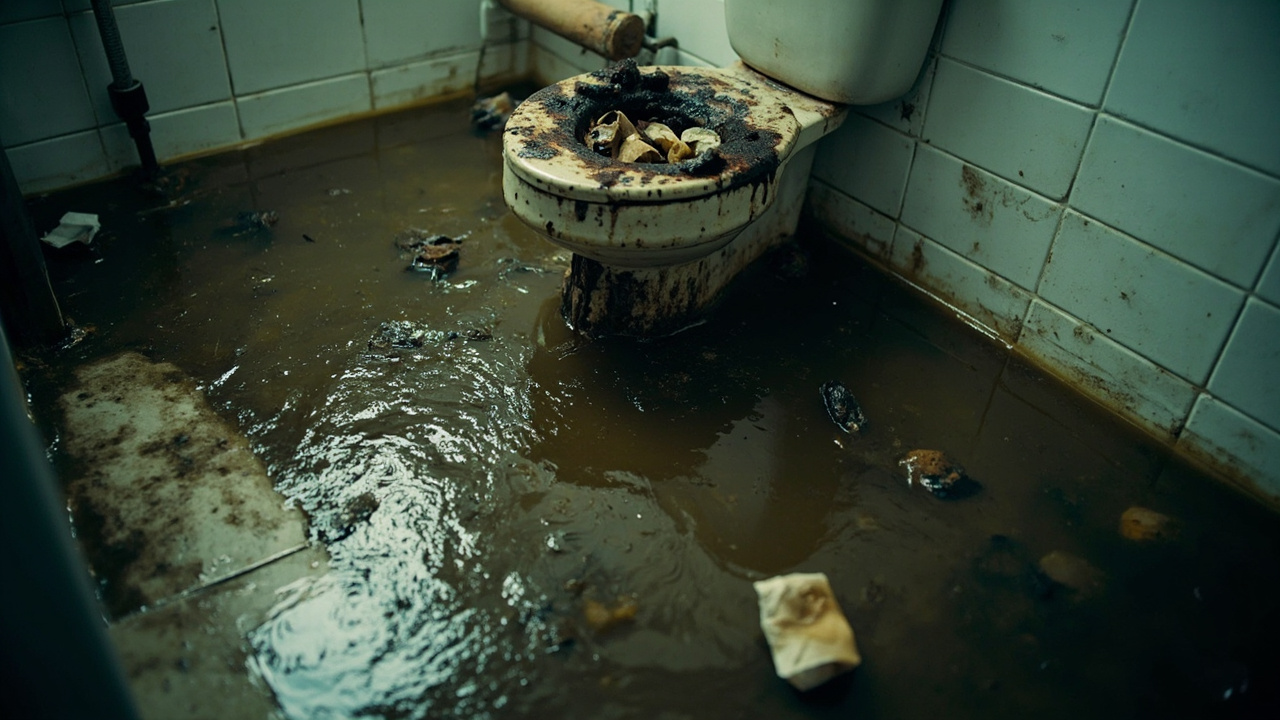
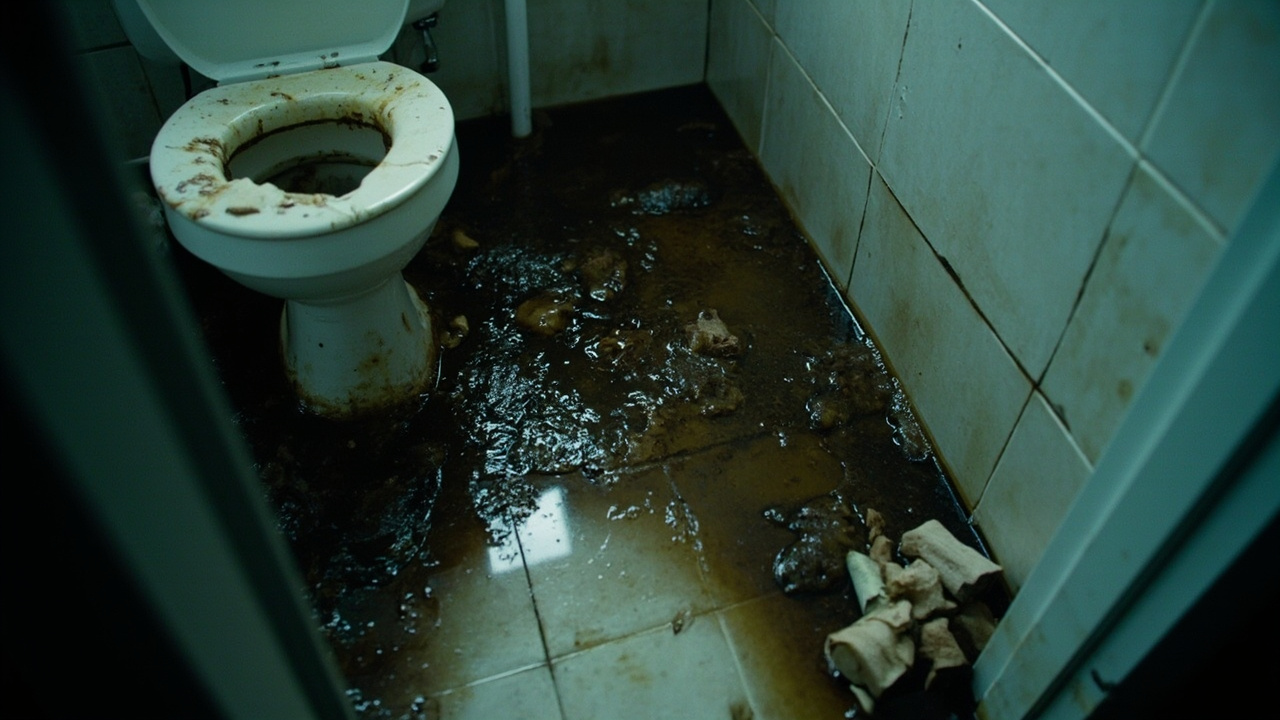
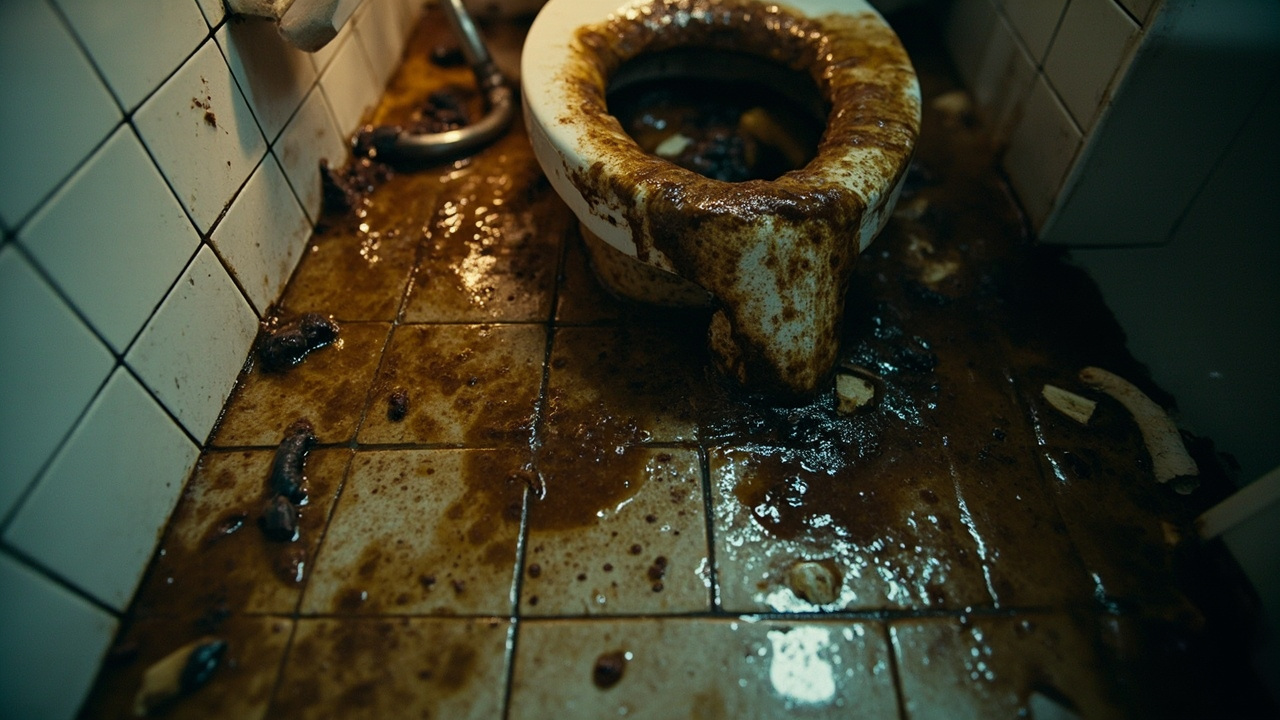
Miami's low elevation and high water table create the perfect storm for sewage backup disasters. When tropical storms dump inches of rain in hours, the city's aging infrastructure struggles. Combined sewer systems overflow. Lift stations fail. Saltwater intrusion corrodes underground pipes. You find yourself ankle-deep in contaminated water that threatens your health and property value.

The problem starts below ground. Miami sits on porous limestone that absorbs seawater during king tides. This saturated soil pushes back against sewer lines. Tree roots from banyan and oak trees infiltrate pipes seeking moisture. When Hurricane season hits, the entire system backs up. Raw sewage flows through floor drains, toilets, and basement access points. The contaminated water carries E. coli, hepatitis A, and other pathogens that sicken families and shut down businesses.

You cannot wait when sewage invades your space. The first 24 hours determine whether you face a cleanup or a catastrophic loss. Sewage remediation requires immediate action. Black water soaks into drywall, flooring, and furniture. Mold colonies establish within 48 hours in Miami's humidity. The longer you wait, the more you lose.

Professional sewage removal eliminates immediate danger. Sewer backup cleaning addresses contamination that household products cannot touch. This demands industrial extraction equipment, antimicrobial treatments, and proper disposal of biohazardous materials. You need technicians trained in Category 3 water damage protocols who understand Miami's specific challenges.

Why Miami Properties Face Critical Sewage Backup Risks
Our Advanced Sewage Damage Restoration Protocol

Our Advanced Sewage Damage Restoration Protocol

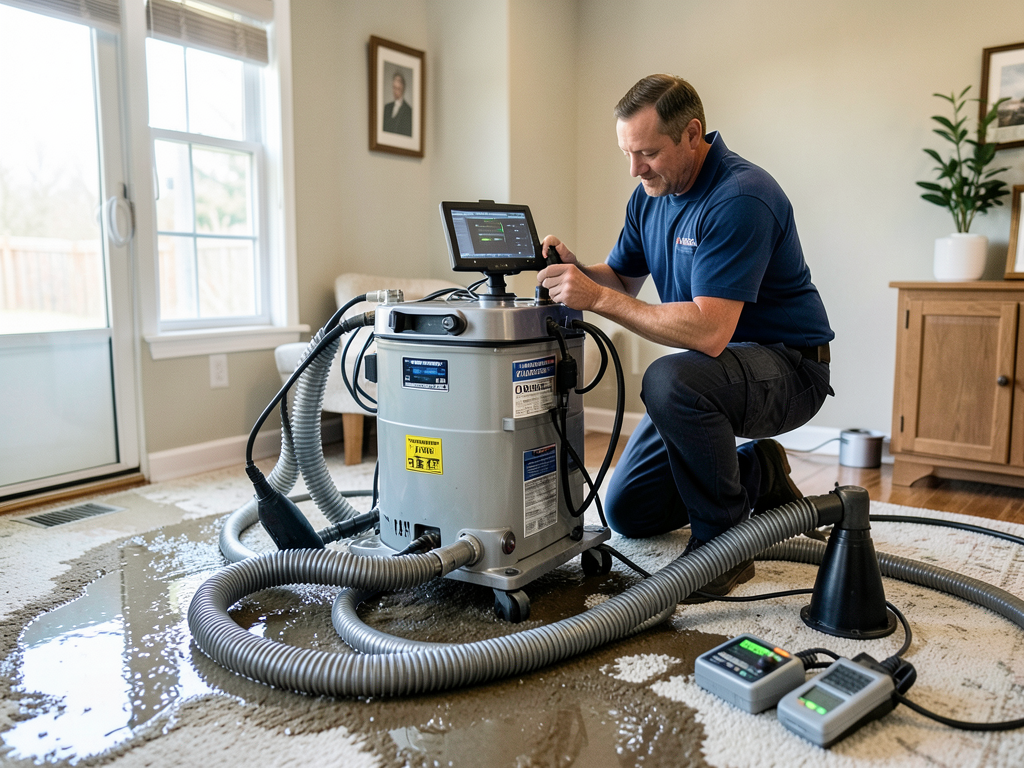
Fortress Water Damage Restoration Miami deploys a three-phase containment system that stops cross-contamination before it spreads. We establish negative air pressure chambers using HEPA filtration to prevent airborne pathogens from migrating to clean areas. Our technicians arrive in full PPE with respirators rated for sewage environments. This protects you and ensures we maintain sterile work zones throughout the process.

Our extraction process uses truck-mounted pumps capable of removing thousands of gallons per hour. We do not use shop vacs or household equipment. Industrial extractors pull sewage from carpets, pad, and subfloors in a single pass. We then deploy hydroxyl generators that destroy odor molecules at the molecular level without leaving chemical residues. These generators work continuously during the drying phase to eliminate the sewage smell that lingers after amateur cleanups.

The critical difference shows in our antimicrobial application. We use EPA-registered disinfectants specifically formulated for raw sewage cleanup. These solutions kill 99.9% of bacteria, viruses, and fungi on contact. We apply them using electrostatic sprayers that wrap around surfaces and penetrate porous materials. Every affected area receives documented treatment with dwell times that meet IICRC S500 standards.

Our drying protocol accounts for Miami's humidity. We calculate grain depression and vapor pressure to determine exact equipment placement. Structural drying takes 3-5 days depending on materials affected. We monitor moisture levels twice daily using thermal imaging and moisture meters. You receive daily reports showing progress. We do not pack up until surfaces return to preloss moisture content. This prevents hidden mold growth that appears weeks later.

What Happens During Your Sewage Emergency Response

Sewage Backup Cleanup in Miami – 24/7 Emergency Response With IICRC-Certified Technicians
01

Immediate Containment and Extraction

Our teams arrive with truck-mounted extraction units and establish containment barriers within the first hour. We pump out standing sewage while isolating affected zones to prevent contamination spread. You receive immediate odor control through hydroxyl treatment. We document the scope with photos and moisture readings that insurance adjusters require. This first response determines whether you face a three-day cleanup or a three-week reconstruction project.
02

Biohazard Cleaning and Disinfection

After extraction, we remove all porous materials that absorbed sewage. This includes carpet, pad, baseboards, and damaged drywall. We HEPA-vacuum all surfaces before applying antimicrobial treatments. Every fixture, wall, and floor receives electrostatic disinfection. We treat HVAC systems separately to prevent contamination cycling through your property. All waste goes into sealed biohazard containers for proper disposal. You get a property that meets health department standards, not just something that looks clean.
03

Structural Drying and Verification

We deploy commercial dehumidifiers and air movers calibrated for Miami's climate. Our technicians monitor drying progress using thermal cameras that detect trapped moisture behind walls. You receive twice-daily updates with moisture readings and estimated completion dates. We do not consider the job complete until all materials return to dry standard. Final verification includes air quality testing and photo documentation. You get a certificate of completion that proves proper sewage damage restoration for future property transactions.

Why Miami Property Owners Choose Local Sewage Backup Specialists

Sewage emergencies demand immediate local response. National franchise operations dispatch from regional centers hours away. You need teams based in Miami who understand how quickly contamination spreads in 85-degree heat. Fortress Water Damage Restoration Miami maintains equipment and staff within the county. We reach most properties within 90 minutes of your call. This speed prevents thousands in additional damage.

Our experience with South Florida's infrastructure matters. We know which neighborhoods have combined sewer systems prone to overflow during king tides. We understand how Biscayne Bay's saltwater intrusion corrodes pipes in Coconut Grove and Miami Beach. When you describe where sewage entered your property, we already know the likely cause and required fix. This expertise eliminates guesswork that costs you time and money.

Miami-Dade County requires specific permitting for biohazard waste disposal. Amateur restoration companies dump contaminated materials in regular dumpsters, creating liability for property owners. We maintain relationships with licensed medical waste facilities. Every load receives proper manifesting and disposal documentation. You get copies proving compliance if questions arise during property sales or lease negotiations.

Insurance claims for sewage damage require detailed documentation. Adjusters deny claims when restoration companies cannot prove they followed industry standards. Our teams photograph every phase. We provide moisture logs, equipment placement diagrams, and antimicrobial application records. This documentation supports your claim and speeds payment. You do not fight with adjusters over whether the work met standards. The proof sits in a comprehensive file that answers every question before they ask.

What You Can Expect From Professional Sewage Remediation

Response Time and Availability

We answer emergency calls 24 hours a day, including holidays. When you call, you speak with a trained dispatcher who deploys the nearest crew immediately. Most Miami properties receive response within 90 minutes. Our trucks carry extraction equipment, containment supplies, and antimicrobial treatments. We begin work the moment we arrive. You do not wait for equipment rentals or supply runs. Night and weekend responses carry no surcharges. Sewage emergencies do not follow business hours, and neither do we. You get the same rapid deployment at 3 AM as you would at 3 PM.

Initial Assessment Process

Our first step involves identifying the contamination source and affected areas. Technicians use moisture meters and thermal cameras to map damage hidden behind walls and under flooring. You receive a verbal briefing within 30 minutes of arrival explaining what we found and what happens next. We photograph everything before starting work. This assessment includes air quality testing to determine if spaces are safe to occupy. You get a written scope of work detailing materials requiring removal, drying timelines, and estimated costs. The assessment takes 45-60 minutes for most properties. Complex commercial buildings require additional time for complete evaluation.

Final Results and Documentation

You receive a property restored to preloss condition with verified dry readings and negative air quality tests. All affected materials are either professionally cleaned and disinfected or properly removed and disposed of. We provide a comprehensive photo gallery showing before, during, and after conditions. Your documentation package includes moisture logs, equipment placement diagrams, antimicrobial product data sheets, and waste disposal manifests. This proves proper restoration if future buyers or tenants question past sewage incidents. Properties with proper documentation maintain value. Those with hidden sewage history face disclosure problems. You get peace of mind knowing the job was done right and proven with documentation.

Post-Restoration Support

We provide follow-up moisture checks at 30 and 60 days after completion to verify no hidden moisture remains. If you detect odors or concerns within 90 days, we return for inspection at no charge. You receive detailed maintenance recommendations specific to preventing future sewage backups in your property. This includes backwater valve installation guidance and sump pump maintenance schedules. We help coordinate with plumbers when drain line repairs are needed beyond our scope. You are not abandoned once equipment leaves. Our relationship extends beyond the emergency. We want your property protected long-term, not just cleaned up today.

Frequently Asked Questions

You Have Questions,
We Have Answers

How do you clean up after sewer back up? +

Sewage backup cleanup requires immediate professional intervention. First, evacuate the area and turn off electricity to prevent shock hazards. Do not touch contaminated water or materials. Certified technicians extract standing sewage using industrial pumps, remove saturated porous materials like drywall and carpet, and disinfect all surfaces with antimicrobial treatments. In Miami's humid climate, rapid structural drying with commercial dehumidifiers prevents mold growth within 24 to 48 hours. All contaminated debris gets bagged and disposed of following Florida health regulations. Professional equipment includes HEPA air scrubbers to remove airborne pathogens. Never attempt DIY cleanup. Sewage contains dangerous bacteria, viruses, and parasites requiring specialized protective equipment and EPA-registered disinfectants.

Is it safe to stay in a house with sewage backup? +

No. Evacuate immediately. Sewage contains E. coli, hepatitis A, salmonella, and other pathogens that cause serious illness through contact or inhalation. Miami's heat accelerates bacterial growth, making contaminated spaces dangerous within hours. Children, elderly residents, and anyone with compromised immune systems face heightened risk. Airborne contaminants spread through HVAC systems, contaminating unaffected areas. Porous materials like furniture and carpeting absorb sewage and release harmful gases. You cannot return until certified professionals complete extraction, disinfection, and air quality testing. Staying in a sewage-affected home risks gastrointestinal disease, respiratory infections, and skin conditions. Find temporary housing while restoration occurs. Your health is not worth the risk.

How much does sewage backup cleanup cost? +

Sewage backup cleanup costs vary based on contamination extent, affected square footage, and structural damage. Minor incidents affecting a single bathroom start lower, while whole-home contamination with category 3 water requires extensive work. Costs increase when sewage seeps into wall cavities, subflooring, or HVAC systems. Miami's concrete slab foundations sometimes trap sewage beneath flooring, requiring specialized extraction. Emergency response, antimicrobial treatments, structural drying, and disposal fees all factor into total cost. Insurance coverage with sewage backup endorsements significantly reduces out-of-pocket expenses. Most companies provide free assessments and work directly with insurers. Delaying cleanup increases costs exponentially as contamination spreads and secondary mold damage develops.

What is the average cost of sewer drain cleaning? +

Sewer drain cleaning costs depend on blockage severity, line accessibility, and cleaning method required. Basic augering for minor clogs costs less than hydro-jetting for major obstructions. If roots infiltrate your lateral line or the main sewer line collapsed, costs increase substantially. Miami's mature tree canopy and aging infrastructure make root intrusion common in older neighborhoods like Coral Gables and Coconut Grove. Video camera inspections add to the total but identify exact blockage locations, preventing unnecessary excavation. Preventive maintenance cleaning costs far less than emergency service or sewage backup damage. Many restoration companies bundle drain cleaning with backup cleanup, reducing overall expenses when addressing both issues simultaneously.

How long do sewage bacteria last on surfaces? +

Sewage bacteria survive on surfaces for days to months depending on conditions. E. coli persists up to two weeks on hard surfaces. Salmonella survives four hours to weeks. Norovirus remains infectious for days or weeks on contaminated surfaces. Miami's heat and humidity create ideal conditions for prolonged bacterial survival and rapid multiplication. Porous materials like wood, drywall, and fabric harbor bacteria deep within fibers where surface cleaning cannot reach. This explains why contaminated porous materials must be removed entirely, not just cleaned. Only EPA-registered antimicrobial agents applied by trained technicians eliminate sewage pathogens. Standard household cleaners do not kill these bacteria. Professional disinfection with dwell time verification ensures surface safety.

Can I clean my sewer line myself? +

No. Sewer line cleaning requires professional equipment and expertise. Rental drain snakes cannot reach far enough or generate sufficient power to clear main line blockages. You risk puncturing pipes, especially older clay or cast iron lines common in Miami's pre-1970s homes. Improper augering damages pipe joints and creates future leak points. Hydro-jetting requires specialized training to avoid blowing out weak pipe sections or forcing water backward into your home. You cannot inspect line condition without camera equipment. DIY attempts often push blockages deeper or compact debris, worsening the problem. Licensed plumbers carry liability insurance for line damage. Sewer gases contain hydrogen sulfide and methane, creating health and explosion risks without proper ventilation and monitoring equipment.

Does homeowners insurance cover sewage back up? +

Standard homeowners insurance excludes sewage backup damage. You need a separate sewage backup endorsement or rider added to your policy. This endorsement covers water damage from drain or sewer backups, including cleanup, repairs, and destroyed belongings. Coverage limits typically range from 5,000 to 25,000 dollars per incident. In Miami, where aging infrastructure and heavy rainfall cause frequent backups, this endorsement provides critical protection. Review your policy declarations page or call your agent to confirm coverage. The endorsement costs minimal compared to out-of-pocket cleanup expenses. Many insurers also exclude sump pump failures without specific coverage. Document all damage with photos before cleanup begins. Professional restoration companies navigate insurance claims daily and streamline the process.

How long does it take to get sick from sewage exposure? +

Sewage exposure symptoms appear within hours to days depending on pathogen type and exposure level. Gastrointestinal symptoms like nausea, vomiting, and diarrhea typically develop within 12 to 48 hours after contact with E. coli or salmonella. Respiratory infections from inhaling aerosolized sewage particles manifest within 24 to 72 hours. Skin infections occur faster when sewage contacts open wounds. Miami's heat intensifies dehydration from sewage-related illness, requiring immediate medical attention. Children and elderly residents develop symptoms faster and experience more severe complications. Even brief exposure during initial backup discovery poses risk. If you contacted sewage or breathed contaminated air, monitor for fever, cramping, or respiratory distress. Seek medical care immediately if symptoms appear. Inform doctors about sewage exposure for proper treatment protocols.

Who is responsible for blocked sewer drains? +

Responsibility depends on blockage location. Homeowners own and maintain the lateral sewer line from the house to the property line or main sewer connection point. Blockages in your lateral line are your responsibility, including cleanup costs. Miami-Dade Water and Sewer handles blockages in the main sewer line beneath streets. Tree roots, grease buildup, or collapsed pipes in your lateral line require you to hire a licensed plumber. The county responds to main line backups affecting multiple properties. If municipal main line failure causes your backup, document everything and file a claim with Miami-Dade. They rarely accept liability without proof their negligence caused damage. Review your property deed and survey to identify your lateral line extent. Age and maintenance condition determine responsibility disputes.

Why is my sewer bill 200 dollars? +

Your sewer bill question suggests confusion between sewage backup cleanup costs and municipal sewer service billing. Municipal sewer bills reflect water consumption, base fees, stormwater charges, and debt service for infrastructure improvements. Miami-Dade calculates sewer charges based on water meter readings. High bills indicate increased water usage, meter malfunction, or hidden leaks. Sewer bills are unrelated to sewage backup cleanup costs, which involve emergency water extraction, antimicrobial treatment, structural drying, and restoration after sewage enters your home. If questioning a municipal bill, contact Miami-Dade Water and Sewer directly. If facing sewage backup damage, contact a certified water damage restoration company immediately. These are separate issues requiring different responses and service providers.

How Miami's Water Table and Aging Infrastructure Create Sewage Backup Emergencies

Miami's geology creates unique sewage backup risks that do not exist in other cities. The entire county sits on porous limestone barely above sea level. During king tides, saltwater pushes up through the ground and enters sewer lines through cracks and joints. This infiltration overwhelms treatment plants. When tropical storms arrive, the saturated ground cannot absorb rainfall. Combined sewer systems designed in the 1950s overflow. Raw sewage backs up through the lowest drain in your property. Properties in Coconut Grove, Miami Beach, and South Miami face the highest risk. Understanding this geology explains why professional sewage removal requires specialized equipment and protocols that account for continuous groundwater pressure.

Fortress Water Damage Restoration Miami maintains relationships with Miami-Dade Water and Sewer Department inspectors and local plumbing contractors. We understand which neighborhoods have separated storm sewers and which use combined systems prone to backup. Our teams know Miami-Dade County's biohazard waste disposal requirements and maintain permits for proper handling. This local knowledge prevents permit violations that create liability. When we complete sewer backup cleaning, the work meets county health department standards. You get restoration performed by technicians who live and work in Miami, not contractors visiting from Orlando or Fort Lauderdale who learn your infrastructure problems on your dime.
Water Damage Restoration Services in The Miami Area

Fortress proudly serves the entire Miami area and nearby neighborhoods with prompt, expert water damage restoration services. Whether you're located downtown, in the suburbs, or along the coast, our team is just a call away. Use the map below to view our service area and get directions to our office. We’re local, responsive, and ready to help 24/7—because when disaster strikes, having a trusted team nearby makes all the difference.

Address:
Fortress Water Damage Restoration Miami, 3250 NE 1st Ave, Miami, FL, 33137

Additional Services We Offer

Our news updates

Latest Articles & News from The Blogs

How to Tell the Difference Between Dry Rot and Active Water Damage in Little Havana\nWalking through your Little Havana home…

How to Tell the Difference Between Dry Rot and Active Water Damage in Little Havana

How to Tell the Difference Between Dry Rot and Active Water Damage in Little Havana\nWalking through your Little Havana home…

Are Your New Solar Panels Causing Roof Leaks in Your Kendall Home?

Are Your New Solar Panels Causing Roof Leaks in Your Kendall Home? If you’ve noticed water stains on your ceiling…

How Saltwater Intrusion Corrodes Key Biscayne Home Foundations Over Time

How Saltwater Intrusion Corrodes Key Biscayne Home Foundations Over Time Living on Key Biscayne means enjoying waterfront views and ocean…

Contact Us

Every minute sewage remains in your property increases damage and health risks. Call (786) 789-8282 now for immediate dispatch. Our teams respond 24/7 with truck-mounted extraction and biohazard cleaning equipment. You get IICRC-certified technicians who stop contamination before it spreads.