menu

High Indoor Humidity Levels in Miami – Expert Diagnosis and Permanent Solutions for Excess Moisture

When high indoor humidity levels threaten your Miami property, our certified technicians identify the root cause, measure relative humidity with precision tools, and eliminate excess moisture before mold and structural damage take hold.

Slider Image 1
Slider Image 2
Slider Image 3
Slider Image 4
Slider Image 5
Slider Image 7
Slider Image 8
Slider Image 9
Slider Image 10
Slider Image 11

Why Miami Homes Battle Constant Indoor Moisture Problems

You notice condensation on windows. The air feels thick. Your walls feel damp to the touch. These are not quirks of living in South Florida. They are warning signs of elevated home humidity that can destroy your property and harm your health.

Miami sits just above sea level, surrounded by the Atlantic Ocean, Biscayne Bay, and the Everglades. The subtropical climate delivers year-round humidity that infiltrates every building. When outdoor relative humidity hovers between 70 and 90 percent for months at a time, your home becomes a battleground. Air conditioning systems work overtime but often fail to control indoor moisture problems. Poor ventilation in bathrooms, kitchens, and laundry rooms compounds the issue. Add aging ductwork, improper insulation, or hidden plumbing leaks, and you have a perfect recipe for excessive indoor moisture.

High relative humidity indoors creates immediate problems. Mold spores germinate within 24 to 48 hours on damp surfaces. Wood framing swells and rots. Drywall turns soft. Metal fixtures corrode. Paint bubbles and peels. Your belongings absorb moisture. Books warp. Electronics malfunction. Textiles smell musty. Dust mites thrive in humid environments, triggering allergies and asthma attacks.

The health risks are real. Prolonged exposure to excess humidity in house environments can cause respiratory infections, chronic coughing, and sinus inflammation. Children and elderly residents face elevated risks. You cannot ignore these symptoms. Elevated home humidity does not resolve on its own. It worsens until you address the source.

Fortress Water Damage Restoration Miami responds to indoor moisture problems daily across Coral Gables, Coconut Grove, Brickell, and surrounding neighborhoods. We understand how Miami's unique climate challenges your property.

Why Miami Homes Battle Constant Indoor Moisture Problems
How We Eliminate Elevated Home Humidity at the Source

How We Eliminate Elevated Home Humidity at the Source

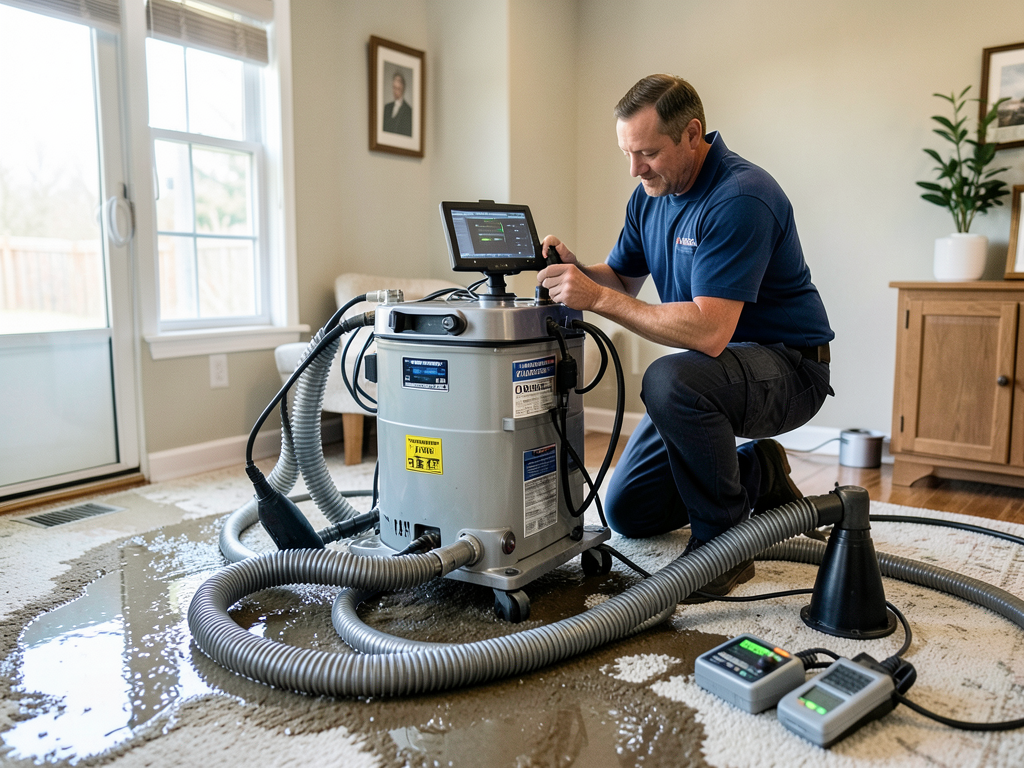
Generic dehumidifiers from hardware stores do not solve high indoor humidity levels. They treat symptoms, not causes. We deploy a systematic approach that identifies moisture intrusion points, measures vapor pressure differentials, and implements engineering-grade solutions.

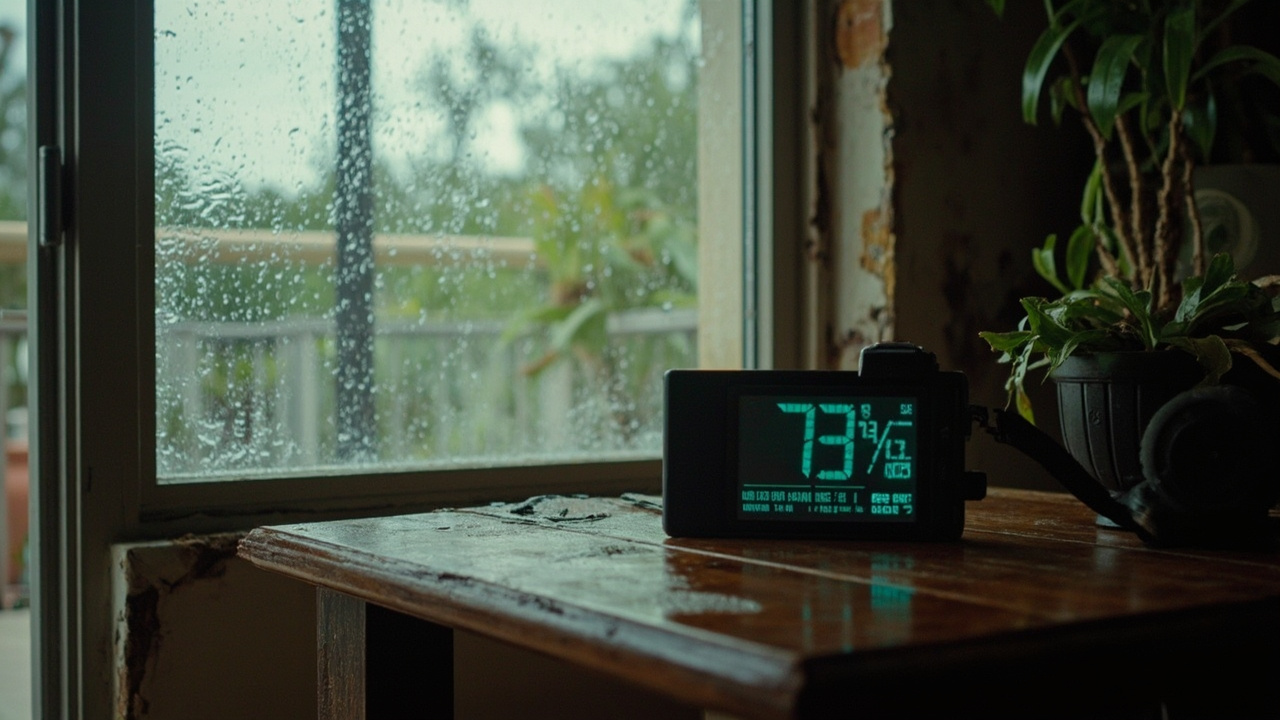
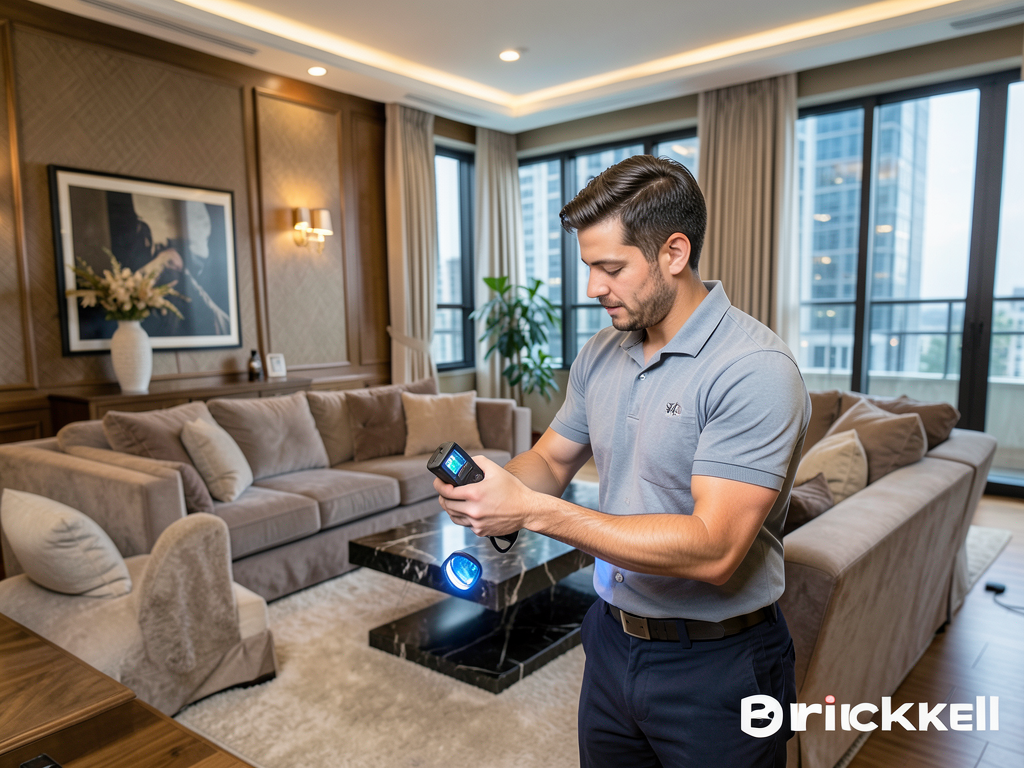
Our technicians arrive with calibrated thermo-hygrometers to establish baseline readings in every room. We measure temperature, relative humidity, and dew point. These data points reveal where moisture accumulates and why. We inspect HVAC systems for undersized units, clogged condensate drains, and failed evaporator coils. Many Miami air conditioning systems cannot remove enough moisture because they were incorrectly sized during installation. We check ductwork for leaks that introduce unconditioned air. We examine crawl spaces, attics, and wall cavities with thermal imaging cameras to detect hidden water intrusion.

We test for plumbing leaks using moisture meters that penetrate walls without causing damage. A slow drip behind a vanity or under a slab can pump gallons of water into your home daily. We inspect roof flashing, window seals, and foundation cracks where rainwater enters during afternoon thunderstorms. South Florida receives over 60 inches of rain annually. Poor drainage around your foundation allows groundwater to seep through concrete block walls, a construction standard in Miami.

Once we identify all moisture sources, we create a remediation plan. This may include installing commercial-grade dehumidifiers with automatic humidity controls, repairing plumbing leaks, sealing foundation cracks with hydraulic cement, improving attic ventilation, or upgrading HVAC systems. We address structural issues like rotted framing or mold contamination. We do not leave until indoor relative humidity stabilizes between 30 and 50 percent, the optimal range for human health and building preservation.

What Happens When You Call About Indoor Moisture Problems

High Indoor Humidity Levels in Miami – Expert Diagnosis and Permanent Solutions for Excess Moisture
01

Emergency Moisture Assessment

Within two hours of your call, our technician arrives with professional-grade hygrometers and thermal imaging equipment. We document humidity readings in each room, photograph visible damage, and identify all potential moisture entry points. You receive a written assessment that explains what we found and why your property developed excessive indoor moisture. This diagnostic phase takes 60 to 90 minutes for most residential properties.
02

Moisture Source Elimination

We repair plumbing leaks, seal foundation penetrations, and eliminate standing water. Our industrial dehumidifiers extract moisture from air and building materials simultaneously. We monitor humidity levels every four hours, adjusting equipment placement and airflow to accelerate drying. If mold growth exceeds ten square feet, we establish containment barriers and perform remediation under IICRC standards. This phase continues until moisture content in all materials returns to normal ranges.
03

Long-Term Humidity Control

After removing excess moisture, we implement preventive measures. This may include installing whole-home dehumidifiers, upgrading bathroom exhaust fans, improving crawl space encapsulation, or recommending HVAC modifications. We provide you with a humidity monitoring plan and teach you how to maintain optimal indoor conditions. You receive documentation for insurance claims and a detailed report showing before and after moisture readings that confirm the problem is resolved.

Why Miami Property Owners Trust Our Indoor Humidity Solutions

You need a team that understands South Florida construction. Most Miami homes built before 1992 used concrete block with stucco exteriors and single-pane aluminum windows. These structures handle moisture differently than wood-frame homes in northern climates. Post-Hurricane Andrew building codes changed everything. Modern homes have higher wind load requirements, impact-resistant windows, and improved roof tie-downs. But they also trap more conditioned air, which can increase indoor humidity if ventilation is inadequate.

We have worked in historic neighborhoods like Coral Gables, where Mediterranean Revival homes feature tile roofs, barrel tile details, and stucco over hollow clay tile walls. These architectural gems require specialized knowledge. We have restored mid-century modern homes in Morningside, contemporary high-rises in Edgewater, and waterfront properties in Coconut Grove. Each building type presents unique moisture challenges.

Our technicians hold certifications from the Institute of Inspection, Cleaning and Restoration Certification. We follow ANSI and IICRC S500 standards for water damage restoration. We understand Florida Building Code requirements for moisture barriers, vapor retarders, and ventilation rates. When we recommend structural repairs, we coordinate with licensed contractors who pull proper permits through Miami-Dade County.

We respond 24 hours a day because elevated home humidity does not wait for business hours. A burst pipe at midnight or a roof leak during a tropical storm requires immediate action. We maintain a fleet of truck-mounted extraction units, trailer-mounted generators, and over 200 commercial dehumidifiers. We can scale our response from a single-family home to a 50-unit apartment complex.

You receive transparent communication throughout the process. We document every step with photographs and moisture readings. We work directly with your insurance adjuster to streamline claims. Most importantly, we guarantee our work resolves the problem permanently.

What You Can Expect From Our Humidity Control Service

Rapid Response Time

We dispatch a technician to your Miami property within two hours of your call, 24 hours a day. High indoor humidity levels damage your property every hour they persist. Our trucks carry diagnostic equipment, moisture extraction tools, and industrial dehumidifiers. We begin stabilizing indoor conditions immediately. For commercial properties or large-scale moisture events, we can mobilize multiple crews simultaneously. You will never wait days for an appointment. We understand that excessive indoor moisture threatens your health and your investment. Our average response time across greater Miami is 87 minutes from initial contact to boots on the ground.

Comprehensive Moisture Evaluation

Your initial assessment includes room-by-room humidity mapping with calibrated instruments. We measure temperature, relative humidity, and dew point in every space. We inspect HVAC systems, ductwork, plumbing fixtures, and building envelope components. Thermal imaging reveals hidden moisture in walls, ceilings, and floors. We test for active leaks using non-invasive moisture meters. You receive a written report with photographs, humidity readings, and a prioritized list of moisture sources. This diagnostic process takes 60 to 90 minutes for most homes. We explain our findings in plain language and answer all your questions before beginning any work.

Verified Moisture Removal

We do not leave your property until indoor relative humidity stabilizes between 30 and 50 percent. Our industrial dehumidifiers remove up to 20 gallons of water per day from your indoor environment. We monitor progress with continuous humidity logging. You see real-time data showing moisture levels dropping hour by hour. We dry building materials to manufacturer specifications, confirmed with moisture content readings. Walls, floors, and ceilings must return to normal moisture levels to prevent mold growth. We provide documentation showing before and after readings for every affected area. This verification protects you from future problems and supports insurance claims.

Long-Term Prevention Strategies

After eliminating current moisture problems, we help you prevent recurrence. We recommend HVAC upgrades, improved ventilation systems, or whole-home dehumidifiers based on your specific needs. We teach you how to monitor indoor humidity with simple tools. You learn to recognize early warning signs like condensation patterns or musty odors. We provide a written maintenance plan that outlines seasonal tasks to keep indoor moisture under control. We offer follow-up inspections at 30, 60, and 90 days to verify your indoor environment remains stable. If problems return within the first year, we respond at no additional diagnostic charge.

Frequently Asked Questions

You Have Questions,
We Have Answers

What humidity is too high for inside a house? +

Indoor humidity should stay between 30% and 50% year-round. Anything above 60% is too high and creates conditions for mold growth, dust mites, and structural damage. In Miami, your air conditioning system should manage humidity, but if levels creep above 55%, you face real problems. High humidity warps wood floors, peels paint, and makes your home feel sticky. It also forces your AC to work harder, spiking energy bills. If your hygrometer consistently reads above 60%, you need professional assessment to identify the source before mold takes hold.

Is 70% humidity too high for a house? +

Yes, 70% humidity inside your Miami home is dangerously high. At this level, mold spores begin colonizing surfaces within 24 to 48 hours. You will notice condensation on windows, musty odors, and that clammy feeling on your skin. Your home becomes a breeding ground for allergens and respiratory irritants. Most air conditioning systems in South Florida are sized to handle humidity, so persistent 70% readings signal equipment failure, ductwork leaks, or hidden water intrusion. Do not wait. High indoor humidity damages drywall, insulation, and wood framing while threatening your health.

Why is my indoor humidity so high? +

High indoor humidity in Miami typically stems from poor ventilation, oversized air conditioning, or water intrusion. Your AC removes moisture when it runs long cycles, but short-cycling units never dehumidify properly. Leaking pipes, roof damage, or groundwater seepage add moisture your system cannot handle. Cooking, showers, and laundry also contribute, especially without exhaust fans. Miami's subtropical climate makes the problem worse. If your AC runs but humidity stays high, check for duct leaks, clogged condensate drains, or inadequate return air flow. Hidden leaks behind walls often go unnoticed until mold appears.

Can humidity cause nausea? +

Yes, high humidity can cause nausea, though it is not the direct trigger. Elevated moisture levels promote mold growth and increase airborne allergens. When you breathe these contaminants, your body reacts with headaches, dizziness, and nausea. High humidity also makes you feel overheated because sweat does not evaporate properly, which can lead to heat exhaustion symptoms. In Miami homes with poor ventilation, these effects intensify. If you experience persistent nausea alongside musty odors or visible moisture, you likely have a mold problem requiring professional remediation and humidity control.

What is dangerously humid indoors? +

Indoor humidity becomes dangerous above 65%. At this threshold, mold growth accelerates, dust mites thrive, and structural damage begins. Readings above 70% create immediate health risks, especially for children, elderly residents, and anyone with asthma or allergies. In Miami, where outdoor humidity regularly exceeds 80%, your home should serve as a controlled environment. Dangerous humidity levels compromise air quality, rot wood framing, and corrode metal fixtures. If your home consistently measures above 65%, you need immediate professional intervention to prevent long-term damage and health complications.

Does opening a window reduce humidity? +

Opening windows in Miami usually raises indoor humidity rather than lowering it. South Florida's outdoor humidity averages 75% to 90% year-round. When you open windows, you let that moisture inside, forcing your air conditioning to work harder. This strategy only works in dry climates or during rare low-humidity days. In Miami, rely on your AC system and exhaust fans to manage moisture. If your home feels humid despite closed windows, your HVAC system likely needs servicing or your home has hidden water intrusion requiring professional assessment.

Why is my house constantly at 90% humidity? +

Constant 90% humidity indoors signals serious water intrusion or complete HVAC failure. This extreme level indicates active leaks, flooding, or a non-functioning air conditioning system. In Miami homes, you might have roof damage from recent storms, foundation cracks allowing groundwater seepage, or failed condensate pumps flooding your air handler. At 90%, mold growth is explosive and structural damage is guaranteed. You need emergency assessment to locate the moisture source. Check for standing water in crawl spaces, attic leaks, or burst pipes. This is not a DIY situation.

Do dehumidifiers really work for humidity? +

Dehumidifiers work effectively when properly sized and placed. A quality unit removes 30 to 70 pints of moisture daily, depending on capacity. In Miami, dehumidifiers help in specific problem areas like basements, laundry rooms, or poorly ventilated bathrooms. However, they treat symptoms rather than causes. If your whole house stays humid, your air conditioning system likely needs repair or your home has hidden water intrusion. Portable dehumidifiers cannot replace proper HVAC function. Use them as temporary solutions while you address the root problem causing excessive moisture.

Will mold grow at 70 humidity? +

Yes, mold grows actively at 70% humidity. Most mold species thrive between 60% and 80% relative humidity. At 70%, spores germinate within 24 to 48 hours on porous surfaces like drywall, wood, and fabric. In Miami homes, this humidity level combined with warm temperatures creates ideal mold conditions. You will first notice musty odors before seeing visible growth. Black mold, white mold, and mildew all flourish at these levels. Maintaining humidity below 55% prevents colonization. If your home stays at 70%, expect mold problems requiring professional remediation.

Does putting heating on reduce humidity? +

Heating reduces humidity by raising air temperature, which lowers relative humidity readings. Warm air holds more moisture than cool air, so the same amount of water vapor represents a smaller percentage. However, in Miami, you rarely need heating, and this approach does not remove moisture from your home. It simply changes how humidity registers on your hygrometer. For true humidity control in South Florida, you need air conditioning with proper dehumidification capacity. Heating bills would be astronomical and ineffective. Focus on AC maintenance, dehumidifiers, and fixing water intrusion sources instead.

How Miami's Sea-Level Climate Creates Chronic Indoor Moisture Challenges

Miami sits at an average elevation of six feet above sea level, surrounded by water on three sides. The Atlantic Ocean, Biscayne Bay, and the vast Everglades ecosystem create constant atmospheric moisture that infiltrates every building. Summer months bring afternoon thunderstorms that dump two to three inches of rain in an hour, overwhelming drainage systems and driving water through foundation cracks. The water table sits just below ground surface across much of Miami-Dade County. When heavy rains saturate soil, hydrostatic pressure forces groundwater through concrete block walls and floor slabs. These conditions make Miami one of the most challenging environments in the nation for controlling high indoor humidity levels. Properties in low-lying neighborhoods like Shorecrest, Pinewood, and Liberty City face particularly severe moisture intrusion during rainy season.

South Florida's unique construction methods require specialized moisture control expertise. Concrete block with stucco exteriors, common throughout Miami, absorbs water differently than wood-frame construction. Older homes lack vapor barriers behind exterior walls. Single-pane aluminum windows create condensation during air conditioning operation. Flat or low-slope roofs, prevalent in commercial buildings and mid-century homes, develop ponding that leads to membrane failure. Fortress Water Damage Restoration Miami has worked in this climate for years. We understand how Miami-Dade County building codes address moisture control. We know which HVAC contractors properly size systems for humidity removal, not just cooling. We have relationships with structural engineers who specialize in South Florida foundations. This local knowledge makes the difference between temporary fixes and permanent solutions.
Water Damage Restoration Services in The Miami Area

Fortress proudly serves the entire Miami area and nearby neighborhoods with prompt, expert water damage restoration services. Whether you're located downtown, in the suburbs, or along the coast, our team is just a call away. Use the map below to view our service area and get directions to our office. We’re local, responsive, and ready to help 24/7—because when disaster strikes, having a trusted team nearby makes all the difference.

Address:
Fortress Water Damage Restoration Miami, 3250 NE 1st Ave, Miami, FL, 33137

Additional Services We Offer

Our news updates

Latest Articles & News from The Blogs

Should You Use Your Insurers Preferred Vendor for Brickell Condo Water Damage? When water floods your Brickell condo, your insurance…

Should You Use Your Insurers Preferred Vendor for Brickell Condo Water Damage?

Should You Use Your Insurers Preferred Vendor for Brickell Condo Water Damage? When water floods your Brickell condo, your insurance…

How to Hire a Restorer Who Understands Aventura Penthouse Plumbing Systems

How to Hire a Restorer Who Understands Aventura Penthouse Plumbing Systems Water damage in an Aventura penthouse is not just…

The Difference Between Surface Cleaning and Deep Extraction for Kendall Area Carpets

The Difference Between Surface Cleaning and Deep Extraction for Kendall Area Carpets When water invades your Kendall home, the first…

Contact Us

High indoor humidity levels will not resolve themselves. Every day you wait, mold spreads and materials deteriorate. Call Fortress Water Damage Restoration Miami now at (786) 789-8282. Our technicians respond within two hours with the equipment and expertise to eliminate excess moisture permanently.