menu

Storm Damage Mitigation in Miami – Protecting Your Property Before, During, and After Tropical Systems

Comprehensive storm damage mitigation services designed for Miami's hurricane zone, combining proactive structural reinforcement with rapid-response emergency storm damage restoration to minimize flood intrusion, wind damage, and structural failures during severe weather events.

Slider Image 1
Slider Image 2
Slider Image 3
Slider Image 4
Slider Image 5
Slider Image 7
Slider Image 8
Slider Image 9
Slider Image 10
Slider Image 11

Why Miami Properties Face Extreme Storm Damage Risks

Miami sits in the Atlantic hurricane corridor. Between June and November, tropical storms and hurricanes bring sustained winds exceeding 74 mph, storm surge that can push seawater blocks inland, and rainfall rates that dump 10 inches or more in hours. This combination overwhelms drainage systems, breaches building envelopes, and turns minor vulnerabilities into catastrophic failures.

South Florida's porous limestone foundation accelerates water intrusion. When storm surge rises, groundwater follows. Homes built on slab foundations experience hydrostatic pressure from below, forcing water through hairline cracks in concrete. Coastal neighborhoods like Miami Beach, Coconut Grove, and Brickell see saltwater flooding that corrodes electrical systems, rebar, and metal fixtures within days.

Wind-driven rain penetrates roofing systems at vulnerable points: ridge caps, valley flashing, and penetrations for vents or skylights. Once water enters the attic space, it saturates insulation, migrates to interior walls, and creates the humidity conditions for mold colonization within 24 to 48 hours. The elevated temperatures in Miami speed microbial growth compared to northern climates.

Storm damage mitigation reduces these risks before the National Hurricane Center issues a warning. Emergency storm damage services after landfall focus on containment and extraction. Storm damage restoration involves drying, sanitizing, and rebuilding. Storm damage repair addresses structural components. Storm damage remediation targets contamination from sewage backups or floodwater. Each phase requires different equipment and expertise. The window to prevent secondary damage closes quickly in Miami's heat and humidity.

Why Miami Properties Face Extreme Storm Damage Risks
Our Approach to Storm Damage Mitigation and Emergency Response

Our Approach to Storm Damage Mitigation and Emergency Response

Storm damage mitigation starts weeks before a storm forms. We inspect roofing systems for compromised flashing, missing granules on asphalt shingles, and improperly sealed penetrations. We test window and door seals for air leaks that indicate points where wind-driven rain will breach the building envelope. We evaluate grading around the foundation perimeter to identify low spots where water will pool and migrate toward the structure.

For properties in evacuation zones A and B, we install hurricane shutters or impact-resistant panels on all openings. We verify that sump pumps have battery backup systems and that discharge lines direct water away from the foundation. We seal attic vents with removable covers to prevent wind from pressurizing the attic space and lifting the roof deck. We document the property condition with time-stamped photos for insurance claims.

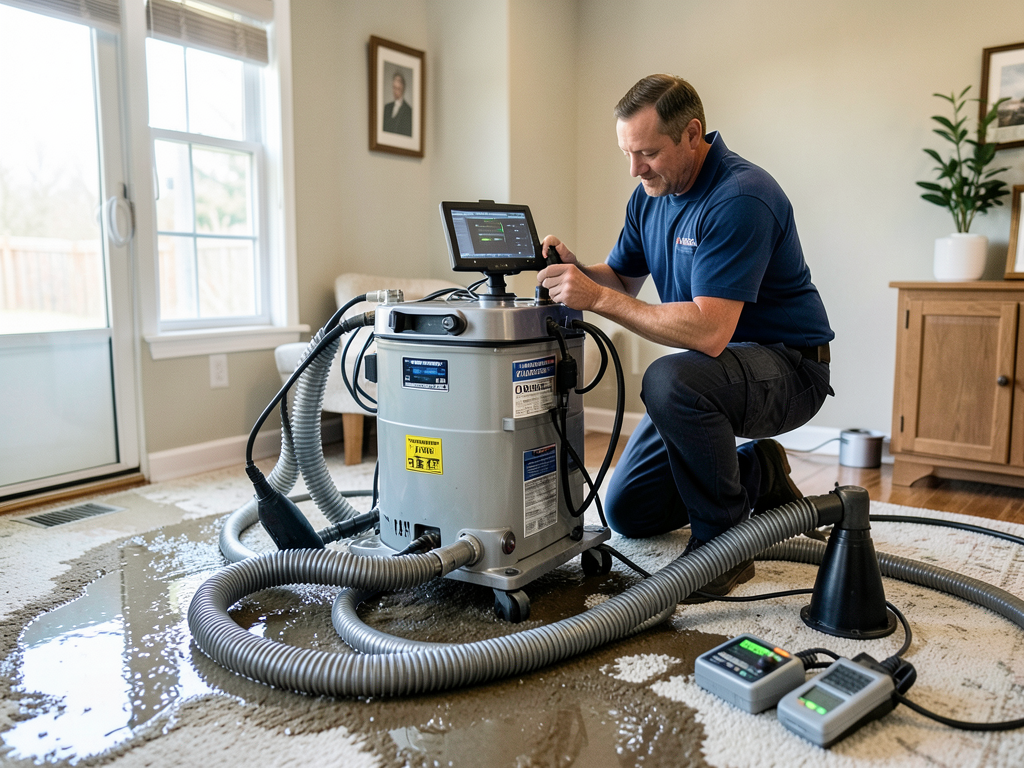
When a storm makes landfall, our emergency storm damage services mobilize within hours. We deploy truck-mounted extraction units that remove standing water faster than portable shop vacuums. We use thermal imaging cameras to map moisture hidden inside wall cavities and under flooring. We set up axial air movers and commercial dehumidifiers to create airflow patterns that accelerate evaporation without spreading contaminated air to clean areas.

Storm damage cleanup involves removing debris, saturated materials, and contents damaged beyond restoration. We cut drywall 12 to 24 inches above visible water lines because wicking draws moisture higher than the flood mark. We remove baseboards to access the wall cavity. We pull wet insulation that loses R-value and harbors mold. We treat framing lumber with antimicrobial solutions before drying begins. This prevents spore germination during the 72-hour window when conditions favor fungal growth.

How We Execute Storm Damage Mitigation for Miami Properties

Storm Damage Mitigation in Miami – Protecting Your Property Before, During, and After Tropical Systems
01

Pre-Storm Vulnerability Assessment

We conduct a 40-point inspection covering your roof, windows, doors, foundation, drainage, and utility penetrations. We identify weak points in your building envelope where water or wind will compromise structural integrity. You receive a written report with prioritized recommendations, photos of problem areas, and a mitigation timeline. This assessment takes 60 to 90 minutes and gives you actionable data before the next tropical system develops in the Atlantic.
02

Protective Barrier Installation

When a storm enters the forecast cone, we install physical barriers: hurricane panels on windows, reinforced door braces, roof tarps over compromised sections, and sandbag barriers where grading allows water to approach entry points. We activate sump pump backup systems and verify generator connections for properties with critical equipment. We seal attic vents and apply waterproof membranes to vulnerable flashing. This work happens in the 48 to 72 hours before landfall when hardware stores run out of supplies.
03

Post-Storm Damage Containment

After the storm passes, we deploy extraction and drying equipment to stop secondary damage. We document all damage with photos and moisture readings for your insurance claim. We remove saturated materials, treat exposed framing with antimicrobial solutions, and establish drying chambers using containment barriers and negative air pressure. We monitor humidity levels and moisture content in structural materials until readings return to baseline. This containment phase prevents mold growth and structural deterioration while you navigate the insurance process.

Why Miami Property Owners Trust Local Storm Damage Expertise

Storm damage mitigation requires familiarity with Miami-Dade County's high-velocity hurricane zone building codes. These regulations mandate specific wind load ratings for roofing systems, impact resistance for glazing, and structural tie-downs that connect the roof to the foundation. We know which building departments require engineer-stamped drawings for emergency repairs and which allow contractor affidavits for temporary weatherproofing.

We understand how flood zones work in Miami. FEMA maps designate AE zones with base flood elevations, VE zones subject to wave action, and X zones outside the 100-year floodplain. Your flood insurance requirements and coverage limits depend on your zone designation. We document flood damage using GPS coordinates and elevation certificates to support claims when insurers dispute water sources or coverage applicability.

Local knowledge matters when the power grid fails. We know which neighborhoods lose power first during tropical storms. We stage generators and fuel supplies at properties with medical equipment, server rooms, or refrigerated inventory. We understand that Miami's heat turns a building without air conditioning into a mold incubator within 48 hours. We bring the equipment capacity to dry 10,000 square feet while running on generator power.

We work with the insurance carriers that dominate the South Florida market: Citizens Property Insurance, Universal Property and Casualty, and the surplus lines carriers that cover high-value coastal properties. We know their documentation requirements, their preferred moisture measurement protocols, and their typical depreciation schedules for storm damage claims. We provide the invoices and material receipts that adjusters need to process payments without delays or disputes. You get the storm damage restoration work completed while the claims process unfolds.

What to Expect When You Schedule Storm Damage Mitigation Services

Emergency Response Time

We dispatch crews 24/7 during storm events. When you call during an active weather emergency, we arrive within 90 minutes for properties in Miami-Dade County. Our trucks carry extraction equipment, air movers, dehumidifiers, moisture meters, and emergency power supplies. We begin water removal and damage containment immediately. For pre-storm mitigation, we schedule assessments within 48 hours of your call. Hurricane shutter installation and barrier placement happen within 72 hours when a named storm enters the five-day forecast cone. You receive real-time updates via text message when crews are dispatched, en route, and on-site.

Property Assessment Process

Our initial assessment uses thermal imaging cameras to detect moisture in wall cavities, ceilings, and subfloor assemblies. We measure humidity levels in each affected room and take moisture content readings in structural materials using penetrating pin meters. We photograph all damage with time stamps and GPS coordinates for insurance documentation. You receive a written scope of work that itemizes extraction, drying, demolition, antimicrobial treatment, and reconstruction. We explain which work falls under emergency mitigation and which requires adjuster approval. The assessment takes 60 to 90 minutes and includes a detailed moisture map showing the extent of water intrusion.

Drying and Restoration Results

Complete structural drying takes three to seven days depending on the extent of saturation and the building materials involved. We monitor moisture levels daily using calibrated meters and adjust equipment placement to accelerate evaporation. When moisture readings reach the dry standard for your climate zone, we provide a certificate of dryness for your insurance file. Storm damage restoration includes replacing drywall, insulation, flooring, baseboards, and trim. We match textures and finishes to existing conditions. Paint colors are matched using spectrophotometry for seamless blending. The goal is to restore your property to pre-loss condition without visible evidence of the damage.

Post-Restoration Monitoring

After reconstruction is complete, we conduct a final walkthrough with moisture testing to verify all materials have returned to baseline humidity levels. We provide you with maintenance recommendations to reduce future storm damage risks: gutter cleaning schedules, roof inspection intervals, and drainage improvements. We document all work with before, during, and after photos for your property records. For properties that experienced sewage contamination or Category 3 floodwater exposure, we provide air quality testing to verify that microbial counts meet EPA guidelines for residential occupancy. You receive a lifetime callback guarantee if moisture issues recur in areas we restored.

Frequently Asked Questions

You Have Questions,
We Have Answers

What is storm mitigation? +

Storm mitigation refers to actions taken to reduce damage before or immediately after a storm hits your property. In Miami, this means preparing for hurricanes, tropical storms, and severe weather by reinforcing weak points in your home or business. Pre-storm mitigation includes installing impact-resistant windows, securing roof shingles, and trimming trees near structures. Post-storm mitigation involves quick water extraction, emergency tarping, and structural stabilization to prevent secondary damage like mold growth. Given Miami's coastal location and high humidity, immediate response after storm impact is critical to minimize repair costs and protect your property value.

What are examples of mitigation? +

Common storm mitigation examples in Miami include installing hurricane shutters or impact glass, reinforcing garage doors, securing roof-to-wall connections with hurricane straps, and sealing openings around windows and doors. After a storm, mitigation includes emergency board-up services, roof tarping to stop water intrusion, water extraction from flooded areas, and deploying commercial dehumidifiers to control moisture. For businesses near Biscayne Bay or along the coast, sandbagging and flood barriers are essential. Tree removal before storm season and securing outdoor equipment also reduce wind-borne debris risks. These steps directly reduce insurance claims and protect structures from Miami's intense tropical weather.

How to mitigate a storm? +

You mitigate a storm by preparing your property before weather strikes and responding immediately after. Inspect your roof for loose shingles, clear gutters and downspouts, and trim branches within 10 feet of your structure. Secure outdoor furniture and equipment. Install storm shutters or plywood over windows. After the storm passes, document all damage with photos, tarp exposed roof areas, extract standing water within 24 hours, and contact your insurance provider. In Miami's humid climate, mold can develop in 48 hours, so quick action is essential. Professional storm damage teams use industrial equipment to dry structures fast and prevent secondary damage.

How could we mitigate the storm? +

We mitigate storms through proactive planning and rapid emergency response. Homeowners and businesses in Miami should conduct annual property inspections before hurricane season, focusing on roof integrity, window protection, and drainage systems. Create an emergency contact list including your insurance agent and restoration specialists. After a storm, priorities shift to life safety first, then property protection. Remove water immediately, stabilize damaged structures, and prevent further exposure to elements. Commercial properties need business continuity plans that include off-site data backup and equipment protection. Professional mitigation teams deploy 24/7 during storm events to minimize downtime and reduce total repair costs for Miami properties.

What does mitigation mean with homeowners insurance? +

Mitigation in homeowners insurance means actions that reduce your risk of loss or minimize damage severity. Insurance companies often offer premium discounts for storm mitigation features like hurricane shutters, reinforced roofs, and impact-resistant windows. In Miami, these discounts can significantly reduce annual premiums. After a storm, mitigation also refers to your duty to prevent further damage. Your policy requires you to take reasonable steps like tarping holes, removing water, and securing the property. Failure to mitigate can result in claim denials for secondary damage. Document all mitigation efforts with photos and receipts to support your insurance claim.

Why do you fill a bathtub with water during a hurricane? +

You fill a bathtub with water during a hurricane because water service may be disrupted for days after the storm passes. This stored water is for flushing toilets, washing hands, and cleaning, not drinking. Miami's water treatment plants can lose power, and broken water mains are common after major storms. Fill clean containers with drinking water separately. The bathtub method provides emergency water for sanitation when municipal services fail. Do this before the storm arrives, as water pressure drops when everyone fills containers simultaneously. Keep the bathroom clean beforehand, and cover the water to prevent debris contamination during the storm.

What are the three types of mitigation? +

The three types of mitigation are structural, non-structural, and emergency response. Structural mitigation includes physical changes like reinforcing your roof, installing impact windows, or elevating electrical systems above flood levels. Non-structural mitigation involves planning, insurance coverage, and policy changes like updating building codes or creating evacuation routes. Emergency response mitigation is the immediate action after disaster strikes, including water extraction, temporary repairs, and damage documentation. In Miami, all three types work together. Strong building standards reduce damage, proper insurance covers losses, and fast emergency response from restoration professionals prevents mold and further deterioration in our humid climate.

What is mitigating a house? +

Mitigating a house means reducing its vulnerability to storm damage and responding quickly when damage occurs. In Miami, this includes hardening your home against hurricanes through roof upgrades, impact-resistant windows, and proper drainage systems. Mitigation also means maintaining your property by clearing debris, inspecting weak points, and addressing small problems before they become major failures during storms. After damage occurs, house mitigation involves emergency repairs like tarping, water removal, and structural drying to prevent mold growth. These actions protect your investment, reduce insurance claims, and maintain property value in Miami's challenging weather environment.

What is a simple word for mitigation? +

A simple word for mitigation is prevention or reduction. In storm damage terms, think of it as damage control. You take steps to reduce how badly a storm affects your property. Before the storm, mitigation means preparation. After the storm, it means stopping additional damage from happening. In Miami, where hurricanes and tropical storms are annual threats, mitigation is an ongoing process of protecting your home or business. The goal is simple: minimize destruction and lower repair costs. Whether through physical improvements or quick emergency response, mitigation reduces the financial and emotional impact of severe weather on property owners.

How to deal with storm damage? +

Deal with storm damage by prioritizing safety first, then property protection. After the storm passes and authorities clear the area, document all damage with photos and video before touching anything. Contact your insurance company immediately. Remove standing water within 24 hours to prevent mold growth, which develops rapidly in Miami's humidity. Tarp damaged roofs, board broken windows, and remove wet materials like carpet and drywall. Professional restoration companies have industrial equipment to extract water and dry structures properly. Do not delay. Secondary damage from moisture exposure often exceeds the original storm damage. Quick professional response minimizes total repair costs and gets you back to normal faster.

How Miami's Hurricane Geography Demands Year-Round Storm Damage Mitigation

Miami's location on the southeastern Atlantic coast places the city directly in the path of tropical systems that form off the African coast and intensify over warm Caribbean waters. The Gulf Stream flows within 15 miles of Miami Beach, providing the ocean heat energy that fuels rapid storm intensification. When hurricanes approach from the east or southeast, the counterclockwise wind rotation pushes storm surge from Biscayne Bay inland, flooding low-lying neighborhoods even when the storm center makes landfall 50 miles north. The shallow bay depth and narrow barrier islands provide minimal buffer against surge. Properties built before 1992 often lack the roof-to-wall connections and impact-resistant glazing required by post-Hurricane Andrew building codes. These older structures face exponentially higher risks of catastrophic failure during major hurricanes.

Fortress Water Damage Restoration Miami maintains staging facilities in Miami-Dade County with backup equipment, fuel supplies, and mobile command capabilities that remain operational when the regional power grid fails. We pre-position crews before storm landfall to bypass road closures and achieve faster response times when you need emergency storm damage services. Our technicians hold IICRC certifications in water damage restoration and applied structural drying. We use the same moisture measurement protocols and documentation standards required by Florida's largest property insurers. This consistency reduces claim disputes and accelerates payment timelines. We understand Miami-Dade's permitting requirements for emergency repairs and maintain relationships with building inspectors who expedite approvals when properties need immediate weatherproofing to prevent further deterioration.
Water Damage Restoration Services in The Miami Area

Fortress proudly serves the entire Miami area and nearby neighborhoods with prompt, expert water damage restoration services. Whether you're located downtown, in the suburbs, or along the coast, our team is just a call away. Use the map below to view our service area and get directions to our office. We’re local, responsive, and ready to help 24/7—because when disaster strikes, having a trusted team nearby makes all the difference.

Address:
Fortress Water Damage Restoration Miami, 3250 NE 1st Ave, Miami, FL, 33137

Additional Services We Offer

Our news updates

Latest Articles & News from The Blogs

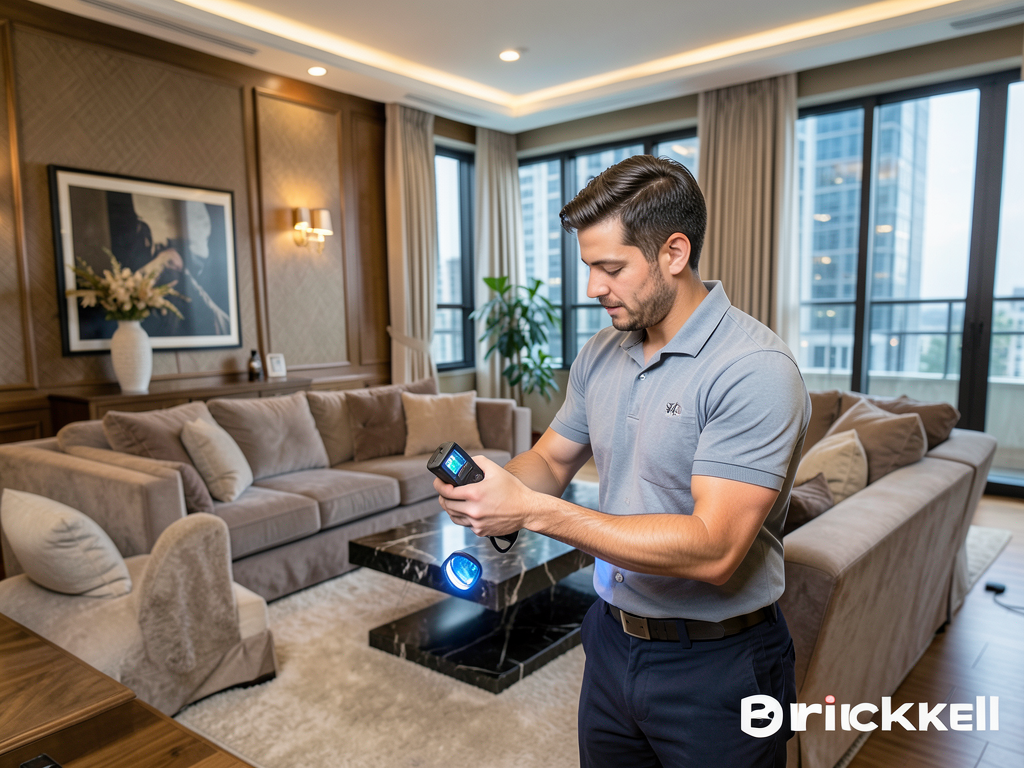
Protecting Your Brickell High-Rise with the Best Smart Leak Detectors Brickell’s luxury high-rise condominiums face unique water damage risks from…

Protecting Your Brickell High-Rise with the Best Smart Leak Detectors

Protecting Your Brickell High-Rise with the Best Smart Leak Detectors Brickell’s luxury high-rise condominiums face unique water damage risks from…

Essential Documentation Every Miami Business Owner Needs for a Successful Water Claim

Essential Documentation Every Miami Business Owner Needs for a Successful Water Claim Water damage can shut down a Miami business…

Knowing When to Call for Emergency Water Removal and When It Can Wait Until Morning

Knowing When to Call for Emergency Water Removal and When It Can Wait Until Morning \n\n Water damage in Miami…

Contact Us

Schedule a storm damage vulnerability assessment before the forecast cone includes South Florida. Call (786) 789-8282 now for 24/7 emergency storm damage services or to book a pre-season mitigation inspection. We respond within 90 minutes when you need immediate help.