menu

Commercial Mold Remediation in Miami – Minimize Downtime and Protect Your Business Operations

Industrial-grade commercial mold removal and abatement services that keep your Miami facility operational, compliant with Florida health codes, and protect your bottom line from liability and extended closures.

Slider Image 1
Slider Image 2
Slider Image 3
Slider Image 4
Slider Image 5
Slider Image 7
Slider Image 8
Slider Image 9
Slider Image 10
Slider Image 11

Mold Contamination Threatens Business Continuity in Miami's High-Humidity Environment

Miami's subtropical climate creates an ideal environment for mold proliferation in commercial facilities. Average humidity levels exceeding 75 percent, combined with warm temperatures year-round, mean any water intrusion or HVAC malfunction can trigger rapid fungal growth within 24 to 48 hours. For businesses in Brickell, the Design District, or Wynwood, this becomes a critical operational risk.

Mold contamination in commercial spaces is not just a maintenance issue. It is a liability exposure that affects employee health, regulatory compliance, and tenant relationships. Florida statute 718.113 requires condominium associations to maintain common elements, which includes addressing mold promptly. For office buildings, retail centers, and industrial warehouses, visible mold can trigger workplace safety complaints, lease violations, and insurance claims.

The cost of ignoring commercial mold growth compounds exponentially. A small ceiling leak in a restroom can migrate through drywall and insulation, contaminating HVAC ductwork and spreading spores throughout multiple floors. Business mold remediation becomes more complex and expensive as the affected area expands. Early detection and professional commercial mold mitigation prevent minor issues from escalating into full facility shutdowns.

Miami businesses face additional challenges from the dense urban construction and aging infrastructure in areas like Little Havana and Allapattah. Older buildings with outdated ventilation systems trap moisture, creating hidden mold reservoirs behind walls and above drop ceilings. Professional commercial mold abatement addresses both visible contamination and concealed growth that threatens long-term facility integrity.

Mold Contamination Threatens Business Continuity in Miami's High-Humidity Environment
Our Commercial Mold Remediation Protocol Follows IICRC S520 Standards

Our Commercial Mold Remediation Protocol Follows IICRC S520 Standards

Fortress Water Damage Restoration Miami follows the Institute of Inspection, Cleaning and Restoration Certification S520 standard for commercial mold cleanup. This protocol ensures every remediation project addresses the contamination source, contains affected areas, and prevents cross-contamination during removal.

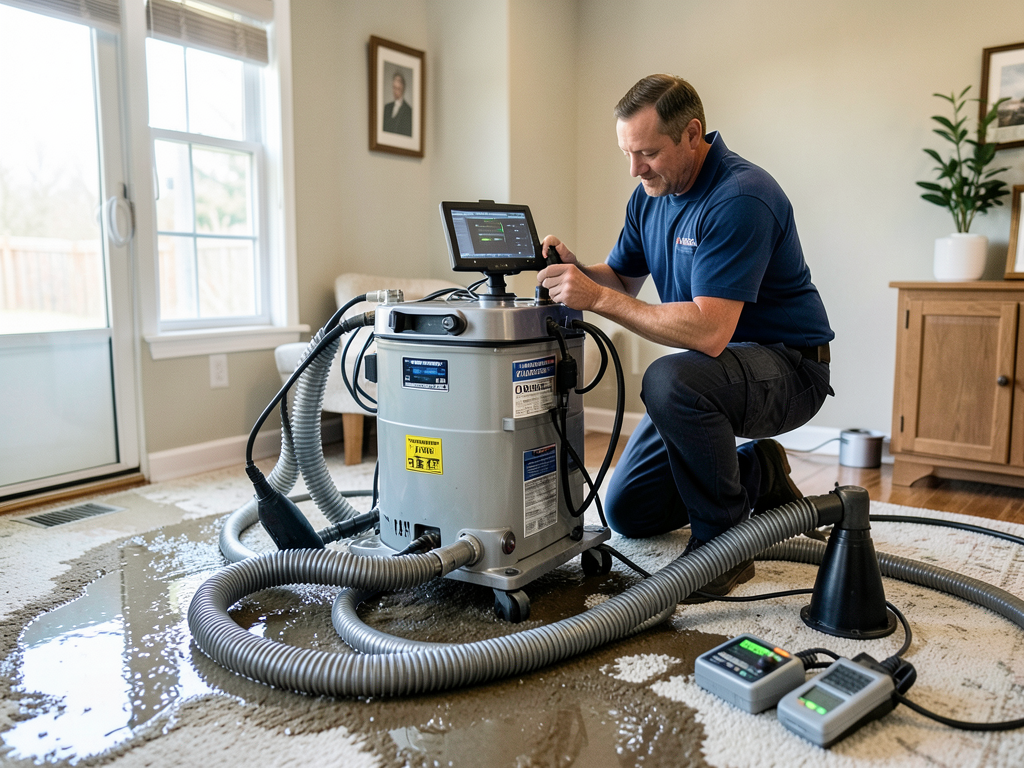
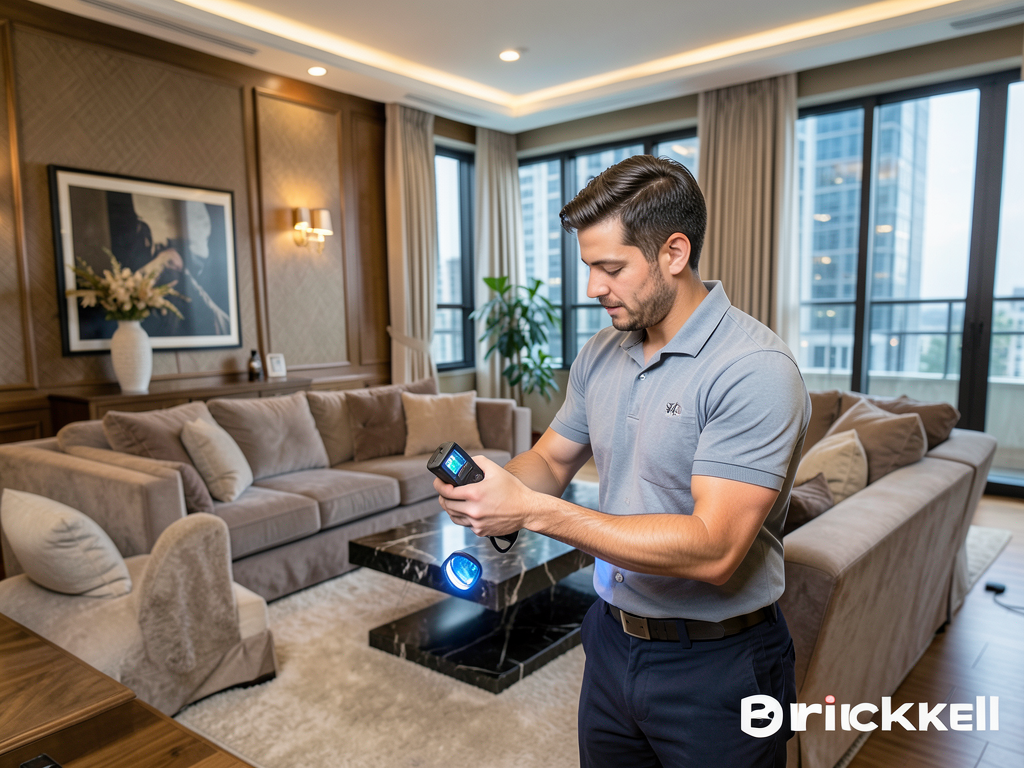
Our process begins with moisture mapping using thermal imaging cameras and hygrometers to identify all water sources feeding mold growth. We measure relative humidity, surface moisture content, and airflow patterns to determine the extent of contamination. This data-driven approach prevents incomplete remediation that allows mold to return.

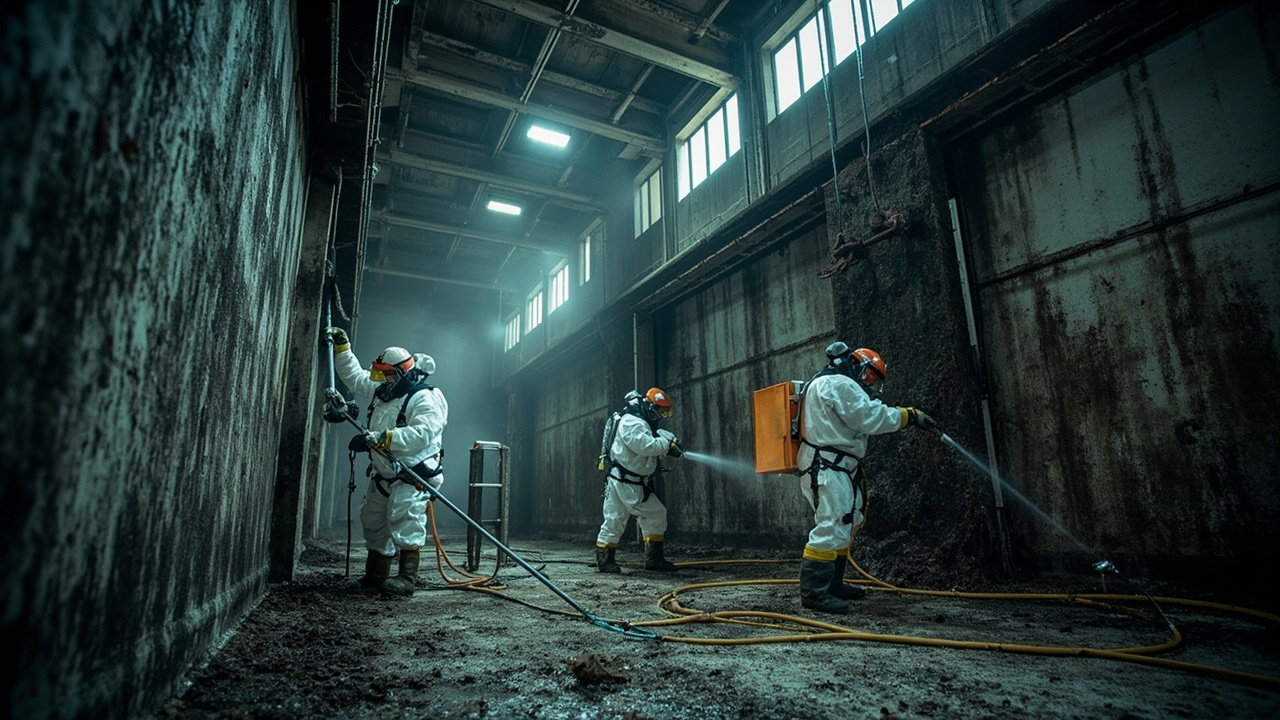
Containment is critical in commercial facilities where business operations must continue in unaffected areas. We establish negative air pressure chambers using HEPA-filtered air scrubbers and seal contaminated zones with polyethylene barriers. This prevents airborne spore migration to clean areas during demolition and removal work. For sensitive environments like medical offices or data centers, we implement more stringent containment protocols to protect equipment and meet industry compliance standards.

Material removal follows a documented hierarchy. Porous materials like drywall, insulation, and ceiling tiles saturated with mold growth are removed and disposed of according to Miami-Dade County solid waste regulations. Semi-porous materials like wood framing are evaluated for structural integrity and treated with antimicrobial solutions when salvageable. Non-porous surfaces like metal studs and concrete are cleaned with HEPA vacuums and treated to eliminate residual spores.

Post-remediation verification includes air quality testing and visual inspection to confirm clearance levels meet acceptable thresholds. We provide comprehensive documentation for insurance claims, tenant communications, and regulatory compliance requirements.

What Happens During a Commercial Mold Remediation Project

Commercial Mold Remediation in Miami – Minimize Downtime and Protect Your Business Operations
01

Initial Assessment and Containment

Our technicians arrive within hours to assess contamination scope and establish containment zones. We use moisture meters and thermal imaging to map affected areas, then install HEPA air scrubbers and polyethylene barriers to isolate the work zone. This prevents business disruption in unaffected areas while protecting employees from spore exposure during remediation work.
02

Material Removal and Treatment

Contaminated materials are systematically removed following IICRC protocols. Porous building materials saturated with mold are bagged and disposed of properly. Structural components are treated with antimicrobial solutions and HEPA vacuumed to eliminate residual spores. We document every step for insurance and compliance purposes, ensuring complete transparency throughout the commercial mold mitigation process.
03

Verification and Restoration

Post-remediation air quality testing confirms spore counts meet acceptable clearance levels before reconstruction begins. We coordinate with your insurance carrier and provide detailed scope documentation for restoration work. Our team handles complete rebuild services, returning your facility to pre-loss condition with minimal impact on your operational timeline and revenue stream.

Why Miami Businesses Choose Fortress Water Damage Restoration

Commercial mold abatement requires specialized equipment, trained personnel, and operational capacity that residential restoration companies cannot provide. Fortress Water Damage Restoration Miami maintains the infrastructure to handle projects ranging from small office suites to 100,000-square-foot warehouses. Our equipment inventory includes industrial-grade HEPA air scrubbers, truck-mounted extraction systems, and commercial dehumidification units sized for large-scale applications.

We understand Miami's building code requirements and work directly with your property management team, insurance adjuster, and tenants to minimize business interruption. For multi-tenant buildings in Coral Gables or Coconut Grove, we coordinate access schedules, provide tenant communication templates, and maintain discrete operations that protect your property's reputation.

Our project managers have handled commercial mold remediation for healthcare facilities, hospitality properties, retail centers, and industrial warehouses throughout Miami-Dade County. This experience means we anticipate logistical challenges before they impact your timeline. We know which Miami-Dade County permits are required for demolition work, how to coordinate with building engineers on HVAC system decontamination, and how to document remediation work for Florida Department of Health inspections.

Time-sensitive industries like hospitality and healthcare cannot afford extended closures. Our crews work in shifts to compress project timelines without compromising quality. We have successfully completed emergency commercial mold cleanup projects in occupied hotels, allowing unaffected floors to remain operational while remediation proceeded in isolated sections.

Insurance claim management is built into our service model. We provide detailed scope documentation, moisture readings, photographic evidence, and air quality test results that support your claim and expedite adjuster approval. This eliminates the back-and-forth that delays project starts and extends business interruption losses.

What Miami Businesses Should Expect During Commercial Mold Remediation

Rapid Response Timeline

Commercial mold contamination accelerates operational risk with every passing hour. Our dispatch team responds to emergency calls within two hours for Miami-Dade County properties. We arrive with moisture detection equipment, containment materials, and commercial-grade air scrubbers to stabilize the environment immediately. Initial assessment and containment establishment typically occur within the first four hours, allowing us to begin material removal the same day. For time-sensitive industries like hospitality or healthcare, we deploy multiple crews simultaneously to compress project timelines and minimize revenue loss from facility closures.

Comprehensive Contamination Assessment

Surface-level inspection misses hidden mold reservoirs that cause recurring contamination. Our assessment protocol includes thermal imaging to identify concealed moisture sources, hygrometer readings to measure ambient humidity levels, and surface moisture testing on building materials. We inspect HVAC systems for ductwork contamination, check above-drop ceilings for plenum space growth, and evaluate wall cavities with borescope cameras. This diagnostic approach identifies the full scope of contamination before remediation begins, preventing change orders and project delays. You receive a detailed assessment report with photographic documentation, moisture readings, and recommended remediation scope for insurance and compliance purposes.

Certified Clean Environment

Business operations cannot resume until air quality meets acceptable clearance standards. We conduct post-remediation verification testing using independent third-party laboratories to confirm spore counts fall within normal ranges. HEPA air scrubbers continue running until test results confirm clearance, typically 24 to 48 hours after final cleaning. You receive certified lab reports documenting air quality results, which satisfy insurance requirements, protect you from future liability claims, and provide assurance to employees and tenants. Our reconstruction team coordinates final inspections with Miami-Dade County building officials when permit work is involved, ensuring complete code compliance before facility turnover.

Moisture Control Recommendations

Successful commercial mold remediation addresses the moisture source that enabled growth. Our final project deliverable includes a moisture control analysis identifying building envelope deficiencies, HVAC performance issues, and maintenance protocol improvements. For buildings with recurring condensation problems, we provide humidity monitoring recommendations and dehumidification system specifications. This preventive approach protects your investment in remediation work and reduces long-term facility maintenance costs. We also coordinate with your mechanical contractors when HVAC modifications or repairs are necessary to maintain proper building pressurization and humidity control, which are critical in Miami's climate.

Frequently Asked Questions

You Have Questions,
We Have Answers

What do professionals use to remediate mold? +

Professionals use HEPA-filtered air scrubbers to contain airborne spores, antimicrobial agents like quaternary ammonium compounds or hydrogen peroxide vapor to kill mold, and industrial-grade dehumidifiers to control moisture. Containment barriers prevent cross-contamination during removal. In Miami's humid climate, professionals also address HVAC systems and hidden moisture sources like condensation in ductwork or behind wall cavities. Commercial-grade equipment removes contaminated materials safely, and moisture meters verify complete drying before reconstruction. The process follows IICRC S520 standards to ensure code compliance and protect building occupants from liability.

How much is commercial mold remediation? +

Commercial mold remediation costs vary based on square footage, contamination level, and accessibility. Small office areas may require less investment than warehouse facilities or multi-story buildings. Miami's humidity often means hidden mold in HVAC systems or behind drywall, increasing scope. Costs include containment setup, labor, disposal, antimicrobial treatment, and post-remediation testing. Building downtime and tenant displacement add indirect expenses. Most commercial projects require documentation for insurance claims and compliance records. Request a site assessment to identify moisture sources and contamination extent before budgeting for remediation work.

How much does professional mold removal cost? +

Professional mold removal pricing depends on contamination severity, affected materials, and access difficulty. Surface mold on non-porous materials costs less than structural removal involving drywall, insulation, or ceiling tiles. Miami properties often face elevated costs due to humidity-driven mold in concealed spaces like crawlspaces or behind vinyl siding. Commercial projects require certified technicians, containment protocols, and post-clearance testing to meet liability standards. Delaying remediation increases both direct costs and business interruption expenses. Most professionals provide free inspections to assess scope and identify moisture sources before quoting.

What is commercial mold remediation? +

Commercial mold remediation is the systematic removal of mold contamination from business properties to restore safe indoor air quality and protect building integrity. The process includes identifying moisture sources, containing affected areas to prevent spore spread, removing contaminated materials, applying antimicrobial treatments, and verifying complete remediation through clearance testing. Miami's subtropical climate makes commercial buildings vulnerable to mold growth in HVAC systems, storage areas, and structural cavities. Proper remediation follows IICRC S520 protocols and Florida building codes to minimize liability, maintain business continuity, and protect occupant health.

What kills mold permanently? +

Nothing kills mold permanently without addressing the underlying moisture source. Antimicrobial agents like bleach, hydrogen peroxide, or quaternary ammonium compounds kill surface mold, but spores regenerate if humidity persists. Miami's year-round humidity demands moisture control through dehumidification, proper ventilation, and HVAC maintenance. Commercial properties require ongoing monitoring of condensation points, roof leaks, and plumbing systems. Professional remediation removes contaminated materials and treats surfaces, but long-term prevention depends on maintaining indoor humidity below 60 percent and repairing water intrusion sources immediately.

How do Japanese bathrooms not get mold? +

Japanese bathrooms resist mold through superior ventilation design, quick-drying materials, and cultural maintenance practices. They use enclosed shower spaces with squeegees, heated floors to reduce condensation, and powerful exhaust fans that run continuously. Surfaces like waterproof wall panels dry faster than tile grout. Miami commercial properties can adopt similar strategies by upgrading ventilation systems, installing moisture-resistant materials in restrooms and break rooms, and implementing daily maintenance protocols. Proper air exchange and humidity control prevent mold growth more effectively than reactive cleaning. Design choices matter in high-humidity climates.

Can black mold be fully remediated? +

Black mold can be fully remediated when professionals remove all contaminated materials, treat affected surfaces with antimicrobials, and eliminate moisture sources. Miami's humidity complicates remediation because mold often spreads behind walls, in ductwork, or under flooring. Complete removal requires containment barriers, HEPA filtration, and disposal of porous materials like drywall or insulation. Post-remediation clearance testing verifies spore counts meet safe levels. Success depends on fixing leaks, controlling indoor humidity, and maintaining ventilation systems. Without moisture control, black mold returns regardless of treatment intensity.

Does commercial insurance cover mold remediation? +

Commercial insurance coverage for mold remediation depends on the cause and policy language. Most policies cover mold resulting from sudden, accidental water damage like burst pipes or storm flooding, common in Miami during hurricane season. They typically exclude mold from long-term neglect, maintenance failures, or gradual leaks. Review your policy's mold sublimit, as coverage caps often restrict payout amounts. Document water damage immediately, photograph affected areas, and begin mitigation within 48 hours to strengthen claims. Insurance adjusters require professional remediation estimates and moisture readings to approve coverage.

Is professional mold removal worth it? +

Professional mold removal is worth the investment for commercial properties because improper removal spreads spores, creates liability exposure, and violates health codes. Miami's humidity makes DIY efforts ineffective without proper containment, HEPA filtration, and moisture control. Professionals follow IICRC protocols, provide documentation for insurance and compliance, and identify hidden contamination in HVAC systems or structural cavities. Cutting corners risks tenant lawsuits, failed inspections, and repeat contamination. The cost of professional remediation is minimal compared to business interruption, legal liability, and property devaluation from unresolved mold issues.

Can you permanently get rid of black mold? +

You can permanently remove black mold by eliminating contaminated materials, treating surfaces with antimicrobials, and controlling moisture sources. Removal requires containment to prevent spore spread, HEPA-filtered air scrubbers, and disposal of porous materials like drywall or carpet. Miami's year-round humidity demands dehumidification, HVAC maintenance, and immediate leak repairs to prevent regrowth. Black mold returns if relative humidity exceeds 60 percent or water intrusion continues. Professional remediation includes post-clearance testing to verify safe spore levels. Permanent success requires ongoing moisture monitoring and building envelope maintenance.

Miami's Coastal Humidity Makes Commercial Mold Prevention a Continuous Challenge

Miami's location between Biscayne Bay and the Everglades creates persistent humidity levels that challenge commercial HVAC systems year-round. Dew point temperatures regularly exceed 70 degrees, meaning any surface below this temperature will accumulate condensation. Commercial buildings in downtown Miami, particularly high-rises with extensive glass facades, experience significant temperature differentials between exterior walls and conditioned interior spaces. This temperature gradient creates condensation zones where mold colonies establish rapidly. Coastal proximity also introduces salt-laden moisture that corrodes building materials and creates entry points for water intrusion, compounding commercial mold mitigation challenges for Miami facilities.

Miami-Dade County has specific building code requirements for moisture management in commercial structures, including mandatory vapor barriers and HVAC system specifications designed for subtropical climates. Fortress Water Damage Restoration Miami works with commercial property managers throughout Miami Beach, Aventura, and Doral who face ongoing moisture control challenges in aging buildings. Our familiarity with local construction methods, from the Art Deco buildings on Ocean Drive to modern commercial developments in Brickell, allows us to identify moisture intrusion patterns specific to Miami's building stock. This local expertise ensures business mold remediation projects address root causes rather than just treating visible symptoms.
Water Damage Restoration Services in The Miami Area

Fortress proudly serves the entire Miami area and nearby neighborhoods with prompt, expert water damage restoration services. Whether you're located downtown, in the suburbs, or along the coast, our team is just a call away. Use the map below to view our service area and get directions to our office. We’re local, responsive, and ready to help 24/7—because when disaster strikes, having a trusted team nearby makes all the difference.

Address:
Fortress Water Damage Restoration Miami, 3250 NE 1st Ave, Miami, FL, 33137

Additional Services We Offer

Our news updates

Latest Articles & News from The Blogs

Should You Use Your Insurers Preferred Vendor for Brickell Condo Water Damage? When water floods your Brickell condo, your insurance…

Should You Use Your Insurers Preferred Vendor for Brickell Condo Water Damage?

Should You Use Your Insurers Preferred Vendor for Brickell Condo Water Damage? When water floods your Brickell condo, your insurance…

How to Hire a Restorer Who Understands Aventura Penthouse Plumbing Systems

How to Hire a Restorer Who Understands Aventura Penthouse Plumbing Systems Water damage in an Aventura penthouse is not just…

The Difference Between Surface Cleaning and Deep Extraction for Kendall Area Carpets

The Difference Between Surface Cleaning and Deep Extraction for Kendall Area Carpets When water invades your Kendall home, the first…

Contact Us

Mold contamination escalates from containable to catastrophic within days. Contact Fortress Water Damage Restoration Miami at (786) 789-8282 for immediate commercial mold remediation response. We arrive with industrial equipment, experienced technicians, and the operational capacity to minimize your business interruption.