menu

Structural Drying Services in Miami – Advanced Moisture Control That Prevents Secondary Damage and Mold Growth

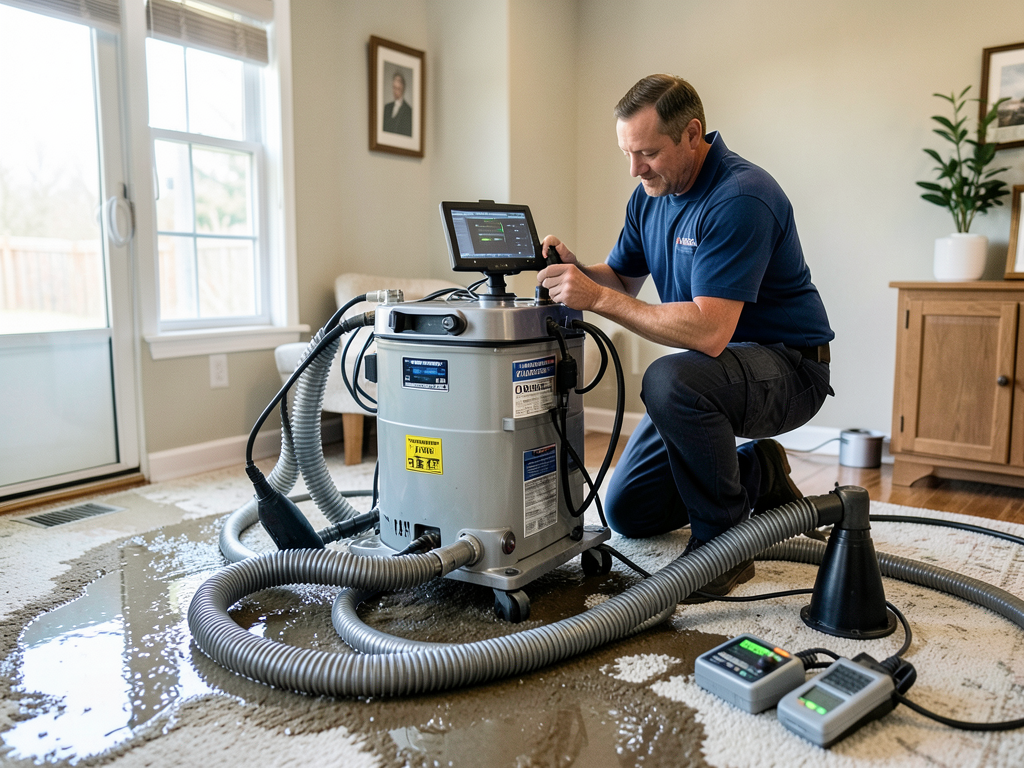
Our structural drying services use thermal imaging, commercial-grade air movers, and low-grain refrigerant dehumidifiers to eliminate trapped moisture from walls, subfloors, and cavities before mold colonies form in your property.

Slider Image 1
Slider Image 2
Slider Image 3
Slider Image 4
Slider Image 5
Slider Image 7
Slider Image 8
Slider Image 9
Slider Image 10
Slider Image 11

Why Miami Buildings Need Rapid Structural Drying After Water Intrusion

Water does not just sit on surfaces in Miami. It migrates through porous materials like drywall, wood framing, and concrete slabs. With humidity levels averaging 75 percent year-round and summer temperatures pushing 90 degrees, moisture becomes a biological accelerant. Mold spores germinate within 24 to 48 hours when relative humidity inside wall cavities exceeds 60 percent.

The construction methods common in South Florida compound the problem. Most homes and commercial buildings use concrete block or poured concrete foundations with wood-frame interiors. When a pipe bursts, a roof leak develops during hurricane season, or storm surge pushes water into first-floor units, moisture seeps into hollow block cores and gets trapped under engineered hardwood or tile. Surface drying is not enough. You need professional structural drying to pull moisture from hidden areas before it causes rot, corrosion of rebar, or black mold colonization.

Structural dehumidification services target moisture where it hides. Standard fans and shop vacs cannot address water that wicks up interior walls or saturates insulation. Rapid structural drying uses a calculated approach based on psychrometric readings and material porosity. Without restorative drying services, you face escalating damage, including subfloor delamination, drywall bulging, and electrical hazards from wet wiring. The longer moisture sits, the more expensive the rebuild becomes.

Miami's subtropical environment makes structure drying solutions non-negotiable after any flooding event. Relying on air conditioning alone will not remove moisture embedded in your building envelope. You need a controlled drying environment with negative air pressure, direct airflow, and continuous moisture monitoring.

Why Miami Buildings Need Rapid Structural Drying After Water Intrusion
How Professional Structural Drying Works in South Florida Properties

How Professional Structural Drying Works in South Florida Properties

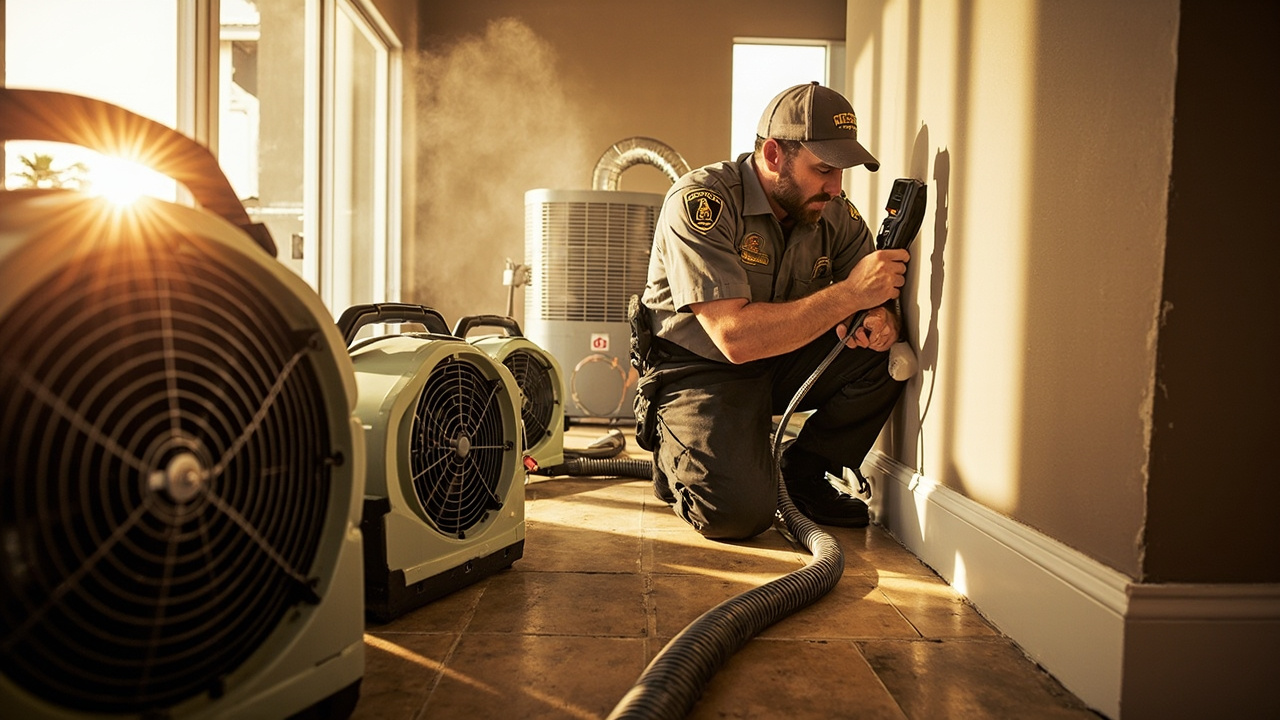
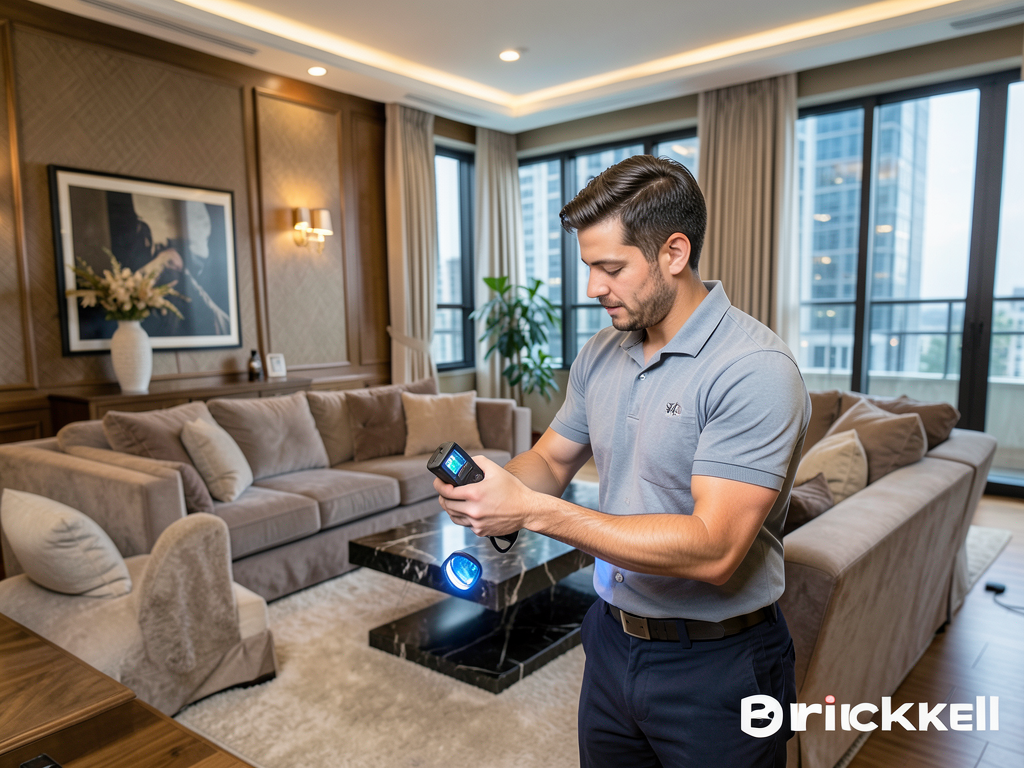
Effective structural drying is not guesswork. It requires precision equipment, environmental control, and daily moisture mapping. We start with a thermal imaging scan to identify wet zones invisible to the naked eye. Infrared cameras detect temperature differentials caused by evaporative cooling, which reveals water trapped behind baseboards, inside wall cavities, and under flooring systems.

Once we map the affected areas, we calculate the drying goal using ANSI/IICRC S500 standards. This involves measuring moisture content in structural materials using penetrating pin meters and non-invasive scanners. We establish baseline readings for wood framing, drywall, and subfloors, then design a drying chamber tailored to your building's construction type.

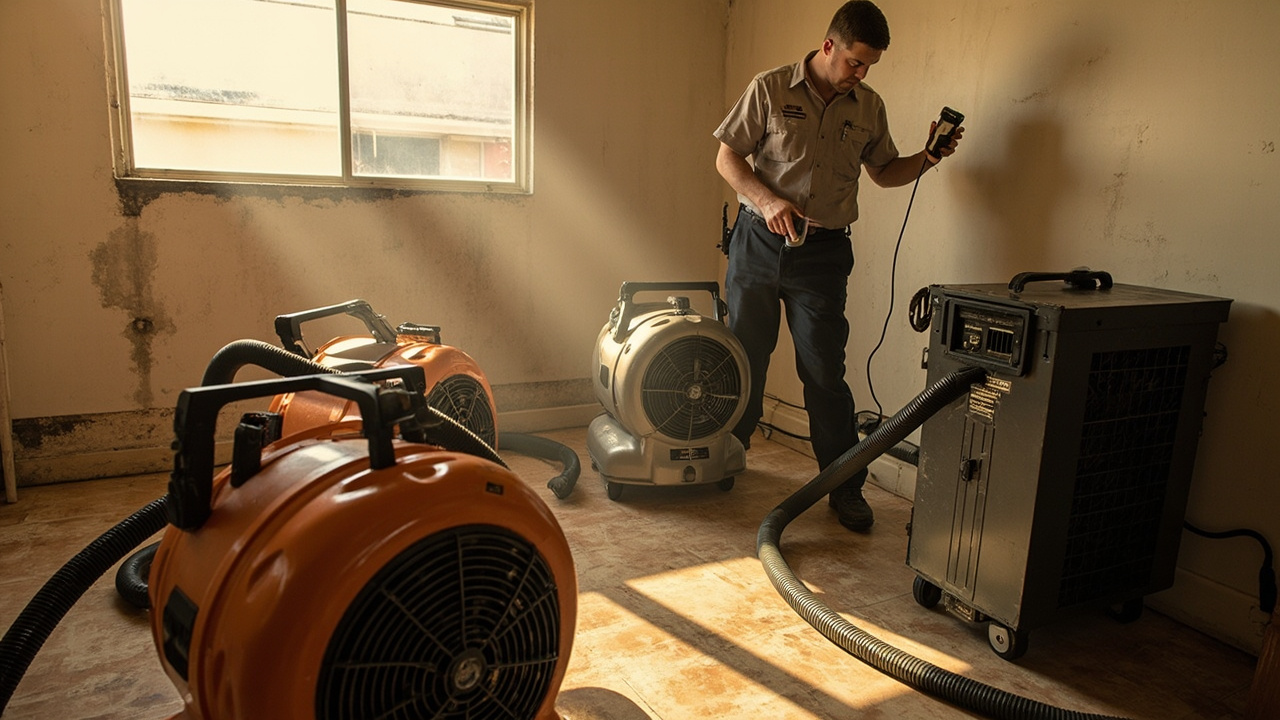
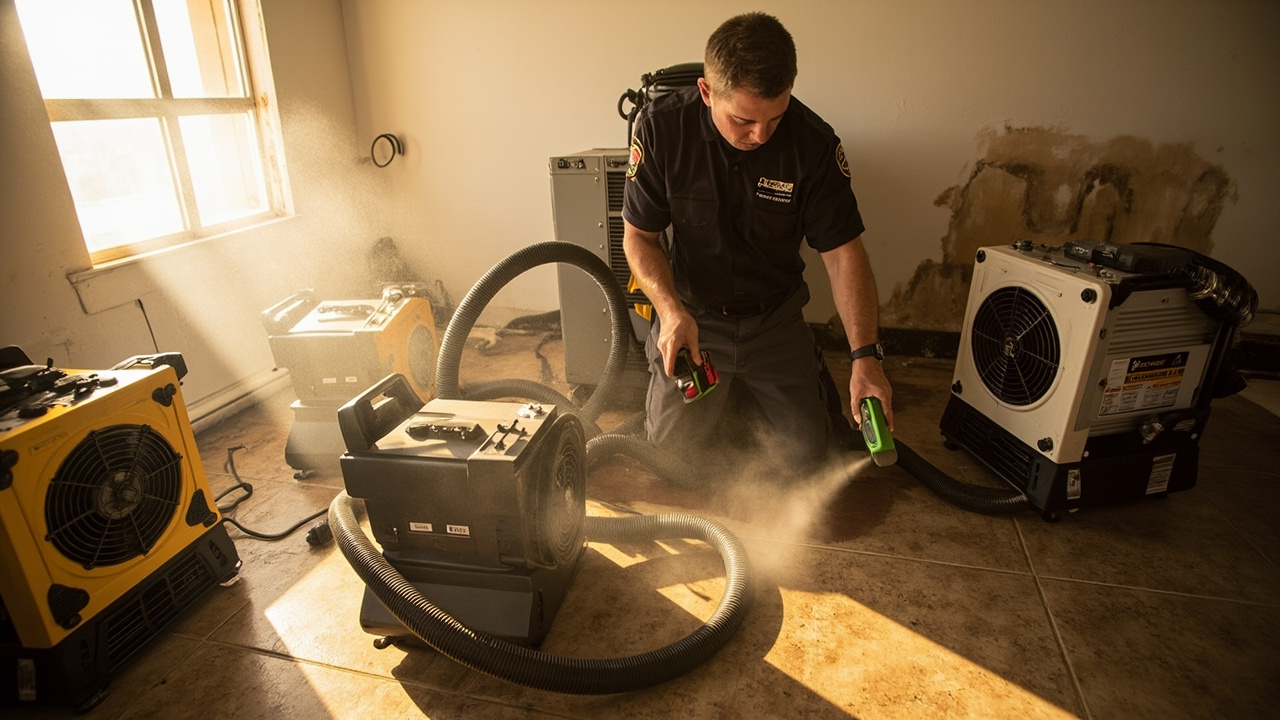
We deploy low-grain refrigerant dehumidifiers capable of removing up to 200 pints of water per day in high-humidity conditions. These units are paired with axial air movers positioned to create laminar airflow across wet surfaces, accelerating evaporation without scattering contaminants. For concealed moisture, we drill small access holes and insert drying mats or inject warm, dry air directly into wall cavities and subfloor spaces.

We monitor the environment continuously, adjusting temperature, airflow velocity, and dehumidification capacity as materials release moisture. Daily moisture readings track drying progress. The goal is to return materials to a moisture content below 15 percent for wood and under 1 percent for drywall, which prevents microbial amplification.

This is not the same as setting up a few box fans. Professional structural drying controls vapor pressure, prevents secondary wetting, and documents the entire process for insurance claims. It is the difference between a building that recovers and one that develops chronic moisture problems.

What Happens During Our Structural Drying Process

Structural Drying Services in Miami – Advanced Moisture Control That Prevents Secondary Damage and Mold Growth
01

Moisture Detection and Mapping

We use thermal imaging cameras and moisture meters to locate all areas of water intrusion, including hidden pockets in walls, ceilings, and subfloors. Every wet zone is documented with photos and moisture readings to establish a drying baseline. This diagnostic phase prevents missed moisture that could cause future mold growth or structural weakening.
02

Controlled Drying Environment Setup

We install commercial air movers and low-grain refrigerant dehumidifiers in a calculated layout based on airflow dynamics and material porosity. Drying chambers are sealed to control humidity and temperature. For concealed moisture, we use injectidry systems or drying mats that force warm air into wall cavities and under flooring. Equipment runs continuously until target moisture levels are achieved.
03

Daily Monitoring and Verification

Our technicians return daily to record moisture readings in all affected materials. We adjust equipment placement and settings based on drying progress. Once moisture content falls below industry thresholds, we perform a final verification scan and provide a drying log for your insurance carrier. This documentation proves the structure is dry and ready for reconstruction without mold risk.

Why Miami Property Owners Choose Fortress Water Damage Restoration

Structural drying is not a commodity service. It requires knowledge of building science, psychrometrics, and the specific challenges posed by South Florida's climate. We understand how Miami-Dade County's concrete block construction retains moisture differently than wood-frame homes in Coral Gables or high-rise condos in Brickell. We know that saltwater intrusion from storm surge requires different drying protocols than freshwater flooding from a supply line break.

Our technicians are trained in IICRC water damage restoration standards and use the same moisture documentation methods accepted by major insurance carriers. We work directly with adjusters to streamline your claim, providing detailed drying logs, moisture maps, and before-and-after photos that substantiate the scope of work. This eliminates disputes over coverage and speeds up your reimbursement.

We also understand the urgency. Mold begins colonizing within 48 hours in Miami's humidity. Our response time is measured in hours, not days. We arrive with commercial-grade equipment, not residential dehumidifiers borrowed from a hardware store. Our trucks carry thermal cameras, trailer-mounted desiccant dehumidifiers, and enough air movers to dry a 5,000-square-foot structure.

Local expertise matters when you are dealing with moisture in a subtropical climate. We have dried buildings after hurricanes, king tide flooding in Miami Beach, and catastrophic plumbing failures in Aventura high-rises. We know which materials can be saved and which must be removed. We understand the difference between surface drying and true structural dehumidification.

Choosing the wrong company means prolonged equipment rental fees, incomplete drying, and potential mold remediation costs later. We get it right the first time because we follow the science, not shortcuts.

What to Expect When You Call for Structural Drying Services

Rapid Mobilization and Equipment Deployment

We dispatch a crew within hours of your call, not the next business day. Our response vehicles carry everything needed to begin structural drying immediately, including thermal cameras, moisture meters, air movers, and dehumidifiers. We do not need to return later for equipment. The sooner we establish a controlled drying environment, the less damage your property sustains. Time is the variable that determines whether you face a minor restoration or a major rebuild.

Comprehensive Moisture Assessment and Drying Plan

Our initial assessment involves thermal scanning, moisture mapping, and material-specific testing. We identify every wet area, including hidden moisture in wall cavities and subfloors. You receive a written drying plan that outlines affected materials, target moisture levels, estimated drying time, and equipment placement. This plan is shared with your insurance adjuster to document the scope and justify coverage. We do not start drying blindly. We engineer a solution based on building science.

Verified Dry Standards and Documentation

We do not remove equipment based on appearance or calendar days. We dry until moisture content in affected materials falls below IICRC thresholds, which we verify with calibrated meters. You receive a final drying report with daily moisture logs, thermal images, and verification readings. This documentation protects you from future liability and gives contractors confidence that the structure is safe for reconstruction. Our work is backed by measurable data, not subjective opinions.

Post-Drying Consultation and Rebuild Coordination

Once drying is complete, we walk you through the next steps. If reconstruction is needed, we can coordinate directly with your contractor or provide referrals to licensed builders familiar with flood restoration. We explain which materials were salvaged and which require replacement. Our documentation package includes everything your insurance carrier needs for claim approval. We remain available for follow-up moisture checks if you have concerns during the rebuild phase.

Frequently Asked Questions

You Have Questions,
We Have Answers

What is structural drying? +

Structural drying removes moisture from building materials like wood framing, drywall, concrete, and subfloors after water damage. The process uses industrial dehumidifiers, air movers, and moisture meters to bring materials back to safe, pre-loss moisture levels. This prevents secondary damage like mold growth, wood rot, and structural weakening. In Miami's high-humidity climate, structural drying requires aggressive equipment and monitoring because ambient moisture slows evaporation. Without proper drying, trapped moisture in walls and floors creates ideal conditions for microbial growth within 24 to 48 hours. Professional drying follows IICRC S500 standards and typically takes three to five days depending on saturation levels and materials affected.

Who is the alternative to ServPro? +

Many local water damage restoration companies serve Miami as alternatives to SERVPRO. Look for IICRC-certified firms with 24/7 emergency response, direct insurance billing, and thermal imaging technology. Local companies often provide faster response times because they operate within specific service areas rather than coordinating franchise territories. They understand Miami-specific challenges like hurricane flooding, storm surge damage, and persistent humidity issues. Ask about their drying equipment inventory, response time guarantees, and whether technicians are certified in water damage restoration. Check Google reviews from Miami customers and verify they carry proper liability insurance and workers compensation coverage for work in Florida.

Is water damage restoration worth it? +

Yes. Water damage restoration prevents catastrophic secondary problems that cost far more than initial remediation. Untreated water damage leads to structural wood decay, toxic mold colonization, electrical hazards, and foundation issues. In Miami's humid subtropical climate, moisture problems escalate quickly. A small leak ignored for weeks can require full wall cavity remediation, insulation replacement, and mold abatement costing thousands more than immediate extraction and drying. Most homeowners insurance covers sudden and accidental water damage, meaning your out-of-pocket costs are often just your deductible. Restoration also protects your home's resale value and prevents health issues from mold exposure. Speed matters. The first 48 hours determine whether you need basic drying or extensive reconstruction.

How much does it cost to get rid of water damage? +

Water damage costs in Miami range widely based on water category, affected square footage, and materials involved. Minor clean water leaks affecting one room may cost $1,500 to $3,000 for extraction and drying. Category 3 sewage backups or flooding affecting multiple rooms typically cost $5,000 to $15,000 or more. Costs include water extraction, antimicrobial treatment, structural drying equipment rental for three to five days, moisture monitoring, and contents manipulation. Miami's humidity extends drying time, increasing equipment costs. Hardwood floors, plaster walls, and tile require specialized handling. Insurance usually covers sudden damage minus your deductible. Get written estimates from IICRC-certified companies before work begins.

What does mold remediation typically cost? +

Mold remediation in Miami typically costs $1,500 to $6,000 for residential projects, though extensive contamination exceeds $10,000. Pricing depends on square footage affected, mold species, containment requirements, and materials requiring removal. Small bathroom mold might cost $500 to $1,500. Attic mold from roof leaks or wall cavities saturated by plumbing failures require containment barriers, HEPA filtration, and material removal, increasing costs significantly. Miami's climate makes mold growth aggressive once moisture intrudes. Certified mold assessors charge $300 to $700 for testing and protocol development separate from remediation costs. Insurance rarely covers mold unless it results from a covered peril like storm damage. Choose Florida-licensed mold remediators, not general contractors.

Does homeowners insurance pay for structural damage? +

Homeowners insurance typically covers structural damage from sudden and accidental events like burst pipes, appliance failures, and storm-related roof leaks. Policies usually exclude gradual damage from long-term leaks, lack of maintenance, or flooding from outside sources. In Miami, hurricane damage to roof structures is covered under windstorm provisions, but storm surge flooding requires separate flood insurance through NFIP or private carriers. Your policy's dwelling coverage pays for structural repairs like damaged framing, roof decking, and load-bearing walls. Read your declarations page carefully. Document damage with photos immediately and file claims promptly. Delayed reporting can result in denial for preventable secondary damage like mold growth.

What are the pros and cons of SERVPRO? +

SERVPRO offers nationwide brand recognition, standardized training, and established insurance partnerships. Their franchise network means broad coverage and consistent processes. However, franchise models sometimes result in slower response times compared to local independents because of territory coordination. Quality varies between franchise owners. Some customers report aggressive upselling or higher pricing due to franchise fees and national advertising costs. Local Miami restoration companies often provide faster mobilization, owner accountability, and comparable IICRC training without franchise markup. Evaluate any company based on certifications, response guarantees, customer reviews specific to your Miami neighborhood, and transparent pricing rather than brand name alone. Get multiple estimates for non-emergency situations.

What is the restoration hardware controversy? +

The Restoration Hardware controversy involves the luxury furniture retailer, not water damage restoration companies. Restoration Hardware faced criticism for aggressive sales tactics, membership fee structures, shipping delays, and quality concerns relative to premium pricing. The term restoration in their name references furniture restoration aesthetics, not disaster recovery services. This creates occasional confusion when people search for structural restoration contractors. If you need water damage restoration in Miami, you are looking for IICRC-certified mitigation and remediation companies that handle flood cleanup, structural drying, and mold removal. These are entirely different industries. Focus your search on terms like water damage restoration, flood cleanup, or structural drying to find appropriate emergency services.

How to find a reputable mold remediation company? +

Start with Florida Department of Business and Professional Regulation licensing verification. All mold remediators in Florida must hold proper state licenses. Check IICRC certification for mold remediation technicians. Request certificates of insurance showing liability coverage and workers compensation. Read Google reviews from Miami customers specifically, looking for transparency, communication, and post-remediation testing results. Ask for written protocols following IICRC S520 standards before work begins. Reputable companies provide independent post-clearance testing through third-party assessors. Avoid companies that both test and remediate, which creates conflict of interest. Get multiple estimates. Verify they use proper containment, HEPA filtration, and negative air machines. Ask about warranty or guarantee policies.

Does home insurance cover water damage restoration? +

Home insurance covers water damage restoration from sudden and accidental events like burst pipes, appliance malfunctions, and roof leaks caused by storms. Your policy's water damage coverage includes extraction, structural drying, antimicrobial treatment, and contents restoration under dwelling and personal property provisions. Miami policies exclude flooding from external sources like storm surge, rivers, or street flooding. That requires separate flood insurance. Gradual leaks from poor maintenance are excluded. File claims immediately after discovery. Insurance pays actual cash value or replacement cost minus your deductible. Most carriers require mitigation within 48 hours to prevent mold exclusions. Your restoration company should handle direct insurance billing and provide detailed documentation supporting your claim.

How Miami's Hurricane Season and King Tides Make Structural Drying Essential

Miami faces water intrusion risks that few other cities experience with the same frequency. Atlantic hurricane season brings heavy rainfall, wind-driven rain infiltration, and storm surge flooding from June through November. King tides, which occur during fall full moons, push seawater into low-lying neighborhoods like Shorecrest, Normandy Shores, and Sunset Harbour. These predictable flooding events saturate foundations, seep through expansion joints, and wick up interior walls. Without rapid structural drying, properties develop chronic moisture problems that persist long after floodwaters recede. The combination of saltwater exposure and high humidity creates ideal conditions for corrosion and microbial growth, making professional structure drying solutions critical for long-term building integrity.

South Florida building codes have evolved to address moisture intrusion, but older construction still dominates much of Miami. Homes and commercial properties built before updated flood mitigation standards lack proper vapor barriers, elevated electrical systems, and moisture-resistant materials. This makes structural dehumidification services even more important after water events. Local restoration companies that understand Miami-Dade County building codes, work with local adjusters, and know the construction methods used throughout Coral Gables, Coconut Grove, and Kendall can navigate permitting, insurance claims, and proper drying protocols more effectively than out-of-area contractors unfamiliar with subtropical restoration challenges.
Water Damage Restoration Services in The Miami Area

Fortress proudly serves the entire Miami area and nearby neighborhoods with prompt, expert water damage restoration services. Whether you're located downtown, in the suburbs, or along the coast, our team is just a call away. Use the map below to view our service area and get directions to our office. We’re local, responsive, and ready to help 24/7—because when disaster strikes, having a trusted team nearby makes all the difference.

Address:
Fortress Water Damage Restoration Miami, 3250 NE 1st Ave, Miami, FL, 33137

Additional Services We Offer

Our news updates

Latest Articles & News from The Blogs

How to Tell the Difference Between Dry Rot and Active Water Damage in Little Havana\nWalking through your Little Havana home…

How to Tell the Difference Between Dry Rot and Active Water Damage in Little Havana

How to Tell the Difference Between Dry Rot and Active Water Damage in Little Havana\nWalking through your Little Havana home…

Are Your New Solar Panels Causing Roof Leaks in Your Kendall Home?

Are Your New Solar Panels Causing Roof Leaks in Your Kendall Home? If you’ve noticed water stains on your ceiling…

How Saltwater Intrusion Corrodes Key Biscayne Home Foundations Over Time

How Saltwater Intrusion Corrodes Key Biscayne Home Foundations Over Time Living on Key Biscayne means enjoying waterfront views and ocean…

Contact Us

Do not wait for mold to appear or floors to buckle. Call Fortress Water Damage Restoration Miami now at (786) 789-8282 for immediate structural drying services. Our crews deploy fast, dry thoroughly, and document every step for your insurance claim.