menu

Black Mold Symptoms in Miami – Expert Diagnosis and Proven Indoor Air Quality Solutions

Recognizing black mold symptoms early protects your family from serious health risks. Our certified technicians use advanced air quality testing and targeted remediation protocols to eliminate stachybotrys chartarum and restore safe indoor environments across Miami-Dade County.

Slider Image 1
Slider Image 2
Slider Image 3
Slider Image 4
Slider Image 5
Slider Image 7
Slider Image 8
Slider Image 9
Slider Image 10
Slider Image 11

How Miami's Climate Creates Perfect Conditions for Black Mold Growth

Miami's year-round humidity averaging 75 to 80 percent creates ideal breeding grounds for stachybotrys chartarum, the toxic black mold species that produces mycotoxins. When indoor moisture from AC condensation, roof leaks after summer storms, or flooding combines with warm temperatures, black mold colonizes drywall, insulation, and HVAC systems within 48 hours.

Signs of black mold exposure often appear gradually. You might notice persistent headaches, respiratory irritation, or chronic fatigue that worsens at home. Children and elderly residents in neighborhoods like Coral Gables and Coconut Grove face higher black mold health risks due to developing or weakened immune systems. The problem intensifies when central air systems circulate contaminated spores throughout your property.

Black mold poisoning symptoms include chronic coughing, sinus congestion, skin rashes, and eye irritation. More severe toxic mold health effects involve neurological symptoms like memory problems and difficulty concentrating. These stachybotrys chartarum symptoms worsen with prolonged exposure, particularly in older Miami homes with poor ventilation or hidden water damage behind walls.

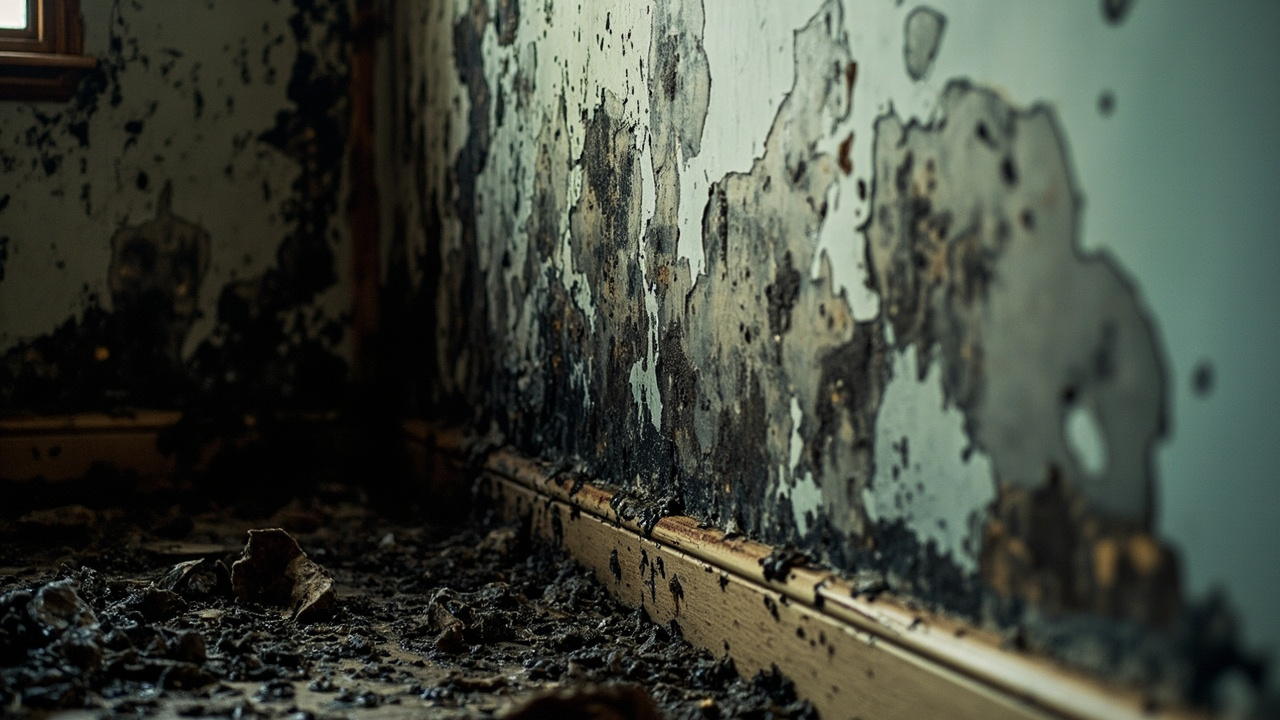
The challenge lies in identification. Black mold appears as dark greenish-black patches with a slimy texture when wet, but visual confirmation alone does not assess airborne spore concentration. Professional air quality testing measures contamination levels and identifies hidden growth in crawl spaces, attics, and behind baseboards where Miami's moisture accumulates unnoticed.

How Miami's Climate Creates Perfect Conditions for Black Mold Growth
Our Science-Based Black Mold Assessment and Remediation Protocol

Our Science-Based Black Mold Assessment and Remediation Protocol

We begin every black mold case with comprehensive moisture mapping using thermal imaging cameras and hygrometers. This technology identifies the water source fueling mold growth, whether from hurricane damage, plumbing failures, or condensation from oversized AC units common in Miami installations.

Air sampling follows strict protocols. We collect spore trap samples from multiple zones, comparing indoor concentrations against outdoor baseline levels. Lab analysis identifies specific mold species and quantifies colony-forming units per cubic meter. This data determines whether you face cosmetic mold or dangerous stachybotrys chartarum requiring aggressive intervention.

Containment begins before removal. We establish negative air pressure chambers using HEPA-filtered air scrubbers to prevent cross-contamination. All HVAC systems shut down and vents seal with polyethylene barriers. This isolation protects unaffected areas while we work.

Physical removal targets all contaminated materials. Porous substances like drywall, insulation, and carpeting get bagged and disposed of following EPA guidelines. Non-porous surfaces undergo HEPA vacuuming followed by antimicrobial treatment with hospital-grade fungicides. We never paint over mold or use ozone generators that mask problems without eliminating the source.

The final step addresses prevention. We apply mold-resistant coatings to framing, install vapor barriers in crawl spaces, and recommend dehumidification strategies for Miami's climate. Post-remediation testing confirms spore counts return to safe levels before we consider the project complete. This verification protects you from recurring growth and validates our work.

What Happens During Your Black Mold Inspection and Removal

Black Mold Symptoms in Miami – Expert Diagnosis and Proven Indoor Air Quality Solutions
01

Emergency Health Assessment

Our certified mold inspector arrives within hours to evaluate visible growth and conduct preliminary air quality screening. You receive immediate guidance on whether to evacuate sensitive household members. We document all affected areas with photographs and moisture readings, creating a detailed scope map that guides the remediation strategy and insurance documentation.
02

Containment and Safe Removal

Technicians establish sealed work zones with negative air machines running continuously. All contaminated materials get removed using HEPA-filtered equipment to capture microscopic spores. We treat structural elements with EPA-registered antimicrobials, then dry affected areas to below 16 percent moisture content using commercial dehumidifiers. This eliminates the conditions that allowed mold colonization.
03

Clearance Testing and Prevention

An independent third-party lab conducts post-remediation air sampling to verify spore counts meet industry standards. You receive a detailed report showing before and after concentrations. We identify the root moisture source and provide specific recommendations for preventing recurrence, from improved ventilation to waterproofing vulnerable areas common in Miami construction.

Why Miami Homeowners Trust Our Mold Remediation Expertise

Black mold remediation in Miami requires understanding how our subtropical climate interacts with building science. We know that homes in Pinecrest and South Miami built on limestone bedrock face different moisture challenges than waterfront properties in Key Biscayne. This geographical knowledge informs our assessment approach.

Our technicians hold certifications from the Institute of Inspection, Cleaning and Restoration Certification and complete ongoing training in mycology and indoor air quality science. We understand the difference between allergenic molds like cladosporium and toxigenic species like stachybotrys that produce trichothecene mycotoxins. This expertise prevents misdiagnosis and ensures appropriate response levels.

We maintain relationships with Miami-Dade County building inspectors and understand local mold disclosure requirements for property transactions. When black mold affects a home sale or rental property, we provide documentation that satisfies legal and financial requirements. Our reports meet the standards insurance adjusters expect when processing water damage claims.

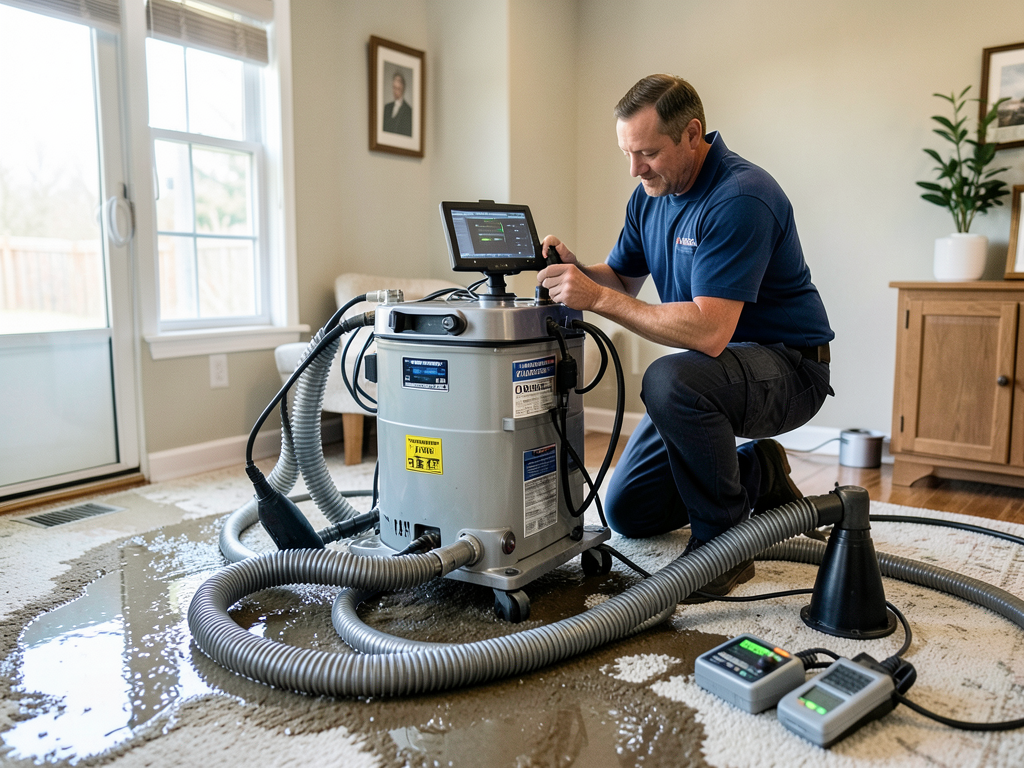
Equipment quality separates professional remediation from inadequate DIY attempts. We use commercial-grade HEPA air scrubbers that filter particles down to 0.3 microns, capturing even the smallest mold spores. Our truck-mounted extraction systems remove thousands of gallons during flood remediation, preventing the prolonged dampness that allows secondary mold growth.

Transparency guides our process. You receive detailed proposals explaining exactly what gets removed, what gets treated, and why. We never upsell unnecessary services or recommend whole-house remediation when localized treatment suffices. This honesty builds trust with families across Miami who need solutions, not sales tactics.

What to Expect During Black Mold Remediation

Response Time and Scheduling

We dispatch inspectors within two hours for emergency calls involving active water intrusion or severe respiratory symptoms. Standard assessments schedule within 24 hours of your initial contact. The inspection takes 60 to 90 minutes depending on property size. You receive a written protocol within 24 hours detailing scope, timeline, and testing requirements. Most residential remediation projects complete in three to five days once containment begins. We work around your schedule to minimize disruption, with evening and weekend availability for occupied homes.

Comprehensive Property Assessment

Initial consultation includes visual inspection of all potential growth areas including attics, crawl spaces, and behind appliances. We use moisture meters to scan walls and floors for hidden water damage. Air sampling captures baseline spore concentrations in affected rooms and control areas. Surface sampling confirms mold species when visual identification proves inconclusive. You receive a detailed report explaining findings in plain language, including laboratory analysis identifying specific mold types and concentration levels. This diagnostic phase costs a flat inspection fee, credited toward remediation if you proceed.

Complete Contamination Elimination

You get a property free of viable mold spores and restored to pre-loss condition. All affected materials are safely removed and disposed of following environmental regulations. Structural elements receive antimicrobial treatment and protective coatings. We rebuild removed drywall, replace insulation, and repaint affected areas using mold-resistant products. Final clearance testing by independent laboratories confirms air quality meets or exceeds industry safety standards. You receive comprehensive documentation including before and after photos, air quality reports, and certificates of completion for insurance or real estate transactions.

Long-Term Protection Strategy

Every project includes a written prevention plan specific to your property's vulnerabilities. We identify moisture sources like AC drain line issues, roof penetrations, or poor exterior grading that contributed to mold growth. You receive maintenance recommendations for humidity control, ventilation improvements, and early warning signs to monitor. We offer annual indoor air quality inspections to catch problems before they escalate. Our work comes backed by detailed documentation proving proper remediation protocols, protecting your property value and family health for years ahead.

Frequently Asked Questions

You Have Questions,
We Have Answers

How do I know if mold is making me sick? +

Pay attention to respiratory issues that worsen indoors. Persistent coughing, wheezing, or nasal congestion that improves when you leave your Miami home signals possible mold exposure. Watch for chronic headaches, fatigue, or skin rashes without clear cause. In humid South Florida environments, mold grows fast in AC ducts and behind walls. Track your symptoms. If multiple family members experience similar issues, mold contamination is likely. A professional inspection confirms the source. Do not ignore prolonged respiratory distress, especially in children or elderly residents.

What are the symptoms of being exposed to black mold? +

Black mold exposure triggers respiratory symptoms first. You may experience chronic coughing, difficulty breathing, sinus congestion, or throat irritation. Neurological effects include headaches, dizziness, brain fog, and memory problems. Skin contact causes rashes or irritation. Severe cases produce chronic fatigue, immune system suppression, or persistent nausea. Miami's year-round humidity accelerates mold growth in poorly ventilated spaces, increasing exposure risk. Symptoms vary by individual sensitivity and exposure duration. If you notice these patterns, leave the affected area and contact a mold remediation specialist immediately.

How long does it take to recover from mold toxicity? +

Recovery time depends on exposure severity and your overall health. Mild exposure symptoms may resolve within days to weeks after removing yourself from the contaminated environment. Moderate cases take one to three months as your body clears mycotoxins. Severe or prolonged exposure can require six months to a year of medical support, detoxification protocols, and environmental cleanup. Miami residents face repeated exposure risk due to high humidity if the mold source remains untreated. Full recovery requires professional remediation, not just symptom management. Consult a physician familiar with mold illness.

How to get rid of black mold in a house? +

Do not attempt DIY removal for black mold covering more than 10 square feet. Professional remediation in Miami involves containment to prevent spore spread, HEPA filtration, and complete material removal. Porous materials like drywall and insulation must be discarded. Non-porous surfaces require antimicrobial treatment. The key is eliminating the moisture source, whether from AC condensation, roof leaks, or plumbing failures common in South Florida construction. Surface cleaning with bleach does not kill embedded mold and can worsen air quality. Call certified remediation specialists for safe, complete removal.

Can I test myself for mold exposure? +

Yes, but home testing has limits. You can collect a urine sample for mycotoxin testing through specialty labs. Blood tests check for mold antibodies or immune system markers. These tests show exposure but do not confirm current contamination levels in your Miami home. Environmental air sampling and surface swabs identify active mold presence more accurately. Medical testing helps connect symptoms to exposure but requires physician interpretation. For residents experiencing chronic symptoms, combine medical testing with professional home inspection to address both health impacts and environmental contamination simultaneously.

What kills mold spores instantly? +

Nothing kills mold spores instantly in a safe, effective way throughout a structure. EPA-registered antimicrobial solutions require dwell time to penetrate spores. HEPA filtration captures airborne spores but does not kill them. Extreme heat above 140 degrees kills spores but damages building materials. The real issue in Miami homes is removing spores completely, not just killing surface growth. Dead spores still trigger allergic reactions. Professional remediation combines physical removal, antimicrobial treatment, and source moisture elimination. Quick fixes fail because Miami's humidity reactivates dormant spores within days without proper moisture control.

How quickly will black mold make you sick? +

Reaction time varies by individual sensitivity and exposure intensity. Highly sensitive people experience symptoms within 24 to 48 hours of exposure. Most healthy adults develop noticeable symptoms after several days to weeks of continuous contact. Respiratory issues appear first, followed by neurological effects with prolonged exposure. In Miami's humid climate, black mold colonies produce high spore concentrations quickly, accelerating symptom onset. Children, elderly residents, and individuals with compromised immune systems react faster and more severely. The danger is cumulative. Daily exposure in a contaminated home compounds health effects over time.

What kills black mold? +

EPA-registered fungicides and antimicrobial solutions kill black mold on non-porous surfaces when applied correctly. Borax, hydrogen peroxide, and commercial biocides work for surface treatment. However, killing visible mold is not enough. Spores penetrate porous materials like drywall and wood, requiring complete removal. Miami's persistent humidity means killed mold regrows unless you fix the moisture source. Professional remediation uses containment barriers, HEPA vacuums, and controlled demolition to remove contaminated materials safely. Surface sprays fail because they cannot reach mold inside wall cavities or under flooring where South Florida moisture accumulates.

How do I test for black mold? +

Visual inspection identifies obvious growth, but hidden mold requires professional testing. You can purchase DIY surface swab kits or air sample collectors from hardware stores. Send samples to a lab for species identification. Professional inspectors use moisture meters, thermal imaging, and air quality testing to locate hidden colonies behind walls or in AC systems common in Miami homes. Testing costs less than remediation, so confirm the problem before tearing into walls. If you see visible growth or smell persistent musty odors, skip DIY testing and hire a certified mold inspector for accurate assessment.

What are the three stages of mold toxicity? +

Stage one involves immediate allergic reactions like sneezing, coughing, eye irritation, and skin rashes. Stage two develops with continued exposure, producing chronic respiratory issues, persistent headaches, cognitive impairment, and immune system dysfunction. Stage three represents severe systemic toxicity with neurological damage, organ stress, chronic fatigue syndrome, and autoimmune responses. Miami residents often progress through stages without recognizing the cause because symptoms mimic other conditions. High humidity environments accelerate progression by maintaining constant exposure. Early intervention prevents advancement to severe stages. If you experience stage one symptoms consistently indoors, address potential mold contamination immediately.

Why Miami's Hurricane Season Makes Black Mold Symptoms a Year-Round Threat

Miami's position in the Atlantic hurricane belt creates recurring water intrusion events that fuel toxic mold growth. Storm surge, wind-driven rain through compromised building envelopes, and power outages that disable dehumidification systems create perfect conditions for stachybotrys chartarum colonization. Properties in flood zones near Biscayne Bay or along the Miami River face repeated moisture exposure. Even minor roof damage from tropical storms allows water into attics and wall cavities where it remains undetected until black mold symptoms appear in occupants weeks later.

Our team understands Miami-Dade County's specific building codes for flood-resistant construction and mold-prevention requirements in renovations. We work directly with insurance adjusters familiar with Florida's unique coverage requirements for mold remediation following named storms. This local expertise speeds claims processing and ensures you receive full benefits. Our relationships with Miami environmental testing labs guarantee fast turnaround on spore analysis, critical when black mold health risks require immediate action. Choosing a local specialist means working with professionals who understand your neighborhood's specific vulnerabilities.
Water Damage Restoration Services in The Miami Area

Fortress proudly serves the entire Miami area and nearby neighborhoods with prompt, expert water damage restoration services. Whether you're located downtown, in the suburbs, or along the coast, our team is just a call away. Use the map below to view our service area and get directions to our office. We’re local, responsive, and ready to help 24/7—because when disaster strikes, having a trusted team nearby makes all the difference.

Address:
Fortress Water Damage Restoration Miami, 3250 NE 1st Ave, Miami, FL, 33137

Additional Services We Offer

Our news updates

Latest Articles & News from The Blogs

Should You Use Your Insurers Preferred Vendor for Brickell Condo Water Damage? When water floods your Brickell condo, your insurance…

Should You Use Your Insurers Preferred Vendor for Brickell Condo Water Damage?

Should You Use Your Insurers Preferred Vendor for Brickell Condo Water Damage? When water floods your Brickell condo, your insurance…

How to Hire a Restorer Who Understands Aventura Penthouse Plumbing Systems

How to Hire a Restorer Who Understands Aventura Penthouse Plumbing Systems Water damage in an Aventura penthouse is not just…

The Difference Between Surface Cleaning and Deep Extraction for Kendall Area Carpets

The Difference Between Surface Cleaning and Deep Extraction for Kendall Area Carpets When water invades your Kendall home, the first…

Contact Us

Black mold symptoms worsen with every day of exposure. Call (786) 789-8282 now for same-day inspection and lab-certified air quality testing. Our certified remediation specialists eliminate stachybotrys chartarum at the source and restore safe indoor air quality throughout your Miami home.