menu

Risks of DIY Water Cleanup in Miami – Why Amateur Restoration Can Cost You More Than Professional Service

Attempting water cleanup without professional equipment and expertise exposes Miami homeowners to hidden mold growth, structural damage, electrical hazards, and insurance claim denials that multiply the original repair costs.

Slider Image 1
Slider Image 2
Slider Image 3
Slider Image 4
Slider Image 5
Slider Image 7
Slider Image 8
Slider Image 9
Slider Image 10
Slider Image 11

Why Miami's Climate Makes DIY Water Cleanup Particularly Dangerous

Miami's subtropical humidity creates the perfect storm for DIY water cleanup failures. When you extract water with a shop vacuum and fans from Home Depot, you are addressing surface moisture while deeper saturation goes undetected. The ambient humidity in Miami hovers between 60 and 90 percent year-round. This means materials never fully dry without industrial dehumidification.

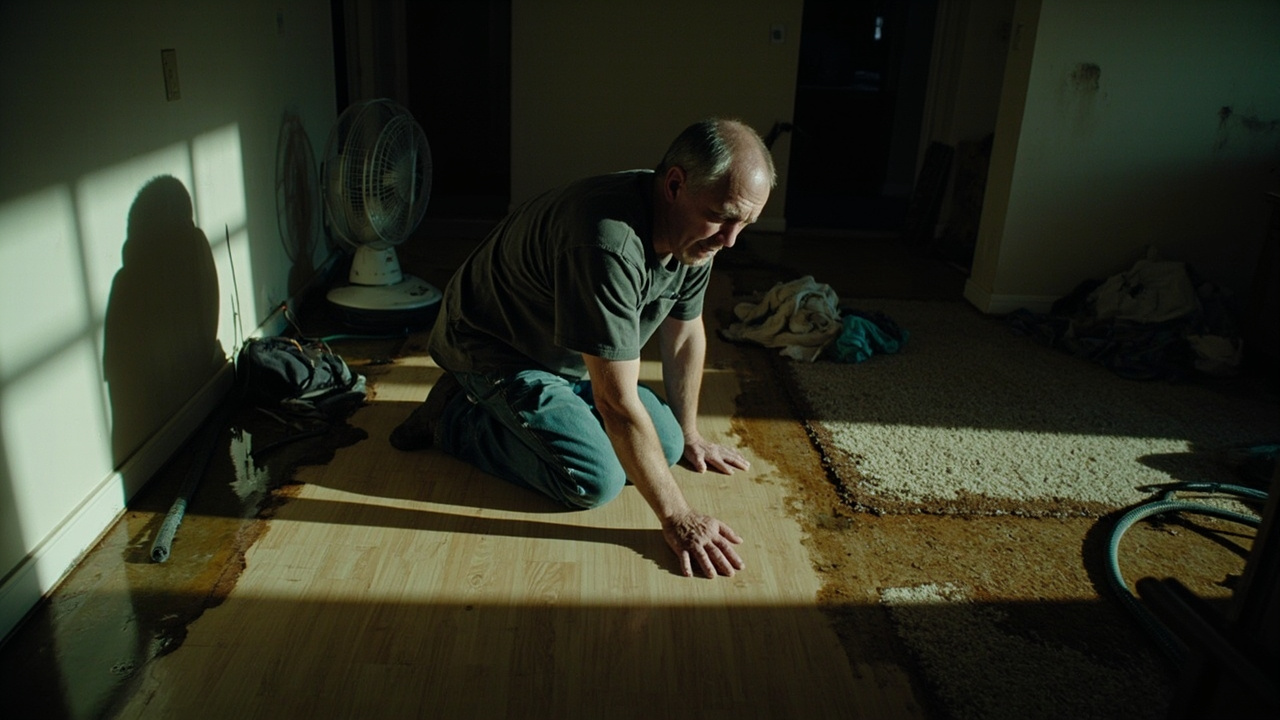
The dangers of DIY water damage restoration become apparent within 24 to 48 hours. Mold colonies establish themselves in wall cavities, under baseboards, and within insulation where you cannot see them. The hazards of do-it-yourself water removal extend beyond visible damage. Category 2 and Category 3 water contain bacteria, sewage, and chemical contaminants that require professional-grade antimicrobial treatment and PPE.

Miami's concrete slab construction introduces additional complications. Water migrates laterally through the slab, creating moisture pockets that a standard moisture meter cannot locate. You might think the floor is dry while water continues wicking into drywall and framing. The consequences of amateur water cleanup include structural rot, compromised electrical systems, and IAQ degradation that develops over weeks.

Hurricane season compounds these risks. When storm surge or roof leaks introduce water, you are dealing with contaminated floodwater that requires IICRC-certified extraction protocols. The hidden risks of self-managed water mitigation include underestimating scope. What appears to be a small bathroom leak often extends into adjacent rooms through shared wall cavities. The pitfalls of DIY water extraction become expensive when insurance adjusters discover improper remediation and deny claims for subsequent mold damage.

Why Miami's Climate Makes DIY Water Cleanup Particularly Dangerous
How Professional Water Damage Restoration Prevents Long-Term Complications

How Professional Water Damage Restoration Prevents Long-Term Complications

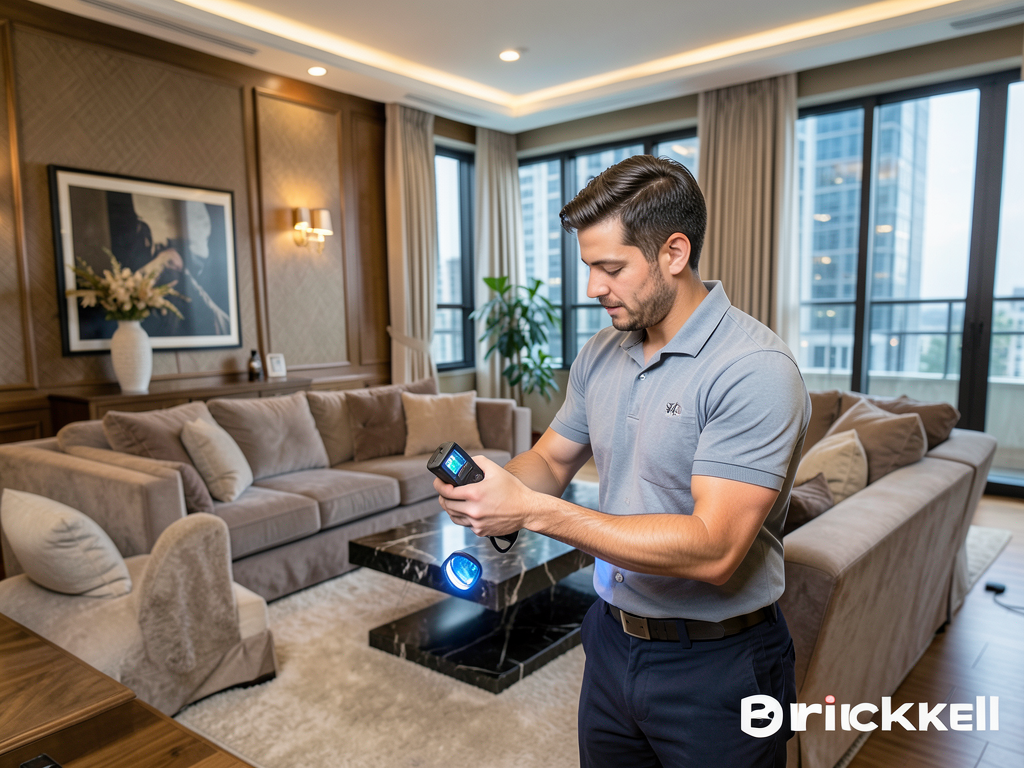
Professional restoration begins with thermal imaging and moisture mapping. Technicians use infrared cameras to identify temperature differentials that indicate hidden moisture. They do not rely on visual inspection alone. Moisture meters with deep-sensing probes measure moisture content in structural components at multiple depths. This documentation establishes baseline readings that guide the drying process and protect your insurance claim.

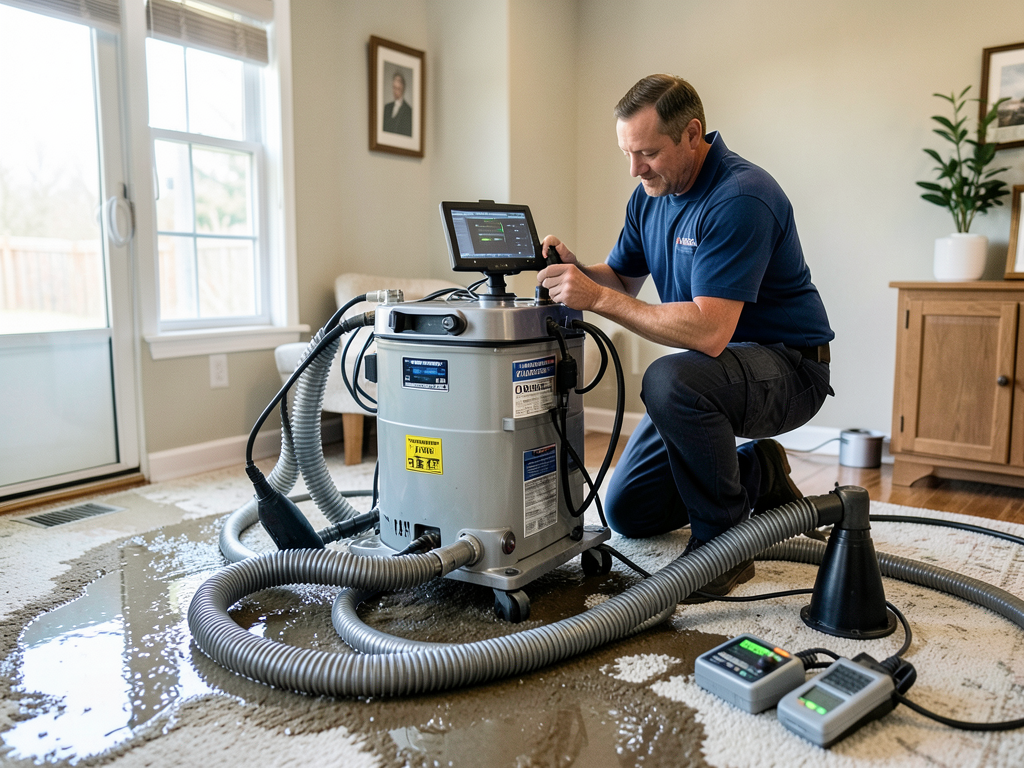
Extraction equipment matters. Truck-mounted extractors generate vacuum power measured in inches of lift, not the 2 to 3 inches your wet-dry vacuum produces. Submersible pumps remove standing water at rates exceeding 100 gallons per minute. After extraction, professionals deploy low-grain refrigerant dehumidifiers that pull moisture from the air more efficiently than consumer models. These units process specific volumes measured in grains per pound, creating optimal vapor pressure differentials that accelerate evaporation from building materials.

Air movement requires strategic placement. Technicians position axial and centrifugal air movers to create circulation patterns that prevent dead zones. They do not just point fans at wet spots. Psychrometric calculations determine the exact number of air movers and dehumidifiers required based on room volume, affected materials, and atmospheric conditions. This precision prevents over-drying that can crack hardwood or under-drying that enables mold growth.

Antimicrobial application follows EPA registration protocols. Professional-grade biocides eliminate bacteria and inhibit mold at the cellular level. Application rates and dwell times follow manufacturer specifications for different contamination categories. The process includes HEPA filtration to capture airborne spores released during cleanup. This containment prevents cross-contamination to unaffected areas of your home.

What Happens During Professional Water Damage Assessment and Remediation

Risks of DIY Water Cleanup in Miami – Why Amateur Restoration Can Cost You More Than Professional Service
01

Initial Damage Documentation

Technicians photograph all affected areas before beginning extraction. They document moisture readings in floors, walls, and ceilings using penetrating and non-penetrating moisture meters. This creates the evidentiary foundation for insurance claims. They classify water categories based on contamination level and determine the class of water damage based on evaporation rate and affected materials. This assessment directs equipment deployment and establishes realistic drying timelines.
02

Controlled Extraction and Drying

Professionals extract standing water using truck-mounted or portable extractors, then establish drying chambers using containment barriers. They position dehumidifiers and air movers based on psychrometric principles, measuring temperature and relative humidity every 12 hours. Daily moisture readings track progress in structural materials. This monitored approach prevents the premature removal of equipment that leads to rebound moisture. The drying chamber maintains optimal conditions regardless of outdoor humidity levels.
03

Verification and Clearance Testing

Restoration reaches completion when moisture readings return to dry standard levels for Miami's climate. Technicians verify readings in all previously affected materials match unaffected control areas. They document final conditions with photographs and moisture maps. If mold remediation occurred, post-remediation verification includes air quality testing to confirm spore counts meet clearance criteria. This documentation satisfies insurance requirements and protects you from future liability if problems develop.

Why Miami Homeowners Choose Fortress Water Damage Restoration Over DIY Solutions

Fortress Water Damage Restoration Miami understands the unique challenges South Florida moisture creates. We work with properties built on oolitic limestone that absorbs water like a sponge. We know that Miami-Dade County building codes require specific moisture barriers in post-1994 construction. We account for these variables when designing drying protocols.

Our technicians carry IICRC certifications in Water Damage Restoration and Applied Structural Drying. This training teaches the science behind moisture migration, vapor pressure, and psychrometrics. You are not getting a crew with rental equipment following YouTube tutorials. You are getting professionals who understand why drying a concrete floor in Miami requires different approaches than drying the same floor in Phoenix.

We maintain relationships with insurance adjusters throughout the greater Miami metro. When we document damage, we use the language and metrics adjusters expect. Our estimates align with Xactimate pricing, which prevents disputes that delay your claim. We know which insurance carriers in Florida require pre-authorization for specific procedures. This experience accelerates approval and gets restoration moving while DIY attempts often trigger claim complications.

Equipment inventory matters during peak demand. When hurricanes impact Miami, rental equipment disappears within hours. Homeowners attempting DIY cleanup find themselves waiting days for dehumidifier availability while mold establishes colonies. We maintain warehouse inventory that remains available regardless of storm activity. Our response does not depend on equipment rental availability.

The difference shows in outcomes. We provide documentation that satisfies insurance requirements, engineering reports, and potential buyer inspections if you sell the property. DIY cleanup leaves no paper trail. Future moisture problems become your liability because you cannot prove proper remediation occurred.

What You Should Expect From Professional Water Damage Restoration in Miami

Immediate Response and Stabilization

Water damage requires intervention within the first 24 hours to prevent secondary damage. Fortress Water Damage Restoration Miami operates 24/7 emergency response throughout Miami-Dade and Broward counties. You call our direct line at (786) 789-8282, and a technician contacts you within minutes to assess urgency. We dispatch crews immediately for Category 3 water or situations involving electrical hazards. For after-hours emergencies, we arrive within 60 to 90 minutes to begin extraction and prevent continued migration. This speed prevents the exponential damage increase that occurs when water sits overnight.

Comprehensive Damage Assessment and Moisture Mapping

Initial assessment takes 45 to 90 minutes depending on property size. Technicians use thermal imaging to identify moisture in wall cavities and ceiling spaces. They take moisture readings at multiple points and depths in affected materials. You receive a detailed scope of work that identifies all affected areas, not just visible damage. This assessment includes water category classification, affected material inventory, and equipment requirements. The documentation photographs damage conditions and provides moisture maps that establish baseline readings. This thoroughness prevents change orders and surprises during restoration.

Monitored Drying to Dry Standard Conditions

Drying timelines vary based on materials and saturation levels. Most residential water damage reaches dry standard in three to five days with proper equipment deployment. Technicians visit daily to record temperature, relative humidity, and moisture content in structural materials. You receive progress reports showing how readings trend toward completion. The process does not end when surfaces feel dry. Materials must reach moisture content levels that match unaffected areas of your home. This prevents rebound moisture that creates mold weeks after equipment removal. Final documentation confirms completion.

Post-Restoration Verification and Documentation

Completion includes final moisture verification across all previously affected materials. Technicians provide closeout documentation with before-and-after photographs, daily moisture logs, and equipment placement records. This documentation becomes part of your property history. If mold remediation occurred, we can arrange third-party clearance testing to verify air quality meets healthy standards. You receive digital copies of all documentation for insurance submission and future reference. This paper trail protects property value and provides proof of professional remediation if you sell the home or face future moisture issues.

Frequently Asked Questions

You Have Questions,
We Have Answers

Can mold from water damage make you sick? +

Yes. Mold exposure from water damage triggers respiratory problems, allergic reactions, and chronic sinus infections. In Miami's humid climate, mold colonizes damp surfaces within 24 to 48 hours. Spores become airborne and infiltrate your HVAC system, spreading throughout your home. Black mold (Stachybotrys) produces mycotoxins that cause headaches, fatigue, and skin irritation. Immune-compromised individuals, children, and elderly residents face higher risk. DIY cleanup often misses hidden moisture pockets in walls and subflooring, allowing mold to proliferate unseen. Professional remediation uses HEPA filtration, antimicrobial treatments, and moisture meters to eliminate the source and prevent regrowth.

How long does it take for water to damage foundation? +

Water begins compromising foundation integrity within hours. Miami's porous limestone bedrock and high water table accelerate the process. Saturated soil expands, exerting hydrostatic pressure against foundation walls. Within 48 hours, you may see cracks or shifting. After one week, settling and erosion damage structural supports. Continuous exposure for two to four weeks weakens concrete, causing spalling and rebar corrosion. South Florida's seasonal heavy rains compound the issue. Standing water erodes fill material beneath slab foundations common in Miami homes. Professional water extraction and foundation inspection within 24 hours prevent permanent structural damage and costly repairs.

How likely is mold after water damage? +

Mold growth after water damage is almost guaranteed in Miami's subtropical climate. Humidity levels above 60 percent, combined with temperatures between 77 and 86 degrees, create ideal conditions. Mold begins colonizing within 24 to 48 hours on wet drywall, wood framing, and insulation. Porous materials like carpet and ceiling tiles become unsalvageable quickly. Even minor leaks behind walls or under flooring produce hidden mold colonies. DIY drying efforts often fail to reduce moisture below the 50 percent threshold needed to stop growth. Professional moisture detection, dehumidification, and air quality testing ensure complete remediation and prevent recurrence.

What happens if you leave water damage untreated? +

Untreated water damage escalates into structural failure, toxic mold growth, and electrical hazards. Within 48 hours, mold colonizes drywall and insulation. After one week, wood framing warps and floors buckle. Miami's humidity accelerates decomposition. Standing water seeps into subflooring, compromising joists and beams. Saturated electrical systems create fire and shock risks. Mold spreads through HVAC ducts, contaminating the entire home. Insurance claims often get denied after delayed reporting. Property values plummet. What starts as a minor leak becomes a $15,000 to $50,000 remediation project. Immediate professional extraction, drying, and dehumidification prevent catastrophic damage and health risks.

What are the 10 warning signs of mold toxicity? +

Mold toxicity warning signs include persistent fatigue, brain fog, and difficulty concentrating. You may experience chronic sinus congestion, coughing, or wheezing without infection. Skin rashes, unexplained joint pain, and sensitivity to light indicate exposure. Headaches worsen indoors and improve outside. Digestive issues, numbness, tingling, and temperature regulation problems suggest mycotoxin accumulation. Mood changes like anxiety or depression occur with prolonged exposure. Miami residents often mistake symptoms for allergies due to year-round pollen. If multiple household members show simultaneous symptoms, suspect mold. Professional indoor air quality testing identifies spore levels. Medical evaluation and home remediation address both health effects and contamination source.

How to test yourself for mold toxicity? +

Testing for mold toxicity requires medical evaluation and environmental sampling. Schedule a consultation with a physician experienced in environmental medicine. Blood tests measure mycotoxin levels and immune system markers. Urine testing detects specific mold metabolites. Your doctor may order allergy panels to identify mold sensitivities. Simultaneously, hire a certified indoor air quality specialist to test your Miami home. Air sampling captures spore counts and species identification. Surface swabs detect hidden contamination. ERMI (Environmental Relative Moldiness Index) testing analyzes dust samples. Coordinate medical results with environmental findings. If toxicity is confirmed, professional remediation eliminates exposure sources while medical treatment addresses accumulated toxins.

What is the 10/20/30/40 rule when making concrete? +

The 10/20/30/40 rule governs concrete curing conditions. Concrete must maintain temperatures above 50 degrees for the first 10 days. It should stay moist for 20 days to achieve proper hydration. Full structural strength develops after 30 days. Maximum hardness occurs at 40 days under ideal conditions. In Miami's heat and humidity, rapid evaporation disrupts curing. Water damage to fresh concrete within this timeline weakens the chemical bonds permanently. Excess moisture during curing causes efflorescence, scaling, and reduced compressive strength. Post-cure water intrusion erodes aggregate and corrodes rebar. Foundation repairs require understanding these concrete fundamentals to assess damage severity and restoration methods.

How long does it take for mold to grow in a wet basement? +

Mold colonizes a wet basement within 24 to 48 hours in Miami's climate. High humidity, warm temperatures, and poor ventilation create perfect conditions. Spores already present in the air immediately begin reproducing when moisture appears. Porous materials like drywall, wood studs, and cardboard boxes show visible growth within three to five days. Behind walls and in HVAC ducts, mold spreads unseen. Basements are rare in South Florida due to the high water table, but ground-level flooding produces identical risks. DIY cleanup misses moisture trapped in concrete block cores and beneath flooring. Professional extraction, antimicrobial treatment, and dehumidification stop colonization before health risks develop.

What is the negative side of waterproofing? +

Waterproofing failures create worse problems than no waterproofing. Improperly applied coatings trap moisture inside walls, accelerating mold growth and wood rot. DIY sealants crack under Miami's soil movement and hydrostatic pressure, channeling water into new pathways. Exterior waterproofing without proper drainage systems redirects water toward foundations instead of away. Interior coatings applied over existing moisture seal in problems. Basement waterproofing is less relevant in Miami, but slab foundation waterproofing faces similar issues. Poor installation voids warranties and insurance coverage. Improper grading or blocked weep holes cause water accumulation. Professional assessment identifies moisture sources before applying barriers, preventing trapped water and structural damage.

Do you have to throw away everything after mold? +

Not everything requires disposal after mold contamination, but porous materials often do. Drywall, insulation, ceiling tiles, and carpet cannot be salvaged if heavily affected. Wood framing with surface mold can be treated with antimicrobial solutions and HEPA vacuuming. Hard surfaces like glass, metal, and tile clean successfully. Furniture depends on material and contamination depth. Upholstered items usually need disposal. Contents restoration specialists use ozone treatment and specialized cleaning for salvageable belongings. In Miami's humidity, quick professional response saves more items. Delayed cleanup allows deeper penetration. Insurance covers replacement costs for unsalvageable items. Document everything with photos before disposal for claims processing.

How Miami's Hurricane Season and Humidity Amplify DIY Water Cleanup Risks

Miami's position on the Atlantic hurricane corridor creates recurring water intrusion events that overwhelm DIY approaches. Storm surge floods introduce Category 3 blackwater containing sewage, chemicals, and biological contaminants that require hazmat-level remediation. The hazards of do-it-yourself water removal become life-threatening when you handle contaminated floodwater without proper PPE and disinfection protocols. Miami's average humidity of 77 percent means materials remain damp for extended periods even after visible water disappears. This extended moisture exposure accelerates mold growth and wood rot. The consequences of amateur water cleanup compound when you underestimate the scope of hurricane damage that extends through wall cavities and under flooring.

Fortress Water Damage Restoration Miami maintains relationships with local insurance carriers who process thousands of Florida claims annually. We understand the documentation requirements that satisfy Citizens Property Insurance and regional carriers operating in Miami-Dade County. Our estimates reference Florida building codes and use pricing databases adjusters recognize. This local expertise prevents the claim complications that arise when DIY restoration lacks proper documentation. We know which materials in Miami construction require specific drying approaches. The oolitic limestone common in South Florida foundations absorbs moisture differently than concrete in other regions. Our technicians account for these geological factors when designing extraction and drying protocols.
Water Damage Restoration Services in The Miami Area

Fortress proudly serves the entire Miami area and nearby neighborhoods with prompt, expert water damage restoration services. Whether you're located downtown, in the suburbs, or along the coast, our team is just a call away. Use the map below to view our service area and get directions to our office. We’re local, responsive, and ready to help 24/7—because when disaster strikes, having a trusted team nearby makes all the difference.

Address:
Fortress Water Damage Restoration Miami, 3250 NE 1st Ave, Miami, FL, 33137

Additional Services We Offer

Our news updates

Latest Articles & News from The Blogs

Should You Use Your Insurers Preferred Vendor for Brickell Condo Water Damage? When water floods your Brickell condo, your insurance…

Should You Use Your Insurers Preferred Vendor for Brickell Condo Water Damage?

Should You Use Your Insurers Preferred Vendor for Brickell Condo Water Damage? When water floods your Brickell condo, your insurance…

How to Hire a Restorer Who Understands Aventura Penthouse Plumbing Systems

How to Hire a Restorer Who Understands Aventura Penthouse Plumbing Systems Water damage in an Aventura penthouse is not just…

The Difference Between Surface Cleaning and Deep Extraction for Kendall Area Carpets

The Difference Between Surface Cleaning and Deep Extraction for Kendall Area Carpets When water invades your Kendall home, the first…

Contact Us

Every hour you wait allows water to migrate deeper into building materials and increases restoration costs. Call Fortress Water Damage Restoration Miami now at (786) 789-8282 for immediate assessment and extraction. Our crews deploy 24/7 throughout the greater Miami metro with truck-mounted equipment and thermal imaging technology.