


North Miami sits at the intersection of coastal vulnerability and aging infrastructure, creating perfect conditions for water emergencies. Properties near Biscayne Bay and the Oleta River face storm surge threats during hurricane season, while homes in Keystone Point and Sans Souci battle high water tables that saturate foundations during summer rains. The area's older residential districts feature galvanized pipes installed decades ago, now corroding and failing without warning.
South Florida's subtropical climate compounds these risks. Humidity levels above 70% create constant condensation in attics and crawl spaces, feeding mold growth within 48 hours of water exposure. Air conditioning systems run year-round, and when drain lines clog or overflow, water pools inside walls where you can't see it. Properties near the Intracoastal face saltwater intrusion that corrodes pipes faster than standard freshwater. North Miami's porous limestone foundation absorbs water like a sponge, allowing moisture to wick through concrete slabs and damage flooring.
Miami-Dade County's strict building codes require specific remediation protocols. Insurance carriers demand certified documentation and thermal imaging proof of complete drying before closing claims. Properties in flood zones need specialized treatment to meet FEMA standards. Without proper emergency response, a small leak becomes structural damage, mold infestation, and a denied insurance claim.
We've spent years responding to North Miami water emergencies, from luxury condos in Maule Lake to historic homes in Griffing. Our technicians know which neighborhoods flood first during storms, which buildings have cast iron stacks that burst, and how saltwater exposure accelerates corrosion near the coast. This isn't textbook knowledge. It's earned through midnight emergency calls and thousands of successful restorations across Miami-Dade County.
Our fleet carries truck-mounted extraction units that remove standing water faster than portable equipment. We deploy FLIR thermal cameras to find hidden moisture behind walls and under flooring, eliminating guesswork that leads to mold growth weeks later. Every technician holds IICRC Water Damage Restoration certification and completes annual training on the latest drying science and antimicrobial treatments. We don't send apprentices to your emergency. You get experienced professionals who've handled worse and know exactly what to do.
Insurance coordination separates amateurs from professionals. We document every stage with photos, moisture readings, and detailed notes that satisfy adjusters. Our estimates align with Xactimate pricing software that carriers use, preventing disputes that delay your claim. We'll meet your adjuster on-site, walk them through the damage, and advocate for complete coverage of necessary repairs. You're already stressed. We remove the insurance burden so you can focus on getting back to normal.
Our commitment to North Miami goes beyond emergency calls. We sponsor youth sports leagues, support local schools, and employ residents who understand this community. When you call us, you're not getting a corporate call center in another state. You're reaching our North Miami dispatch team who knows your street and can have a truck rolling in minutes.

Our North Miami response teams deploy within one hour of your call, 24/7/365. We keep trucks pre-loaded with extraction equipment, air movers, and dehumidifiers so there's no delay gathering supplies. Fast response stops water from spreading through walls and prevents secondary damage that increases costs. When minutes matter, we're already moving.

Every technician on your job holds current certification from the Institute of Inspection Cleaning and Restoration Certification. They've completed rigorous training in water damage restoration, structural drying, and microbial remediation. Insurance carriers trust IICRC credentials because they prove expertise. You get professionals who follow industry standards, not shortcuts that cause problems later.
We work directly with your insurance carrier to document damage, submit estimates, and coordinate payment. Our team speaks the language adjusters understand and provides the thermal imaging and moisture documentation they require. You won't chase paperwork or fight for coverage. We handle carrier communication so your claim moves forward without delays or denials.
Our technicians live and work in North Miami. They know which streets flood during heavy rain, which buildings have aging plumbing, and how coastal properties face unique challenges. This local knowledge means faster response times and better solutions tailored to your specific situation. We're not corporate outsiders learning on your property.
Water damage strikes in different forms, and each situation demands specific equipment and techniques. A sewage backup requires different protocols than a roof leak. Storm flooding needs different treatment than a burst pipe. Fortress Water Damage Restoration Miami handles every category of water intrusion with specialized services designed for complete remediation.
Our service range covers immediate emergency extraction through final reconstruction. We start with water removal and structural drying, then address contamination and microbial growth. Our teams perform selective demolition of unsalvageable materials, treat affected areas with antimicrobial solutions, and rebuild to pre-loss condition. You get one company managing the entire restoration instead of coordinating multiple contractors.
We categorize our services based on water contamination level and damage severity. Category 1 clean water from supply lines requires different handling than Category 3 sewage contamination. Our technicians assess your specific situation and deploy appropriate equipment and safety protocols. Understanding these distinctions protects your health and ensures proper restoration that prevents future problems. Every North Miami property faces unique water damage risks based on age, location, and construction type. Our comprehensive service range addresses them all.
When water floods your property, immediate extraction prevents structural damage and mold growth. Our emergency teams deploy truck-mounted pumps and industrial extractors to remove standing water from floors, carpets, and building cavities. We locate the water source, stop active intrusion, and extract moisture from affected materials. Thermal imaging cameras find hidden water behind walls and under flooring that standard inspection misses. Emergency board-up and tarping services protect your property from further weather exposure. We work through the night if needed because water damage accelerates every hour.
Removing standing water is just the first step. Moisture trapped in walls, subfloors, and building materials causes rot, warping, and mold growth if not properly dried. Our technicians position commercial-grade air movers and dehumidifiers to create controlled drying environments. We monitor moisture levels daily with precision meters and adjust equipment placement based on readings. Drying takes 3-5 days depending on materials and saturation level. We document the entire process with dated moisture readings that satisfy insurance requirements and prove complete drying before reconstruction begins.
Mold begins growing within 48 hours in South Florida's humid climate. When water damage isn't properly treated, microbial growth spreads through drywall, insulation, and wooden framing. Our mold remediation follows IICRC S520 standards with proper containment, HEPA filtration, and antimicrobial treatment. We remove contaminated materials that can't be salvaged and treat affected surfaces with EPA-registered solutions. Air scrubbers with HEPA filters capture airborne spores during the process. Post-remediation testing confirms successful treatment before reconstruction. Proper mold remediation protects your family's health and prevents recurrence.
North Miami's combination of coastal location, aging infrastructure, and intense weather creates specific water damage patterns. Properties built before 1980 face plumbing failures as galvanized pipes corrode. Neighborhoods near Biscayne Bay deal with storm surge and saltwater intrusion. Summer thunderstorms drop inches of rain in minutes, overwhelming drainage systems and flooding low-lying areas. Air conditioning systems run constantly, and clogged condensate lines overflow into ceilings and walls.
Understanding these common problems helps property owners recognize warning signs before minor issues become major damage. Water stains on ceilings indicate roof leaks or AC condensate problems. Musty odors signal hidden moisture and potential mold growth. Warped flooring suggests chronic moisture exposure from foundation issues or plumbing leaks. Increased water bills point to hidden pipe leaks inside walls or under slabs. These situations demand immediate professional assessment because visible damage represents only part of the problem. Moisture spreads through building cavities where you can't see it, causing structural damage and creating health hazards.
North Miami faces direct hurricane threats and tropical storm flooding during summer and fall. Storm surge pushes Biscayne Bay water into coastal neighborhoods while intense rainfall overwhelms drainage systems. Properties in flood zones require rapid water extraction and specialized drying to meet insurance requirements. Saltwater intrusion corrodes electrical systems and building materials, demanding thorough cleaning and treatment beyond standard water damage protocols.
Older North Miami homes contain galvanized steel pipes that corrode from inside, suddenly bursting without warning. Supply line failures flood properties with hundreds of gallons in minutes, saturating floors, walls, and belongings. Slab leaks under concrete foundations cause hidden damage that only professional detection equipment can locate. These emergencies require immediate response because water spreads rapidly through building materials and creates exponential damage the longer it flows.
Air conditioning systems in South Florida run year-round, producing gallons of condensate daily. Clogged drain lines cause overflow into ceilings, walls, and attics where moisture accumulates unnoticed. High humidity creates condensation on cold surfaces and inside wall cavities. Without proper ventilation and dehumidification, chronic moisture feeds mold growth and rots wooden framing. These slow leaks cause serious structural damage over time.
Aging sewer systems in older North Miami neighborhoods experience backups during heavy rain when municipal systems become overwhelmed. Sewage contains dangerous pathogens requiring specialized cleanup protocols and protective equipment. Category 3 contamination demands complete removal of porous materials like carpet and drywall, plus thorough antimicrobial treatment of structural components. Insurance coverage differs for sewage damage, making proper documentation and carrier communication critical.
Water emergencies create stress and uncertainty. You're dealing with damage to your property and disruption to your life. You need professionals who take control of the situation, explain what's happening, and execute a clear plan. When you call Fortress Water Damage Restoration Miami, you get a structured response process designed to stop damage, protect your property, and restore normal life as quickly as possible.
Our approach starts with immediate dispatch and rapid assessment. We gather information during your initial call to send the right equipment and technicians for your specific situation. Within 60 minutes, our team arrives and begins emergency mitigation while documenting damage for insurance purposes. You'll understand what we're doing, why we're doing it, and what comes next. Communication continues throughout the restoration with daily updates and clear timelines.
We handle insurance coordination from initial documentation through final payment so you're not fighting with adjusters or chasing paperwork. Our project managers stay in contact with you and your carrier, ensuring everyone has current information and restoration proceeds without delays. You'll know the cost before work begins, when each phase will be completed, and exactly what your property will look like when we're finished.
Your emergency call reaches our North Miami dispatch team, not an out-of-state call center. We ask targeted questions about water source, affected areas, and property access to deploy appropriate equipment and technicians. You receive a confirmed arrival time within minutes. Our team calls when they're en route and arrives within 60 minutes for emergencies. Upon arrival, we assess damage, explain our mitigation plan, and begin work immediately. You'll understand what we're doing, why it matters, and what happens next. No confusion, no delays, no surprises.
We photograph and document every aspect of water damage before beginning extraction. Our technicians create detailed notes, take moisture readings, and map affected areas with thermal imaging. This documentation goes directly to your insurance carrier with professional estimates based on Xactimate pricing software that adjusters use. We schedule and attend carrier inspections, explain our findings, and advocate for complete coverage. You're not translating between contractor and insurance company. We speak their language and handle all communication so your claim moves forward without fights or delays.
We don't leave your property until restoration is complete and you're satisfied with results. Our technicians monitor drying progress daily with calibrated moisture meters and adjust equipment based on readings. Once materials reach acceptable moisture content, we perform antimicrobial treatment and begin reconstruction. You'll receive dated documentation proving complete drying and successful remediation. Our work carries warranties covering materials and workmanship. We return your property to pre-loss condition, not close enough.
Water damage restoration follows a structured sequence from emergency response through final reconstruction. Each phase builds on the previous one, and skipping steps creates problems later. Our process follows IICRC standards proven to deliver complete remediation while protecting your property and health.
Our team arrives within 60 minutes and immediately locates the water source. We stop active intrusion first, whether that means shutting off water supplies, tarping roof damage, or sealing building openings. Technicians perform rapid assessment with moisture meters and thermal cameras to map the full extent of saturation. We begin water extraction immediately using truck-mounted pumps and industrial extractors. Initial documentation includes photos, moisture readings, and detailed notes for insurance purposes. Emergency board-up and content protection services secure your property from further damage.
After extracting standing water, we position commercial air movers and dehumidifiers to create controlled drying environments. Equipment placement follows psychrometric calculations based on room size, material saturation, and airflow patterns. Technicians return daily to take moisture readings from walls, floors, and affected materials. We adjust equipment based on these readings and document drying progress with dated logs. This phase typically requires 3-5 days depending on materials and saturation levels. Drying continues until moisture content reaches acceptable levels verified by calibrated meters.
Once drying is complete, we perform antimicrobial treatment on all affected surfaces to prevent mold growth. Damaged materials that can't be salvaged get removed and disposed of properly. Our reconstruction team rebuilds removed drywall, replaces flooring, and restores your property to pre-loss condition. We match existing finishes and materials so repairs blend seamlessly. Final walkthrough ensures you're satisfied with results before we consider the job complete. You receive documentation of the entire process including proof of complete drying and successful remediation.
Professional water damage restoration follows scientific principles and industry standards developed by the Institute of Inspection Cleaning and Restoration Certification. These standards classify water damage by contamination level and guide proper remediation protocols. Understanding these classifications helps property owners recognize why certain treatments are necessary and what insurance should cover.
Water damage falls into three categories based on contamination level. Category 1 involves clean water from supply lines, rainwater, or other sanitary sources. This water poses no immediate health threat but becomes Category 2 if left untreated for more than 48 hours. Category 2 water contains biological or chemical contamination from sources like dishwasher overflow, washing machine discharge, or toilet bowl overflow without feces. This water causes discomfort or illness if contacted. Category 3 represents grossly contaminated water from sewage backups, flooding from rivers or streams, or any standing water that has promoted microbial growth. Category 3 water contains pathogenic agents and requires specialized safety protocols during cleanup.
The IICRC S500 Standard guides proper water damage restoration with specific protocols for assessment, water removal, drying, and documentation. Technicians must use calibrated moisture detection equipment and follow psychrometric principles when designing drying systems. Proper restoration requires calculating moisture vapor emission rates, understanding material porosity, and applying appropriate heat and airflow to affected areas. Daily monitoring with moisture meters tracks drying progress and determines when materials have reached acceptable moisture content.
Miami-Dade County's building codes add another layer of requirements. Properties in flood zones must meet specific FEMA standards for restoration. Electrical systems exposed to water require inspection and approval before reconnection. Any structural modifications during restoration need proper permits and inspections. Insurance carriers demand documentation proving complete drying before approving reconstruction costs. Without proper certification, thermal imaging proof, and moisture readings, claims get denied or reduced.
Mold remediation follows separate IICRC S520 standards requiring containment, HEPA filtration, and proper disposal of contaminated materials. Florida law requires mold assessors and remediators to hold state licenses. Antimicrobial treatments must use EPA-registered products applied according to manufacturer specifications. Post-remediation testing verifies successful treatment before reconstruction begins. These protocols exist because improper mold treatment creates health hazards and legal liability.
Professional water damage restoration isn't about renting equipment and pointing fans at wet carpet. It's applying building science, understanding material properties, and following proven protocols that protect health and property. Shortcuts create hidden damage that appears months later as mold growth, structural rot, or indoor air quality problems.
Institute of Inspection Cleaning and Restoration Certification represents the industry's gold standard for water damage restoration training. Technicians complete comprehensive courses covering water science, structural drying, microbial remediation, and documentation protocols. Certification requires passing rigorous exams and ongoing continuing education to maintain credentials. Insurance carriers trust IICRC-certified companies because training ensures proper protocols that prevent secondary damage and liability claims. Our entire team holds current certification with annual recertification.
Restoration costs depend on water category, affected area size, material saturation level, and required demolition. Category 3 sewage contamination costs more than Category 1 clean water because it requires specialized safety equipment, disposal procedures, and antimicrobial treatment. Hardwood floors cost more to dry than tile because wood absorbs moisture and requires longer equipment runtime. Insurance typically covers sudden accidental water damage but excludes gradual leaks or maintenance issues. Proper documentation from initial damage through complete drying protects your coverage.
Emergency water extraction begins within one hour of dispatch and takes 3-6 hours depending on water volume and affected area. Structural drying requires 3-5 days of continuous dehumidification with daily monitoring and equipment adjustment. Reconstruction timing varies based on damage extent and material availability, typically 1-2 weeks for standard repairs. Total restoration from initial damage to move-in ready condition averages 2-3 weeks. Weather delays, insurance approval timing, and material backorders can extend these timeframes. We provide realistic schedules based on your specific situation.
Florida requires mold assessors and remediators to hold state licenses proving training and competency. Water damage restoration companies must carry general liability insurance and workers compensation coverage protecting property owners from liability. Any contractor performing repairs over certain dollar amounts needs proper licensing for that trade. We maintain all required licenses, insurance certificates, and bonds. Our insurance stays current and available for verification. Never hire water damage contractors who can't provide proof of licensing and insurance.
Professional water damage restoration company explains emergency response procedures for North Miami properties. Video covers water extraction techniques, structural drying timelines, IICRC restoration protocols, and insurance documentation requirements. Viewers learn about water damage categories, proper remediation methods, and why rapid response prevents mold growth in South Florida's humid climate. Includes information about serving North Miami neighborhoods with 24/7 emergency services.
Fortress Water Damage Restoration Miami maintains rapid response capabilities across every North Miami neighborhood from Biscayne Park to Keystone Point. Our service area covers the entire city and extends to surrounding communities throughout Miami-Dade County. We've responded to water emergencies in historic homes along Northeast 125th Street, luxury waterfront properties in Sans Souci Estates, and commercial buildings in the downtown business district.
Properties near the Oleta River and Biscayne Bay face unique flooding challenges during storm season. These waterfront neighborhoods like Keystone Point and Maule Lake require specialized knowledge of saltwater intrusion and storm surge damage. Our technicians understand how coastal properties need different treatment protocols because saltwater accelerates corrosion of electrical systems and building materials. We've restored dozens of bay-front homes and know the specific challenges these properties face.
The Arch Creek neighborhood and areas along Northeast 6th Avenue contain many older homes built before 1980 with aging plumbing systems. These properties experience frequent pipe failures as galvanized steel corrodes from inside. We maintain quick access to these central North Miami areas and respond rapidly when burst pipes flood homes. Our familiarity with these older building types means faster problem diagnosis and more effective restoration.
Eastern Shores and Griffing neighborhoods feature a mix of residential and commercial properties with varying water damage risks. Businesses along Biscayne Boulevard need rapid restoration to minimize revenue loss from closures. We prioritize commercial emergencies and deploy additional crews when businesses need accelerated timelines. Our commercial experience includes restaurants, retail stores, medical offices, and multi-tenant buildings throughout North Miami.
West of Interstate 95, neighborhoods like Scott Lake and Norwood experience different water damage patterns related to drainage issues and older infrastructure. Summer thunderstorms overwhelm stormwater systems in low-lying areas, causing street flooding that enters homes and garages. We know which streets flood first and maintain equipment positioned for rapid deployment to these areas during severe weather.
Our service coverage extends beyond North Miami city limits to adjacent communities including North Miami Beach, Miami Gardens, Aventura, and unincorporated Miami-Dade areas. We respond to emergencies in Ojus, Biscayne Gardens, and neighborhoods throughout the Northeast corridor. Property management companies trust us for multi-unit residential buildings and commercial properties because we can scale crews based on project size. Whether you need emergency extraction for a single-family home or complete restoration of a 50-unit apartment building, we have the equipment and personnel to handle your water damage emergency.
Yes. Water damage spreads fast in North Miami's humid climate. Within 24 hours, mold colonizes damp drywall and insulation. Within 48 hours, structural wood begins warping. Professional restoration stops this cascade. Technicians extract standing water, dry hidden moisture pockets with thermal imaging, and treat affected materials with antimicrobials. DIY methods miss moisture trapped in wall cavities and subfloors, which leads to expensive mold remediation and structural repairs later. Restoration costs less than replacement. Your home's value and your family's health depend on proper drying and documentation for insurance claims.
Check for IICRC certification, which proves technicians follow industry standards for water extraction and structural drying. Verify the company holds Florida state licensure and active liability insurance. Ask about response time. Water damage accelerates in North Miami's heat and humidity, so 24-hour emergency service matters. Request references from recent jobs in your neighborhood. Confirm they use moisture meters and thermal cameras to find hidden water, not just surface-level fans. A reputable company provides detailed documentation for your insurance adjuster and explains the drying process before starting work.
Complete restoration includes emergency water extraction using truck-mounted pumps, structural drying with commercial dehumidifiers and air movers, moisture mapping with infrared cameras, antimicrobial treatment to prevent mold growth, removal of unsalvageable materials like soaked drywall or carpet padding, content pack-out and cleaning for salvageable belongings, deodorization if needed, and full reconstruction of damaged areas. The process also includes detailed photo documentation and moisture readings for your insurance claim. Each step is critical in North Miami, where humidity slows natural evaporation and creates perfect conditions for secondary damage.
Yes. Water damage spreads fast in North Miami's humid climate. Within 24 hours, mold colonizes damp drywall and insulation. Within 48 hours, structural wood begins warping. Professional restoration stops this cascade. Technicians extract standing water, dry hidden moisture pockets with thermal imaging, and treat affected materials with antimicrobials. DIY methods miss moisture trapped in wall cavities and subfloors, which leads to expensive mold remediation and structural repairs later. Restoration costs less than replacement. Your home's value and your family's health depend on proper drying and documentation for insurance claims.
Check for IICRC certification, which proves technicians follow industry standards for water extraction and structural drying. Verify the company holds Florida state licensure and active liability insurance. Ask about response time. Water damage accelerates in North Miami's heat and humidity, so 24-hour emergency service matters. Request references from recent jobs in your neighborhood. Confirm they use moisture meters and thermal cameras to find hidden water, not just surface-level fans. A reputable company provides detailed documentation for your insurance adjuster and explains the drying process before starting work.
Complete restoration includes emergency water extraction using truck-mounted pumps, structural drying with commercial dehumidifiers and air movers, moisture mapping with infrared cameras, antimicrobial treatment to prevent mold growth, removal of unsalvageable materials like soaked drywall or carpet padding, content pack-out and cleaning for salvageable belongings, deodorization if needed, and full reconstruction of damaged areas. The process also includes detailed photo documentation and moisture readings for your insurance claim. Each step is critical in North Miami, where humidity slows natural evaporation and creates perfect conditions for secondary damage.
Stop the water source if safe. Turn off electricity to affected areas to prevent electrocution. Move furniture and valuables to dry ground. Do not use a household vacuum on standing water. Call a licensed restoration company immediately. In North Miami, every hour counts because high humidity accelerates mold growth and material deterioration. While waiting, open windows if outdoor humidity is lower, and document everything with photos for your insurance claim. Do not remove wet drywall yourself. You risk releasing mold spores or missing hidden moisture that causes structural rot later.
Most residential water damage jobs in North Miami range from moderate to significant investment depending on the extent. Factors include water category (clean, gray, or black), affected square footage, materials damaged, and how long water sat before mitigation. A burst pipe affecting one bathroom costs less than a roof leak that soaked insulation and drywall across multiple rooms. Insurance often covers sudden and accidental damage like pipe bursts, reducing your out-of-pocket expense. Reputable companies provide free inspections and work directly with your adjuster to document the scope.
It depends on response speed. Immediate mitigation keeps costs manageable. Delayed response lets water wick into framing, subfloors, and insulation, multiplying damage. In North Miami's climate, waiting 48 hours can triple costs because mold remediation becomes necessary. A small leak caught early might need only drying and minor repairs. The same leak ignored for days requires tearing out drywall, treating studs, replacing insulation, and mold abatement. Professional water extraction and drying costs less than rebuilding rotted structures. Fast action protects your wallet and your home's structural integrity.
Most homeowner policies cover sudden and accidental water damage like burst pipes, appliance malfunctions, or storm-related roof leaks. They typically exclude gradual damage from long-term leaks or flooding from external sources, which requires separate flood insurance. In North Miami, hurricane-related water intrusion falls under windstorm provisions if wind caused the opening. Your restoration company should document everything with photos, moisture readings, and detailed scope reports. This evidence helps your adjuster approve the claim. Always report damage immediately. Delays give insurers reason to question whether damage was pre-existing or due to neglect.
Watch for persistent fatigue, brain fog, and difficulty concentrating. Many people experience chronic sinus congestion, coughing, or wheezing. Skin rashes and eye irritation are common. Some develop severe headaches or sensitivity to light. Joint pain and muscle aches without explanation can signal exposure. Mood changes like anxiety or depression may appear. Digestive problems including nausea occur in sensitive individuals. Memory problems and dizziness round out the list. North Miami's humidity creates ideal mold conditions after water damage. If you experience multiple symptoms after water intrusion, get medical evaluation and have your property professionally inspected for hidden mold growth.
Local North Miami restoration companies often provide faster response times and more personalized service than national franchises. They understand Florida-specific challenges like hurricane damage patterns, coral rock foundations, and coastal humidity. Look for IICRC-certified firms with strong local references and direct insurance billing experience. Independent companies typically invest in the same professional equipment like thermal cameras and commercial dehumidifiers but often schedule jobs faster because they serve a smaller geographic area. Check online reviews from neighbors in Keystone Point, Sans Souci, or Arch Creek to find trusted local alternatives with proven track records.
Very likely without professional intervention. Mold spores need only moisture, oxygen, and organic material to colonize. In North Miami's humid environment, visible mold appears within 24 to 48 hours on wet drywall, wood, or insulation. Even after surface water disappears, moisture trapped in wall cavities or under flooring feeds hidden growth. You cannot see moisture with the naked eye. Professional restoration uses moisture meters and thermal imaging to find and dry every wet area. Without complete structural drying, mold is almost guaranteed. Surface cleaning does nothing against hidden colonies growing inside your walls.
Stop the water source if safe. Turn off electricity to affected areas to prevent electrocution. Move furniture and valuables to dry ground. Do not use a household vacuum on standing water. Call a licensed restoration company immediately. In North Miami, every hour counts because high humidity accelerates mold growth and material deterioration. While waiting, open windows if outdoor humidity is lower, and document everything with photos for your insurance claim. Do not remove wet drywall yourself. You risk releasing mold spores or missing hidden moisture that causes structural rot later.
Most residential water damage jobs in North Miami range from moderate to significant investment depending on the extent. Factors include water category (clean, gray, or black), affected square footage, materials damaged, and how long water sat before mitigation. A burst pipe affecting one bathroom costs less than a roof leak that soaked insulation and drywall across multiple rooms. Insurance often covers sudden and accidental damage like pipe bursts, reducing your out-of-pocket expense. Reputable companies provide free inspections and work directly with your adjuster to document the scope.
It depends on response speed. Immediate mitigation keeps costs manageable. Delayed response lets water wick into framing, subfloors, and insulation, multiplying damage. In North Miami's climate, waiting 48 hours can triple costs because mold remediation becomes necessary. A small leak caught early might need only drying and minor repairs. The same leak ignored for days requires tearing out drywall, treating studs, replacing insulation, and mold abatement. Professional water extraction and drying costs less than rebuilding rotted structures. Fast action protects your wallet and your home's structural integrity.
Most homeowner policies cover sudden and accidental water damage like burst pipes, appliance malfunctions, or storm-related roof leaks. They typically exclude gradual damage from long-term leaks or flooding from external sources, which requires separate flood insurance. In North Miami, hurricane-related water intrusion falls under windstorm provisions if wind caused the opening. Your restoration company should document everything with photos, moisture readings, and detailed scope reports. This evidence helps your adjuster approve the claim. Always report damage immediately. Delays give insurers reason to question whether damage was pre-existing or due to neglect.
Watch for persistent fatigue, brain fog, and difficulty concentrating. Many people experience chronic sinus congestion, coughing, or wheezing. Skin rashes and eye irritation are common. Some develop severe headaches or sensitivity to light. Joint pain and muscle aches without explanation can signal exposure. Mood changes like anxiety or depression may appear. Digestive problems including nausea occur in sensitive individuals. Memory problems and dizziness round out the list. North Miami's humidity creates ideal mold conditions after water damage. If you experience multiple symptoms after water intrusion, get medical evaluation and have your property professionally inspected for hidden mold growth.
Local North Miami restoration companies often provide faster response times and more personalized service than national franchises. They understand Florida-specific challenges like hurricane damage patterns, coral rock foundations, and coastal humidity. Look for IICRC-certified firms with strong local references and direct insurance billing experience. Independent companies typically invest in the same professional equipment like thermal cameras and commercial dehumidifiers but often schedule jobs faster because they serve a smaller geographic area. Check online reviews from neighbors in Keystone Point, Sans Souci, or Arch Creek to find trusted local alternatives with proven track records.
Very likely without professional intervention. Mold spores need only moisture, oxygen, and organic material to colonize. In North Miami's humid environment, visible mold appears within 24 to 48 hours on wet drywall, wood, or insulation. Even after surface water disappears, moisture trapped in wall cavities or under flooring feeds hidden growth. You cannot see moisture with the naked eye. Professional restoration uses moisture meters and thermal imaging to find and dry every wet area. Without complete structural drying, mold is almost guaranteed. Surface cleaning does nothing against hidden colonies growing inside your walls.
Fortress proudly serves the entire Miami area and nearby neighborhoods with prompt, expert water damage restoration services. Whether you're located downtown, in the suburbs, or along the coast, our team is just a call away. Use the map below to view our service area and get directions to our office. We’re local, responsive, and ready to help 24/7—because when disaster strikes, having a trusted team nearby makes all the difference.
Address:
North Miami, FL, 33161

Why Specialized Drying Is Essential for Bal Harbour Designer Walk In Closets When water breaches a Bal Harbour designer walk-in closet, standard restoration methods fall short. These aren’t ordinary storage spaces; they’re climate-controlled sanctuaries housing…
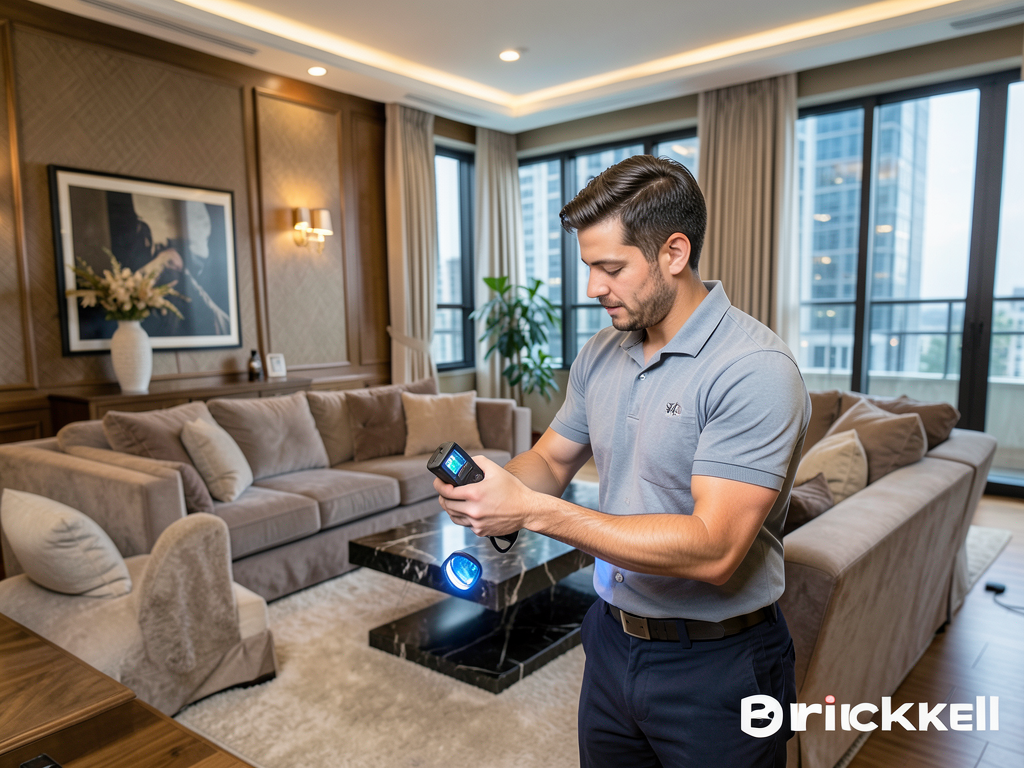
Should You Use Your Insurers Preferred Vendor for Brickell Condo Water Damage? When water floods…

How to Hire a Restorer Who Understands Aventura Penthouse Plumbing Systems Water damage in an…
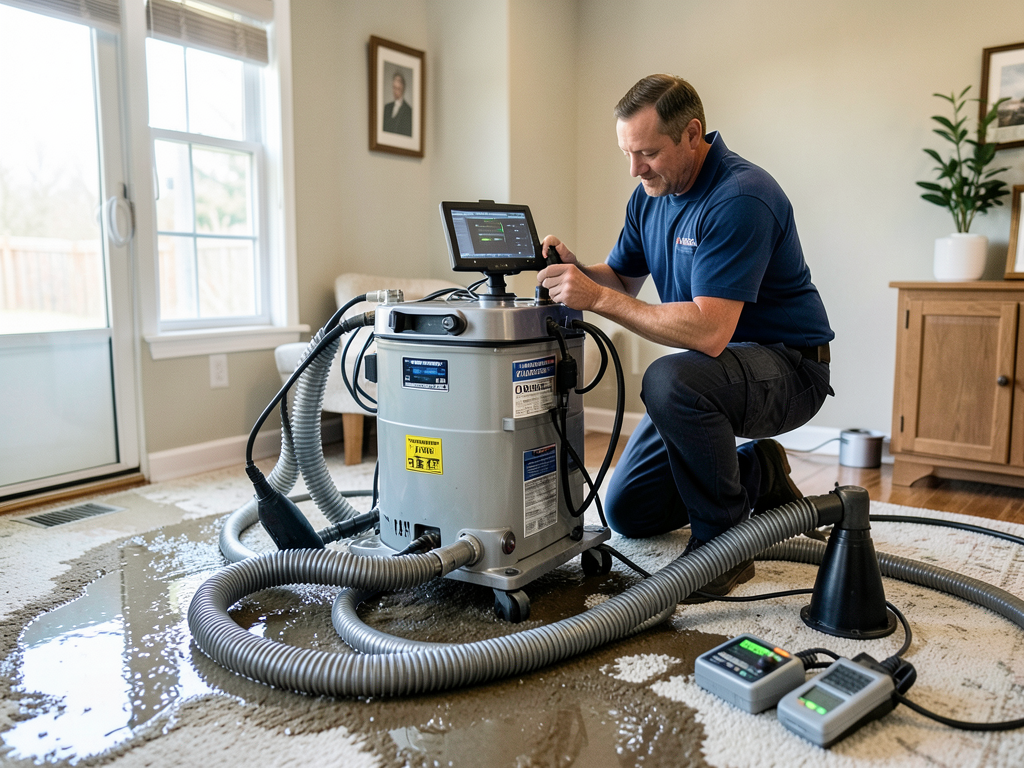
The Difference Between Surface Cleaning and Deep Extraction for Kendall Area Carpets When water invades…
Don't wait while water spreads through your property causing mold growth and structural damage. Our North Miami emergency teams deploy within 60 minutes with professional extraction equipment and IICRC-certified technicians. Call (786) 789-8282 now for immediate dispatch. We're standing by 24/7 to stop your water damage and start restoration.