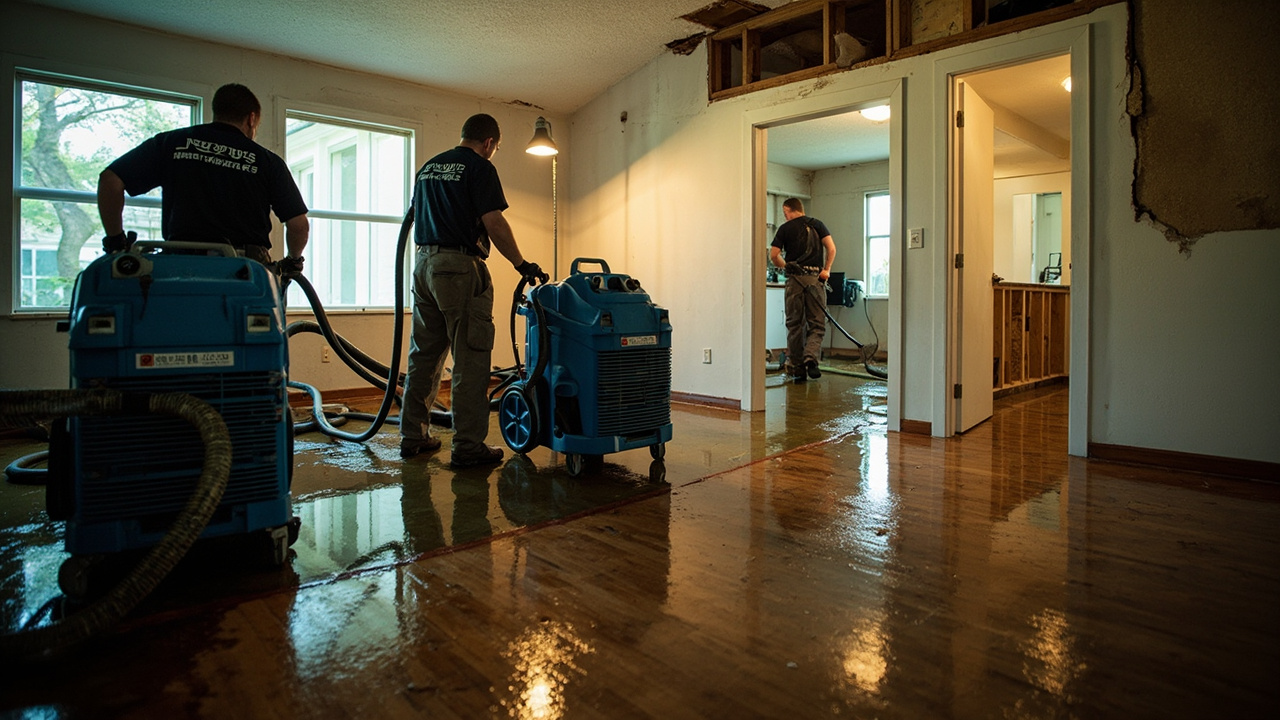

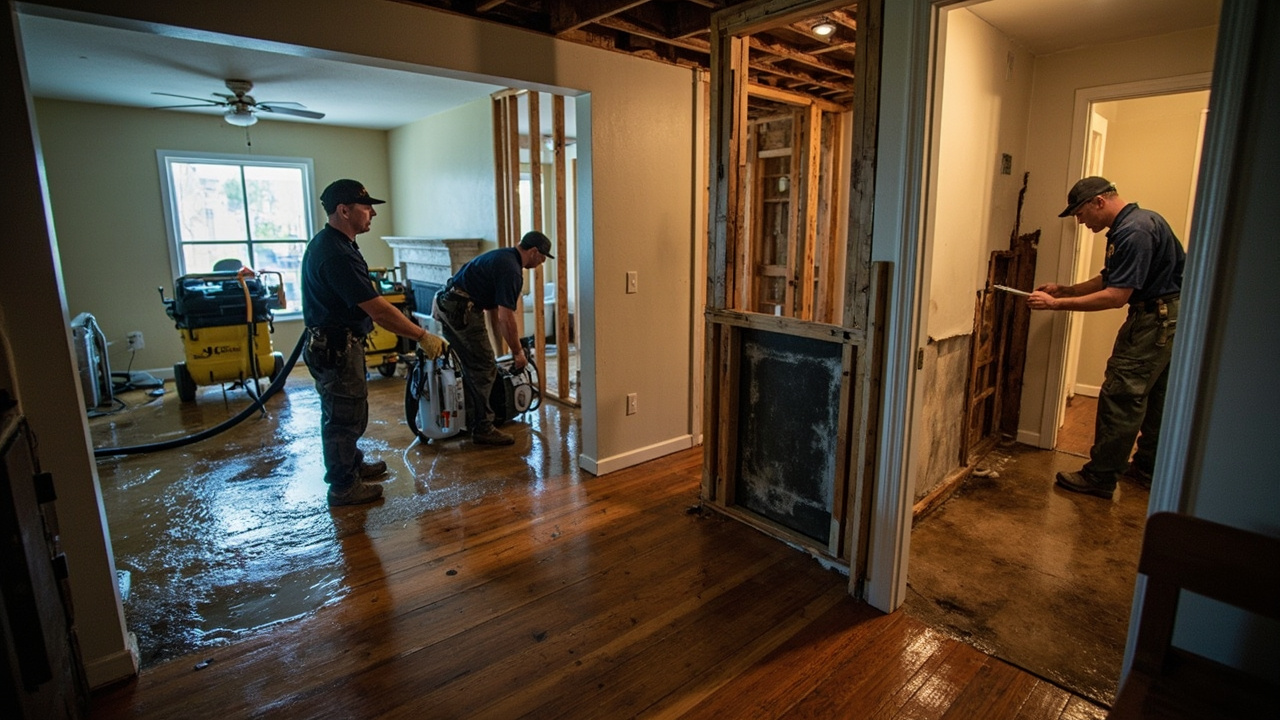
Miami averages 77 percent relative humidity year-round. Outdoor moisture levels rarely drop below 65 percent, even during winter dry season. That constant humidity accelerates microbial colonization on any water-damaged material. Drywall, insulation, and wood framing exposed to flooding in Brickell or Miami Beach will develop surface mold within 48 hours if not dried immediately. Storm surge from tropical systems compounds the problem because saltwater intrusion corrodes metal fasteners, electrical wiring, and plumbing. Understanding mitigation vs reconstruction in this climate is not optional. It is the difference between saving your property and demolishing it.
Miami-Dade County enforces strict building codes for flood-prone zones, especially in barrier island communities like Miami Beach and Surfside. Restoration work requires permits and inspections that verify compliance with current code, not the code in place when your home was originally built. Local contractors familiar with Miami-Dade permitting processes avoid delays and failed inspections. Choosing an out-of-area company unfamiliar with local requirements extends your timeline and increases costs. Water damage mitigation vs restoration is a technical distinction, but local expertise determines whether your project finishes on schedule and on budget.