menu

Condensation on Windows & Walls in Miami – Expert Diagnosis Stops Hidden Mold Before It Spreads

Fortress Water Damage Restoration Orlando identifies the real source behind window sweating and damp drywall patches in Miami homes, then fixes the moisture problem at the root to prevent toxic mold growth and structural decay.

Slider Image 1
Slider Image 2
Slider Image 3
Slider Image 4
Slider Image 5
Slider Image 7
Slider Image 8
Slider Image 9
Slider Image 10
Slider Image 11

Why Your Miami Home Is Crying

You wake up and run your finger along the window glass. It is dripping wet. Again. The drywall in your bedroom corner feels soft and cool to the touch. Those dark patches near the baseboard are growing.

This is not normal. This is not just humidity.

Miami's subtropical climate creates a perfect storm for condensation on windows and walls. When outdoor air hovers at 85 degrees with 80 percent humidity, and your air conditioning pushes indoor surfaces down to 68 degrees, moisture condenses on any cold surface it touches. Window sweating starts first. Then comes moisture buildup on walls behind furniture or in closets where air cannot circulate.

Interior glass condensation is the warning light. Weeping window panes mean your home is holding too much water vapor and cannot breathe. That moisture migrates into wall cavities, drywall, and insulation. You cannot see it happening until damp drywall patches appear or paint starts to bubble.

The real danger is what happens next. Mold spores need three things to colonize: moisture, warmth, and organic material. Your Miami home has all three in abundance. Once condensation becomes chronic, mold takes hold in 24 to 48 hours. By the time you see discoloration, the colony has already spread behind the drywall into the stud bays.

This problem accelerates in older Miami homes with single-pane windows or inadequate vapor barriers. New construction with overly tight envelopes and undersized dehumidification systems can trap moisture just as fast. If you are seeing condensation every morning, you are losing the battle against water vapor infiltration.

Why Your Miami Home Is Crying
How We Diagnose and Eliminate Chronic Condensation

How We Diagnose and Eliminate Chronic Condensation

Most companies wipe down your windows and tell you to buy a dehumidifier. That does not fix the problem. Fortress Water Damage Restoration Orlando investigates the source.

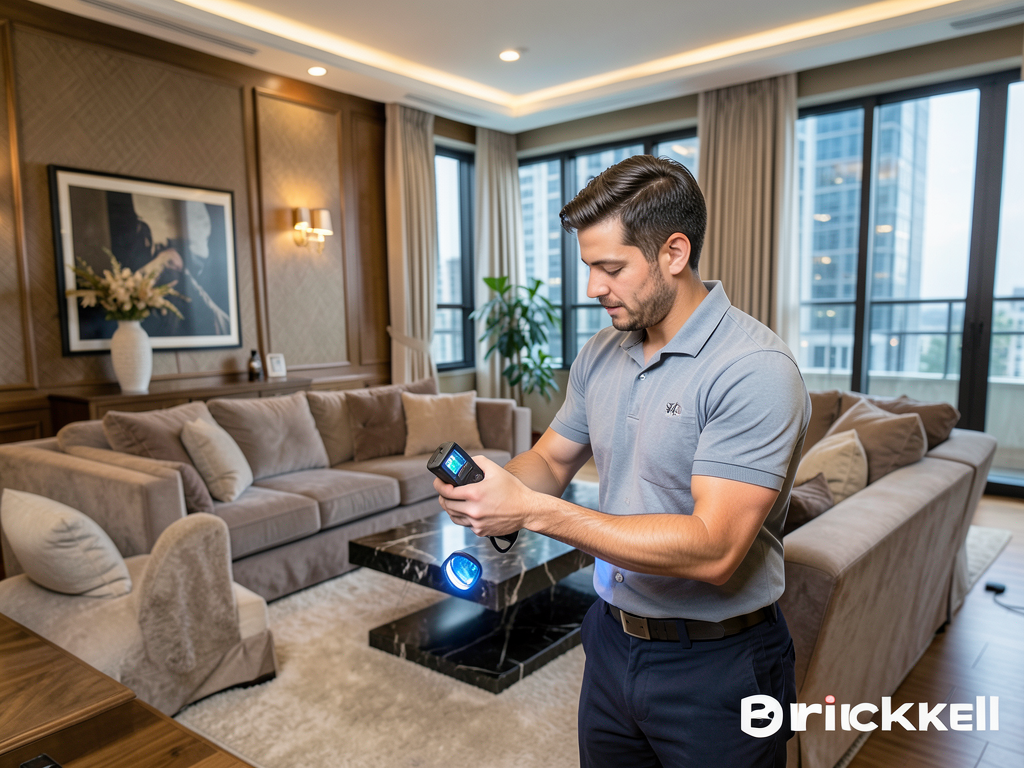
We start with a psychrometric assessment using calibrated hygrometers and infrared thermal cameras. We measure relative humidity in every room, then compare indoor dew point to surface temperatures on your windows, exterior walls, and ceiling corners. If your dew point is 65 degrees and your window glass is sitting at 62 degrees, condensation is inevitable. The infrared scan reveals cold spots where thermal bridging or missing insulation is creating condensation zones you cannot see.

Next, we inspect your HVAC system. If your air handler is oversized or short-cycling, it cools the air without removing enough moisture. We measure supply and return air temperatures and check the evaporator coil for proper latent heat removal. Many Miami homes have systems designed only for sensible cooling, which drops temperature but ignores humidity control.

We also trace air leakage paths. Humid outdoor air infiltrates through gaps around windows, doors, attic hatches, and plumbing penetrations. A blower door test quantifies how much unconditioned air is entering your home. Every cubic foot of humid Miami air that infiltrates adds water vapor load your system must handle.

Once we identify the moisture sources, we eliminate them. This may include sealing air leaks with closed-cell foam, upgrading to low-E windows with insulated frames, installing a whole-home dehumidifier, or resizing your HVAC system. We also remove any water-damaged drywall and treat framing with antimicrobial agents to kill existing mold colonies before encapsulating the area.

What Happens During Your Condensation Investigation

Condensation on Windows & Walls in Miami – Expert Diagnosis Stops Hidden Mold Before It Spreads
01

Moisture Mapping

We document every location where condensation appears using thermal imaging and moisture meters. Pin-type meters measure moisture content inside drywall and framing. Non-invasive scanning locates hidden moisture pockets behind walls. We map dew point differentials room by room to identify which areas are most vulnerable. This data tells us whether your problem is localized or systemic.
02

Source Identification

We trace the moisture to its origin. Is it condensation from poor insulation or air leakage from the outside? Are your bath fans venting properly or dumping humidity into the attic? Is your crawlspace or slab foundation wicking ground moisture into the walls? We test HVAC performance, measure outdoor air infiltration rates, and inspect building envelope integrity. Most condensation problems have multiple contributing factors.
03

Remediation and Prevention

We remove damaged materials, dry the structure to below 15 percent moisture content, then address the root causes. This may include air sealing, insulation upgrades, dehumidifier installation, or HVAC modifications. We verify our work with follow-up moisture readings and provide you with target humidity levels to maintain. The goal is to eliminate condensation permanently, not just manage symptoms.

Why Miami Homeowners Trust Our Condensation Expertise

Condensation problems in Miami are different than anywhere else. The combination of extreme outdoor humidity, aggressive air conditioning, and coastal salt air creates unique challenges. You need someone who understands building science in subtropical climates, not a franchise following a national checklist.

Fortress Water Damage Restoration Orlando has spent years solving moisture problems in Miami homes. We know that Coral Gables historic homes have plaster walls that trap moisture differently than drywall. We know that Brickell high-rises suffer from stack effect condensation in stairwells. We know that Kendall tract homes built in the 1980s often lack adequate vapor barriers because builders did not anticipate modern HVAC efficiency.

We also understand Miami-Dade building code requirements for moisture control and mold remediation. Any contractor cutting into your walls to remove water-damaged drywall must follow proper containment protocols to prevent cross-contamination. We use negative air pressure, HEPA filtration, and antimicrobial treatments that meet EPA and IICRC standards.

Most importantly, we do not sell you services you do not need. If your condensation problem can be solved with better ventilation and a standalone dehumidifier, we will tell you. If it requires envelope upgrades and HVAC redesign, we will explain exactly why and what it will cost.

Our thermal imaging does not lie. Our moisture meters do not guess. We show you the data, explain what it means, and give you a clear path to a dry home. Many of our clients come to us after trying cheaper solutions that failed. We fix it right the first time.

What to Expect When You Call Us

Same-Day Inspection Available

Condensation problems worsen fast in Miami's climate. We offer same-day diagnostic visits when you call before noon. Our technician arrives with thermal cameras, moisture meters, and hygrometers to assess your home immediately. The inspection takes one to two hours depending on home size. You receive a written report with photos and moisture readings within 24 hours. If you need emergency water extraction or mold containment, we start that work the same day.

Comprehensive Moisture Assessment

We do not just look at your windows. We inspect your entire building envelope, HVAC system, and indoor air quality. The assessment includes thermal imaging of all exterior walls, moisture testing of drywall and framing, HVAC airflow and humidity measurements, and identification of air leakage paths. We explain what we find in plain language and show you the thermal images so you can see exactly where the problem areas are. You get a prioritized action plan with options for immediate fixes and long-term solutions.

Permanent Moisture Control

Our goal is to eliminate condensation permanently, not just dry out your walls and leave. We address the source by sealing air leaks, upgrading insulation, installing dehumidification, or modifying HVAC operation. After remediation, we take follow-up moisture readings to confirm the structure is dry. We provide you with target indoor humidity levels to maintain and explain how to monitor conditions yourself. Most clients see condensation disappear within days of completing our recommended fixes.

Post-Remediation Verification

We return two weeks after completion to verify moisture levels remain stable. If you had mold growth, we can arrange third-party air quality testing to confirm spore counts are back to normal levels. We also provide maintenance guidance for your dehumidifier, HVAC filters, and ventilation systems. Most condensation problems stay solved if you maintain proper indoor humidity between 40 and 55 percent. We give you the tools and knowledge to keep your home dry year-round.

Frequently Asked Questions

You Have Questions,
We Have Answers

How to stop condensation on windows and walls? +

Reduce indoor humidity first. Run your air conditioner consistently during Miami's humid months to keep moisture levels below 60 percent. Use exhaust fans in bathrooms and kitchens every time you shower or cook. Check that your dryer vents outside, not into the attic. Improve air circulation by running ceiling fans and opening interior doors. If you have single-pane windows, consider upgrading to double-pane or applying insulating window film. Seal air leaks around window frames with caulk. For persistent problems, install a whole-home dehumidifier or contact a water damage restoration professional to identify hidden moisture sources.

Should I be worried about condensation on windows? +

Yes, you should address it. Condensation signals excess moisture in your home, which creates ideal conditions for mold growth within 24 to 48 hours. In Miami's climate, this moisture can seep into drywall, insulation, and framing, causing structural damage over time. Window condensation also damages sills and frames, leading to wood rot or corrosion. If you see it regularly, check for mold around the frames and on adjacent walls. Small amounts during extreme weather shifts are normal, but daily condensation means you have a humidity control problem that needs fixing before it escalates into costly repairs.

Should you wipe condensation off windows? +

Wipe it off daily to prevent immediate damage, but understand this is not a fix. Use a squeegee or absorbent towel to remove moisture from glass and sills each morning. This stops water from pooling and rotting wooden frames or corroding metal hardware. However, wiping treats the symptom, not the cause. You still need to lower indoor humidity and improve ventilation. In Miami homes, persistent condensation often points to air conditioning issues, poor attic ventilation, or moisture intrusion from outside. Address the root problem, or you will be wiping windows forever while hidden mold grows behind your walls.

Why am I getting condensation on my walls? +

Your home has too much moisture and poor ventilation. Common sources include cooking steam, shower humidity, unvented dryers, or even breathing. In Miami, outdoor humidity can infiltrate through cracks and porous materials. If your air conditioner runs inefficiently or your home lacks proper air circulation, moisture condenses on cooler wall surfaces. Check for plumbing leaks inside walls, roof leaks, or foundation seepage. Condensation often appears on exterior walls first because they stay cooler than interior walls. If condensation forms regularly, you likely have a ventilation deficiency or a hidden water source that requires professional investigation.

What to put on walls to stop condensation? +

Fix the moisture source before treating walls. Anti-condensation paint can help by providing a mildly insulating barrier, but it will not solve a ventilation or humidity problem. Insulating exterior walls from the inside reduces the temperature difference that causes condensation. Apply vapor barriers behind drywall during renovations to block moisture migration. For immediate relief, use a dehumidifier and increase air circulation with fans. In Miami, many homes benefit from upgrading attic insulation to keep wall surfaces warmer. If condensation continues after these steps, you may have hidden water intrusion that requires professional detection and remediation.

Does condensation mean my house is too cold? +

Not always. Condensation forms when warm, humid air contacts a cold surface. In Miami, your home is usually cooler inside than outside due to air conditioning. This means condensation appears on windows and walls because they are colder than the humid indoor air, not because your house lacks heat. The real issue is excess indoor humidity. If your air conditioner runs constantly but condensation persists, your system may not be dehumidifying properly. Check your thermostat settings and air filter. If condensation happens in winter, your heating system may be undersized or your insulation inadequate.

Does condensation on windows mean poor insulation? +

Often, yes. Single-pane windows lose heat rapidly, creating cold glass surfaces where moisture condenses. In Miami, poorly insulated windows stay cooler than indoor air during heavy air conditioning use, causing the same effect. If condensation appears between double-pane glass, the seal has failed and the window needs replacement. Condensation on the interior surface suggests your windows lack thermal resistance or your indoor humidity is excessive. Upgrading to energy-efficient windows reduces condensation, but you must also control humidity. If walls show condensation too, you likely have broader insulation gaps in your building envelope that need sealing.

What are signs of excessive condensation? +

Watch for water droplets on windows every morning, damp spots on walls or ceilings, musty odors, visible mold growth, and peeling paint or wallpaper. You may notice discolored patches on drywall or black specks around window frames. In Miami homes, check closets on exterior walls, as they often stay cooler and trap moisture. Warped baseboards, bubbling drywall tape, and rust stains on metal surfaces also signal chronic condensation. If you see these signs, measure indoor humidity with a hygrometer. Readings above 60 percent create condensation risk. Act quickly to prevent mold colonization and structural decay.

Will a dehumidifier stop condensation on windows? +

Yes, if you size and use it correctly. A dehumidifier removes moisture from indoor air, reducing the humidity that condenses on cold surfaces. For Miami homes, choose a unit rated for your square footage and humidity level. Run it continuously during humid months, emptying the reservoir daily or connecting a drain hose. Place it in the room with the worst condensation or use a whole-home model integrated with your HVAC system. However, a dehumidifier will not fix air leaks, failed window seals, or hidden water intrusion. Combine dehumidification with proper ventilation and repairs for lasting results.

Does condensation always indicate a problem? +

No. Light condensation during extreme weather changes or after cooking is normal. The problem occurs when condensation forms daily, covers large surface areas, or appears on walls and ceilings. In Miami, occasional window fog during rapid temperature shifts between air-conditioned indoors and hot outdoors is expected. However, persistent condensation signals a humidity imbalance, ventilation failure, or hidden moisture source. If you see it regularly, investigate the cause. Ignoring chronic condensation leads to mold growth, wood rot, and structural damage. Address the pattern, not just the occasional occurrence, to protect your home and health.

Why Miami's Year-Round Humidity Makes Condensation a Chronic Problem

Miami never gets a break from moisture. While northern cities see condensation only in winter when indoor heating meets cold windows, Miami fights it year-round. Summer outdoor dew points regularly hit 75 degrees, which means any surface cooled below that temperature by your air conditioning will condensate. Older Miami homes with single-pane aluminum windows often have glass temperatures in the low 60s when the AC runs. That 15-degree differential guarantees window sweating every single day. Newer homes with better windows still struggle because builders often install oversized air conditioners that cool quickly but do not run long enough to dehumidify. The result is a cold home with 70 percent relative humidity and moisture buildup on walls behind furniture where air cannot circulate.

Solving condensation in Miami requires local expertise. National restoration companies follow protocols designed for temperate climates where humidity is a seasonal issue, not a permanent condition. Fortress Water Damage Restoration Orlando specializes in subtropical moisture control. We understand how Miami-Dade's building codes have evolved to address mold and moisture, and we know which HVAC contractors in the area can properly size and configure systems for humidity control. We have relationships with local building inspectors and know what documentation they require for insurance claims related to water damage and mold. When you work with us, you work with a team that has solved these exact problems in hundreds of Miami homes from Coconut Grove to Aventura.
Water Damage Restoration Services in The Miami Area

Fortress proudly serves the entire Miami area and nearby neighborhoods with prompt, expert water damage restoration services. Whether you're located downtown, in the suburbs, or along the coast, our team is just a call away. Use the map below to view our service area and get directions to our office. We’re local, responsive, and ready to help 24/7—because when disaster strikes, having a trusted team nearby makes all the difference.

Address:
Fortress Water Damage Restoration Miami, 3250 NE 1st Ave, Miami, FL, 33137

Additional Services We Offer

Our news updates

Latest Articles & News from The Blogs

Should You Use Your Insurers Preferred Vendor for Brickell Condo Water Damage? When water floods your Brickell condo, your insurance…

Should You Use Your Insurers Preferred Vendor for Brickell Condo Water Damage?

Should You Use Your Insurers Preferred Vendor for Brickell Condo Water Damage? When water floods your Brickell condo, your insurance…

How to Hire a Restorer Who Understands Aventura Penthouse Plumbing Systems

How to Hire a Restorer Who Understands Aventura Penthouse Plumbing Systems Water damage in an Aventura penthouse is not just…

The Difference Between Surface Cleaning and Deep Extraction for Kendall Area Carpets

The Difference Between Surface Cleaning and Deep Extraction for Kendall Area Carpets When water invades your Kendall home, the first…

Contact Us

Call Fortress Water Damage Restoration Orlando now at (786) 789-8282 for a same-day moisture assessment. We identify the source, eliminate the problem, and give you a dry home that stays dry. Do not wait for mold to take over.