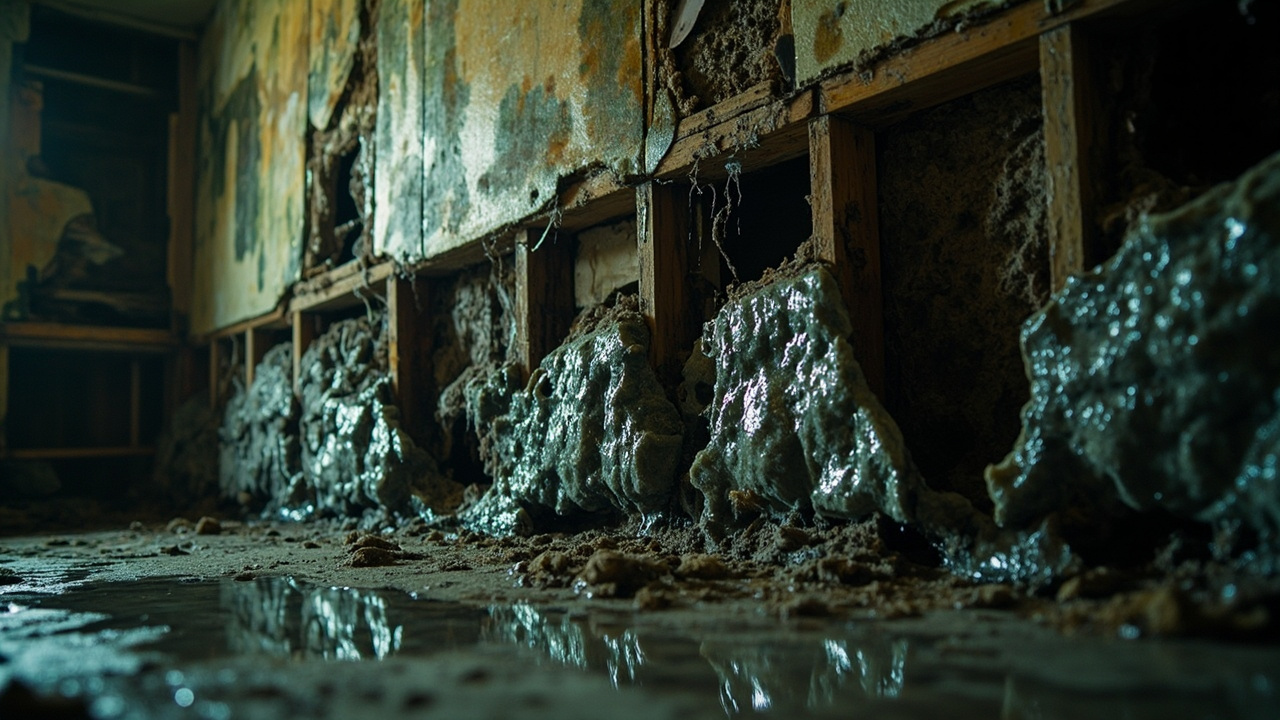

Miami sits in the direct path of Atlantic hurricane systems from June through November. High winds drive rain horizontally into roof penetrations, ridge vents, and turbine vents that stay dry during normal weather. A single tropical storm can saturate an entire attic worth of insulation in less than an hour. Neighborhoods along Biscayne Bay and the Miami River experience storm surge flooding that pushes water into crawlspaces and first-floor ceilings. The combination of wind-driven rain and high humidity means damp insulation does not dry between storm events. It stays wet, grows mold, and loses thermal performance until you remove it.
Miami-Dade County enforces strict building codes for insulation installation after Hurricane Andrew. Contractors must follow updated wind load standards and moisture barrier requirements. Fortress Water Damage Restoration Miami understands these local codes because we work in Miami every day. We know which insulation materials perform best in subtropical climates and how to install them so they pass county inspections. Choosing a local restoration company means you get a team that understands Miami's building environment and regulatory requirements. We do not guess. We know what works here.