menu

Emergency Mold Containment in Miami – 24/7 Rapid Response Stops Toxic Spread in Under 60 Minutes

When mold threatens your property after water damage, every minute counts. Our emergency mold containment specialists deploy immediately across Miami with industrial-grade isolation barriers, negative air pressure systems, and urgent mold mitigation protocols to stop contamination before it spreads.

Slider Image 1
Slider Image 2
Slider Image 3
Slider Image 4
Slider Image 5
Slider Image 7
Slider Image 8
Slider Image 9
Slider Image 10
Slider Image 11

Why Miami Properties Face Critical Mold Threats Within Hours of Water Exposure

Miami's subtropical climate creates the perfect storm for explosive mold growth. With average humidity hovering between 70-77% year-round and temperatures rarely dropping below 68°F, mold spores can colonize wet building materials in as little as 24 to 48 hours. When you discover active mold growth after a pipe burst, roof leak, or flooding event, you are not dealing with a cosmetic problem. You are facing a health emergency that requires immediate mold mitigation.

The combination of Miami's warm ocean air, frequent afternoon thunderstorms during summer months, and aging building stock in neighborhoods like Coral Gables and Little Havana means water intrusion events turn toxic fast. Mold releases mycotoxins and volatile organic compounds that trigger respiratory distress, allergic reactions, and neurological symptoms. Children, elderly residents, and anyone with compromised immune systems face the highest risk.

Emergency mold abatement is not about scheduling an appointment next week. It is about stopping microbial spread right now, before contamination migrates through your HVAC system, penetrates wall cavities, or infiltrates adjacent rooms. Urgent mold isolation requires professional-grade containment barriers, HEPA filtration, and negative air pressure chambers that prevent cross-contamination during removal. Waiting 24 hours can mean the difference between a contained remediation and a whole-structure contamination requiring tens of thousands in additional abatement costs.

If you see visible mold, smell musty odors, or recently experienced water damage in your Miami property, you need rapid mold containment services dispatched immediately.

Why Miami Properties Face Critical Mold Threats Within Hours of Water Exposure
How Professional Emergency Mold Containment Stops Contamination at the Source

How Professional Emergency Mold Containment Stops Contamination at the Source

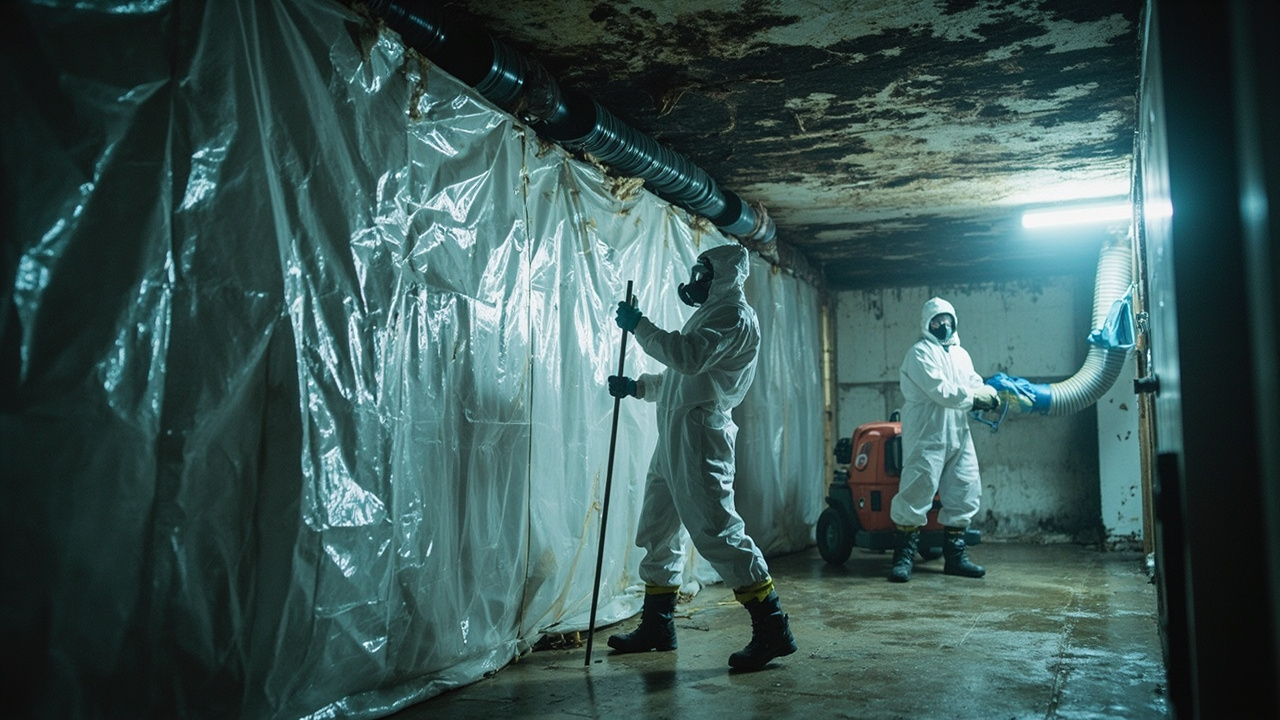
Effective emergency mold containment is not about spraying bleach or running a dehumidifier. It requires engineered containment systems that physically isolate the affected zone while maintaining controlled negative air pressure to prevent spore migration. Our technicians arrive with commercial containment barriers constructed from 6-mil polyethylene sheeting, sealed with professional-grade tape and anchored with weighted bases to create airtight isolation chambers.

We establish negative air pressure using HEPA-filtered air scrubbers rated for 500 to 2000 CFM, depending on containment volume. This creates a pressure differential that pulls air into the contaminated zone and exhausts it through triple-stage filtration, capturing 99.97% of particles down to 0.3 microns. This prevents airborne mold spores from escaping into clean areas during the removal process.

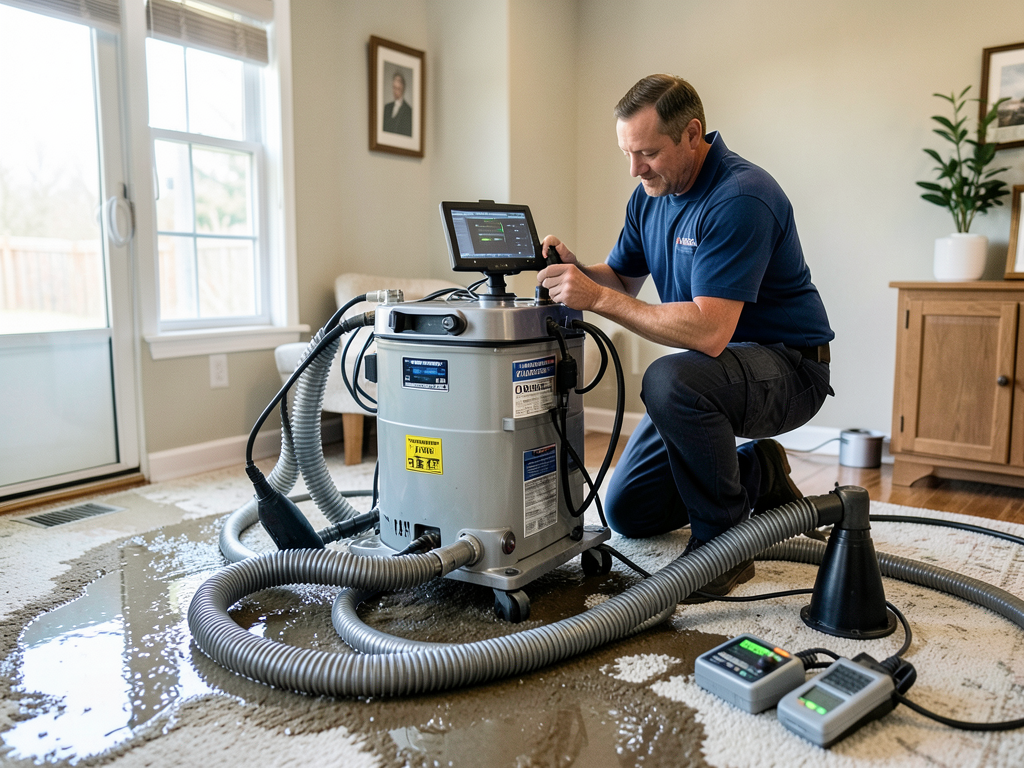
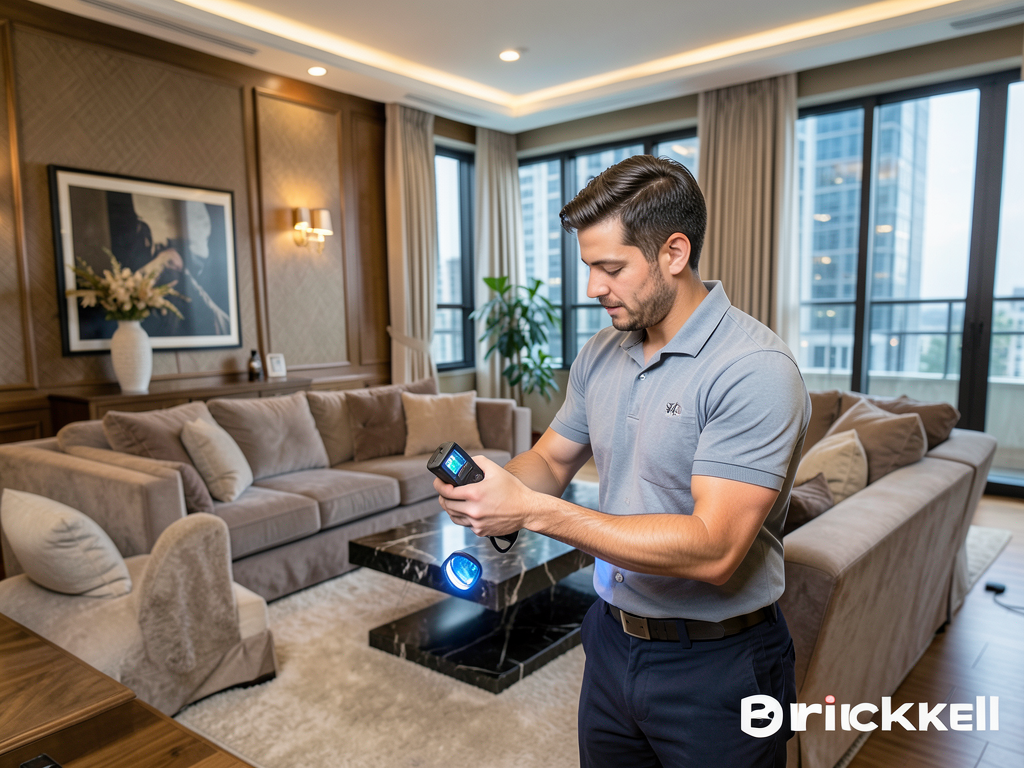
Our 24/7 mold damage containment protocol includes immediate moisture mapping using thermal imaging and moisture meters to identify hidden water sources feeding mold growth. We locate moisture in wall cavities, under flooring, and within ceiling plenums that you cannot see. Stopping the water source is critical because mold will regrow if moisture remains above 16% in organic building materials like drywall, wood framing, or insulation.

We document the containment zone with digital photography and particle count testing to establish baseline contamination levels. This data protects you during insurance claims and provides proof of proper remediation protocols. Our technicians follow IICRC S520 Standard and Reference Guide for Professional Mold Remediation, which outlines industry-accepted containment procedures based on contamination level and affected square footage.

Fortress Water Damage Restoration Miami technicians are trained in cross-contamination prevention, personal protective equipment protocols, and safe material handling to protect both your property and our crew during emergency mold abatement operations.

What Happens When You Call for Emergency Mold Containment in Miami

Emergency Mold Containment in Miami – 24/7 Rapid Response Stops Toxic Spread in Under 60 Minutes
01

Immediate Dispatch and Assessment

Within minutes of your call, we dispatch a certified remediation technician to your Miami property with containment equipment already loaded. Upon arrival, we perform rapid visual inspection and moisture assessment using infrared cameras to map the contamination zone. We identify mold species indicators, measure airborne spore counts with air sampling pumps, and determine containment class based on affected square footage. This on-site triage takes 15-20 minutes and allows us to scale our response to match your specific contamination level.
02

Containment Barrier Installation

Our crew constructs physical isolation barriers using flame-retardant polyethylene sheeting, sealing all openings including doorways, windows, vents, and HVAC registers. We install zippered entry doors for controlled access and position commercial air scrubbers to establish negative pressure within 30 minutes of arrival. We verify pressure differential using manometers and adjust airflow to maintain 5-10 Pascals negative pressure relative to adjacent spaces. This engineering control prevents spore migration during the removal phase and protects unaffected areas of your property.
03

Atmospheric Monitoring and Clearance

After containment is established, we monitor particle counts continuously using real-time air quality meters. We maintain negative pressure throughout the remediation process and conduct post-remediation verification testing using independent laboratory analysis of air samples. Containment barriers remain in place until clearance testing confirms spore counts have returned to baseline levels matching unaffected areas. We provide written documentation of all air quality results, moisture readings, and containment procedures for your insurance claim and permanent property records.

Why Miami Property Owners Trust Fortress Water Damage Restoration for Critical Mold Emergencies

When mold contamination threatens your property, you need a response team that understands Miami's unique building challenges and climate conditions. We have remediated mold in everything from mid-century concrete block homes in Homestead to high-rise condominiums in Brickell, and we know how South Florida construction methods affect mold spread patterns.

Miami's building codes, particularly the Florida Building Code Chapter 15 for existing structures, require specific remediation procedures when mold exceeds 10 square feet of contiguous growth. Our containment protocols meet or exceed these regulatory thresholds, and our technicians maintain current knowledge of Miami-Dade County permitting requirements for major remediation projects. We handle all documentation and coordinate with local building officials when permits are required for structural repairs following mold removal.

Our familiarity with Miami's housing stock matters during emergency response. We understand that older properties in neighborhoods like Liberty City and Overtown often have galvanized plumbing that corrodes and leaks, creating hidden moisture problems behind walls. Newer construction in Doral and Kendall may have spray foam insulation that traps moisture when building envelope failures occur. We adjust our containment strategies based on construction type, ventilation systems, and specific moisture sources affecting your property.

We maintain relationships with local industrial hygienists, indoor air quality consultants, and environmental testing laboratories throughout Miami-Dade County. When your situation requires third-party verification, microbiological analysis, or expert testimony for insurance disputes or litigation, we connect you with qualified professionals who understand Florida's legal and technical requirements.

Fortress Water Damage Restoration Miami operates 24/7 with multiple response vehicles staged throughout the metro area, allowing us to reach properties in Coral Gables, Hialeah, North Miami Beach, and surrounding communities within the critical first hour after your call. Speed determines outcome in mold emergencies.

What You Can Expect During Emergency Mold Containment Services

Arrival Time and Response Speed

We guarantee technician arrival within 60 minutes for emergency mold containment calls in Miami and surrounding areas. Our dispatch system tracks real-time traffic conditions on I-95, the Palmetto Expressway, and Dolphin Expressway to route the closest available crew to your property. Upon arrival, containment equipment deployment begins immediately. Full atmospheric isolation with negative pressure typically takes 45-90 minutes depending on contamination zone size. We do not schedule appointments days out. Mold emergencies demand immediate action, and our staffing model ensures 24/7 availability including weekends and holidays. You will have boots on the ground and containment barriers going up while other companies are still returning voicemails.

Initial Contamination Assessment Process

Our technicians perform comprehensive moisture mapping using thermal imaging cameras that detect temperature differentials indicating hidden water. We take moisture meter readings in affected materials and surrounding areas to determine contamination boundaries. Air sampling using Burkard or Zefon pumps captures airborne spore counts for laboratory analysis, establishing baseline contamination levels. We photograph all affected areas with date-stamped digital images for documentation. Surface sampling with tape lifts or swabs identifies mold genera present. This assessment takes 20-30 minutes and produces data you need for insurance claims. We explain findings in plain language and provide written assessment reports detailing moisture levels, visible growth patterns, and recommended remediation scope.

Containment Quality and Safety Standards

Our containment barriers meet IICRC S520 specifications for Class II, III, and IV remediation projects. We use commercial-grade polyethylene sheeting with flame-retardant properties and professional containment tape that adheres to concrete, drywall, and tile surfaces without leaving residue. Air scrubbers use three-stage filtration including HEPA final filters certified to capture particles down to 0.3 microns. We verify negative pressure using digital manometers and maintain pressure logs throughout the containment period. All technicians wear appropriate personal protective equipment including P100 respirators, Tyvek suits, and nitrile gloves. We follow OSHA respiratory protection standards and contamination prevention protocols. You receive a contained, controlled environment that prevents mold spread during removal operations.

Post-Containment Verification and Documentation

After remediation work is complete, we conduct clearance testing using independent laboratory analysis of air samples collected inside and outside the containment zone. Results must show indoor spore counts and genera distribution matching outdoor baseline levels or reference room samples. We provide written clearance reports with laboratory certificates of analysis suitable for insurance claims and property disclosure requirements. All moisture readings, air quality data, photographic documentation, and remediation procedures are compiled in a comprehensive project file you keep permanently. If follow-up moisture monitoring is recommended, we schedule return visits at no additional charge to verify materials have dried completely. Our goal is documented proof that your property is safe for reoccupancy.

Frequently Asked Questions

You Have Questions,
We Have Answers

What is the proper containment for mold? +

Proper mold containment involves creating a sealed work zone with polyethylene sheeting and negative air pressure using HEPA-filtered air scrubbers. In Miami's humid climate, this is critical because mold spores spread fast. Technicians seal off affected rooms with plastic barriers and tape all seams. Negative air machines pull air out of the containment zone, forcing spores through HEPA filters instead of into your home. All HVAC vents get sealed. Workers enter through zipper doors to prevent cross-contamination. This setup stops mold from migrating to clean areas during removal. Containment protects you and your property.

What plant removes 78% of airborne mold? +

English ivy reportedly removes up to 78% of airborne mold in controlled studies. The plant absorbs mold spores through its leaves and breaks them down. However, relying on houseplants during a mold emergency in Miami is not realistic. English ivy works slowly and cannot handle active infestations, especially in South Florida's humidity. You need professional containment, HEPA filtration, and removal to stop active growth. Plants may help with minor prevention after remediation, but they will not solve your mold problem. Address the moisture source first, then remediate. Plants are supplemental at best.

Does FEMA pay for mold remediation? +

FEMA does not typically pay for mold remediation directly. However, if your mold resulted from a federally declared disaster like a hurricane, you may qualify for assistance covering the underlying damage that caused the mold, such as flooding or roof damage. In Miami, this matters after major storms. FEMA aid focuses on structural repairs and habitability. Mold removal may be covered indirectly if tied to eligible disaster damage. You must document everything and apply quickly. Most homeowners rely on insurance or private contractors. Check FEMA's Individual Assistance program after disasters for specific eligibility.

Is mold an OSHA violation? +

Yes, mold can be an OSHA violation if it creates unsafe working conditions. OSHA does not have a specific mold standard, but mold exposure falls under general duty clauses requiring safe workplaces. Employers must protect workers from respiratory hazards and toxic environments. In Miami's commercial buildings, unaddressed mold puts employees at risk and exposes you to liability. If workers report mold-related illness or unsafe air quality, OSHA can investigate and fine you. Businesses must remediate quickly, provide PPE, and ensure proper ventilation. Ignoring mold in your workplace is a legal and health risk.

What kills mold spores instantly? +

Nothing kills mold spores instantly in real-world conditions. Bleach, hydrogen peroxide, and antimicrobial sprays kill surface mold but require contact time and do not penetrate porous materials like drywall. In Miami's humidity, surface treatment is not enough. Dead mold is still allergenic and must be physically removed. Professional remediation uses HEPA vacuuming, antimicrobial foggers, and complete material removal. Heat treatment above 140 degrees can kill spores, but it is impractical for most homes. Stop looking for instant fixes. Proper mold removal requires containment, elimination of moisture, and physical removal of contaminated materials.

How long are mold spores airborne after cleaning? +

Mold spores can remain airborne for hours to days after cleaning, depending on air circulation and humidity. In Miami's moist climate, spores settle slowly and can re-activate if moisture returns. Disturbing mold during DIY cleaning releases thousands of spores into the air, where they float and spread. This is why professionals use containment and HEPA filtration during removal. After cleaning, spores gradually settle on surfaces or get pulled into your HVAC system. Running air scrubbers for 24 to 72 hours post-remediation captures lingering spores. Never assume the air is clear immediately after cleaning.

What pulls mold out of the air? +

HEPA air scrubbers and filters pull mold spores out of the air. These machines use High Efficiency Particulate Air filters that capture 99.97% of particles 0.3 microns or larger, including mold spores. During containment, negative air machines create airflow that forces spores through HEPA filters before exhausting air outside. In Miami homes, running HEPA air purifiers after remediation helps catch remaining spores. Standard HVAC filters do not capture mold. You need true HEPA filtration. Professionals use industrial air scrubbers during removal. For ongoing prevention, portable HEPA units reduce airborne spores and improve indoor air quality.

Is it true that English ivy absorbs mold? +

Yes, studies suggest English ivy absorbs airborne mold and reduces spore counts in indoor environments. The plant's leaves capture spores and break them down naturally. However, this is not a solution for active mold infestations in Miami homes. English ivy works slowly and cannot replace professional remediation. If you have visible mold or water damage, you need containment and removal, not houseplants. Ivy may help with minor air quality improvement after remediation, but it will not stop growth or address moisture problems. Use plants as a supplemental prevention tool, not a primary remedy.

What is the natural enemy of mold? +

Sunlight and dry conditions are mold's natural enemies. Mold requires moisture, warmth, and organic material to grow. UV light from the sun kills mold spores and inhibits growth. Low humidity below 50% stops mold from spreading. In Miami's humid climate, controlling indoor moisture is your best defense. Dehumidifiers, proper ventilation, and fixing leaks eliminate the conditions mold needs. Outdoors, sunlight and airflow naturally limit mold. Indoors, you must replicate those conditions with HVAC control and moisture management. Remove the water source, and mold cannot survive. Prevention beats remediation every time.

What to do if I can't afford mold removal? +

If you cannot afford professional mold removal, prioritize safety and stop the water source immediately. Fix leaks, dry wet areas with fans and dehumidifiers, and remove small contaminated items like towels or cardboard. Seal off affected rooms with plastic sheeting to prevent spread. Wear an N95 mask, gloves, and goggles during DIY cleanup. Contact your insurance company to see if your policy covers mold damage. In Miami, some restoration companies offer payment plans or work directly with insurers. Do not ignore mold. It worsens fast in South Florida's humidity and creates serious health risks and property damage.

How Miami's Hurricane Season and Flood Zones Increase Emergency Mold Containment Needs

Miami sits in one of the most hurricane-prone regions in the United States, with significant portions of the city located in FEMA flood zones AE and VE. When tropical storms and hurricanes bring storm surge and heavy rainfall, properties throughout Miami Beach, Key Biscayne, and low-lying neighborhoods in South Miami experience water intrusion that creates ideal conditions for rapid mold colonization. Even properties that do not flood directly face roof leaks from wind-driven rain and window breaches from flying debris. The combination of building envelope failures and 80-90% humidity during and after storms means urgent mold isolation becomes critical within 24-48 hours of water exposure. Power outages that disable air conditioning for days after major hurricanes compound the problem by allowing interior humidity to spike above 60%, accelerating mold growth on every wet surface.

Fortress Water Damage Restoration Miami maintains relationships with local property managers, homeowners associations, and commercial building operators throughout Miami-Dade County who trust our emergency response capabilities. We understand Florida Statute 627.7073 requirements for water damage and mold mitigation claims, and we provide documentation that meets insurance carrier standards for claim substantiation. Our familiarity with Miami's specific building challenges, from saltwater corrosion in coastal properties to foundation issues in inland areas with porous limestone bedrock, means we identify moisture sources other contractors miss. When you need immediate mold mitigation from a team that knows Miami's building stock, climate risks, and regulatory environment, you need local expertise that responds in minutes, not days.
Water Damage Restoration Services in The Miami Area

Fortress proudly serves the entire Miami area and nearby neighborhoods with prompt, expert water damage restoration services. Whether you're located downtown, in the suburbs, or along the coast, our team is just a call away. Use the map below to view our service area and get directions to our office. We’re local, responsive, and ready to help 24/7—because when disaster strikes, having a trusted team nearby makes all the difference.

Address:
Fortress Water Damage Restoration Miami, 3250 NE 1st Ave, Miami, FL, 33137

Additional Services We Offer

Our news updates

Latest Articles & News from The Blogs

Should You Use Your Insurers Preferred Vendor for Brickell Condo Water Damage? When water floods your Brickell condo, your insurance…

Should You Use Your Insurers Preferred Vendor for Brickell Condo Water Damage?

Should You Use Your Insurers Preferred Vendor for Brickell Condo Water Damage? When water floods your Brickell condo, your insurance…

How to Hire a Restorer Who Understands Aventura Penthouse Plumbing Systems

How to Hire a Restorer Who Understands Aventura Penthouse Plumbing Systems Water damage in an Aventura penthouse is not just…

The Difference Between Surface Cleaning and Deep Extraction for Kendall Area Carpets

The Difference Between Surface Cleaning and Deep Extraction for Kendall Area Carpets When water invades your Kendall home, the first…

Contact Us

Do not wait for mold to spread through your property. Call (786) 789-8282 now for immediate emergency mold containment in Miami. Our technicians deploy within 60 minutes with professional isolation barriers and negative air systems to stop contamination at the source. Every hour you wait allows deeper penetration and higher remediation costs.