menu

Fire Sprinkler Water Cleanup in Miami – Emergency Response Teams Deployed in Under 60 Minutes

When accidental sprinkler discharge floods your property, every minute counts. Our fire sprinkler water cleanup crews arrive fast across Miami-Dade County with industrial extraction equipment, stopping water migration before permanent structural damage sets in.

Slider Image 1
Slider Image 2
Slider Image 3
Slider Image 4
Slider Image 5
Slider Image 7
Slider Image 8
Slider Image 9
Slider Image 10
Slider Image 11

Why Fire Sprinkler Accidents Create Urgent Water Damage in Miami Properties

A single burst fire sprinkler head releases 15 to 30 gallons of water per minute. In high-rise buildings across Brickell and Downtown Miami, accidental sprinkler discharge can flood multiple floors before building management shuts down the system. You face immediate threats: waterlogged drywall, soaked insulation, electrical hazards, and rapid mold colonization in Miami's 80% average humidity.

Fire suppression system water extraction demands different protocols than typical flooding. Sprinkler water often contains rust particles, glycerin, or corrosion inhibitors from pressurized pipes. This contaminated water stains carpet, damages electronics, and requires Category 2 water remediation procedures. The longer it sits, the deeper it penetrates into concrete slabs and wall cavities common in Miami's concrete block construction.

Miami's subtropical climate accelerates secondary damage. Within 24 hours, moisture trapped inside walls begins feeding mold growth. Within 48 hours, wood framing starts swelling and warping. Emergency sprinkler water removal stops this progression, but only if you act immediately after the discharge event.

Commercial properties face additional pressure. A flooded office building means lost revenue, displaced tenants, and potential liability claims. Retail spaces lose inventory. Medical facilities risk contamination issues. Professional fire sprinkler water damage restoration prevents these cascading problems, but the window for intervention closes fast in South Florida's heat and humidity.

Why Fire Sprinkler Accidents Create Urgent Water Damage in Miami Properties
How Professional Fire Suppression System Water Extraction Works

How Professional Fire Suppression System Water Extraction Works

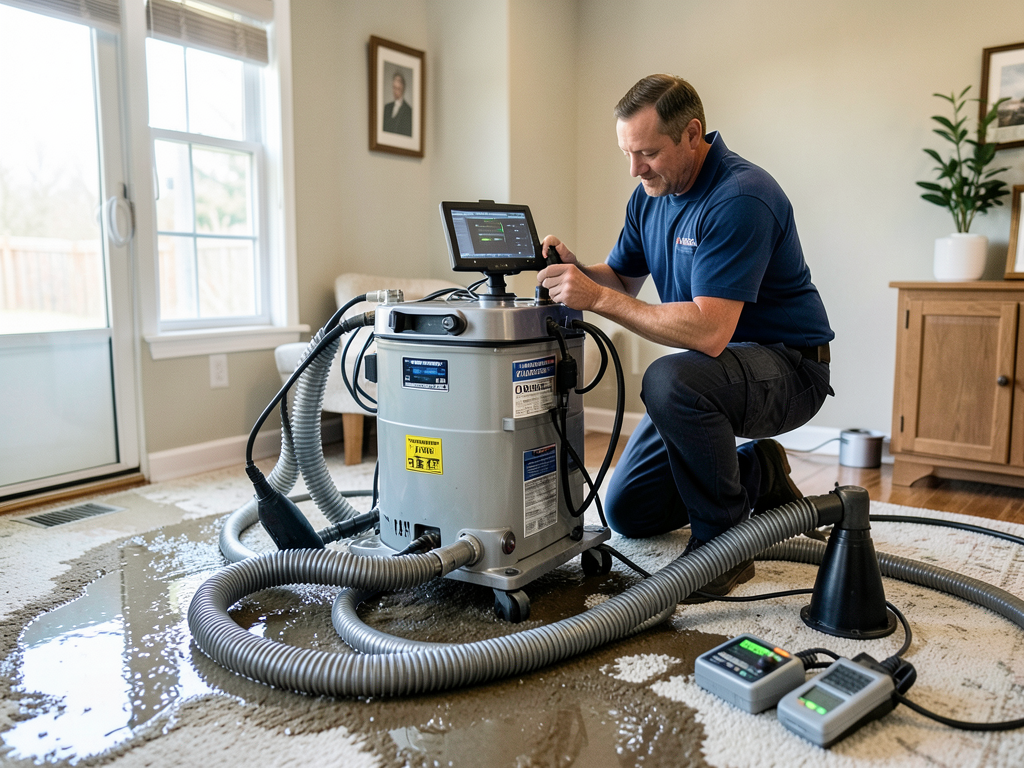
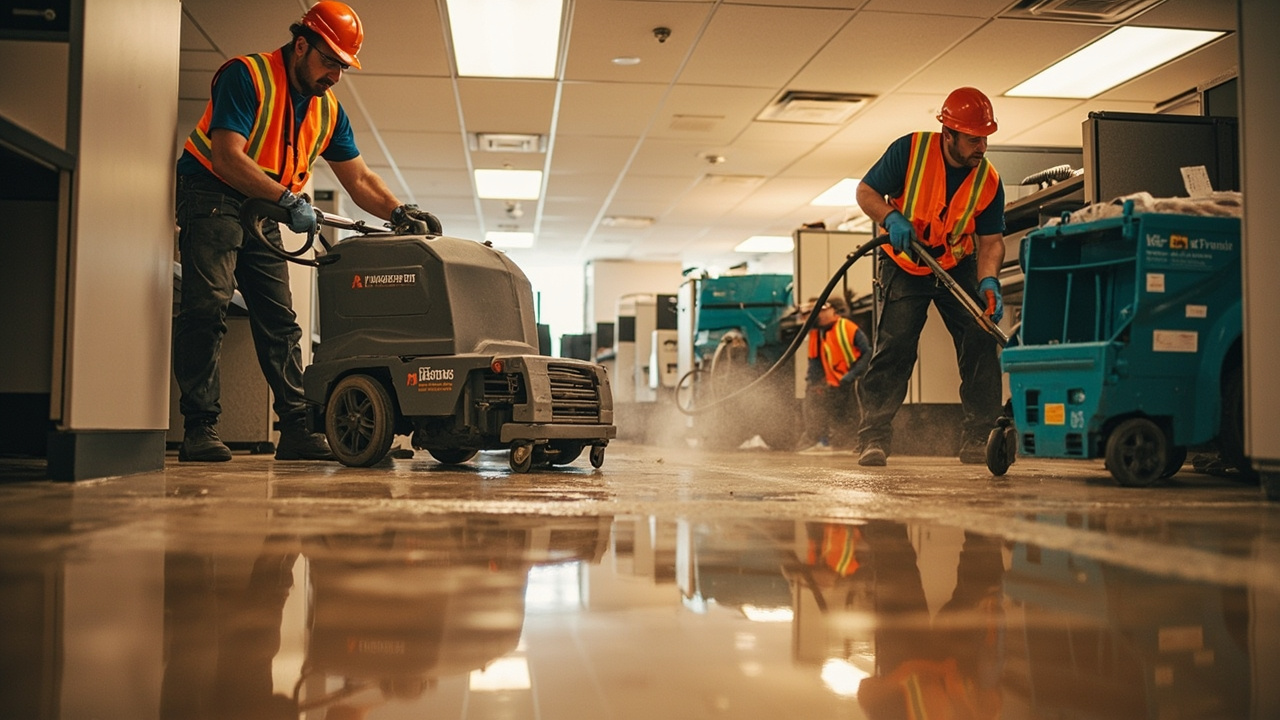
We deploy truck-mounted extraction units that remove standing water at 150 gallons per minute. Portable extractors handle confined spaces like elevator shafts and stairwells where sprinkler discharge often pools. Our technicians use thermal imaging cameras to map hidden moisture inside walls and ceiling cavities, identifying saturated areas invisible to visual inspection.

High-velocity air movers create controlled airflow patterns that pull moisture from building materials. We position equipment based on psychrometric readings, measuring temperature, relative humidity, and dew point to optimize drying conditions. Desiccant dehumidifiers remove moisture from the air itself, dropping indoor humidity levels below 50% to prevent microbial amplification.

For contaminated sprinkler water, we apply antimicrobial treatments to affected surfaces after extraction. This addresses bacteria and mold spores introduced by stagnant pipe water. We document moisture levels at each stage using penetrating moisture meters, creating a verifiable dry-down log for insurance claims and building management records.

Structural drying in Miami requires adapting to concrete construction. We drill small weep holes in baseboard areas to ventilate trapped moisture in wall cavities. Floor drying mats create negative pressure chambers that extract water from tile and terrazzo common in South Florida buildings. Our crews monitor progress every 12 hours, adjusting equipment placement as moisture migrates through porous materials.

Emergency sprinkler water removal includes protecting salvageable contents. We pack out electronics, documents, and furnishings to climate-controlled drying chambers. Quick response preserves property value and reduces replacement costs during insurance settlement negotiations.

What Happens During Emergency Sprinkler Discharge Response

Fire Sprinkler Water Cleanup in Miami – Emergency Response Teams Deployed in Under 60 Minutes
01

Immediate Water Containment

Our crews arrive with containment barriers to stop water spreading to unaffected areas. We extract standing water first, removing the bulk moisture load within the first two hours. This rapid response prevents water from saturating structural components and migrating into adjoining units or floors. Emergency power generators keep extraction equipment running even if building electrical systems are compromised by the sprinkler discharge.
02

Moisture Detection and Mapping

03

Complete Structural Drying

Industrial dehumidifiers and air movers run continuously until moisture readings return to normal levels for Miami's climate zone. We monitor progress daily, measuring humidity levels and material moisture content. Drying typically takes three to five days depending on saturation depth. Final verification testing confirms all building materials meet industry dry standards before we remove equipment. You receive a completion certificate documenting the restored condition for property records and insurance requirements.

Why Miami Properties Need Specialized Sprinkler Water Damage Restoration

South Florida's building codes mandate fire suppression systems in structures over three stories, making accidental sprinkler discharge a common emergency across Miami's high-rise corridor. Generic water removal companies lack experience with pressurized pipe systems and the unique contamination issues sprinkler water presents. We train specifically for fire suppression system failures, understanding the mechanical systems, pipe configurations, and water quality challenges these events create.

Miami-Dade County's coastal humidity creates aggressive mold growth conditions. Standard drying timeframes used in other climates fail here. We adjust equipment deployment and drying protocols for 80-degree temperatures and year-round moisture saturation. Our teams know which building materials in Miami construction dry quickly and which trap water for weeks without proper intervention.

Commercial clients need documentation that satisfies both insurance carriers and local building inspectors. We provide detailed moisture logs, thermal imaging reports, and EPA-compliant antimicrobial application records. These deliverables streamline insurance claims and protect property owners from liability exposure if secondary damage appears months later.

Fortress Water Damage Restoration Miami maintains relationships with property management companies throughout Brickell, Coral Gables, and Miami Beach. We understand the coordination required in occupied buildings, working nights and weekends to minimize tenant disruption. Our crews carry comprehensive liability coverage specific to high-value commercial properties and condominiums.

Fast response matters most during sprinkler emergencies. We stage equipment throughout Miami-Dade County, cutting travel time to under 60 minutes for most locations. While other companies schedule appointments, we dispatch immediately. That speed difference prevents thousands in additional damage during the critical first hours after discharge.

What to Expect During Fire Sprinkler Water Cleanup Service

Emergency Response Timeline

We answer emergency calls 24 hours daily, dispatching crews within 45 to 60 minutes across Miami, Hialeah, and Kendall. A project supervisor arrives first to assess damage scope and begin water extraction. Full equipment deployment happens within two hours of your initial call. We work continuously during the critical first 24 hours, rotating crews to maintain non-stop extraction and containment. You get a dedicated project manager contact number for status updates throughout the emergency response phase. No appointment scheduling, no waiting until business hours.

Damage Assessment Process

Our initial inspection uses thermal imaging and moisture detection equipment to map the full extent of water intrusion. We test affected materials for moisture content, photograph damage, and create a detailed scope of work. This assessment separates salvageable materials from those requiring replacement. You receive a written report within 24 hours, including moisture readings, contamination classification, and recommended remediation steps. We coordinate directly with insurance adjusters, providing documentation that supports accurate claim settlements. The assessment identifies hidden damage insurance inspectors often miss during quick walk-throughs.

Restoration Quality Standards

We follow IICRC S500 water damage restoration standards, ensuring structural drying meets industry benchmarks before equipment removal. Final moisture readings must fall within normal parameters for Miami's climate zone. All antimicrobial treatments use EPA-registered products applied at manufacturer-specified concentrations. We provide before and after documentation showing moisture level progression from initial saturation to complete drying. The restoration returns your property to pre-loss condition, meaning no residual dampness, odors, or concealed moisture that could trigger future mold growth. You receive verification that work meets both insurance requirements and local building codes.

Post-Restoration Monitoring

After equipment removal, we conduct a 30-day follow-up inspection to verify moisture levels remain stable. Miami's humidity can cause moisture rebound in porous materials if initial drying was incomplete. This verification visit catches any delayed moisture migration before it causes secondary damage. We provide ongoing consultation for three months after major sprinkler discharge events, answering questions about building performance and environmental conditions. If moisture readings elevate during follow-up, we redeploy drying equipment at no additional charge. This monitoring protects your investment and confirms the restoration achieved permanent results.

Frequently Asked Questions

You Have Questions,
We Have Answers

Is fire sprinkler water clean? +

No. Fire sprinkler water is not clean. It sits stagnant in pipes for months or years, accumulating rust, bacteria, sediment, and biofilm. When a sprinkler discharges in Miami, the water is often black or brown and smells foul. This contaminated water can damage flooring, drywall, and furnishings quickly. High humidity in South Florida accelerates mold growth within 24 to 48 hours. You need immediate extraction and antimicrobial treatment to prevent secondary damage. Do not treat sprinkler water like a simple spill. It requires professional water damage restoration to protect your property and health.

What is the 3 times rule for fire sprinklers? +

The 3 times rule means fire sprinklers must have three times the clearance required by code. You need 18 inches of clearance below sprinkler heads to prevent obstruction. In Miami commercial buildings and condos, this rule protects life safety. Storage, decorations, or renovations that block sprinkler heads create fire hazards and code violations. If a sprinkler activates and water floods your space, obstructions worsen the damage by redirecting water flow unpredictably. Keep areas clear to ensure proper function. After a discharge event, call a water damage restoration team immediately to extract standing water and dry affected areas.

How often do sprinkler systems need to be flushed? +

Fire sprinkler systems should be flushed annually as part of routine maintenance. In Miami, where mineral-rich water and high humidity accelerate corrosion, flushing removes sediment and rust buildup inside pipes. Neglecting this maintenance increases the risk of blockages and contaminated discharge water. If your sprinkler system activates without regular flushing, expect darker, fouler water that causes more extensive damage. After any sprinkler discharge, professional water extraction and drying are critical. Standing water from a sprinkler event penetrates subflooring, walls, and insulation quickly in South Florida's humid climate. Act within hours to prevent mold colonization and structural compromise.

How to drain water from a fire sprinkler system? +

Draining a fire sprinkler system requires shutting off the main water supply, opening drain valves at low points, and releasing air pressure. This is not a DIY task. Commercial systems in Miami high-rises and office buildings need licensed professionals to drain safely without damaging pipes or violating fire codes. After an accidental discharge or maintenance, you face standing water and saturated materials. Your priority is immediate water extraction, not system draining. Call a water damage restoration company first to remove water, then contact your fire protection contractor to service the system. Time matters. Mold starts growing within 24 hours in Miami's humidity.

Why does fire sprinkler water smell bad? +

Fire sprinkler water smells bad because it sits stagnant in pipes for years. Rust, bacteria, algae, and decomposing organic matter create a rotten egg or sewage odor. In Miami, warm ambient temperatures accelerate bacterial growth inside pipes. When a sprinkler discharges, this foul water floods your property, soaking into carpets, drywall, and furniture. The odor is not just unpleasant. It signals contamination that requires antimicrobial treatment and professional deodorization. Do not ignore the smell or attempt DIY cleanup. You need extraction, drying, and air scrubbing to eliminate odors and prevent health risks. Act within hours to minimize damage.

How long does it take to get 1 inch of water from a sprinkler? +

This question refers to irrigation, not fire sprinklers. Fire sprinklers discharge 10 to 25 gallons per minute, flooding spaces in minutes, not hours. If a fire sprinkler activates in your Miami property, you face rapid water accumulation that saturates floors, walls, and contents. One sprinkler head can release hundreds of gallons before shutoff. Your response time determines the extent of damage. Call a water damage restoration company immediately to extract standing water, remove wet materials, and deploy drying equipment. In South Florida's humid climate, delayed action guarantees mold growth and structural damage. Every minute counts after a sprinkler discharge event.

What is the 18 rule for fire sprinklers? +

The 18-inch rule requires maintaining 18 inches of clearance below fire sprinkler heads. This clearance ensures proper spray patterns and prevents obstructions during a fire event. In Miami warehouses, retail spaces, and condos, violations are common when tenants stack inventory, install decorations, or add shelving. If a sprinkler activates and water floods your space, blocked heads worsen the damage by redirecting water unpredictably. After any discharge, you need immediate water extraction and drying. Standing water penetrates porous materials quickly in South Florida's humidity. Call a professional restoration team to prevent mold growth and structural damage. Do not delay.

How often do fire sprinklers need to be checked? +

Fire sprinklers need annual inspections and quarterly visual checks per NFPA 25 standards. In Miami, high humidity and saltwater corrosion from coastal proximity require vigilant maintenance. Inspections catch leaks, corrosion, and valve failures before they cause catastrophic water damage. If your system discharges accidentally or due to a fire, you face immediate flooding. One sprinkler head releases 10 to 25 gallons per minute. Call a water damage restoration company immediately to extract water, dry affected areas, and deploy dehumidifiers. Mold starts growing within 24 hours in South Florida. Regular inspections prevent surprises, but fast response after discharge saves your property.

How many gallons of water per minute does a home fire sprinkler use to put out a fire? +

A residential fire sprinkler uses 10 to 15 gallons per minute to suppress a fire. Commercial systems discharge 15 to 25 gallons per minute per head. In Miami homes and condos, even a brief activation floods rooms quickly. One sprinkler running for 10 minutes releases 100 to 150 gallons, saturating floors, walls, and furnishings. After activation, you need immediate water extraction and drying. High humidity in South Florida accelerates mold growth within 24 to 48 hours. Do not wait. Call a professional water damage restoration team to remove standing water, dry structural materials, and prevent secondary damage. Fast action protects your property.

What is the life expectancy of a fire sprinkler system? +

Fire sprinkler systems last 50 to 100 years with proper maintenance. In Miami, saltwater corrosion and high humidity shorten lifespan without regular inspections and pipe flushing. Aging systems are more prone to leaks and accidental discharges. When a sprinkler activates, old or new, you face immediate flooding. Call a water damage restoration company within hours to extract water and dry affected areas. Miami's humid climate creates ideal conditions for mold growth within 24 hours. Do not delay cleanup. Even minor sprinkler discharges require professional drying equipment to prevent structural damage and health hazards. Act fast to protect your investment.

How Miami's High-Rise Construction Complicates Fire Sprinkler Water Damage

Miami's vertical construction creates unique challenges during accidental sprinkler discharge events. Water travels down through ceiling penetrations, electrical chases, and pipe shafts, damaging multiple floors below the discharge point. Concrete slab construction traps moisture between floors, requiring specialized injection drying techniques. The prevalence of luxury finishes in Brickell and Miami Beach condominiums means higher restoration costs and greater urgency protecting high-value materials. Saltwater exposure from coastal locations accelerates corrosion in sprinkler pipes, increasing failure rates in buildings over 15 years old. Emergency sprinkler water removal must address these structural realities specific to South Florida construction methods.

Miami-Dade County maintains strict building codes following Hurricane Andrew, requiring detailed documentation for any water intrusion repairs. Insurance carriers operating in South Florida demand comprehensive moisture mapping and EPA-compliant remediation records. Local property management companies recognize that inexperienced water removal contractors create liability exposure when they miss hidden moisture or fail to document work properly. Choosing a provider familiar with Miami's construction types, climate challenges, and regulatory environment protects property owners from incomplete restoration work. Accidental sprinkler discharge cleanup requires understanding local building systems, coordination with property management protocols, and adherence to Florida-specific insurance claim procedures.
Water Damage Restoration Services in The Miami Area

Fortress proudly serves the entire Miami area and nearby neighborhoods with prompt, expert water damage restoration services. Whether you're located downtown, in the suburbs, or along the coast, our team is just a call away. Use the map below to view our service area and get directions to our office. We’re local, responsive, and ready to help 24/7—because when disaster strikes, having a trusted team nearby makes all the difference.

Address:
Fortress Water Damage Restoration Miami, 3250 NE 1st Ave, Miami, FL, 33137

Additional Services We Offer

Our news updates

Latest Articles & News from The Blogs

Should You Use Your Insurers Preferred Vendor for Brickell Condo Water Damage? When water floods your Brickell condo, your insurance…

Should You Use Your Insurers Preferred Vendor for Brickell Condo Water Damage?

Should You Use Your Insurers Preferred Vendor for Brickell Condo Water Damage? When water floods your Brickell condo, your insurance…

How to Hire a Restorer Who Understands Aventura Penthouse Plumbing Systems

How to Hire a Restorer Who Understands Aventura Penthouse Plumbing Systems Water damage in an Aventura penthouse is not just…

The Difference Between Surface Cleaning and Deep Extraction for Kendall Area Carpets

The Difference Between Surface Cleaning and Deep Extraction for Kendall Area Carpets When water invades your Kendall home, the first…

Contact Us

Every minute of water exposure increases damage and repair costs. Call (786) 789-8282 now for immediate dispatch of extraction crews to your Miami property. We answer 24 hours daily and begin water removal within one hour of your call.