menu

Flood Cleanup & Extraction in Miami | 24/7 Emergency Response Prevents Total Loss

Professional flood damage restoration teams arrive within 90 minutes across Miami-Dade County to extract standing water, prevent mold growth, and salvage your property before permanent damage sets in.

Slider Image 1
Slider Image 2
Slider Image 3
Slider Image 4
Slider Image 5
Slider Image 7
Slider Image 8
Slider Image 9
Slider Image 10
Slider Image 11

Why Miami Flooding Demands Immediate Professional Extraction

Miami sits at an average elevation of just six feet above sea level. When tropical storms stall over South Florida or king tides push seawater through aging stormwater systems, water accumulates fast. Your property floods within minutes, not hours.

The danger extends beyond visible standing water. Miami's 77% average humidity creates the perfect breeding ground for mold spores. Once floodwater saturates drywall, subflooring, and insulation, you have 24 to 48 hours before microbial growth becomes a secondary disaster. The porous limestone bedrock beneath Miami allows water to seep upward through foundation slabs during heavy rains, creating hidden moisture pockets that standard shop vacs cannot reach.

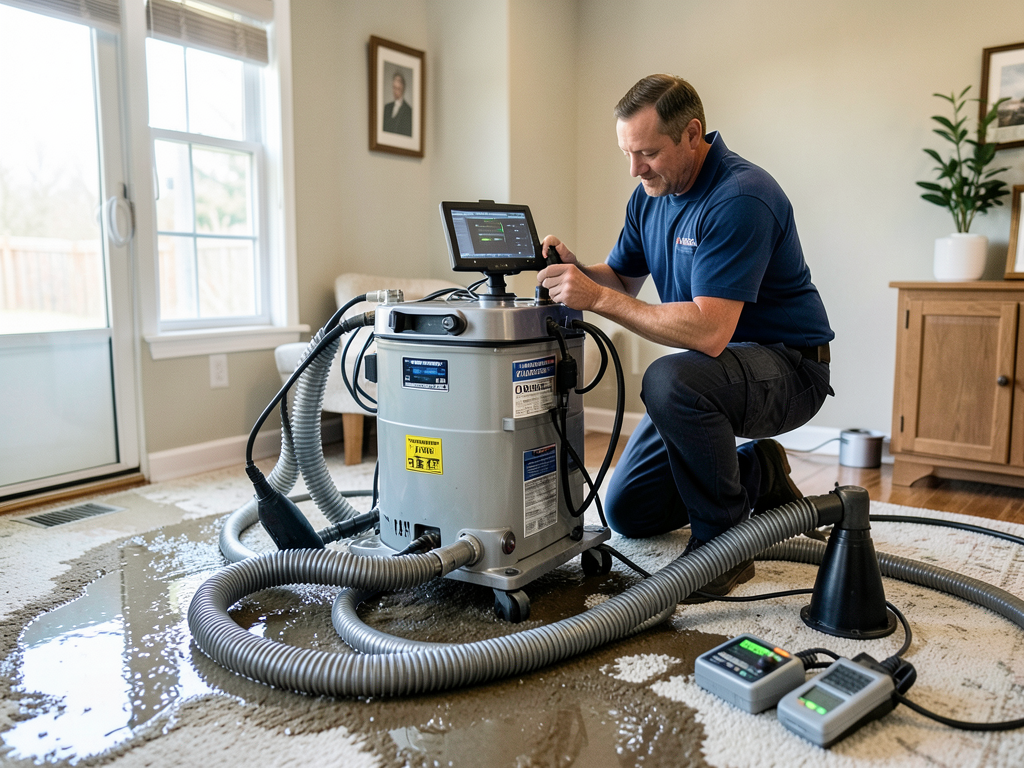
Emergency water extraction requires industrial-grade pumps rated for hundreds of gallons per minute, thermal imaging cameras to detect trapped moisture behind walls, and truck-mounted extraction units that remove water from carpets and padding. Waiting for water to evaporate naturally in Miami's subtropical climate guarantees structural damage and mold contamination.

Flood damage restoration begins the moment you call. Water mitigation services focus on one goal: stop the spread. Every hour of delay adds thousands to your restoration bill. Baseboards warp. Hardwood floors buckle. Electrical systems corrode. Water removal services must start immediately to prevent your emergency from becoming a total loss.

South Florida's frequent afternoon thunderstorms, aging canal systems in neighborhoods like Little Havana and Allapattah, and low-lying areas near Biscayne Bay create constant flood risk. Professional water damage cleanup teams understand Miami's unique drainage challenges and respond accordingly.

Why Miami Flooding Demands Immediate Professional Extraction
How Professional Flood Extraction Stops Damage Progression

How Professional Flood Extraction Stops Damage Progression

Water migrates through building materials via capillary action. Drywall wicks moisture vertically up to 24 inches above the waterline. Subflooring absorbs water laterally across joists. Standard extraction removes surface water but leaves structural materials saturated. That hidden moisture continues destroying your property from the inside.

Fortress Water Damage Restoration Miami deploys truck-mounted extraction units generating 400+ inches of water column lift. These systems pull water from carpet backing, pad, and the concrete slab beneath. Weighted extraction tools apply 500 PSI downward pressure to squeeze water from padding that gravity-fed pumps miss. This aggressive extraction removes 95% of floodwater during the initial service call.

Thermal imaging cameras scan walls and ceilings for temperature differentials that indicate trapped moisture. Wet building materials appear cooler than dry materials. Technicians mark these areas and drill strategic weep holes to allow airflow into wall cavities. This prevents mold growth in hidden spaces that homeowners cannot see or access.

Air movers positioned at specific angles create laminar airflow across wet surfaces. Dehumidifiers remove water vapor from the air before it re-condenses on cooler surfaces. This controlled drying environment prevents warping, swelling, and secondary water damage. Moisture meters confirm when materials reach acceptable dryness levels, typically 12-15% moisture content for wood and under 1% for concrete.

Water mitigation services include antimicrobial treatment on all affected surfaces. Miami's warm temperatures accelerate bacterial growth in floodwater contamination. EPA-registered disinfectants eliminate pathogens before reconstruction begins. Proper flood cleanup protects your family's health while salvaging maximum building materials.

The Three-Phase Flood Extraction Process

Flood Cleanup & Extraction in Miami | 24/7 Emergency Response Prevents Total Loss
01

Emergency Water Removal

Technicians arrive with portable generators, submersible pumps, and truck-mounted extractors to remove standing water. Gas-powered pumps evacuate flooded basements and garages at 50 gallons per minute. Weighted extraction wands pull water from carpets and padding using high-suction vacuum systems. Teams remove waterlogged contents to access subflooring and baseboards. This phase typically takes two to four hours depending on water volume and affected square footage.
02

Moisture Detection and Mapping

After surface water extraction, thermal cameras scan all affected rooms to locate hidden moisture. Technicians probe walls, measure subfloor moisture levels, and document readings on moisture maps. Pin-type meters penetrate drywall and wood to measure saturation depth. Non-invasive meters scan tile and concrete without causing damage. This data determines equipment placement and drying timelines. Accurate moisture mapping prevents callback jobs and ensures complete drying before reconstruction starts.
03

Controlled Structural Drying

Industrial air movers and refrigerant dehumidifiers run continuously for three to five days. Technicians return daily to measure moisture content and adjust equipment placement. When readings reach industry-standard dry levels, antimicrobial treatment sanitizes all affected surfaces. Before crews demobilize, final moisture readings get documented photographically for insurance claims. This controlled drying approach prevents warping, buckling, and mold growth that occurs when structures dry too quickly or unevenly.

Why Miami Properties Need Local Flood Restoration Experts

Miami's building stock presents unique challenges that out-of-town restoration companies miss. Terrazzo floors common in pre-1960s homes require different drying techniques than modern tile installations. Concrete block construction, the standard in South Florida, traps water in hollow cores that remain wet long after surfaces appear dry. Local restoration technicians understand these construction methods and adjust their approach accordingly.

Miami-Dade County requires specific permitting for any structural repairs following flood damage. Licensed contractors familiar with local building departments expedite permit approvals and coordinate inspections. This knowledge prevents project delays that leave your home uninhabitable for weeks. Out-of-area companies often miss permit requirements until inspectors red-tag their work.

Insurance claims move faster when restoration companies maintain relationships with local adjusters. Major carriers like Citizens Property Insurance and regional providers know which contractors produce thorough documentation and accurate estimates. Fortress Water Damage Restoration Miami photographs damage progression, maintains detailed moisture logs, and provides itemized scope-of-work documents that adjusters approve quickly.

South Florida's tropical climate demands aggressive mold prevention protocols. The Institute of Inspection Cleaning and Restoration Certification recommends specific antimicrobial treatments for Category 2 and Category 3 water losses in humid climates. Local teams stock EPA-registered disinfectants approved for Florida's climate zone and understand application rates that prevent regrowth.

Equipment availability matters during hurricane season when multiple properties flood simultaneously. Local companies maintain large equipment inventories and prioritize existing customers. National franchise operations often run out of dehumidifiers during peak demand, leaving properties partially dried and vulnerable to mold contamination. Choosing a Miami-based restoration company ensures equipment availability when you need it most.

What Miami Property Owners Should Expect During Flood Cleanup

Emergency Response Timeline

Flood extraction crews dispatch within 90 minutes of your call, 24 hours per day. Technicians arrive with extraction equipment loaded and begin water removal immediately upon arrival. The initial emergency response focuses on stopping water intrusion, extracting standing water, and moving contents to dry areas. This first visit typically lasts three to five hours for an average single-family home. Teams work overnight if necessary to complete initial extraction before business hours resume. Fast response prevents the exponential damage increase that occurs when water sits for multiple hours in Miami's humid climate.

Comprehensive Damage Assessment

After water extraction, certified technicians conduct room-by-room assessments using moisture meters, thermal cameras, and hygrometers. They measure moisture content in floors, walls, ceilings, and contents to determine what can be saved versus what requires disposal. This assessment produces a detailed scope of work that itemizes affected materials, necessary equipment, and estimated drying time. Photographs document pre-existing conditions and current damage for insurance purposes. You receive a written restoration plan within 24 hours that outlines the complete drying process, expected timeline, and coordination requirements. This transparency eliminates surprise costs and establishes clear expectations.

Restoration Quality Standards

Drying is complete only when moisture readings match unaffected areas of your home. Technicians use IICRC S500 Water Damage Restoration standards to determine acceptable final moisture levels. Wood flooring must reach 12-14% moisture content. Concrete slabs must drop below 4% relative humidity measured at depth. Drywall cannot exceed 1% moisture content by weight. These objective measurements prevent premature equipment removal that leads to callback jobs. Final documentation includes dated photographs of moisture meter readings and written certification that your property meets industry-standard dry goals before reconstruction begins.

Post-Restoration Monitoring

Fortress Water Damage Restoration Miami provides post-drying consultations to ensure no secondary moisture issues develop. Technicians return 5-7 days after equipment removal to re-scan previously affected areas and verify moisture levels remain stable. This follow-up visit catches any missed moisture pockets before mold growth begins. If reconstruction work is planned, teams coordinate with contractors to ensure work begins only after complete drying verification. Property owners receive written documentation of final moisture readings and recommendations for preventing future flood damage. This thoroughness protects your investment and provides peace of mind that your property was restored correctly.

Frequently Asked Questions

You Have Questions,
We Have Answers

How much does it cost to clean up a flooded basement? +

Flooded basement cleanup in Miami typically ranges from $1,000 to $10,000, depending on water depth, contamination level, and structural damage. Category 1 water (clean) costs less than Category 3 (sewage or storm surge). Miami's high water table and limestone foundation complicate extraction, often requiring specialized pumps and moisture barriers. Costs include water removal, drying equipment rental, antimicrobial treatment, and damaged material disposal. Insurance may cover some expenses if the flood resulted from a covered peril. Get multiple estimates and verify contractors hold proper licenses for Miami-Dade County work.

How much does disaster cleanup cost? +

Disaster cleanup costs vary widely based on damage type and scope. Minor water events start around $1,500, while severe flooding or hurricane damage can exceed $50,000. Miami properties face unique challenges like mold growth from year-round humidity, saltwater corrosion from storm surge, and concrete slab moisture issues. Costs cover water extraction, structural drying, debris removal, sanitization, and reconstruction. Category 3 contaminated water costs more due to biohazard protocols. Always document damage thoroughly for insurance claims. Emergency response within 24 hours prevents secondary damage and reduces total restoration costs significantly.

Does flood insurance pay for clean up? +

Standard flood insurance through the National Flood Insurance Program covers structural damage and some contents, but cleanup services have limitations. Policies typically cover water removal and drying necessary to prevent further damage, but not debris removal or landscaping. Miami homeowners in flood zones should review their policy's specific cleanup coverage limits. Most policies have separate deductibles for building and contents. Mold remediation may have coverage caps. Document all damage with photos before cleanup begins. Some policies require you to use approved contractors. File claims immediately, as Miami's humidity accelerates damage and mold growth starts within 48 hours.

What's the best way to clean up after a flood? +

Start by ensuring electrical safety and documenting all damage with photos. Remove standing water using pumps or wet vacuums, prioritizing Miami's rapid mold timeline. Extract water-damaged materials like drywall, insulation, and carpet within 24 hours. Use commercial dehumidifiers and air movers to dry structural elements thoroughly. Miami's humidity requires professional-grade equipment, not box fans. Disinfect all surfaces with EPA-registered antimicrobials to prevent bacteria growth from contaminated water. Monitor moisture levels with meters until readings drop below 15 percent. Professional restoration companies have truck-mounted extractors and thermal imaging to detect hidden moisture in Miami's concrete block construction.

Will homeowners insurance cover a flooded basement? +

Standard homeowners insurance typically excludes flood damage. Coverage depends on the water source. If a pipe burst or your roof leaked during a storm, you may have coverage. However, rising water from heavy rain, storm surge, or overflowing canals requires separate flood insurance. Miami homeowners often face this gap during hurricane season. Insurance may cover basement flooding from sump pump failure or appliance leaks if you have the right endorsements. Review your policy's water damage exclusions carefully. Many Miami residents assume they have flood coverage but only carry windstorm protection. Document the water source immediately when filing claims.

How long does it take to dry out a basement after a flood? +

Basement drying in Miami takes 3 to 7 days with professional equipment, longer with DIY methods. Miami's 75 percent average humidity slows evaporation significantly. Concrete block walls and slab foundations absorb water deeply, requiring industrial dehumidifiers running 24/7. Severe flooding may need 10 to 14 days. The timeline depends on water volume, temperature, airflow, and material types. Porous materials like drywall dry faster than concrete. Professional restoration teams use moisture meters to verify dryness before rebuilding. Rushing this process causes hidden mold growth in Miami's climate. Proper drying prevents structural weakness and microbial contamination that persists for years.

Does insurance pay for storm clean up? +

Homeowners insurance typically covers storm debris removal from your property and roof, but flood damage cleanup requires separate flood insurance. Wind-driven rain entering through storm-damaged roofs usually qualifies for coverage. However, rising water from street flooding or storm surge does not. Miami homeowners must distinguish between wind and flood damage when filing claims. Insurance covers tree removal if the tree damages a structure, but not landscape cleanup. Policy limits for debris removal range from $500 to $25,000. Document everything before cleanup begins. Many Miami policies include separate hurricane deductibles, often 2 to 5 percent of dwelling coverage.

How much does it cost to remove moisture from a basement? +

Basement moisture removal in Miami costs $1,000 to $4,000 for professional dehumidification and drying services. Pricing depends on square footage, moisture severity, and equipment needed. Miami's porous limestone and high water table create chronic moisture issues requiring vapor barriers and specialty drying systems. Services include industrial dehumidifiers, air movers, antimicrobial treatment, and moisture monitoring. Severe cases need injection drying for concrete or wall cavity drying systems. DIY rental equipment costs $50 to $100 daily but takes longer and risks incomplete drying. Incomplete moisture removal guarantees mold growth in Miami's climate. Professional thermal imaging detects hidden moisture you cannot see or feel.

What are the 4 C's of disaster recovery? +

The four Cs of disaster recovery are Continuity, Communication, Coordination, and Collaboration. Continuity maintains critical operations during disruption. Communication ensures all stakeholders receive timely, accurate information. Coordination aligns resources and response efforts efficiently. Collaboration brings together teams, agencies, and vendors. For Miami water damage restoration, this framework means immediate response teams, clear client updates, coordinated insurance documentation, and collaboration between mitigation crews, adjusters, and reconstruction contractors. The model originated in business continuity planning but applies directly to residential disaster recovery. Miami's hurricane exposure makes this systematic approach necessary for managing complex restoration projects involving multiple parties and tight timelines.

What does FEMA cover in a basement? +

FEMA flood insurance covers basement structural elements like foundation walls, stairs, and utility systems, but limited contents. Covered items include furnaces, water heaters, air conditioners, fuel tanks, electrical panels, and sump pumps. FEMA does not cover finished walls, floors, ceilings, or personal belongings stored in basements. Miami homeowners often misunderstand this limitation. You cannot claim furniture, appliances, or stored items below the lowest elevated floor. Basement coverage focuses on essential systems that keep your home functional. Given Miami's elevation and flood risk, consider storing valuables on upper floors. Review your policy's basement coverage limits carefully before assuming full protection.

How Miami's Porous Limestone Foundation Complicates Flood Extraction

Miami sits atop the Biscayne Aquifer, a highly porous limestone formation that allows water to move freely between the surface and water table. During king tides and heavy rain events, groundwater pressure increases and pushes moisture upward through concrete slabs via hydrostatic pressure. This creates a unique challenge where flood cleanup requires addressing both surface water intrusion and subsurface moisture migration. Standard extraction removes visible water but cannot prevent groundwater seepage that continues for days after rain stops. Professional water removal services in Miami include subslab moisture monitoring and vapor barrier recommendations to prevent recurring dampness that homeowners mistake for incomplete drying.

South Florida's water table sits just 18 to 36 inches below ground surface in many neighborhoods. Areas near the Miami River, Coral Gables' canal system, and low-lying sections of Coconut Grove experience seasonal groundwater fluctuations that affect flood restoration timelines. Local restoration companies understand these hydrological patterns and adjust drying protocols accordingly. They recommend sump pump installations, foundation waterproofing, and drainage improvements that out-of-area contractors miss. This local knowledge prevents repeat flood damage and reduces long-term restoration costs for Miami property owners who face recurring water intrusion from below-grade sources.
Water Damage Restoration Services in The Miami Area

Fortress proudly serves the entire Miami area and nearby neighborhoods with prompt, expert water damage restoration services. Whether you're located downtown, in the suburbs, or along the coast, our team is just a call away. Use the map below to view our service area and get directions to our office. We’re local, responsive, and ready to help 24/7—because when disaster strikes, having a trusted team nearby makes all the difference.

Address:
Fortress Water Damage Restoration Miami, 3250 NE 1st Ave, Miami, FL, 33137

Additional Services We Offer

Our news updates

Latest Articles & News from The Blogs

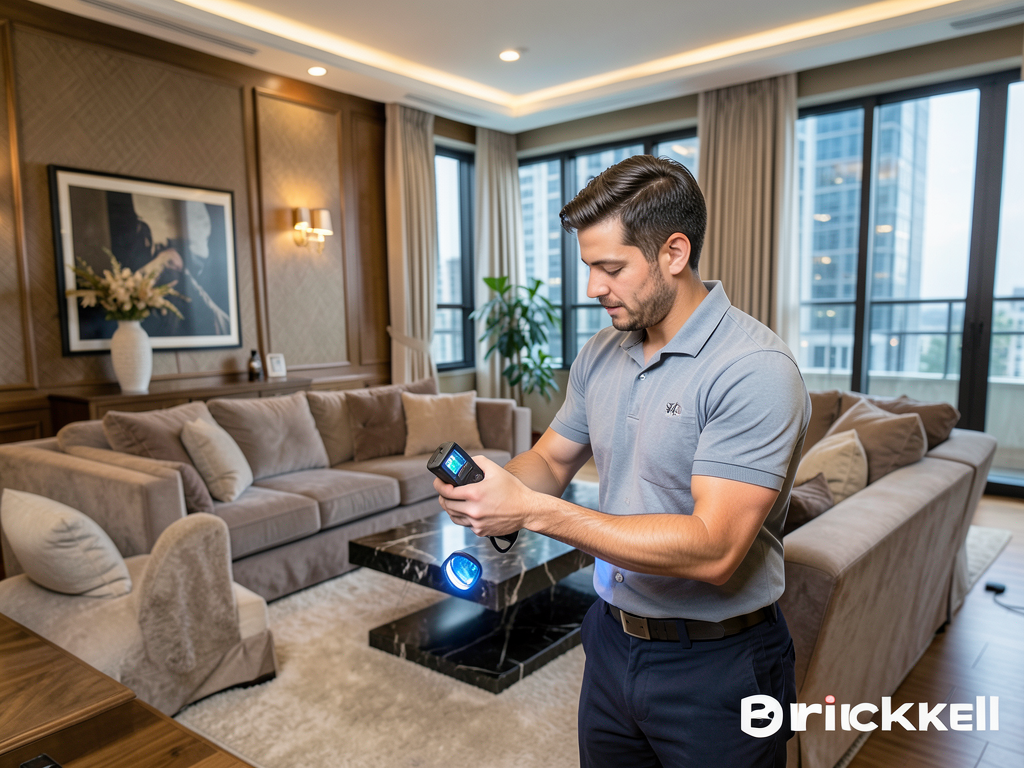
Protecting Your Brickell High-Rise with the Best Smart Leak Detectors Brickell’s luxury high-rise condominiums face unique water damage risks from…

Protecting Your Brickell High-Rise with the Best Smart Leak Detectors

Protecting Your Brickell High-Rise with the Best Smart Leak Detectors Brickell’s luxury high-rise condominiums face unique water damage risks from…

Essential Documentation Every Miami Business Owner Needs for a Successful Water Claim

Essential Documentation Every Miami Business Owner Needs for a Successful Water Claim Water damage can shut down a Miami business…

Knowing When to Call for Emergency Water Removal and When It Can Wait Until Morning

Knowing When to Call for Emergency Water Removal and When It Can Wait Until Morning \n\n Water damage in Miami…

Contact Us

Every hour counts when floodwater invades your property. Call Fortress Water Damage Restoration Miami now at (786) 789-8282 for immediate dispatch. Our crews arrive within 90 minutes with industrial extraction equipment ready to stop the damage. Do not wait until tomorrow.