menu

Musty Smells & Odor Removal in Miami – Eliminate the Source, Not Just the Scent

Professional mildew odor elimination and damp smell remediation that targets moisture sources and airborne contaminants in Miami's tropical climate, restoring safe indoor air quality to your home or business.

Slider Image 1
Slider Image 2
Slider Image 3
Slider Image 4
Slider Image 5
Slider Image 7
Slider Image 8
Slider Image 9
Slider Image 10
Slider Image 11

Why That Musty Smell Won't Go Away on Its Own

You notice it when you walk through the door. That damp, earthy smell that hits you the moment you enter certain rooms. You open windows, light candles, run fans. The smell fades for a few hours, then comes right back.

That musty odor is not a cosmetic problem. It is a biological warning system.

Miami's subtropical humidity creates perfect conditions for mold and mildew growth. When indoor humidity stays above 60 percent for extended periods, which happens year-round in South Florida, organic materials in your walls, floors, and HVAC system become colonized by microbial growth. The smell you detect is microbial volatile organic compounds, or MVOCs, released as fungi metabolize building materials.

Removing moldy scents with air fresheners is like putting a bandage on a broken bone. The odor is the symptom. The problem is active moisture infiltration and fungal colonization inside your structure.

Common sources include leaking AC condensate lines, failed window seals during summer downpours, rising groundwater in older homes without vapor barriers, and slow plumbing leaks behind walls. In neighborhoods near Biscayne Bay or the Miami River, high water tables contribute to chronic foundation moisture.

Neutralizing musty odors requires identification and elimination of the moisture source, removal of contaminated materials, antimicrobial treatment, and controlled drying. Anything less is temporary. Eradicating water damage smells means solving the water problem first, then addressing the biological contamination second.

If the smell returns after you clean, you have an active moisture intrusion that needs professional diagnosis.

Why That Musty Smell Won't Go Away on Its Own
How Professional Odor Remediation Actually Works

How Professional Odor Remediation Actually Works

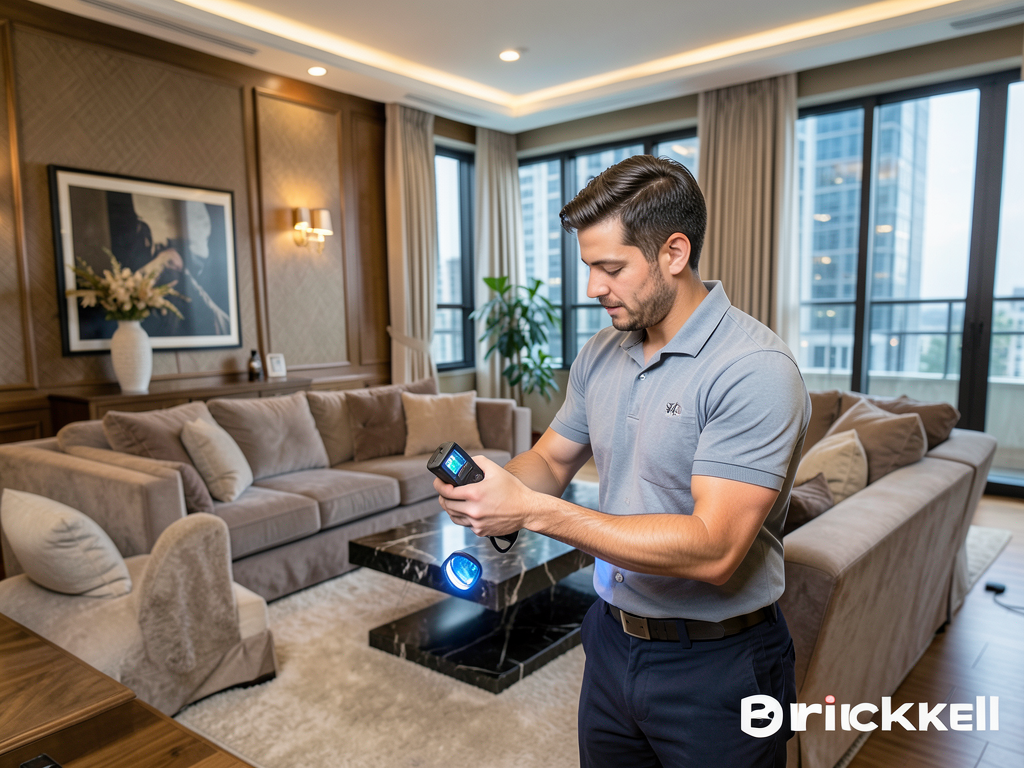
Effective mildew odor elimination starts with moisture mapping. We use thermal imaging cameras and moisture meters to trace elevated readings inside wall cavities, under flooring, and in ceiling assemblies. Odor follows moisture. If you smell it in one room but not another, moisture is localized and trackable.

Once we locate the source, we address it. That might mean repairing a leaking drain line, sealing a failed window penetration, or rerouting exterior grading that directs stormwater toward your foundation. If the moisture source remains active, no amount of cleaning will stop the smell from returning.

Next comes material removal. Drywall and insulation are porous. Once colonized by mold, they cannot be adequately cleaned. We remove affected sections, bag them to prevent cross-contamination, and dispose of them properly. This is not optional. You cannot paint over mold and expect the odor to disappear.

We then treat exposed framing and substrates with EPA-registered antimicrobial solutions. These products kill remaining spores and inhibit regrowth during the drying phase.

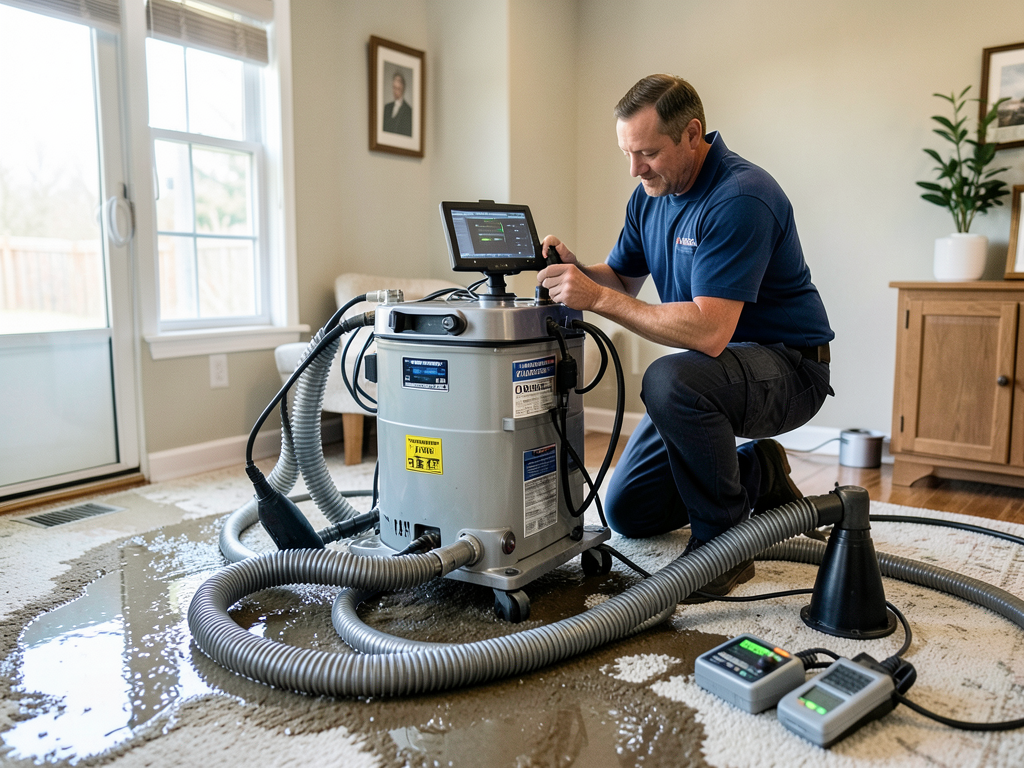
Damp smell remediation requires controlled drying. We use commercial dehumidifiers and air movers to bring materials below 15 percent moisture content, the threshold where microbial growth becomes impossible. This process takes 48 to 72 hours depending on the extent of saturation.

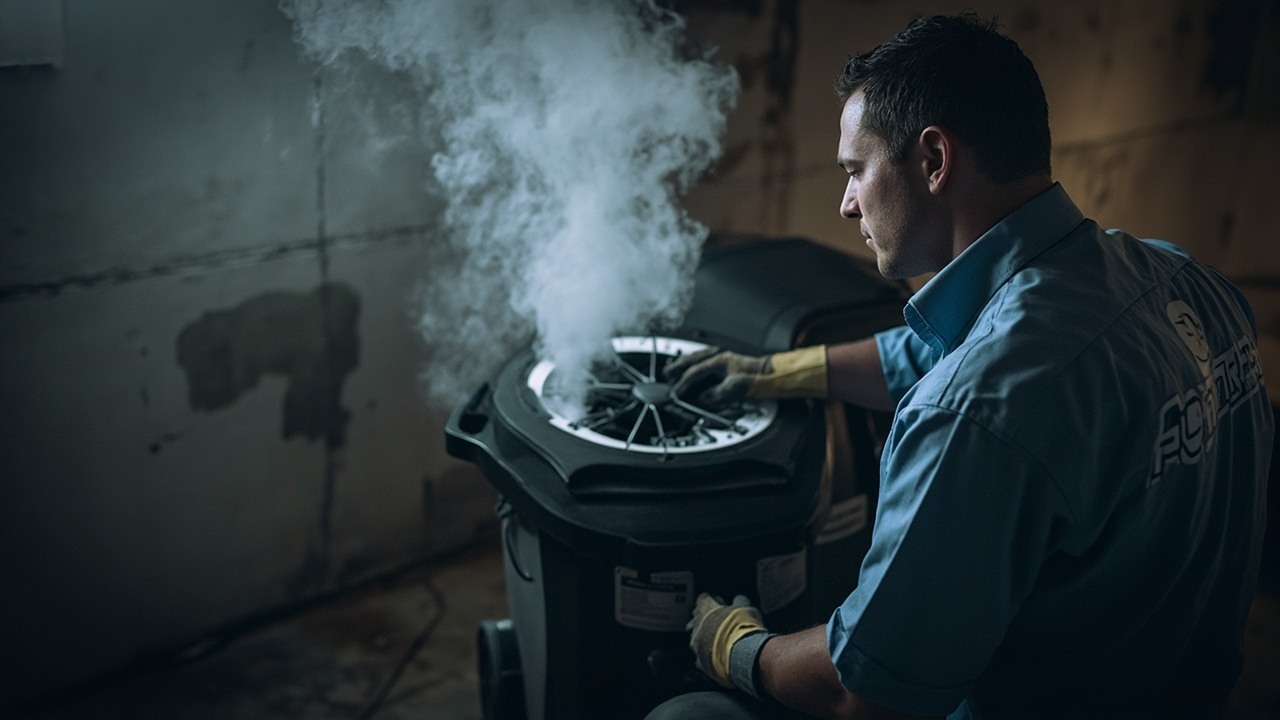
Finally, we address airborne contamination. HEPA air scrubbers capture spores suspended in your indoor air. We also clean HVAC ducts and replace filters, because your air handler can distribute contamination throughout your home if left untreated.

Removing moldy scents is a process, not a product. The work is methodical, and the results are permanent when done correctly.

What Happens During an Odor Remediation Service

Musty Smells & Odor Removal in Miami – Eliminate the Source, Not Just the Scent
01

Moisture Source Identification

We begin with a diagnostic inspection using thermal imaging and pin-type moisture meters. We trace elevated humidity levels to their origin, whether that is a hidden plumbing leak, failed building envelope, or condensation problem. Identifying the source is the most important step. Without stopping the water, odor will return regardless of how much cleaning you do. This phase typically takes 45 to 90 minutes depending on your property size.
02

Containment and Material Removal

We establish containment barriers using plastic sheeting and negative air pressure to prevent spore migration during demolition. Affected drywall, insulation, and porous materials are removed and bagged. We do not sand or disturb mold growth dry, which would aerosolize spores. All materials are misted lightly during removal to minimize airborne contamination. Exposed framing is treated with antimicrobial agents, and remaining surfaces are HEPA vacuumed to remove settled particulate.
03

Drying and Air Filtration

We place commercial dehumidifiers and air movers to create controlled airflow across damp surfaces. Relative humidity is brought below 50 percent, and materials are dried to less than 15 percent moisture content. HEPA air scrubbers run continuously to capture airborne spores. We monitor drying progress daily and document moisture readings. Once all materials reach acceptable levels and air quality testing confirms spore counts are within normal ranges, reconstruction can begin. This phase typically takes two to four days.

Why Miami Property Owners Choose Us for Odor Remediation

South Florida has no shortage of restoration companies. What separates effective remediation from expensive guesswork is experience with Miami's unique building stock and climate conditions.

Many older homes in Coral Gables, Coconut Grove, and Miami Shores were built before modern vapor barrier requirements. These properties have continuous moisture intrusion through slab foundations and CMU block walls. We understand how to retrofit moisture management systems into older construction without compromising architectural integrity or historical designations.

Newer construction presents different challenges. Post-2002 homes built to updated Florida Building Code have tighter building envelopes, which means less air exchange and higher indoor humidity when HVAC systems are undersized or improperly maintained. We evaluate mechanical ventilation and dehumidification capacity as part of every odor investigation.

Fortress Water Damage Restoration Miami has worked with properties from Brickell high-rises to single-family homes in Kendall. We understand how coastal moisture, summer storms, and aging infrastructure contribute to chronic odor problems. We also know local permitting requirements for structural repairs and mold remediation, which matters when insurance claims are involved.

Our approach is diagnostic, not transactional. We do not sell you unnecessary services. If your odor problem can be solved with improved ventilation and a dehumidifier, we tell you that. If you need full remediation, we explain why and show you the moisture data that supports our recommendation.

We also coordinate directly with insurance adjusters. Many odor problems stem from covered perils like plumbing failures or storm damage. We document findings, provide detailed estimates, and communicate with your carrier to streamline claims processing.

You want the problem fixed correctly the first time. That requires local knowledge, proper equipment, and a methodical process.

What to Expect When You Call Us

Response Time and Availability

We offer same-day inspections for odor complaints in Miami-Dade County. Most diagnostic visits are scheduled within four to six hours of your call. If you have an active water intrusion causing the odor, we can begin emergency mitigation immediately to prevent further damage. Our team is available seven days a week because microbial growth does not wait for business hours. The faster we identify and stop the moisture source, the less material you lose and the lower your remediation costs.

Inspection and Diagnostic Process

Our initial inspection includes moisture mapping, thermal imaging, and visual assessment of all suspected areas. We check HVAC systems, plumbing fixtures, windows, and building envelope penetrations. We also evaluate ventilation and indoor humidity levels. You receive a written report with moisture readings, photos, and a detailed scope of work. If air quality testing is recommended, we coordinate third-party sampling through an independent industrial hygienist. This ensures unbiased results and meets insurance documentation requirements if you file a claim.

Quality of Work and Final Results

All remediation follows IICRC S520 standards for mold remediation and ANSI/IICRC S500 for water damage restoration. We document pre-loss conditions, track moisture levels throughout drying, and provide post-remediation verification. Final clearance testing is available through third-party labs if required by your insurance or local code. Our goal is complete odor elimination, not temporary masking. When we finish, your indoor air quality is restored, materials are dry, and the moisture source is permanently corrected. You should notice the difference immediately.

Post-Remediation Support and Monitoring

We provide humidity control recommendations tailored to your property and offer follow-up inspections at 30 and 90 days post-remediation to verify moisture levels remain stable. If odor returns within the first year due to the same source location, we reinspect at no charge to determine if additional work is needed. We also offer maintenance plans for properties with chronic humidity challenges, including quarterly HVAC filter changes, duct cleaning, and dehumidifier servicing. Prevention is always cheaper than remediation.

Frequently Asked Questions

You Have Questions,
We Have Answers

How to get rid of a strong musty smell? +

Strong musty smells come from moisture and organic decay. Start by identifying the source. Check under sinks, behind appliances, and crawl spaces. In Miami's humid climate, moisture hides in unexpected places. Run dehumidifiers to drop indoor humidity below 50 percent. Open windows on dry days to ventilate. Wash soft surfaces like curtains and upholstery. If the smell persists after cleaning, you need professional odor removal. Hidden mold or water damage in walls and subfloors requires specialized equipment. Professionals use thermal foggers, ozone treatments, and antimicrobial agents to eliminate odors at the molecular level, not just mask them.

How to get rid of old lady smell in house? +

That stale, slightly sweet smell comes from poor ventilation, old fabrics, and long-term moisture buildup. Start by washing all linens, curtains, and upholstery. Clean carpets with enzyme-based cleaners. Replace HVAC filters and clean air ducts. In Miami, humidity accelerates fabric deterioration and mildew growth. Open windows to flush stale air. If the smell remains, check for hidden water damage in closets or under flooring. Older homes often have moisture trapped in walls or beneath subflooring. Professional odor removal targets embedded smells in porous materials that cleaning alone cannot reach. Treatment includes antimicrobial application and air scrubbing.

What makes a house smell musty? +

Musty smells signal active moisture problems. Mold and mildew release volatile organic compounds as they feed on damp organic materials. Common culprits include leaking pipes, roof leaks, poor ventilation, and groundwater seepage. Miami's high humidity and frequent storms create ideal conditions. Condensation on AC ducts, wet insulation, and damp crawl spaces all produce mustiness. Even minor plumbing leaks inside walls can cause significant odor. The smell means spores are reproducing. You need to fix the moisture source first. Dehumidification and ventilation help, but if the smell persists, hidden water damage needs professional inspection and remediation.

What is the hardest smell to get rid of in a house? +

Smoke odor ranks as the most difficult smell to eliminate. Smoke particles penetrate porous surfaces, HVAC systems, and wall cavities. Pet urine comes second, as uric acid crystals bond to subflooring and padding. Decomposition odors from rodents or sewage backups also resist standard cleaning. In Miami, persistent mold smells from hurricane flooding can saturate drywall and insulation. These odors require professional remediation. Technicians use hydroxyl generators, ozone machines, and thermal fogging to break down odor molecules. Surface cleaning fails because the particles embed deep in materials. Complete removal often requires sealing or replacing affected building materials.

Can a musty smell indicate mold? +

Yes. Musty smells are the primary indicator of active mold growth. Mold releases microbial volatile organic compounds that create that earthy, damp odor. If you smell mustiness, mold is feeding on moisture somewhere in your home. Common hiding spots include behind baseboards, inside wall cavities, under flooring, and in AC systems. Miami's humidity accelerates mold growth after water intrusion. Even small leaks cause significant colonization within 48 hours. Do not ignore musty smells. They signal an environment where mold thrives. Professional inspection with moisture meters and thermal imaging locates hidden growth before it spreads or causes health issues.

What are natural ways to deodorize a musty house? +

Natural deodorizers work for mild surface odors but not underlying moisture problems. Place bowls of white vinegar around affected rooms to absorb smells. Baking soda sprinkled on carpets and upholstery pulls odors from fabrics. Activated charcoal bags absorb airborne particles. Simmer cinnamon or citrus peels to freshen air temporarily. In Miami's climate, natural methods alone will not solve mustiness caused by mold or water damage. You must control humidity first. Run dehumidifiers and improve ventilation. If natural approaches fail after a week, the source is deeper. Professional treatment addresses the root cause, not just the symptom.

What absorbs bad smells in a house? +

Activated charcoal and baking soda are top odor absorbers. Charcoal bags pull volatile organic compounds from air. Sprinkle baking soda on carpets and furniture, let sit overnight, then vacuum. White vinegar in bowls neutralizes airborne smells. HEPA air purifiers with activated carbon filters trap particles. In Miami, dehumidifiers are critical because they remove the moisture that feeds odor-causing mold and bacteria. For persistent smells, these household methods only provide temporary relief. They do not address hidden sources like water damage in walls or contaminated insulation. Professional odor removal treats the source with industrial-grade equipment and antimicrobial solutions.

What is the old grandma's smell? +

That old grandma smell combines stale air, aged fabrics, mothballs, and accumulated dust. Poor ventilation allows odors to settle into soft surfaces. Older homes often have moisture issues that create mild mildew. Infrequent cleaning and closed-up rooms trap smells. The scent comes from naphtha or paradichlorobenzene in mothballs, mixed with fabric breakdown and body oils absorbed into upholstery over years. Washing fabrics, improving airflow, and cleaning carpets help. In Miami's humidity, moisture accelerates fabric deterioration. If the smell persists after deep cleaning, moisture trapped in subflooring or walls requires professional attention. Odor removal services eliminate embedded smells that cleaning cannot touch.

Do air purifiers get rid of musty smells? +

Air purifiers help reduce airborne odor particles but do not eliminate the source. HEPA filters with activated carbon capture mold spores and volatile organic compounds that cause mustiness. They improve air quality in treated spaces. However, if moisture feeds active mold growth in walls, crawl spaces, or HVAC systems, purifiers only mask the problem. In Miami, high humidity requires dehumidification alongside air purification. Air purifiers work best after you fix the moisture issue. For persistent musty smells, professional inspection identifies hidden sources. True odor removal treats contaminated materials directly with antimicrobial agents, not just filtered air circulation.

Why does my house smell musty but I can't find mold? +

Mold hides in places you cannot see. Check inside wall cavities, under flooring, behind baseboards, in crawl spaces, and inside HVAC ducts. Moisture meters and thermal imaging reveal hidden water intrusion. In Miami, high humidity alone can cause mildew in closed spaces without visible mold. Condensation on AC ducts, minor roof leaks, and plumbing issues create perfect growth conditions inside walls. The smell means spores are active somewhere. Professional inspection locates the source. Technicians use moisture mapping and air sampling to pinpoint hidden contamination. Ignoring the smell allows mold to spread and damage building materials before you discover it.

How Miami's Year-Round Humidity Fuels Persistent Musty Odors

Miami averages 77 percent relative humidity year-round, with summer months often exceeding 85 percent outdoors. When indoor humidity climbs above 60 percent for extended periods, mold and mildew colonize organic materials rapidly. Older homes in neighborhoods like Little Havana and Liberty City often lack proper vapor barriers, allowing ground moisture to wick through concrete slab foundations. Coastal properties near Miami Beach face additional challenges from salt air, which corrodes HVAC components and creates condensation inside ductwork. Summer thunderstorms dump inches of rain in minutes, overwhelming gutters and grading systems designed decades ago for less intense weather patterns. These conditions make Miami one of the most challenging environments in the country for odor control.

Effective odor remediation in Miami requires understanding local construction methods and climate realities. Many contractors apply generic solutions that fail within months because they ignore the root cause of chronic moisture. We have worked with properties built under every iteration of the South Florida Building Code since 1975. We understand the difference between remediation needs in a 1960s ranch home with terrazzo floors and a 2010 townhouse with spray foam insulation. Local expertise matters because the wrong approach wastes your money and leaves the problem unsolved. We also maintain relationships with local industrial hygienists, engineers, and insurance adjusters who understand Miami-specific moisture challenges.
Water Damage Restoration Services in The Miami Area

Fortress proudly serves the entire Miami area and nearby neighborhoods with prompt, expert water damage restoration services. Whether you're located downtown, in the suburbs, or along the coast, our team is just a call away. Use the map below to view our service area and get directions to our office. We’re local, responsive, and ready to help 24/7—because when disaster strikes, having a trusted team nearby makes all the difference.

Address:
Fortress Water Damage Restoration Miami, 3250 NE 1st Ave, Miami, FL, 33137

Additional Services We Offer

Our news updates

Latest Articles & News from The Blogs

Should You Use Your Insurers Preferred Vendor for Brickell Condo Water Damage? When water floods your Brickell condo, your insurance…

Should You Use Your Insurers Preferred Vendor for Brickell Condo Water Damage?

Should You Use Your Insurers Preferred Vendor for Brickell Condo Water Damage? When water floods your Brickell condo, your insurance…

How to Hire a Restorer Who Understands Aventura Penthouse Plumbing Systems

How to Hire a Restorer Who Understands Aventura Penthouse Plumbing Systems Water damage in an Aventura penthouse is not just…

The Difference Between Surface Cleaning and Deep Extraction for Kendall Area Carpets

The Difference Between Surface Cleaning and Deep Extraction for Kendall Area Carpets When water invades your Kendall home, the first…

Contact Us

Call Fortress Water Damage Restoration Miami at (786) 789-8282 for a same-day odor inspection. We identify the moisture source, eliminate contamination, and restore safe indoor air quality. Do not wait for the problem to spread.