menu

Fire Damage Safety Checklist Miami – Protecting Your Property After the Flames Are Out

Complete post-fire safety protocol designed for Miami homes and businesses, covering structural hazards, air quality testing, water damage from firefighting efforts, and safe re-entry procedures to protect your family and employees.

Slider Image 1
Slider Image 2
Slider Image 3
Slider Image 4
Slider Image 5
Slider Image 7
Slider Image 8
Slider Image 9
Slider Image 10
Slider Image 11

Why Post-Fire Safety Is More Complicated in South Florida

The moment firefighters leave, you face a different set of dangers. Miami's climate creates unique post-fire challenges that make after fire safety precautions more urgent than in other parts of the country.

High humidity accelerates mold colonization in water-damaged materials left behind by fire hoses. In South Florida, mold can begin growing within 24 to 48 hours after water exposure. Combine that with charred wood, compromised drywall, and residual smoke particles, and you have a recipe for serious respiratory problems.

Structural damage is harder to assess in Miami's concrete block and stucco construction. Unlike wood-frame homes common in colder climates, fire can weaken concrete integrity without obvious external signs. Rebar exposed to extreme heat loses tensile strength, even if the block looks intact.

Electrical systems in older Miami neighborhoods, particularly in Little Havana, Coconut Grove, and parts of Overtown, were not built to modern code. Fire can melt insulation and create hidden short circuits behind walls. Re-entering without a proper fire damage safety protocol puts you at risk of electrocution or secondary fires.

Salt air from Biscayne Bay compounds corrosion on exposed metal fixtures and HVAC components damaged by smoke. What looks salvageable today can fail catastrophically within weeks.

You need a systematic post-fire safety steps checklist before anyone re-enters. This is not about rushing back in. This is about protecting lives while you assess what comes next.

Why Post-Fire Safety Is More Complicated in South Florida
How Professional Fire Recovery Safety Assessments Work

How Professional Fire Recovery Safety Assessments Work

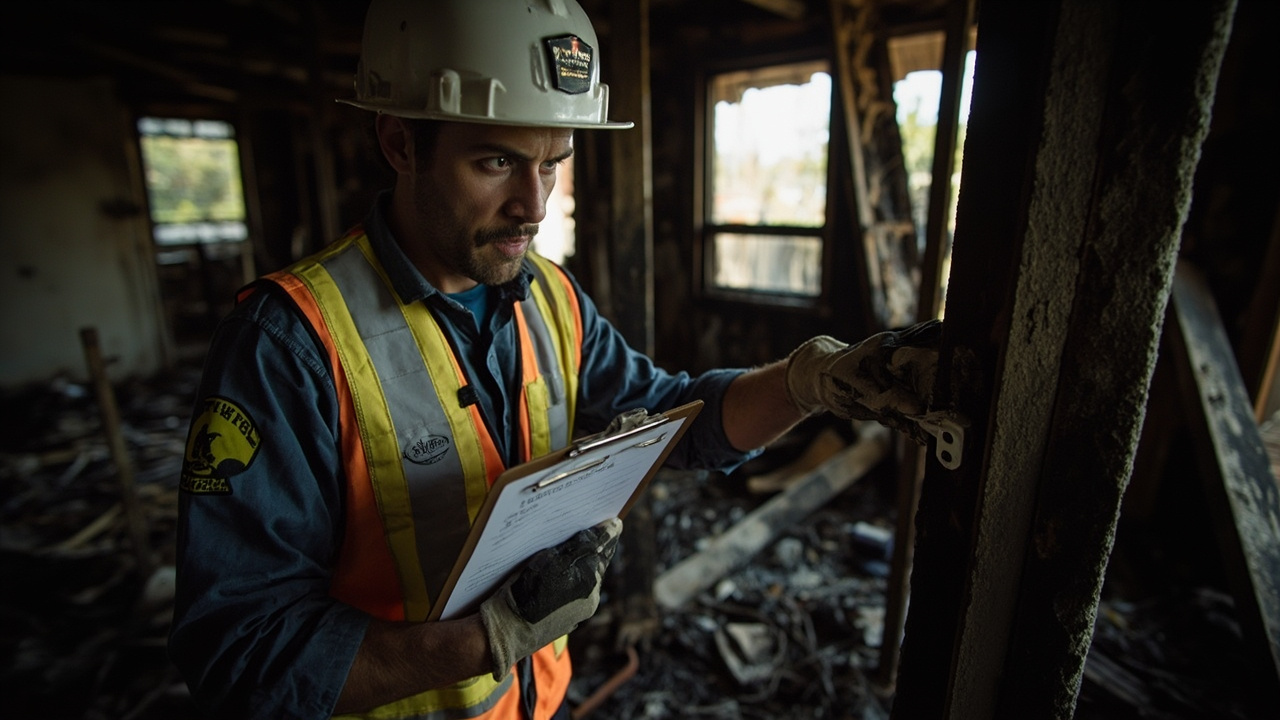
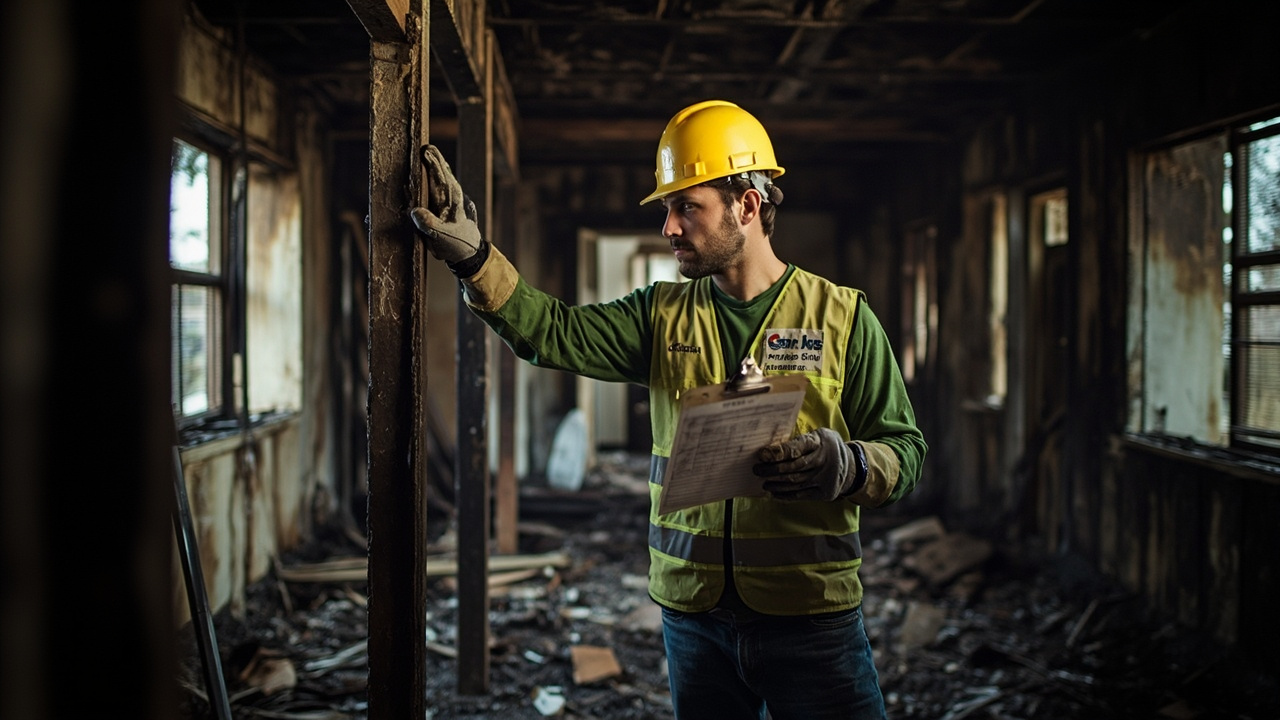
A post-fire hazard checklist starts with structural integrity verification. We coordinate with structural engineers to assess load-bearing walls, roof trusses, and foundation damage. Fire weakens materials in ways you cannot see. Concrete spalling, where the surface flakes off due to internal steam pressure, indicates deeper heat penetration. We document everything before you take a single step inside.

Air quality testing comes next. Combustion releases carbon monoxide, formaldehyde, benzene, and particulate matter that lingers in porous materials. We use photoionization detectors and particle counters to measure airborne contaminants. If levels exceed OSHA permissible exposure limits, the space is not safe for occupancy. Period.

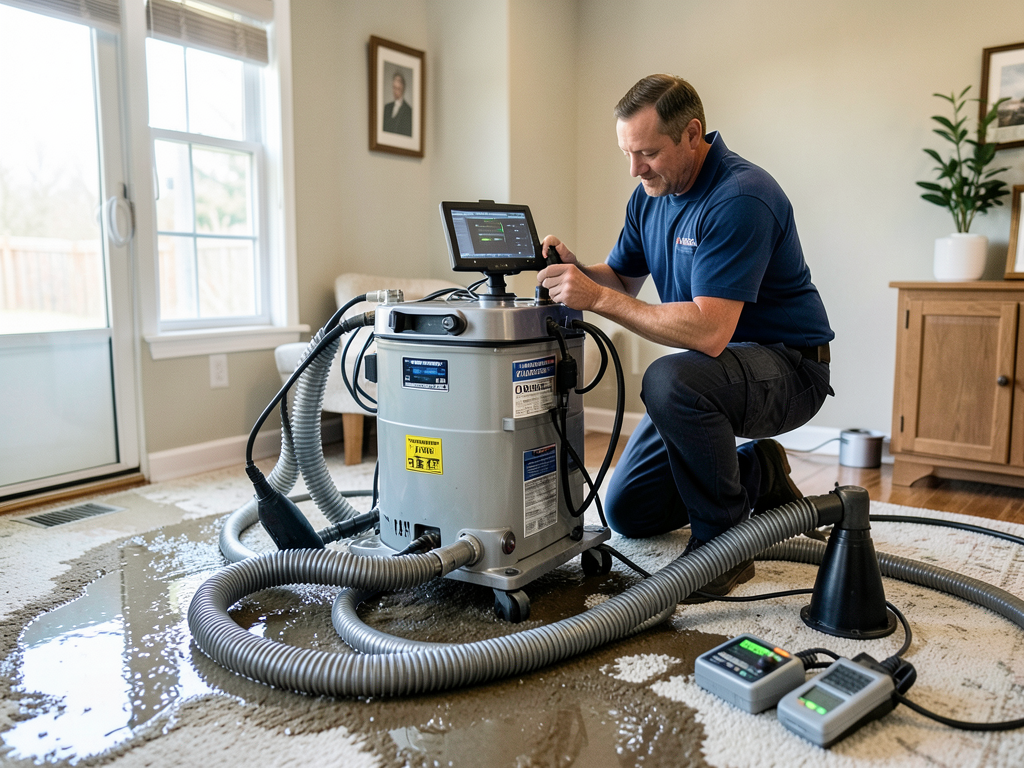
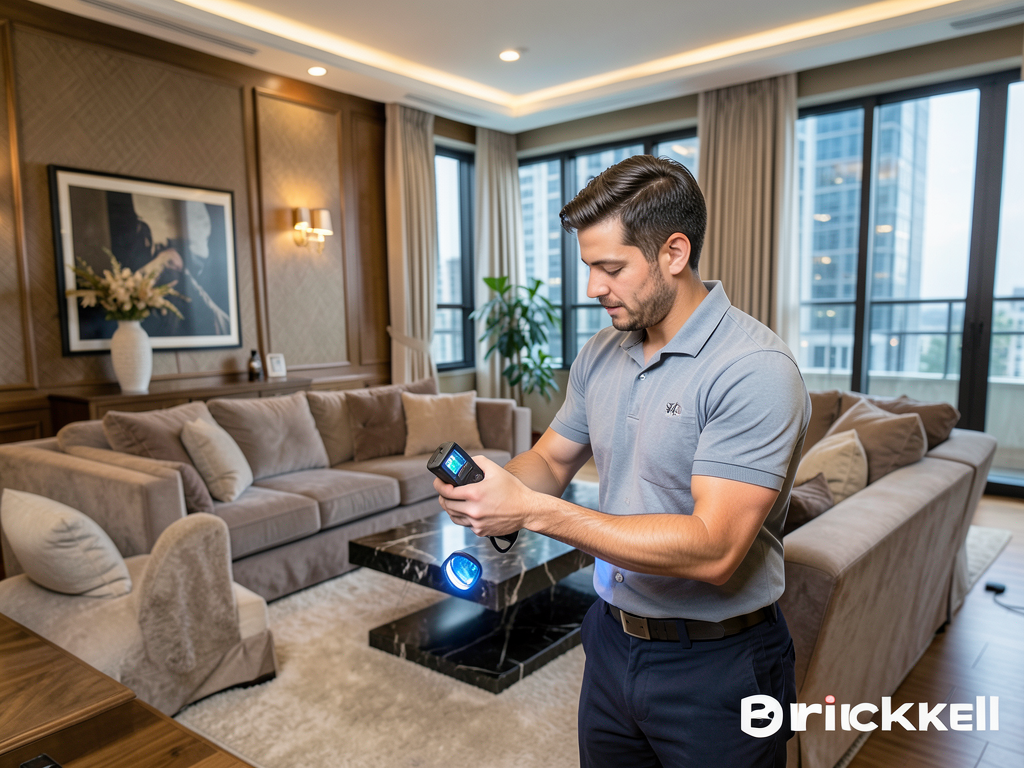
Water damage from firefighting efforts requires immediate extraction. Fire hoses dump hundreds of gallons into your property. That water does not just evaporate in Miami's heat. It soaks into subfloors, wall cavities, and insulation. We use thermal imaging cameras to detect hidden moisture pockets and industrial dehumidifiers to prevent secondary mold growth.

Electrical system evaluation is non-negotiable. We verify that the main breaker is off and coordinate with licensed electricians to inspect wiring, panels, and grounding systems. Soot conducts electricity. Charred wiring can arc without warning.

Soot and smoke residue removal follows a fire recovery safety guide that prioritizes containment. We seal off affected areas with negative air pressure to prevent cross-contamination. Ash is not just dirty. It is chemically active and continues damaging surfaces until properly removed with HEPA filtration and specialized cleaning agents.

Your Step-by-Step Fire Damage Safety Protocol

Fire Damage Safety Checklist Miami – Protecting Your Property After the Flames Are Out
01

Site Lockdown and Assessment

We secure the property and conduct a preliminary hazard survey. No entry occurs until we verify structural stability, air quality, and electrical safety. We document damage with photos and thermal imaging, then establish containment zones to prevent contamination spread. You receive a written safety assessment before any restoration work begins. This initial evaluation protects everyone involved.
02

Environmental Testing and Remediation

We test for airborne toxins, carbon monoxide levels, and hidden water damage. Industrial air scrubbers with HEPA and activated carbon filters run continuously to remove particulates and volatile organic compounds. Water extraction begins immediately using truck-mounted pumps. Dehumidification equipment maintains humidity below 50 percent to halt mold growth. We monitor moisture levels daily until materials reach equilibrium moisture content.
03

Clearance Testing and Documentation

After remediation, we conduct final air quality tests and moisture readings. You receive a clearance report confirming the property meets safety standards for re-occupancy. This documentation is critical for insurance claims and provides legal protection. We walk you through remaining repairs needed and coordinate with contractors for structural work. You get a complete post-fire safety guide with maintenance recommendations.

Why Miami Properties Need Local Fire Recovery Expertise

South Florida construction is different. If you hire a restoration company without Miami experience, they will miss critical details that lead to bigger problems later.

Concrete block construction requires specific assessment techniques. National franchise technicians trained on wood-frame homes do not understand how fire damages masonry differently. Spalling, rebar exposure, and heat-induced cracking require eyes trained on Florida building methods.

Miami-Dade County has stricter building codes than most of the country due to hurricane wind load requirements. Post-fire repairs must meet these standards, or you will face problems during permitting and insurance settlement. We know local code officers and work with inspectors who understand fire damage restoration in this jurisdiction.

Historic districts like Coral Gables and Miami Beach have additional overlay requirements. You cannot just replace damaged materials with modern equivalents. We source period-appropriate materials and navigate historic preservation board approvals so your restoration meets both safety and aesthetic standards.

Mold remediation in Miami requires aggressive protocols. Companies from drier climates underestimate how fast fungal growth occurs here. We follow IICRC S520 standards adapted for subtropical conditions, which means more thorough moisture control and longer monitoring periods.

Insurance claims move faster when restoration companies document damage correctly for Florida carriers. We photograph everything, measure moisture content in multiple locations, and provide detailed scope-of-work reports that align with Xactimate pricing used by adjusters. This speeds up your claim and reduces disputes.

You need a team that understands Miami's unique challenges. Generic post-fire advice does not account for salt air corrosion, high humidity mold risk, or local construction methods.

What to Expect During Fire Damage Safety Assessment

Immediate Response Availability

Fire damage worsens by the hour. We respond to safety assessment requests within two hours in the greater Miami metro. Our team arrives with moisture meters, thermal cameras, air quality monitors, and containment equipment. Initial site evaluation takes 60 to 90 minutes depending on property size. You receive a verbal safety briefing on-site and a written report within 24 hours. Emergency stabilization, including water extraction and structural bracing, begins the same day if conditions allow.

Comprehensive Property Evaluation

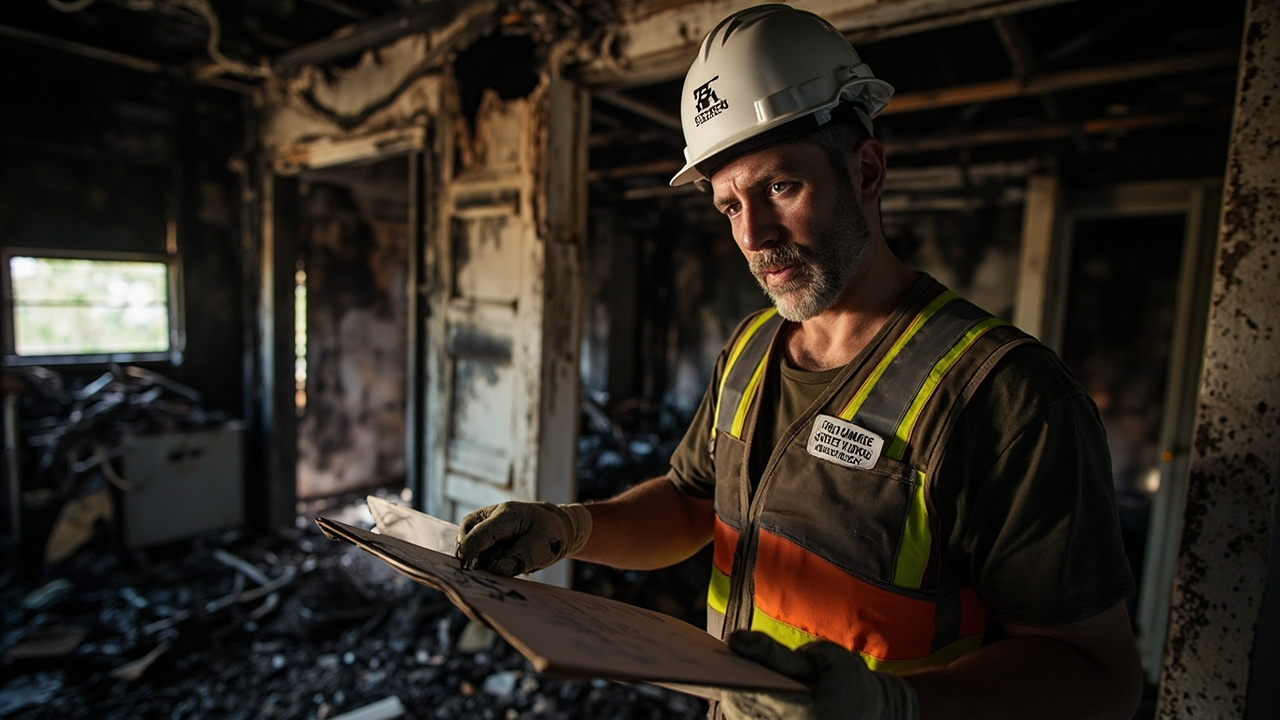
We inspect every area affected by fire, smoke, or water. This includes attic spaces, wall cavities, crawlspaces, and HVAC ductwork. Thermal imaging reveals hidden heat damage and moisture intrusion invisible to the naked eye. We test air quality for carbon monoxide, volatile organic compounds, and particulate levels. Moisture mapping identifies all wet materials requiring extraction or removal. Electrical panels and wiring receive visual inspection for char, melting, or corrosion. You get a room-by-room damage assessment with photos.

Detailed Restoration Roadmap

Our post-fire hazard checklist translates into a prioritized action plan. You receive a scope of work document that separates emergency stabilization, safety remediation, and cosmetic restoration. We identify which materials can be cleaned and which require removal. The report includes estimated timelines for each phase and coordination requirements with electricians, structural engineers, or HVAC contractors. This roadmap guides insurance adjusters and helps you understand what happens next in clear terms.

Post-Remediation Verification

After completing safety remediation, we conduct clearance testing to confirm the property meets occupancy standards. Final air quality tests verify contaminant levels have dropped to safe ranges. Moisture readings confirm all materials have dried to acceptable levels. You receive a certification letter documenting the property has been restored to safe conditions. We provide maintenance guidelines to prevent future problems and remain available for follow-up questions. This documentation protects you legally and satisfies insurance requirements.

Frequently Asked Questions

You Have Questions,
We Have Answers

How Miami's Hurricane Season Affects Fire Damage Recovery Timelines

Fire damage during Miami's June through November hurricane season creates compounding urgency. Storm systems bring heavy rain that infiltrates properties already compromised by fire. Tarping and board-up services become critical to prevent additional water intrusion. Wind-driven rain can soak interior spaces through damaged roofs or broken windows within hours. Properties weakened by fire lose wind resistance, making them vulnerable to even tropical storm conditions. Your fire recovery safety guide must account for weather forecasts and accelerate water extraction before the next system arrives.

Miami's multi-cultural neighborhoods require restoration teams who understand local building practices. Homes in Little Haiti may have different construction methods than condos in Brickell or single-family houses in Pinecrest. We have worked across every Miami zip code and understand the architectural variations that affect post-fire safety assessments. Our technicians speak English, Spanish, and Creole, which helps us communicate clearly with property owners during stressful situations. Local expertise means faster permitting, better insurance coordination, and restoration that respects your property's original character.
Water Damage Restoration Services in The Miami Area

Fortress proudly serves the entire Miami area and nearby neighborhoods with prompt, expert water damage restoration services. Whether you're located downtown, in the suburbs, or along the coast, our team is just a call away. Use the map below to view our service area and get directions to our office. We’re local, responsive, and ready to help 24/7—because when disaster strikes, having a trusted team nearby makes all the difference.

Address:
Fortress Water Damage Restoration Miami, 3250 NE 1st Ave, Miami, FL, 33137

Additional Services We Offer

Our news updates

Latest Articles & News from The Blogs

Should You Use Your Insurers Preferred Vendor for Brickell Condo Water Damage? When water floods your Brickell condo, your insurance…

Should You Use Your Insurers Preferred Vendor for Brickell Condo Water Damage?

Should You Use Your Insurers Preferred Vendor for Brickell Condo Water Damage? When water floods your Brickell condo, your insurance…

How to Hire a Restorer Who Understands Aventura Penthouse Plumbing Systems

How to Hire a Restorer Who Understands Aventura Penthouse Plumbing Systems Water damage in an Aventura penthouse is not just…

The Difference Between Surface Cleaning and Deep Extraction for Kendall Area Carpets

The Difference Between Surface Cleaning and Deep Extraction for Kendall Area Carpets When water invades your Kendall home, the first…

Contact Us

Do not risk your health or safety by entering a fire-damaged property without professional evaluation. Call (786) 789-8282 now for immediate response. We provide comprehensive post-fire safety assessments throughout Miami and help you navigate the recovery process with clarity and confidence.