menu

Steps to Take After a Flood in Miami – Your Complete Recovery Checklist for Safe, Fast Restoration

From emergency water extraction to mold prevention in Miami's humid climate, this guide walks you through every critical action needed to protect your property and your family after flooding strikes.

Slider Image 1
Slider Image 2
Slider Image 3
Slider Image 4
Slider Image 5
Slider Image 7
Slider Image 8
Slider Image 9
Slider Image 10
Slider Image 11

Why Miami Homes Face Unique Post-Flood Challenges

When floodwater invades your Miami home, you face more than just standing water. Miami's location at sea level and year-round humidity create perfect conditions for rapid mold growth, structural damage, and contamination that can start within 24 hours.

The combination of Miami's subtropical climate and porous limestone bedrock means water infiltrates differently here than in other regions. Water damage clean up steps that work in drier climates fail in South Florida's environment. The ground stays saturated longer. Building materials absorb moisture faster. Mold spores multiply aggressively in temperatures that rarely drop below 70 degrees.

You need immediate actions after flooding that address both visible water and hidden moisture trapped in walls, subfloors, and crawl spaces. Many Miami homes built on concrete slabs show water damage symptoms that homeowners miss until bacteria growth or structural compromise become obvious.

The stakes rise quickly after a house flood in Miami. Contaminated floodwater often contains sewage, chemicals, and bacteria from overwhelmed drainage systems. The Miami River basin and Biscayne Bay watershed overflow during heavy rain events, pushing brackish water into neighborhoods miles from the coast. This saltwater intrusion corrodes electrical systems and metal fixtures faster than freshwater floods.

Your post-flood recovery checklist must account for these local factors. Every hour you wait increases restoration complexity and health risks for your family.

Why Miami Homes Face Unique Post-Flood Challenges
The Professional Approach to Flood Recovery in South Florida

The Professional Approach to Flood Recovery in South Florida

Professional flood restoration follows a systematic protocol that addresses both visible damage and hidden threats. The process begins with safety assessment and contamination classification. Category 3 water, which includes most floodwater, requires specialized handling and disposal procedures that most homeowners cannot perform safely.

Advanced moisture detection equipment identifies water trapped inside structural cavities. Infrared cameras map thermal signatures that reveal wet insulation and soaked drywall. Hygrometers measure relative humidity in materials, not just the air. This data drives targeted drying strategies instead of guessing where moisture hides.

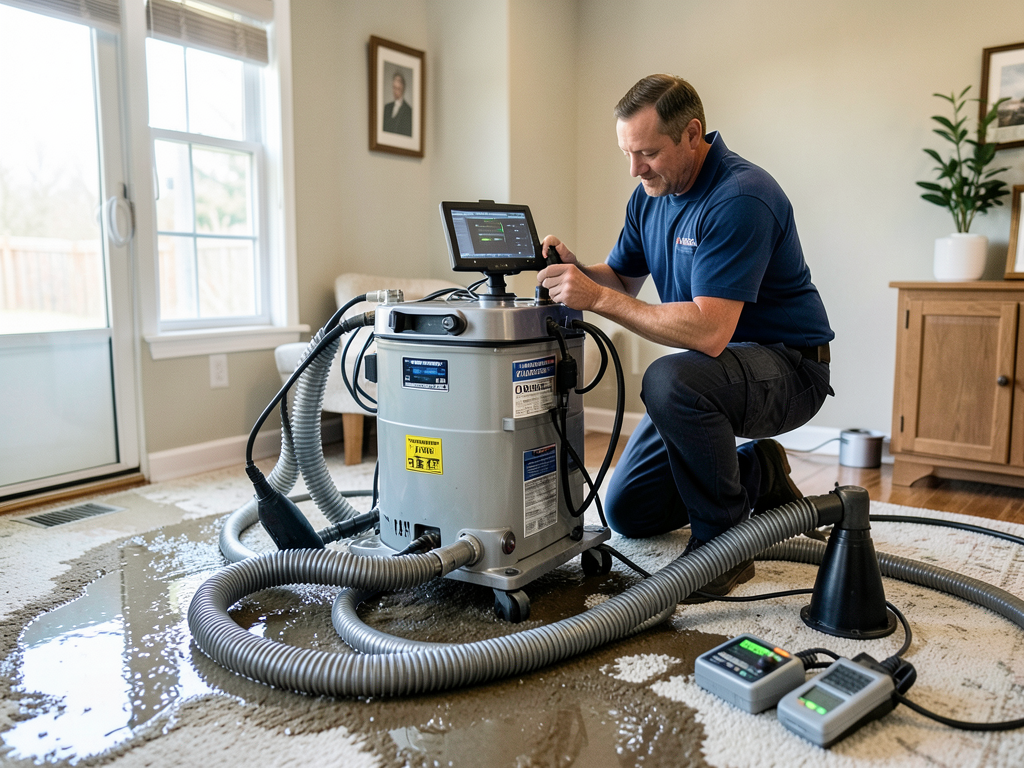
Industrial-grade extraction removes standing water faster than shop vacuums. Truck-mounted pumps clear flooded basements in hours, not days. Then controlled drying begins using commercial dehumidifiers and air movers positioned based on psychrometric calculations. The goal is reducing moisture content to pre-loss conditions while preventing secondary damage.

Miami's climate demands aggressive antimicrobial treatment. Professional-grade disinfectants eliminate bacteria and inhibit mold growth on all affected surfaces. This step cannot be skipped in South Florida's environment. The humidity reactivates contamination if you only dry without treating.

Structural drying requires monitoring and adjustment. Technicians track moisture levels daily and reposition equipment as materials dry. Hardwood floors need slow, controlled drying to prevent cupping. Concrete requires different techniques than wood framing. Each material responds to moisture differently, and experience matters when making these decisions.

Documentation throughout the process supports insurance claims and provides proof of proper mitigation. Photos, moisture readings, and equipment logs create the paper trail insurers require for full claim approval.

Your First 48 Hours After Discovering Flood Damage

Steps to Take After a Flood in Miami – Your Complete Recovery Checklist for Safe, Fast Restoration
01

Safety First Assessment

Before entering flooded areas, shut off electricity at the main breaker if you can do so safely from a dry location. Never walk through standing water with active electrical systems. Check for structural damage like sagging ceilings, shifted walls, or compromised floors. If you smell gas, evacuate immediately and call emergency services. Document everything with photos before touching anything for insurance purposes.
02

Water Removal Begins

Remove standing water as quickly as possible using pumps or wet vacuums. Every hour water sits increases damage exponentially. Move furniture and belongings to dry areas. Pull up soaked carpeting and padding. Open windows if outdoor humidity is lower than indoor levels. Start air circulation with fans. Contact your insurance company to report the loss and ask about immediate mitigation coverage.
03

Professional Inspection Called

Within 24 hours, professional water damage technicians should assess hidden moisture and contamination levels. They bring calibrated detection equipment that reveals problems you cannot see. Thermal imaging identifies wet insulation behind drywall. Moisture meters measure water content in wood framing. This inspection determines the full scope of damage and creates your detailed restoration plan moving forward.

Why Miami Homeowners Choose Local Flood Restoration Experts

Fortress Water Damage Restoration Miami understands South Florida construction methods and climate challenges that out-of-state contractors miss. We know how Miami's coral rock foundations absorb water differently than traditional concrete. We understand how hurricane-rated windows and impact glass complicate moisture escape. We recognize when saltwater intrusion requires specialized corrosion treatment.

Our technicians train specifically for subtropical moisture control. Miami's year-round humidity means standard drying protocols fail here. We adjust equipment placement and run times based on local dewpoint calculations and seasonal weather patterns. Our restoration timelines account for afternoon thunderstorms and tropical moisture that slow structural drying.

We maintain relationships with local building inspectors and understand Miami-Dade County permitting requirements for flood repairs. We know which repairs trigger code updates and which fall under maintenance exemptions. This knowledge prevents surprise costs and delays during restoration.

Our response time matters in Miami's climate. We dispatch teams 24 hours a day because we know mold colonization starts faster here than almost anywhere else in the continental United States. Our equipment staging locations throughout the Miami metro mean we arrive with industrial dehumidifiers and air movers within hours of your call.

Insurance companies recognize our documentation standards. We provide the detailed moisture logs, equipment records, and progress photos that local adjusters expect. Our estimates follow Xactimate pricing specific to Miami-Dade County, eliminating disputes over line items and regional cost variations.

We also understand the emotional impact of flood damage. Fortress Water Damage Restoration Miami guides you through each decision, explaining options in plain language without pressure tactics or unnecessary services.

What to Expect During Your Flood Restoration Process

Rapid Response Timeline

We dispatch teams within two hours of your call, arriving with emergency extraction equipment and moisture detection tools. Initial water removal begins immediately to stop ongoing damage. The first 24 hours focus on removing standing water, starting airflow, and preventing contamination spread. Complete structural drying typically takes three to seven days depending on materials affected and saturation levels. We provide daily updates and adjust equipment based on moisture readings. Miami's humidity extends drying times compared to arid climates, so realistic timelines prevent frustration and set proper expectations for the restoration duration.

Comprehensive Damage Assessment

Our technicians perform room-by-room inspections using thermal imaging cameras and penetrating moisture meters. We test wall cavities, subfloors, and ceiling spaces where water hides from visual inspection. We classify water contamination level to determine proper handling protocols. Category 3 water requires complete removal of porous materials like drywall and insulation. We document every affected area with photos, measurements, and moisture content readings. This detailed assessment creates your restoration scope and supports your insurance claim. We identify structural concerns that need engineering review before reconstruction begins.

Complete Property Restoration

Your home returns to pre-loss condition through systematic reconstruction. We remove damaged materials like baseboards, flooring, and compromised drywall. We treat all surfaces with antimicrobial solutions appropriate for Miami's climate. We replace insulation, drywall, flooring, and trim using materials that match your existing finishes. We coordinate with plumbers and electricians for systems damaged by flooding. Final moisture verification confirms all materials have dried to acceptable levels before closing walls. We perform odor control treatments if needed and conduct final walk-throughs to ensure quality meets your expectations.

Post-Restoration Protection Plan

After restoration completes, we provide moisture monitoring recommendations to prevent future problems. We identify vulnerable areas in your home where water typically enters during heavy rain. We suggest drainage improvements, sump pump installations, or backflow preventer upgrades that reduce flood risk. We explain warning signs of hidden moisture so you can catch problems early. We offer annual inspections to check areas previously affected by water damage. These follow-up services give you confidence that your restoration will last and help you protect your investment from Miami's challenging weather patterns.

Frequently Asked Questions

You Have Questions,
We Have Answers

What steps to take after a flood? +

First, ensure everyone is safe and turn off electricity at the main breaker if standing water is present. Document all damage with photos and video for insurance claims. Contact your insurance provider immediately. Remove standing water using pumps or wet vacuums, then move furniture and belongings to dry areas. In Miami's humid climate, mold can develop within 24 to 48 hours, so quick action matters. Open windows for ventilation if weather permits. Call a licensed water damage restoration company to assess structural damage and start professional drying. Do not attempt electrical work yourself.

What should be done after the flood? +

After floodwaters recede, prioritize safety and documentation. Inspect your home for structural damage before re-entering. Remove wet materials like carpeting, drywall, and insulation that cannot be salvaged. Disinfect all surfaces that contacted floodwater, as Miami's tropical environment can harbor bacteria. Extract remaining moisture using commercial-grade dehumidifiers and air movers. Monitor humidity levels closely, keeping them below 60 percent to prevent mold growth. File insurance claims promptly with detailed documentation. Professional restoration services can identify hidden moisture in wall cavities and subfloors that household equipment misses.

What step should be taken when there is a flood? +

When flooding occurs, evacuate to higher ground if water is rising rapidly. Once safe, contact emergency services if needed. Turn off utilities to prevent electrical hazards and gas leaks. Document everything before cleanup begins. In Miami, storm surge and heavy rainfall create unique challenges, so assess whether floodwater is contaminated. Remove water quickly to minimize damage. Salvage important documents and valuables. Contact your insurance adjuster before discarding damaged items. Professional water extraction and structural drying prevent secondary damage. Miami's high humidity makes thorough drying critical to avoid long-term moisture problems and mold colonization.

What do people need after a flood? +

People need immediate safety, shelter, and clean water after a flood. Beyond basic necessities, affected homeowners require professional water extraction, structural drying, and mold remediation services. Insurance guidance helps navigate claims and coverage questions. In Miami, residents need rapid response due to humidity-driven mold growth. Emotional support and accurate information about restoration timelines reduce stress. Temporary housing may be necessary during extensive repairs. Access to licensed contractors who understand Florida building codes and Miami's climate challenges is critical. Documentation tools like cameras and moisture meters help establish damage extent for insurance purposes.

How long to dry out a house after a flood? +

Drying time depends on flood severity, materials affected, and equipment used. Surface drying may take 3 to 5 days with proper airflow and dehumidification. Complete structural drying, including wall cavities and subfloors, typically requires 7 to 14 days. Miami's humidity extends drying time compared to drier climates. Professional restoration companies use thermal imaging and moisture meters to confirm dryness levels below 15 percent moisture content. Rushing this process invites mold growth and structural rot. Hardwood floors, plaster, and concrete require longer drying periods. Commercial-grade equipment accelerates the process significantly compared to household fans.

What are the 5 steps of disaster recovery? +

Disaster recovery follows five key phases. Assessment identifies damage extent and safety hazards. Water extraction removes standing water using pumps and vacuums. Drying and dehumidification eliminate residual moisture from structures and contents. Cleaning and sanitizing remove contaminants and prevent microbial growth. Restoration and reconstruction repair or rebuild damaged areas to pre-loss condition. In Miami, these steps must account for tropical humidity and potential saltwater contamination from storm surge. Professional restoration teams execute these phases systematically, using moisture mapping and documentation to ensure thorough recovery. Each phase builds on the previous one for complete restoration.

What are the 5 steps of preparedness? +

Preparedness involves five critical steps. Create an emergency plan that includes evacuation routes and family communication protocols. Assemble an emergency kit with water, non-perishable food, medications, and important documents in waterproof containers. Know your flood risk by checking FEMA flood maps for Miami neighborhoods, especially areas near Biscayne Bay or low-lying zones. Purchase flood insurance, as standard homeowners policies exclude flood damage. Maintain your property by clearing drainage systems and securing outdoor items before storm season. Review and update your plan annually. Miami residents should monitor tropical weather forecasts from June through November.

Do you have to throw everything away after a flood? +

Not everything requires disposal after a flood. Non-porous items like metal, glass, and hard plastics can be cleaned and disinfected. Wood furniture may be salvageable if dried quickly. However, porous materials that absorbed contaminated floodwater must go. This includes carpeting, padding, drywall, insulation, and upholstered furniture. In Miami, where floodwater often contains bacteria and sewage, err on the side of caution. Mattresses and pillows cannot be adequately sanitized. Document discarded items with photos for insurance claims before removal. Professional restoration companies help determine what can be saved versus replaced based on contamination levels.

What are the 10 precautions of flood? +

Ten flood precautions include: elevate electrical panels and appliances above flood levels, install backflow valves on plumbing, seal basement walls with waterproofing compounds, grade landscaping away from foundations, maintain gutters and downspouts, secure a sump pump with battery backup, store valuables on upper floors, create digital copies of important documents, know how to shut off utilities, and purchase flood insurance. Miami residents should also trim trees that could fall during hurricanes, secure outdoor furniture before storms, and monitor neighborhood drainage during heavy rain. Clear storm drains near your property to prevent street flooding from backing up.

What are 5 safety tips for floods? +

Five critical flood safety tips: never walk or drive through floodwater, as six inches can knock you down and 12 inches can move vehicles. Turn off electricity before entering a flooded home. Avoid floodwater contact, as it often contains sewage and chemicals. Stay informed through weather alerts and evacuation orders. Keep emergency supplies accessible on upper floors. In Miami, where storm surge and king tides create rapid flooding, these precautions are vital. Floodwater can hide downed power lines, sharp debris, and unstable ground. Wait for official clearance before returning home after mandatory evacuations.

How Miami's Hurricane Season and Sea Level Make Flood Recovery More Urgent

Miami sits just six feet above sea level on average, with many neighborhoods even lower. When hurricanes, tropical storms, or king tides push water inland, drainage systems overwhelm quickly. The porous limestone bedrock absorbs floodwater but releases it slowly, keeping ground moisture elevated for weeks after visible water recedes. This geological reality means your home's foundation, crawl space, and lower walls stay saturated longer than moisture meters initially indicate. The guide to handling flood damage in Miami must account for this extended moisture exposure and the aggressive mold growth that follows in our 80-degree temperatures with 70 percent humidity.

Water Damage Restoration Services in The Miami Area

Fortress proudly serves the entire Miami area and nearby neighborhoods with prompt, expert water damage restoration services. Whether you're located downtown, in the suburbs, or along the coast, our team is just a call away. Use the map below to view our service area and get directions to our office. We’re local, responsive, and ready to help 24/7—because when disaster strikes, having a trusted team nearby makes all the difference.

Address:
Fortress Water Damage Restoration Miami, 3250 NE 1st Ave, Miami, FL, 33137

Additional Services We Offer

Our news updates

Latest Articles & News from The Blogs

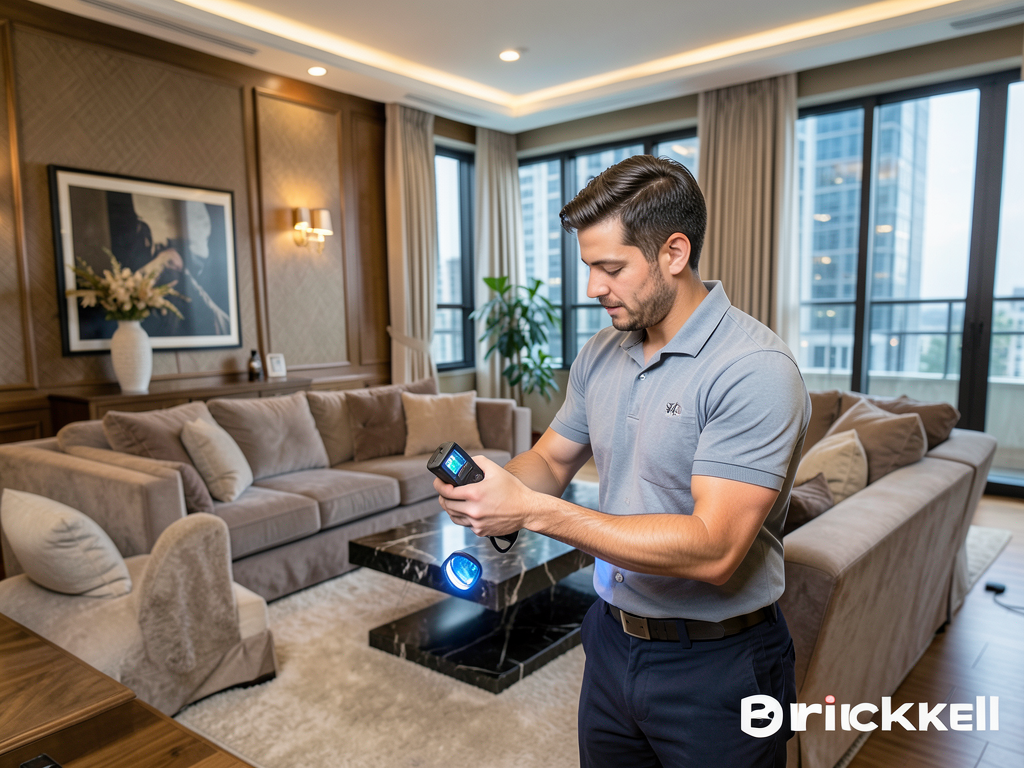
Protecting Your Brickell High-Rise with the Best Smart Leak Detectors Brickell’s luxury high-rise condominiums face unique water damage risks from…

Protecting Your Brickell High-Rise with the Best Smart Leak Detectors

Protecting Your Brickell High-Rise with the Best Smart Leak Detectors Brickell’s luxury high-rise condominiums face unique water damage risks from…

Essential Documentation Every Miami Business Owner Needs for a Successful Water Claim

Essential Documentation Every Miami Business Owner Needs for a Successful Water Claim Water damage can shut down a Miami business…

Knowing When to Call for Emergency Water Removal and When It Can Wait Until Morning

Knowing When to Call for Emergency Water Removal and When It Can Wait Until Morning \n\n Water damage in Miami…

Contact Us

Every hour counts after flood damage strikes your Miami home. Call Fortress Water Damage Restoration Miami now at (786) 789-8282 for immediate dispatch. Our technicians arrive with industrial equipment and start water removal within hours. We handle insurance documentation while protecting your property from permanent damage.