menu

Mold Remediation & Removal in Miami – Protecting Your Property from Toxic Growth Before It Spreads

Expert mold abatement and decontamination services designed for Miami's high-humidity environment, removing hidden colonies, restoring air quality, and preventing reoccurrence through professional containment and HEPA filtration.

Slider Image 1
Slider Image 2
Slider Image 3
Slider Image 4
Slider Image 5
Slider Image 7
Slider Image 8
Slider Image 9
Slider Image 10
Slider Image 11

Why Miami's Climate Makes Mold Growth Inevitable Without Professional Intervention

Miami's subtropical climate creates the perfect breeding ground for toxic mold species. With average humidity levels exceeding 75 percent year-round and temperatures that rarely drop below 70 degrees, your property faces constant mold pressure. Add in frequent afternoon thunderstorms, aging air conditioning systems that cannot keep up with moisture load, and porous building materials common in older neighborhoods like Coral Gables and Little Havana, and you have an environment where mold colonies can double in size within 48 hours.

The problem accelerates after any water intrusion event. Whether from hurricane storm surge, plumbing failures, or roof leaks during rainy season, moisture trapped inside wall cavities, beneath flooring, or within HVAC ductwork provides the nutrients mold spores need to colonize. You might notice a musty odor, discoloration on walls, or respiratory symptoms before you see visible growth. By that point, surface cleaning will not solve the issue. The colony has already penetrated porous materials and released mycotoxins into your indoor air.

Professional mold mitigation addresses the full scope of contamination. Surface wiping and bleach applications push spores deeper into materials or aerosolize them throughout your property. Effective mold decontamination requires containment barriers, negative air pressure, HEPA filtration, antimicrobial treatments, and removal of compromised materials. Without proper mold cleanup services, you risk recontamination, structural damage, and long-term health effects for occupants. Miami properties require aggressive mold abatement protocols that account for persistent humidity and the likelihood of future moisture events.

Why Miami's Climate Makes Mold Growth Inevitable Without Professional Intervention
How Professional Mold Remediation Eliminates Contamination at the Source

How Professional Mold Remediation Eliminates Contamination at the Source

Effective mold remediation starts with containment. We establish physical barriers using polyethylene sheeting and seal off HVAC returns to prevent cross-contamination during removal. Negative air machines equipped with HEPA filters create lower air pressure inside the work zone, ensuring spores cannot escape into unaffected areas of your property. This containment protocol follows IICRC S520 standards and prevents the mistakes that homeowners make when attempting DIY cleanup.

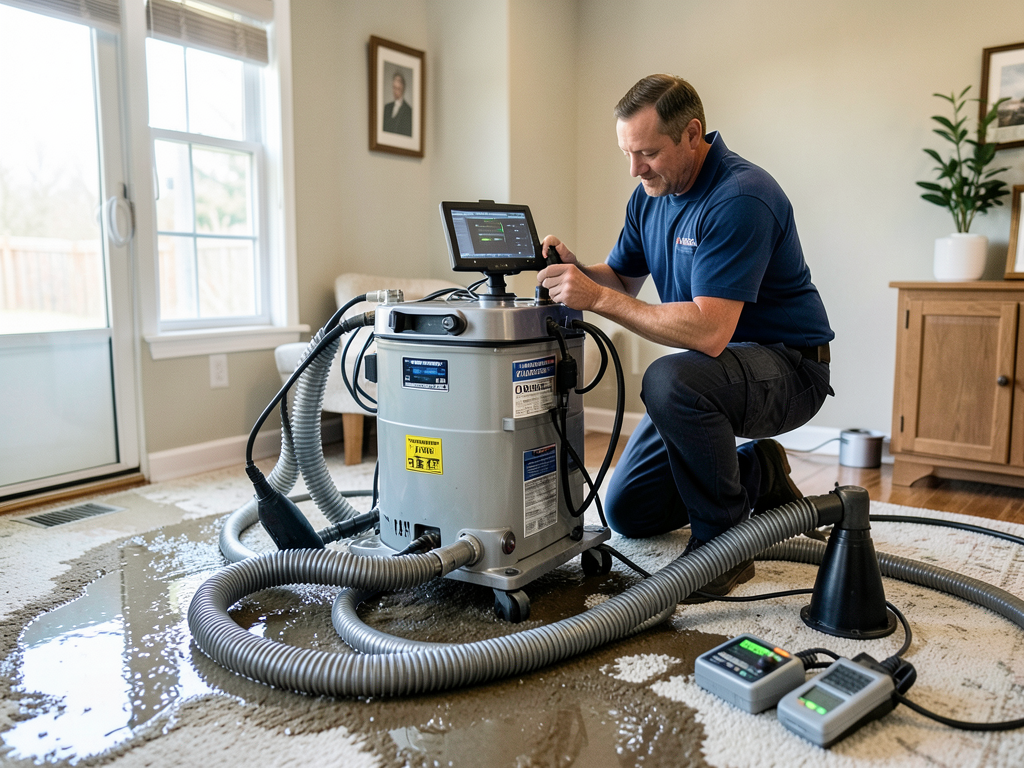
Next comes source removal. We do not just clean mold off surfaces. We remove colonized materials that cannot be salvaged. Drywall with deep penetration gets cut out and bagged. Insulation saturated with mold growth gets extracted. Carpet and padding with subfloor contamination get removed down to the joists. We use moisture meters to identify hidden wet zones behind baseboards, inside cabinets, and within ceiling cavities where mold thrives undetected.

After physical removal, we treat remaining structural components with EPA-registered antimicrobial solutions. Wood framing, concrete block, and other non-porous surfaces get scrubbed and treated to kill residual spores and prevent regrowth. We then deploy air scrubbers with HEPA filtration to capture airborne particulates, running them continuously until particle counts return to baseline levels.

The final phase addresses moisture control. Mold will return if the underlying water problem persists. We identify and document the moisture source, whether it is a plumbing leak, condensation on ductwork, groundwater seepage through a slab, or inadequate ventilation in a bathroom. We provide detailed recommendations for repairs and dehumidification strategies that account for Miami's relentless humidity. Professional mold removal is not complete until both contamination and moisture issues are resolved.

What Happens During Your Mold Remediation Service

Mold Remediation & Removal in Miami – Protecting Your Property from Toxic Growth Before It Spreads
01

Inspection and Testing

Our certified technicians perform a complete visual inspection using thermal imaging cameras to detect hidden moisture and potential mold zones behind walls and ceilings. We take air samples and surface swabs to identify mold species and spore concentration levels. This diagnostic phase maps the full extent of contamination, including areas you cannot see, and determines whether the growth is toxic species like Stachybotrys or less aggressive varieties. We document findings with photos and moisture readings to create a remediation scope.
02

Containment and Removal

We isolate the contaminated area with polyethylene barriers and establish negative air pressure to prevent spore migration. All compromised materials get removed, double-bagged, and disposed of according to Florida Department of Health guidelines. We use HEPA vacuums on all surfaces and apply antimicrobial treatments to structural components that remain. Air scrubbers run continuously to filter airborne spores. This phase eliminates the active mold colony and removes the contaminated substrate that allows regrowth.
03

Verification and Prevention

After removal and treatment, we conduct post-remediation air quality testing to verify spore counts have returned to safe levels. We provide detailed documentation of the work performed, materials removed, and clearance test results for your records or insurance claim. We also deliver a moisture control plan specific to your property, outlining repairs needed to prevent future mold growth. This includes recommendations for dehumidification, ventilation improvements, and plumbing or roofing repairs that address the root cause.

Why Miami Properties Require Local Mold Remediation Expertise

Mold remediation in Miami demands familiarity with regional building methods and environmental challenges that out-of-area contractors miss. Many older properties in neighborhoods like Coconut Grove and Coral Way were built with coral rock or coquina block foundations that wick moisture from the ground. These porous materials require different treatment protocols than modern concrete block construction. Without understanding these structural differences, remediation efforts fail within months.

South Florida's hurricane history adds another layer of complexity. Properties that sustained wind-driven rain intrusion during past storms often have concealed mold growth inside wall cavities or attic spaces that went unaddressed during insurance repairs. We routinely find mold colonies behind vinyl siding, under improperly flashed windows, and within poorly ventilated soffits. Our technicians know where to look based on storm patterns and common construction defects in Miami-Dade County homes.

Local expertise also means understanding Florida Department of Health regulations for mold assessment and remediation. While Florida does not require state licensure for mold remediation contractors, we voluntarily adhere to IICRC S520 standards and maintain certification through the Indoor Air Quality Association. We know how to document work for insurance claims, communicate with adjusters familiar with South Florida mold issues, and provide the level of detail required for complete claim approval.

You also benefit from our relationships with local industrial hygienists, environmental testing labs, and restoration-friendly general contractors. When your project requires third-party clearance testing, structural repairs, or coordination with an ongoing insurance claim, we connect you with trusted professionals who understand Miami's unique mold challenges. Choosing a local mold remediation company means faster response, better outcomes, and accountability from a team that will still be here when you need follow-up service.

What You Can Expect From Our Mold Removal Process

Rapid Response and Scheduling

We dispatch a certified technician to your property within 24 hours of your initial call. Mold colonies expand quickly in Miami's climate, so delaying remediation allows contamination to spread into additional rooms and building materials. During your inspection appointment, we provide a detailed scope of work and timeline for completion. Most residential projects take two to five days depending on the extent of contamination and size of the affected area. We work with your schedule to minimize disruption and maintain clear communication throughout the process.

Thorough Assessment Before We Start

Our initial inspection goes beyond visible mold growth. We use thermal imaging to detect hidden moisture inside walls, moisture meters to measure material saturation levels, and air sampling to identify spore concentrations in your indoor environment. We identify the moisture source fueling mold growth, whether it is a roof leak, plumbing failure, or condensation issue. You receive a written report documenting our findings, photos of affected areas, and a clear remediation plan. This diagnostic phase ensures we address the full scope of contamination and prevent recurrence.

Complete Contamination Removal

We do not just treat mold, we remove it. Colonized materials that cannot be salvaged get cut out, bagged, and properly disposed of. Structural components that remain get scrubbed and treated with antimicrobial solutions. We run HEPA air scrubbers continuously during the project to capture airborne spores and restore your indoor air quality. Post-remediation testing verifies that spore counts have returned to safe levels before we close out the project. You receive documentation of clearance results and a detailed summary of work performed.

Moisture Control Recommendations

Successful mold remediation requires eliminating the moisture source. We provide a written moisture control plan that outlines necessary repairs to plumbing, roofing, HVAC systems, or drainage issues contributing to mold growth. We also recommend dehumidification strategies, ventilation improvements, and maintenance practices to keep humidity below 60 percent year-round. If reconstruction is required, we coordinate with trusted local contractors to ensure repairs are completed properly. Our goal is permanent resolution, not temporary cleanup that fails within months.

Frequently Asked Questions

You Have Questions,
We Have Answers

How much does it cost to remove mold? +

Mold removal costs vary based on the size of the infestation, location, and severity of damage. Small areas under 10 square feet may cost less, while extensive contamination affecting entire rooms or HVAC systems costs significantly more. Miami's high humidity and frequent storms often mean mold hides behind drywall or under flooring, increasing scope. Professional assessment identifies the full extent before pricing. Costs include containment, air filtration, material removal, antimicrobial treatment, and prevention measures. Insurance may cover mold if it resulted from a covered peril like a burst pipe or hurricane damage. Get multiple quotes and ensure the company performs proper testing.

What is the difference between mold remediation and mold removal? +

Mold removal refers to physically eliminating mold colonies from surfaces. Mold remediation is the complete process of identifying the source, containing the spread, removing contaminated materials, treating affected areas, and preventing future growth. Remediation addresses the root cause, typically moisture intrusion from Miami's tropical climate, roof leaks, or AC condensation. Simply scrubbing visible mold without fixing humidity issues or hidden water damage guarantees regrowth. Proper remediation includes HEPA filtration, antimicrobial application, moisture control, and often material replacement. Remediation is the industry standard because it solves the problem long-term, not just cosmetically.

How much should it cost to remove mold? +

Expect to pay based on square footage affected, contamination level, and structural involvement. Minor surface mold in a bathroom may be manageable, while hidden mold in walls, attics, or crawlspaces requires invasive work. Miami homes face unique challenges like humidity-driven growth behind exterior walls and mold in AC ducts due to constant cooling. Costs include labor, containment barriers, negative air machines, disposal, antimicrobial treatments, and repairs. Black mold or toxic species require stricter protocols. Quotes should include moisture testing and post-remediation verification. Avoid lowball estimates that skip containment or proper disposal. Quality remediation protects your health and property value.

Is professional mold removal worth it? +

Yes. Professional remediation is critical for health, property value, and liability. Miami's climate accelerates mold growth, and DIY efforts often spread spores or miss hidden colonies in wall cavities, under tiles, or in HVAC systems. Professionals use containment barriers, negative air pressure, HEPA filtration, and proper protective equipment. They identify moisture sources you may overlook, like slab leaks or condensation in humid spaces. Incomplete removal leads to regrowth and worsening respiratory issues. Insurance claims often require professional documentation. Selling a home with untreated mold history tanks value and creates legal exposure. Professional remediation is an investment in safety and asset protection.

What kills mold permanently? +

Nothing kills mold permanently if moisture remains. You must eliminate the water source first. Antimicrobial treatments, EPA-registered fungicides, and encapsulants kill active mold and inhibit regrowth. In Miami, controlling indoor humidity below 60 percent is essential. Professionals use hospital-grade disinfectants and follow IICRC standards to treat porous materials or remove them entirely if contamination is severe. Bleach only works on non-porous surfaces and does not penetrate drywall or wood. HEPA vacuuming removes spores. After treatment, proper ventilation, dehumidifiers, and fixing leaks prevent return. Mold prevention is an ongoing process in tropical climates, not a one-time fix.

Can a house recover from mold? +

Yes, if properly remediated. Mold does not destroy structural integrity in most cases, but it damages finishes, insulation, and indoor air quality. Miami homes can fully recover with professional remediation that removes contaminated materials, treats affected framing, and addresses moisture sources. Post-remediation air testing confirms spore counts return to safe levels. Rebuilding with mold-resistant materials like cement board and mold-inhibiting paint helps. Persistent moisture issues from poor drainage, roof leaks, or high humidity must be fixed or mold returns. A house can be restored to healthy condition, but only if you eliminate the conditions that allowed mold to thrive.

Can I remediate mold myself? +

Only if the area is small, non-toxic, and on non-porous surfaces. Miami's humidity makes DIY risky because mold often spreads behind walls or in hidden areas. If contamination exceeds 10 square feet, involves black mold, or affects HVAC systems, hire professionals. DIY attempts without containment spread spores throughout the home. You need proper PPE, HEPA vacuums, antimicrobial solutions, and moisture meters. If mold resulted from sewage, flooding, or structural damage, professionals are required. Many homeowners worsen the problem by scrubbing without containment or missing the moisture source. DIY is appropriate only for minor surface mold caught early.

Why is mold remediation so expensive? +

Remediation is labor-intensive and requires specialized equipment. Professionals must contain the area with plastic barriers and negative air machines to prevent cross-contamination. HEPA filtration, antimicrobial treatments, protective gear, and proper disposal add costs. Miami's climate often means mold hides in walls, under flooring, or in AC systems, requiring invasive work. Testing before and after remediation ensures safety. Contaminated materials like drywall and insulation must be removed and replaced. Liability insurance and certifications increase overhead. Cheap remediation skips containment or testing, leaving spores behind. You pay for thoroughness, health protection, and preventing costly regrowth that damages your home further.

How long should you stay out of house after mold remediation? +

Typically 24 to 48 hours, depending on remediation scope and air quality testing results. Professionals use air scrubbers and HEPA filtration to remove airborne spores, but drying time for treated areas and fresh paint or sealants may extend this. Sensitive individuals, children, or those with respiratory conditions should wait until post-remediation clearance testing confirms spore counts are safe. Miami's humidity can slow drying, so dehumidifiers speed the process. If extensive demolition occurred, wait until reconstruction finishes and air quality normalizes. Your remediation company should provide a clear timeline and perform final testing before you return. Never re-enter without professional clearance.

What to do if you can't afford mold remediation? +

Explore insurance coverage first. Many policies cover mold resulting from sudden water damage like burst pipes or storm flooding. Document everything and file claims promptly. If insurance does not apply, ask remediation companies about payment plans or financing. Prioritize containment of the affected area and stop the moisture source immediately to prevent spreading. Some local nonprofits or housing assistance programs in Miami-Dade County may help qualifying homeowners. DIY is risky but possible for very small areas under 10 square feet. Address the issue quickly because delaying worsens health risks and increases costs as mold spreads. Seek multiple quotes and transparent pricing.

How Miami's Year-Round Humidity Makes Professional Mold Mitigation Essential

Miami's subtropical climate sustains humidity levels above 75 percent for most of the year, creating constant mold pressure on residential and commercial properties. Unlike drier regions where seasonal humidity spikes can be managed with temporary dehumidification, South Florida properties face relentless moisture stress. Air conditioning systems run continuously but often cannot remove enough moisture from indoor air, especially in older buildings with undersized equipment. Coastal properties near Biscayne Bay or along the Miami River face additional challenges from salt air corrosion that damages HVAC components and creates entry points for moisture intrusion. Professional mold abatement services address these region-specific factors with containment protocols, moisture mapping, and dehumidification strategies designed for persistent tropical humidity.

Miami-Dade County residents benefit from choosing a local mold remediation provider familiar with regional building methods, common construction defects, and the insurance claim process for South Florida water damage. We understand how coral rock foundations in older neighborhoods wick groundwater, how concrete tile roofs common in Miami fail at penetrations, and how mold spreads through ductwork in properties with poorly sealed returns. Our technicians work regularly with local insurance adjusters who know mold is a chronic issue in this market and expect thorough documentation. We provide the level of detail required for claim approval and connect you with trusted local contractors for reconstruction work. Choosing a remediation company rooted in Miami ensures accountability, faster response times, and expertise specific to the environmental challenges you face.
Water Damage Restoration Services in The Miami Area

Fortress proudly serves the entire Miami area and nearby neighborhoods with prompt, expert water damage restoration services. Whether you're located downtown, in the suburbs, or along the coast, our team is just a call away. Use the map below to view our service area and get directions to our office. We’re local, responsive, and ready to help 24/7—because when disaster strikes, having a trusted team nearby makes all the difference.

Address:
Fortress Water Damage Restoration Miami, 3250 NE 1st Ave, Miami, FL, 33137

Additional Services We Offer

Our news updates

Latest Articles & News from The Blogs

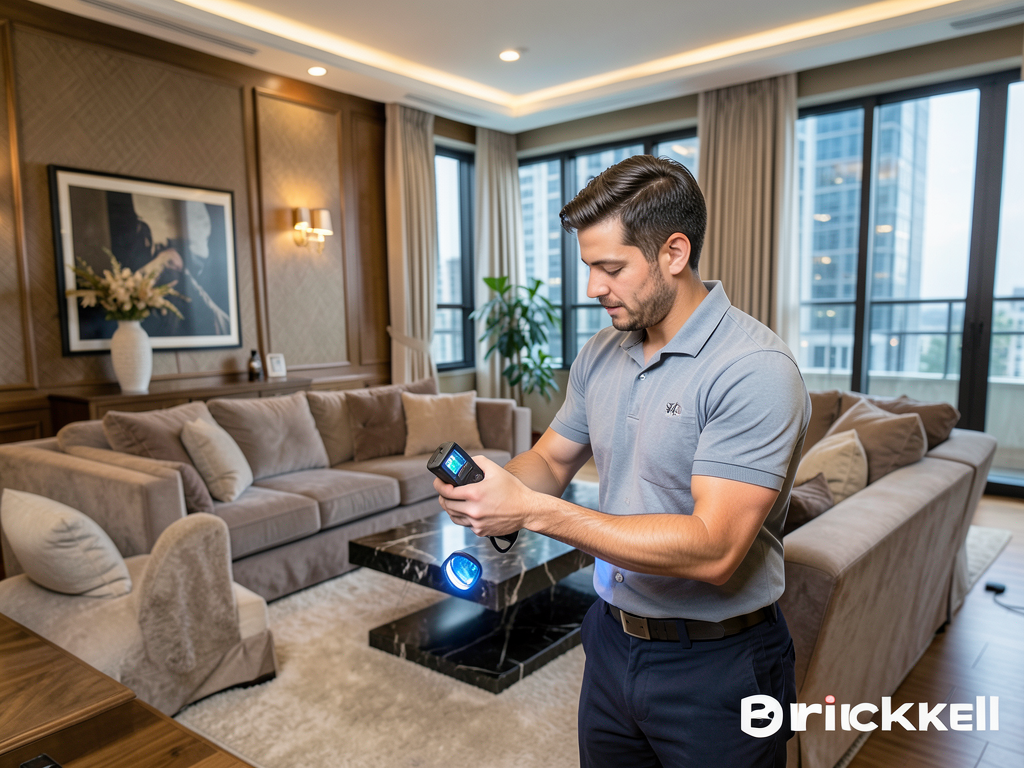
Protecting Your Brickell High-Rise with the Best Smart Leak Detectors Brickell’s luxury high-rise condominiums face unique water damage risks from…

Protecting Your Brickell High-Rise with the Best Smart Leak Detectors

Protecting Your Brickell High-Rise with the Best Smart Leak Detectors Brickell’s luxury high-rise condominiums face unique water damage risks from…

Essential Documentation Every Miami Business Owner Needs for a Successful Water Claim

Essential Documentation Every Miami Business Owner Needs for a Successful Water Claim Water damage can shut down a Miami business…

Knowing When to Call for Emergency Water Removal and When It Can Wait Until Morning

Knowing When to Call for Emergency Water Removal and When It Can Wait Until Morning \n\n Water damage in Miami…

Contact Us

Mold colonies double in size every 48 hours in Miami's climate. Waiting allows contamination to spread and increases your remediation costs. Call Reliance Water Damage Restoration Orlando now at (786) 789-8282 for a professional mold inspection and clear remediation plan.