menu

Signs of Hidden Mold in Miami – Expert Detection Before Health Risks Escalate

Fortress Water Damage Restoration Miami uses thermal imaging and air quality testing to find symptoms of concealed mold before it compromises your indoor air quality or structural integrity.

Slider Image 1
Slider Image 2
Slider Image 3
Slider Image 4
Slider Image 5
Slider Image 7
Slider Image 8
Slider Image 9
Slider Image 10
Slider Image 11

Why Miami Homes Harbor Invisible Mold Colonies

Miami's year-round humidity and tropical storms create perfect breeding grounds for mold growth you cannot see. When relative humidity stays above 60 percent for weeks at a time, mold spores colonize inside wall cavities, above ceiling tiles, and beneath flooring. You smell something musty, but you see nothing on visible surfaces.

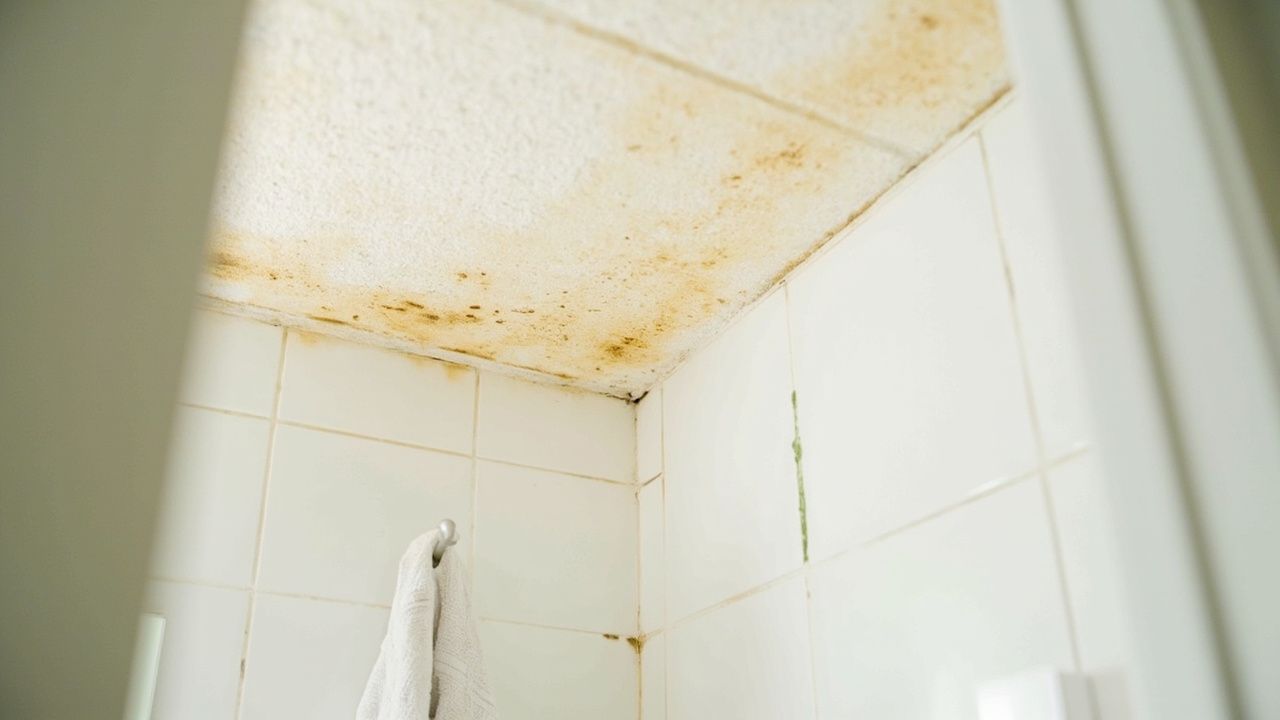
Symptoms of concealed mold often start as mild respiratory irritation or persistent coughing. Your allergies worsen indoors, but you attribute it to Miami's pollen count. The evidence of unseen mold accumulates behind drywall after slow plumbing leaks, condensation on AC ducts, or roof leaks from heavy rainfall. By the time you notice discoloration on baseboards or warped flooring, the colony has been active for months.

Indicators of invisible mold include dark grout lines that never dry, peeling paint in bathrooms, or a damp smell in closets. Miami's older homes built with concrete block construction trap moisture differently than wood-frame structures. Water migrates through porous block, feeding mold on the interior drywall surface you cannot inspect without removing materials.

Detecting hidden mold requires more than a visual inspection. Air sampling, moisture meters, and infrared cameras reveal what your eyes miss. Mold grows on the backside of cabinets, inside HVAC plenums, and under vinyl flooring installed over damp concrete slabs. The signs of mold behind walls show up as temperature differentials on thermal scans, elevated spore counts in air tests, or elevated moisture readings in supposedly dry materials.

You need professional detection before the problem spreads to your HVAC system or compromises structural framing.

Why Miami Homes Harbor Invisible Mold Colonies
How We Locate Mold Where Others Miss It

How We Locate Mold Where Others Miss It

Fortress Water Damage Restoration Miami combines multiple diagnostic tools to map hidden mold growth accurately. We start with a detailed moisture survey using pin-type and non-invasive moisture meters. These tools measure moisture content in drywall, wood framing, and concrete without damaging finishes. Readings above 16 percent in wood or above 2 percent in drywall signal active moisture intrusion and likely mold colonization.

Thermal imaging cameras detect temperature anomalies that correspond to damp building materials. Evaporative cooling creates cold spots on infrared scans. We scan entire rooms, including exterior walls, ceiling planes, and floor surfaces. A cold patch near a window frame or along a baseboard often indicates a hidden leak feeding mold growth.

Air sampling captures airborne spore concentrations in different rooms. We compare indoor spore counts to outdoor baseline samples. Elevated levels of Stachybotrys, Aspergillus, or Penicillium species indoors indicate active colonization somewhere in the structure. Spore traps collected near return air vents reveal whether your HVAC system distributes mold spores throughout your home.

We perform invasive inspection when non-invasive methods suggest hidden growth. Borescope cameras inserted through small access holes let us visually inspect wall cavities, above ceilings, and beneath flooring. We document findings with time-stamped photos and moisture readings. This data supports insurance claims and helps your adjuster understand the scope of concealed damage.

Our detection process eliminates guesswork. You get a written report identifying exact locations of moisture intrusion, mold growth, and affected building materials. We explain the difference between surface mold you can clean and systemic contamination requiring professional remediation.

What Happens During Your Mold Detection Appointment

Signs of Hidden Mold in Miami – Expert Detection Before Health Risks Escalate
01

Initial Assessment and Walkthrough

We interview you about symptoms, odors, and visible water damage history. You show us areas of concern, recent leaks, or rooms with persistent musty smells. We note your HVAC system age, recent renovations, and any prior water intrusion events. This context helps us prioritize inspection zones and identify likely moisture pathways in your specific home layout.
02

Diagnostic Testing and Scanning

We deploy moisture meters, thermal cameras, and air sampling equipment throughout your home. Each room receives a systematic scan of walls, ceilings, and floors. We measure humidity levels, document temperature differentials, and collect air samples in areas with suspected contamination. Borescope inspections follow when surface testing suggests hidden growth. You watch the process and ask questions in real time.
03

Findings Report and Action Plan

We review all findings with you on-site, showing you thermal images, moisture readings, and explaining air sample results. You receive a written report within 24 hours detailing the extent of hidden mold, moisture sources, and affected materials. We outline remediation options, estimated timelines, and explain how to document damage for your insurance carrier if needed.

Why Miami Property Owners Choose Fortress for Mold Detection

Miami's building stock includes everything from 1920s Mediterranean Revival homes to modern high-rise condos. Each construction type hides mold differently. Fortress Water Damage Restoration Miami has inspected thousands of South Florida properties. We understand how water moves through coral rock foundations, how flat roofs pond water after tropical storms, and how aging cast iron plumbing corrodes and leaks inside slab foundations.

We know Miami-Dade County's mold assessment licensing requirements. Our technicians hold Florida mold assessor licenses and complete annual continuing education on detection technologies. We follow IICRC S520 standards for mold remediation and use lab-certified air sampling equipment. You receive documentation that satisfies insurance adjusters, real estate attorneys, and buyers conducting due diligence inspections.

We respond quickly because mold growth accelerates rapidly in Miami's heat and humidity. You call today, we inspect tomorrow. We provide same-day preliminary findings so you can make informed decisions about remediation urgency. If you need emergency water extraction to prevent new mold growth, our crews mobilize immediately.

We work directly with your insurance carrier when coverage applies. We document pre-existing conditions, photograph concealed damage, and provide detailed scope-of-loss reports. Our findings help you avoid claim denials based on inadequate documentation. We explain the difference between sudden water damage and long-term neglect so you understand your coverage limitations.

You get honest assessments. If we find minor surface mold you can clean yourself, we tell you. If we discover systemic contamination requiring professional remediation, we explain why and show you the evidence. We never upsell unnecessary services.

What to Expect During Hidden Mold Detection

Rapid Scheduling and Same-Day Availability

We schedule detection appointments within 24 hours of your call. Same-day service is available for urgent situations involving respiratory symptoms or recent water damage. Inspections take two to four hours depending on property size and complexity. We work around your schedule, including evenings and weekends. You receive preliminary findings on-site before we leave. Full lab analysis of air samples takes 48 to 72 hours. We email your complete report with photos, test results, and recommended next steps.

Comprehensive Inspection Protocol

Our technicians inspect every room, including attics, crawlspaces, and garage areas. We test wall cavities near plumbing penetrations, exterior walls, and areas below windows. Thermal scans cover 100 percent of ceiling and wall surfaces. We inspect HVAC systems, including ductwork, coil pans, and condensate drains. Moisture testing targets wood framing, drywall, and concrete surfaces. Air samples compare indoor and outdoor spore concentrations. You receive a detailed diagram showing exactly where we found elevated moisture or temperature anomalies.

Clear Documentation and Evidence

You get time-stamped photos, thermal images, and moisture content readings for every area tested. Lab reports identify specific mold species and spore concentrations. Our written report explains findings in plain language, not jargon. We include a prioritized action plan addressing immediate health risks first, then structural concerns. Documentation packages are formatted for insurance claims, real estate transactions, or legal proceedings. You own all reports and images. We never withhold findings to pressure you into hiring our remediation services.

Post-Inspection Support and Monitoring

We answer follow-up questions by phone or email at no charge. If you proceed with remediation, we perform post-remediation clearance testing to verify successful mold removal. We recommend re-testing intervals based on your property's risk factors. For properties with chronic moisture issues, we offer quarterly moisture monitoring to catch problems before mold recolonizes. You receive guidance on humidity control, ventilation improvements, and maintenance practices that prevent future growth. Our goal is long-term mold prevention, not repeat service calls.

Frequently Asked Questions

You Have Questions,
We Have Answers

How can you tell if you have hidden mold in your house? +

Hidden mold often announces itself through musty odors, even when you cannot see visible growth. Check behind furniture, inside air vents, under sinks, and around window frames. Water stains on ceilings or walls signal past leaks where mold thrives. In Miami's humid climate, condensation on windows and AC units creates perfect conditions for hidden colonies. Peeling wallpaper, warped baseboards, or discolored grout also indicate moisture problems. If allergies worsen indoors or you notice black speckling in corners, mold is likely growing out of sight. Professional moisture meters detect problem areas before damage spreads.

What are signs of mold sickness? +

Mold sickness symptoms mimic allergies or flu. You may experience persistent coughing, sneezing, and nasal congestion that worsens indoors. Headaches, fatigue, and difficulty concentrating are common complaints. Skin rashes or itchy eyes occur after prolonged exposure. Some people develop wheezing or shortness of breath, particularly those with asthma. In Miami's damp environment, year-round humidity keeps mold active, making symptoms chronic rather than seasonal. If you feel better when leaving your home for extended periods, mold exposure is a strong possibility. Children and elderly residents show heightened sensitivity to airborne spores.

Can mold cause a baby to cough? +

Yes, mold can trigger persistent coughing in babies. Their developing respiratory systems react strongly to airborne spores. You may notice your baby coughs more at night or after naps spent in affected rooms. Miami homes with AC units running constantly can distribute mold spores through ductwork, reaching nurseries and bedrooms. Wheezing, nasal congestion, or difficulty breathing often accompany the cough. Babies cannot communicate discomfort, so watch for rubbing eyes, irritability, or skin rashes. If symptoms improve during time away from home, mold exposure is likely. Consult your pediatrician and address moisture sources immediately.

Can mold cause twitching? +

Mold exposure can cause neurological symptoms, including muscle twitching, in sensitive individuals. Mycotoxins produced by certain mold species affect the nervous system. You might experience involuntary muscle spasms, tremors, or tingling sensations. Miami's persistent humidity allows toxic black mold to flourish in water-damaged areas. Other neurological signs include brain fog, memory problems, and balance issues. Not everyone reacts this way, but immune-compromised people show heightened sensitivity. If twitching started after moving into a home or following water damage, mold toxicity deserves investigation. Medical testing and professional mold remediation work together to resolve symptoms.

Can I test for mold in the air myself? +

DIY mold test kits exist, but they provide limited accuracy. These kits collect air samples or surface swabs, then require lab analysis. The problem is mold spores are always present in Miami's outdoor air, making baseline comparison difficult. Test kits cannot identify mold species or measure spore concentration reliably. You might get false positives or miss hidden colonies entirely. Professional inspectors use calibrated equipment, moisture meters, and thermal imaging to locate problem areas. They understand Miami's climate patterns and know where mold hides in local construction types. For accurate assessment, hire certified mold inspectors rather than relying on consumer-grade kits.

Can doctors check if you've been exposed to mold? +

Yes, doctors can test for mold exposure through blood work and urine analysis. They look for mold-specific antibodies or mycotoxin byproducts in your system. Skin prick tests identify allergic reactions to common mold species. Pulmonary function tests measure lung capacity if you experience breathing problems. In Miami, physicians familiar with tropical climates understand chronic mold exposure patterns. However, medical tests show exposure occurred, not where mold hides in your home. You need both medical evaluation and professional home inspection. Doctors treat symptoms while remediation experts eliminate the source. Combining both approaches resolves health issues permanently.

What kills mold spores instantly? +

Nothing kills mold spores instantly in real-world conditions. Bleach kills surface mold on non-porous materials but cannot penetrate drywall or wood. Spores become dormant rather than dying, reactivating when moisture returns. Professional remediation uses HEPA filtration, antimicrobial treatments, and controlled demolition of infected materials. Miami's humidity means surface treatments fail quickly without addressing moisture sources. UV light and ozone treatments show limited effectiveness. The key is removing water-damaged materials, fixing leaks, and controlling indoor humidity below 60 percent. Killing visible mold without eliminating moisture just buys temporary relief. Professional remediation addresses root causes permanently.

How do I test my house for mold? +

Start by inspecting visible areas where moisture collects. Check under sinks, around toilets, near windows, and inside AC closets. Use a flashlight to examine dark corners, attic spaces, and crawlspaces. In Miami homes, check behind appliances and inside ductwork where condensation forms. A moisture meter detects elevated readings inside walls without demolition. Musty odors guide you toward hidden colonies. For accurate assessment, hire certified mold inspectors who use thermal imaging and air quality testing. They identify problem areas invisible to homeowners. Professional testing includes lab analysis to determine mold species and spore counts, guiding proper remediation.

What are the three stages of mold toxicity? +

The three stages of mold toxicity progress from mild to severe. Stage one brings allergy symptoms like sneezing, coughing, and itchy eyes. Stage two involves respiratory problems, chronic fatigue, and brain fog that disrupts daily function. Stage three causes serious neurological issues, immune system dysfunction, and organ damage requiring medical intervention. Miami's year-round humidity can accelerate progression if exposure continues unchecked. Individual sensitivity varies widely. Children, elderly residents, and those with compromised immunity advance through stages faster. Early detection and remediation prevent progression. If you recognize stage one symptoms, address moisture problems immediately before health effects worsen.

Can kids live in a house with mold? +

Kids should not live in mold-contaminated homes. Their developing respiratory and immune systems are vulnerable to spore exposure. Mold triggers asthma attacks, allergies, and respiratory infections in children. Miami's humid climate makes mold problems persistent rather than temporary. Small exposures accumulate over time, causing chronic health issues. If you discover mold, isolate affected areas immediately and arrange professional remediation. Keep children away during cleanup, as disturbance releases massive spore counts. After remediation, ensure proper ventilation and humidity control below 60 percent. Protecting children requires eliminating mold completely, not just covering visible growth with paint or bleach.

How South Florida's Climate Accelerates Hidden Mold Growth

Miami averages 77 percent relative humidity year-round, well above the 60 percent threshold where mold thrives. Summer afternoon thunderstorms deliver sudden rainfall that overwhelms aging roof drainage systems. Water infiltrates through cracked roof tiles, deteriorated flashing, and clogged scuppers. Homes built on coral rock foundations absorb groundwater during king tides and seasonal flooding. Air conditioning systems run constantly, creating condensation on ducts and coil assemblies. These factors combine to create concealed moisture problems invisible during casual home inspections. Detecting hidden mold requires understanding how Miami's subtropical climate interacts with building materials and mechanical systems unique to South Florida construction.

Fortress Water Damage Restoration Miami operates exclusively in Miami-Dade and Broward counties. We know local building codes, understand how hurricane retrofits affect moisture pathways, and recognize mold patterns specific to Florida construction methods. Our technicians have inspected everything from Coral Gables historic homes with original plaster walls to Brickell high-rises with waterproofing failures. We maintain relationships with local structural engineers, industrial hygienists, and remediation contractors. When you need accurate mold detection from professionals who understand Miami's unique challenges, you get results based on thousands of local inspections, not generic training from out-of-state contractors.
Water Damage Restoration Services in The Miami Area

Fortress proudly serves the entire Miami area and nearby neighborhoods with prompt, expert water damage restoration services. Whether you're located downtown, in the suburbs, or along the coast, our team is just a call away. Use the map below to view our service area and get directions to our office. We’re local, responsive, and ready to help 24/7—because when disaster strikes, having a trusted team nearby makes all the difference.

Address:
Fortress Water Damage Restoration Miami, 3250 NE 1st Ave, Miami, FL, 33137

Additional Services We Offer

Our news updates

Latest Articles & News from The Blogs

Should You Use Your Insurers Preferred Vendor for Brickell Condo Water Damage? When water floods your Brickell condo, your insurance…

Should You Use Your Insurers Preferred Vendor for Brickell Condo Water Damage?

Should You Use Your Insurers Preferred Vendor for Brickell Condo Water Damage? When water floods your Brickell condo, your insurance…

How to Hire a Restorer Who Understands Aventura Penthouse Plumbing Systems

How to Hire a Restorer Who Understands Aventura Penthouse Plumbing Systems Water damage in an Aventura penthouse is not just…

The Difference Between Surface Cleaning and Deep Extraction for Kendall Area Carpets

The Difference Between Surface Cleaning and Deep Extraction for Kendall Area Carpets When water invades your Kendall home, the first…

Contact Us

Stop guessing about indoor air quality. Fortress Water Damage Restoration Miami provides professional mold detection with same-day availability. Call (786) 789-8282 now to schedule your comprehensive inspection and get answers within 24 hours.