

menu

Water Damage Restoration Cost 2026 in Miami – Clear Pricing Breakdowns for Hurricane Season and Beyond

Understand average water damage cleanup pricing, water mitigation cost estimates, and water restoration service rates in Miami before the next tropical storm hits your property.

Slider Image 1
Slider Image 2
Slider Image 3
Slider Image 4
Slider Image 5
Slider Image 7
Slider Image 8
Slider Image 9
Slider Image 10
Slider Image 11

Why Water Damage Restoration Expenses Fluctuate Wildly in Miami

Miami sits at the intersection of three cost factors that make water damage remediation expenses unpredictable. First, the subtropical climate keeps humidity above 70% year-round, which accelerates mold colonization within 24 to 48 hours. Second, South Florida's limestone bedrock and porous soil mean groundwater intrusion happens fast during king tides and storm surge events. Third, Miami-Dade County enforces strict building codes post-Hurricane Andrew, which means restoration work often triggers permit requirements that inflate price to repair water damage.

Average water damage cleanup pricing in Miami ranges dramatically based on water category. Clean water from a burst supply line costs less to extract than Category 3 black water from a sewage backup near Biscayne Bay. Water mitigation cost estimates also depend on structural factors unique to Miami architecture. Concrete block construction common in older neighborhoods like Little Havana holds moisture longer than wood framing, requiring extended drying times and more dehumidification cycles. Condos along Brickell Avenue face additional expenses because water travels vertically through shared walls, expanding the affected area.

Insurance adjusters in Miami know these variables. They scrutinize water restoration service rates line by line. Homeowners who understand the cost drivers before filing a claim negotiate better settlements. Business owners who budget for the worst-case scenario avoid cash flow disruptions during peak tourist season. The key is knowing what drives the final invoice before water soaks your drywall.

Why Water Damage Restoration Expenses Fluctuate Wildly in Miami
How Professional Estimators Calculate Water Damage Remediation Expenses

How Professional Estimators Calculate Water Damage Remediation Expenses

Professional water damage estimators in Miami use the IICRC S500 Standard as a baseline, then adjust for local conditions. The process starts with moisture mapping using thermal imaging cameras and penetrating moisture meters. Technicians measure relative humidity, temperature, and dew point to calculate the psychrometric conditions that determine drying time. Longer drying time means higher equipment rental costs and more labor hours, which inflates the final water restoration service rates.

Material density matters. Terrazzo flooring common in Art Deco buildings absorbs water differently than engineered hardwood in newer Coral Gables homes. Saltwater intrusion from storm surge requires specialized antimicrobial treatment that clean water events do not. Category 2 gray water from a dishwasher leak needs moderate disinfection, while Category 3 black water from a sewer backup requires full demolition and disposal of porous materials like drywall and insulation.

Labor accounts for 40 to 50% of average water damage cleanup pricing in Miami. Certified technicians charge more than unlicensed crews, but they also document moisture levels daily to prove the structure reached the IICRC drying standard. This documentation protects you during insurance disputes. Equipment costs include air movers, dehumidifiers, and negative air machines. Commercial-grade equipment runs 24/7 for three to seven days depending on the affected area. Disposal fees add another line item because Miami-Dade County charges for construction debris by weight at the Solid Waste Transfer Station on Northwest 58th Street.

How We Build Your Custom Cost Estimate

Water Damage Restoration Cost 2026 in Miami – Clear Pricing Breakdowns for Hurricane Season and Beyond
01

Initial Damage Assessment

We conduct a room-by-room inspection using moisture detection equipment to map the full extent of water intrusion. Technicians photograph affected areas, measure moisture content in structural materials, and classify the water category. This data feeds directly into Xactimate estimating software, which insurance carriers accept as the industry standard for water mitigation cost estimates in South Florida.
02

Line-Item Pricing Breakdown

We generate a detailed estimate separating emergency mitigation from full restoration. Emergency services include water extraction, structural drying, and antimicrobial treatment. Restoration covers demolition, rebuild, and finishing work. We itemize equipment rental by day, labor by hour, and materials by square foot. You see exactly where your money goes before we start any work on your Miami property.
03

Insurance Claim Support

We provide a complete documentation package formatted for your insurance adjuster. This includes moisture readings, photographic evidence, scope of work, and daily progress logs. Our estimates match the pricing guidelines Florida adjusters use, which reduces claim disputes and speeds up reimbursement. We also attend adjuster site visits to explain why specific water restoration service rates apply to your unique damage scenario.

Why Miami Property Owners Trust Our Cost Transparency

Miami homeowners and business operators lose money when restoration companies pad estimates with unnecessary services or hide fees in vague line items. We eliminate that risk by providing itemized pricing before we extract the first gallon of water from your property. Our estimators hold IICRC certifications in Water Damage Restoration and Applied Structural Drying, which means they understand the science behind drying times and equipment selection.

We also understand Miami-Dade County's building permit process. When water damage affects load-bearing walls or electrical systems, restoration triggers permit requirements under Chapter 10 of the Florida Building Code. We factor permit fees and inspection costs into initial water damage remediation expenses so you avoid surprise bills midway through the project. Contractors who skip permits expose you to code violations that complicate future property sales or refinancing.

Our pricing reflects Miami's labor market realities. Skilled water damage technicians command higher hourly rates than general laborers, but they also complete jobs faster with fewer callbacks. We invest in ongoing training because certified crews spot hidden moisture pockets that untrained workers miss. Missed moisture leads to mold growth, which triggers a second remediation cycle and doubles your total water mitigation cost estimates.

Local suppliers give us volume pricing on antimicrobial treatments, desiccant dehumidifiers, and HEPA air scrubbers. We pass those savings directly to Miami customers instead of marking up materials. Fortress Water Damage Restoration Miami built relationships with equipment distributors and waste haulers across South Florida, which keeps our average water damage cleanup pricing competitive without cutting corners on quality or safety protocols.

What Influences Your Final Water Restoration Service Rates

Response Time and Labor Hours

Emergency water extraction services cost more than scheduled restoration work because technicians mobilize trucks, equipment, and crews outside regular business hours. Miami experiences peak demand during hurricane season from June through November, which can temporarily increase labor rates when every restoration company in South Florida operates at full capacity. Jobs that require 24-hour monitoring add overtime labor costs, but they also prevent secondary damage that would inflate the final invoice. Response time directly affects mold growth, so faster mitigation reduces long-term water damage remediation expenses even when initial labor costs run higher.

Affected Area and Material Type

Water restoration service rates scale with square footage, but material composition matters more than raw area. Concrete block walls common in Miami construction require longer drying cycles than wood studs because block absorbs water deep into the core. Saltwater damage from storm surge demands specialized cleaning protocols that freshwater events do not. Luxury finishes like marble countertops or custom millwork increase restoration costs because replacement materials carry higher price tags than standard builder-grade components. Insurance policies often cap coverage for high-end finishes, so understanding material costs upfront prevents coverage gaps that leave you paying the difference out of pocket.

Equipment and Drying Duration

Drying equipment rental fees compound daily, so structures that dry faster cost less to restore. Miami's high humidity extends drying time compared to arid climates, which means dehumidifiers and air movers run longer to reach the IICRC drying standard. Larger jobs require industrial desiccant dehumidifiers that cost more per day than residential refrigerant units but dry structures 30 to 40% faster. The math favors better equipment when daily labor costs and business interruption losses exceed the incremental equipment upgrade fee. We calculate the break-even point for each job to recommend the most cost-efficient drying strategy for your specific water damage scenario.

Post-Restoration Monitoring and Warranty

Professional water damage restoration includes post-drying verification using moisture meters and thermal imaging to confirm structural materials returned to pre-loss moisture content. This final inspection catches hidden moisture pockets that could trigger mold growth weeks after equipment removal. Documentation proves the structure meets insurance carrier drying standards, which protects your claim settlement. Reputable Miami restoration companies also provide written documentation of moisture readings at project completion, giving you baseline data if future water intrusion occurs. This paper trail matters during insurance renewals when carriers review your property's loss history to set premiums or coverage terms.

Frequently Asked Questions

You Have Questions,
We Have Answers

How much does restoration cost for water damage? +

Water damage restoration in Miami typically ranges from $1,000 to $10,000, depending on the severity and size of the affected area. Minor leaks affecting a single room cost less, while extensive flooding from hurricanes or burst pipes increases the price. Miami's high humidity accelerates mold growth, often requiring additional remediation services. Costs include water extraction, drying equipment, structural repairs, and antimicrobial treatment. Category 3 water damage (sewage or storm surge) costs more due to contamination risks. Insurance may cover most expenses if the damage results from a sudden event rather than neglect. Get a detailed estimate before starting work.

Is water damage restoration worth it? +

Yes, water damage restoration is worth it in Miami. Ignoring water damage leads to structural deterioration, mold growth within 24 to 48 hours, and plummeting property values. Miami's humid subtropical climate creates ideal conditions for mold and wood rot, turning a small leak into a major problem fast. Professional restoration prevents health risks, preserves your home's integrity, and maintains resale value. Most insurance policies cover sudden water damage, reducing your out-of-pocket costs. Delaying restoration increases repair expenses exponentially and can result in denied insurance claims. Fast action protects your investment and keeps your family safe.

How to charge for water restoration? +

Water restoration pricing depends on damage classification, square footage, equipment needs, and labor hours. Class 1 damage (minimal absorption) costs less than Class 4 (specialty drying required). Charge for water extraction, dehumidification, structural drying, antimicrobial treatment, and reconstruction. Factor in equipment rentals like air movers and dehumidifiers, disposal fees, and moisture monitoring. Miami's climate requires extended drying times due to high ambient humidity, increasing labor costs. Document everything with moisture readings and photos for insurance claims. Transparent itemized estimates build trust. Price competitively but never undervalue your expertise, especially when handling contaminated water or hurricane flood damage common in South Florida.

How much does it cost to repair a water damaged floor? +

Repairing water damaged floors in Miami costs between $500 and $5,000, depending on flooring material and damage extent. Laminate and hardwood often require full replacement once swollen or warped. Tile may only need grout and subfloor repair. Concrete slab homes common in Miami may avoid subfloor issues, reducing costs. The key expense is subfloor damage, which requires complete removal and replacement before installing new flooring. Miami's humidity delays drying, extending project timelines. Insurance may cover costs if damage stems from a covered peril. Always dry the area completely before repairs to prevent mold growth underneath new flooring.

Is water damage in walls covered by insurance? +

Water damage in walls is covered by insurance if it results from a sudden, accidental event like burst pipes, appliance malfunctions, or storm-related roof leaks. Gradual damage from neglected maintenance, slow leaks, or humidity is typically excluded. Miami homeowners should review their policies carefully, as standard policies may exclude flood damage from storm surge or rising water. You need separate flood insurance through FEMA for hurricane-related flooding. Drywall, insulation, and structural repairs are usually covered after water extraction. Document damage immediately with photos and moisture readings. Quick action improves claim approval rates and prevents mold exclusions.

Why is water damage so expensive? +

Water damage is expensive because it requires specialized equipment, skilled labor, and multi-step processes. Extraction is just the beginning. Professional drying uses industrial dehumidifiers and air movers running for days, consuming significant electricity. Miami's humidity extends drying times, increasing costs. Hidden moisture in walls and subfloors requires infrared cameras and moisture meters to detect. Mold remediation, structural repairs, and antimicrobial treatments add to the bill. Labor-intensive work like removing drywall, insulation, and flooring drives up expenses. Contaminated water requires hazmat protocols. Delaying restoration multiplies costs exponentially as damage spreads. Fast professional intervention actually saves money long-term.

Is it expensive to fix water damage? +

Yes, water damage is expensive to fix, but costs vary widely. Minor leaks affecting small areas may cost $1,000 to $3,000. Major flooding from hurricanes or sewage backups can exceed $10,000. Miami's climate accelerates secondary damage like mold, increasing repair complexity. Structural drying alone requires days of equipment runtime. Hidden damage behind walls often surprises homeowners during inspection. Insurance typically covers sudden events, reducing out-of-pocket expenses. The longer you wait, the more expensive repairs become. Mold remediation, floor replacement, and electrical repairs pile up fast. Acting within hours minimizes costs significantly. Professional assessment prevents overlooked damage that causes future problems.

How long does water damage restoration take? +

Water damage restoration in Miami typically takes 3 to 7 days for drying and initial repairs, but full restoration can take 2 to 4 weeks. Timeline depends on damage extent, material types, and Miami's high humidity, which slows drying. Water extraction happens within hours, but structural drying requires constant monitoring. Drywall and flooring replacement add days. Hurricane flooding or sewage contamination extends timelines due to extensive remediation. Mold treatment adds 1 to 3 days. Insurance processing can delay reconstruction. Professional crews work efficiently, but cutting corners on drying time invites mold growth. Patience during the drying phase prevents costly callbacks.

Can mold come back after remediation? +

Mold can return after remediation if moisture problems are not fully resolved. Successful mold removal requires eliminating the water source, thorough cleaning, and complete drying. Miami's year-round humidity creates ongoing risk if ventilation or dehumidification is inadequate. Hidden moisture behind walls or under floors feeds new growth. Poor initial remediation or incomplete removal allows spores to recolonize. Condensation from air conditioning systems or roof leaks provides new moisture. Proper remediation includes antimicrobial treatment and addressing the root cause. Regular inspections and humidity control below 60 percent prevent recurrence. Quality restoration companies guarantee their work when homeowners maintain dry conditions.

What is the average water damage claim? +

The average water damage insurance claim in Miami ranges from $7,000 to $12,000, though amounts vary widely. Minor claims for appliance leaks may settle around $3,000, while hurricane-related claims often exceed $20,000. Miami sees higher averages due to frequent tropical storms and aging plumbing in older homes. Claims include water extraction, structural drying, mold remediation, and reconstruction. Category 3 water damage from sewage or flooding increases claim amounts. Insurance adjusters evaluate damage extent, material costs, and necessary repairs. Proper documentation with photos, moisture readings, and contractor estimates maximizes claim payouts. Fast reporting improves approval rates and reimbursement speed.

How Miami's Storm Surge Zones Impact Water Damage Restoration Costs

Properties in Miami Beach, Coconut Grove, and waterfront areas along Biscayne Bay sit in FEMA-designated high-risk flood zones where storm surge regularly pushes saltwater into structures during tropical storms. Saltwater damage requires complete removal of affected drywall, insulation, and electrical components because salt crystals continue corroding metal and degrading materials months after the water recedes. This demolition requirement doubles average water damage cleanup pricing compared to freshwater events. Miami-Dade County also mandates elevation certificates and flood vents for properties in Special Flood Hazard Areas, which adds engineering costs to restoration projects that trigger substantial improvement thresholds under local floodplain management regulations.

Miami restoration companies familiar with local building codes navigate permit requirements faster than out-of-state contractors who lack relationships with Miami-Dade County plan reviewers. Local expertise also matters when sourcing materials approved for high-velocity hurricane zones under the Florida Building Code. We maintain accounts with suppliers who stock impact-resistant drywall, mold-resistant insulation, and corrosion-proof fasteners that meet Miami-Dade County Product Control Division approvals. This local supply chain access prevents project delays that inflate water restoration service rates through extended equipment rental and labor costs. Fortress Water Damage Restoration Miami operates exclusively in South Florida, which means we understand the unique cost drivers that affect water damage remediation expenses in coastal subtropical environments.
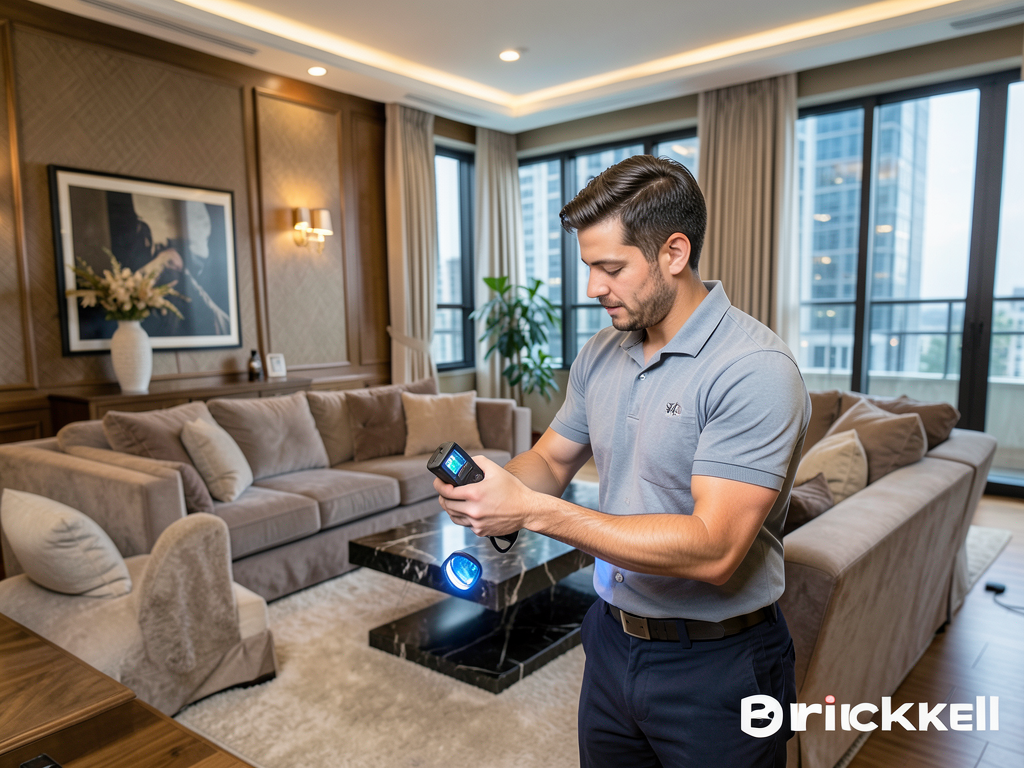
Water Damage Restoration Services in The Miami Area

Fortress proudly serves the entire Miami area and nearby neighborhoods with prompt, expert water damage restoration services. Whether you're located downtown, in the suburbs, or along the coast, our team is just a call away. Use the map below to view our service area and get directions to our office. We’re local, responsive, and ready to help 24/7—because when disaster strikes, having a trusted team nearby makes all the difference.

Address:
Fortress Water Damage Restoration Miami, 3250 NE 1st Ave, Miami, FL, 33137

Additional Services We Offer

Our news updates

Latest Articles & News from The Blogs

Should You Use Your Insurers Preferred Vendor for Brickell Condo Water Damage? When water floods your Brickell condo, your insurance…

Should You Use Your Insurers Preferred Vendor for Brickell Condo Water Damage?

Should You Use Your Insurers Preferred Vendor for Brickell Condo Water Damage? When water floods your Brickell condo, your insurance…

How to Hire a Restorer Who Understands Aventura Penthouse Plumbing Systems

How to Hire a Restorer Who Understands Aventura Penthouse Plumbing Systems Water damage in an Aventura penthouse is not just…

The Difference Between Surface Cleaning and Deep Extraction for Kendall Area Carpets

The Difference Between Surface Cleaning and Deep Extraction for Kendall Area Carpets When water invades your Kendall home, the first…

Contact Us

Stop guessing about water damage restoration costs. Call (786) 789-8282 now for a free on-site assessment and itemized estimate. We break down every line item so you know exactly what you pay before work begins on your Miami property.