menu

Visible Mold Growth on Walls in Miami – Expert Diagnosis and Complete Remediation

Fortress Water Damage Restoration Miami identifies the moisture source behind visible mold growth on walls, removes contaminated materials safely, and prevents recurrence with structural drying protocols designed for South Florida's relentless humidity.

Slider Image 1
Slider Image 2
Slider Image 3
Slider Image 4
Slider Image 5
Slider Image 7
Slider Image 8
Slider Image 9
Slider Image 10
Slider Image 11

Why Miami Walls Become Breeding Grounds for Mold

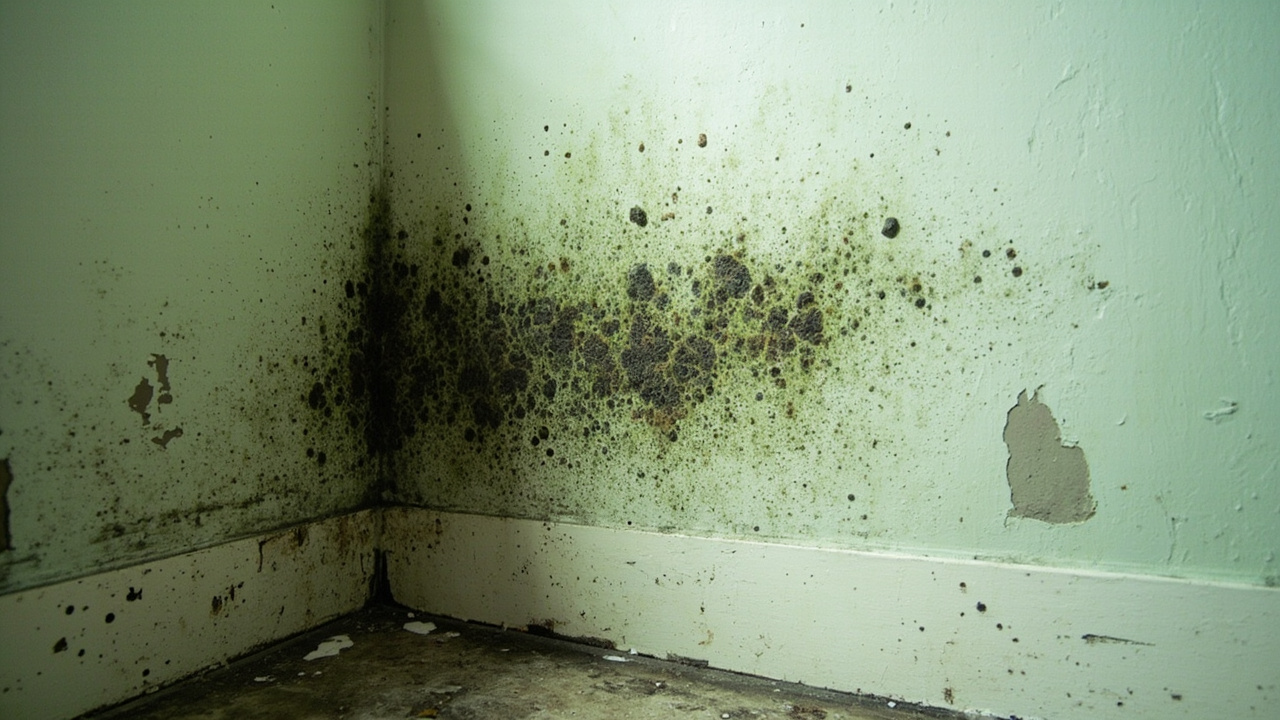
You notice black mold spots on drywall near the bathroom. A week later, fungal growth on wall surfaces spreads to the hallway. Miami's year-round humidity creates the perfect conditions for visible mildew on painted walls, especially when hidden moisture infiltrates your home's envelope.

South Florida's subtropical climate means your walls face constant moisture pressure. Morning condensation, afternoon thunderstorms, and indoor air conditioning cycles create temperature differentials that trap moisture inside wall cavities. When exterior stucco cracks or window flashing fails, water seeps behind the surface. You see mold patches on sheetrock first, but the real problem lives in the cavity behind it.

Wall mold infestation starts with a moisture source. A slow roof leak. Failed window caulking. Plumbing lines running through exterior walls. High indoor humidity during summer months when AC systems run constantly. Once spores find moisture and organic material like drywall paper, colonization begins within 48 hours.

Homes in Coconut Grove, Coral Gables, and older Miami Beach neighborhoods face additional risk due to original building materials that lack modern moisture barriers. Porous concrete block walls absorb water during heavy rain events. Interior drywall pulls that moisture through capillary action. You see the result as visible mold growth, but the contamination often extends far beyond what your eyes can detect.

Ignoring wall mold leads to structural decay, indoor air quality problems, and potential health effects for occupants with respiratory sensitivities. The solution requires more than surface cleaning. You need source identification, containment, removal, and environmental controls that account for Miami's climate realities.

Why Miami Walls Become Breeding Grounds for Mold
How We Eliminate Mold and Fix the Moisture Problem

How We Eliminate Mold and Fix the Moisture Problem

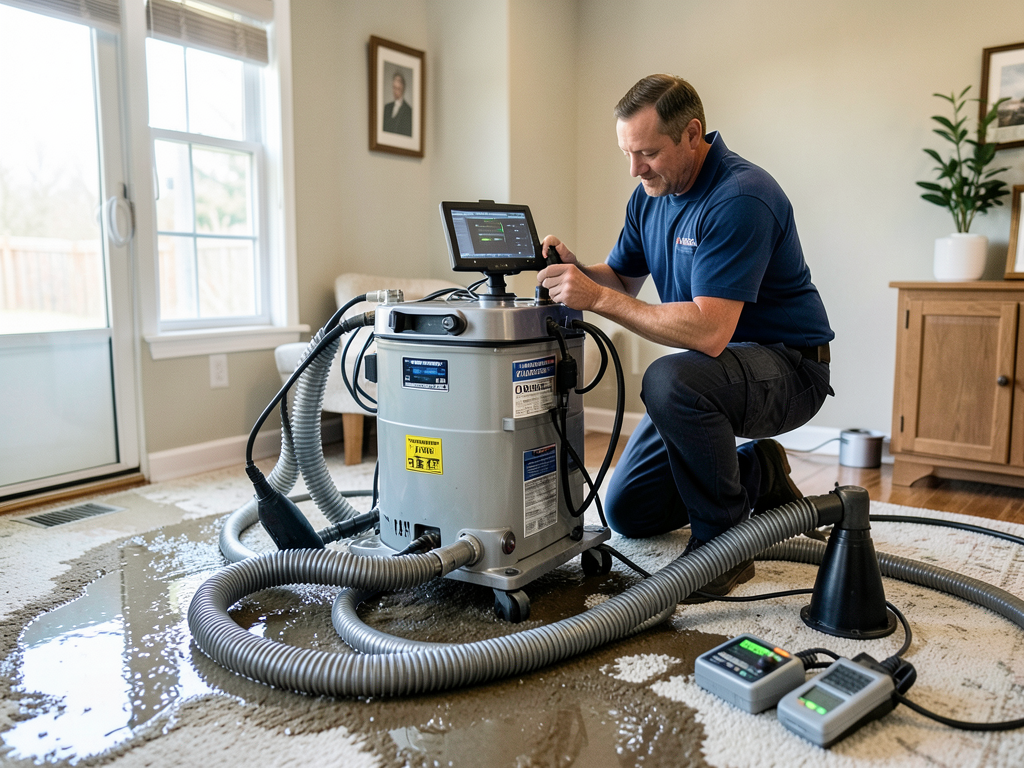
Surface treatments fail because they ignore the moisture source. Our remediation protocol starts with thermal imaging and moisture mapping to identify hidden saturation behind visible mold growth. We measure relative humidity at the wall surface and inside cavities using penetrating moisture meters. This diagnostic phase reveals whether the problem stems from exterior intrusion, plumbing failure, or condensation issues.

Containment comes next. We establish negative air pressure zones using HEPA-filtered air scrubbers to prevent cross-contamination during demolition. Polyethylene barriers isolate the work area from occupied spaces. This prevents spore migration to clean areas of your home.

Removal follows IICRC S520 standards for mold remediation. We remove contaminated drywall, insulation, and baseboards to expose the framing and exterior sheathing. All porous materials that show visible growth or moisture damage get bagged and disposed of properly. Non-porous surfaces like studs and concrete block receive HEPA vacuuming and antimicrobial treatment.

Structural drying addresses the root cause. If exterior water intrusion caused the problem, we coordinate repairs to stucco, flashing, or roofing before reconstruction begins. If interior humidity drove the growth, we evaluate your HVAC system's dehumidification capacity. Miami homes often need supplemental dehumidification to maintain indoor relative humidity below 60 percent.

Air quality verification uses post-remediation testing to confirm spore counts return to normal background levels. We compare indoor samples against outdoor baselines. Only after clearance testing do we proceed with reconstruction using mold-resistant drywall and low-VOC antimicrobial primers designed for high-humidity climates.

The difference between temporary fixes and permanent solutions lies in addressing both the contamination and its cause.

What Happens During Wall Mold Remediation

Visible Mold Growth on Walls in Miami – Expert Diagnosis and Complete Remediation
01

Moisture Source Investigation

We inspect your property with infrared cameras and moisture detection equipment to locate hidden water intrusion points. This diagnostic phase maps moisture levels inside wall cavities, identifies failed building envelope components, and documents the contamination extent. You receive a written scope that explains the moisture source and remediation requirements before any demolition begins.
02

Containment and Safe Removal

Our technicians establish containment barriers and negative air pressure to isolate the affected area. We remove all contaminated materials including drywall, insulation, and baseboards while capturing airborne spores with HEPA filtration. Exposed framing receives antimicrobial treatment. This phase eliminates the visible mold growth and hidden contamination within wall assemblies while protecting your home's unaffected areas.
03

Drying and Reconstruction Prep

We dry the structure using commercial dehumidifiers and air movers until moisture readings reach acceptable levels for Miami's climate. Post-remediation air sampling verifies spore counts return to normal. Once clearance testing passes, we coordinate necessary repairs to the building envelope and prepare surfaces for reconstruction with mold-resistant materials. You receive documentation showing the remediation met industry standards.

Why Miami Property Owners Choose Local Mold Remediation Experts

Generic mold removal companies miss the nuances of South Florida construction. Miami homes built before 1994 often lack proper vapor barriers. Concrete block construction common throughout Miami-Dade County absorbs water differently than wood-frame homes in northern climates. Exterior stucco systems need specific flashing details to prevent water intrusion during tropical storms and daily afternoon downpours.

Fortress Water Damage Restoration Miami understands these local building characteristics. We have worked in historic Coral Gables homes with original 1920s plaster walls. We have remediated modern Brickell condos where HVAC condensate lines failed inside drywall soffits. We know how Miami Beach's saltwater exposure accelerates corrosion of window frames and creates moisture pathways.

Our technicians recognize the difference between surface mildew and systemic contamination. We know when to remove drywall and when advanced drying can save materials. We understand Miami's building codes for moisture control and ventilation requirements. This local expertise prevents over-remediation that wastes your money and under-remediation that allows problems to return.

Insurance claims for mold damage require proper documentation. We photograph moisture readings, document the scope with detailed notes, and provide estimates that align with Xactimate pricing used by adjusters. Our reports include thermal images, moisture maps, and lab results that support your claim. We communicate directly with your insurance company to streamline the process.

You need a remediation partner who understands that Miami's climate makes moisture control an ongoing challenge. We provide recommendations for dehumidification, ventilation improvements, and maintenance practices that prevent future mold growth. Our approach addresses the immediate contamination and the environmental factors that allowed it to develop.

What to Expect During Professional Mold Remediation

Response Time and Availability

We dispatch a technician within hours of your call to assess the situation. Our initial inspection identifies the moisture source, documents visible growth, and measures environmental conditions. You receive a detailed scope and estimate within 24 hours. For active water intrusion situations, we begin emergency water extraction and drying immediately to prevent contamination from spreading. Containment and demolition typically begin within 48 hours once you approve the scope. Most residential wall mold projects reach the reconstruction phase within five to seven days depending on drying requirements.

Inspection and Testing Protocol

Our assessment combines visual inspection with moisture detection technology and optional air quality sampling. Thermal imaging reveals hidden moisture patterns behind walls. Penetrating moisture meters measure water content in building materials. If you need documentation for insurance or health concerns, we coordinate third-party air sampling to establish baseline contamination levels. Post-remediation clearance testing verifies the work meets industry standards. You receive a complete report with photos, moisture readings, and lab results that document the entire remediation process from initial assessment through final verification.

Quality and Thoroughness Standards

We follow IICRC S520 mold remediation standards that define proper containment, removal, and cleaning procedures. All contaminated materials get removed to expose structural framing. We extend demolition at least 12 inches beyond visible growth to ensure complete removal. HEPA vacuuming and antimicrobial treatment address non-porous surfaces. Air scrubbers run continuously during demolition to capture airborne spores. Our work stops at structural drying and surface preparation. We coordinate with your contractor for reconstruction or provide those services directly if you prefer a single point of contact.

Prevention and Long-Term Protection

Remediation solves the immediate problem. Prevention stops it from returning. We provide specific recommendations based on what caused your mold growth. If exterior water intrusion was the source, we detail necessary repairs to stucco, windows, or roofing. If high indoor humidity drove the problem, we evaluate your HVAC system's dehumidification capacity and suggest improvements. We recommend mold-resistant building materials for reconstruction including paperless drywall and antimicrobial primers. You receive a written maintenance plan that explains how to monitor indoor humidity, maintain proper ventilation, and identify early warning signs of moisture problems.

Frequently Asked Questions

You Have Questions,
We Have Answers

What to do if I see mold on my wall? +

Stop touching it and isolate the area. Mold spores spread easily when disturbed. Turn off any HVAC vents in the room to prevent airborne spores from circulating. Do not try to clean it yourself if the patch is larger than 10 square feet. Miami's high humidity creates ideal conditions for fast mold growth, so document the area with photos and call a professional immediately. If you smell musty odors or see discoloration, you likely have hidden growth behind the wall. Water intrusion from roof leaks or plumbing failures often triggers mold within 24 to 48 hours.

Can mold make a baby cough? +

Yes. Mold spores irritate a baby's developing respiratory system and can trigger persistent coughing, wheezing, or difficulty breathing. Infants are more vulnerable because their immune systems are immature. If your baby has a cough that lingers despite treatment, check for visible mold on walls, ceilings, or around windows. Miami's humidity accelerates mold growth, especially in poorly ventilated nurseries or homes with air conditioning condensation issues. Remove the baby from the affected room and consult a pediatrician immediately. Professional mold remediation is necessary to eliminate the source and protect your child's health long-term.

Can mold cause twitching? +

Mold exposure can cause neurological symptoms, including muscle twitching, tremors, or spasms. Mycotoxins produced by certain mold species affect the nervous system and disrupt normal muscle function. If you notice unexplained twitching along with other symptoms like headaches, brain fog, or fatigue, mold toxicity may be the cause. Miami residents living in older homes or properties with past water damage face higher risk. You need a medical evaluation to rule out other conditions and a professional mold inspection to identify hidden growth. Removing the mold source is the only way to stop ongoing exposure.

Can mold cause ear pain? +

Yes. Mold spores can inflame the Eustachian tubes connecting your ears to your throat, causing pressure, pain, or recurring infections. You might also experience ringing, muffled hearing, or fluid buildup. If ear pain persists despite antibiotics, mold exposure is a possible trigger. Miami's humid climate promotes mold in bathrooms, bedrooms, and air ducts, where spores easily reach your respiratory and ear canals. Check for musty smells or visible growth near where you sleep or spend time. A professional mold assessment can pinpoint the source and eliminate it before symptoms worsen or become chronic.

What kills mold permanently on walls? +

Nothing kills mold permanently if moisture remains. Surface cleaners like bleach only address visible growth and do not penetrate porous materials like drywall or wood. Professional remediation involves removing contaminated materials, treating affected areas with antimicrobial solutions, and fixing the moisture source. Miami's year-round humidity means dehumidification and proper ventilation are critical to prevent regrowth. HEPA filtration during removal captures airborne spores. If you only clean the surface, mold returns within weeks. You need a moisture barrier, improved airflow, and source elimination. DIY methods fail because they do not address hidden growth or humidity control.

How much does professional mold removal cost? +

Professional mold removal costs vary based on the extent of contamination, affected materials, and access difficulty. Small areas may cost less than larger infestations requiring wall removal or HVAC cleaning. Miami properties with hidden mold behind walls or in crawl spaces require more invasive work. Costs increase if asbestos or structural damage is present. Most companies offer free inspections to assess the scope before quoting a price. Insurance may cover remediation if mold resulted from a covered peril like a burst pipe. Always get a detailed written estimate and ask about post-remediation testing to verify complete removal.

What are the 10 warning signs of mold toxicity? +

The 10 warning signs of mold toxicity include persistent fatigue, brain fog, headaches, respiratory issues, sinus congestion, skin rashes, joint pain, digestive problems, sensitivity to light, and mood changes like anxiety or depression. You may experience several symptoms simultaneously or notice they worsen in specific rooms. Miami's humidity creates constant mold exposure in poorly maintained homes. If symptoms improve when you leave the house and return when you come back, mold is likely the cause. Medical testing and professional mold inspection are necessary. Removing the mold source is the only way to stop toxicity and allow your body to recover.

How do I tell if mold is in my lungs? +

You cannot self-diagnose mold in your lungs, but symptoms include persistent cough, shortness of breath, chest tightness, wheezing, and coughing up dark or bloody mucus. If you have a compromised immune system or chronic lung condition, mold can colonize lung tissue and cause serious infection. Miami residents exposed to long-term mold growth should see a pulmonologist for imaging and lab work. A chest X-ray or CT scan may reveal fungal growth. Blood tests can detect mold antibodies. If mold is confirmed in your home, professional remediation is urgent to prevent further exposure and worsening respiratory damage.

Is it okay to stay in a house with black mold? +

No. Black mold produces mycotoxins that cause serious health problems, especially with prolonged exposure. Symptoms include respiratory distress, neurological issues, immune suppression, and chronic fatigue. Children, elderly individuals, and people with asthma or allergies face higher risk. Miami's humidity allows black mold to spread rapidly behind walls, under flooring, and in HVAC systems where you cannot see it. Staying in the home exposes you to airborne spores daily. Temporary relocation during professional remediation protects your health. Do not wait for symptoms to worsen. Black mold does not go away on its own and requires expert removal.

Does mold cause weight gain? +

Mold exposure can disrupt hormones and metabolism, potentially contributing to unexplained weight gain. Mycotoxins affect the thyroid, adrenal glands, and insulin regulation, leading to fatigue, increased appetite, and difficulty losing weight despite diet or exercise. Chronic inflammation from mold also triggers cortisol spikes, which promote fat storage. If you have unexplained weight gain along with fatigue, brain fog, or respiratory symptoms, mold toxicity may be a factor. Miami's humid climate creates constant mold exposure in poorly ventilated homes. Medical evaluation and professional mold remediation are necessary to address the root cause and restore normal metabolic function.

How Miami's Humidity and Storm Exposure Create Perfect Conditions for Wall Mold

Miami's average relative humidity exceeds 75 percent year-round, with indoor levels often climbing above 60 percent during summer months when air conditioning systems struggle to remove moisture. This constant humidity means any water intrusion from failed window seals, cracked stucco, or roof leaks creates immediate mold risk. Properties in coastal areas from South Beach to Key Biscayne face additional exposure from salt air that corrodes metal components and degrades sealants faster than inland locations. Afternoon thunderstorms deliver intense rainfall that tests every building envelope weakness. When exterior moisture penetrates walls and meets indoor humidity, mold colonization begins within 48 hours. The visible mildew on painted walls you notice often indicates hidden contamination spreading through wall cavities where drywall paper provides food for fungal growth.

South Florida's building codes now require enhanced moisture control measures, but older Miami homes lack these protections. Properties built before modern vapor barrier requirements face higher risk of moisture accumulation inside wall assemblies. Fortress Water Damage Restoration Miami has remediated mold in everything from 1930s Mediterranean Revival homes in Coral Gables to modern high-rise condos in Brickell. We understand how different construction types respond to Miami's climate. Our technicians recognize when concrete block walls need different treatment than wood-frame construction. We know which neighborhoods face higher water table issues and how that affects below-grade moisture problems. This local expertise ensures we address both the visible contamination and the underlying moisture dynamics that allowed mold to establish.
Water Damage Restoration Services in The Miami Area

Fortress proudly serves the entire Miami area and nearby neighborhoods with prompt, expert water damage restoration services. Whether you're located downtown, in the suburbs, or along the coast, our team is just a call away. Use the map below to view our service area and get directions to our office. We’re local, responsive, and ready to help 24/7—because when disaster strikes, having a trusted team nearby makes all the difference.

Address:
Fortress Water Damage Restoration Miami, 3250 NE 1st Ave, Miami, FL, 33137

Additional Services We Offer

Our news updates

Latest Articles & News from The Blogs

How to Tell the Difference Between Dry Rot and Active Water Damage in Little Havana\nWalking through your Little Havana home…

How to Tell the Difference Between Dry Rot and Active Water Damage in Little Havana

How to Tell the Difference Between Dry Rot and Active Water Damage in Little Havana\nWalking through your Little Havana home…

Are Your New Solar Panels Causing Roof Leaks in Your Kendall Home?

Are Your New Solar Panels Causing Roof Leaks in Your Kendall Home? If you’ve noticed water stains on your ceiling…

How Saltwater Intrusion Corrodes Key Biscayne Home Foundations Over Time

How Saltwater Intrusion Corrodes Key Biscayne Home Foundations Over Time Living on Key Biscayne means enjoying waterfront views and ocean…

Contact Us

Visible mold growth indicates active moisture problems that worsen with time. Call Fortress Water Damage Restoration Miami at (786) 789-8282 for same-day assessment. We identify the source, contain the contamination, and restore your property using protocols designed for South Florida's challenging climate.