menu

Water Stains on Drywall in Miami – Expert Diagnosis and Permanent Repairs That Stop Hidden Mold Growth

When water stains on drywall appear in your Miami home, you're seeing only part of the problem. Our water damage specialists locate the hidden moisture source, eliminate mold risk, and restore structural integrity before minor discoloration becomes a major health hazard.

Slider Image 1
Slider Image 2
Slider Image 3
Slider Image 4
Slider Image 5
Slider Image 7
Slider Image 8
Slider Image 9
Slider Image 10
Slider Image 11

Why Water Stains on Drywall Signal Bigger Problems in Miami Homes

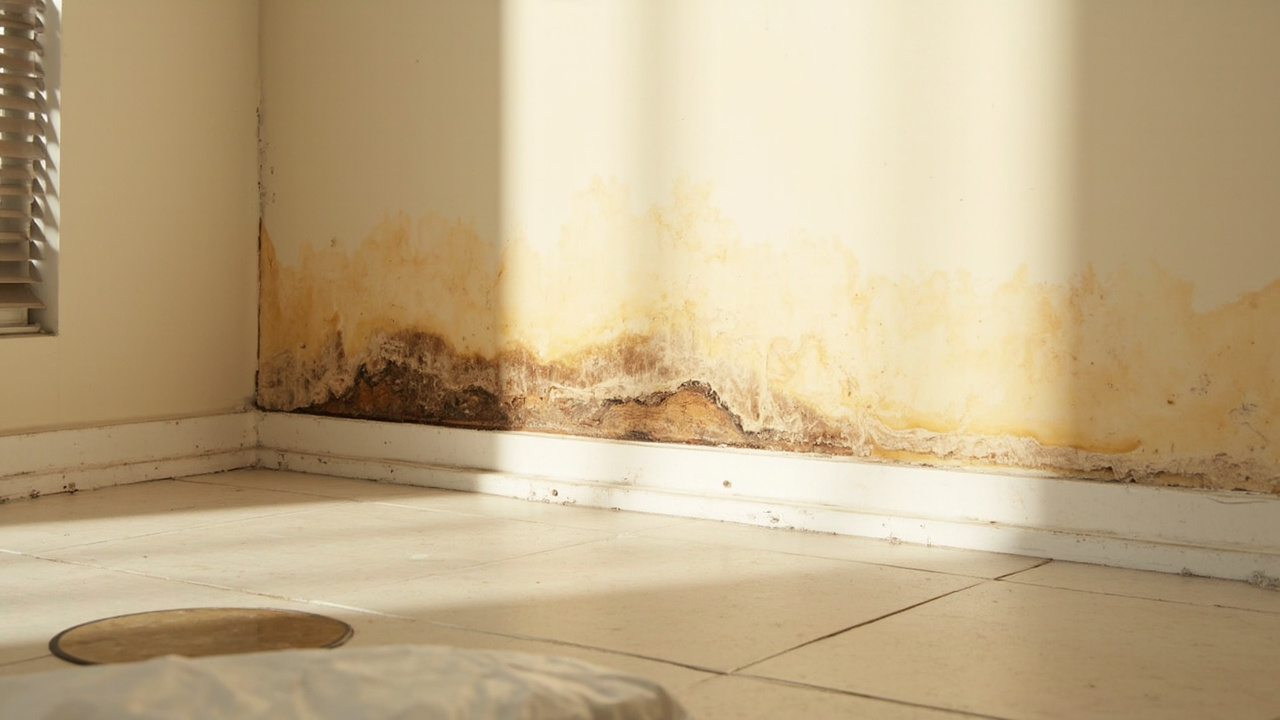
You walk into your bedroom and notice brown water spots on walls near the ceiling. Maybe it's yellow stains on drywall in the hallway or wet patches on plasterboard in your bathroom. Your first thought is probably to paint over it and move on.

That's a mistake.

Miami's subtropical climate creates a perfect storm for water damage. We average 62 inches of rain annually, with most falling during intense afternoon thunderstorms from May through October. When moisture discoloration on sheetrock appears, it means water has already penetrated the drywall paper face and gypsum core. The humidity stays trapped inside your walls, where temperatures hover between 75 and 85 degrees year-round. This creates an ideal environment for mold colonization within 24 to 48 hours.

Water marks on ceiling panels often trace back to roof leaks, failed flashing around chimneys, or compromised pipe boots on vent stacks. In older Miami neighborhoods like Coral Gables or Coconut Grove, homes built with flat or low-slope roofs are especially vulnerable during hurricane season. Even a small breach allows water to migrate laterally through attic spaces before showing up as visible staining 10 or 15 feet away from the actual leak source.

Wall stains near windows frequently originate from failed caulking or improperly installed impact-resistant window systems required by Florida Building Code after Hurricane Andrew. The water tracks down inside the wall cavity, saturating insulation and framing lumber before emerging as moisture discoloration on sheetrock below the window line.

You cannot fix what you cannot see. The stain is the symptom. The hidden moisture damage is the disease.

Why Water Stains on Drywall Signal Bigger Problems in Miami Homes
How We Locate Hidden Moisture and Eliminate the Source

How We Locate Hidden Moisture and Eliminate the Source

Most homeowners focus on the visible stain. We focus on the pathway that brought water to that location in the first place.

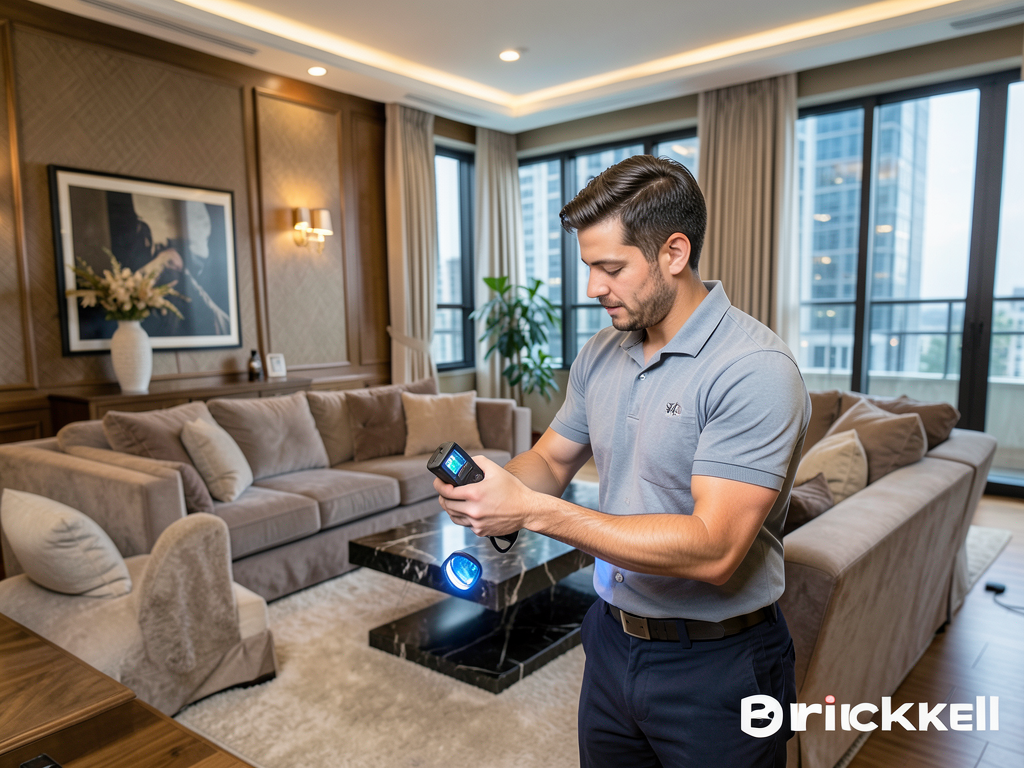
Our technicians use thermal imaging cameras to map temperature differentials across wall and ceiling surfaces. Wet building materials exhibit lower surface temperatures than dry materials due to evaporative cooling. This allows us to trace moisture migration patterns back to the entry point, whether it's a roof penetration, plumbing leak, or failed vapor barrier.

We follow thermal imaging with invasive moisture meters that measure water content percentage in wood framing and gypsum board. ANSI/IICRC S500 standards classify materials as wet when moisture content exceeds 16 percent for wood and 1 percent for gypsum. We document these readings to establish drying benchmarks and verify successful remediation.

Once we identify the source, we address it immediately. Roof leaks require coordination with licensed roofing contractors to replace damaged underlayment and flashing. Plumbing leaks demand immediate shut-off and repair by licensed plumbers. HVAC condensate line clogs require drain pan replacement and line flushing. We do not apply drywall patches or primers until the moisture source is permanently eliminated.

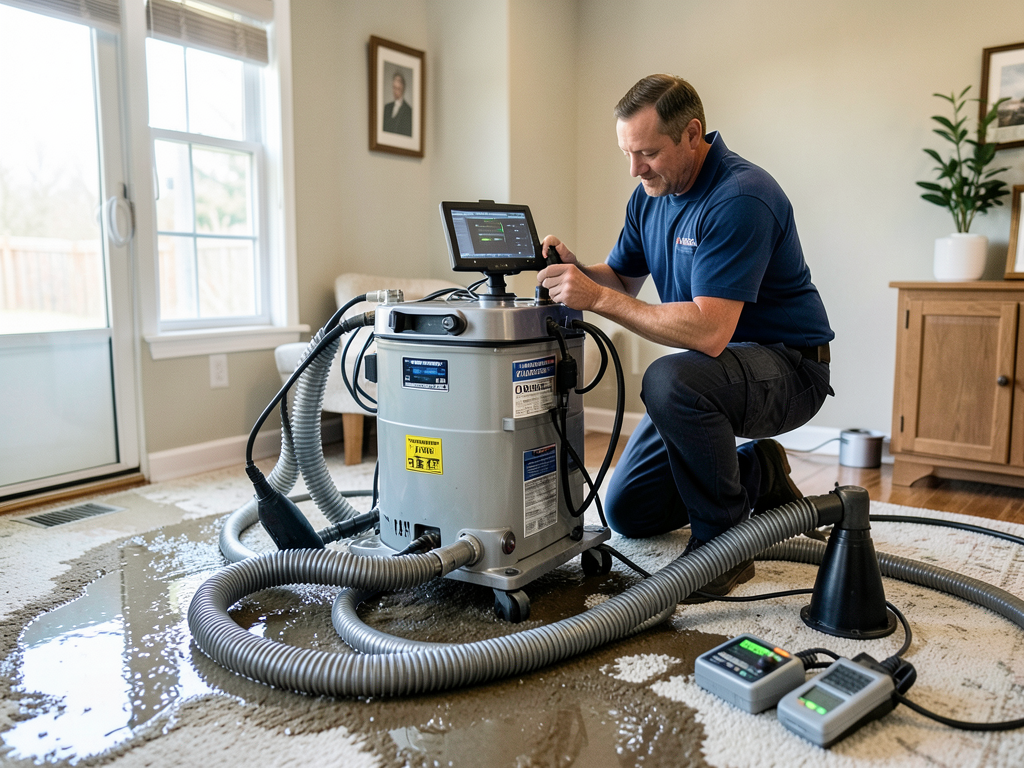
After source control, we remove affected drywall sections using containment barriers and negative air pressure to prevent cross-contamination. Miami's persistent humidity makes passive drying ineffective. We deploy commercial dehumidifiers and air movers to achieve vapor pressure differentials that pull moisture out of structural cavities. We monitor daily until moisture readings return to normal ranges, typically requiring three to seven days depending on saturation levels.

Only then do we rebuild. New drywall gets mold-resistant paperless board in high-moisture areas like bathrooms. We apply stain-blocking primers before finish coats to prevent tannin bleed-through.

What Happens When You Call Us About Wall Stains

Water Stains on Drywall in Miami – Expert Diagnosis and Permanent Repairs That Stop Hidden Mold Growth
01

Source Identification

We arrive with thermal cameras and moisture detection equipment to map the full extent of water intrusion. You show us the visible stain. We show you where the water entered, how far it traveled, and what structural components are affected. This diagnostic phase typically takes 45 to 90 minutes and includes detailed photo documentation for insurance claims.
02

Controlled Drying

After stopping the water source, we remove saturated materials and establish drying chambers using plastic sheeting, commercial dehumidifiers, and high-velocity air movers. We monitor moisture levels twice daily until structural drying is complete. In Miami's humid climate, this process cannot be rushed. Trapped moisture leads to mold growth, wood rot, and failed repairs within months.
03

Reconstruction and Prevention

Once moisture readings normalize, we rebuild using mold-resistant materials and proper moisture barriers. We apply stain-blocking primers to prevent discoloration from reappearing. Before we leave, we explain what caused the problem and what you can monitor to prevent recurrence. You receive a detailed moisture map and final readings for your records.

Why Miami Homeowners Choose Fortress Water Damage Restoration

Water damage restoration is not a DIY project. It requires understanding building science, moisture dynamics, and microbial growth conditions. It requires knowing which wall cavities contain electrical wiring and which contain plumbing supply lines. It requires recognizing when structural framing has been compromised and when surface cosmetics will suffice.

We have restored water-damaged homes across Miami-Dade County, from pre-1950s Mediterranean Revival homes in Coral Gables to modern high-rises in Brickell. We understand how poured concrete block construction in coastal areas traps moisture differently than wood-frame construction in inland neighborhoods. We know which insurance carriers operate in Florida and what documentation they require for claims approval.

Our technicians hold IICRC certifications in Water Damage Restoration and Applied Structural Drying. These are not weekend seminars. They are comprehensive training programs covering psychrometrics, structural drying calculations, and contamination control. We follow ANSI/IICRC S500 standards for water damage restoration, which means our methodology is consistent with national best practices accepted by insurance carriers and building officials.

We also understand Miami's unique regulatory environment. Florida Statute 489 governs contractor licensing. We maintain proper licensing and insurance, including general liability and workers compensation coverage. When we remove drywall, we follow OSHA respiratory protection standards and EPA lead-safe practices for homes built before 1978.

You will find cheaper options. You will find faster options that skip diagnostic steps and moisture monitoring. You will not find more thorough options. We document everything because insurance claims require evidence. We dry everything because mold grows in hidden cavities. We explain everything because you deserve to understand what happened and how to prevent it.

What You Can Expect During Water Stain Remediation

Response Time and Availability

We dispatch teams within two hours of your call during business hours and within four hours after-hours. Water damage assessment does not wait for convenient scheduling. Every hour of delay increases mold colonization risk and expands the affected area as water migrates through porous building materials. Our initial inspection identifies immediate threats like compromised electrical systems or structural instability. We provide a written scope of work before beginning remediation, detailing what we found, what we recommend, and what timeline to expect. Emergency stabilization like water extraction and containment setup happens immediately if conditions warrant.

Diagnostic Assessment Process

Our assessment combines visual inspection, thermal imaging, and invasive moisture testing. We document baseline moisture readings in affected areas and adjacent unaffected areas for comparison. We photograph all damage for insurance documentation. We identify the water category based on contamination level: clean water from supply lines, gray water from appliance discharge, or black water from sewage backups. Category determines required safety protocols and disposal methods. We map the full extent of moisture migration, not just visible staining. Wall cavities often contain twice the moisture load visible at the surface.

Final Results and Quality

Successful restoration means you cannot tell work was performed. We match existing wall textures, blend paint transitions, and restore trim details to original condition. More importantly, we verify complete drying through post-remediation moisture testing. You receive documentation showing initial moisture readings, daily monitoring logs, and final readings confirming dry conditions. This documentation satisfies insurance requirements and provides proof of proper remediation if you sell your home. We use mold-resistant materials in rebuilt sections to provide added protection in Miami's humid climate.

Post-Restoration Monitoring

We provide guidance on monitoring repaired areas for recurrence. You learn what to watch for and when to call us back. If the original moisture source was environmental rather than a discrete leak, we discuss prevention strategies like improved ventilation, dehumidification, or gutter maintenance. Some insurance policies include coverage for follow-up inspections after initial restoration. We coordinate with your carrier to maximize available benefits. If new staining appears within 30 days of completion, we return to investigate at no additional diagnostic charge.

Frequently Asked Questions

You Have Questions,
We Have Answers

How do you get water stains out of drywall? +

You cannot simply remove water stains from drywall without addressing the source. First, identify and fix the leak. Let the wall dry completely, which in Miami's humidity can take 3-5 days. If the drywall remains firm and shows no mold, prime the stain with a shellac-based stain blocker like BIN, then repaint. If the drywall feels soft or crumbly, you need replacement. Water weakens the gypsum core. Painting over active moisture or damaged drywall traps problems and guarantees failure. Always confirm the wall is dry using a moisture meter before sealing.

Do water stains on walls mean mold? +

Not always, but water stains create conditions where mold thrives. Miami's year-round humidity and heat accelerate mold growth within 24-48 hours of water exposure. If the stain is fresh and the area dried quickly, mold may not develop. However, if the stain is old, spreading, or the drywall feels damp or smells musty, assume mold is present behind the surface. Mold grows inside wall cavities where you cannot see it. You need a professional inspection with moisture mapping and sometimes infrared imaging to assess hidden contamination before repairs.

Can I paint over water stained drywall? +

No, not directly. Painting over a water stain without proper prep guarantees the stain will bleed through within weeks. Water deposits tannins and minerals that react with standard latex paint. You must first ensure the wall is completely dry, then apply a stain-blocking primer like shellac-based BIN or oil-based Kilz. These primers seal the stain and prevent bleed-through. If the drywall is soft, sagging, or shows mold, painting is pointless. The damaged section requires removal and replacement. Skipping these steps wastes time and money.

Why do I have water marks on my walls but no leak? +

You likely have condensation or hidden plumbing issues. In Miami, condensation forms when cold air from AC ducts meets warm, humid air inside wall cavities or around poorly insulated pipes. You will see staining near vents or along exterior walls. Another cause is slow leaks from plumbing lines hidden in walls or above ceilings. These leaks migrate through framing before appearing as stains far from the actual source. High humidity alone can also cause discoloration on exterior walls with poor vapor barriers. You need moisture testing to pinpoint the real cause.

How Miami's Rainy Season Creates Year-Round Water Stain Problems

Miami receives 40 of its 62 annual rainfall inches between May and October. These are not gentle drizzles. Afternoon thunderstorms dump two to three inches in under an hour, overwhelming gutters and testing roof drainage systems. When downspouts clog with leaves and debris, water backs up under roof edges and penetrates fascia boards. When roof valleys accumulate granule debris from aging shingles, water pools instead of shedding. The result is brown water spots on walls and yellow stains on drywall that appear weeks after the actual leak event. By the time you notice moisture discoloration on sheetrock, the leak has likely occurred multiple times during successive storms.

South Florida's water damage restoration industry operates under heightened scrutiny due to historical insurance fraud issues. Legitimate contractors like Fortress Water Damage Restoration maintain transparent pricing, detailed documentation, and clear communication with both homeowners and insurance adjusters. We follow Florida-specific building codes including the 2020 Florida Building Code requirements for moisture barriers and vapor retarders in climate zone 1A. When we restore your home, we meet the same standards required for new construction. This protects your investment and ensures compliance with local building department requirements if permits are needed for extensive reconstruction.
Water Damage Restoration Services in The Miami Area

Fortress proudly serves the entire Miami area and nearby neighborhoods with prompt, expert water damage restoration services. Whether you're located downtown, in the suburbs, or along the coast, our team is just a call away. Use the map below to view our service area and get directions to our office. We’re local, responsive, and ready to help 24/7—because when disaster strikes, having a trusted team nearby makes all the difference.

Address:
Fortress Water Damage Restoration Miami, 3250 NE 1st Ave, Miami, FL, 33137

Additional Services We Offer

Our news updates

Latest Articles & News from The Blogs

Should You Use Your Insurers Preferred Vendor for Brickell Condo Water Damage? When water floods your Brickell condo, your insurance…

Should You Use Your Insurers Preferred Vendor for Brickell Condo Water Damage?

Should You Use Your Insurers Preferred Vendor for Brickell Condo Water Damage? When water floods your Brickell condo, your insurance…

How to Hire a Restorer Who Understands Aventura Penthouse Plumbing Systems

How to Hire a Restorer Who Understands Aventura Penthouse Plumbing Systems Water damage in an Aventura penthouse is not just…

The Difference Between Surface Cleaning and Deep Extraction for Kendall Area Carpets

The Difference Between Surface Cleaning and Deep Extraction for Kendall Area Carpets When water invades your Kendall home, the first…

Contact Us

Stop guessing about what's happening behind your walls. Call Fortress Water Damage Restoration Miami at (786) 789-8282 for a comprehensive moisture assessment. We identify the source, document the damage, and provide a clear restoration plan. Available seven days a week for emergency response.