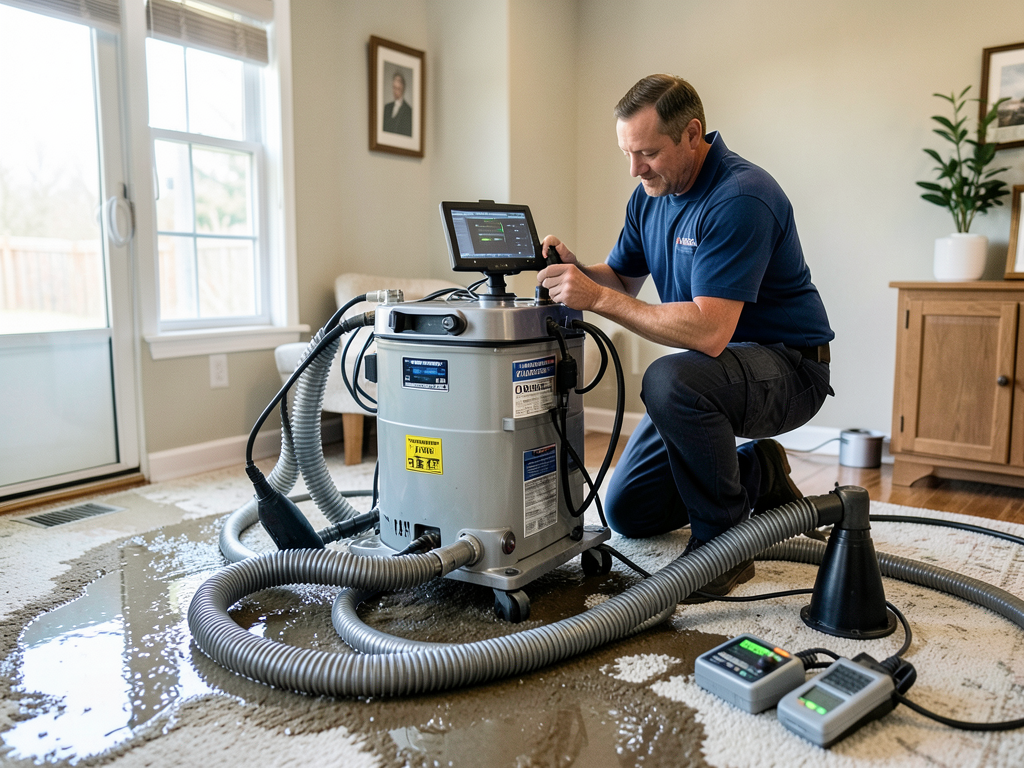


Miami sits in the most active hurricane corridor in the Western Hemisphere, with average return periods of major hurricanes every 15 to 20 years. The combination of storm surge from Biscayne Bay, catastrophic rainfall rates exceeding eight inches per hour, and sustained winds above 110 mph creates compound water damage scenarios that overwhelm unprepared facilities. Commercial properties face simultaneous roof failure, window breach, and foundation flooding during major events. Without pre-loss planning establishing equipment elevation requirements, backup power protocols, and rapid-response vendor relationships, facilities suffer weeks of closure while waiting for restoration resources during regional disasters when every contractor operates at capacity.
Miami-Dade County enforces some of the strictest building codes and disaster response regulations in Florida, requiring commercial properties to meet specific mold remediation timelines and structural drying standards following water intrusion events. Facilities that fail to execute proper disaster restoration planning face compliance violations, insurance coverage disputes, and extended closure periods that compound financial losses. Local facility contingency planning expertise matters because generic templates miss Miami-specific requirements like the county's 72-hour mold remediation mandate and Florida Building Code provisions for high-velocity hurricane zone construction. Businesses working with providers who understand these local regulatory frameworks maintain compliance automatically during disaster response execution.