menu

Large Scale Water Extraction in Miami – Industrial-Grade Solutions That Keep Your Business Running

When flooding hits your facility, downtime costs you revenue. Fortress Water Damage Restoration Miami deploys truck-mounted extractors and submersible pumps to remove thousands of gallons fast, so you can reopen and protect your bottom line.

Slider Image 1
Slider Image 2
Slider Image 3
Slider Image 4
Slider Image 5
Slider Image 7
Slider Image 8
Slider Image 9
Slider Image 10
Slider Image 11

Why Miami Facilities Face Severe Water Intrusion Risks

Miami sits at sea level in a subtropical climate that delivers over 60 inches of rain annually. Hurricane season brings storm surge. Aging infrastructure struggles with capacity. When a commercial property floods, you are not dealing with a bathroom leak. You face standing water across loading docks, production floors, retail spaces, or underground parking garages.

Tardy commercial water removal turns into secondary losses. Inventory spoils. Equipment corrodes. Mold colonizes drywall within 48 hours. Structural damage worsens as water wicks through concrete and saturates steel. Business interruption insurance only covers you if you act immediately to mitigate loss.

Standard residential extractors cannot handle the volume. You need industrial water extraction capacity. A flooded 10,000-square-foot warehouse may hold 75,000 gallons of standing water. Removing that volume demands truck-mounted vacuums, gas-powered trash pumps, and coordinated logistics. Delays cost you lease obligations, payroll, and customer trust.

Miami's coastal location also means saltwater intrusion during storm events. Saltwater accelerates corrosion and requires specialized flushing protocols. You cannot treat it like freshwater flooding. High volume water pumping must be paired with decontamination planning to protect sensitive electronics, HVAC systems, and finishes. The longer water sits, the more you pay in restoration and lost revenue.

Why Miami Facilities Face Severe Water Intrusion Risks
How We Execute Large Scale Water Extraction

How We Execute Large Scale Water Extraction

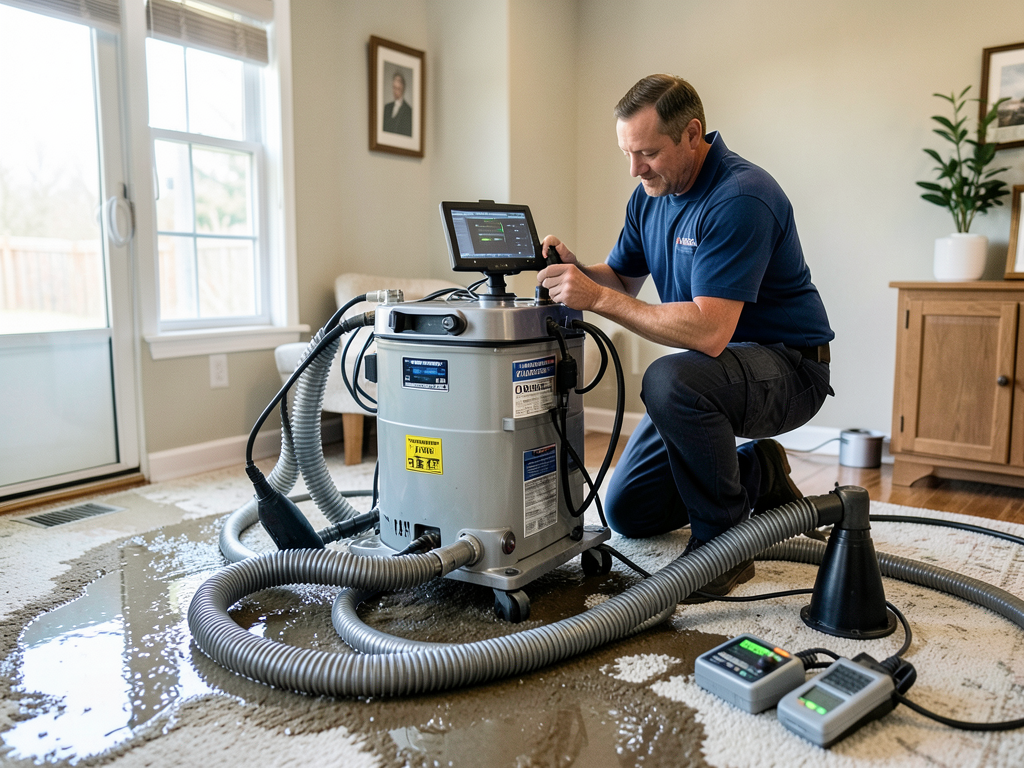
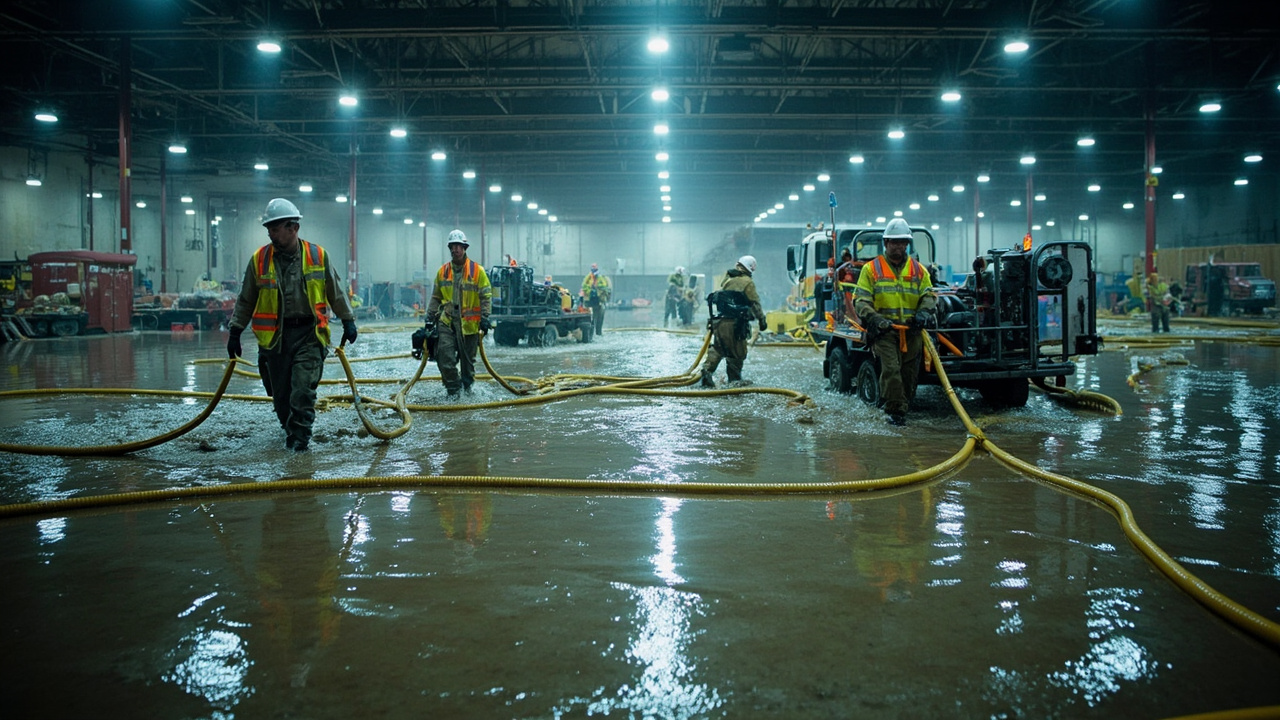
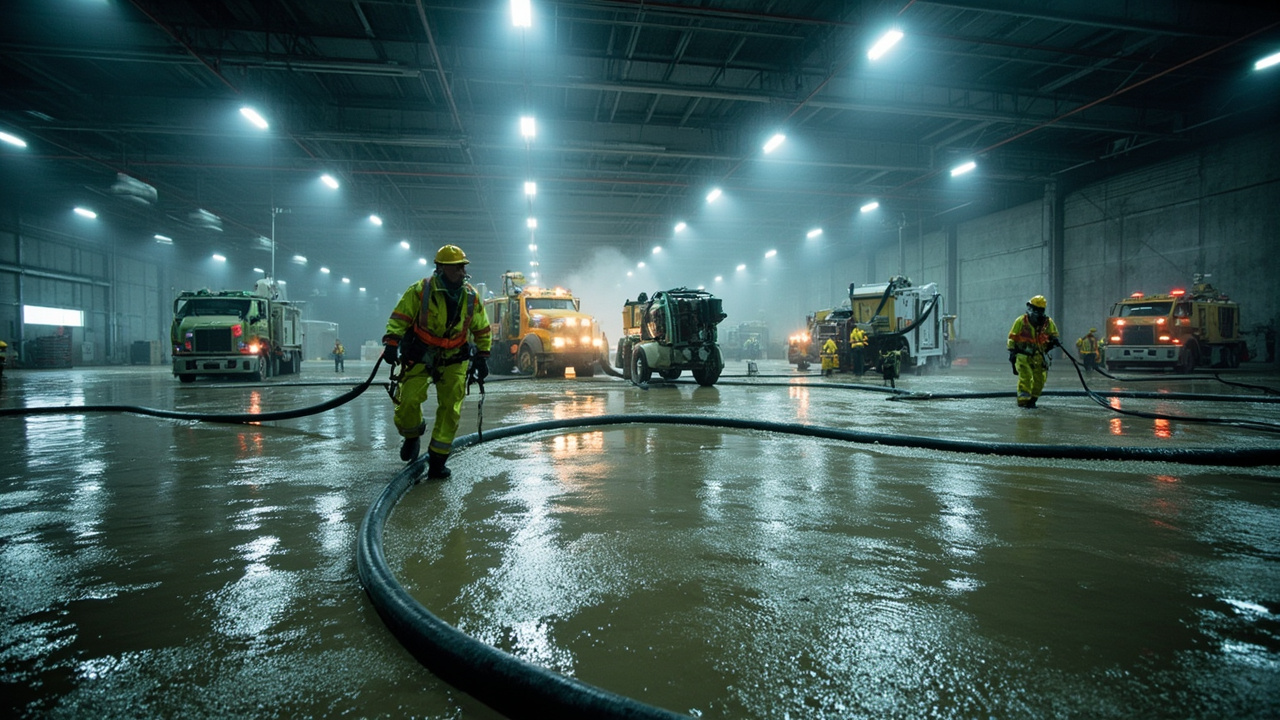
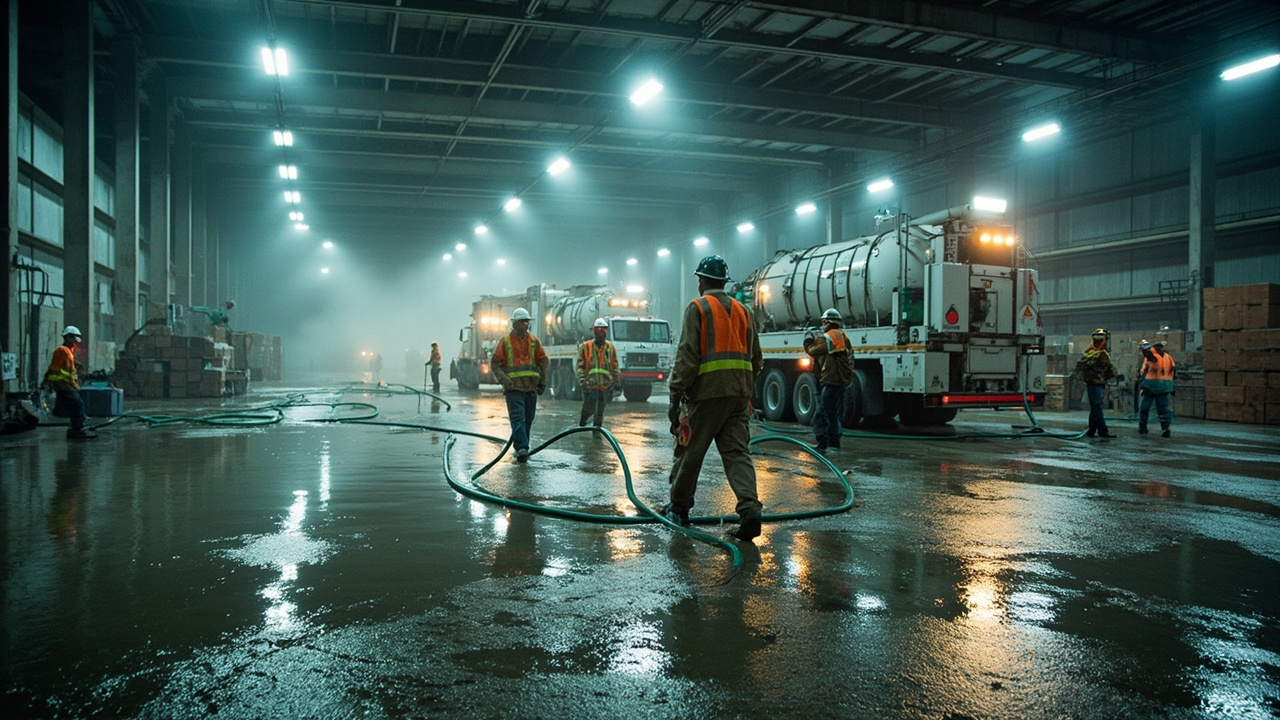
Fortress Water Damage Restoration Miami operates with industrial-grade equipment designed for large loss water mitigation. We deploy truck-mounted extractors capable of removing 500 gallons per minute. For basement flooding or underground parking structures, we use submersible pumps rated for continuous duty cycles. For surface flooding across warehouse floors, we bring gas-powered trash pumps that handle debris-laden water without clogging.

Our process begins with site assessment. We map the extent of water intrusion using moisture meters and infrared cameras. We identify the source, whether it is a ruptured main line, HVAC condensate overflow, sprinkler malfunction, or storm surge. We calculate total volume and select extraction equipment based on depth, square footage, and contamination level.

We then stage equipment to optimize flow paths. Water follows gravity, so we position pumps at the lowest elevation points. We run discharge hoses to storm drains or approved dumping areas, coordinating with local utilities if needed. For multi-story buildings, we coordinate elevator shutdowns and stairwell protection to prevent cascading damage.

Bulk water removal services include real-time monitoring. We track extraction rates and adjust pump placement as water levels drop. We use air movers and dehumidifiers in parallel to begin drying as soon as standing water is cleared. We document every phase with timestamped photos and moisture readings for your insurance adjuster.

Speed matters. Every hour of delay increases drying time, mold risk, and total restoration cost. Our goal is to get your facility dry enough to begin repairs within 72 hours.

What Happens During Emergency Water Removal

Large Scale Water Extraction in Miami – Industrial-Grade Solutions That Keep Your Business Running
01

Immediate Site Containment

We arrive on site within two hours of your call. Our crew establishes safety perimeters, shuts off electrical circuits in affected zones, and stops the water source if possible. We assess structural integrity and document pre-existing conditions. This protects your liability and sets a clear baseline for insurance claims. We then mobilize extraction equipment based on volume and contamination category.
02

High Volume Pumping

We deploy truck-mounted vacuums or submersible pumps depending on access and depth. For shallow flooding, we use weighted wands to pull water from floor surfaces. For deep water, we place pumps at low points and run discharge lines to approved drainage points. We rotate equipment to maintain continuous extraction until standing water is eliminated. Real-time adjustments keep the process efficient and prevent equipment downtime.
03

Drying and Documentation

Once bulk water is removed, we position industrial air movers and dehumidifiers to accelerate evaporation. We take moisture readings at multiple points to track drying progress. We document equipment placement, runtime hours, and environmental conditions for your insurer. Our goal is to bring moisture levels below 15 percent so reconstruction can begin. You receive a full report with photos, moisture logs, and equipment manifests.

Why Miami Businesses Choose Fortress Water Damage Restoration Miami

Miami operates under Florida Building Code and NFPA standards that mandate rapid water removal to prevent mold and structural degradation. We understand these requirements. Our technicians are trained in IICRC water damage restoration protocols and follow EPA guidelines for Category 1, 2, and 3 water classifications.

We also understand Miami's building stock. Many commercial properties in Brickell, Wynwood, and the Design District occupy mid-century structures with terrazzo floors, poured concrete, and flat roofs. These materials absorb water differently than modern construction. We adjust extraction techniques and drying protocols based on substrate composition.

Our equipment inventory is sized for Miami's commercial market. We have extracted water from multi-level parking garages under luxury condos, flooded retail spaces in Aventura Mall, and distribution warehouses in Doral. We have worked with property managers, facility directors, and risk managers who need fast, documented mitigation to satisfy insurance requirements and minimize business interruption.

We also coordinate with local trades. If flooding damages electrical panels, plumbing risers, or HVAC equipment, we bring in licensed contractors who understand Miami-Dade permitting. We streamline the rebuild so you are not juggling multiple vendors.

You face enough disruption when a facility floods. You do not need delays caused by undersized equipment, poor planning, or contractors unfamiliar with local codes. Fortress Water Damage Restoration Miami handles large loss events with the capacity, speed, and coordination your business requires.

What to Expect When You Call Us

Rapid Dispatch and Arrival

We answer emergency calls 24 hours a day. When you report flooding, we dispatch a crew immediately. Most sites in Miami-Dade County receive response within two hours. We arrive with extraction equipment already loaded, so we can begin pumping as soon as the site is assessed. You do not wait days for equipment rental or contractor scheduling. Speed directly reduces your total loss, so we prioritize fast mobilization over administrative delays.

Detailed Site Assessment

Our initial assessment includes moisture mapping, source identification, and contamination classification. We use thermal imaging to detect hidden water in walls, ceilings, and subfloors. We calculate total volume and select extraction methods based on depth, debris load, and structural access. You receive a written scope of work before pumping begins. This protects you from scope creep and gives your insurance adjuster a clear mitigation plan to approve.

Complete Water Removal

We remove all standing water and begin structural drying within the first 24 hours. Our goal is to bring moisture levels below thresholds that support microbial growth. You receive daily updates on drying progress, with moisture readings logged at multiple test points. Once conditions stabilize, we remove equipment and issue a completion report. Your facility is ready for reconstruction, and your insurer has the documentation needed to close the claim.

Post-Extraction Support

We provide final moisture reports and equipment logs for your records. If microbial testing or air quality sampling is required, we coordinate with certified hygienists. We also assist with insurance paperwork, supplying detailed loss documentation that meets adjuster requirements. If reconstruction is needed, we refer you to licensed contractors familiar with Miami building codes. Our goal is to close your water damage claim fast and get your business operational again.

Frequently Asked Questions

You Have Questions,
We Have Answers

How to purify water on a large scale? +

Large-scale water purification for commercial facilities requires industrial filtration systems, reverse osmosis units, and UV sterilization. In Miami, where flooding and saltwater intrusion threaten water quality, businesses need backup systems that handle high volumes quickly. Commercial purification addresses sediment removal, biological contaminants, and chemical filtration. Systems must comply with Florida Department of Environmental Protection standards. For facilities impacted by water damage, extracted water cannot be reused without proper treatment. Focus on containment first, extraction second, and purification only when dealing with potable water systems. Commercial restoration prioritizes removal and structural drying, not water reuse.

How to soak up large amounts of water? +

Industrial-grade equipment handles large-scale water absorption in commercial settings. Truck-mounted extractors remove thousands of gallons per hour from flooded facilities. High-capacity pumps, wet vacuums rated for continuous operation, and weighted extraction wands pull water from carpets, concrete, and subflooring. In Miami's concrete slab construction, standing water penetrates porous surfaces quickly. Commercial air movers and desiccant dehumidifiers complete the process by removing residual moisture. Absorbent materials like commercial-grade socks and pads contain perimeter water during active extraction. Speed matters because Miami's humidity accelerates mold growth within 24 to 48 hours of water intrusion.

How to remove large amounts of water? +

Remove large water volumes using staged extraction protocols. Start with submersible pumps for standing water deeper than two inches. Truck-mounted extractors follow, pulling embedded moisture from flooring and walls. In Miami commercial properties, prioritize high-value areas and equipment rooms first to minimize business interruption. Document water levels for insurance claims before extraction begins. Use moisture meters to verify complete removal from concrete slabs, which retain water longer in Miami's heat. Portable extraction units supplement fixed equipment in tight spaces. Complete removal requires both surface extraction and subsurface drying to prevent structural damage and microbial growth.

What is the machine that extracts water? +

The primary machine for commercial water extraction is the truck-mounted extractor, which combines high-powered vacuum systems with heated water injection for deep cleaning and moisture removal. Portable extractors serve as supplemental units. Submersible pumps handle initial dewatering. Industrial wet vacuums address spot removal. Desiccant dehumidifiers extract airborne moisture. In Miami, equipment must handle high humidity levels that slow evaporation rates. Commercial facilities need machines rated for continuous operation, not consumer-grade units. Extraction equipment works in coordination with air movers to accelerate drying. Equipment selection depends on water volume, contamination category, and building materials affected.

How to purify 1000 gallons of water? +

Purifying 1000 gallons requires industrial filtration systems beyond residential capacity. Commercial reverse osmosis systems, multi-stage sediment filters, and UV sterilization units handle this volume. In Miami commercial settings after flooding, water quality depends on contamination source. Category 3 water containing sewage or saltwater requires disposal, not purification. Potable water systems need backflow prevention and thorough sanitization. The process involves pre-filtration, chemical treatment, biological deactivation, and final polishing. For business continuity, focus on removing contaminated water quickly rather than attempting on-site purification. Professional restoration addresses structural drying, not water reclamation for commercial facilities.

Can you drink any water with LifeStraw? +

LifeStraw personal filters work for individual emergency use but have no application in commercial water damage restoration. These consumer products filter small volumes for drinking, not the thousands of gallons in flooded commercial properties. Miami businesses facing water intrusion need industrial extraction and structural drying, not portable filtration devices. LifeStraw cannot address Category 2 or Category 3 water contamination common in commercial floods. Focus on removing all water from your facility, not attempting to filter it. Commercial restoration requires proper extraction equipment, antimicrobial treatment, and complete structural drying to prevent business interruption and liability exposure.

What is the 10 gulp rule? +

The 10 gulp rule relates to personal hydration assessment and has no relevance to commercial water damage restoration. Miami businesses facing flooding need immediate extraction protocols, not hydration guidelines. Commercial water damage requires documented moisture mapping, categorized water classification, and compliance with IICRC S500 standards. The rule that matters is the 24 to 48 hour window before mold colonization begins in Miami's humid climate. Every hour of delayed extraction increases restoration costs and business downtime. Focus on rapid water removal, thorough documentation for insurance purposes, and professional drying equipment to minimize liability and restore operations quickly.

How to soak up standing water in yard? +

Standing yard water requires grading correction, French drains, and submersible pumps for commercial properties. In Miami, where the water table sits high and limestone substrate prevents natural drainage, surface water threatens building foundations. Commercial solutions include catch basins, retention ponds, and engineered drainage systems that meet South Florida Water Management District requirements. Temporary measures like pumping address immediate flooding but do not solve chronic drainage issues. For parking lots and loading areas, proper grading directs water away from structures. Clay-heavy soils common in Miami retain water longer. Professional site assessment identifies whether standing water results from poor grading or groundwater intrusion.

What naturally soaks up water? +

Natural materials like sand, soil, and organic matter absorb water but have limited application in commercial restoration. Businesses cannot rely on passive absorption when thousands of gallons flood a facility. In Miami, where humidity prevents natural evaporation, active mechanical extraction is required. Concrete and drywall act as natural sponges but become liability risks when saturated. These porous building materials require professional drying to prevent mold growth and structural damage. Commercial restoration uses physics and equipment, not natural absorption. The goal is rapid moisture removal using truck-mounted extractors, dehumidifiers, and air movers to minimize downtime and meet insurance documentation requirements.

What's the easiest way to siphon water? +

Siphoning water works for small residential tasks but fails in commercial water damage scenarios. Miami businesses need rapid, high-volume extraction that siphons cannot provide. Commercial restoration uses truck-mounted extractors moving hundreds of gallons per hour, not gravity-fed siphons. Attempting DIY siphon methods delays professional intervention and increases damage costs. In commercial settings, every hour counts toward preventing mold growth and minimizing business interruption. Siphoning also cannot address water embedded in flooring, walls, or structural materials. Professional extraction equipment handles contaminated water safely and documents moisture levels for insurance claims. Focus on rapid professional response, not improvised consumer methods.

Why Hurricane Season Makes Large Scale Water Extraction Critical in Miami

Miami faces hurricane threats from June through November. Storm surge can flood ground-level facilities in minutes. Heavy rainfall overwhelms stormwater systems, causing backups into basements and service tunnels. Roof damage allows water intrusion across multiple floors. When a named storm hits, every restoration contractor is slammed. Facilities that wait for help face weeks of downtime. Pre-qualifying a large loss water mitigation provider means you have extraction capacity reserved when you need it most. Speed determines whether you reopen in days or months.

Miami-Dade County enforces strict timelines for mold remediation and structural drying under Chapter 8 of the Florida Building Code. Property owners face liability if water damage leads to mold exposure claims from tenants or employees. Documented mitigation proves you acted responsibly. Fortress Water Damage Restoration Miami provides timestamped reports, moisture logs, and photographic evidence that satisfy both insurance adjusters and legal requirements. Our familiarity with local codes and standard practices protects your compliance and limits your exposure.
Water Damage Restoration Services in The Miami Area

Fortress proudly serves the entire Miami area and nearby neighborhoods with prompt, expert water damage restoration services. Whether you're located downtown, in the suburbs, or along the coast, our team is just a call away. Use the map below to view our service area and get directions to our office. We’re local, responsive, and ready to help 24/7—because when disaster strikes, having a trusted team nearby makes all the difference.

Address:
Fortress Water Damage Restoration Miami, 3250 NE 1st Ave, Miami, FL, 33137

Additional Services We Offer

Our news updates

Latest Articles & News from The Blogs

Should You Use Your Insurers Preferred Vendor for Brickell Condo Water Damage? When water floods your Brickell condo, your insurance…

Should You Use Your Insurers Preferred Vendor for Brickell Condo Water Damage?

Should You Use Your Insurers Preferred Vendor for Brickell Condo Water Damage? When water floods your Brickell condo, your insurance…

How to Hire a Restorer Who Understands Aventura Penthouse Plumbing Systems

How to Hire a Restorer Who Understands Aventura Penthouse Plumbing Systems Water damage in an Aventura penthouse is not just…

The Difference Between Surface Cleaning and Deep Extraction for Kendall Area Carpets

The Difference Between Surface Cleaning and Deep Extraction for Kendall Area Carpets When water invades your Kendall home, the first…

Contact Us

Flooded facility? Call Fortress Water Damage Restoration Miami at (786) 789-8282. We dispatch truck-mounted extractors and submersible pumps to remove standing water fast. Minimize downtime. Protect your equipment. Get back to business.