menu

Server Room Water Damage in Miami – Minimize Downtime with Industrial-Grade Emergency Response

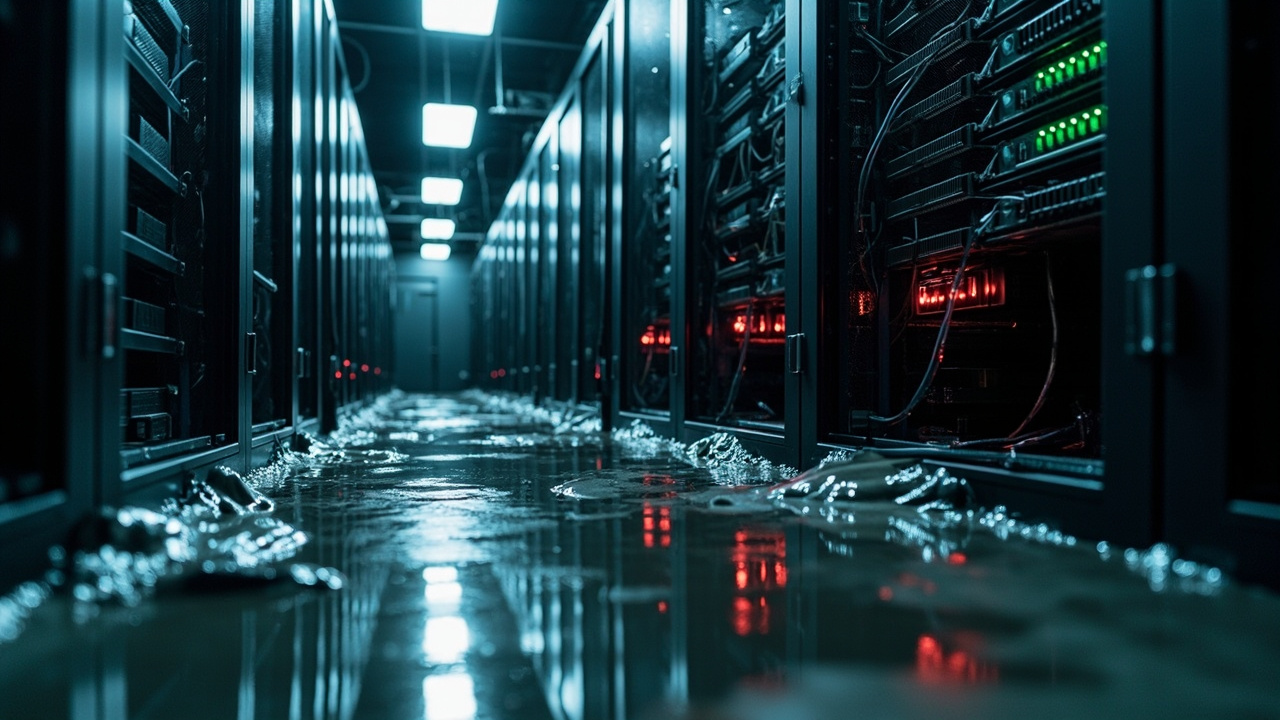
When water infiltrates your server room or data center, every minute offline costs revenue and risks catastrophic data loss. Our rapid deployment team secures IT infrastructure, extracts water around live equipment, and restores operational capacity in Miami's demanding commercial environments.

Slider Image 1
Slider Image 2
Slider Image 3
Slider Image 4
Slider Image 5
Slider Image 7
Slider Image 8
Slider Image 9
Slider Image 10
Slider Image 11

Why Server Rooms Flood in Miami's Climate

Miami's subtropical climate creates perfect conditions for server room water emergencies. High humidity accelerates condensation on HVAC lines feeding cooling systems, while sudden afternoon thunderstorms overwhelm roof drainage. Commercial buildings in Brickell and downtown Miami face aging infrastructure that combines with saltwater corrosion from ocean proximity to create plumbing failures in multi-story facilities.

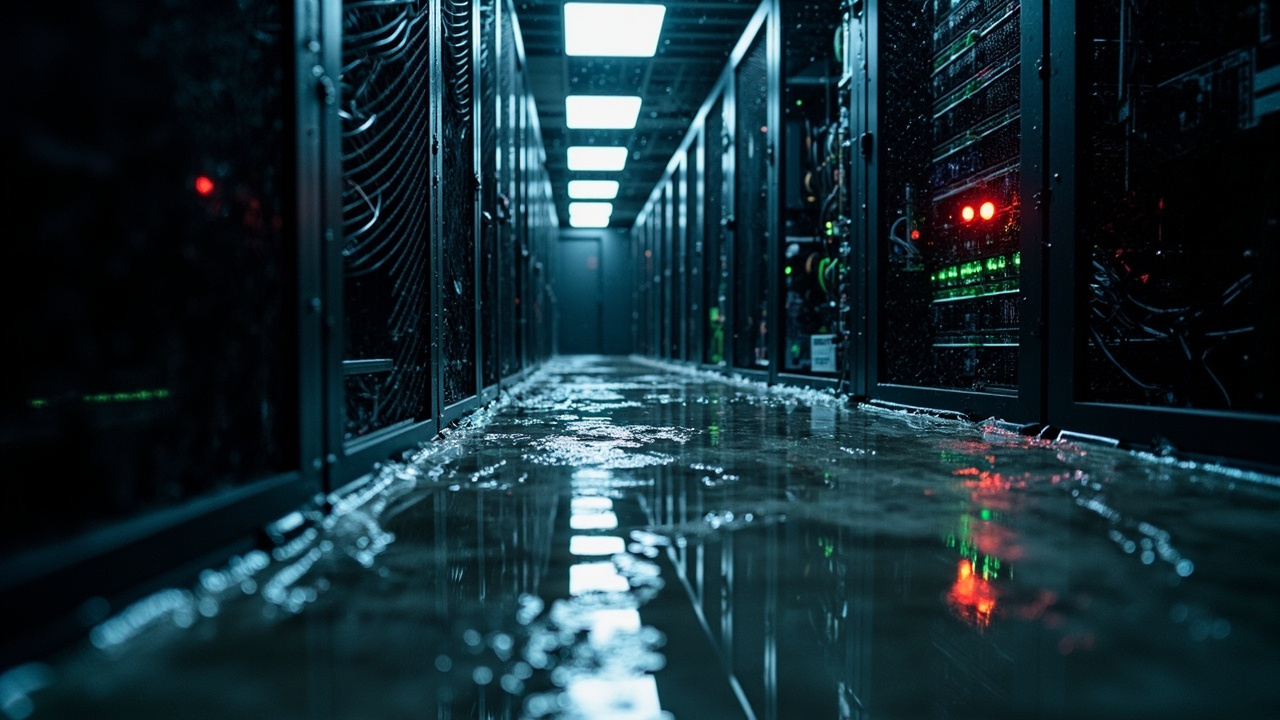
Server rooms compound these risks. Precision cooling units cycle constantly against 90-degree heat and 70 percent humidity. When condensate drains clog or drain pans crack, water pools under raised floors where you cannot see it until equipment shorts. Hurricane season brings another threat. Even Category 1 storms can breach window seals or overload stormwater systems, sending water through ceiling tiles directly onto server racks.

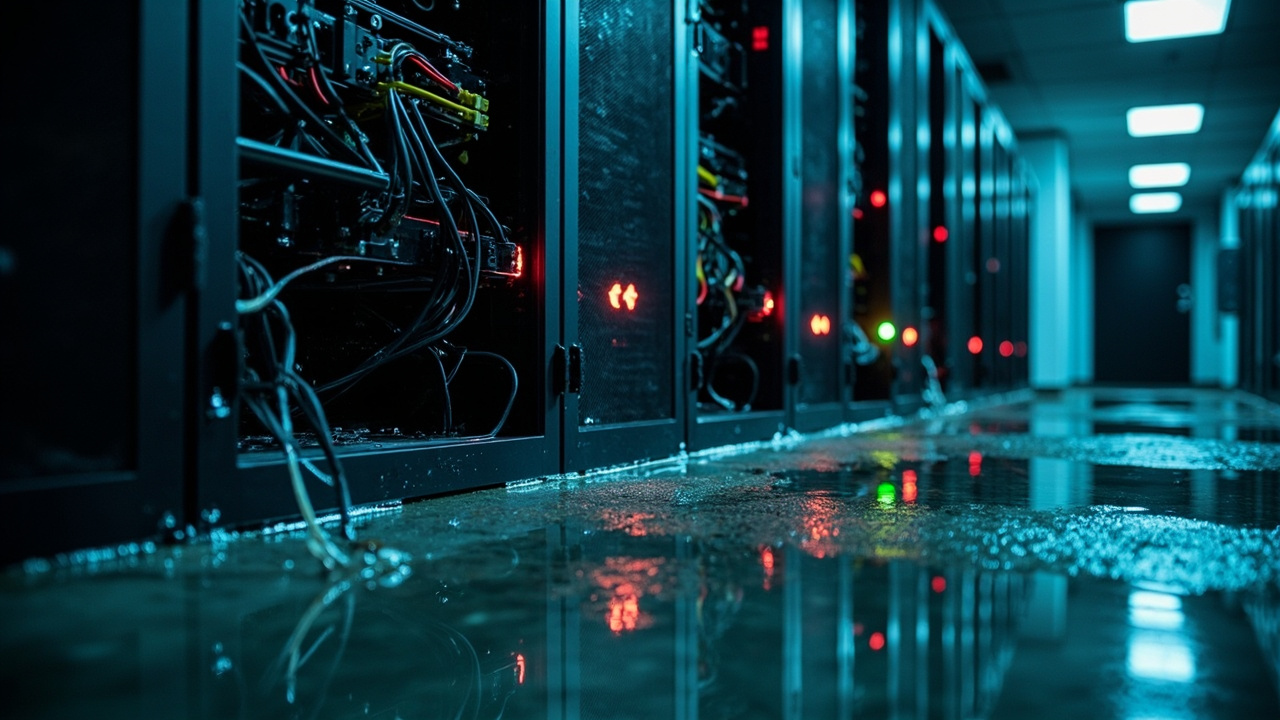
Data center water damage restoration requires immediate action because water and electricity create cascading failures. One flooded floor can take down redundant power supplies, backup generators, and network switches simultaneously. Computer room water extraction must happen while power is isolated but before corrosion starts, which begins within hours in Miami's humid air.

IT room water mitigation is not standard flood cleanup. Raised floor cavities trap moisture, metal racks rust quickly, and contaminated water leaves conductive residue on circuit boards. Server room flood cleanup demands technicians who understand electrical safety protocols, structured cabling systems, and the difference between potable water damage and contaminated sewage backups that destroy equipment permanently.

Miami's commercial districts see these failures weekly. A burst chilled water line at 2 AM can flood six inches deep before anyone notices. By sunrise, you face equipment replacement, data recovery costs, and liability for downtime that stops business operations.

Why Server Rooms Flood in Miami's Climate
How We Execute Server Room Water Removal Without Expanding Damage

How We Execute Server Room Water Removal Without Expanding Damage

Server room water removal services start with electrical isolation. We coordinate with your facility manager to identify circuit breakers, UPS systems, and backup power feeds before anyone enters the space. Water and live current kill technicians and destroy remaining equipment, so we verify zero voltage before extraction begins.

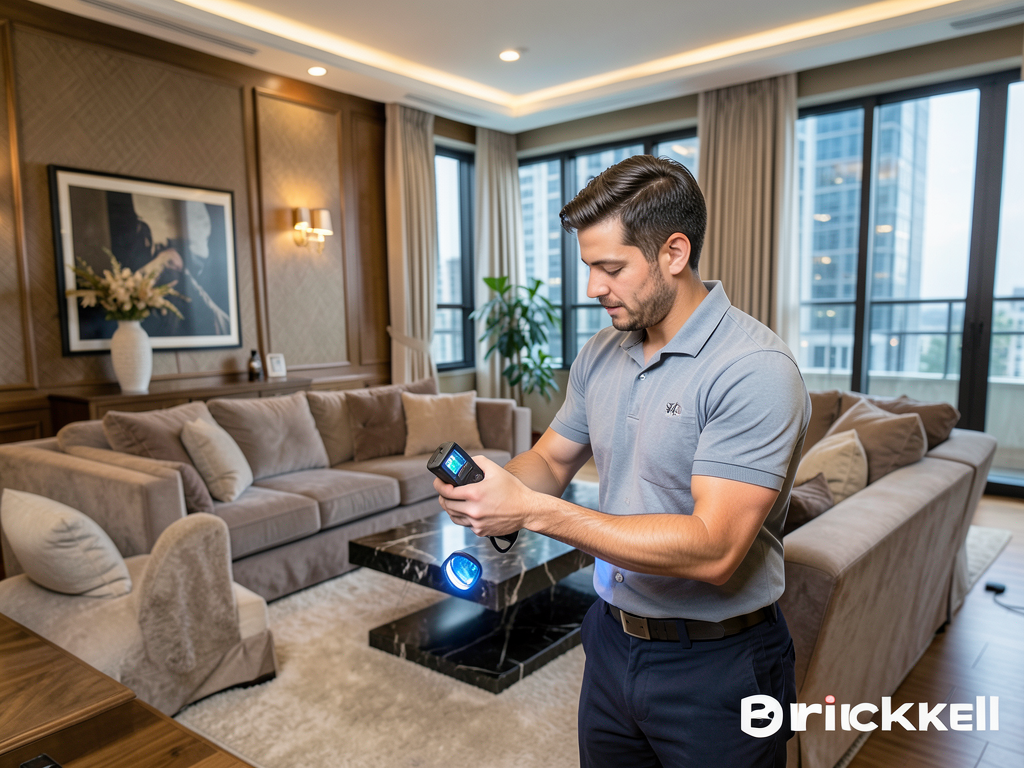
Once safe, we map the water source. Is this a clean water supply line or contaminated condensate? The difference determines whether equipment can be salvaged or must be replaced. We trace the intrusion point using moisture meters and thermal imaging to find hidden water under raised floors or inside cable trays. Miami's concrete slab construction often channels water along expansion joints, spreading damage far from the visible leak.

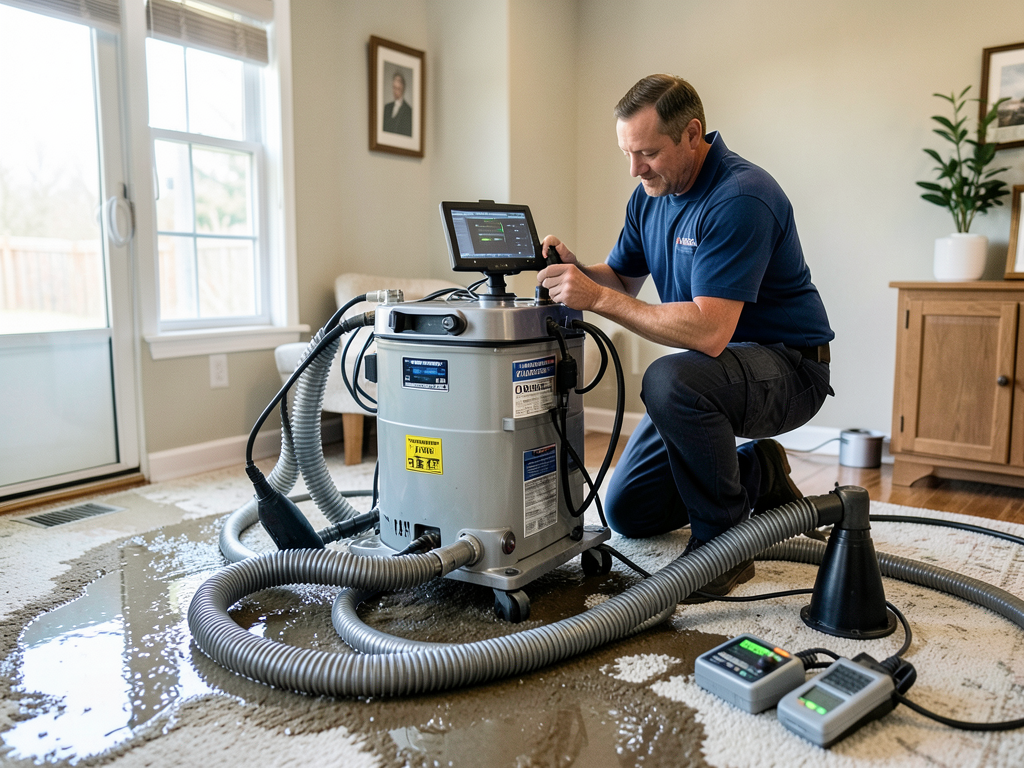
Extraction happens in stages. We pull standing water first using truck-mounted vacuums that avoid secondary damage from hoses dragging across server racks. Raised floor tiles come up systematically so we can vacuum cavities without disturbing structured cabling or fiber runs. Desiccant dehumidifiers replace the air with dry air faster than refrigerant units, which is critical when you need the room operational within 24 hours.

We do not stop at visible dryness. Moisture trapped in drywall, insulation, or under flooring will wick back into equipment once power is restored. We monitor relative humidity and moisture content until readings match baseline conditions. This prevents corrosion and electrical shorts that appear weeks after the initial incident.

Computer room water extraction also means debris removal. Ceiling tiles, insulation fragments, and drywall dust contaminate server intakes and clog cooling fans. We HEPA vacuum surfaces, replace air filters, and clean intake grills before your IT team powers systems back up.

Our process protects business continuity. We work overnight and on weekends to match your operational schedule, not ours.

What Happens During Emergency Server Room Response

Server Room Water Damage in Miami – Minimize Downtime with Industrial-Grade Emergency Response
01

Secure and Isolate

Our team arrives within 60 minutes of your call to assess electrical hazards and stop ongoing water intrusion. We coordinate with building management to shut down HVAC systems, isolate power feeds, and establish safe work zones. This prevents electrocution risk and stops water from spreading into adjacent spaces through cable penetrations or under raised floors where damage multiplies.
02

Extract and Document

We remove standing water using industrial extraction equipment designed for sensitive environments. Every step is photographed for insurance documentation. Moisture meters and thermal cameras map hidden saturation in walls, subfloors, and ceiling cavities. This data creates a drying protocol specific to your facility's construction and equipment layout, ensuring nothing is missed during remediation.
03

Dry and Verify

We deploy commercial-grade dehumidifiers and air movers positioned to dry structural cavities without disrupting network infrastructure. Moisture levels are monitored every four hours until readings return to baseline. Final verification includes air quality testing and a walkthrough with your IT team to confirm the space is safe for equipment reactivation and meets operational standards.

Why Miami Businesses Trust Local Data Center Restoration Expertise

Server room emergencies require vendors who understand Miami's commercial building codes and electrical standards. Florida Building Code Chapter 6 mandates specific clearances for electrical rooms and data centers. Restoration that violates these codes can void your occupancy permit or trigger failed inspections when you file insurance claims.

We work regularly with Miami-Dade County building inspectors and understand the documentation required for commercial water damage claims. This includes moisture mapping that meets IICRC S500 standards, equipment inventories that satisfy insurance adjusters, and certificates of compliance for mold remediation if water sits longer than 48 hours.

Miami's commercial real estate market also creates unique challenges. High-rise buildings in Brickell and downtown rely on central chilled water systems that serve multiple tenants. A failure on the 18th floor can cascade down to lower floors through vertical pipe chases. We coordinate with property management companies and building engineers to isolate problems without disrupting other tenants, which matters when you share infrastructure with law firms, financial services companies, and medical offices.

Our technicians hold OSHA 10-hour construction safety cards and confined space entry certifications required for work in mechanical rooms and below-grade utility spaces common in Miami commercial construction. We carry commercial general liability coverage that meets the requirements for high-value buildings, and our work is backed by documentation that satisfies both your insurance carrier and commercial landlord.

You also get familiarity with Miami's vendor ecosystem. We coordinate directly with IT contractors, electricians, and HVAC technicians who specialize in mission-critical environments. This speeds recovery because we speak the same technical language and understand how precision cooling systems, UPS units, and structured cabling interact during water events.

Local expertise means we understand hurricane preparedness protocols and can deploy ahead of named storms to pre-position equipment and staff when other vendors evacuate.

What to Expect During Server Room Water Damage Restoration

Response Time and Availability

We maintain 24/7 dispatch with dedicated response vehicles positioned throughout Miami-Dade County. You will speak with a project manager, not an answering service. Our average arrival time is 60 minutes from initial contact. We understand that downtime costs you revenue, so we staff overnight shifts and deploy teams on holidays and weekends without premium charges. For facilities with service agreements, we pre-position emergency equipment on-site to cut response time to under 30 minutes during critical events.

Initial Assessment and Scope Development

Our assessment begins with electrical safety verification, followed by moisture mapping using thermal imaging and penetrating moisture meters. We document affected areas with photographs and detailed notes that meet insurance requirements. You receive a written scope of work within four hours that breaks down extraction, drying, debris removal, and antimicrobial treatment if needed. This scope includes estimated timelines so you can communicate with stakeholders and plan for equipment reactivation. We also identify any code compliance issues that must be addressed before the space can be returned to service.

Quality of Restoration Work

Our work follows IICRC S500 water damage restoration standards and ANSI/IICRC S520 mold remediation guidelines when applicable. Drying does not stop when surfaces feel dry. We monitor moisture content in structural materials using calibrated meters until readings match unaffected baseline areas. Air quality testing confirms no elevated mold spore counts before we sign off on completion. You receive a final report with before-and-after moisture readings, equipment logs showing dehumidifier performance, and certificates of compliance for insurance and regulatory filings.

Post-Restoration Support and Monitoring

We offer follow-up inspections at 30 and 90 days to verify no secondary moisture issues have developed. Many server room floods reveal underlying problems like failed waterproofing membranes or inadequate HVAC capacity. We provide written recommendations for corrective actions that prevent recurrence, including HVAC modifications, improved drainage systems, or leak detection equipment. For facilities that need ongoing support, we offer quarterly maintenance agreements that include moisture surveys, HVAC drain inspections, and emergency equipment pre-positioning to reduce response time during future incidents.

Frequently Asked Questions

You Have Questions,
We Have Answers

How to dehumidify a server room? +

Deploy commercial-grade dehumidifiers rated for server room specs, targeting 40-50% relative humidity. In Miami's high-humidity climate, refrigerant-based units work better than desiccant models for continuous operation. Install redundant systems to prevent single-point failure. Position units away from server intakes to avoid condensation risks. Monitor with hygrometers at multiple rack heights, as humidity stratifies vertically. Run units continuously during restoration, not intermittently. Extract water through drains or condensate pumps to avoid manual emptying. Ensure HVAC systems are functional before dehumidifier removal. Document humidity levels every four hours for insurance and compliance records.

What are the risks of server rooms? +

Water intrusion creates catastrophic risks: electrical shorts causing equipment failure or fire, corrosion of circuitry and connectors, and data loss from drive damage. Humidity above 60% accelerates oxidation on server components. Downtime costs average $5,600 per minute for enterprise operations. Mold grows on cabling insulation and cardboard packaging within 48 hours in Miami's climate. Standing water creates slip hazards and liability exposure. Contaminated water from sewage backups introduces biohazards. Delayed response allows mineral deposits from evaporated water to crystallize on boards. Temperature spikes from failed HVAC compound humidity damage. Business continuity and regulatory compliance face immediate jeopardy.

Is water damage hard to fix? +

Server room water damage requires specialized restoration beyond standard commercial work. Complexity depends on contamination category, equipment exposure duration, and system criticality. Category 3 water demands complete sanitization and often equipment replacement. Electronics require careful cleaning with isopropyl alcohol and compressed air, not standard drying methods. Raised floor systems hide pooled water, requiring complete tile removal for inspection. Miami's humidity extends drying time, increasing mold risk. Restoring operations requires coordination with IT teams for phased equipment testing. Insurance claims involve detailed inventory documentation. Professional restoration minimizes downtime but requires immediate response to prevent permanent equipment loss.

What are the environmental conditions for a server room? +

Maintain temperature between 64-80°F with a target of 68-72°F for optimal equipment performance. Relative humidity must stay between 40-60%, with 45-50% ideal to prevent static discharge and condensation. Miami's ambient humidity requires robust HVAC systems with redundancy. Air changes per hour should meet ASHRAE TC 9.9 standards. Avoid temperature fluctuations exceeding 5°F per hour to prevent thermal shock on components. Maintain positive air pressure to keep contaminants out. Monitor for airborne particulates that corrode circuitry. Ensure proper clearance around equipment for airflow. Install environmental monitoring systems with alerts for deviation from parameters.

Can mold grow in 40% humidity? +

Mold growth at 40% humidity is uncommon but possible under specific conditions. Mold requires humidity above 60% at surface level for sustained growth. However, localized condensation on cold surfaces like pipes or exterior walls in Miami's climate creates microenvironments where humidity exceeds 70%, enabling mold colonization. Organic materials like cardboard boxes, cable insulation, or dust accumulation provide nutrients. Temperature above 77°F accelerates spore germination. While 40% ambient humidity is within safe parameters for server rooms, inspect cold spots, check for hidden leaks, and maintain cleanliness to eliminate mold substrate. Monitor continuously rather than relying on single readings.

What happens when a server room is too humid? +

Excess humidity above 60% in server rooms causes corrosion on circuit boards, connectors, and metal components. Condensation forms on cold surfaces, creating electrical shorts and equipment failure. Hard drives experience head crashes from moisture infiltration into sealed enclosures. Cooling efficiency drops as air saturated with moisture cannot absorb heat effectively, causing thermal throttling or shutdowns. Mold colonizes cabling and insulation within 48-72 hours in Miami's warm climate. Hygroscopic dust absorbs moisture and becomes conductive, bridging circuits. Battery backup systems degrade faster. High humidity voids manufacturer warranties and increases insurance liability. Operations face unplanned downtime and data loss.

Hurricane Season and Server Room Vulnerability in Coastal Miami

Miami's location on the Atlantic coast creates hurricane exposure that threatens server rooms from June through November. Named storms bring three distinct water threats: wind-driven rain through compromised building envelopes, storm surge that floods ground-level facilities near Biscayne Bay, and overwhelmed stormwater systems that back up through floor drains in below-grade data centers. Commercial buildings in flood zones AE and VE face mandatory elevation requirements under Miami-Dade County floodplain ordinances, but many existing facilities predate these codes and remain vulnerable. IT room water mitigation planning must account for rapid onset flooding that gives you minutes, not hours, to protect equipment.

Miami's commercial water damage restoration market includes vendors who disappear after hurricanes or lack the technical expertise for server room work. We maintain relationships with commercial property managers, IT directors, and facility engineers throughout Miami-Dade and Broward counties. Our work complies with Florida Building Code Chapter 6, which governs electrical room requirements, and we coordinate directly with Miami-Dade County building officials for inspections. This local knowledge matters when insurance adjusters question damage causation or when you need emergency permitting to restore critical infrastructure outside normal business hours.
Water Damage Restoration Services in The Miami Area

Fortress proudly serves the entire Miami area and nearby neighborhoods with prompt, expert water damage restoration services. Whether you're located downtown, in the suburbs, or along the coast, our team is just a call away. Use the map below to view our service area and get directions to our office. We’re local, responsive, and ready to help 24/7—because when disaster strikes, having a trusted team nearby makes all the difference.

Address:
Fortress Water Damage Restoration Miami, 3250 NE 1st Ave, Miami, FL, 33137

Additional Services We Offer

Our news updates

Latest Articles & News from The Blogs

How to Tell the Difference Between Dry Rot and Active Water Damage in Little Havana\nWalking through your Little Havana home…

How to Tell the Difference Between Dry Rot and Active Water Damage in Little Havana

How to Tell the Difference Between Dry Rot and Active Water Damage in Little Havana\nWalking through your Little Havana home…

Are Your New Solar Panels Causing Roof Leaks in Your Kendall Home?

Are Your New Solar Panels Causing Roof Leaks in Your Kendall Home? If you’ve noticed water stains on your ceiling…

How Saltwater Intrusion Corrodes Key Biscayne Home Foundations Over Time

How Saltwater Intrusion Corrodes Key Biscayne Home Foundations Over Time Living on Key Biscayne means enjoying waterfront views and ocean…

Contact Us

Every hour of downtime damages your reputation and revenue. Call (786) 789-8282 now for emergency server room water extraction. Our team deploys immediately with the equipment and expertise to minimize business interruption and protect your IT investment.