menu

Peeling Paint & Wallpaper in Miami – Expert Diagnosis and Permanent Water Damage Solutions

Stop covering up moisture problems with fresh paint. Get a professional moisture assessment and targeted water damage repair that fixes peeling paint and wallpaper at the source.

Slider Image 1
Slider Image 2
Slider Image 3
Slider Image 4
Slider Image 5
Slider Image 7
Slider Image 8
Slider Image 9
Slider Image 10
Slider Image 11

Why Paint and Wallpaper Fail in Miami Homes

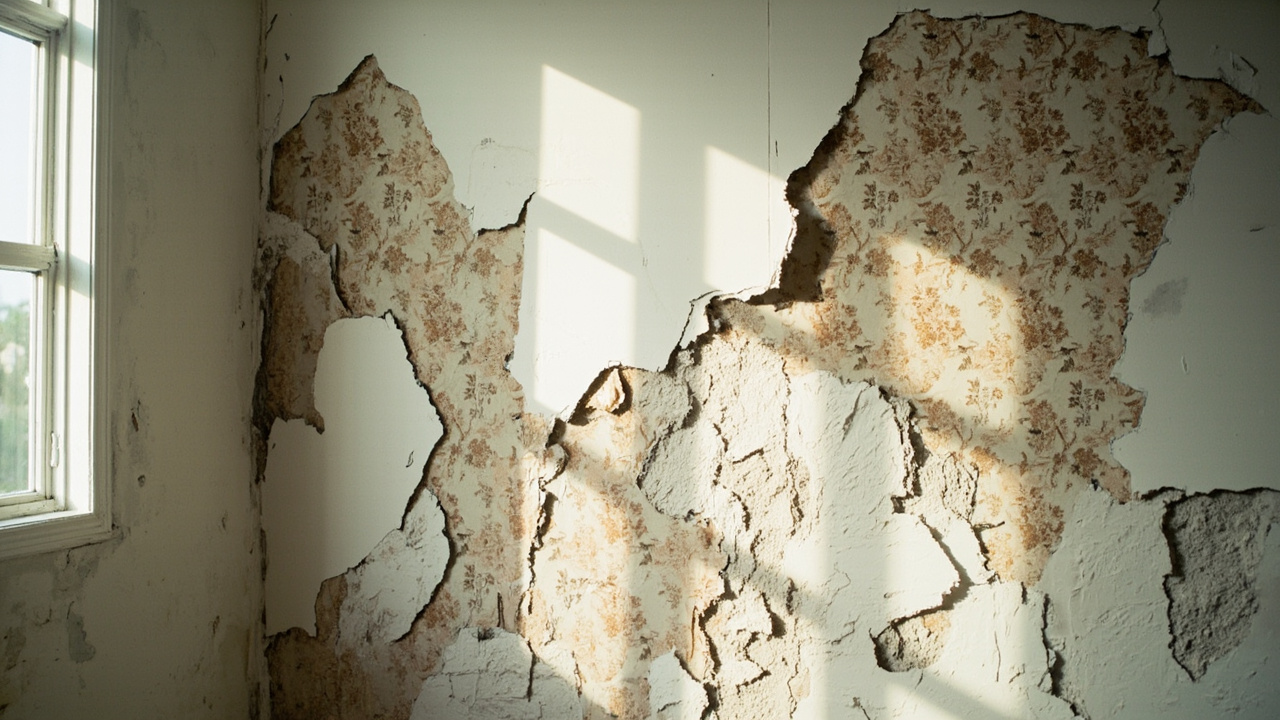
You repaint. Three months later, the bubbling paint returns. You smooth down lifting wallpaper, and it peels again by next season. This cycle frustrates homeowners across Miami, but the problem is not your paint quality or application technique.

Miami's subtropical climate creates year-round humidity levels that hover between 60% and 90%. When moisture penetrates walls through roof leaks, plumbing failures, or foundation cracks, it gets trapped behind paint and wallpaper. The water vapor pushes outward, creating blistering wall paint and loose wallpaper that no amount of repainting will fix.

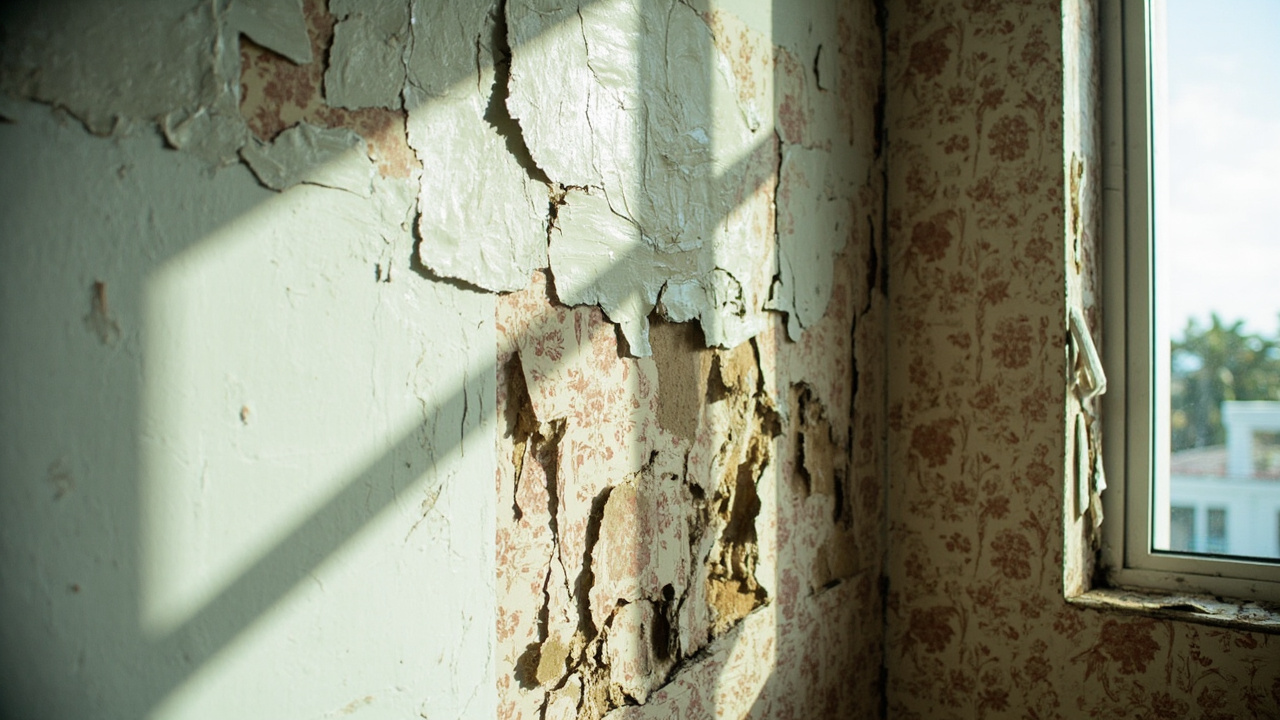
Flaking paint near baseboards often signals groundwater intrusion through concrete slab foundations, common in Miami's low-lying neighborhoods near Biscayne Bay. Bubbling paint on exterior walls facing the Atlantic typically indicates wind-driven rain penetration through compromised stucco or failed window flashing. Interior walls with lifting wallpaper in bathrooms and kitchens point to chronic humidity issues or slow plumbing leaks inside wall cavities.

The Coral Gables and Coconut Grove historic districts present additional challenges. Older homes built with lath-and-plaster walls absorb moisture differently than modern drywall. Without proper diagnosis, you waste money on cosmetic fixes while hidden water damage spreads through wall assemblies, creating conditions for mold growth and structural deterioration.

Your peeling surfaces are symptoms. The disease is concealed moisture intrusion that requires professional water damage assessment and remediation before any painter touches your walls.

Why Paint and Wallpaper Fail in Miami Homes
How We Stop the Moisture That Causes Paint Failure

How We Stop the Moisture That Causes Paint Failure

Paint and wallpaper removal is cosmetic work. We start with forensic moisture detection to identify the water source destroying your wall finishes.

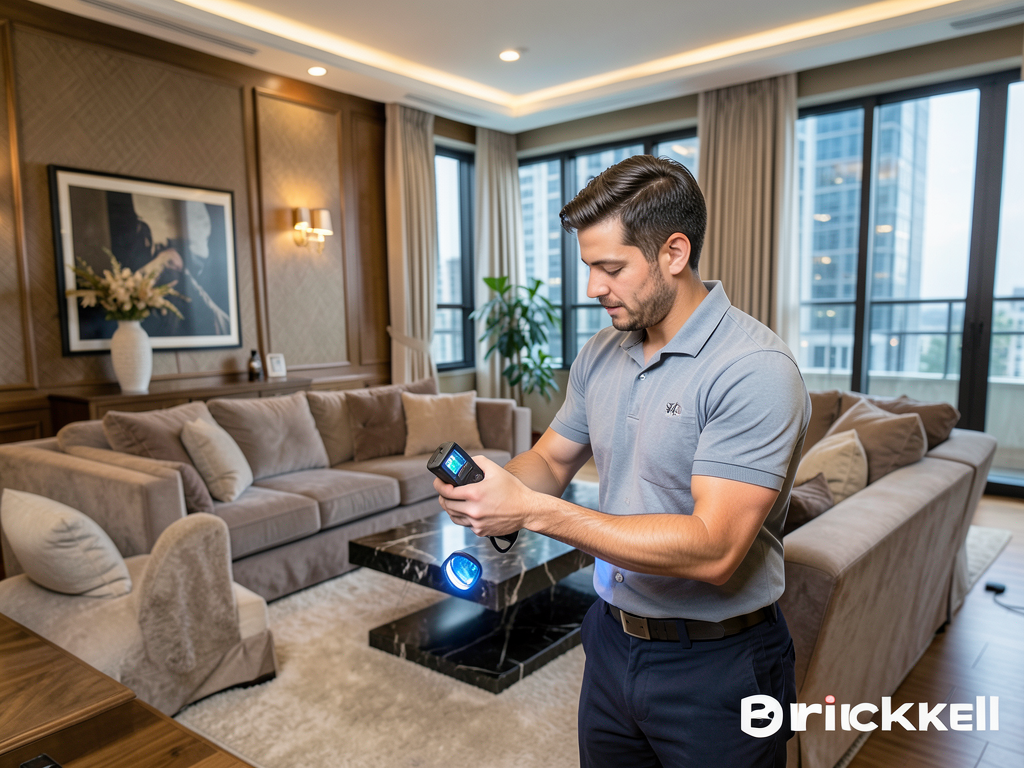
Our technicians use thermal imaging cameras to map temperature differentials across wall surfaces. Cooler areas indicate evaporative moisture. We follow those signatures with pin-type and non-invasive moisture meters that measure water content in drywall, plaster, and framing lumber. Most contractors skip this step and guess at the problem. We quantify it.

Once we locate active moisture, we trace it to the entry point. Roof penetrations get inspected with moisture probes. Plumbing chases get pressure-tested. Exterior walls get examined for failed weep screed or missing kickout flashing at roof-to-wall transitions. We check HVAC condensate lines, bathroom pan liners, and supply line connections inside walls.

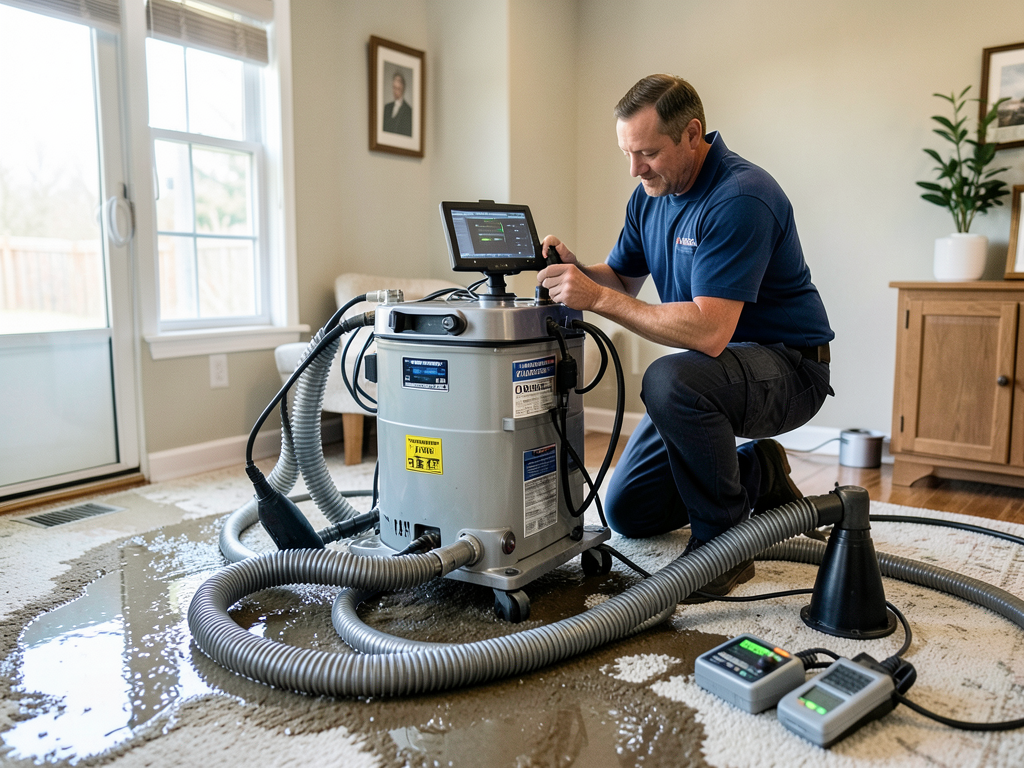
After identifying the source, we document the extent of water migration through building materials. Wet drywall does not dry properly when painted over. It requires controlled drying with commercial air movers and dehumidifiers positioned based on psychrometric calculations, not guesswork. We monitor daily with moisture readings until materials return to dry standard, typically 12% moisture content or below for wood framing and under 1% for drywall.

Contaminated materials get removed. We cut drywall back to dry framing, treat exposed studs with antimicrobial solution, and verify cavity drying before installing new moisture-resistant drywall. For plaster walls in older Miami homes, we often sister in new blocking and install a vapor barrier before replastering, preventing future moisture transmission.

This process eliminates the conditions that caused your paint and wallpaper to fail.

What Happens During Your Paint Failure Assessment

Peeling Paint & Wallpaper in Miami – Expert Diagnosis and Permanent Water Damage Solutions
01

Moisture Mapping and Testing

We scan affected walls with infrared cameras to identify hidden moisture patterns invisible to the eye. Pin meters confirm moisture content in drywall and framing. Thermal imaging reveals whether moisture originates from exterior penetration, interior plumbing failure, or condensation. This diagnostic phase typically takes 45 to 90 minutes depending on the affected area and building age.
02

Source Identification and Containment

After mapping moisture distribution, we trace water migration back to the entry point. Roof leaks get temporarily sealed. Plumbing leaks get isolated and repaired. Exterior wall breaches get addressed with temporary weatherproofing. We establish containment barriers using plastic sheeting and negative air pressure to prevent cross-contamination during demolition. Active water intrusion stops before any restoration work begins.
03

Drying and Surface Preparation

Commercial dehumidifiers and air movers create optimal drying conditions based on temperature, humidity, and material density. We take daily moisture readings until structural components reach dry standard. Damaged drywall, insulation, and baseboards get removed. Framing gets treated and verified dry. New materials get installed following Miami-Dade building code requirements. Your walls are now ready for primer and paint that will actually bond properly.

Why Miami Homeowners Choose Fortress Water Damage Restoration for Paint Problems

You need someone who understands that blistering wall paint is not a painting problem. It is a water intrusion problem that requires building science knowledge, moisture detection equipment, and structural drying certification.

Fortress Water Damage Restoration Miami employs IICRC-certified water damage technicians who understand how Miami's climate, construction methods, and building materials interact with moisture. We know that homes in Miami Beach face different moisture challenges than properties in Kendall or Pinecrest. Coastal wind-driven rain, tidal groundwater fluctuations, and salt air corrosion require different assessment protocols than inland properties dealing with storm drainage issues or irrigation system leaks.

Our familiarity with Miami-Dade County building codes means we handle required permits for structural repairs correctly. We coordinate with your insurance adjuster, providing detailed moisture documentation and psychrometric logs that support your claim. Most painters cannot provide this level of technical reporting because they lack the training and equipment.

We also understand local architecture. The mid-century modern homes in Morningside have different wall assemblies than the Mediterranean Revival properties in Coral Gables or the concrete block construction common in Hialeah. Moisture behaves differently in each building type. Our restoration plans account for these variables.

When we complete structural drying and repairs, we provide post-mitigation moisture readings and thermal imaging reports. You get documentation proving your walls are dry and ready for refinishing. This eliminates the guesswork that leads to recurring paint failure and wasted money on repeated cosmetic fixes.

We fix the cause, not just the symptom. That approach saves you money and frustration over the long term.

What to Expect When You Call Us

Response Time and Scheduling

We dispatch a technician to your Miami property within 24 hours of your call for assessment appointments. Emergency water intrusion situations receive same-day response. Our diagnostic visit takes 60 to 90 minutes. You receive a written moisture assessment report with thermal images, moisture readings, and a scope of work within 48 hours. We schedule restoration work based on your availability, typically beginning within three to five business days after approval. Projects involving insurance claims may require adjuster inspection before work begins, which can add several days to the timeline.

The Diagnostic Process

Your assessment begins with a detailed interview about when you first noticed paint or wallpaper problems, any known water events, and room usage patterns. We inspect exterior walls, roof connections, windows, and grade levels. Interior inspection includes moisture scanning of all affected walls plus adjacent areas. We check attic spaces above damaged ceilings and crawlspace areas below affected floors if applicable. You receive real-time explanation of findings as we work. We photograph all affected areas and document moisture readings in a detailed site map that becomes part of your permanent record.

Final Results and Quality

Your completed restoration includes dried structural components verified with final moisture readings, repaired or replaced building materials meeting current code, and documented antimicrobial treatment of all affected areas. We provide before-and-after thermal imaging showing moisture elimination. Wall surfaces receive moisture-resistant drywall or plaster installation appropriate to your home's construction type. Seams get properly taped and finished to industry standards. The final surface is smooth, dry, and ready for primer application. You receive copies of all moisture logs, photographs, and material invoices for your records and insurance documentation.

Post-Restoration Support

We conduct a follow-up moisture check 30 days after project completion at no charge to verify continued dryness and proper building performance. You receive recommendations for monitoring areas prone to moisture based on your home's specific vulnerabilities. We provide guidance on proper ventilation, dehumidification, and maintenance practices that prevent future moisture problems. If you experience any moisture-related issues within six months of our work, we return to reassess at no charge. Our detailed documentation remains on file for future reference if you need additional restoration services or insurance claim support down the road.

Frequently Asked Questions

You Have Questions,
We Have Answers

Why is my paint peeling like wallpaper? +

Paint peels in sheets because water infiltrated between the paint and the wall surface. Miami's high humidity and frequent rainstorms push moisture through porous exterior walls or behind interior surfaces. When water gets trapped under the paint film, it breaks the adhesive bond with the substrate. Poor surface prep before painting also causes this. If the wall was dusty, oily, or damp when painted, the coating never bonded properly. Check for active leaks, roof damage, or failed caulking around windows. You need to fix the moisture source first, then scrape and reprime properly.

What to do if paint is peeling off the wall? +

Stop the problem at the source. Identify where water enters, whether from a roof leak, plumbing issue, or exterior cracks. In Miami, check your AC condensate lines and window seals. Scrape off all loose paint down to stable edges. Sand smooth. Clean the surface completely. Apply a bonding primer designed for problem surfaces. If the wall feels damp or shows efflorescence, let it dry fully before priming. Repainting over peeling paint without addressing moisture guarantees failure within months. You may need professional water damage assessment if peeling covers large areas or multiple rooms.

Is it cheaper to paint or peel and stick wallpaper? +

Peel and stick wallpaper costs more per square foot than paint. A gallon of quality paint covers 350-400 square feet and costs less than adhesive wallpaper for the same area. Paint also lasts longer in Miami's humid climate. Peel and stick products can lift at edges when humidity fluctuates or AC cycles on and off. If you want pattern or texture, consider it a style investment, not a budget choice. For walls with existing moisture issues causing peeling, neither option works until you fix the underlying water problem first. Paint remains the more durable choice for humid environments.

Can I wallpaper over peeling paint? +

No. Wallpaper needs a smooth, stable surface to adhere properly. Peeling paint indicates either moisture problems or poor adhesion. Covering it with wallpaper traps the issue and creates more failure points. The wallpaper will bubble, lift, or peel within weeks as the paint underneath continues deteriorating. In Miami's humidity, this happens faster. Strip all loose paint, repair and prime the wall, then let it cure completely. If moisture caused the original peeling, installing wallpaper before fixing the source guarantees you will remove it soon. Address the root cause before any cosmetic covering.

Will Kilz stop peeling paint? +

Kilz primer stops peeling only if you remove all loose paint first and fix the moisture source. The primer seals porous surfaces and improves adhesion for topcoats. It does not glue down actively peeling paint. In Miami, water intrusion causes most peeling. Kilz blocks some moisture vapor transmission, but it cannot stop water leaking through cracks or failed flashing. Scrape to stable paint edges, clean thoroughly, then apply Kilz to bare or properly prepped areas. If the wall stays wet from an active leak, even Kilz fails. Primers work as part of proper surface prep, not magic fixes.

Should I scrape off all the peeling paint? +

Yes. Remove all loose or bubbled paint until you reach edges that adhere firmly. Scraping halfway leaves weak spots that continue peeling after you repaint. Use a stiff putty knife and work until no more paint flakes off easily. Feather the edges with sandpaper so the transition feels smooth. In Miami, humidity accelerates paint failure, so half measures fail quickly. Check the bare substrate for water stains, efflorescence, or soft spots. If you find these, you have bigger problems than paint. Scraping reveals the true condition of your wall and prevents wasting money on coating over compromised surfaces.

Can I paint over paint that's peeling? +

No. Painting over peeling paint locks in the failure. The new coat adds weight and moisture, which speeds up delamination. You will see the same peeling pattern emerge through your fresh paint within weeks. Miami's humidity makes this worse. The new paint cannot bond better than the old failing layer underneath. You must scrape off loose material, address moisture problems, prime bare spots, and then repaint. Skipping prep wastes time and money. If large sections peel, this signals water damage that needs professional assessment before any cosmetic fixes. Surface prep determines how long your paint job lasts.

Why would paint just peel off walls? +

Paint peels because something broke the bond between coating and substrate. In Miami, water intrusion tops the list. Roof leaks, failed exterior caulking, plumbing leaks, or rising damp push moisture under the paint film. High humidity alone can cause problems if the wall was not primed correctly. Other causes include painting over dirty, greasy, or glossy surfaces without prep, using incompatible products, or applying paint in extreme heat. Exterior paint also fails from UV exposure and salt air near the coast. Identify the failure cause before repainting, or you repeat the problem within months.

What is the difference between flaking and peeling paint? +

Flaking means small chips or thin fragments come off the surface. Peeling means larger sections lift away in sheets or curls. Both indicate adhesion failure, but peeling usually signals more severe moisture intrusion. Flaking happens from weathering, poor quality paint, or surface contamination. Peeling almost always involves water getting behind the coating. In Miami, exterior flaking progresses to peeling quickly due to humidity and rain. Interior flaking may result from steam or condensation. Treat flaking early by scraping, priming, and recoating. Once paint peels in large sections, expect to find underlying water damage that needs immediate correction.

What is the cost of painting a 1000 sq ft house? +

Painting costs depend on surface condition, prep work required, paint quality, and whether you hire professionals. A 1000 square foot house might need 3-5 gallons of quality paint at different rates, but labor and prep dominate the expense. In Miami, expect higher costs if humidity or past water damage created peeling or mold that requires remediation first. Exterior jobs cost more than interior due to weather exposure and surface prep. Prices fluctuate based on trim detail, wall texture, and accessibility. Focus on fixing moisture problems before painting, or you will repaint sooner than expected and double your total expense.

Miami's Humidity and Coastal Location Make Paint Failure Inevitable Without Proper Moisture Control

Miami sits at the convergence of three moisture challenges that destroy paint and wallpaper faster than almost anywhere in the country. Year-round humidity above 60% prevents proper surface drying between weather events. Proximity to the Atlantic Ocean and Biscayne Bay subjects buildings to salt-laden air that degrades exterior finishes and penetrates through any breach in building envelopes. Summer afternoon thunderstorms deliver intense rain against walls while temperatures create condensation inside air-conditioned spaces. These factors combine to create constant moisture pressure against painted surfaces. Without proper vapor barriers, flashing details, and controlled interior humidity, paint failure becomes a recurring maintenance problem rather than an isolated incident.

Fortress Water Damage Restoration Miami has worked in every neighborhood from Aventura to Homestead. We understand how older homes in Coconut Grove and Coral Gables handle moisture differently than newer construction in Doral or Kendall. We know which insurance carriers serve Miami properties and what documentation they require for water damage claims. Our relationships with local building inspectors streamline permit processes for structural repairs. When you work with a local water damage specialist rather than a painting contractor, you get someone who understands that successful paint application in Miami requires addressing the building science problems that caused the failure in the first place.
Water Damage Restoration Services in The Miami Area

Fortress proudly serves the entire Miami area and nearby neighborhoods with prompt, expert water damage restoration services. Whether you're located downtown, in the suburbs, or along the coast, our team is just a call away. Use the map below to view our service area and get directions to our office. We’re local, responsive, and ready to help 24/7—because when disaster strikes, having a trusted team nearby makes all the difference.

Address:
Fortress Water Damage Restoration Miami, 3250 NE 1st Ave, Miami, FL, 33137

Additional Services We Offer

Our news updates

Latest Articles & News from The Blogs

Should You Use Your Insurers Preferred Vendor for Brickell Condo Water Damage? When water floods your Brickell condo, your insurance…

Should You Use Your Insurers Preferred Vendor for Brickell Condo Water Damage?

Should You Use Your Insurers Preferred Vendor for Brickell Condo Water Damage? When water floods your Brickell condo, your insurance…

How to Hire a Restorer Who Understands Aventura Penthouse Plumbing Systems

How to Hire a Restorer Who Understands Aventura Penthouse Plumbing Systems Water damage in an Aventura penthouse is not just…

The Difference Between Surface Cleaning and Deep Extraction for Kendall Area Carpets

The Difference Between Surface Cleaning and Deep Extraction for Kendall Area Carpets When water invades your Kendall home, the first…

Contact Us

Stop wasting money on paint that peels six months later. Call Fortress Water Damage Restoration Miami at (786) 789-8282 for a thorough moisture assessment that identifies why your walls keep failing and what it takes to fix the problem permanently.