menu

Commercial Sewage Cleanup in Miami – Minimize Downtime and Protect Your Business Operations

Fast-response commercial sewage remediation designed to restore operational capacity, ensure compliance with Miami-Dade County Health Department codes, and reduce liability exposure for multi-tenant properties and industrial facilities across South Florida.

Slider Image 1
Slider Image 2
Slider Image 3
Slider Image 4
Slider Image 5
Slider Image 7
Slider Image 8
Slider Image 9
Slider Image 10
Slider Image 11

Why Miami Commercial Properties Face Elevated Sewage Backup Risk

Miami's aging municipal infrastructure and high water table create persistent challenges for commercial property managers. Category 3 black water events shut down revenue-generating operations within hours. The combination of outdated clay pipe systems in older districts like Brickell and Coral Gables, heavy tropical rainfall overwhelming storm drains, and saltwater intrusion corroding underground lines means your facility faces constant contamination risk.

A sewage backup in a retail location, office building, or industrial warehouse triggers immediate health code violations. Miami-Dade Environmental Resources Management requires documented remediation before you can legally resume operations. Each hour of closure compounds lost revenue, damages tenant relationships, and increases potential liability claims.

Commercial sewer backup cleaning demands industrial-grade extraction equipment and EPA-approved antimicrobial protocols that residential restoration contractors do not maintain. The pathogen load in commercial black water extraction scenarios exceeds anything found in typical flooding. Hepatitis A, E. coli, and norovirus thrive in South Florida's humid conditions. Incomplete commercial sewage removal creates long-term contamination that standard janitorial services cannot address.

Multi-level buildings face compounding risk. A third-floor restaurant backup affects every tenant below. Contaminated water migrates through HVAC plenums, electrical chases, and elevator shafts. Industrial sewage cleanup requires containment protocols that prevent cross-contamination while maintaining building functionality for unaffected areas. Generic water damage response creates more problems than it solves.

Why Miami Commercial Properties Face Elevated Sewage Backup Risk
Controlled Containment and Pathogen Elimination Protocols

Controlled Containment and Pathogen Elimination Protocols

Commercial sewage remediation begins with negative air pressure containment. We establish isolated work zones using polyethylene barriers and HEPA-filtered air scrubbers that prevent aerosolized pathogens from migrating to clean areas. This is not optional for facilities that must maintain partial operations during remediation.

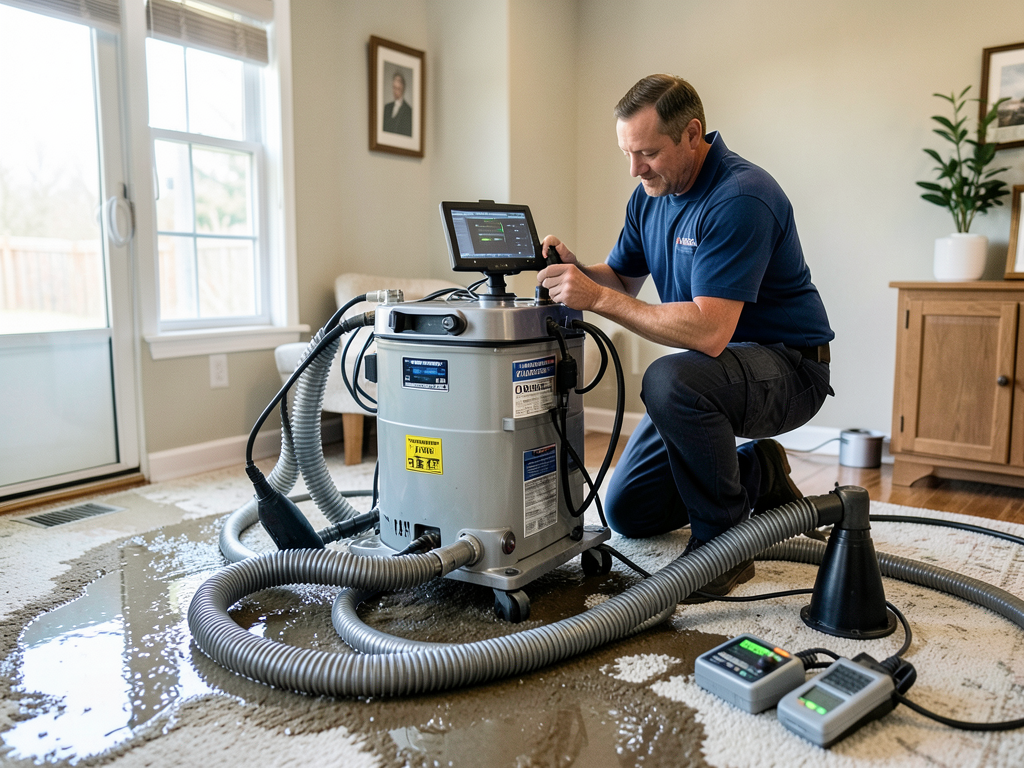
Truck-mounted extraction systems remove contaminated water at 200 gallons per minute. Portable units cannot match this capacity. Speed matters because every minute sewage contacts porous materials like drywall and insulation increases the affected square footage. We document moisture readings with thermal imaging and penetrating meters to establish the full scope before demolition begins.

Affected materials receive one of two classifications under IICRC S500 standards. Non-porous surfaces like sealed concrete undergo three-stage decontamination using quaternary ammonium compounds followed by oxidizing agents. Porous materials like ceiling tiles, carpeting, and drywall below the contamination line require complete removal. There is no middle ground with Category 3 water.

Post-extraction antimicrobial application uses EPA-registered disinfectants effective against hepatitis and coliform bacteria. We apply these solutions as ULV fog to penetrate wall cavities and subfloor areas that hand-wiping cannot reach. Air quality testing confirms pathogen elimination before reconstruction begins. Miami-Dade inspectors require third-party verification for food service and healthcare facilities. We coordinate these requirements as part of standard protocol.

Structural drying reduces humidity below 50 percent within 72 hours using commercial dehumidifiers and axial air movers. This prevents secondary mold colonization that creates additional code violations.

How We Execute Commercial Sewage Cleanup

Commercial Sewage Cleanup in Miami – Minimize Downtime and Protect Your Business Operations
01

Immediate Site Assessment

Our project manager arrives within two hours to document contamination extent, identify source points, and establish containment boundaries. We assess electrical hazards, structural stability, and ventilation requirements before crews enter affected zones. You receive a written scope of work that quantifies affected square footage, demolition requirements, and projected timeline for phased restoration that minimizes operational disruption.
02

Extraction and Decontamination

Truck-mounted pumps extract standing sewage while contained demo crews remove contaminated materials. We segregate Category 3 waste in marked containers for proper disposal per Miami-Dade solid waste regulations. Three-stage antimicrobial treatment follows extraction. HEPA air scrubbers run continuously during active work to capture airborne pathogens. We provide daily progress documentation with moisture readings and photographic records for your insurance adjuster and property owner.
03

Verification and Rebuild Clearance

Independent hygienists collect surface samples and air quality data to confirm pathogen elimination. You receive lab reports showing clearance levels before any reconstruction begins. This documentation satisfies health department requirements and protects you from future liability claims. We coordinate building inspections and provide material manifests showing EPA-registered products used throughout the remediation process. Your facility returns to code-compliant operational status.

Why Miami Commercial Property Managers Choose Specialized Sewage Response

Generic water damage contractors lack the extraction capacity and containment equipment commercial sewage events require. We maintain truck-mounted pumps, trailer-mounted dehumidifiers, and industrial air scrubbers specifically for multi-tenant and warehouse-scale contamination. Our crews carry Hazmat certifications and bloodborne pathogen training that standard restoration technicians do not possess.

Miami-Dade building codes require licensed contractors for any work involving plumbing systems and structural modification. We coordinate directly with your plumbing contractor to identify source failures while our crews handle contamination remediation. This parallel workflow reduces downtime by days compared to sequential contractor scheduling.

Insurance carriers require specific documentation for Category 3 claims. We provide moisture mapping, thermal imaging, and itemized material removal logs that adjusters need to process commercial claims. Our project managers have processed claims with every major carrier operating in South Florida. We know what documentation prevents payment delays.

Multi-level buildings in downtown Miami require work schedules that accommodate occupied floors. We establish off-hours work protocols for noise-sensitive environments and coordinate freight elevator access for equipment staging. Retail locations receive temporary barriers that maintain customer access to unaffected areas. Revenue protection drives every scheduling decision.

Local health departments inspect food service facilities, medical offices, and childcare centers before allowing reopening. We maintain working relationships with Miami-Dade Environmental Health inspectors and understand their documentation requirements. This familiarity prevents failed inspections that extend closure duration. You get your certificate of occupancy faster.

What Your Commercial Sewage Cleanup Includes

Response Time and Mobilization

Extraction crews arrive within two hours of your call for Miami-Dade properties. We maintain equipment staged throughout South Florida to handle simultaneous commercial events. Project managers respond immediately to assess scope and provide preliminary timelines before crews arrive. After-hours calls receive the same response priority as business hours. Sewage contamination does not wait for convenient timing. Our dispatch protocols recognize that every hour of delay increases your restoration costs and extends operational downtime. Weekend and holiday response carries no premium fees.

Contamination Assessment Process

Initial assessment includes thermal imaging of walls and floors to map moisture migration beyond visible contamination. We test HVAC systems for airborne pathogen spread and inspect electrical panels for water intrusion. You receive a written report identifying Category 3 affected areas, required demolition scope, and projected drying timeline. This assessment includes cost projections broken into extraction, decontamination, and reconstruction phases. Insurance documentation begins immediately with loss photographs and moisture readings. Property managers receive daily updates as conditions change during active remediation.

Final Delivery Standards

You receive independent lab reports confirming pathogen elimination before reconstruction begins. All replaced materials meet current Florida Building Code requirements. We provide material warranties and labor documentation for your property files. Final walk-throughs include moisture verification proving structural drying below 15 percent moisture content. Insurance carriers receive complete claim documentation including itemized invoices, disposal manifests, and before-after photographic records. Your facility returns to operational status with all required health department clearances and certificates of completion for your tenant files.

Post-Remediation Monitoring

We provide 30-day post-completion moisture monitoring for commercial properties. Follow-up inspections verify that humidity levels remain stable and no secondary contamination has developed. Property managers receive written verification suitable for tenant disclosure requirements. If your facility experiences repeat backups within 90 days, we return for assessment at no additional inspection fee. This monitoring protects you from latent mold growth that appears weeks after apparent drying completion. Documentation remains available for future property transactions or tenant inquiries about remediation history.

Frequently Asked Questions

You Have Questions,
We Have Answers

How much does it cost to clean up sewage? +

Commercial sewage cleanup costs depend on contamination severity, affected square footage, and structural damage. Category 3 water damage involving raw sewage requires professional biohazard protocols, specialized equipment, and disposal compliance. A small restroom backup differs significantly from a flooded warehouse. In Miami, factors like humidity-driven mold growth and strict health department regulations increase costs. Expect expenses for extraction, antimicrobial treatment, demolition of porous materials, HVAC decontamination, and disposal fees. Focus on minimizing business downtime and liability exposure. Request itemized estimates from certified restoration contractors familiar with Miami-Dade commercial codes. Do not delay response to control costs.

Does insurance cover sewage cleanup? +

Commercial property insurance typically covers sewage cleanup if the backup results from a sudden, accidental event like pipe rupture or equipment failure. Coverage often excludes neglect, deferred maintenance, or sewer line issues outside your property boundary. Review your policy for Category 3 water damage provisions and exclusions. Many policies require separate sewer backup riders. Document everything immediately with photos, timelines, and third-party assessments. Miami businesses face higher claim scrutiny due to aging infrastructure and storm-related events. Work with adjusters who understand commercial loss calculations and business interruption claims. Confirm coverage limits before restoration begins to avoid out-of-pocket surprises.

How long do sewage bacteria last on surfaces? +

Sewage bacteria including E. coli, Salmonella, and fecal coliforms survive on surfaces from hours to weeks depending on material type, moisture, and temperature. Porous surfaces like drywall and carpet harbor pathogens longer than nonporous surfaces like metal or tile. Miami's heat and humidity extend bacterial survival and accelerate secondary contamination. Professional antimicrobial treatment eliminates pathogens through EPA-registered disinfectants and proper dwell times. Surface cleaning alone fails to address embedded contamination. Commercial spaces require third-party clearance testing before reoccupancy to meet OSHA standards and protect employees. Do not rely on visual inspection. Microbial threats remain invisible after cosmetic cleanup.

What is commercial sewage? +

Commercial sewage refers to wastewater generated by business operations including restrooms, kitchens, floor drains, and industrial processes. Unlike residential sewage, commercial wastewater contains higher volumes, grease, chemicals, and contaminants specific to the business type. Restaurants produce grease-laden sewage requiring interceptors. Medical facilities generate biohazardous waste streams. Miami commercial properties often face combined sewer systems that overflow during heavy rain. Category 3 water damage from sewage requires immediate professional response due to pathogen concentration, liability risks, and regulatory compliance. Exposure creates OSHA violations and health department citations. Commercial sewage cleanup demands certified technicians with proper PPE and disposal permits.

Is sewer jetting worth it? +

Sewer jetting is worth it for commercial properties experiencing recurring drain clogs, slow drainage, or preventive maintenance needs. High-pressure water jetting removes grease buildup, scale, roots, and debris that snaking cannot address. For Miami restaurants and hospitality properties, regular jetting prevents costly backups during peak hours. The upfront cost prevents larger sewage contamination events that shut down operations. Jetting extends sewer line lifespan and reduces emergency callouts. Schedule quarterly or biannual jetting based on usage volume. Video inspection before jetting identifies line condition and damaged sections. Preventive jetting costs less than emergency sewage cleanup, business interruption, and health violations.

Why is my sewer bill 200 dollars? +

A 200-dollar sewer bill for commercial properties reflects usage volume, wastewater discharge rates, and base service fees. Miami-Dade Water and Sewer calculates charges differently than residential accounts, often using water consumption as a proxy for sewage generation. High-volume businesses like restaurants, laundromats, or manufacturing facilities pay significantly more. Review your bill for surcharges, stormwater fees, and capacity charges. Verify meter accuracy and identify leaks that inflate costs. Some businesses qualify for rate adjustments if they discharge less wastewater than water consumed. Compare your usage to industry benchmarks. Unexplained increases warrant line inspection for leaks or unauthorized connections.

What is the average lifespan of a sewer line? +

Commercial sewer lines typically last 40 to 100 years depending on material, soil conditions, and maintenance practices. Cast iron pipes corrode faster in Miami's corrosive soil and saltwater intrusion zones. PVC and ABS lines offer longer lifespans but require proper bedding. Tree roots, ground shifting, and heavy traffic loads accelerate deterioration. High-use commercial properties experience more wear than residential systems. Regular video inspections identify cracks, offsets, and root intrusion before catastrophic failure. Aging infrastructure in older Miami commercial districts requires proactive replacement planning. Budget for line rehabilitation or replacement based on inspection findings. Preventive action avoids emergency sewage backups and business closure.

How much does sewage insurance cost? +

Sewage backup insurance riders for commercial properties typically cost 200 to 1,000 dollars annually depending on coverage limits, property type, and claim history. Base commercial policies rarely include sewer backup coverage. Riders provide limits from 10,000 to 100,000 dollars or more for cleanup, repairs, and business interruption. Miami properties in flood zones or with aging infrastructure pay higher premiums. Insurers evaluate sewer line condition, maintenance records, and backflow prevention devices. Higher deductibles lower premiums but increase out-of-pocket costs during claims. Compare riders across carriers and confirm coverage includes Category 3 contamination, disposal, and third-party testing.

Does insurance pay for dark spot removal? +

Insurance coverage for dark spot removal depends on the cause and your policy terms. If dark spots result from covered sewage backup or water damage, restoration includes stain removal and affected material replacement. Cosmetic staining from long-term neglect or maintenance issues typically falls outside coverage. Commercial policies focus on structural damage and contamination remediation, not aesthetic improvements. Document the timeline and source of discoloration. If spots indicate hidden microbial growth from sewage exposure, insurers may cover testing and remediation under health hazard provisions. Miami's humidity complicates stain assessment. Professional moisture mapping and air quality testing establish coverage eligibility.

Is human feces a biohazard? +

Yes, human feces is classified as a Category 3 biohazard due to pathogens including bacteria, viruses, parasites, and bloodborne pathogens. OSHA mandates bloodborne pathogen training and PPE for workers handling fecal matter. Commercial sewage cleanup requires certified technicians with proper respiratory protection, impermeable suits, and disposal protocols. Fecal contamination creates serious health risks including hepatitis, norovirus, and gastrointestinal infections. Miami businesses face swift health department action for improper handling. Contaminated materials require manifested disposal at approved facilities. Do not allow untrained staff to clean sewage. Employee exposure creates liability and workers' compensation claims. Professional biohazard remediation protects your workforce and ensures regulatory compliance.

How Miami's High Water Table Complicates Commercial Sewage Backup Events

Miami's water table sits 18 to 24 inches below ground surface across most of Miami-Dade County. This creates constant hydrostatic pressure against basement slab foundations and underground utility lines. During king tide cycles and tropical storms, this pressure forces sewage backward through floor drains and toilet flanges in ground-level commercial spaces. Older buildings in Coconut Grove and Little Havana lack backflow preventers, making them particularly vulnerable. The combination of aging terra cotta pipes and saltwater corrosion creates failure points that standard plumbing inspections miss. Commercial sewage remediation in Miami requires understanding how tidal influence affects contamination spread patterns.

Miami-Dade Environmental Resources Management maintains strict enforcement protocols for commercial sewage events affecting storm water systems. Properties that discharge contaminated water into municipal drains face immediate violation notices and potential fines. Licensed remediation contractors must demonstrate proper waste disposal and provide manifests showing EPA-compliant treatment. We maintain relationships with approved disposal facilities and understand local permitting requirements that out-of-county contractors often miss. This local knowledge prevents compliance issues that delay your return to operations and protects you from regulatory penalties.
Water Damage Restoration Services in The Miami Area

Fortress proudly serves the entire Miami area and nearby neighborhoods with prompt, expert water damage restoration services. Whether you're located downtown, in the suburbs, or along the coast, our team is just a call away. Use the map below to view our service area and get directions to our office. We’re local, responsive, and ready to help 24/7—because when disaster strikes, having a trusted team nearby makes all the difference.

Address:
Fortress Water Damage Restoration Miami, 3250 NE 1st Ave, Miami, FL, 33137

Additional Services We Offer

Our news updates

Latest Articles & News from The Blogs

Should You Use Your Insurers Preferred Vendor for Brickell Condo Water Damage? When water floods your Brickell condo, your insurance…

Should You Use Your Insurers Preferred Vendor for Brickell Condo Water Damage?

Should You Use Your Insurers Preferred Vendor for Brickell Condo Water Damage? When water floods your Brickell condo, your insurance…

How to Hire a Restorer Who Understands Aventura Penthouse Plumbing Systems

How to Hire a Restorer Who Understands Aventura Penthouse Plumbing Systems Water damage in an Aventura penthouse is not just…

The Difference Between Surface Cleaning and Deep Extraction for Kendall Area Carpets

The Difference Between Surface Cleaning and Deep Extraction for Kendall Area Carpets When water invades your Kendall home, the first…

Contact Us

Every hour of sewage contamination increases remediation costs and extends closure duration. Call (786) 789-8282 now for immediate commercial sewage cleanup deployment. Our crews respond to Miami-Dade properties within two hours with industrial extraction equipment and containment protocols that minimize downtime.