menu

Crawl Space Cleanup & Encapsulation in Miami – Eliminate Mold, Moisture & Structural Threats for Good

Complete crawl space remediation using industrial vapor barriers, HEPA filtration, and climate-controlled encapsulation systems designed to stop Miami's aggressive humidity before it destroys your foundation.

Slider Image 1
Slider Image 2
Slider Image 3
Slider Image 4
Slider Image 5
Slider Image 7
Slider Image 8
Slider Image 9
Slider Image 10
Slider Image 11

Why Miami Crawl Spaces Fail Fast

Miami's subtropical climate creates the worst possible environment for crawl spaces. The combination of 76% average humidity, frequent afternoon storms, and a water table that sits just a few feet below grade means your crawl space is under constant assault. You cannot win this fight with a dehumidifier and wishful thinking.

Most homes in Miami sit on limestone bedrock or porous fill, which wicks groundwater upward through capillary action. This moisture condenses on floor joists, subfloor sheathing, and metal HVAC ducts. Within weeks, you see fuzzy white mold blooms. Within months, the wood starts to soften. Within a year or two, structural members begin to sag.

The problem compounds during hurricane season. Storm surge and heavy rainfall push the water table higher, flooding crawl spaces that lack proper drainage systems. Once water enters, it stays. The trapped moisture creates a breeding ground for mold, mildew, and wood-destroying fungi. You smell it before you see it, a damp, earthy odor that seeps into your living space through floor penetrations and return air vents.

Crawl space waterproofing requires more than plastic sheeting taped to the ground. You need perimeter drainage, sump pump systems, sealed vapor barriers rated for high moisture environments, and controlled ventilation. Crawl space sealing services must account for Miami's unique challenges, including coral rock foundations, frequent ground movement, and termite pressure. Anything less fails within 18 months.

If you notice sagging floors, musty odors, or visible mold growth in your home, your crawl space has already crossed the threshold from preventable maintenance to mandatory crawl space restoration.

Why Miami Crawl Spaces Fail Fast
How Professional Crawl Space Remediation Actually Works

How Professional Crawl Space Remediation Actually Works

Crawl space remediation is not cleaning. It is a controlled demolition and reconstruction process that eliminates contamination and rebuilds the environment from the ground up. Fortress Water Damage Restoration Miami follows a protocol designed specifically for South Florida conditions.

First, we remove all contaminated materials. This includes damaged insulation, soaked vapor barriers, mold-covered lumber, and compromised subfloor sections. We use HEPA-filtered negative air machines to prevent spore migration into living spaces. All debris goes into sealed bags before removal. We do not blow spores around and call it clean.

Second, we treat all structural components with antimicrobial solutions rated for wood and concrete. This step neutralizes existing mold colonies and prevents regrowth during the drying phase. We inspect floor joists, rim boards, and subflooring for structural integrity. Any wood with more than 19% moisture content gets flagged for replacement or reinforcement.

Third, we install a drainage plane. This means grading the crawl space floor to direct water toward a sump basin, installing perforated drain tile around the perimeter, and connecting everything to a battery-backup sump pump system. Miami's power grid fails during storms, so redundancy matters.

Fourth, we install a sealed crawl space vapor barrier installation using 12-mil or thicker reinforced polyethylene. The barrier runs up foundation walls, seals around all pier supports, and terminates at the sill plate. All seams get overlapped 12 inches and taped with contractor-grade adhesive. Penetrations for plumbing and electrical get individually sealed with mastic and mechanical fasteners.

Finally, we condition the space. This involves sealing all foundation vents, insulating rim joists with closed-cell spray foam, and installing a dedicated dehumidification system sized for the cubic footage and local dew point conditions. The result is a controlled environment that stays below 55% relative humidity year-round.

Your Crawl Space Transformation From Start to Finish

Crawl Space Cleanup & Encapsulation in Miami – Eliminate Mold, Moisture & Structural Threats for Good
01

Initial Inspection and Documentation

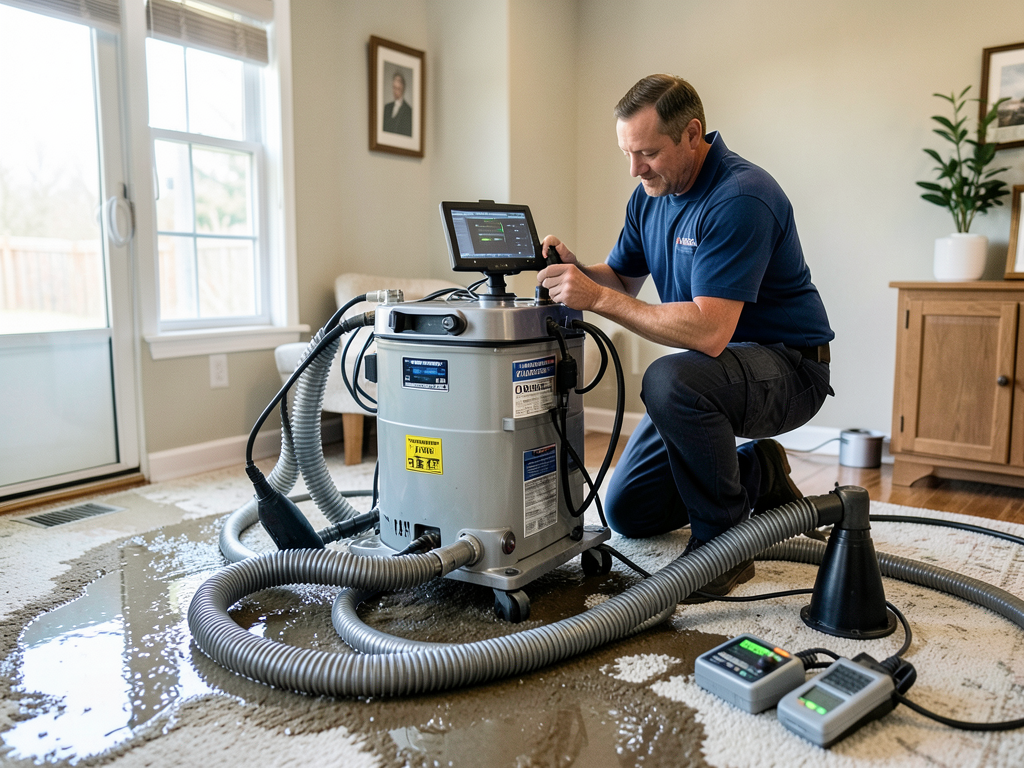
Our technicians enter your crawl space with moisture meters, thermal imaging cameras, and air quality monitors. We document every issue: standing water, damaged joists, mold growth, insulation failure, and pest intrusion. You receive a full photo report with moisture readings and a written scope of work before we start. This documentation also supports insurance claims if your damage qualifies for coverage under your policy.
02

Contamination Removal and Treatment

We extract standing water, remove compromised materials, and treat all surfaces with EPA-registered antimicrobials. HEPA air scrubbers run continuously to capture airborne spores. Damaged structural members get replaced or reinforced according to Miami-Dade building code requirements. All work areas remain under negative pressure to protect your indoor air quality. This phase typically takes two to four days depending on contamination severity and crawl space size.
03

Encapsulation and Climate Control

Once the space is clean and dry, we install your drainage system, sealed vapor barrier, and insulation package. Foundation vents get permanently sealed. A commercial-grade dehumidifier with condensate pump goes online. We verify the entire system is functioning correctly and provide you with humidity logs and maintenance instructions. Your crawl space becomes a controlled environment that protects your home instead of threatening it.

Why Miami Homeowners Choose Fortress Water Damage Restoration

Crawl space work requires specialized knowledge of South Florida construction. Most Miami homes built before 1994 used stem wall foundations with block crawl spaces. Homes built after Hurricane Andrew often sit on monolithic slabs with limited access spaces. Both types require different approaches to waterproofing and encapsulation.

We understand how Miami's limestone substrate affects moisture movement. Limestone is porous and alkaline, which means standard vapor barriers fail quickly if you do not account for pH and moisture drive. We use barrier materials specifically rated for high-alkalinity contact and reinforce all termination points to prevent capillary breakthrough.

We also understand local code requirements. Miami-Dade County has specific provisions for flood zones, wind load ratings, and termite pressure treatments. Your crawl space encapsulation must meet these standards or you risk failed inspections during resale or insurance underwriting. We pull permits when required and coordinate with building inspectors to ensure compliance.

Our crews train on mold remediation protocols outlined in the IICRC S520 standard. This is not optional. Improper mold removal spreads contamination and creates liability. We document every step with photos, moisture logs, and air quality testing. If your insurance company or attorney needs evidence of proper remediation, you have it.

We also recognize the urgency of crawl space problems. A flooded crawl space during hurricane season can destroy floor systems in under a week. We maintain emergency response capacity and prioritize jobs with active structural threats. You do not wait three weeks for an estimate while your floor joists turn to mush.

Most importantly, we explain what you are paying for. Crawl space restoration is expensive because it involves skilled labor, specialized equipment, and engineered solutions. We walk you through the scope, explain cost drivers, and help you understand what corners you cannot cut without compromising the entire system.

What You Should Expect During Crawl Space Remediation

Project Timeline and Access Requirements

A complete crawl space cleanup and encapsulation takes four to seven days depending on contamination levels, structural repairs, and crawl space dimensions. The first day involves demolition and removal. Days two and three focus on structural repairs, drainage installation, and antimicrobial treatment. Days four through six cover vapor barrier installation, insulation, and mechanical system setup. Day seven involves final inspection and system startup. You need to provide clear access to crawl space entry points and electrical service for our equipment. We protect your landscaping and hardscaping during material removal and coordinate with you on noise-sensitive periods if you work from home.

How We Assess Your Crawl Space Conditions

Our assessment includes moisture mapping using pin-type and non-invasive moisture meters, thermal imaging to identify hidden water intrusion, air quality sampling for mold spore counts, and structural inspection of all load-bearing components. We measure relative humidity, temperature, and dew point to size your dehumidification system correctly. We also identify pest intrusion points, compromised vapor barriers, and failed insulation. You receive a written report with annotated photos, moisture readings by location, and specific recommendations for drainage, waterproofing, and structural repairs. This documentation is detailed enough to submit to insurance carriers or use for property disclosure during resale.

The Quality of Work You Will Receive

You get a sealed crawl space system engineered for Miami's climate, not a generic installation copied from a YouTube video. Our vapor barriers are mechanically fastened and sealed at every seam, penetration, and termination point. Drainage systems include redundant sump pumps with battery backup and Wi-Fi monitoring. Dehumidifiers are sized for your cubic footage and set to maintain 50% relative humidity year-round. All structural repairs meet or exceed Miami-Dade building code requirements. Insulation is closed-cell spray foam applied to rim joists and band boards, not fiberglass batts that sag and trap moisture. You receive a system that works, not a temporary fix that fails after the next storm.

Post-Installation Support and Monitoring

After installation, we provide detailed system operation instructions and maintenance schedules. Your dehumidifier requires filter changes every six months and annual coil cleaning. Your sump pump needs quarterly function tests and battery replacement every three years. We offer annual inspection services to verify your system is performing correctly and catch small issues before they escalate. If you experience problems, we respond within 24 hours for system failures and within 48 hours for non-emergency service calls. We also provide documentation packages for home sales, insurance underwriting, and warranty transfers. Your investment is protected with ongoing support that extends beyond installation day.

Frequently Asked Questions

You Have Questions,
We Have Answers

What is the average cost to encapsulate a crawl space? +

Crawl space encapsulation costs vary based on square footage, moisture levels, and structural repairs needed. In Miami, expect costs to reflect high humidity challenges and vapor barrier thickness requirements. Smaller crawl spaces under 1,200 square feet typically cost less, while larger areas require more materials and labor. Factors include debris removal, mold remediation, drainage system installation, and dehumidifier placement. Miami's tropical climate demands thicker vapor barriers and robust moisture control, which affects pricing. The investment protects your foundation from Florida's intense rainfall and prevents mold growth common in South Florida homes.

Is it worth it to encapsulate a crawlspace? +

Yes. Encapsulation prevents moisture damage in Miami's high-humidity environment where crawl spaces face constant exposure to tropical storms and groundwater. The vapor barrier blocks moisture intrusion that causes wood rot, mold growth, and structural weakening. You gain improved indoor air quality, lower cooling costs in Miami's heat, and protection against termites attracted to damp wood. Encapsulation also prevents the musty odors that rise through floors in older Miami homes. Given South Florida's climate and frequent flooding risks, encapsulation provides essential protection that preserves your home's structural integrity and reduces long-term repair costs.

What does crawl space encapsulation include? +

Complete crawl space encapsulation includes debris removal, mold remediation if present, drainage system installation, and vapor barrier application across floors and walls. The process addresses moisture sources through French drains or sump pumps, seals foundation vents, and installs a commercial-grade dehumidifier. In Miami, encapsulation must account for high water tables and hurricane-driven moisture. Technicians seal all penetrations, insulate rim joists, and ensure proper vapor barrier overlap. The system creates a controlled environment that prevents humidity from entering your living space. Professional encapsulation transforms your crawl space into a dry, clean area that protects your home's foundation.

Is it worth it to clean a crawl space? +

Absolutely. Crawl space cleaning removes mold spores, pest waste, damaged insulation, and debris that compromise air quality in your Miami home. Cleaning addresses contamination before encapsulation and eliminates odors rising through floorboards. In South Florida, crawl spaces accumulate moisture-damaged materials that harbor bacteria and attract pests. Professional cleaning includes sanitization that kills mold and removes allergens. This step prevents health issues and prepares the space for effective moisture control. Given Miami's humidity and pest activity, regular crawl space cleaning protects your family's health and prevents structural damage from hidden moisture problems and wood-destroying organisms.

Will insurance cover crawl space encapsulation? +

Standard homeowners insurance typically does not cover crawl space encapsulation as a preventive measure. However, if moisture damage results from a covered peril like a burst pipe or hurricane flooding, insurance may cover related repairs. In Miami, flood insurance through NFIP covers certain water damage but rarely preventive encapsulation. Some policies cover mold remediation up to specific limits if tied to covered water damage. Review your policy carefully and document existing conditions. Insurance treats encapsulation as home maintenance rather than emergency repair. Consider encapsulation a worthwhile investment that prevents future claims and protects your Miami home from Florida's harsh climate.

How much does it cost to insulate a 1500 square foot house crawl space? +

Insulating a 1,500 square foot crawl space in Miami involves different considerations than northern climates. South Florida homes benefit more from vapor barriers and dehumidification than traditional insulation. If insulating, expect costs to reflect materials like closed-cell spray foam or rigid foam boards that resist moisture. Most Miami crawl spaces need minimal insulation but require robust moisture control due to high humidity and warm temperatures year-round. The square footage determines material needs, but Miami's climate means you focus budget on vapor barriers, drainage systems, and dehumidifiers rather than thermal insulation. Consult local professionals familiar with Florida building codes.

What are the negatives of encapsulation? +

Encapsulation requires upfront investment that some homeowners find steep. Improper installation can trap existing moisture, worsening problems if drainage systems fail or vapor barriers tear. Dehumidifiers add ongoing electricity costs, though Miami's energy-efficient models minimize impact. Encapsulation also hides crawl space conditions, making future inspections harder without access points. If groundwater issues remain unaddressed, hydrostatic pressure can damage barriers. Some Miami homes on limestone bedrock face drainage challenges that complicate encapsulation. Finally, encapsulation does not fix structural damage already present. Address foundation cracks, wood rot, and pest damage before sealing the space to avoid trapping problems.

Can I write off crawl space encapsulation? +

Crawl space encapsulation may qualify as a medical expense deduction if a doctor prescribes it to address mold-related health issues. You must itemize deductions and exceed the adjusted gross income threshold. Encapsulation generally does not qualify as a home improvement capital expense unless tied to a rental property, where it becomes a depreciable asset. In Miami, if encapsulation is part of hurricane damage repairs, you might claim casualty loss deductions. Energy-efficient components like dehumidifiers rarely qualify for tax credits. Consult a tax professional familiar with Florida property laws to determine eligibility. Most homeowners cannot write off encapsulation as a standard deduction.

What are the drawbacks of crawlspace encapsulation? +

Encapsulation creates a sealed environment that requires ongoing maintenance, including dehumidifier filter changes and vapor barrier inspections. Electricity costs rise from running dehumidifiers continuously in Miami's humid climate. Poorly installed systems trap moisture, accelerating wood rot and mold growth. Encapsulation also limits crawl space ventilation, which some contractors debate for Florida homes. If drainage systems fail during heavy rains, water can pool under vapor barriers. Access becomes restricted for plumbing or electrical repairs. Finally, encapsulation does not address external water sources like poor grading or gutter issues. Without proper drainage solutions, encapsulation alone cannot solve Miami's moisture challenges.

What is the alternative to crawl space encapsulation? +

Alternatives include traditional vented crawl spaces with proper grading and drainage improvements. Install French drains, extend downspouts, and improve yard slope to direct water away from foundations. Add crawl space vents and fans to increase airflow, though this works poorly in humid Miami. Condition the crawl space by extending HVAC ducts into the area, creating a semi-conditioned space without full encapsulation. Some homeowners opt for partial vapor barriers covering only the floor. For minor moisture issues, install standalone dehumidifiers without sealing the space. However, Miami's tropical climate and flooding risks make full encapsulation the most effective long-term solution for moisture control.

How Miami's Water Table and Storm Surge Affect Crawl Space Encapsulation

Miami sits on a porous limestone aquifer with a water table that fluctuates between 3 and 12 feet below grade depending on seasonal rainfall and tidal influence. During king tides and tropical storms, the water table can rise to within inches of the surface, forcing groundwater directly into crawl spaces through foundation walls and floor slabs. This is not surface water you can redirect with gutters. It is hydrostatic pressure forcing moisture through every crack and joint in your foundation. Crawl space waterproofing in Miami requires below-grade drainage systems, sump pump capacity to handle rapid inflow, and vapor barriers rated for continuous moisture contact. Standard residential solutions designed for temperate climates fail here within months.

Miami-Dade County enforces strict building codes developed after Hurricane Andrew, including specific requirements for flood zone construction, wind load ratings, and moisture control systems. Any crawl space sealing services performed in Miami must account for these regulations or you risk failed inspections, insurance complications, and resale problems. Fortress Water Damage Restoration Miami maintains relationships with local building inspectors and stays current on code amendments affecting moisture management systems. We pull permits when required, coordinate inspections, and provide documentation that satisfies lender and insurance requirements. Choosing a local provider who understands these nuances protects your investment and ensures your crawl space system performs as engineered.
Water Damage Restoration Services in The Miami Area

Fortress proudly serves the entire Miami area and nearby neighborhoods with prompt, expert water damage restoration services. Whether you're located downtown, in the suburbs, or along the coast, our team is just a call away. Use the map below to view our service area and get directions to our office. We’re local, responsive, and ready to help 24/7—because when disaster strikes, having a trusted team nearby makes all the difference.

Address:
Fortress Water Damage Restoration Miami, 3250 NE 1st Ave, Miami, FL, 33137

Additional Services We Offer

Our news updates

Latest Articles & News from The Blogs

Expert Luxury Rug Restoration in Miami: Saving Your High-Value Investments When water invades your Gables Estates home the damage extends…

Saving expensive Persian and silk rugs after a water leak in your Gables Estates home

Expert Luxury Rug Restoration in Miami: Saving Your High-Value Investments When water invades your Gables Estates home the damage extends…

Why your family’s sudden allergies might be linked to a hidden leak in your Little Haiti cottage

Why your family’s sudden allergies might be linked to a hidden leak in your Little Haiti cottage Your child’s persistent…

What to do if your pool overflows into your living room during a heavy South Miami downpour

What to do if your pool overflows into your living room during a heavy South Miami downpour When pool water…

Contact Us

Call (786) 789-8282 now for same-day assessment and detailed remediation plans. Every day you wait, moisture spreads further into your floor system. Fortress Water Damage Restoration Miami responds immediately to crawl space emergencies throughout Miami.