menu

Burst Pipe Water Damage in Miami – Fast Response Before Flooding Destroys Your Property

When a pipe ruptures in your Miami home or business, every minute counts. Our certified technicians arrive fast to stop the water, extract flooding, and dry your property before mold takes hold.

Slider Image 1
Slider Image 2
Slider Image 3
Slider Image 4
Slider Image 5
Slider Image 7
Slider Image 8
Slider Image 9
Slider Image 10
Slider Image 11

Why Burst Pipes Cause Catastrophic Damage in Miami Homes

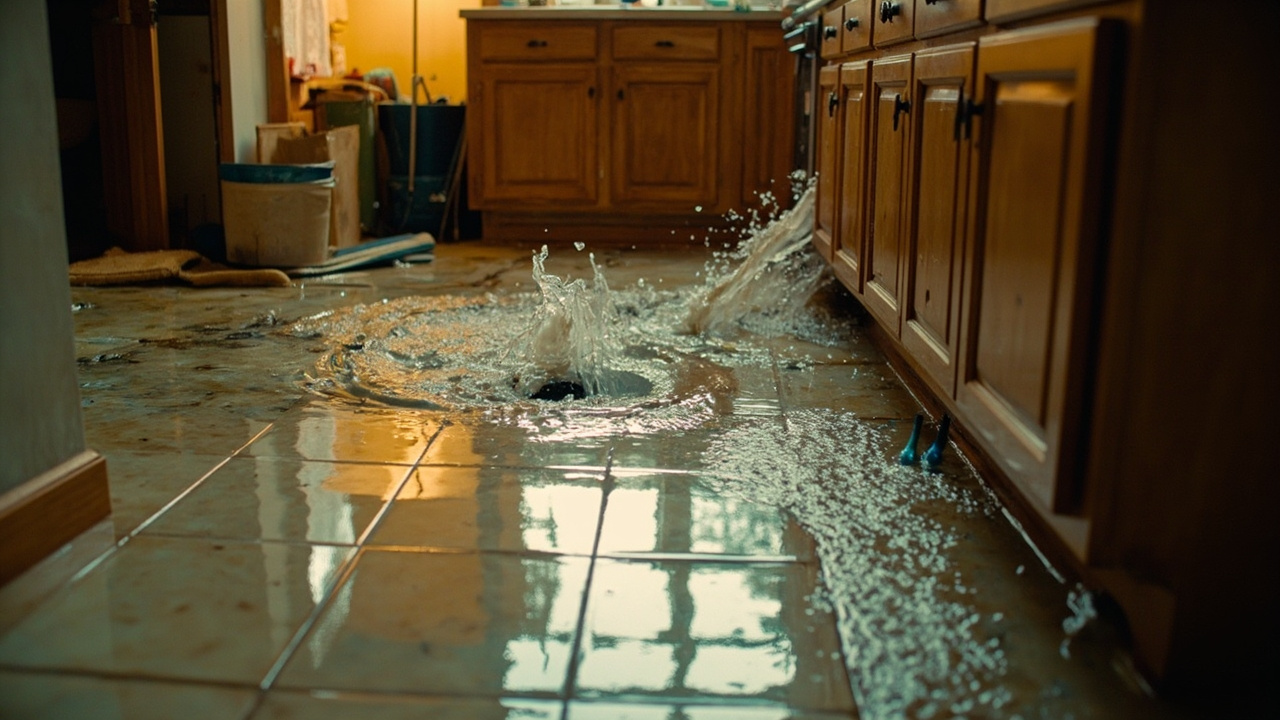
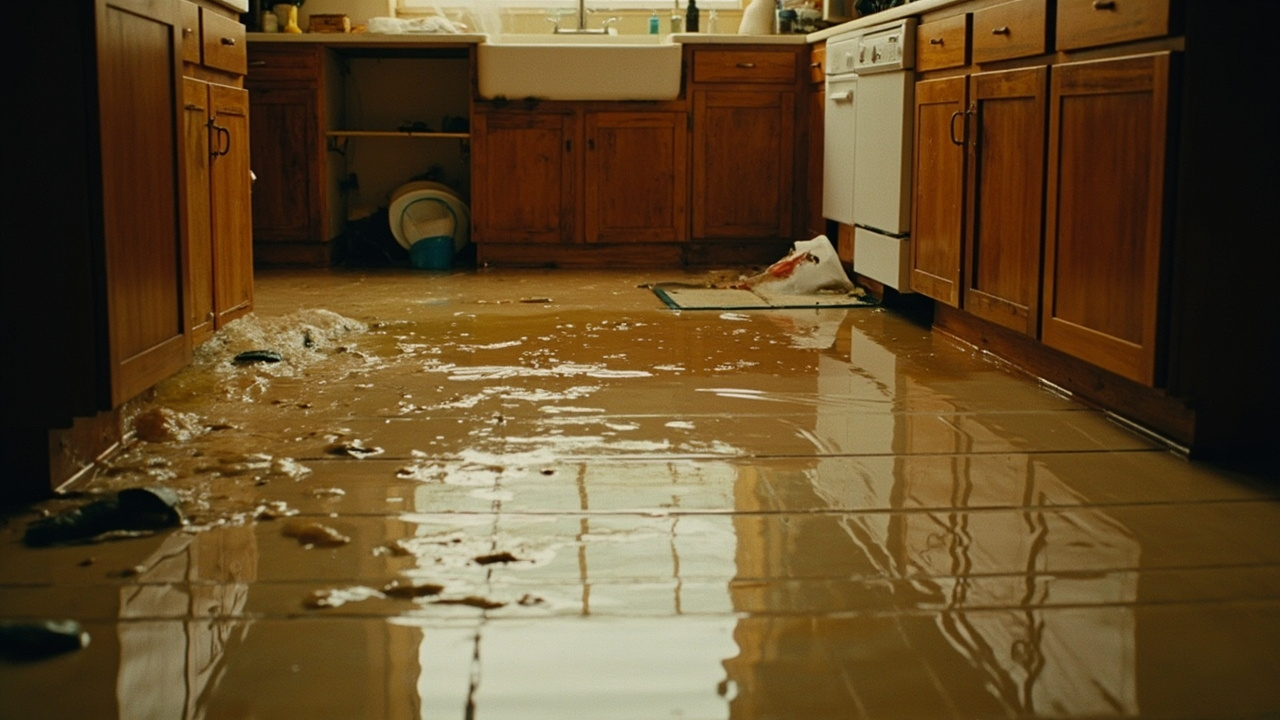
A ruptured pipe releases hundreds of gallons per hour into your walls, ceilings, and floors. In Miami's humid subtropical climate, that water does not just sit. It spreads fast through porous materials like drywall and insulation. Within 24 hours, mold spores activate. Within 48 hours, structural wood begins to weaken.

Most broken pipe water damage in Miami happens in three scenarios. First, aging galvanized steel pipes corrode from the inside out, common in homes built before 1980 across neighborhoods like Little Havana and Liberty City. Second, extreme pressure shifts during the rare cold snap crack copper joints. Third, tree roots from laurel oaks and strangler figs invade underground supply lines in older Coral Gables and Coconut Grove properties.

The real danger is hidden damage. Water follows gravity and pressure gradients. A burst pipe in your attic does not just soak insulation. It travels down wall cavities, saturates subflooring, and pools under tile or hardwood. You see a ceiling stain, but the water damage from burst pipe extends three rooms away. You smell mustiness, but mold colonies are growing inside your drywall where you cannot see.

Miami's limestone foundation and coral rock base complicate drainage. Water trapped in the slab takes weeks to evaporate naturally. Without professional burst pipe water cleanup using thermal imaging and moisture mapping, you are left with permanent structural compromise and recurring mold issues. This is not a DIY repair. This is structural triage.

Why Burst Pipes Cause Catastrophic Damage in Miami Homes
How We Stop Burst Pipe Flooding and Prevent Secondary Damage

How We Stop Burst Pipe Flooding and Prevent Secondary Damage

Speed determines outcome. Our teams arrive within 90 minutes of your call, day or night. We do not wait for business hours. The first task is source control. We locate the rupture, shut off the water supply, and assess the pressure loss. If your main shutoff valve is corroded or inaccessible, we carry bypass tools to stop flow immediately.

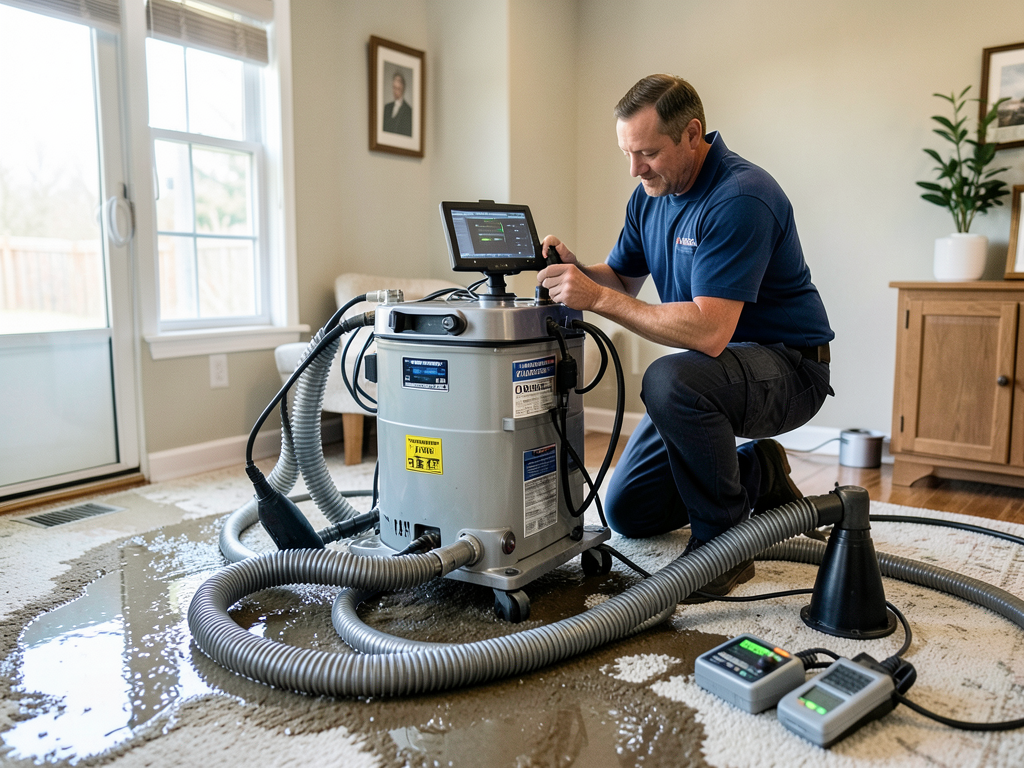
Next, we deploy truck-mounted extractors to remove standing water. Standard wet vacs cannot handle burst pipe flooding. We use commercial pumps rated at 200 gallons per minute. For slab leaks or subfloor saturation, we drill controlled access points and insert extraction mats that pull moisture through capillary action. This prevents tile delamination and hardwood cupping.

Then comes the critical phase: structural drying. We install axial air movers positioned at 45-degree angles to create airflow across wet surfaces without blowing mold spores into the air. Low-grain refrigerant dehumidifiers pull moisture from the air faster than Miami's ambient humidity can replace it. We monitor every room with thermo-hygrometers, adjusting equipment placement every 12 hours based on moisture meter readings.

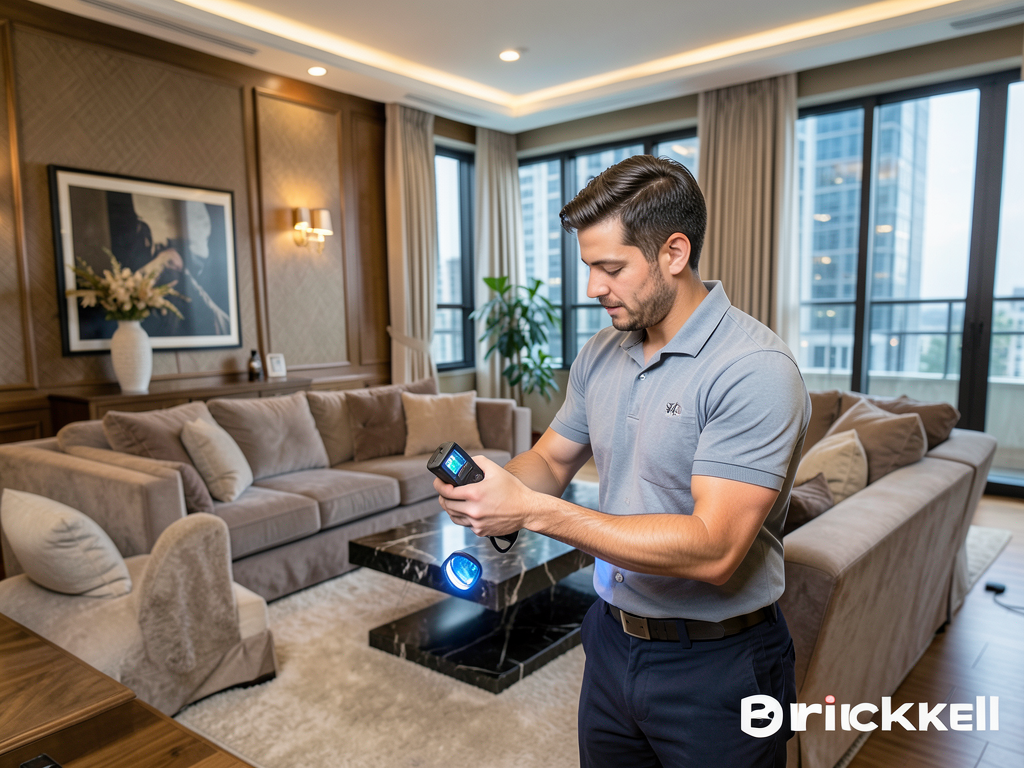
We document everything with thermal imaging. A FLIR camera shows trapped moisture behind walls and under flooring that looks dry to the naked eye. This is how we prevent callback jobs. We dry to the IICRC S500 standard: below 15 percent moisture content in wood framing, below 1 percent in drywall. Anything higher and mold will return within weeks.

For ruptured pipe water damage that contacted electrical systems or insulation, we coordinate with licensed electricians and insulation contractors. We do not move to reconstruction until every material is confirmed dry and mold-free.

What Happens During Your Burst Pipe Emergency Restoration

Burst Pipe Water Damage in Miami – Fast Response Before Flooding Destroys Your Property
01

Water Shutoff and Damage Assessment

Our first priority is stopping the flow. We locate the burst section, isolate it if possible, or shut down your main supply. While water extraction begins, our lead technician maps the spread using moisture meters and thermal cameras. We document every affected room, material, and fixture. This report becomes your insurance claim foundation. You receive photos, moisture readings, and a written scope within two hours of our arrival.
02

Water Extraction and Structural Drying

We remove standing water with truck-mounted pumps, then position air movers and dehumidifiers based on airflow dynamics and material density. Drywall dries differently than tile, and both require different equipment placement. We monitor progress every 12 hours, adjusting equipment and rotating drying positions. Most jobs reach dry standard within 72 to 96 hours depending on saturation depth. We do not leave until moisture levels meet IICRC standards for your specific materials.
03

Sanitization and Reconstruction Preparation

Once dry, we treat all affected surfaces with EPA-registered antimicrobial agents to prevent mold growth. We remove unsalvageable materials like soaked insulation, water-stained drywall, and delaminated flooring. Our final report lists every item removed, every surface treated, and all moisture readings at completion. You get a Certificate of Drying that satisfies insurance requirements and contractor specifications. Your property is now ready for safe rebuilding without hidden moisture or mold risk.

Why Miami Property Owners Choose Fortress Water Damage Restoration Miami

Burst pipe water cleanup is time-sensitive work. You need a team that knows Miami's building stock, understands our humidity challenges, and responds immediately. We have worked in every Miami neighborhood from Brickell high-rises to Homestead single-family homes. We know the difference between a 1950s concrete block ranch and a 2015 wood-frame townhouse. The drying protocol changes based on construction type.

Our technicians hold IICRC Water Damage Restoration certifications and Florida state mold remediation licenses. This is not optional in our industry. It is the baseline for competent work. We invest in ongoing training because techniques evolve and equipment improves. The thermal camera we used five years ago is obsolete compared to current FLIR models. We upgrade our tools to match.

We work directly with your insurance carrier. Most policies cover sudden pipe failures under dwelling coverage. We document everything to ACV and RCV standards, photograph pre-loss conditions when possible, and provide line-item estimates that match Xactimate pricing. This eliminates the back-and-forth that delays your claim. We have processed thousands of water damage claims and know what adjusters require.

You also get transparency. We explain what we find, why it matters, and what the fix involves. If your broken pipe water damage only requires extraction and drying, we do not upsell demolition. If your subfloor is compromised, we show you the moisture readings and explain why replacement is necessary. You make informed decisions, not fear-based ones.

We operate 24 hours a day because pipes do not rupture on a schedule. You call at 2 AM on Sunday, we answer and dispatch. No voicemail, no callback delays.

What to Expect When You Call Fortress Water Damage Restoration Miami

Immediate Dispatch and Arrival Time

We dispatch a crew within 15 minutes of your call. Typical arrival time is 60 to 90 minutes depending on your location in Miami-Dade County. Our trucks carry industrial extraction pumps, air movers, dehumidifiers, and moisture detection tools. We do not need to return to the shop for equipment. Everything required for emergency water removal and drying is onboard. You get same-day service, even on weekends and holidays. Our technicians arrive in marked vehicles with photo ID and company uniforms.

Onsite Assessment and Moisture Mapping

Our lead technician conducts a room-by-room inspection using penetrating and non-penetrating moisture meters. We check walls, ceilings, floors, and concealed spaces like closets and cabinets. Thermal imaging reveals moisture trapped behind surfaces. We categorize water damage as Category 1 (clean water), Category 2 (gray water), or Category 3 (black water) to determine sanitization requirements. You receive a written assessment within two hours that outlines affected areas, required equipment, estimated drying time, and scope of work. This document serves as your insurance claim starting point.

Drying Results and Completion Standards

We dry your property to IICRC S500 standards, the industry benchmark for water damage restoration. Wood framing must reach below 15 percent moisture content. Drywall must fall below 1 percent. Concrete slabs vary but typically require readings below 4 percent before flooring installation. We provide daily progress reports showing moisture level trends. Once readings stabilize within acceptable ranges for 24 hours, we remove equipment and issue a Certificate of Drying. This document confirms your property is safe for reconstruction and meets insurance and contractor requirements.

Post-Restoration Monitoring and Prevention Guidance

After drying completes, we provide a follow-up inspection within seven days to verify moisture levels remain stable. If readings creep up, we return at no charge to investigate the source. We also give you a prevention checklist specific to your plumbing system and home age. This includes shutoff valve locations, pressure regulator checks, and signs of hidden leaks. For older Miami homes with galvanized pipes, we recommend periodic pressure testing and eventual repiping before catastrophic failure occurs. Prevention is always cheaper than emergency restoration.

Frequently Asked Questions

You Have Questions,
We Have Answers

Does insurance cover damage from burst pipes? +

Most homeowners insurance policies cover sudden and accidental water damage from burst pipes. This includes damage to floors, walls, furniture, and belongings. Coverage kicks in when pipes burst due to freezing, aging infrastructure, or unexpected pressure surges. However, insurance will not pay if neglect caused the problem. In Miami, where aging plumbing and high water pressure are common issues, maintaining your pipes is critical. Document all damage immediately with photos and contact your insurer within 24 hours. Review your policy for specific exclusions and coverage limits before filing a claim.

Is water damage from a burst pipe covered by insurance? +

Yes, water damage from a burst pipe is typically covered by standard homeowners insurance if the pipe failure was sudden and accidental. Policies cover repairs to structural damage, flooring, drywall, and personal property damaged by water. Miami homeowners benefit from this coverage due to frequent pipe failures from corrosion in humid coastal environments. The key factor is whether the burst was preventable. If you ignored visible leaks or failed to maintain plumbing, your claim may be denied. Always shut off water immediately, document damage, and file your claim quickly to maximize your payout.

How many hours below freezing to freeze pipes? +

Pipes can begin freezing when temperatures drop below 32 degrees Fahrenheit, but prolonged exposure matters more than a brief cold snap. Generally, pipes freeze after 6 hours of sustained temperatures at or below 20 degrees Fahrenheit. However, Miami residents rarely face freezing conditions. When occasional cold fronts push temperatures into the low 30s, outdoor pipes, hose bibs, and poorly insulated plumbing in attics or crawl spaces face the highest risk. Even brief freezes can cause problems in South Florida homes not built for cold weather. Protect exposed pipes during rare cold snaps to avoid costly damage.

Who is responsible for burst water pipes? +

Responsibility for burst water pipes depends on where the pipe is located and what caused the failure. Homeowners are responsible for all plumbing inside their property line, including pipes within walls, under slabs, and in crawl spaces. The city or water utility owns pipes in the street or up to the meter. In Miami, many older homes have galvanized or polybutylene pipes prone to failure, making homeowners liable for repairs. Landlords must fix burst pipes in rental properties unless tenant negligence caused the damage. Review your deed and local utility maps to understand your responsibility boundaries.

What is the average insurance payout for water damage? +

The average insurance payout for water damage ranges from $2,000 to $10,000, but severe burst pipe incidents in Miami can exceed $20,000. Payout amounts depend on the extent of structural damage, how long water sat before remediation, and whether mold developed in Miami's humid climate. Claims involving flooring replacement, drywall removal, and content loss push costs higher. Insurance adjusters will assess damage severity and apply your deductible before paying. To maximize your payout, document everything, hire a licensed restoration company immediately, and keep receipts for all emergency repairs and temporary housing if needed.

How much does it cost to fix burst pipes? +

Repairing a burst pipe in Miami costs between $150 and $500 for a simple pipe replacement, but total restoration costs can reach $5,000 to $15,000 when you factor in water extraction, drying, mold prevention, and structural repairs. Costs depend on pipe location, material, and water damage extent. Pipes hidden in walls or under concrete slabs cost more to access and repair. Miami's high humidity accelerates mold growth, often requiring professional remediation within 48 hours. Emergency plumbing calls after hours or on weekends increase labor costs. Act fast to minimize secondary damage and keep total expenses down.

Do insurance companies pay out for burst pipes? +

Yes, insurance companies pay out for burst pipes if the damage was sudden and accidental. Insurers cover water extraction, structural drying, repairs to drywall and flooring, and damaged belongings. In Miami, where burst pipes can quickly lead to mold in humid conditions, fast action is critical. Insurance will not pay if you neglected maintenance or ignored warning signs like slow leaks or corrosion. File your claim immediately, provide thorough documentation with photos, and hire a licensed restoration company to begin mitigation. Delaying remediation can result in claim denial due to preventable secondary damage like mold.

What kind of water damage is not covered by insurance? +

Insurance does not cover water damage from gradual leaks, poor maintenance, flooding from external sources, or sewer backups without additional coverage. Slow drips that damaged flooring over months will be denied because you should have fixed the problem earlier. In Miami, flood insurance is separate and required for storm surge or heavy rain flooding. Sewer backups need a special rider. Insurance also excludes damage from mold that developed due to neglect or humidity issues you failed to address. Regular plumbing inspections and maintenance protect you from denied claims and out-of-pocket costs for preventable damage.

What to do immediately after a pipe bursts? +

Shut off the main water supply immediately to stop flooding. Find the valve near your water meter or where the main line enters your home. Turn off electricity to affected areas to prevent electrocution. Move furniture and valuables to dry areas. Call a licensed plumber to repair the pipe and a water damage restoration company to extract standing water. In Miami, high humidity means mold can develop within 24 to 48 hours, so professional drying is critical. Document all damage with photos for insurance. Contact your insurer immediately to start your claim and minimize financial losses.

At what temperature should you let your faucets drip? +

Let faucets drip when temperatures drop to 28 degrees Fahrenheit or below, especially if sustained for several hours. However, Miami rarely experiences freezing conditions. During the occasional cold front, protect outdoor hose bibs, pipes in unheated garages, or plumbing in exterior walls by allowing a slow drip from both hot and cold taps. Moving water resists freezing better than stagnant water. While dripping faucets waste some water, the cost is minimal compared to burst pipe repairs and water damage restoration. Focus on insulating exposed pipes and disconnecting garden hoses during Miami's brief winter cold snaps.

How Miami's Humidity and Limestone Foundation Complicate Burst Pipe Restoration

Miami's year-round humidity averages 75 percent, creating ideal conditions for rapid mold growth after water intrusion. When a pipe bursts, ambient moisture slows natural evaporation and accelerates microbial activity. Mold spores colonize wet drywall and insulation within 24 to 48 hours. Our dehumidifiers must work harder here than in dry climates, pulling moisture from air that is already saturated. The porous limestone foundation under most Miami properties absorbs and holds water, extending drying time for slab leaks and subfloor saturation. Without controlled drying equipment, burst pipe flooding can take weeks to fully dry, creating long-term structural and air quality problems.

We have restored water damage across every Miami neighborhood, from Wynwood lofts to Pinecrest estates. We understand the construction differences between mid-century concrete block homes, 1980s wood-frame subdivisions, and modern steel-reinforced condos. Each requires different extraction methods and drying protocols. Our familiarity with Miami-Dade building codes ensures we meet ventilation, mold remediation, and structural drying requirements before reconstruction begins. Local expertise matters when your property and health are on the line. We do not learn on your job. We arrive knowing what works in Miami's unique climate and building environment.
Water Damage Restoration Services in The Miami Area

Fortress proudly serves the entire Miami area and nearby neighborhoods with prompt, expert water damage restoration services. Whether you're located downtown, in the suburbs, or along the coast, our team is just a call away. Use the map below to view our service area and get directions to our office. We’re local, responsive, and ready to help 24/7—because when disaster strikes, having a trusted team nearby makes all the difference.

Address:
Fortress Water Damage Restoration Miami, 3250 NE 1st Ave, Miami, FL, 33137

Additional Services We Offer

Our news updates

Latest Articles & News from The Blogs

Should You Use Your Insurers Preferred Vendor for Brickell Condo Water Damage? When water floods your Brickell condo, your insurance…

Should You Use Your Insurers Preferred Vendor for Brickell Condo Water Damage?

Should You Use Your Insurers Preferred Vendor for Brickell Condo Water Damage? When water floods your Brickell condo, your insurance…

How to Hire a Restorer Who Understands Aventura Penthouse Plumbing Systems

How to Hire a Restorer Who Understands Aventura Penthouse Plumbing Systems Water damage in an Aventura penthouse is not just…

The Difference Between Surface Cleaning and Deep Extraction for Kendall Area Carpets

The Difference Between Surface Cleaning and Deep Extraction for Kendall Area Carpets When water invades your Kendall home, the first…

Contact Us

A burst pipe will not wait, and neither should you. Call Fortress Water Damage Restoration Miami at (786) 789-8282 right now. We answer 24/7 and dispatch immediately. Stop the damage before it spreads.