menu

How to Handle Insurance Claims in Miami – Expert Guidance for Maximum Water Damage Coverage

Navigate the water damage insurance claim process with confidence using proven strategies that protect Miami homeowners from claim denials, underpayments, and coverage gaps after flooding, pipe bursts, and storm damage.

Slider Image 1
Slider Image 2
Slider Image 3
Slider Image 4
Slider Image 5
Slider Image 7
Slider Image 8
Slider Image 9
Slider Image 10
Slider Image 11

Why Water Damage Claims Get Denied in Miami

Miami's subtropical climate creates perfect conditions for water damage, but that same environment complicates the water damage insurance claim process. Hurricane season brings storm surge and torrential rain. Summer humidity encourages mold growth within 48 hours of water intrusion. Aging infrastructure in neighborhoods like Little Havana and Coral Gables means pipe failures happen without warning.

Insurance adjusters know these patterns. They look for reasons to minimize payouts or deny claims entirely. You might face denial because you waited too long to report damage. The adjuster might claim the water intrusion was gradual, not sudden. They might argue your policy excludes flood damage or mold remediation.

Filing a water damage claim becomes more complicated when you do not document the damage properly. Missing photos, incomplete inventories, and vague descriptions give adjusters ammunition to reduce settlements. Miami homeowners lose thousands because they do not understand the difference between flood insurance and homeowners coverage.

The stakes get higher when you factor in Miami-Dade County's strict building codes. If water damage compromises structural elements, you need repairs that meet current code requirements. Your claim must account for code compliance costs, not just cosmetic fixes. Navigating water restoration claims requires knowing what your policy covers, what it excludes, and how to prove your losses meet the policy terms.

Most property owners make critical mistakes in the first 24 hours after discovering water damage. Those errors create problems that follow you through the entire claims process.

Why Water Damage Claims Get Denied in Miami
The Right Way to Document and File Your Claim

The Right Way to Document and File Your Claim

Managing water mitigation claims starts before you call your insurance company. You need evidence that proves the extent of damage, the cause of water intrusion, and the immediate steps you took to prevent further loss.

Start with photo and video documentation. Capture water levels, saturation patterns on walls and floors, damaged contents, and the source of water intrusion. Use your phone's timestamp feature. Take wide shots that show the entire room, then close-ups of specific damage. Document serial numbers on damaged appliances and electronics.

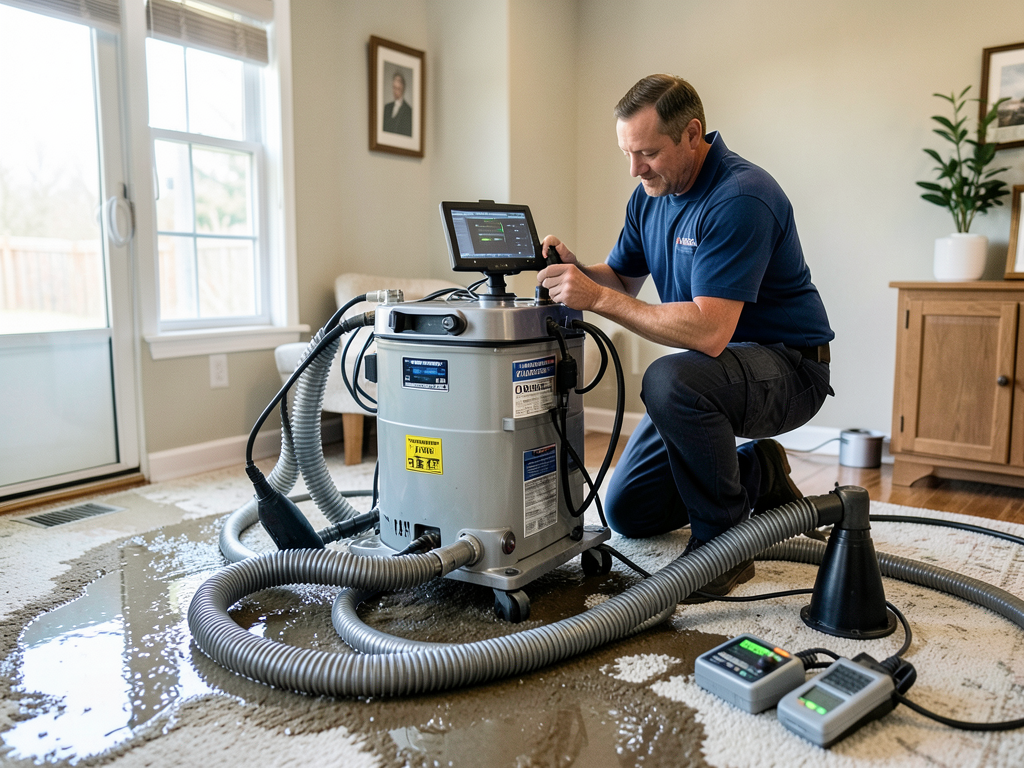
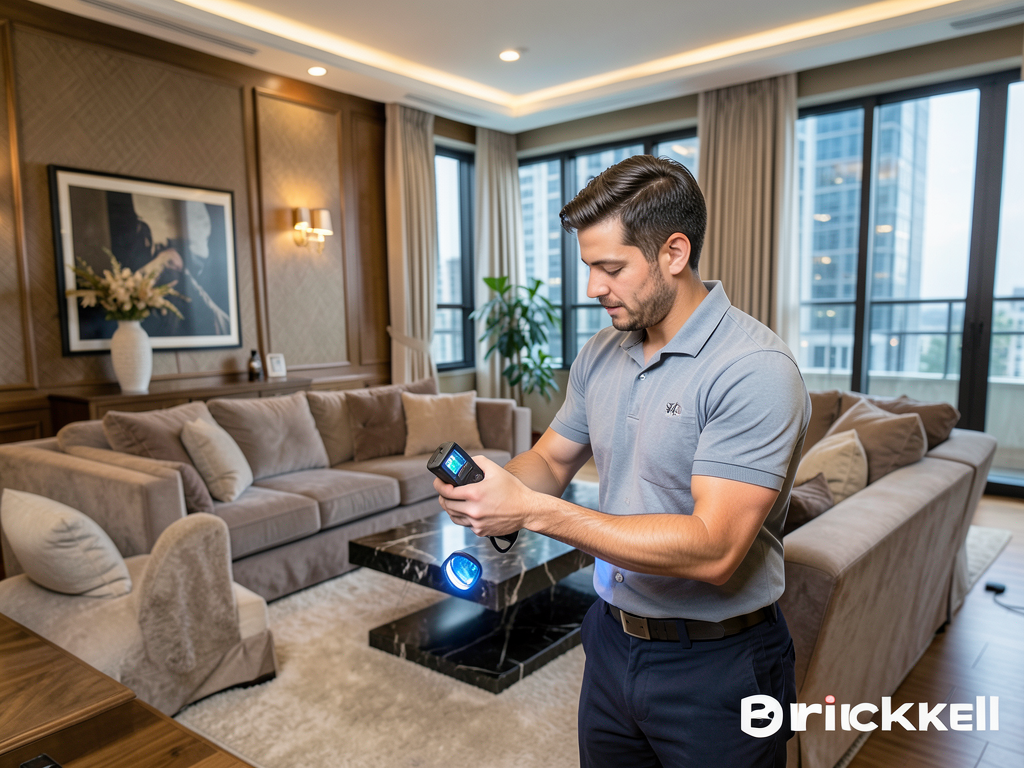
Contact a professional water damage restoration company before you file. Restoration technicians use moisture meters, thermal imaging cameras, and hygrometers to measure hidden water intrusion behind walls and under flooring. This data becomes critical evidence. Insurance adjusters cannot dispute calibrated equipment readings that show moisture content in building materials.

Your insurance policy requires you to mitigate further damage. That means emergency water extraction, structural drying, and securing the property. If you delay mitigation to wait for an adjuster, the insurance company can deny coverage for additional damage that occurs during the wait. Tips for water damage insurance claims always include this point: start emergency mitigation immediately, document everything, then notify your carrier.

Keep detailed records of all communication with your insurance company. Note the date, time, and name of every person you speak with. Follow up phone calls with emails that summarize what was discussed. Request written confirmation of coverage determinations.

The adjuster will create a scope of damage. You can dispute that scope if it underestimates the damage or fails to account for hidden water intrusion. Professional restoration companies provide independent damage assessments that include moisture mapping, material testing, and repair cost estimates based on current material and labor rates in Miami.

Your Water Damage Claim Timeline

How to Handle Insurance Claims in Miami – Expert Guidance for Maximum Water Damage Coverage
01

Immediate Damage Control

The first 24 hours determine your claim outcome. Stop the water source if possible. Document everything with photos and video before moving contents. Call a professional restoration company to begin water extraction and structural drying. Contact your insurance carrier to report the loss. Do not wait for adjuster approval to start emergency mitigation. Your policy requires immediate action to prevent additional damage.
02

Adjuster Inspection and Negotiation

The insurance adjuster will inspect your property within 3 to 7 days. Be present during the inspection. Point out all damage areas, including hidden water intrusion detected by moisture meters. Provide your documentation and professional damage assessment. Review the adjuster's scope of damage carefully. Challenge any items they missed or underestimated. Request a written explanation for any denied coverage components.
03

Settlement and Restoration

Once you reach agreement on the scope and cost, the insurance company issues payment. Most policies pay actual cash value first, then replacement cost value after you complete repairs. Keep all receipts and invoices. Submit final documentation to receive the depreciation holdback. Complete restoration includes structural repairs, antimicrobial treatment, and reconstruction that meets Miami-Dade building codes. Your final claim may include additional expenses discovered during demolition.

Why Miami Homeowners Choose Fortress Water Damage Restoration Miami

Filing a water damage claim requires more than good documentation. You need a restoration partner who understands how insurance companies evaluate claims in South Florida. Fortress Water Damage Restoration Miami works with property owners and insurance adjusters every day. We know what evidence adjusters need, what documentation prevents disputes, and how to structure repair estimates that meet policy requirements.

Our technicians hold IICRC certifications in water damage restoration and applied structural drying. We use the same moisture detection equipment that insurance adjusters trust. When we document hidden water intrusion, adjusters cannot dispute our findings. Our detailed reports include moisture mapping, material damage assessment, and microbial risk evaluation specific to Miami's humid climate.

We understand Miami-Dade County's building codes and flood zone requirements. If your water damage claim includes structural repairs, those repairs must meet current code standards. We provide accurate estimates that account for code compliance costs, permitting fees, and required inspections. This prevents the coverage gaps that happen when contractors underestimate repair scope.

Many restoration companies focus only on emergency water extraction. We provide comprehensive support through the entire insurance claim process. That includes damage documentation, independent damage assessment, adjuster coordination, and detailed repair estimates. We communicate directly with your insurance company to resolve coverage questions and scope disputes.

Miami neighborhoods like Brickell, Coconut Grove, and Miami Beach face unique water damage risks. High water tables, aging infrastructure, and hurricane exposure create claim scenarios that require local expertise. We have restored properties in every Miami neighborhood. We know the building types, the common failure points, and the coverage issues that arise in different policy types.

What to Expect During the Claims Process

Response Time and Emergency Service

Water damage worsens every hour. Fortress Water Damage Restoration Miami provides 24/7 emergency response throughout Miami-Dade County. We arrive on-site within 60 to 90 minutes of your call. Our emergency response includes water extraction, content protection, and structural drying setup. We document the initial damage state before beginning mitigation. This documentation becomes the foundation of your insurance claim. Emergency mitigation prevents mold growth, structural deterioration, and content loss that would otherwise expand your claim and increase your out-of-pocket costs.

Professional Damage Assessment

Our technicians conduct comprehensive moisture surveys using calibrated detection equipment. We map water intrusion patterns in walls, ceilings, and flooring systems. Thermal imaging cameras identify temperature differentials that indicate hidden moisture. Moisture meters measure water content in wood framing, drywall, and subflooring. We test for elevated humidity levels that promote mold growth. This data creates an objective record of damage that insurance adjusters cannot dispute. You receive a detailed assessment report with moisture readings, damage classifications, and recommended remediation scope.

Complete Restoration and Reconstruction

Water damage restoration is not complete until your property returns to pre-loss condition. After structural drying, we remove damaged materials, treat affected surfaces with antimicrobial solutions, and begin reconstruction. Our work includes permit acquisition, code-compliant repairs, matching finishes, and final inspections. We coordinate with plumbers, electricians, and other trades as needed. You get a single point of contact for the entire restoration process. We manage the timeline, communicate progress to your insurance adjuster, and ensure quality workmanship that meets Miami-Dade building standards.

Claims Support and Documentation

We provide ongoing support throughout your insurance claim. That includes detailed repair estimates formatted to match insurance company requirements, supplemental damage documentation when hidden issues emerge during demolition, and direct communication with adjusters to resolve scope disputes. We maintain photographic records of the entire restoration process. You receive copies of all documentation for your claim file. If your initial claim settlement falls short of actual repair costs, we provide supplemental estimates and technical justification for additional coverage. Our goal is to help you recover the maximum insurance benefit your policy allows.

Frequently Asked Questions

You Have Questions,
We Have Answers

What is the insurance claims handling process? +

The insurance claims handling process starts with immediate documentation. Take photos of all water damage before touching anything. Contact your insurer within 24 hours to file a claim and get a claim number. An adjuster will inspect the damage, usually within 3-5 days in Miami. They assess the loss, review your policy coverage, and calculate the payout. You submit repair estimates from licensed contractors. The insurer approves or negotiates the settlement. Once agreed, you receive payment minus your deductible. In Miami, hurricane-related claims can take longer due to volume, so document everything meticulously to avoid delays.

What not to say during an insurance claim? +

Never speculate about the cause of damage or admit fault. Avoid phrases like "I think the pipe burst because I forgot to check it" or "It's probably my fault." Do not exaggerate the damage or mention pre-existing issues you ignored. Never say you are unsure what your policy covers or that you have not read it. Do not agree to lowball settlement offers immediately. Avoid discussing previous claims or unrelated property problems. Stick to facts only. In Miami, where water intrusion from storms is common, do not guess whether damage came from wind or flood without professional assessment.

What are the 3 D's of insurance claims? +

The 3 D's of insurance claims are Detect, Document, and Defend. Detect means identifying the loss immediately and notifying your insurer fast. Document requires thorough photo and video evidence of all damage, receipts for emergency repairs, and detailed written descriptions. Defend means protecting your right to fair compensation by challenging lowball offers, hiring public adjusters if needed, and understanding your policy terms. In Miami, where hurricane damage can be complex, the 3 D's become critical. Insurers scrutinize claims closely, so your documentation must be airtight to defend against denials or underpayment.

What is the 80% rule in insurance? +

The 80% rule means you must insure your property for at least 80% of its replacement cost to avoid penalties during a claim. If you underinsure, the payout gets reduced proportionally, even for partial losses. For example, if your Miami home costs $500,000 to rebuild but you only carry $300,000 in coverage (60%), you will face a coinsurance penalty. The insurer pays only a percentage of the claim, not the full covered amount. With Miami's rising construction costs and hurricane risk, many homeowners unknowingly violate this rule. Review your policy annually to maintain adequate coverage.

What are the 7 rules of insurance? +

The 7 rules of insurance are insurable interest, utmost good faith, indemnity, subrogation, contribution, proximate cause, and loss minimization. Insurable interest means you must have a financial stake in what you insure. Utmost good faith requires honesty from both parties. Indemnity ensures you get compensated for actual loss, not profit. Subrogation lets insurers recover costs from responsible third parties. Contribution applies when multiple policies cover the same loss. Proximate cause determines which peril triggered the damage. Loss minimization obligates you to prevent further harm. In Miami, understanding these rules helps you navigate water damage claims correctly.

What are the 4 phases of the claim process? +

The 4 phases of the claim process are notification, investigation, evaluation, and resolution. Notification happens when you report the loss to your insurer immediately after discovering damage. Investigation involves the adjuster inspecting your property, reviewing documentation, and assessing coverage. Evaluation is when the insurer calculates the payout based on policy terms, repair estimates, and depreciation. Resolution occurs when you accept the settlement and receive payment, or dispute it through negotiation or appraisal. In Miami, where water damage from hurricanes and plumbing failures is frequent, each phase requires careful attention to maximize your payout and avoid claim denials.

What insurance adjusters won't tell you? +

Insurance adjusters will not tell you that their first offer is negotiable or that you can hire a public adjuster to represent you. They will not mention policy provisions that could increase your payout, like code upgrade coverage or additional living expenses. Adjusters work for the insurer, not you. They will not explain that you can challenge their damage assessment with independent estimates. In Miami, where hurricane claims are complex, adjusters may downplay wind damage or attribute losses to flood exclusions. They will not volunteer that you have appeal rights or that depreciation holdbacks can be recovered after repairs.

What are the three most common mistakes on a claim that will cause denials? +

The three most common mistakes causing claim denials are delayed reporting, inadequate documentation, and filing for excluded perils. Delaying your claim report beyond policy deadlines gives insurers grounds to deny coverage. Poor documentation, missing photos, receipts, or detailed damage lists, makes it easy for adjusters to lowball or reject claims. Filing for excluded perils, like flood damage without separate flood insurance, results in automatic denials. In Miami, homeowners often confuse wind and flood damage after hurricanes. Without clear evidence proving the proximate cause, insurers deny claims. Always document immediately and understand your policy exclusions.

Why should you never admit fault? +

Admitting fault gives insurers and third parties ammunition to deny or reduce your claim. Your statement can be used against you legally, even if you are not entirely at fault. Insurance investigations determine liability based on evidence, not your opinion. Saying "It's my fault" can void coverage if negligence exclusions apply. In Miami, where water damage often stems from storm events or aging infrastructure, premature fault admission complicates multi-party claims. Let professionals assess causation. Your job is to report facts, mitigate damage, and protect your rights. Never speculate or apologize during initial claim discussions.

What is the most common claim denial? +

The most common claim denial is filing for excluded perils, particularly flood damage under standard homeowners policies. Insurers also deny claims for failure to mitigate further damage, late reporting, policy lapses due to non-payment, and pre-existing conditions not disclosed. In Miami, flood exclusions cause frequent denials because homeowners assume hurricane water intrusion is covered under wind damage. Separate flood insurance is mandatory for many properties. Insurers also deny claims when documentation is insufficient or when damage appears maintenance-related rather than sudden and accidental. Understanding your policy exclusions and acting fast prevents most denials.

How Florida's Assignment of Benefits Laws Affect Miami Water Damage Claims

Florida's assignment of benefits laws changed how Miami homeowners manage water mitigation claims. These laws limit how restoration companies can accept direct payment from insurance companies. You maintain control over the insurance claim process, but you can still authorize direct communication between your restoration company and your insurer. Understanding assignment of benefits rules helps you avoid claim complications that delay payment or reduce settlements. Miami property owners need restoration partners who follow current Florida statutes while still providing comprehensive claims support and transparent cost documentation.

Fortress Water Damage Restoration Miami operates in full compliance with Florida's restoration industry regulations and assignment of benefits requirements. We provide upfront cost estimates, detailed scope of work documents, and clear contracts that protect your interests. Our team includes public adjuster partnerships for complex claims that require additional advocacy. We understand Citizens Property Insurance requirements, flood insurance limitations under NFIP policies, and the coverage differences between HO-3 and HO-6 policies common in Miami's condo market. Local expertise matters when you are navigating water restoration claims in South Florida's unique insurance environment.
Water Damage Restoration Services in The Miami Area

Fortress proudly serves the entire Miami area and nearby neighborhoods with prompt, expert water damage restoration services. Whether you're located downtown, in the suburbs, or along the coast, our team is just a call away. Use the map below to view our service area and get directions to our office. We’re local, responsive, and ready to help 24/7—because when disaster strikes, having a trusted team nearby makes all the difference.

Address:
Fortress Water Damage Restoration Miami, 3250 NE 1st Ave, Miami, FL, 33137

Additional Services We Offer

Our news updates

Latest Articles & News from The Blogs

Should You Use Your Insurers Preferred Vendor for Brickell Condo Water Damage? When water floods your Brickell condo, your insurance…

Should You Use Your Insurers Preferred Vendor for Brickell Condo Water Damage?

Should You Use Your Insurers Preferred Vendor for Brickell Condo Water Damage? When water floods your Brickell condo, your insurance…

How to Hire a Restorer Who Understands Aventura Penthouse Plumbing Systems

How to Hire a Restorer Who Understands Aventura Penthouse Plumbing Systems Water damage in an Aventura penthouse is not just…

The Difference Between Surface Cleaning and Deep Extraction for Kendall Area Carpets

The Difference Between Surface Cleaning and Deep Extraction for Kendall Area Carpets When water invades your Kendall home, the first…

Contact Us

Do not let insurance claim confusion delay your water damage restoration. Call Fortress Water Damage Restoration Miami at (786) 789-8282 for immediate assistance. We provide 24/7 emergency response, professional damage documentation, and comprehensive claims support throughout Miami-Dade County.