
Essential Documentation Every Miami Business Owner Needs for a Successful Water Claim
Water damage can shut down a Miami business within hours. Having the right documentation can mean the difference between a quick recovery and a denied claim. Business owners need specific records to prove their losses and get their operations back online fast. This guide shows exactly what paperwork you need before disaster strikes. What to do right now if your Coral Gables home is flooding.
Why Documentation Matters for Miami Water Claims
Miami’s high humidity and hurricane season create unique water damage risks for commercial properties. When pipes burst or storms flood your building insurance adjusters need proof of the damage and your financial losses. Without proper documentation you might wait weeks for approval while your business stays closed. Dealing with a burst pipe in your historic Little Havana bungalow.
Most Miami business owners do not realize that water damage claims require different proof than fire or theft claims. Water leaves hidden damage that needs professional assessment. Insurance companies look for specific evidence before they approve large payouts. Professional water extraction for Doral commercial properties and warehouses.
The first 24 hours after water damage are critical. During this time you need to document everything while preventing further damage. This means taking photos saving receipts and keeping damaged items when possible.
Types of Water Damage That Affect Miami Businesses
Miami businesses face several water damage sources. Understanding your specific risk helps you prepare the right documentation.
Pipe bursts happen year-round but increase during cold snaps when Miami temperatures drop below freezing. These sudden floods can damage walls floors and equipment within minutes.
Storm surge and heavy rains during hurricane season often flood ground-level businesses. This water carries contaminants that cause mold within 48-72 hours. Rapid storm damage repairs for Coconut Grove homeowners after a heavy rain.
AC system failures are common in Miami’s heat. When cooling units leak or overflow they create water damage in ceilings and walls that spreads quickly. Fixing ceiling leaks and water spots in Wynwood art lofts.
Roof leaks from wind damage or aging materials let water enter during storms. This damage often goes unnoticed until mold appears or ceilings collapse.
Essential Documentation Checklist
Having these documents ready before water damage occurs saves precious time. Store copies in cloud storage and keep originals in a waterproof container.
- Property Insurance Policy
Keep your current insurance policy with coverage limits and exclusions highlighted. Know your deductible and whether you have business interruption coverage.
- Building Blueprints and Floor Plans
Show the location of plumbing electrical systems and HVAC units. This helps restoration teams work faster and prevents unnecessary demolition.
- Recent Property Photos
Document the condition of walls floors and equipment before damage occurs. These before photos prove the extent of water damage.
- Business Financial Records
Keep profit and loss statements tax returns and bank statements from the past two years. These show lost income during closure.
- Equipment Inventory Lists
Document serial numbers purchase dates and replacement costs for all business equipment. This speeds up claims for damaged items.
- Maintenance Records
Keep service records for plumbing roofing and HVAC systems. This proves you maintained the property properly.
- Employee Records
Document payroll positions and salaries. This helps calculate business interruption costs.
- Vendor Contracts
Keep agreements with suppliers and service providers. These show ongoing business relationships and potential losses.
- Customer Lists
Document your customer base and revenue sources. This proves business continuity and lost future income.
Immediate Documentation Steps After Water Damage
When water damage occurs your priority is safety. Once the area is safe start documenting immediately.
Take wide-angle photos of the entire affected area before touching anything. Then take close-up shots of specific damage to equipment walls and inventory.
Video documentation provides a complete record. Walk through the damaged area with your phone camera narrating what you see.
Save all receipts from emergency measures. This includes water removal services temporary repairs and equipment rentals.
Keep damaged items when possible. Insurance adjusters need to see the actual damaged goods to verify claims.
Document the timeline of events. Note when you discovered the damage when you called for help and what actions you took.
Working with Restoration Professionals
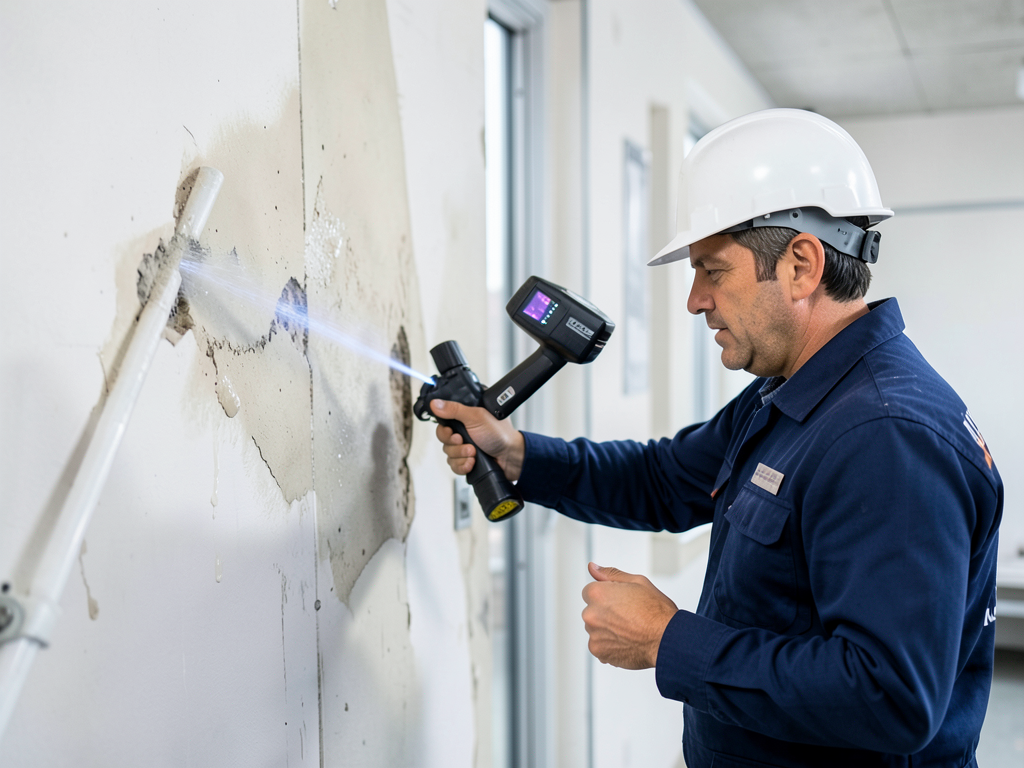
Professional restoration companies provide crucial documentation for insurance claims. They use moisture meters thermal cameras and other tools to create detailed damage reports.
Look for IICRC-certified technicians who follow industry standards for water damage restoration. They document moisture levels create drying logs and provide before-and-after photos. IICRC Certification.
Restoration professionals also create damage estimates that insurance companies trust. These estimates include material costs labor hours and equipment needs.
Ask your restoration company to provide daily progress reports. These show the work completed and any new issues discovered during the process.
Common Documentation Mistakes to Avoid
Many Miami business owners make simple mistakes that delay their claims. Learn from these common errors.
Do not throw away damaged items before documenting them. Insurance adjusters need to see the actual damage.
Do not start major repairs before the insurance adjuster visits. This can reduce your claim amount or cause disputes.
Do not ignore hidden damage. Water can travel through walls and cause mold in areas you cannot see. Professional testing catches these issues.
Do not delay filing your claim. Most policies have time limits for reporting damage. Missing these deadlines can void your coverage.
Do not assume all water damage is covered. Review your policy for flood exclusions and maintenance requirements.
Miami-Specific Documentation Requirements
Miami’s building codes and climate create unique documentation needs for water damage claims.
Miami-Dade County requires specific permits for water damage repairs. Keep copies of all permits and inspections in your claim file. Miami-Dade County Building Permits.
Florida’s high humidity means mold develops faster than in other states. Document mold prevention measures and testing results. Florida Insurance Consumer Information.
Coastal properties face different risks than inland buildings. Document your proximity to water bodies and any previous flood events.
Miami’s building age affects water damage documentation. Historic buildings need special documentation for repairs that meet preservation standards.
Commercial properties in Miami often have shared walls or common areas. Document how damage affects neighboring businesses and shared systems.
Technology Tools for Documentation
Modern tools make water damage documentation faster and more accurate. Use these technologies to strengthen your claim.
Moisture meters show exactly where water has penetrated walls and floors. These readings prove the extent of damage beyond visible signs.
Thermal imaging cameras detect temperature differences that reveal hidden moisture. This technology finds water behind walls without demolition.
Mobile apps can create time-stamped photo documentation. Some apps automatically upload photos to cloud storage for safekeeping.
3D scanning technology creates detailed models of damaged areas. These models help restoration teams plan work and insurance adjusters verify claims.
Digital inventory systems track equipment and inventory values. These systems update automatically when items are damaged or replaced.
Business Interruption Documentation
Business interruption claims require different documentation than property damage claims. You need to prove lost income and ongoing expenses.
Keep detailed sales records showing revenue drops during closure. Compare these to the same period in previous years.
Document continuing expenses like rent utilities and loan payments. These show costs you still incur while closed.
Track temporary relocation costs if you move operations. This includes rent utilities and moving expenses for the temporary location.
Document employee retention efforts during closure. This shows you are trying to maintain your workforce for faster reopening.
Keep records of customer communication during closure. This proves you are managing relationships and planning for reopening.
Working with Insurance Adjusters
Insurance adjusters visit damaged properties to verify claims. Being prepared makes their job easier and speeds up your claim.
Have all your documentation organized and ready. Create a binder with photos receipts and records sorted by category.
Walk through the damaged area with the adjuster. Point out all damage and explain the timeline of events.
Provide access to all areas of the building. Do not hide damage or limit the adjuster’s inspection.
Ask questions about the claims process. Understanding timelines and requirements helps you provide needed information quickly.
Keep copies of all adjuster reports and communications. These become part of your permanent claim record.
Legal Considerations for Miami Businesses
Miami’s legal environment affects water damage claims. Understanding these factors helps you protect your rights.
Florida insurance law requires specific claim handling procedures. Insurance companies must respond within certain timeframes and provide written explanations for denials.
Public adjusters can help with complex claims. These professionals work for you not the insurance company and often increase claim settlements.
Commercial leases may affect water damage responsibilities. Review your lease to understand who pays for repairs and documentation.
Building codes in Miami-Dade County may require specific repair methods. Document code compliance to avoid claim disputes.
Time limits apply to filing lawsuits for denied claims. Keep track of deadlines and consider legal consultation for large claims.
Prevention Through Documentation
Good documentation also helps prevent water damage. Use these records to maintain your property and reduce risks.
Keep maintenance logs for all building systems. Regular maintenance prevents many water damage incidents and proves due diligence.
Document inspections of vulnerable areas like roofs and plumbing. Photos show the condition over time and help predict failures.
Keep records of upgrades and repairs. This shows your commitment to property maintenance and can affect insurance rates.
Document employee training on water damage prevention. This includes procedures for reporting leaks and shutting off water supplies.
Maintain relationships with trusted restoration companies. Having a pre-selected vendor speeds up response times when damage occurs.
Call to Action
Do not wait for water damage to organize your documentation. Call (786) 789-8282 today to schedule a free documentation review and create your emergency plan. Our Miami restoration experts will help you prepare the exact records you need for a successful claim. Pick up the phone and call (786) 789-8282 before the next storm hits.
Frequently Asked Questions
How long do I have to file a water damage claim in Miami?
Most insurance policies require you to report water damage within 14-30 days of discovery. However some policies have shorter deadlines. Always report damage as soon as possible to avoid coverage disputes.
Can I clean up water damage myself before calling my insurance company?
You should prevent further damage by stopping the water source and removing standing water. However do not make permanent repairs or throw away damaged items before documenting everything. Your insurance company needs to see the original damage.
What if my water damage claim is denied?
First ask for a written explanation of the denial. Review your policy to understand the reason. You may need to provide additional documentation or appeal the decision. Consider consulting a public adjuster or attorney for large claims.
How much does professional water damage documentation cost?
Professional restoration companies typically provide initial documentation as part of their service. If you need detailed documentation for a large claim costs range from $500-$2000 depending on the property size and damage extent. This cost is often worth it for complex claims.
Do I need flood insurance for water damage in Miami?
Standard commercial property insurance covers sudden water damage from pipes or AC systems. However it usually excludes flood damage from storms or rising water. Miami businesses in flood zones need separate flood insurance for complete protection.
{
“@context”: “https://schema.org”,
“@type”: “BlogPosting”,
“headline”: “Essential Documentation Every Miami Business Owner Needs for a Successful Water Claim”,
“description”: “Miami business owners need specific records to prove water damage losses and speed up insurance claims. Learn what documentation you need before disaster strikes.”,
“wordCount”: 1889,
“datePublished”: “2026-05-17T10:07:00.000Z”,
“dateModified”: “2026-05-17T10:07:00.000Z”,
“inLanguage”: “en-US”,
“mainEntityOfPage”: {
“@type”: “WebPage”,
“@id”: “https://fortresswaterdamagerestorationmiami.com”
},
“publisher”: {
“@type”: “LocalBusiness”,
“name”: “Fortress Water Damage Restoration Miami”,
“url”: “https://fortresswaterdamagerestorationmiami.com”
},
“author”: {
“@type”: “Organization”,
“name”: “Fortress Water Damage Restoration Miami”,
“url”: “https://fortresswaterdamagerestorationmiami.com”
},
“image”: {
“@type”: “ImageObject”,
“url”: “https://fortresswaterdamagerestorationmiami.com/wp-content/uploads/2026/03/essential-documentation-every-miami-business-owner-1.png”
}
}
{
“@context”: “https://schema.org”,
“@type”: “LocalBusiness”,
“name”: “Fortress Water Damage Restoration Miami”,
“url”: “https://fortresswaterdamagerestorationmiami.com”,
“address”: {
“@type”: “PostalAddress”,
“addressLocality”: “Miami”
},
“areaServed”: {
“@type”: “City”,
“name”: “Miami”
}
}
{
“@context”: “https://schema.org”,
“@type”: “FAQPage”,
“mainEntity”: [
{
“@type”: “Question”,
“name”: “How long do I have to file a water damage claim in Miami?”,
“acceptedAnswer”: {
“@type”: “Answer”,
“text”: “Most insurance policies require you to report water damage within 14-30 days of discovery. However some policies have shorter deadlines. Always report damage as soon as possible to avoid coverage disputes.”
}
},
{
“@type”: “Question”,
“name”: “Can I clean up water damage myself before calling my insurance company?”,
“acceptedAnswer”: {
“@type”: “Answer”,
“text”: “You should prevent further damage by stopping the water source and removing standing water. However do not make permanent repairs or throw away damaged items before documenting everything. Your insurance company needs to see the original damage.”
}
},
{
“@type”: “Question”,
“name”: “What if my water damage claim is denied?”,
“acceptedAnswer”: {
“@type”: “Answer”,
“text”: “First ask for a written explanation of the denial. Review your policy to understand the reason. You may need to provide additional documentation or appeal the decision. Consider consulting a public adjuster or attorney for large claims.”
}
},
{
“@type”: “Question”,
“name”: “How much does professional water damage documentation cost?”,
“acceptedAnswer”: {
“@type”: “Answer”,
“text”: “Professional restoration companies typically provide initial documentation as part of their service. If you need detailed documentation for a large claim costs range from $500-$2000 depending on the property size and damage extent. This cost is often worth it for complex claims.”
}
},
{
“@type”: “Question”,
“name”: “Do I need flood insurance for water damage in Miami?”,
“acceptedAnswer”: {
“@type”: “Answer”,
“text”: “Standard commercial property insurance covers sudden water damage from pipes or AC systems. However it usually excludes flood damage from storms or rising water. Miami businesses in flood zones need separate flood insurance for complete protection.”
}
}
]
}
{
“@context”: “https://schema.org”,
“@type”: “HowTo”,
“name”: “Essential Documentation Checklist”,
“step”: [
{
“@type”: “HowToStep”,
“position”: 1,
“name”: “Property Insurance Policy”,
“text”: “Keep your current insurance policy with coverage limits and exclusions highlighted. Know your deductible and whether you have business interruption coverage.”
},
{
“@type”: “HowToStep”,
“position”: 2,
“name”: “Building Blueprints and Floor Plans”,
“text”: “Show the location of plumbing electrical systems and HVAC units. This helps restoration teams work faster and prevents unnecessary demolition.”
},
{
“@type”: “HowToStep”,
“position”: 3,
“name”: “Recent Property Photos”,
“text”: “Document the condition of walls floors and equipment before damage occurs. These before photos prove the extent of water damage.”
},
{
“@type”: “HowToStep”,
“position”: 4,
“name”: “Business Financial Records”,
“text”: “Keep profit and loss statements tax returns and bank statements from the past two years. These show lost income during closure.”
},
{
“@type”: “HowToStep”,
“position”: 5,
“name”: “Equipment Inventory Lists”,
“text”: “Document serial numbers purchase dates and replacement costs for all business equipment. This speeds up claims for damaged items.”
},
{
“@type”: “HowToStep”,
“position”: 6,
“name”: “Maintenance Records”,
“text”: “Keep service records for plumbing roofing and HVAC systems. This proves you maintained the property properly.”
},
{
“@type”: “HowToStep”,
“position”: 7,
“name”: “Employee Records”,
“text”: “Document payroll positions and salaries. This helps calculate business interruption costs.”
},
{
“@type”: “HowToStep”,
“position”: 8,
“name”: “Vendor Contracts”,
“text”: “Keep agreements with suppliers and service providers. These show ongoing business relationships and potential losses.”
},
{
“@type”: “HowToStep”,
“position”: 9,
“name”: “Customer Lists”,
“text”: “Document your customer base and revenue sources. This proves business continuity and lost future income.”
}
],
“image”: “https://fortresswaterdamagerestorationmiami.com/wp-content/uploads/2026/03/essential-documentation-every-miami-business-owner-1.png”
}
{
“@context”: “https://schema.org”,
“@type”: “BreadcrumbList”,
“itemListElement”: [
{
“@type”: “ListItem”,
“position”: 1,
“name”: “Home”,
“item”: “https://fortresswaterdamagerestorationmiami.com”
},
{
“@type”: “ListItem”,
“position”: 2,
“name”: “Blog”,
“item”: “https://fortresswaterdamagerestorationmiami.com/blog”
},
{
“@type”: “ListItem”,
“position”: 3,
“name”: “Essential Documentation Every Miami Business Owner Needs for a Successful Water Claim”
}
]
}
{
“@context”: “https://schema.org”,
“@type”: “Service”,
“serviceType”: “Water Damage Restoration”,
“provider”: {
“@type”: “LocalBusiness”,
“name”: “Fortress Water Damage Restoration Miami”,
“url”: “https://fortresswaterdamagerestorationmiami.com”
},
“areaServed”: {
“@type”: “City”,
“name”: “Miami”
},
“description”: “Miami business owners need specific records to prove water damage losses and speed up insurance claims. Learn what documentation you need before disaster strikes.”
}