menu

Hardwood Floor Water Damage in Miami – Expert Restoration That Saves Your Flooring Investment

Fortress Water Damage Restoration Miami specializes in hardwood floor water damage repair, using advanced moisture detection and drying protocols to prevent cupping, warping, and permanent structural failure in your wood floors.

Slider Image 1
Slider Image 2
Slider Image 3
Slider Image 4
Slider Image 5
Slider Image 7
Slider Image 8
Slider Image 9
Slider Image 10
Slider Image 11

Why Miami's Climate Makes Your Hardwood Floors Vulnerable to Water Damage

Miami's subtropical climate creates a year-round threat to hardwood flooring. The combination of 75% average humidity, frequent thunderstorms from June through November, and hurricane season creates constant moisture stress on wood floor systems.

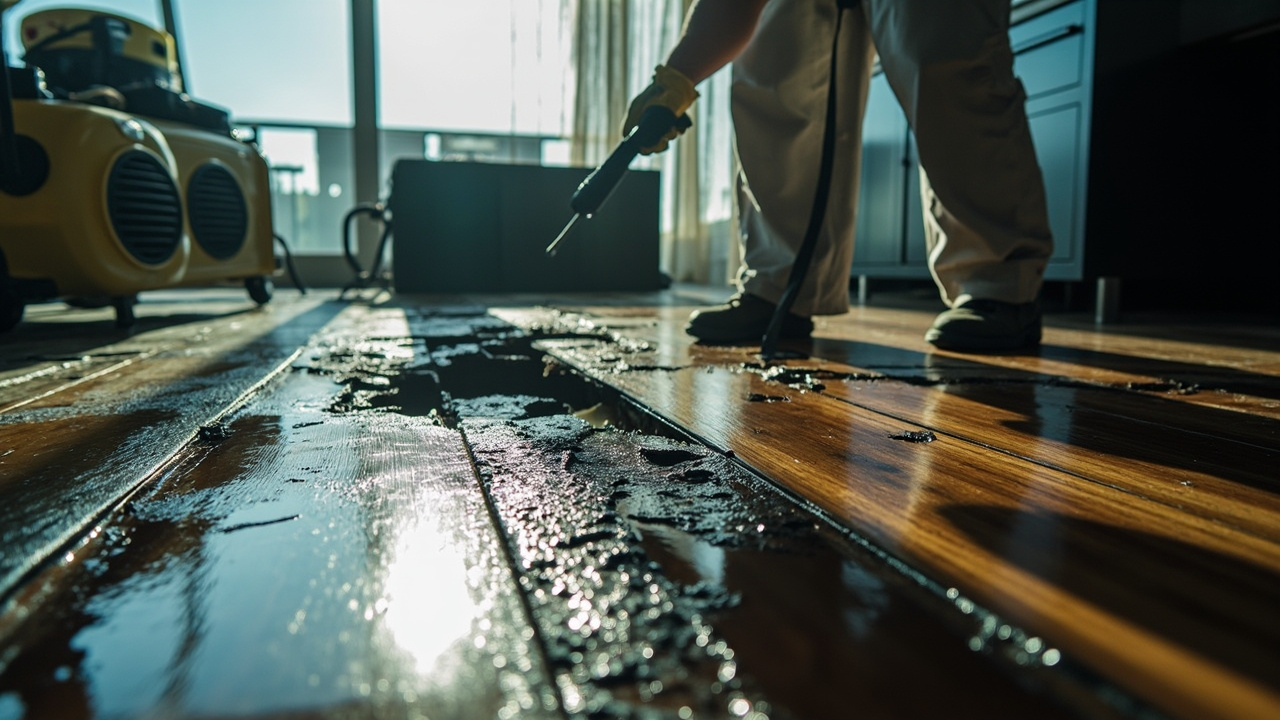
When water damaged wood floors sit unaddressed for even 24 hours in Miami's heat and humidity, the damage accelerates rapidly. The moisture content in hardwood expands the wood fibers, causing hardwood floor cupping where the edges rise higher than the center of each plank. In severe cases, the entire floor system can warp, buckle, or separate from the subfloor.

Wet hardwood flooring in Miami homes often results from air conditioning condensate line failures, which are common in our climate due to constant AC usage. Other frequent causes include storm surge intrusion in coastal neighborhoods like Miami Beach and Coconut Grove, pipe bursts during rare cold snaps, and washing machine supply line failures in older homes throughout Coral Gables and Little Havana.

The wood species common in Miami homes respond differently to water exposure. Brazilian cherry and mahogany, popular in luxury properties, are dense hardwoods that resist initial absorption but can suffer deep structural damage if moisture penetrates. Oak and maple floors, common in mid-century homes, absorb water quickly and show cupping within hours.

Drying hardwood floors correctly requires understanding Miami's baseline humidity levels. Standard drying protocols designed for drier climates fail here. You need specialized equipment calibrated for our environment and technicians who understand how South Florida's atmospheric conditions affect the drying timeline.

Wood floor water damage repair is time-sensitive. The first 48 hours determine whether your floors can be saved or require complete replacement.

Why Miami's Climate Makes Your Hardwood Floors Vulnerable to Water Damage
Our Technical Approach to Hardwood Floor Water Damage Restoration

Our Technical Approach to Hardwood Floor Water Damage Restoration

Fortress Water Damage Restoration Miami uses a multi-phase protocol for wet hardwood flooring recovery that addresses both surface moisture and subfloor saturation.

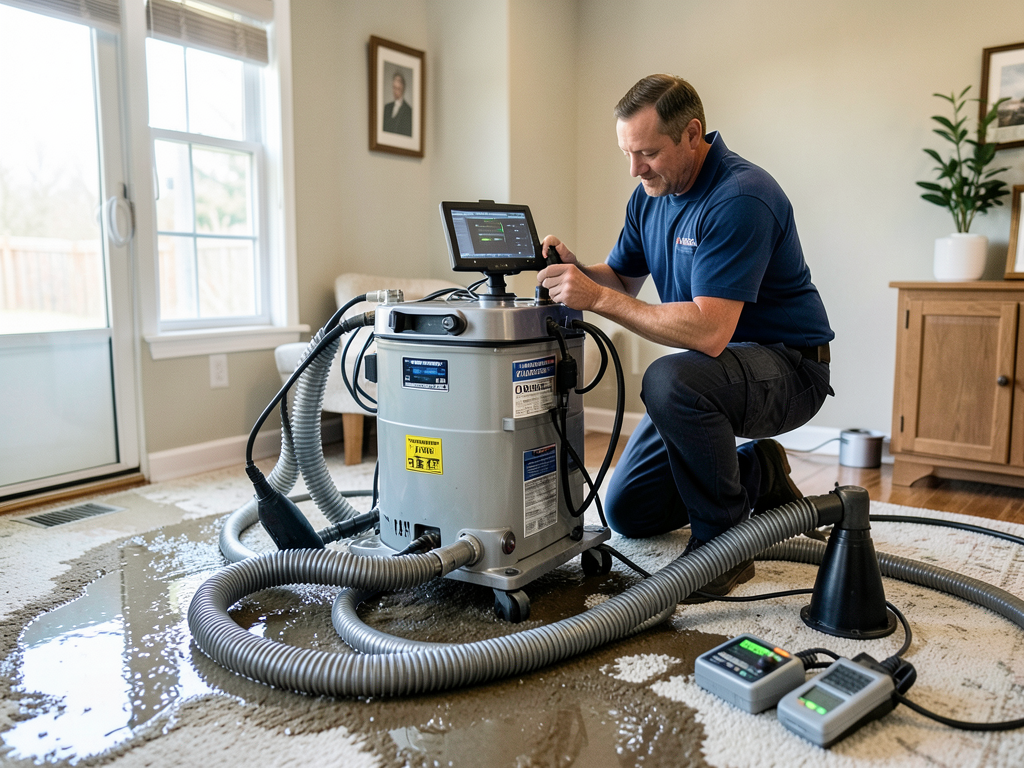
We begin with moisture mapping using penetrating and non-penetrating meters. Penetrating pin meters measure moisture content directly in the wood, while non-penetrating sensors detect moisture in the subfloor and underlayment without damaging your finish. This dual approach reveals the full extent of water penetration, including hidden moisture pockets that cause delayed cupping weeks after the initial event.

Our extraction process removes standing water first, then addresses moisture trapped between floorboards and in tongue-and-groove joints. We use weighted extraction mats that create a seal over the floor surface, pulling moisture through the wood grain. This method is more effective than surface drying alone because it addresses the moisture trapped in the wood structure.

For hardwood floor cupping, we deploy low-grain refrigerant dehumidifiers that remove moisture from the air while air movers create circulation patterns that promote even drying. The key is controlling the drying rate. Rapid drying can cause the wood to shrink too quickly, creating gaps and cracks. Slow drying allows mold growth. We target a moisture reduction rate that brings the wood back to equilibrium with Miami's ambient conditions, typically 6% to 9% moisture content.

We monitor subfloor materials differently based on construction type. Concrete slab foundations common in Miami require calcium chloride testing to measure moisture vapor emission rates. Wood subfloors require separate moisture readings because they dry at different rates than the finish floor.

Fortress Water Damage Restoration Miami documents moisture levels every 12 hours, adjusting equipment placement and drying protocols based on real-time data. This prevents over-drying in some areas while other sections remain saturated.

How We Restore Water Damaged Hardwood Floors

Hardwood Floor Water Damage in Miami – Expert Restoration That Saves Your Flooring Investment
01

Emergency Water Removal

We respond immediately to extract standing water and remove soaked materials from your floor surface. Our truck-mounted extraction units pull water from floorboards, baseboards, and subflooring. We document pre-loss moisture levels with thermal imaging to identify the full affected area. This first step prevents secondary damage and establishes the baseline for monitoring your floor's recovery throughout the drying process.
02

Controlled Environment Drying

We create a controlled drying environment using commercial dehumidifiers and air movers positioned based on your floor layout and moisture readings. Our technicians adjust temperature and humidity levels to match optimal drying conditions for your specific wood species. We monitor moisture content in the wood and subfloor every 12 hours, making equipment adjustments to ensure even drying across the entire affected area without causing stress cracks or further cupping.
03

Floor Stabilization Assessment

After drying is complete, we conduct a final moisture assessment and evaluate your floor's structural integrity. Some cupping reverses naturally as wood returns to normal moisture levels. We provide detailed documentation of remaining damage and recommend whether your floors need refinishing, board replacement, or have fully recovered. You receive a complete moisture report showing your floors have returned to safe levels for your climate zone.

Why Miami Property Owners Choose Fortress Water Damage Restoration

Hardwood floor water damage repair in Miami requires understanding local construction methods and environmental factors that national franchises often miss.

Many Miami homes built before 1980 have hardwood floors installed directly over concrete slabs with minimal moisture barriers. When water intrudes, it saturates the concrete and continues releasing moisture into the wood for weeks. Technicians unfamiliar with this construction type dry the surface while missing the ongoing moisture source below.

Fortress Water Damage Restoration Miami works throughout Miami-Dade County, from the historic Coral Gables estates with original 1920s Dade County pine floors to modern Brickell condominiums with engineered hardwood systems. We understand how different floor installations respond to water damage and adjust our protocols accordingly.

Our experience with Miami's flood zones informs our approach to storm-related flooding. Saltwater intrusion from storm surge requires different treatment than freshwater flooding. Salt deposits remain in wood fibers after drying and continue drawing moisture from humid air, causing ongoing problems if not properly addressed. We use specialized cleaning solutions that remove salt contamination before beginning the drying process.

We coordinate directly with insurance adjusters familiar with South Florida claims. Our documentation meets the requirements of major carriers that insure properties in Miami, including detailed moisture logs, thermal imaging reports, and equipment placement photos. This documentation supports your claim and speeds up the approval process.

Fortress Water Damage Restoration Miami maintains relationships with local flooring contractors who specialize in matching and refinishing hardwood common to Miami homes. If your floors require board replacement or refinishing after drying, we connect you with craftsmen who can source matching materials for Cuban mahogany, Dade County pine, or other species specific to historic Miami properties.

Our technicians understand Miami Building Code requirements for moisture content in hardwood flooring and document that your floors meet these standards before we consider the restoration complete.

What to Expect During Hardwood Floor Water Damage Restoration

Response Time and Initial Setup

We arrive within 60 minutes of your call to begin water extraction. Our first visit takes 2 to 4 hours depending on the affected area size. We set up extraction equipment, conduct initial moisture readings, and position drying equipment. You can remain in your home during most hardwood floor drying projects. We isolate the affected area to minimize disruption. Drying typically takes 3 to 7 days for standard water damage, longer for extensive saturation or saltwater intrusion. We provide daily updates on moisture levels and projected completion timeline.

Moisture Assessment and Monitoring

Your initial assessment includes moisture mapping of all affected areas plus a 10-foot perimeter around visible damage. We test moisture content in floors, walls, and subfloor materials. You receive a written report with moisture readings, thermal images showing water migration patterns, and our projected drying timeline. We return every 12 to 24 hours to take new readings and adjust equipment. Each visit includes updated documentation showing your floor's progress toward dry standard. This monitoring ensures we catch any areas that dry slower than expected before they develop mold or permanent warping.

Final Results and Floor Condition

When drying is complete, your hardwood floors will have returned to moisture content levels appropriate for Miami's climate, typically 6% to 9% depending on wood species. Minor cupping often self-corrects as wood stabilizes over the following weeks. We provide guidance on whether your floors need refinishing or board replacement based on remaining visible damage. You receive final documentation showing moisture levels meet industry standards for your area. Most properly dried floors show minimal long-term effects. Some discoloration may remain if water contained contaminants, but the structural integrity will be preserved.

Post-Restoration Monitoring and Prevention

We provide guidance on monitoring your floors during the 30 days following restoration. Some hardwood continues adjusting to normal moisture levels during this period. We explain what changes are normal versus signs of remaining moisture issues. You receive recommendations for preventing future water damage specific to your home's construction and your floor type. This includes guidance on humidity control, AC maintenance to prevent condensate leaks, and early warning signs of water intrusion. We remain available for follow-up moisture testing if you notice changes in your floor's appearance during the stabilization period.

Frequently Asked Questions

You Have Questions,
We Have Answers

Will a swollen wood floor go back to normal? +

Sometimes, but not always. If water exposure was brief and minor, hardwood can dry and contract back to near-normal within a few weeks. However, Miami's high humidity slows natural drying and increases the risk of mold growth underneath. If swelling is severe or water sat for hours, the boards often stay warped or cupped permanently. You need professional extraction and controlled drying with dehumidifiers to give your floor the best chance. Waiting it out rarely works in South Florida's climate. Fast action within 24 hours makes the difference between salvage and replacement.

What happens if hardwood flooring gets wet? +

Hardwood absorbs moisture quickly, causing boards to swell, warp, and cup. Within hours, you may see buckling or gaps forming as planks push against each other. Miami's humidity accelerates this damage. Water also seeps into subflooring, weakening structural integrity and creating conditions for mold growth between layers. Finish coatings can bubble or peel. Dark stains appear as tannins leach out. If water is not extracted fast, you risk permanent damage requiring full board replacement. The key is immediate water removal and dehumidification to stabilize moisture levels before irreversible warping occurs.

Will insurance pay for water damage to a wood floor? +

It depends on your policy and the cause. Most homeowners insurance covers sudden, accidental water damage like burst pipes, appliance leaks, or storm-related flooding through the roof. However, gradual leaks, lack of maintenance, or ground flooding typically are not covered unless you have separate flood insurance. In Miami, where tropical storms are common, review your policy carefully. Document damage with photos immediately and file claims fast. Insurance adjusters look for proof of prompt mitigation. Delaying cleanup can result in denial for preventable secondary damage like mold or rot.

How to flatten a wood floor after water damage? +

You cannot flatten water-damaged hardwood without professional drying equipment. First, extract all standing water using pumps or wet vacuums. Then place commercial dehumidifiers and air movers to pull moisture from the wood and subfloor. This process takes days, not hours. In Miami's humid climate, ambient air drying fails. Once moisture levels drop below 12 percent (measured with a moisture meter), assess the boards. Minor cupping may flatten as wood contracts. Severe warping requires sanding or replacement. Attempting to flatten boards before they dry fully causes splitting and further damage.

How to fix hardwood floor after water damage? +

Start with immediate water extraction and drying using dehumidifiers and air movers. Remove baseboards to allow airflow along edges. Monitor moisture levels with a meter until wood stabilizes below 12 percent. In Miami, this takes longer due to high ambient humidity. Once dry, inspect for warping. Minor cupping can be sanded and refinished. Severe buckling or mold growth underneath requires board replacement. Match grain and finish carefully. If subflooring is damaged, address that first. Professional restoration ensures proper drying and prevents hidden mold growth, which is common in South Florida homes.

How to unswell a wooden floor? +

You unswell hardwood by removing moisture through controlled drying. Use dehumidifiers, air movers, and fans to pull water out of the wood fibers. Do not apply heat directly, as this causes cracking. Remove baseboards to improve air circulation. In Miami's humid environment, natural evaporation is too slow and invites mold. Professional equipment accelerates drying safely. Monitor progress with a moisture meter. Wood should reach equilibrium moisture content (around 10 to 12 percent) before you assess damage. If boards remain swollen after proper drying, replacement is necessary. Fast action within 24 hours gives the best results.

How much does it cost to repair a water-damaged hardwood floor? +

Cost varies widely based on damage severity, square footage, and wood type. Minor repairs like sanding and refinishing a small area may run a few hundred dollars. Replacing individual boards costs more due to labor and matching grain. Full room replacements can reach thousands, especially for exotic hardwoods common in Miami homes. Insurance often covers sudden damage but not gradual issues. Get multiple quotes. Mitigation costs (drying, extraction) are separate from repair costs. The longer you wait, the more expensive it gets as mold and structural damage compound. Fast response saves money.

What do water-damaged hardwood floors look like? +

Water-damaged hardwood shows visible signs fast. Look for cupping (edges higher than centers), crowning (centers higher than edges), or warping. Boards may buckle or separate, creating gaps. Dark stains appear where tannins bleed out. White or gray discoloration signals mold growth underneath. Finishes bubble, peel, or turn cloudy. You may notice a musty odor, common in Miami's humid climate where mold spreads quickly. Soft spots or spongy areas indicate subfloor rot. Catching these signs early prevents total floor failure and reduces restoration costs significantly.

Why does my hardwood floor feel spongy when I walk on it? +

A spongy hardwood floor means the subfloor underneath has absorbed water and is rotting or delaminating. This happens when water sits too long, soaking through boards into plywood or OSB below. In Miami, high humidity and frequent storms make this common. The structural integrity is compromised. Walking on it risks collapse in severe cases. You need immediate inspection to assess subfloor damage. Replacement of damaged subflooring is necessary before reinstalling hardwood. Ignoring it leads to mold growth, more rot, and safety hazards. Address spongy floors fast before damage spreads.

How much can I claim for water damage? +

Claim amounts depend on your policy limits, damage extent, and coverage type. Document everything with photos and videos immediately. Include flooring, subflooring, baseboards, and any structural damage. Insurance adjusters calculate based on replacement cost or actual cash value (depreciated). In Miami, storm-related claims may fall under separate flood policies with different limits. Keep receipts for emergency mitigation like water extraction and drying. Work with a licensed restoration company familiar with insurance processes. They help document damage properly and communicate with adjusters to maximize your claim. Fast mitigation prevents denial for preventable secondary damage.

How Miami's Hurricane Season Intensifies Hardwood Floor Water Damage Risks

Miami's position in the Atlantic hurricane zone creates unique threats to hardwood flooring that require specialized restoration knowledge. Hurricane season from June through November brings storm surge that can push saltwater into homes throughout coastal areas like Miami Beach, Key Biscayne, and Coconut Grove. Saltwater damages hardwood differently than freshwater flooding. The salt crystals remain embedded in wood fibers and continue drawing moisture from Miami's humid air even after the floor appears dry. This ongoing moisture attraction causes delayed cupping, warping, and finish deterioration weeks after the storm. Properties in FEMA flood zones X and A face the highest risk, but even homes outside designated flood zones experience water intrusion during major hurricanes when storm surge exceeds predicted levels.

Fortress Water Damage Restoration Miami maintains emergency response capabilities throughout hurricane season, with equipment staged for rapid deployment when storms threaten South Florida. Our technicians train specifically on saltwater contamination protocols required by the Institute of Inspection, Cleaning and Restoration Certification for coastal flooding events. We understand Miami-Dade County building codes for flood-damaged structures and coordinate with local building inspectors when restoration requires permits. Our familiarity with Miami's historic districts, including the Mediterranean Revival homes in Coral Gables and Art Deco properties in Miami Beach, means we approach hardwood floor restoration with sensitivity to architectural preservation requirements while meeting modern moisture control standards.
Water Damage Restoration Services in The Miami Area

Fortress proudly serves the entire Miami area and nearby neighborhoods with prompt, expert water damage restoration services. Whether you're located downtown, in the suburbs, or along the coast, our team is just a call away. Use the map below to view our service area and get directions to our office. We’re local, responsive, and ready to help 24/7—because when disaster strikes, having a trusted team nearby makes all the difference.

Address:
Fortress Water Damage Restoration Miami, 3250 NE 1st Ave, Miami, FL, 33137

Additional Services We Offer

Our news updates

Latest Articles & News from The Blogs

How to Tell the Difference Between Dry Rot and Active Water Damage in Little Havana\nWalking through your Little Havana home…

How to Tell the Difference Between Dry Rot and Active Water Damage in Little Havana

How to Tell the Difference Between Dry Rot and Active Water Damage in Little Havana\nWalking through your Little Havana home…

Are Your New Solar Panels Causing Roof Leaks in Your Kendall Home?

Are Your New Solar Panels Causing Roof Leaks in Your Kendall Home? If you’ve noticed water stains on your ceiling…

How Saltwater Intrusion Corrodes Key Biscayne Home Foundations Over Time

How Saltwater Intrusion Corrodes Key Biscayne Home Foundations Over Time Living on Key Biscayne means enjoying waterfront views and ocean…

Contact Us

Every hour counts when water contacts your hardwood floors. Call Fortress Water Damage Restoration Miami now at (786) 789-8282 for emergency response. Our technicians are standing by with specialized equipment to begin extracting water and preventing permanent floor damage. We respond immediately throughout Miami-Dade County.