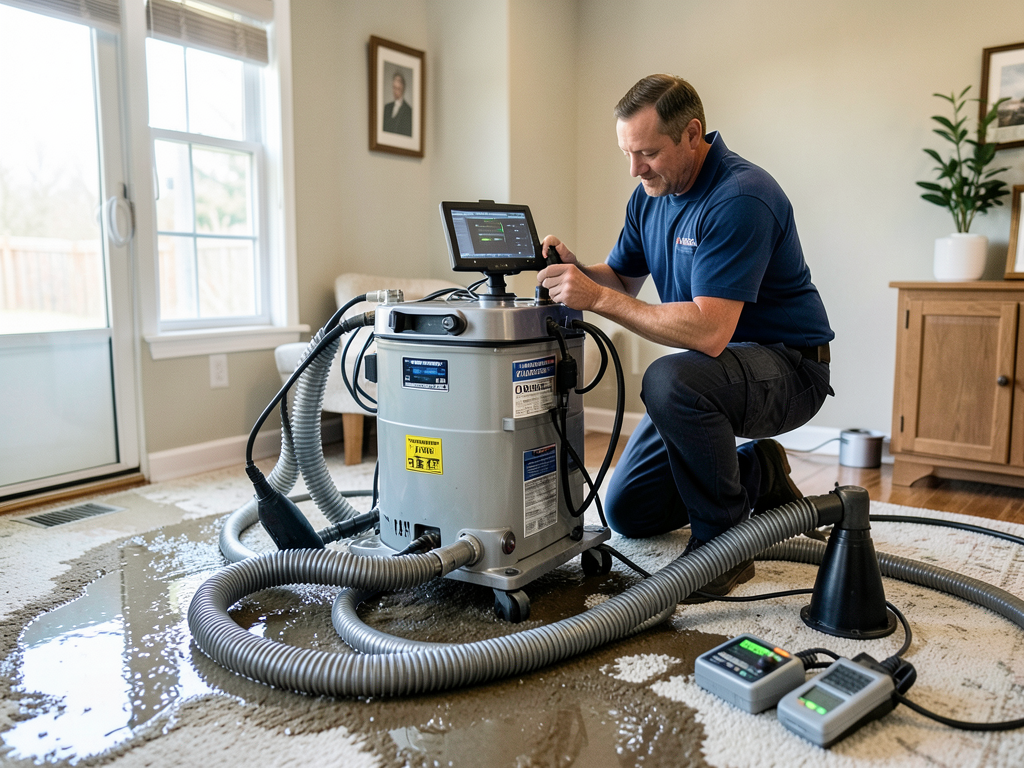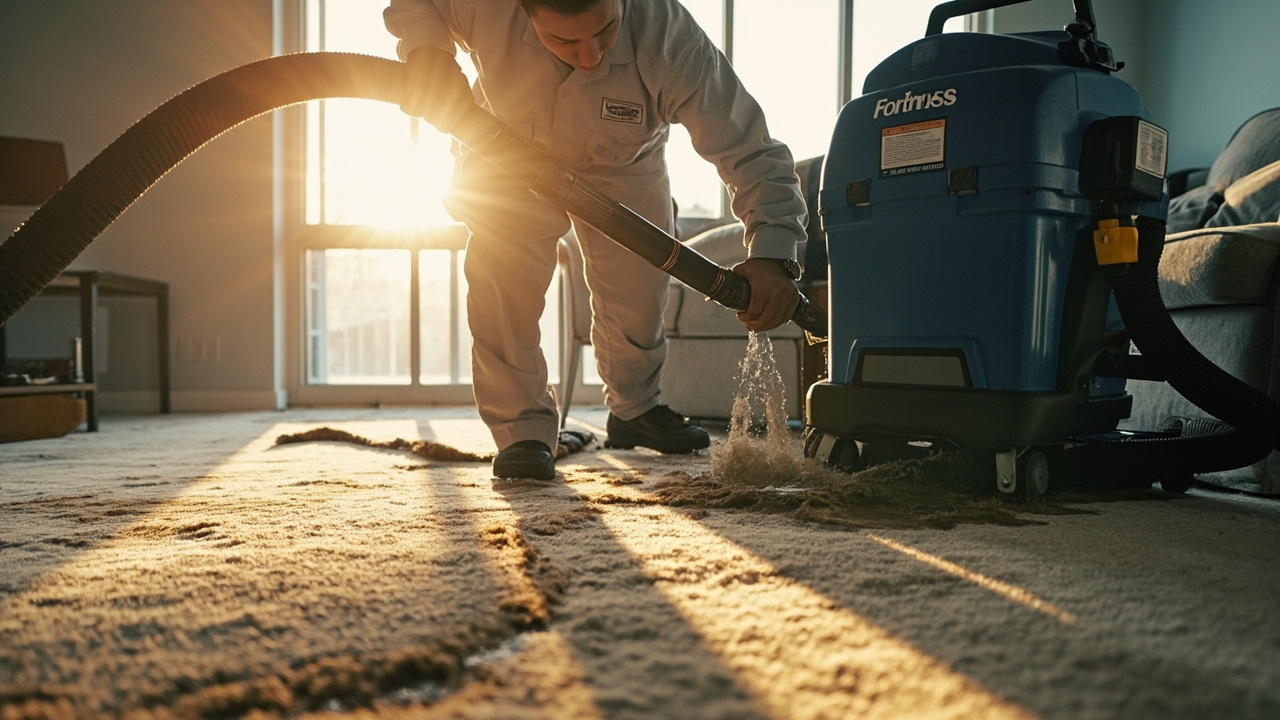


Miami sits at sea level with a water table that rises during king tides, pushing groundwater up through concrete slabs and into carpet padding. Between June and November, tropical storms dump several inches of rain in hours, overwhelming stormwater systems in low-lying neighborhoods like Shorecrest and Little Havana. The combination of seasonal flooding, aging infrastructure, and dense urban development means carpet water damage happens year-round, not just during named storms. Properties built before updated drainage codes face the highest risk of recurring water intrusion, making rapid extraction critical to preventing cumulative damage and mold contamination.
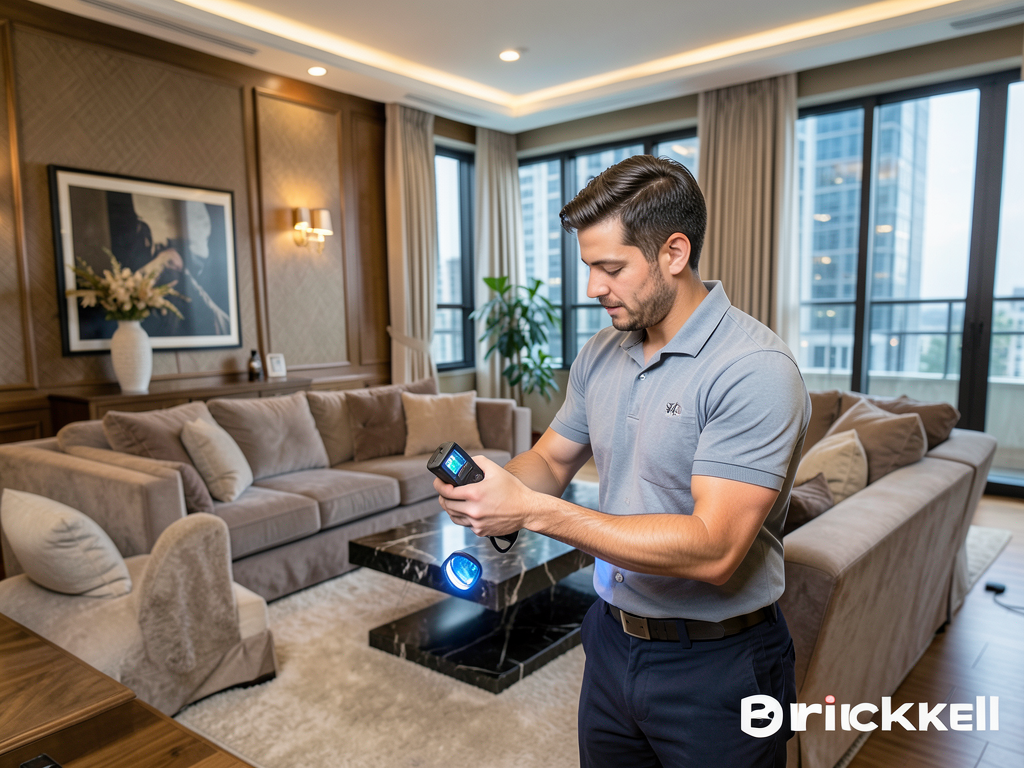
Local water damage restoration requires understanding Miami-Dade County building codes and flood zone classifications. Technicians familiar with South Florida construction know how to handle terrazzo subfloors, concrete slabs with vapor barriers, and the specific challenges of drying carpet in buildings without crawl spaces. Insurance adjusters in this market expect detailed moisture mapping and documentation that meets Florida's strict mold remediation standards. Choosing a contractor with local experience ensures compliance with these requirements and speeds up the claims process, protecting both your property value and your ability to secure future coverage in a high-risk flood zone.