menu

Attic Water Damage Cleanup in Miami – Structural Drying Experts Prevent Mold in South Florida's Humid Climate

Miami homeowners need specialized attic water damage cleanup that accounts for year-round humidity, rapid mold colonization, and the unique ventilation challenges of South Florida construction to prevent structural rot and health hazards.

Slider Image 1
Slider Image 2
Slider Image 3
Slider Image 4
Slider Image 5
Slider Image 7
Slider Image 8
Slider Image 9
Slider Image 10
Slider Image 11

Why Miami Attics Fail Fast After Water Intrusion

Miami's relentless humidity creates a ticking clock when water enters your attic. The average relative humidity in South Florida hovers between 60 and 90 percent year-round. When roof leaks, AC condensate line failures, or tropical storm damage introduce standing water into your attic space, mold spores begin colonizing within 24 to 48 hours. The problem accelerates because most Miami homes built after the 1970s use engineered lumber and oriented strand board sheathing, materials that absorb water faster than old-growth timber and delaminate when saturated.

You are dealing with more than just wet insulation. Water pooling in your attic degrades roof decking, corrodes electrical junctions, saturates blown-in cellulose or fiberglass batts, and seeps into drywall ceilings below. The salt-laden air near coastal neighborhoods like Coconut Grove and Brickell compounds corrosion on metal fasteners and HVAC ductwork. Without immediate attic water removal services, you face compounding structural damage, indoor air quality degradation, and insurance claim complications.

Attic flood restoration in Miami requires more than extraction. The ambient moisture load demands commercial-grade dehumidification and negative air pressure containment to dry structural cavities to below 15 percent moisture content. Attic leak cleanup must address the entry point, which in Miami often involves worn roof penetrations around plumbing vents, degraded valley flashing, or wind-driven rain infiltration through soffit vents during summer squalls. Attic water damage repair is not complete until the vapor barrier is restored and insulation is replaced with mold-resistant materials rated for Florida's climate zone.

Why Miami Attics Fail Fast After Water Intrusion
How Structural Drying Stops Secondary Damage

How Structural Drying Stops Secondary Damage

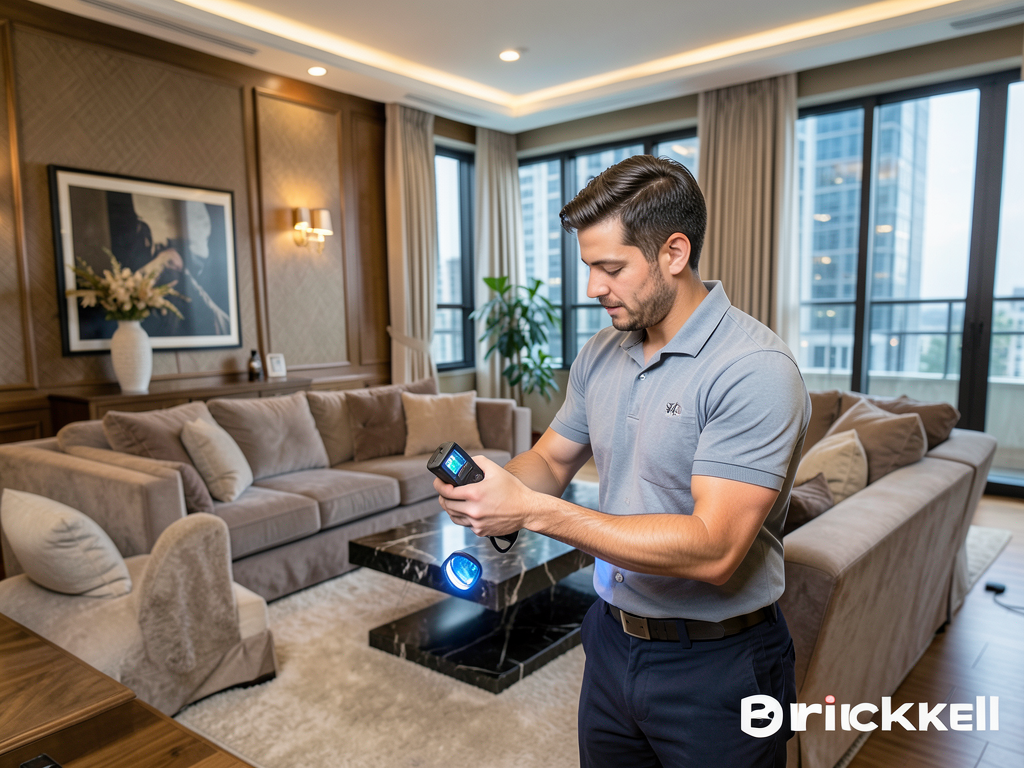
Attic water damage restoration begins with source control and moisture mapping. Fortress Water Damage Restoration Miami uses infrared thermal imaging to identify hidden moisture pockets trapped between roof decking and underlayment or within ceiling joists. We measure relative humidity and surface moisture content with calibrated hygrometers and pin-type moisture meters, documenting baseline readings for insurance adjusters and establishing drying targets. This diagnostic phase separates professional attic water damage cleanup from surface-level extraction.

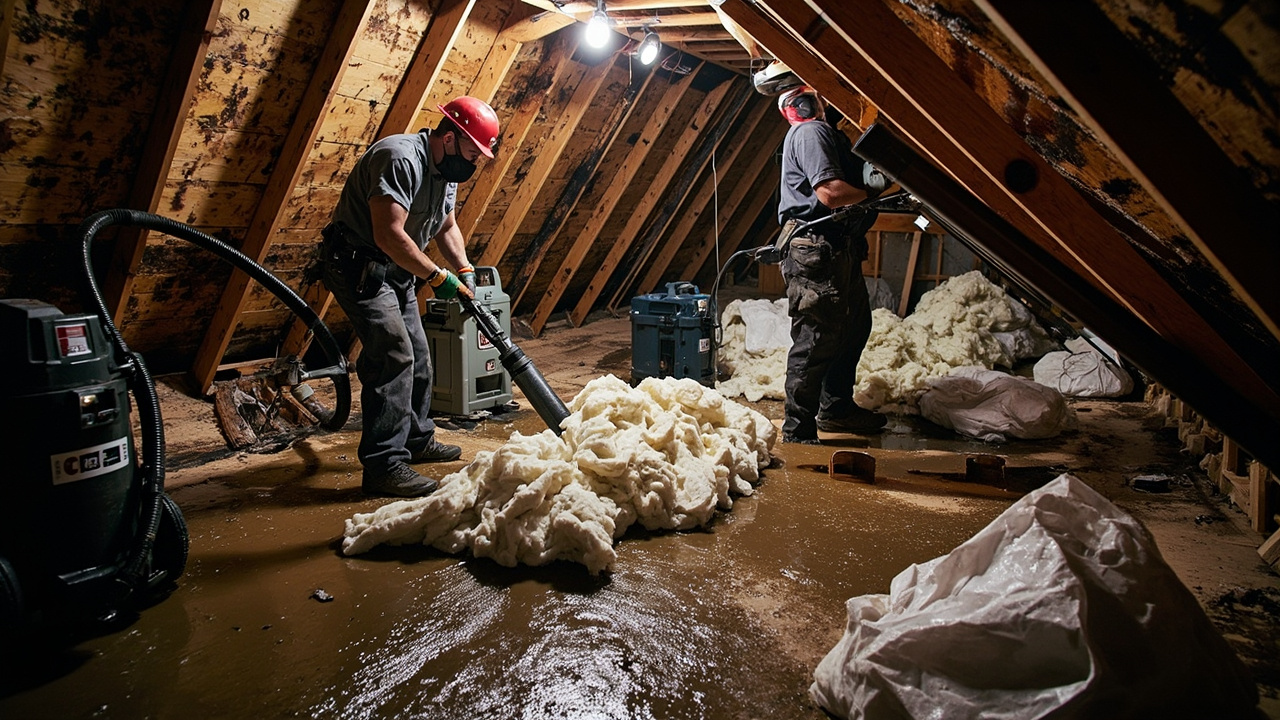
Extraction comes next. We deploy truck-mounted extractors and weighted wands to pull standing water from attic floors and soaked insulation. In cases where water has saturated blown-in cellulose, we vacuum-remove the compromised material because cellulose retains water and feeds mold growth. Fiberglass batts get pulled if compression or contamination is evident. We do not leave wet insulation in place and hope it dries.

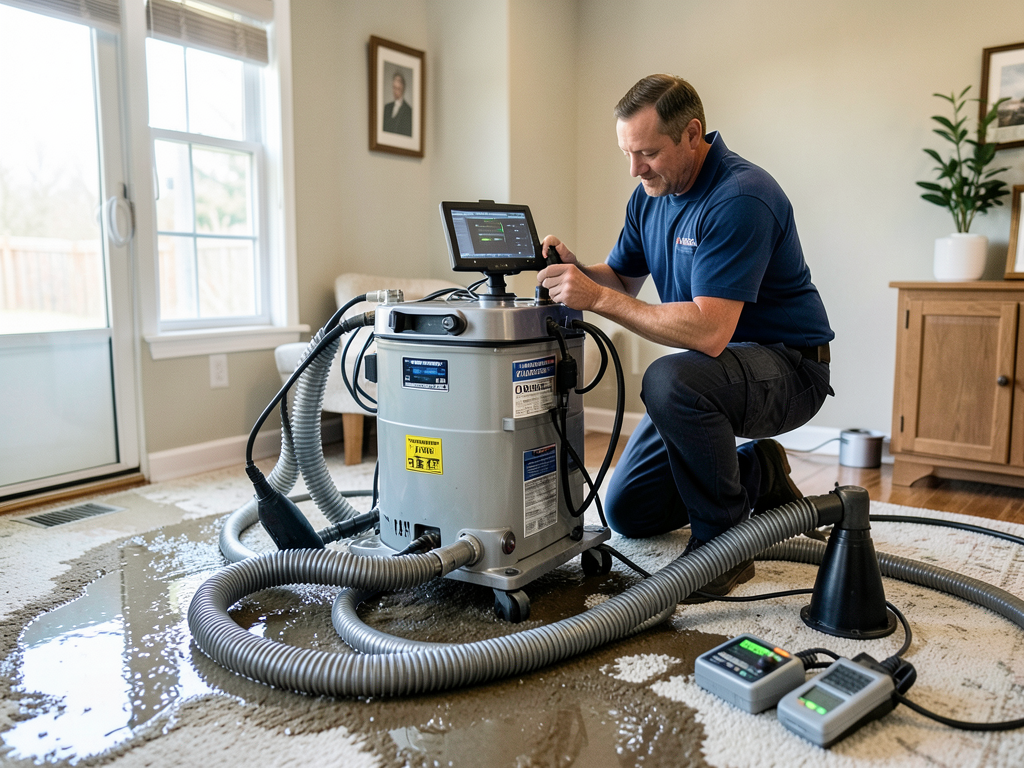
Structural drying is where the science happens. We position low-grain refrigerant dehumidifiers and axial air movers to create airflow across all six sides of the attic cavity. In Miami, where outdoor air is too humid to assist drying, we use closed-system drying with HEPA-filtered negative air machines to prevent cross-contamination into living spaces. We monitor moisture levels daily and adjust equipment placement until wood framing reaches equilibrium moisture content below 12 percent. This process typically takes three to five days, but can extend to seven days in severe flooding scenarios.

Once drying is verified, we apply EPA-registered antimicrobial treatments to roof sheathing and framing to inhibit mold spore germination. We inspect electrical components for water exposure and flag any junction boxes or wiring requiring licensed electrician evaluation. Attic water damage repair concludes with insulation replacement using closed-cell spray foam or mold-resistant fiberglass, depending on your budget and energy efficiency goals.

What Happens During Your Attic Water Emergency

Attic Water Damage Cleanup in Miami – Structural Drying Experts Prevent Mold in South Florida's Humid Climate
01

Immediate Assessment and Containment

Our technicians arrive within 90 minutes of your call to assess the water source, measure affected square footage, and establish containment barriers using polyethylene sheeting. We document conditions with photo and moisture meter readings for your insurance carrier. Emergency tarping or temporary roof sealing happens immediately if active intrusion continues. You receive a verbal scope of work before any equipment deployment.
02

Extraction and Controlled Drying

We extract standing water using truck-mounted vacuum systems, then position industrial dehumidifiers and air movers based on your attic's cubic footage and moisture load. Negative air machines prevent humid air and airborne contaminants from migrating into bedrooms below. We monitor drying progress with daily moisture readings and adjust equipment as conditions change. This phase removes the moisture that feeds mold and structural rot.
03

Restoration and Prevention

After confirming structural dryness, we remove contaminated insulation, treat framing with antimicrobial solution, and coordinate any electrical or roofing subcontractor work. We install new insulation rated for Florida's humidity and provide documentation showing pre-loss moisture baselines versus post-restoration readings. You receive a detailed invoice coded for insurance submission and guidance on preventing future attic water damage through improved attic ventilation or roof maintenance.

Why Miami Homeowners Choose Local Attic Restoration Specialists

Generic water damage companies treat Miami attics like they would treat a basement flood in Ohio. That approach fails because South Florida construction and climate demand specialized knowledge. Miami-Dade County building codes require specific R-values for attic insulation and mandate radiant barriers in many applications. Homes in flood zones like Miami Beach and Coral Gables have additional elevation and ventilation requirements. A restoration crew unfamiliar with these details will miss code compliance issues that surface during reinspection or resale.

Fortress Water Damage Restoration Miami has restored attics in every neighborhood from Pinecrest to Aventura. We know the difference between a 1960s concrete block ranch with a gable roof and a 2005 wood-frame two-story with hip roof construction. We understand that many Miami attics house critical HVAC equipment, where even minor water exposure can cause refrigerant line corrosion or blower motor failure. We coordinate with local roofers familiar with Miami's tile roof waterproofing systems and can refer you to contractors who stock the specific flashing and underlayment materials used in South Florida.

Our technicians hold IICRC certifications in water damage restoration and applied structural drying, meaning they understand psychrometrics, vapor pressure differentials, and drying chamber dynamics. We do not guess at equipment placement or drying timelines. We calculate grain depression and vapor pressure deficit to determine the exact dehumidification capacity required for your attic's conditions. This precision prevents over-drying, which can cause lumber shrinkage and fastener pop, and under-drying, which leaves hidden moisture that feeds mold.

You also get transparent communication. We provide daily updates, answer insurance adjuster questions, and explain every phase of the attic water removal process in plain language. We do not upsell unnecessary services or extend drying timelines to rack up equipment rental fees. Our goal is to return your attic to a safe, dry, code-compliant condition as quickly as the science allows.

What to Expect During Attic Water Damage Cleanup

Response Time and Scheduling

We answer emergency calls 24 hours a day, 365 days a year. Our dispatch center routes your call to the closest available crew, and we target a 90-minute arrival window for Miami-Dade and Broward County properties. During hurricane season or major weather events, response times may extend, but we prioritize active roof leaks and attic flooding over less urgent mitigation work. Once onsite, our project manager provides a verbal timeline for extraction, drying, and restoration phases. Most attic water damage cleanup projects span five to ten days from initial call to final walkthrough, depending on the extent of saturation and any necessary roof or electrical repairs.

Initial Inspection and Documentation

Our first onsite task is confirming the water source and stopping active intrusion. We inspect roof penetrations, plumbing vents, AC drain lines, and soffit vents to identify entry points. Using thermal imaging cameras and moisture meters, we map affected areas and document baseline conditions with photographs and moisture content readings. This documentation supports your insurance claim and establishes the scope of work. We explain our findings in detail, including any secondary damage to ceilings, electrical systems, or HVAC components. You receive a written estimate before we begin extraction, and we coordinate directly with your insurance carrier if you request direct billing.

Drying Quality and Verification

We do not remove equipment based on time elapsed. We remove equipment when moisture meters confirm structural materials have reached safe levels, typically below 12 percent moisture content for wood framing. Daily monitoring logs track relative humidity, temperature, and moisture content across multiple measurement points. You receive copies of these logs, which demonstrate compliance with industry drying standards and support insurance claim finalization. Our drying protocol meets IICRC S500 standards for water damage restoration, meaning your attic will pass third-party inspection if required by your lender or insurance company. We guarantee the work meets structural dryness criteria, not just cosmetic appearance.

Post-Restoration Support and Prevention

After completing attic water damage repair, we provide a detailed invoice with line-item breakdowns suitable for insurance submission. We include all moisture readings, equipment logs, and before-and-after photographs. Our team offers guidance on preventing future attic water intrusion, including recommendations for improved attic ventilation, roof maintenance schedules, and AC condensate line monitoring. If mold testing or air quality sampling is requested, we coordinate with independent environmental hygienists. We do not sell mold remediation or testing services directly, which eliminates conflict of interest. You can contact us anytime within the first year for questions about moisture rebound or insulation performance. We stand behind the quality of our structural drying work.

Frequently Asked Questions

You Have Questions,
We Have Answers

How to fix water damage in an attic? +

Fixing attic water damage starts with stopping the source, whether a roof leak or HVAC condensation line. Remove standing water immediately using extraction equipment. Pull out saturated insulation to prevent mold growth in Miami's humidity. Set up dehumidifiers and air movers to dry structural wood within 48 hours. Inspect roof decking, rafters, and trusses for rot or sagging. Treat all surfaces with antimicrobial solution. Replace damaged insulation only after complete dryness. Check for hidden moisture pockets using thermal imaging. Miami's subtropical climate accelerates mold growth, so speed matters. Address electrical hazards before starting work.

How much does it cost to repair water damage in the attic? +

Attic water damage repair costs vary by extent and source. Minor roof leak cleanup ranges from $1,500 to $3,500, including extraction and drying. Moderate damage with insulation replacement runs $3,500 to $7,000. Severe cases involving structural repairs, mold remediation, and roof decking replacement can exceed $10,000. Miami homes face higher mold risk due to humidity, often adding remediation costs. Insurance may cover sudden damage like hurricane leaks but excludes gradual wear. Factors include attic size, insulation type, structural damage, and accessibility. Get multiple estimates and check what your policy covers before proceeding.

Will homeowners insurance cover water damage from a roof leak? +

Homeowners insurance typically covers sudden, accidental roof leaks causing attic water damage. Storm damage, fallen trees, or sudden membrane failure usually qualify. However, policies exclude gradual deterioration from deferred maintenance. If your Miami roof leaked due to missing shingles you ignored for months, expect denial. Insurance adjusters scrutinize maintenance records closely. Document the incident immediately with photos. File your claim within policy time limits. Many carriers cover the resulting water damage but not the roof repair itself. Review your policy's water damage exclusions. Hurricane-related claims follow separate deductibles in Florida.

How likely is mold after water damage? +

Mold grows within 24 to 48 hours after water damage in Miami's humidity. Your attic faces near-certain mold growth if moisture lingers beyond this window. High temperatures and poor ventilation accelerate spore colonization on wood, insulation, and drywall. Visible mold appears within 72 hours, but hidden growth starts earlier inside wall cavities and under insulation. Relative humidity above 60 percent creates ideal conditions. Miami attics often exceed 80 percent humidity after leaks. Professional drying equipment reduces risk significantly. Thermal imaging detects hidden moisture pockets. Treat all exposed surfaces with antimicrobial agents during cleanup.

What is the 7 and 7 rule for attics? +

The 7 and 7 rule requires attic ventilation equal to 1/150 of the attic floor area, with balanced intake and exhaust. For Miami homes, this means seven square feet of soffit vents and seven square feet of ridge or gable vents per 1,050 square feet of attic space. Proper ventilation prevents moisture buildup, heat damage, and premature roof aging. Florida's intense sun and humidity make this critical. Inadequate airflow traps moisture after water damage, accelerating mold growth and wood rot. Check your attic during cleanup to verify balanced ventilation before replacing insulation.

Will wet attic insulation dry out? +

Wet attic insulation rarely dries properly and should be removed immediately. Fiberglass and cellulose insulation compress when soaked, losing R-value permanently. Miami's humidity prevents thorough drying, creating mold incubators. Even if the surface feels dry, moisture trapped inside feeds microbial growth. Contaminated insulation from roof leaks carries bacteria and debris. Spray foam may dry if caught early, but inspect for hidden moisture pockets. The cost of leaving wet insulation far exceeds replacement expenses. Mold remediation and health risks multiply daily. Pull saturated material during the first 24 hours to prevent secondary damage.

How much does insurance pay for water damage? +

Insurance payouts for water damage depend on your policy limits, deductible, and damage extent. Actual cash value policies depreciate materials, reducing payouts. Replacement cost coverage pays full repair amounts without depreciation. Miami homeowners typically see payouts ranging from $2,500 to $15,000 for attic water damage, minus deductibles. Hurricane claims carry separate, often higher deductibles of 2 to 5 percent of dwelling coverage. Document everything with photos and professional estimates. Insurance covers structural drying, mold remediation if sudden, and material replacement. Gradual damage or maintenance issues receive denials. Review your policy's water damage sublimits.

Is water damage restoration worth it? +

Water damage restoration is absolutely worth it when done promptly. Ignoring attic water damage in Miami leads to structural rot, mold proliferation, and collapsing ceilings. Repair costs triple when you delay. Professional restoration prevents secondary damage to living spaces below. Mold remediation alone costs $2,000 to $6,000 if you wait. Structural wood replacement exceeds $10,000. Proper drying within 48 hours saves your home's integrity and resale value. DIY attempts miss hidden moisture, guaranteeing future problems. Insurance covers most sudden damage when you act fast. The health risks from mold exposure justify immediate professional intervention.

Does the ceiling need to be replaced after water damage? +

Ceiling replacement after water damage depends on saturation level and duration. Surface stains from brief exposure often need only primer and paint after drying. Sagging, bubbling, or brown stains indicate gypsum board saturation requiring replacement. Miami's humidity prevents proper drying of soaked drywall. If moisture sat longer than 48 hours, assume mold growth inside the material. Textured ceilings trap moisture and contaminants. Remove and replace affected sections, extending 12 inches beyond visible damage. Match existing texture during repair. Test moisture content with meters before sealing. Insurance typically covers replacement when damage exceeds cosmetic staining.

What kind of water damage is not covered by insurance? +

Insurance excludes water damage from gradual leaks, deferred maintenance, flooding, and ground seepage. If your Miami attic leaked for weeks before you noticed, expect denial. Worn roof membranes, cracked flashing, or clogged gutters fall under maintenance exclusions. Flood insurance requires separate policies through NFIP. Mold coverage has strict sublimits or exclusions unless caused by covered peril. Damage from construction defects, faulty workmanship, or settling receives denials. Sewer backup needs specific endorsements. Review your policy's water damage section carefully. Document sudden incidents immediately with photos and timestamps to support claims.

How South Florida's Subtropical Climate Accelerates Attic Mold Growth After Water Damage

Miami sits in USDA Hardiness Zone 10b, with year-round temperatures above 50 degrees and dewpoints rarely dropping below 65 degrees. These conditions create a perfect incubator for mold when water infiltrates your attic. Stachybotrys, Aspergillus, and Penicillium species colonize wet building materials within 24 to 48 hours, releasing mycotoxins and airborne spores that migrate into living spaces through ceiling penetrations and return air ducts. The proximity to the Atlantic Ocean and Biscayne Bay adds salt to the moisture equation, accelerating corrosion on metal HVAC components and roof fasteners. Attic water damage cleanup in Miami cannot follow the same timeline as a dry climate. You need dehumidification capacity that accounts for ambient humidity and closed-system drying that prevents outdoor air from reintroducing moisture during the restoration process.

Miami-Dade County enforces the Florida Building Code with amendments specific to high-velocity hurricane zones. Any attic restoration work that involves structural framing, electrical systems, or insulation replacement must meet these standards. Hiring a local water damage restoration company familiar with these requirements prevents failed inspections and code violations that delay your return to normal. Fortress Water Damage Restoration Miami maintains relationships with local building inspectors, licensed roofers, and electrical contractors who understand South Florida construction methods. We coordinate permits when required and ensure all attic water damage repair work passes inspection on the first attempt. This local expertise saves you time, reduces stress, and protects your property value.
Water Damage Restoration Services in The Miami Area

Fortress proudly serves the entire Miami area and nearby neighborhoods with prompt, expert water damage restoration services. Whether you're located downtown, in the suburbs, or along the coast, our team is just a call away. Use the map below to view our service area and get directions to our office. We’re local, responsive, and ready to help 24/7—because when disaster strikes, having a trusted team nearby makes all the difference.

Address:
Fortress Water Damage Restoration Miami, 3250 NE 1st Ave, Miami, FL, 33137

Additional Services We Offer

Our news updates

Latest Articles & News from The Blogs

Should You Use Your Insurers Preferred Vendor for Brickell Condo Water Damage? When water floods your Brickell condo, your insurance…

Should You Use Your Insurers Preferred Vendor for Brickell Condo Water Damage?

Should You Use Your Insurers Preferred Vendor for Brickell Condo Water Damage? When water floods your Brickell condo, your insurance…

How to Hire a Restorer Who Understands Aventura Penthouse Plumbing Systems

How to Hire a Restorer Who Understands Aventura Penthouse Plumbing Systems Water damage in an Aventura penthouse is not just…

The Difference Between Surface Cleaning and Deep Extraction for Kendall Area Carpets

The Difference Between Surface Cleaning and Deep Extraction for Kendall Area Carpets When water invades your Kendall home, the first…

Contact Us

Water does not wait, and neither should you. Call Fortress Water Damage Restoration Miami at (786) 789-8282 for immediate dispatch. Our crews are standing by 24/7 to stop the damage and start the drying process.