menu

24/7 Toilet Overflow Cleanup in Miami – Crews Dispatched in Under 60 Minutes

Emergency toilet water extraction and sewage removal with same-day response across Miami-Dade County. Our certified teams stop contamination, extract standing water, and restore affected areas before structural damage spreads.

Slider Image 1
Slider Image 2
Slider Image 3
Slider Image 4
Slider Image 5
Slider Image 7
Slider Image 8
Slider Image 9
Slider Image 10
Slider Image 11

Why Toilet Overflows Escalate Fast in Miami's Climate

A toilet overflow is not just water. It is contaminated wastewater that carries bacteria, pathogens, and sewage material into your floors, walls, and air ducts. In Miami's humid subtropical climate, that moisture becomes a breeding ground for mold within 24 to 48 hours. High indoor humidity levels amplify the risk. What starts as a single flooded bathroom can migrate through grout lines, subfloors, and drywall if not addressed immediately.

Older homes in neighborhoods like Coral Gables or Coconut Grove often have terrazzo or tile floors with porous grout. Water seeps beneath the surface fast. Newer construction in areas like Brickell or Doral uses engineered flooring that warps quickly under sustained moisture exposure. Both scenarios demand rapid toilet flood restoration to prevent permanent damage.

Miami's saturated soil conditions also mean foundation slabs sit closer to the water table. When sewage water penetrates subflooring, it is harder to dry out completely without professional-grade dehumidifiers and air movers. Household fans do not cut it. Emergency toilet water extraction requires truck-mounted extractors and moisture meters to confirm complete dryness. Anything less leaves hidden pockets of water that turn into mold colonies.

Overflowing toilet cleanup is a race against time. The longer contaminated water sits, the deeper it penetrates and the higher your remediation costs climb. You need a crew that understands Miami's construction types, humidity challenges, and the health risks tied to Category 3 water contamination.

Why Toilet Overflows Escalate Fast in Miami's Climate
How We Stop Contamination and Restore Your Property

How We Stop Contamination and Restore Your Property

Toilet overflow remediation begins the moment we arrive. Our technicians assess the contamination category. Most toilet overflows qualify as Category 2 (gray water) or Category 3 (black water) depending on whether the bowl contained fecal matter or the water backed up from a sewer line. This classification determines our containment protocols and PPE requirements.

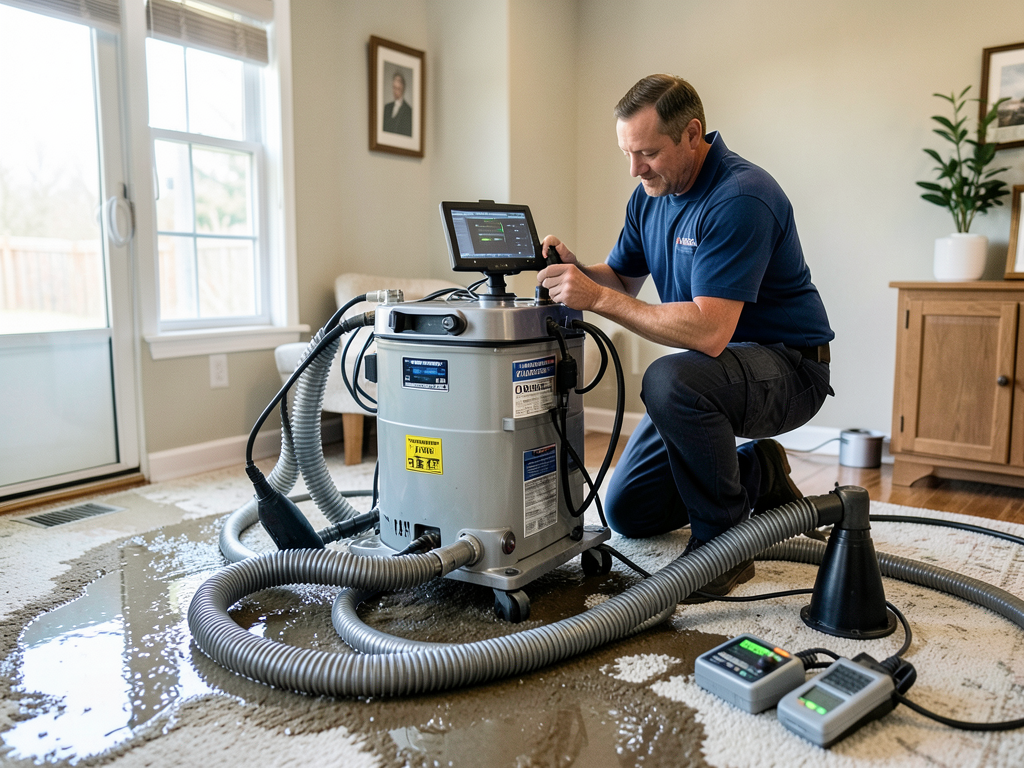
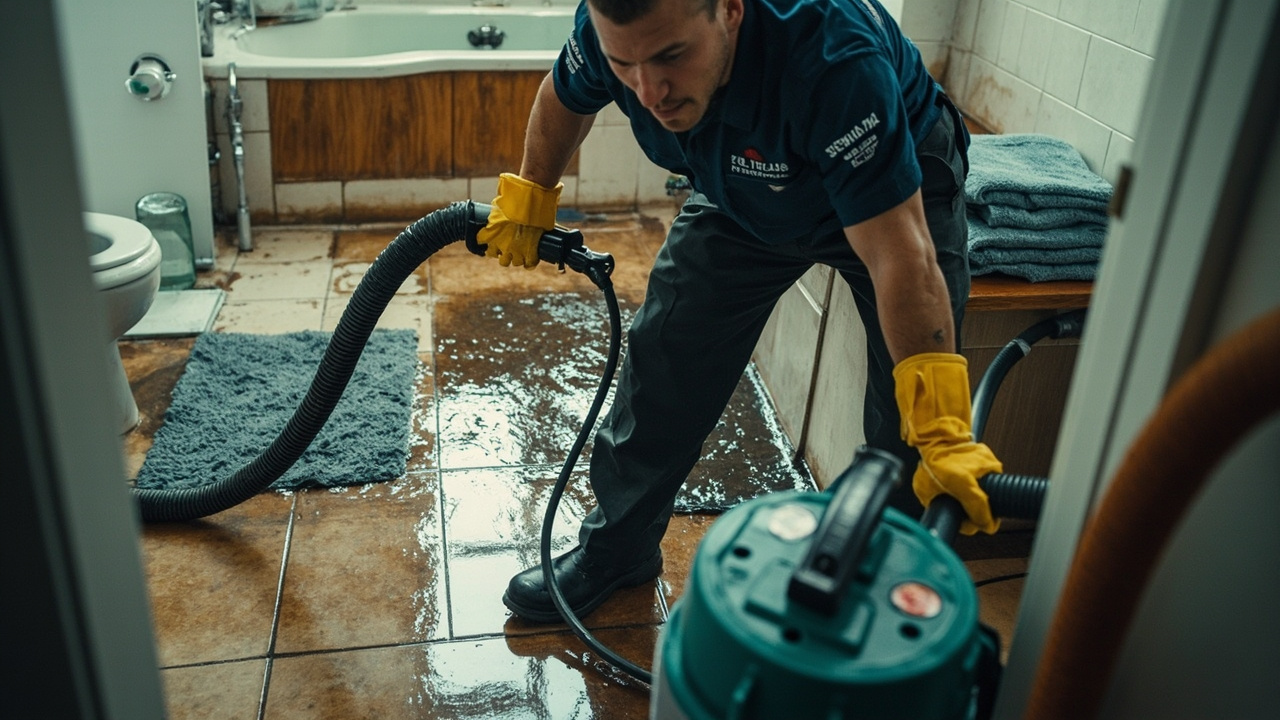
We establish containment barriers using polyethylene sheeting to isolate the affected area. This prevents cross-contamination into clean zones. Then we deploy truck-mounted extractors to remove standing water. These units pull hundreds of gallons per hour, far exceeding the capacity of shop vacs. Speed matters because every minute of contact time increases microbial load on porous surfaces.

After extraction, we remove unsalvageable materials. Drywall wicks water vertically through capillary action. If the drywall absorbed contaminated water above the two-foot mark, we cut and remove it. Baseboards come off to expose wall cavities. Carpet padding almost always requires disposal after sewage exposure because it cannot be reliably sanitized.

We then apply EPA-registered antimicrobial treatments to all affected surfaces. These agents kill bacteria, viruses, and fungi on contact. High-touch surfaces like door handles and light switches get secondary disinfection passes. Air scrubbers with HEPA filtration run continuously to capture airborne particulates and odor molecules.

Structural drying follows disinfection. We position commercial dehumidifiers and air movers to create rapid evaporation conditions. Moisture meters track progress across subfloors, studs, and joists. We do not leave until readings confirm materials have returned to their pre-loss moisture content. This precision prevents secondary mold growth and preserves your property value.

What Happens During Emergency Toilet Overflow Response

24/7 Toilet Overflow Cleanup in Miami – Crews Dispatched in Under 60 Minutes
01

Immediate Containment and Extraction

Our crew arrives with industrial extractors and containment barriers. We isolate the affected bathroom to prevent contaminated water from spreading through hallways or into adjacent rooms. Truck-mounted extraction units remove standing water within the first 30 minutes. We document the extent of water migration using thermal imaging cameras to identify hidden saturation in walls and subfloors before beginning remediation.
02

Material Removal and Disinfection

Contaminated materials like carpet padding, saturated drywall, and porous baseboards get removed and bagged for disposal. We then apply hospital-grade antimicrobial treatments to all exposed surfaces, including subflooring, wall studs, and fixtures. Air scrubbers with HEPA filters run during this phase to capture airborne pathogens and eliminate sewage odors. Every surface that contacted contaminated water receives dual-pass disinfection protocols to ensure safety.
03

Structural Drying and Verification

Commercial dehumidifiers and air movers create controlled evaporation conditions to dry structural materials completely. We monitor moisture levels in floors, walls, and framing using pin-type and non-invasive meters. Drying continues until readings match unaffected areas of your home. Once verified dry, we provide documentation showing your property is safe, sanitary, and ready for reconstruction. This data is critical for insurance claims and resale disclosures.

Why Miami Property Owners Choose Fortress Water Damage Restoration

Toilet sewage removal requires more than a crew with wet vacs. It demands knowledge of Miami-Dade County health codes, Florida Department of Health disinfection standards, and the specific challenges posed by our climate and construction methods. Fortress Water Damage Restoration operates with IICRC-certified technicians trained in contaminated water handling and antimicrobial application protocols.

We understand Miami's building inventory. Homes in Pinecrest and South Miami often feature terrazzo floors that require specialized drying techniques to prevent cracking. Mid-rise condos along Biscayne Boulevard have concrete slab construction with thin floor coverings that hide moisture. Single-family homes in Kendall and Homestead use wood framing vulnerable to rot if not dried within 72 hours. Our equipment fleet and training reflect these regional realities.

Our response time separates us from slower competitors. We dispatch crews from our centrally located facility with an average arrival time under 60 minutes across Miami-Dade County. That speed prevents contamination from migrating deeper into your structure. It also reduces total remediation costs because early intervention stops damage progression.

We also navigate insurance claims daily. Our estimates align with Xactimate pricing, the software most carriers use. We document every step with photos, moisture readings, and material inventories. This thoroughness accelerates claims approval and ensures you receive the full coverage you are entitled to under your policy.

Local expertise matters when sewage is involved. We know which materials Miami building inspectors flag during post-remediation inspections. We know how to dry out homes built on fill dirt versus limestone bedrock. That granular knowledge prevents callbacks, hidden mold, and the health risks that come with incomplete remediation. You are hiring a team that has seen every toilet overflow scenario this city can produce.

What to Expect When You Call for Emergency Service

Response Time and Availability

We answer emergency calls 24 hours a day, 365 days a year. When you call (786) 789-8282, you speak with a dispatcher who immediately assigns a crew. Our average arrival time is under 60 minutes for most Miami-Dade addresses. We do not use answering services or callback queues during emergencies. A truck rolls within minutes of your call. Nights, weekends, and holidays carry no surcharge. Speed is built into our operating model because toilet overflows do not wait for business hours.

Initial Assessment and Scope

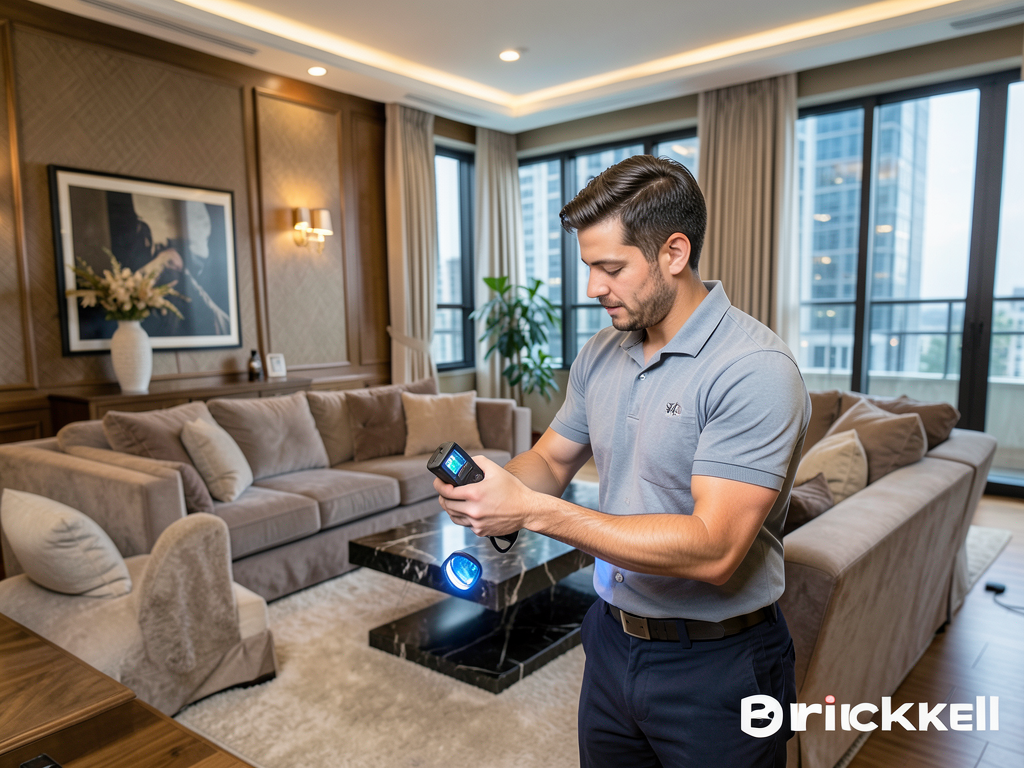
Upon arrival, our crew conducts a contamination assessment and moisture mapping. We use thermal cameras to identify water migration paths you cannot see. You receive an on-site explanation of the work required, including which materials must be removed and estimated drying time. We also identify potential secondary issues like compromised plumbing seals or ventilation problems that contributed to the overflow. This assessment takes 15 to 30 minutes and results in a written scope of work before extraction begins.

Completion Standards and Documentation

We do not leave until moisture readings confirm complete dryness. Our technicians provide you with a final moisture map showing pre-loss and post-remediation readings for floors, walls, and structural components. You also receive photos documenting each phase of work, antimicrobial application logs, and disposal receipts for contaminated materials. This documentation package supports insurance claims and provides proof of professional remediation if you sell your property. Quality is verified with instruments, not guesswork.

Post-Remediation Support and Monitoring

After structural drying is complete, we offer optional follow-up moisture checks at 48 and 72 hours to confirm no hidden pockets of water remain. If you experience any odors or moisture reappearance within 30 days, we return for re-inspection at no charge. We also provide referrals to licensed plumbers if the overflow stemmed from a drain line or flapper valve failure. Our goal is to ensure the problem is fully resolved, not just the water removed.

Frequently Asked Questions

You Have Questions,
We Have Answers

Can you pour vinegar in a toilet overflow tube? +

Yes, you can pour vinegar into the overflow tube to help clean mineral deposits and bacteria buildup. Pour about one cup of white vinegar directly into the tube. This mild acid helps dissolve calcium and lime scale common in Miami's hard water supply. Let it sit for 30 minutes before flushing. However, if you are dealing with an active toilet overflow emergency, stop the water flow first at the shut-off valve. Vinegar cleans maintenance issues, but sewage-contaminated overflows require professional disinfection. Do not rely on DIY cleaning methods for Category 3 black water contamination.

Will toilet overflow cause mold? +

Yes, toilet overflows absolutely cause mold growth, especially in Miami's humid subtropical climate. When sewage water soaks into drywall, subfloors, or baseboards, mold can colonize within 24 to 48 hours. Miami's year-round humidity accelerates spore germination. Porous materials like drywall act as food sources. Even after visible water dries, moisture trapped behind walls feeds hidden mold colonies. You need professional extraction equipment and antimicrobial treatment to prevent mold. Do not wait. The longer contaminated water sits, the more extensive the remediation becomes. Insurance often covers mold resulting from sudden plumbing failures if addressed quickly.

What are two things you should never flush down a toilet? +

Never flush wipes labeled as flushable and feminine hygiene products. Despite marketing claims, wipes do not break down like toilet paper. They tangle in Miami's aging sewer laterals and create blockages that cause backups into your home. Tampons and pads expand with moisture and lodge in drain bends. These items account for most residential toilet overflow emergencies we respond to in Miami. They catch on pipe joints and tree roots common in South Florida's older neighborhoods. Stick to human waste and toilet paper only. Everything else belongs in a trash can, not your plumbing system.

What is the best cleaner for toilet rim jets? +

A mixture of baking soda and white vinegar works well for routine cleaning of rim jets. Sprinkle baking soda under the rim, then pour vinegar to create a fizzing reaction that loosens mineral deposits. For stubborn buildup from Miami's hard water, use a toilet bowl cleaner with hydrochloric acid or a pumice stone for manual scrubbing. Insert a small mirror under the rim to see the jets clearly. Use a wire hanger or Allen wrench to physically clear clogged jets. Regular cleaning prevents pressure issues that can contribute to overflow situations during heavy use or partial clogs.

Why does a plumber expert warn against using vinegar and baking soda on drains? +

Plumbers warn against vinegar and baking soda for drain clogs because the reaction is too weak to clear serious blockages. The fizzing looks impressive but lacks the force to push through hair, grease, or solid obstructions. This combination works as a maintenance cleaner but fails during emergencies. Worse, it gives homeowners false confidence, delaying professional help while sewage backs up. In Miami's older plumbing systems with corroded cast iron pipes, you need hydro-jetting or mechanical snaking for real clogs. Vinegar and baking soda cannot address tree root intrusion or collapsed sewer lines common in South Florida properties.

Can I leave vinegar in the toilet tank overnight? +

Yes, you can safely leave white vinegar in the toilet tank overnight to dissolve mineral buildup and sanitize components. Pour two cups into the tank, not the bowl. Miami's hard water deposits calcium on flappers, fill valves, and flush mechanisms. Vinegar breaks down these minerals without damaging rubber or plastic parts. Flush twice in the morning to clear the acid. This maintenance helps prevent valve failures that cause tanks to overflow. However, if your toilet is currently overflowing, this cleaning method is irrelevant. Shut off water immediately and call for emergency cleanup before attempting any maintenance.

How do Japanese bathrooms not get mold? +

Japanese bathrooms resist mold through superior ventilation design and waterproof construction. They use separate wet rooms with floor drains, waterproof wall panels instead of drywall, and powerful exhaust fans that run continuously. Miami builders rarely incorporate these features. Most South Florida homes use standard drywall near tubs and toilets, making them vulnerable when water escapes during overflows. Japanese bathrooms also maintain lower ambient humidity through better climate control. To prevent mold after a toilet overflow in Miami, you need immediate water extraction, dehumidification, and antimicrobial treatment. Standard bathroom construction here requires professional intervention after contamination events.

What kills black mold in a toilet? +

Bleach kills black mold in toilet bowls effectively. Pour one cup of household bleach into the bowl and under the rim. Let it sit for 10 minutes, scrub with a toilet brush, then flush. For tank mold, add half a cup to the tank and let it sit for 30 minutes before flushing. Miami's humidity feeds mold growth, so fix any leaks causing constant moisture. However, if black mold appears on walls or floors from a previous overflow, bleach on porous surfaces is insufficient. You need professional remediation to remove mold from drywall and subflooring, not just surface cleaning.

Why is the black stuff in my toilet coming back? +

Black residue keeps returning because you have a moisture problem feeding bacterial or mold regrowth. In Miami's climate, any water leak, condensation from poor ventilation, or lingering dampness from a previous overflow creates ideal conditions. The black substance is likely mold, mildew, or iron bacteria thriving in standing water inside the tank or bowl. Surface cleaning treats symptoms, not causes. Check for tank leaks, inadequate ventilation, or contaminated water supply lines. If a past toilet overflow soaked surrounding materials, hidden moisture behind walls feeds continuous spore release. Professional moisture mapping identifies the true source.

What do amish use instead of toilet paper? +

This question is not relevant to emergency toilet overflow cleanup in Miami. If you are experiencing a sewage backup or toilet overflow, your priority is stopping water flow at the shut-off valve and protecting your family from contaminated water exposure. Toilet overflows contain harmful bacteria and pathogens requiring professional extraction and disinfection. Do not attempt DIY cleanup of black water. Miami's humidity accelerates contamination spread into porous materials. Contact a certified water damage restoration company immediately. Your insurance likely covers emergency mitigation. Focus on protecting your property and health, not unrelated historical practices.

How Miami's High Water Table Complicates Toilet Overflow Cleanup

Miami sits on porous limestone bedrock with a water table that averages just three to six feet below ground surface. During wet season or king tide events, that table rises even higher. When a toilet overflows in a ground-floor bathroom, contaminated water can seep into slab foundations and mix with groundwater intrusion. This creates a dual-source moisture problem that requires subslab injection drying and vapor barrier installation. Standard surface extraction does not address water trapped beneath your foundation. Our crews use specialty drying mats and injection systems designed for South Florida's unique hydrogeology.

Miami-Dade County enforces strict health and building codes for contaminated water cleanup. Any remediation involving Category 3 water requires documentation of antimicrobial treatments, material disposal manifests, and final moisture verification. Local building inspectors can red-tag properties if post-remediation moisture levels exceed acceptable thresholds. Fortress Water Damage Restoration maintains relationships with county inspectors and understands the exact documentation required for permit sign-off. Choosing a local provider who knows Miami-Dade's regulatory landscape prevents delays, fines, and failed inspections that out-of-area contractors trigger.
Water Damage Restoration Services in The Miami Area

Fortress proudly serves the entire Miami area and nearby neighborhoods with prompt, expert water damage restoration services. Whether you're located downtown, in the suburbs, or along the coast, our team is just a call away. Use the map below to view our service area and get directions to our office. We’re local, responsive, and ready to help 24/7—because when disaster strikes, having a trusted team nearby makes all the difference.

Address:
Fortress Water Damage Restoration Miami, 3250 NE 1st Ave, Miami, FL, 33137

Additional Services We Offer

Our news updates

Latest Articles & News from The Blogs

Should You Use Your Insurers Preferred Vendor for Brickell Condo Water Damage? When water floods your Brickell condo, your insurance…

Should You Use Your Insurers Preferred Vendor for Brickell Condo Water Damage?

Should You Use Your Insurers Preferred Vendor for Brickell Condo Water Damage? When water floods your Brickell condo, your insurance…

How to Hire a Restorer Who Understands Aventura Penthouse Plumbing Systems

How to Hire a Restorer Who Understands Aventura Penthouse Plumbing Systems Water damage in an Aventura penthouse is not just…

The Difference Between Surface Cleaning and Deep Extraction for Kendall Area Carpets

The Difference Between Surface Cleaning and Deep Extraction for Kendall Area Carpets When water invades your Kendall home, the first…

Contact Us

Every minute counts when sewage water is spreading through your home. Our crews are standing by 24/7 to respond to your emergency. Call (786) 789-8282 now for immediate dispatch. We will be on-site within the hour to contain, extract, and disinfect.