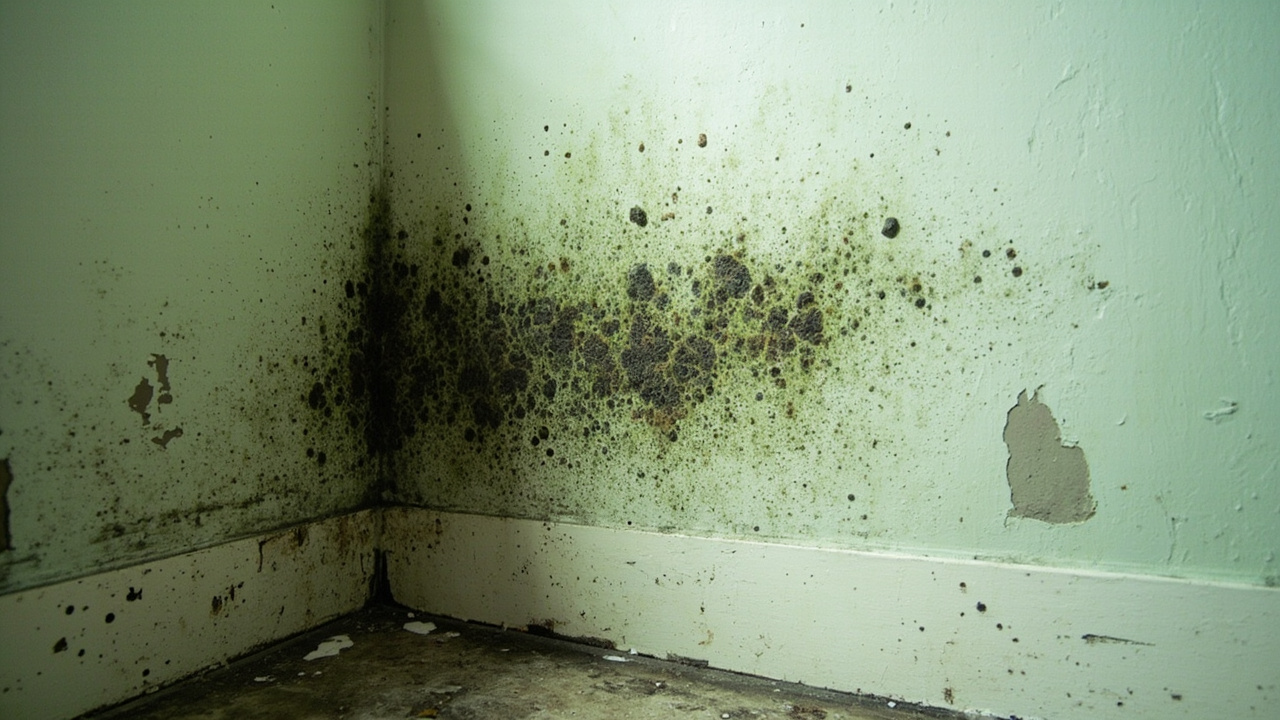
Miami's average relative humidity exceeds 75 percent year-round, with indoor levels often climbing above 60 percent during summer months when air conditioning systems struggle to remove moisture. This constant humidity means any water intrusion from failed window seals, cracked stucco, or roof leaks creates immediate mold risk. Properties in coastal areas from South Beach to Key Biscayne face additional exposure from salt air that corrodes metal components and degrades sealants faster than inland locations. Afternoon thunderstorms deliver intense rainfall that tests every building envelope weakness. When exterior moisture penetrates walls and meets indoor humidity, mold colonization begins within 48 hours. The visible mildew on painted walls you notice often indicates hidden contamination spreading through wall cavities where drywall paper provides food for fungal growth.
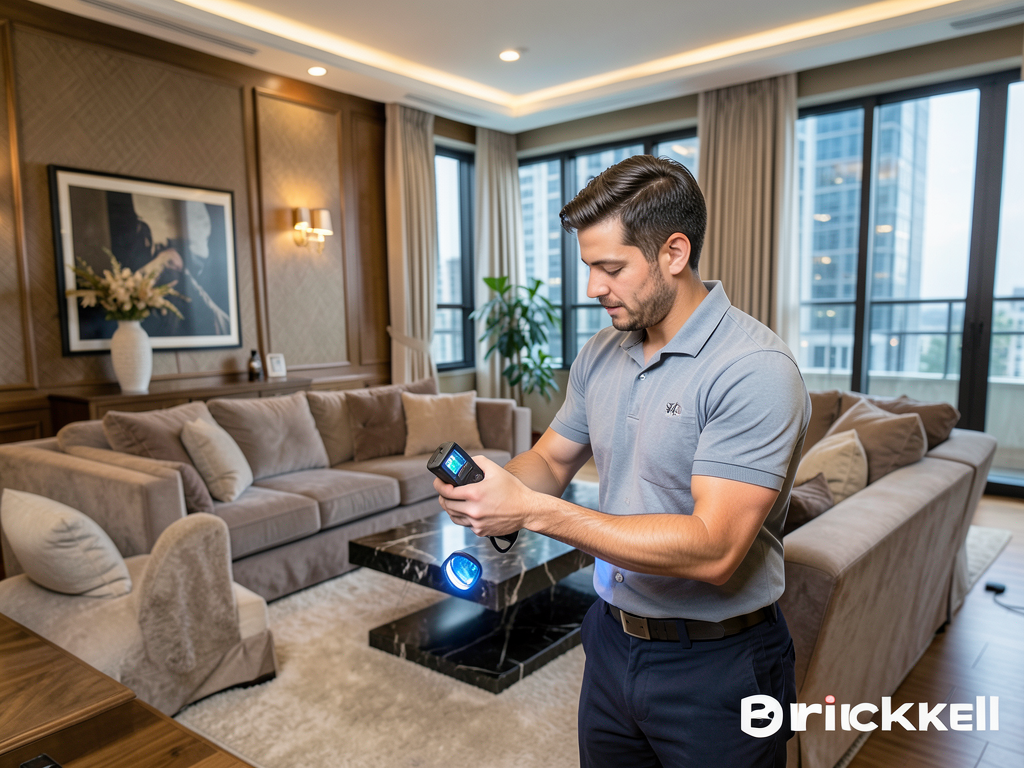
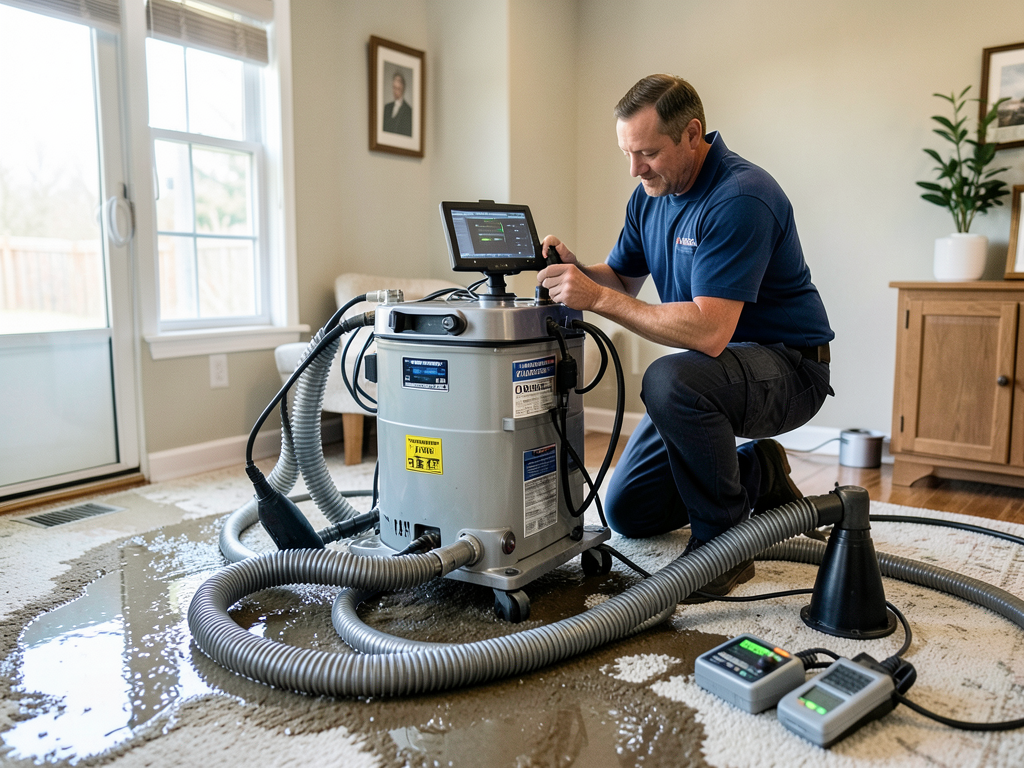
South Florida's building codes now require enhanced moisture control measures, but older Miami homes lack these protections. Properties built before modern vapor barrier requirements face higher risk of moisture accumulation inside wall assemblies. Fortress Water Damage Restoration Miami has remediated mold in everything from 1930s Mediterranean Revival homes in Coral Gables to modern high-rise condos in Brickell. We understand how different construction types respond to Miami's climate. Our technicians recognize when concrete block walls need different treatment than wood-frame construction. We know which neighborhoods face higher water table issues and how that affects below-grade moisture problems. This local expertise ensures we address both the visible contamination and the underlying moisture dynamics that allowed mold to establish.