menu

Efflorescence on Concrete in Miami – Expert Diagnosis and Permanent Moisture Solutions

When white powder or crystalline deposits appear on your concrete, it signals active moisture problems that worsen in Miami's humid climate. Fortress Water Damage Restoration Miami identifies the hidden water source and stops efflorescence at its root.

Slider Image 1
Slider Image 2
Slider Image 3
Slider Image 4
Slider Image 5
Slider Image 7
Slider Image 8
Slider Image 9
Slider Image 10
Slider Image 11

Why White Powder Keeps Reappearing on Your Miami Concrete

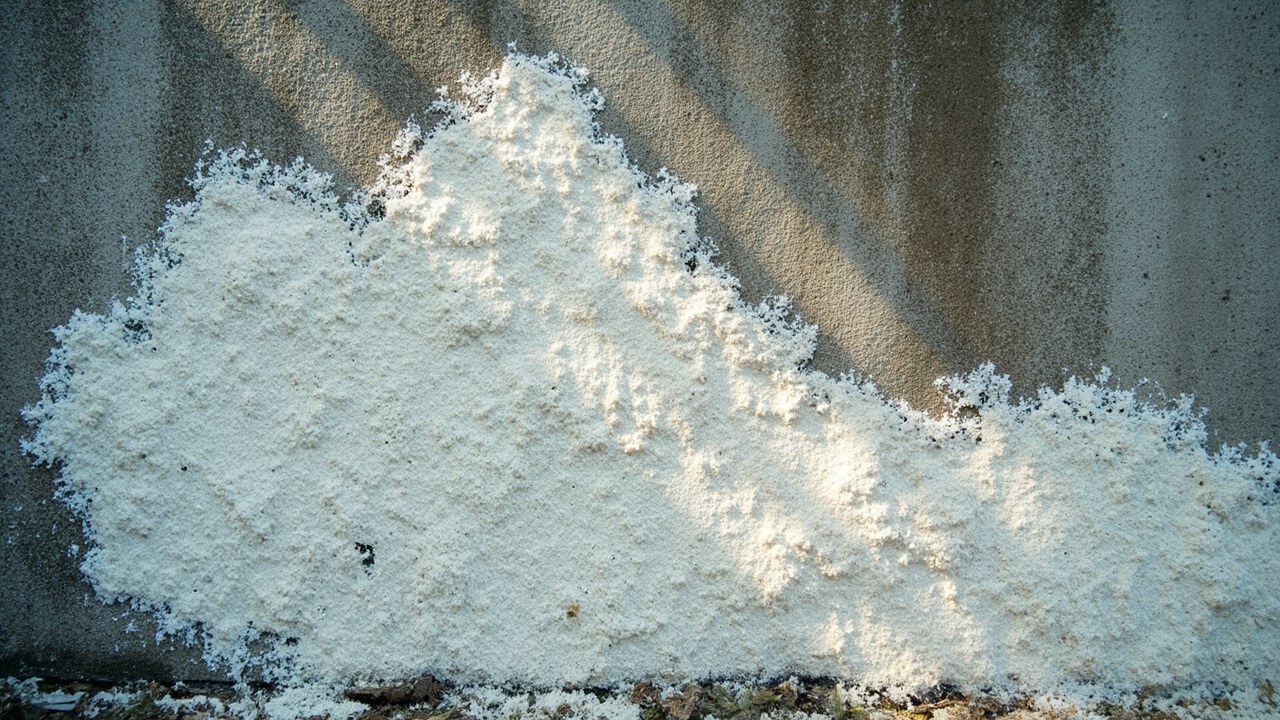
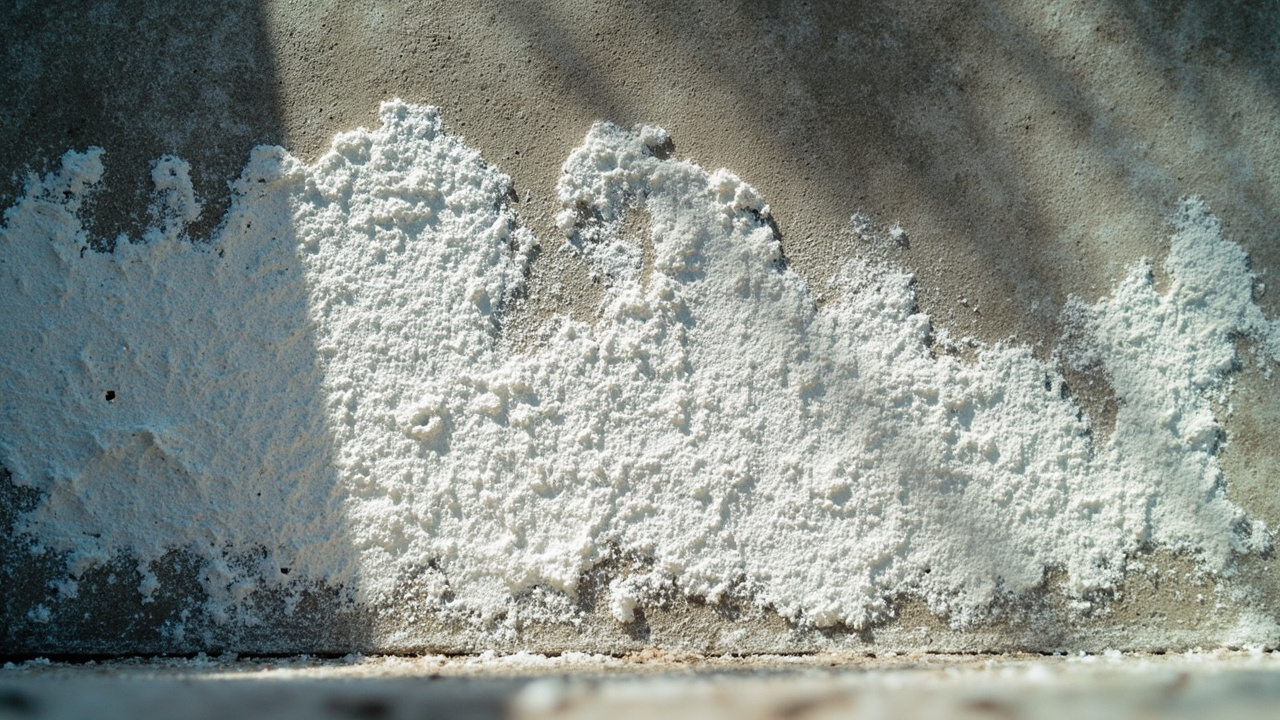
You scrub away the white residue on concrete, and it returns within days. That crystalline buildup is efflorescence, and in Miami, it is not just cosmetic.

Efflorescence forms when water travels through concrete, dissolving mineral salts embedded in the material. As the water evaporates at the surface, it leaves behind white powder on concrete. In South Florida's climate, where humidity hovers between 70 and 90 percent year-round, this cycle accelerates. The constant moisture in the air slows evaporation, trapping water inside your slab, foundation walls, or basement floors longer than in drier climates.

The real problem is not the mineral salts on concrete. It is the water carrying them. Efflorescence is a symptom. The diagnosis is active moisture intrusion, and if left untreated, that moisture leads to structural spalling, reinforcement bar corrosion, and mold growth behind walls.

Miami's porous limestone bedrock and high water table compound the issue. Groundwater pressure pushes moisture upward through concrete slabs, especially in neighborhoods near Biscayne Bay or the Miami River. Seasonal flooding from summer thunderstorms and king tides add hydrostatic pressure against foundation walls, forcing water through microcracks you cannot see.

Concrete salt deposits do not appear randomly. They map the path of water. If you see white residue forming along floor-to-wall joints, cold joints in poured slabs, or around foundation penetrations, you are looking at active water migration. The longer you wait, the more damage accumulates beneath the surface.

Why White Powder Keeps Reappearing on Your Miami Concrete
How We Identify and Eliminate the Moisture Source

How We Identify and Eliminate the Moisture Source

Cleaning efflorescence without stopping the water source is temporary. The deposits return because the moisture problem persists. Our approach targets the cause, not the symptom.

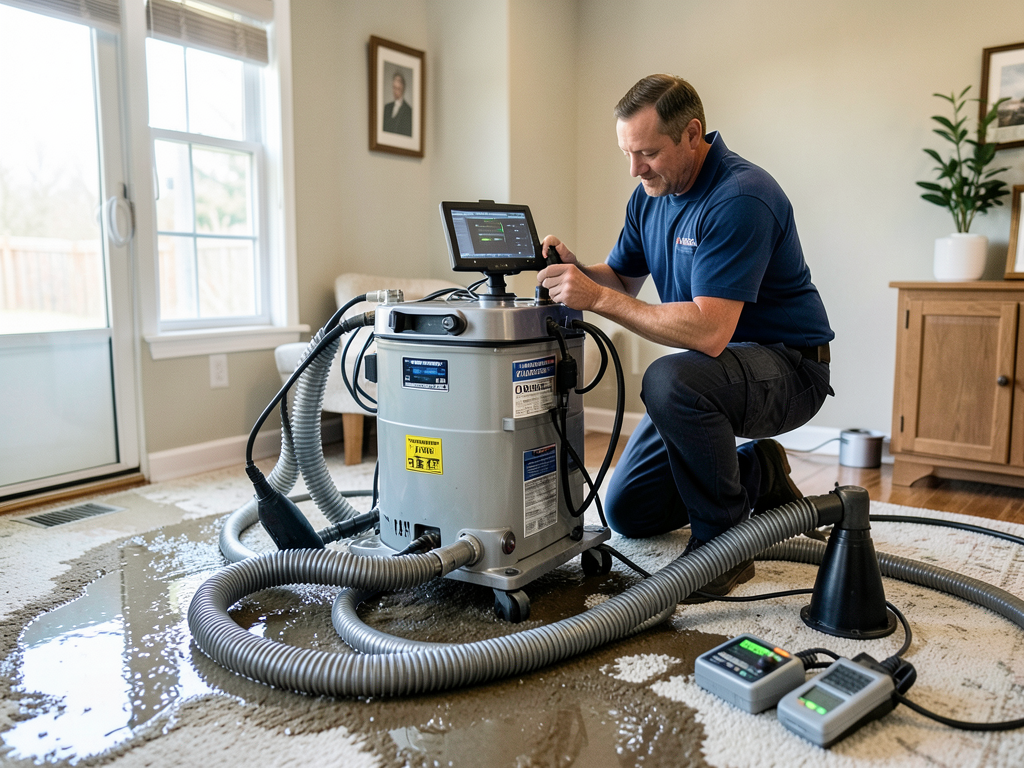
We begin with moisture mapping using calibrated hygrometers and infrared thermal imaging. This identifies differential surface temperatures that indicate subsurface moisture. If your concrete shows efflorescence, we measure relative humidity within the slab using in-situ probes. Readings above 75 percent confirm active moisture migration.

Next, we assess hydrostatic pressure. In Miami, groundwater levels fluctuate with rainfall and tidal cycles. We evaluate exterior grading, downspout discharge points, and subsurface drainage systems. If water pools near your foundation or if French drains are clogged with sediment, hydrostatic pressure forces moisture through the concrete.

We also inspect for capillary rise. Concrete is porous, and without a proper vapor barrier beneath the slab, groundwater wicks upward through capillary action. In older Miami homes built before vapor barrier codes, this is a common source of chronic efflorescence.

Once we isolate the water source, we implement targeted remediation. This may include exterior waterproofing, installation of a subsurface drainage system, injection of crystalline waterproofing agents into the concrete matrix, or application of vapor barrier coatings. For severe cases, we use negative-side waterproofing membranes that bond to the interior surface and block water transmission.

We do not apply generic sealers that trap moisture inside the slab. That creates hydrostatic pressure buildup, leading to concrete delamination. Our solutions allow the concrete to breathe while blocking liquid water intrusion.

What Happens When You Call About Concrete Efflorescence

Efflorescence on Concrete in Miami – Expert Diagnosis and Permanent Moisture Solutions
01

Moisture and Source Assessment

We arrive with moisture detection equipment and map the affected areas. Using thermal imaging and in-slab humidity probes, we pinpoint where water enters and how far it has migrated. We inspect exterior drainage, grading, and plumbing penetrations. This diagnostic phase takes 60 to 90 minutes and determines whether the issue is groundwater intrusion, poor drainage, or a hidden leak.
02

Targeted Remediation Plan

Based on the findings, we develop a remediation plan specific to your property. If the problem is hydrostatic pressure, we recommend exterior drainage correction or interior waterproofing. If capillary rise is the cause, we apply crystalline waterproofing or vapor barrier coatings. We explain each option, the timeline, and what to expect during the work. No generic fixes. Every solution addresses the actual water pathway.
03

Long-Term Moisture Control

After remediation, we conduct post-treatment moisture testing to verify that humidity levels inside the concrete have dropped. We document baseline readings and provide a follow-up inspection within 30 days. If additional mineral salts appear, we know the water source was not fully addressed and adjust the strategy. The goal is no recurrence, not just surface cleaning.

Why Miami Efflorescence Requires Local Expertise

Efflorescence looks the same everywhere, but the water source varies by location. In Miami, the combination of porous limestone geology, a water table often less than five feet below grade, and subtropical humidity creates conditions that do not exist in other climates.

Fortress Water Damage Restoration Miami has worked on properties from Coral Gables to Aventura, and we know the patterns. Homes near the bay deal with tidal influence on groundwater levels. Properties west of I-95 often sit on reclaimed wetlands with poor subsurface drainage. Older buildings in neighborhoods like Little Havana or Allapattah were constructed before modern vapor barrier requirements, making them prone to capillary rise.

We also understand Miami-Dade building codes. If your remediation requires structural waterproofing or foundation repairs, the work must meet local code and pass inspection. We coordinate with county inspectors and ensure compliance, so you do not face permit issues down the line.

Generic waterproofing companies treat efflorescence as a sealing job. We treat it as a moisture intrusion problem that requires diagnosis, source elimination, and verification. That distinction matters when you live in a city where groundwater is always present and humidity never drops.

We also consider hurricane preparedness. If your foundation has compromised drainage or cracks allowing water entry, the next tropical storm will flood your property. Fixing efflorescence now prevents catastrophic water damage during the wet season.

Choosing a local provider means you get someone who understands why efflorescence appears on your property and knows the correct fix for Miami conditions.

What You Can Expect from Start to Finish

Fast Response and Availability

We schedule assessments within 24 to 48 hours of your call. Efflorescence indicates active moisture, and delays allow that moisture to penetrate deeper into the concrete. If you contact us during the wet season when efflorescence accelerates, we prioritize properties showing rapid deposit formation or associated mold growth. Our team is available seven days a week, and we work around your schedule. Most diagnostic visits take 60 to 90 minutes, and we provide a written remediation plan within 24 hours of the assessment.

Thorough Diagnostic Process

We use moisture meters, thermal imaging, and in-situ humidity probes to measure moisture levels inside the concrete. Readings above 75 percent relative humidity indicate active water migration. We inspect exterior grading, gutter systems, and subsurface drainage. We check for plumbing leaks near the affected area. We also review your property's construction date and foundation type, as older slabs often lack vapor barriers. The diagnostic phase is comprehensive because efflorescence has multiple potential causes, and treating the wrong source wastes time and money.

Verified Results

After remediation, we conduct follow-up moisture testing. If in-slab humidity levels remain elevated, we investigate further. Successful treatment should drop interior concrete humidity to ambient levels within two to four weeks, depending on slab thickness and saturation depth. We document pre-treatment and post-treatment readings, so you have objective proof the moisture source has been eliminated. If efflorescence reappears after treatment, we return to reassess at no additional diagnostic charge. Our goal is permanent elimination, not temporary suppression.

Ongoing Monitoring Recommendations

We provide maintenance guidance specific to your property. If your efflorescence was caused by poor exterior drainage, we recommend annual gutter cleaning and grading inspections before the wet season. If capillary rise was the issue, we advise periodic humidity checks in the slab. For properties near the coast, we suggest monitoring for new cracks after heavy storms, as hydrostatic pressure can reopen sealed pathways. We offer annual moisture inspections for clients who want proactive monitoring. Early detection prevents recurrence and avoids the need for more invasive repairs.

Frequently Asked Questions

You Have Questions,
We Have Answers

Is efflorescence on concrete a problem? +

Efflorescence itself is not structurally dangerous, but it signals an underlying moisture problem. Those white, chalky deposits form when water moves through concrete and carries salts to the surface. In Miami's humid climate and with frequent tropical storms, persistent efflorescence often indicates active water intrusion, poor drainage, or foundation seepage. If left unchecked, the moisture causing efflorescence can lead to concrete spalling, mold growth, and structural deterioration over time. Address the root cause quickly to prevent costly damage to your property.

How to fix efflorescence in concrete? +

Start by identifying and stopping the moisture source. Check for drainage issues, leaking pipes, or groundwater seepage common in low-lying Miami neighborhoods. Once dry, use a stiff brush to scrub away loose efflorescence deposits. For stubborn buildup, apply a mild acidic cleaner like diluted white vinegar or a commercial efflorescence remover. Rinse thoroughly with water and let the surface dry completely. If efflorescence returns quickly, you have an active moisture problem that requires professional waterproofing or drainage correction to fix permanently.

Can you seal concrete over efflorescence? +

No. Sealing over efflorescence traps moisture and salts beneath the surface, which creates pressure and causes the sealer to fail, peel, or bubble. You must remove all efflorescence and let the concrete dry completely before applying any sealer. In Miami's high humidity, drying can take several days. More importantly, you need to fix the underlying moisture issue first. If water keeps migrating through the concrete, sealing becomes pointless. The efflorescence will continue forming beneath the sealer and damage your work.

Should efflorescence be removed? +

Yes. Remove efflorescence as soon as you notice it. While the deposits themselves are harmless, they indicate ongoing moisture movement that can worsen over time. In Miami's tropical environment, constant water intrusion accelerates concrete degradation, steel rebar corrosion, and mold colonization. Removing efflorescence also helps you assess whether the problem is active or residual. If deposits return within days or weeks, you have a serious moisture issue requiring immediate attention. Quick removal prevents cosmetic staining and helps you catch structural problems early.

How do professionals remove efflorescence? +

Professionals start with a thorough moisture inspection using meters and thermal imaging to locate the water source. They remove efflorescence using commercial-grade cleaners, pressure washing, or abrasive methods depending on severity. For Miami properties, pros often address common culprits like inadequate site grading, clogged French drains, or high water tables. After cleaning, they apply breathable waterproofing membranes or install drainage systems to redirect water away from foundations. The goal is permanent moisture control, not just cosmetic fixes. Professionals ensure the concrete stays dry long-term.

What is the 20/30/40 rule in concrete? +

The 20/30/40 rule addresses efflorescence risk during concrete curing. Air temperature should stay above 40 degrees, concrete temperature above 50 degrees, and relative humidity below 80 percent during the first 24 to 48 hours. This helps concrete cure properly and reduces salt migration. In Miami, high humidity and heat create different challenges. The rule matters less here than proper mix design, adequate drainage, and vapor barriers. Miami concrete needs protection from groundwater intrusion and tropical moisture, not cold-weather curing issues.

Does efflorescence indicate water damage? +

Yes. Efflorescence is a visible symptom of water moving through concrete. The white deposits form when dissolved salts travel with moisture and crystallize on the surface as water evaporates. In Miami, this often signals foundation seepage, poor drainage around slabs, or rising groundwater during heavy rains. While efflorescence itself does not damage concrete, the moisture causing it can lead to serious problems like mold, wood rot, steel corrosion, and structural cracking. Treat efflorescence as an early warning system for water damage.

How do I stop efflorescence from coming back? +

Stop the moisture at its source. Improve site grading so water flows away from your foundation. Clean gutters and extend downspouts at least six feet from the building. Install or repair French drains and foundation waterproofing. In Miami's low-lying areas, a sump pump may be necessary to manage high water tables. After fixing drainage, apply a breathable concrete sealer that allows vapor transmission while blocking liquid water. If efflorescence keeps returning despite these steps, you need professional help to diagnose hidden plumbing leaks or groundwater issues.

Should I buy a house with efflorescence? +

Efflorescence alone should not kill a deal, but treat it as a red flag requiring investigation. Hire a qualified home inspector to assess the moisture source and check for related damage like foundation cracks, mold, or wood rot. In Miami, efflorescence on older homes near the coast or in flood zones can indicate chronic drainage problems or high water tables. Get repair estimates before closing. If the seller refuses to address the underlying moisture issue or the fix costs exceed your budget, walk away. Water problems only get worse.

Does Drylok stop efflorescence? +

Drylok and similar masonry waterproofers do not stop efflorescence. They trap moisture and salts behind a membrane, which builds pressure and causes the coating to fail. Drylok works only if you fix the moisture source first and remove all existing efflorescence. In Miami's humid climate, applying Drylok over active efflorescence guarantees peeling and blistering. Use breathable sealers instead. Better yet, address drainage and waterproofing issues before sealing. No coating can overcome poor site grading, foundation leaks, or rising groundwater.

Why Miami's High Water Table Makes Efflorescence a Chronic Problem

Miami sits on the Biscayne Aquifer, one of the most productive freshwater aquifers in the United States. The water table ranges from one to five feet below ground surface, depending on elevation and proximity to the coast. This creates constant upward hydrostatic pressure against concrete slabs and foundation walls. When combined with Miami's 60 inches of annual rainfall, most of it concentrated in the summer months, groundwater levels fluctuate dramatically. King tides and seasonal flooding temporarily raise the water table even higher, forcing moisture through any available pathway in the concrete. Efflorescence is not a rare occurrence in Miami. It is a predictable result of local hydrology, and it requires solutions designed for high water table environments.

Fortress Water Damage Restoration Miami has worked on properties across Miami-Dade County, from bayfront homes in Coconut Grove to inland properties in Kendall. We understand how local soil conditions, water table depth, and construction practices affect moisture intrusion. We also know Miami-Dade building codes related to waterproofing and foundation drainage. If your remediation requires structural work or modifications to subsurface drainage, we coordinate with county inspectors and ensure permit compliance. Local expertise matters because efflorescence in Miami is not the same problem you would find in Phoenix or Denver. The water is always present here, and the fix must account for that reality.
Water Damage Restoration Services in The Miami Area

Fortress proudly serves the entire Miami area and nearby neighborhoods with prompt, expert water damage restoration services. Whether you're located downtown, in the suburbs, or along the coast, our team is just a call away. Use the map below to view our service area and get directions to our office. We’re local, responsive, and ready to help 24/7—because when disaster strikes, having a trusted team nearby makes all the difference.

Address:
Fortress Water Damage Restoration Miami, 3250 NE 1st Ave, Miami, FL, 33137

Additional Services We Offer

Our news updates

Latest Articles & News from The Blogs

Should You Use Your Insurers Preferred Vendor for Brickell Condo Water Damage? When water floods your Brickell condo, your insurance…

Should You Use Your Insurers Preferred Vendor for Brickell Condo Water Damage?

Should You Use Your Insurers Preferred Vendor for Brickell Condo Water Damage? When water floods your Brickell condo, your insurance…

How to Hire a Restorer Who Understands Aventura Penthouse Plumbing Systems

How to Hire a Restorer Who Understands Aventura Penthouse Plumbing Systems Water damage in an Aventura penthouse is not just…

The Difference Between Surface Cleaning and Deep Extraction for Kendall Area Carpets

The Difference Between Surface Cleaning and Deep Extraction for Kendall Area Carpets When water invades your Kendall home, the first…

Contact Us

White powder on your concrete means water is migrating through the slab right now. The longer you wait, the worse the damage becomes. Call Fortress Water Damage Restoration Miami at (786) 789-8282 to schedule a moisture assessment and eliminate the source permanently.