menu

Hidden Moisture Detection in Miami – Expert Thermal Imaging and Hygrometer Testing Stop Mold Before It Starts

Advanced hidden moisture detection technology pinpoints trapped water behind walls, under floors, and in ceilings throughout Miami properties before structural damage and toxic mold colonies take hold.

Slider Image 1
Slider Image 2
Slider Image 3
Slider Image 4
Slider Image 5
Slider Image 7
Slider Image 8
Slider Image 9
Slider Image 10
Slider Image 11

Why Hidden Water Damage Is So Common in Miami Homes and Buildings

You see a small water stain on your ceiling. You assume it dried. Three months later, you smell mildew. By the time visible mold appears, the damage is already severe.

Miami's relentless humidity makes hidden moisture detection critical. Even a slow drip from a compromised air handler drain pan or corroded copper pipe creates the perfect environment for trapped water to fester. The average indoor humidity here hovers between 60 and 75 percent year-round. When water intrudes behind drywall or tile, it does not evaporate. It stagnates.

South Florida's concrete slab construction hides problems. Water migrates laterally through micro-cracks in the slab, wicking up into baseboards and lower wall cavities. You do not see it. You do not smell it immediately. But locating concealed dampness early is the difference between a targeted repair and a gut renovation.

Spotting hidden water damage requires more than a visual inspection. Modern building materials like vapor barriers and waterproof membranes trap moisture instead of letting it evaporate. Your walls could be soaked while the surface looks dry. Identifying unseen water intrusion demands infrared cameras, moisture meters, and hygrometers calibrated for Miami's climate. Without these tools, you are guessing. With them, you know exactly where the problem lives and how far it has spread.

Many homeowners in Coral Gables, Coconut Grove, and Brickell discover hidden leaks only after insurance denies a claim due to long-term neglect. Detecting invisible leaks before they cause chronic damage protects both your property value and your health.

Why Hidden Water Damage Is So Common in Miami Homes and Buildings
How Professional Moisture Detection Works in Miami Properties

How Professional Moisture Detection Works in Miami Properties

Finding trapped water is not about tearing into walls at random. Professional moisture detection uses a layered diagnostic approach.

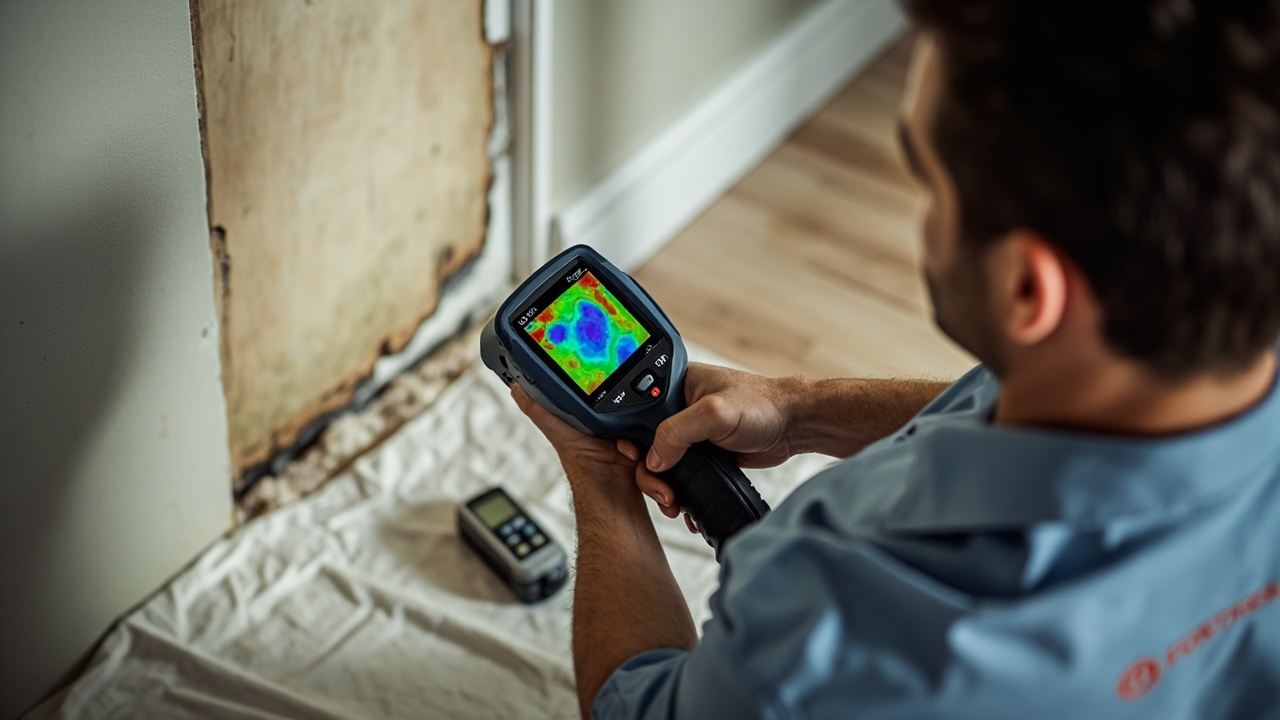
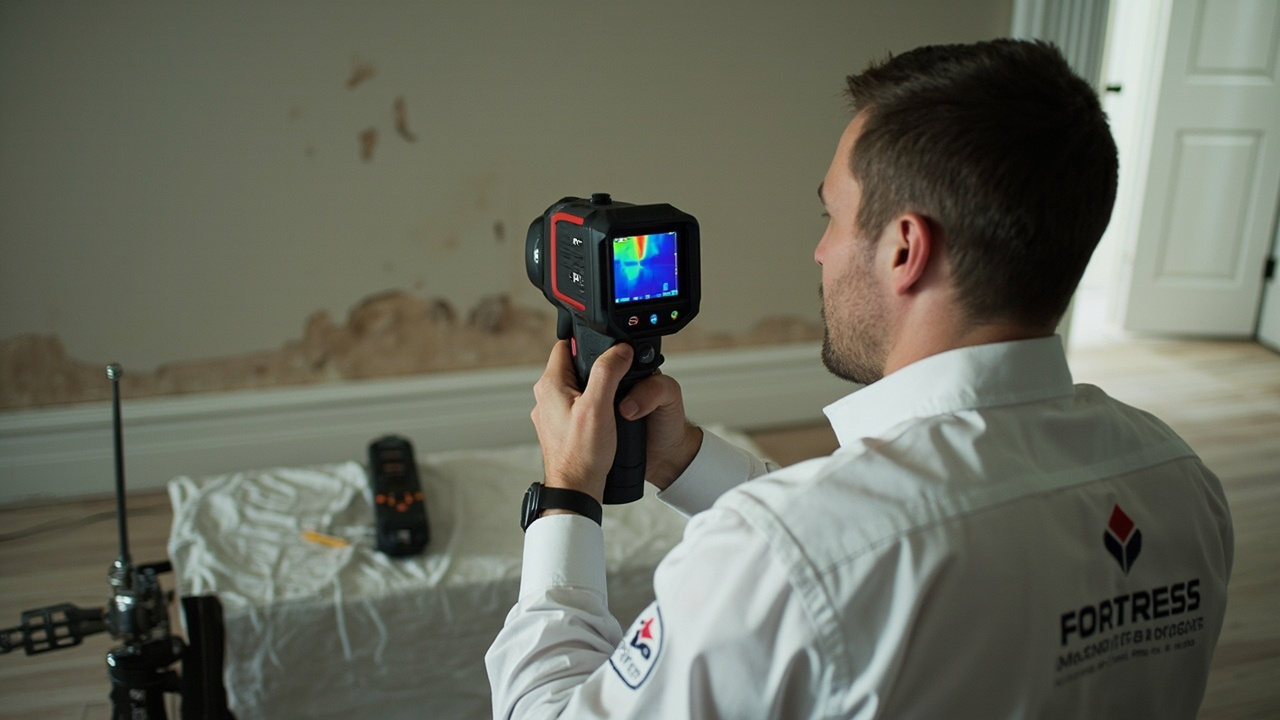
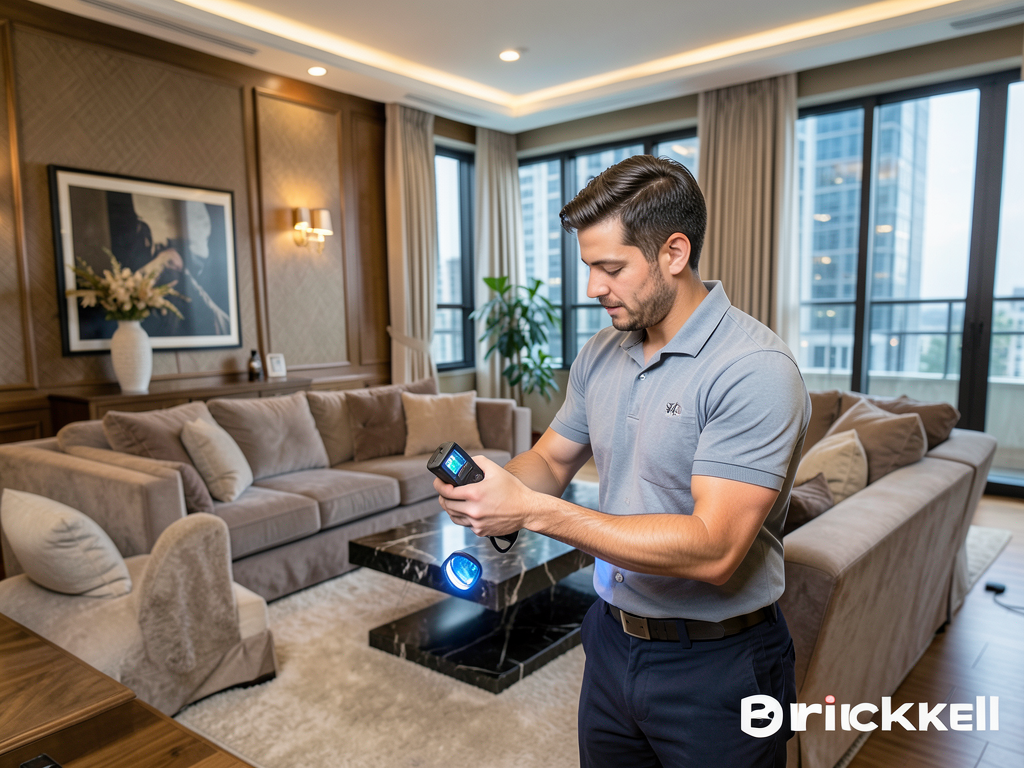
We start with thermal imaging. An infrared camera detects temperature differences across surfaces. Wet materials are cooler than dry materials because water absorbs heat. The camera highlights these cold spots, revealing moisture patterns invisible to the naked eye. This technology is especially effective in Miami because the temperature differential between conditioned indoor air and saturated building materials is pronounced.

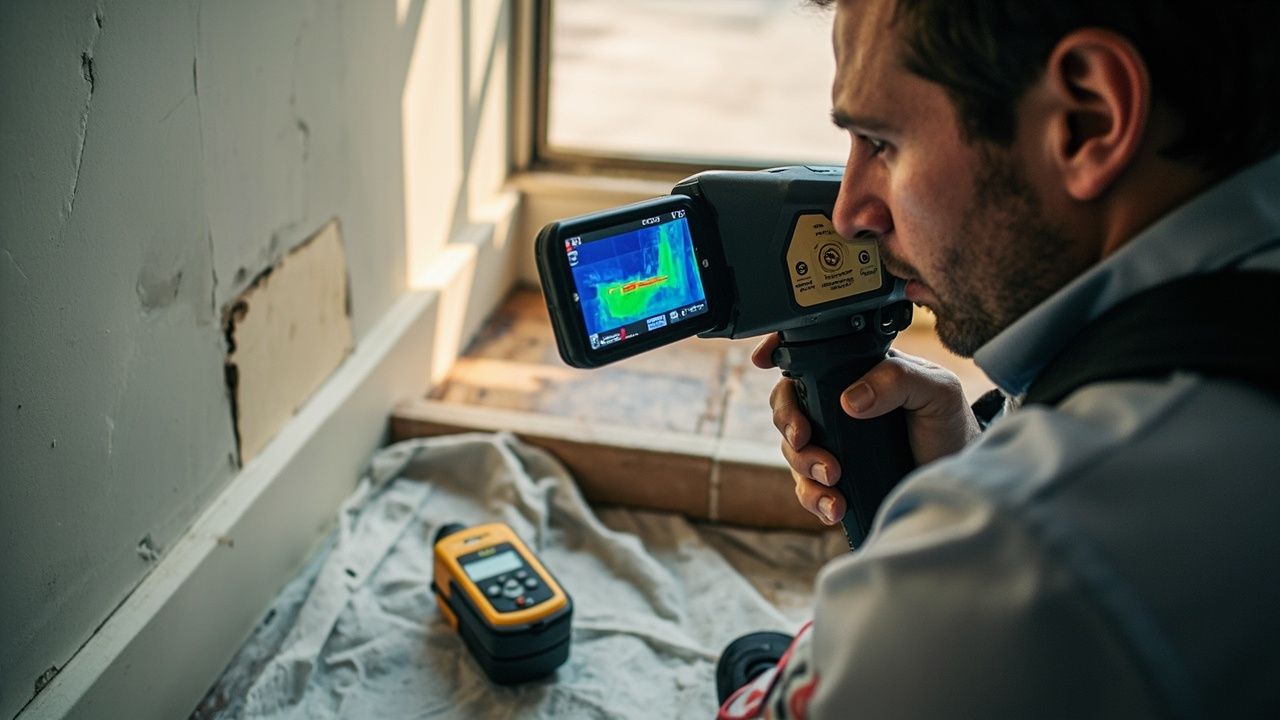
Next, we deploy pin-type and non-invasive moisture meters. Pin meters penetrate drywall, wood, and insulation to measure electrical resistance. Higher moisture content lowers resistance. Non-invasive meters scan larger areas without damaging finishes. We take readings at multiple depths and locations to map the full extent of the intrusion.

Hygrometers measure ambient and material-specific humidity levels. In Miami, we use psychrometric calculations to determine if elevated moisture is due to active intrusion or chronic ambient humidity. This distinction matters. One requires source repair. The other requires environmental controls like dehumidification.

We also use tracer gas detection for slab leaks. Pressurized gas is introduced into the water line. A sensor sniffs for gas emissions at the slab surface, pinpointing the exact leak location without excavation.

This multi-tool approach eliminates guesswork. You get a detailed moisture map showing where water is, how much is present, and what materials are affected. That data drives the scope of work. No unnecessary demolition. No missed pockets of saturation. Just targeted, evidence-based restoration.

What Happens During a Hidden Moisture Detection Service Call in Miami

Hidden Moisture Detection in Miami – Expert Thermal Imaging and Hygrometer Testing Stop Mold Before It Starts
01

Initial Site Assessment

We begin with a walkthrough to understand your concerns and any visible signs of water damage. You describe the timeline, recent weather events, or plumbing issues. We visually inspect walls, ceilings, floors, and mechanical spaces. This conversation and observation set the scope for our diagnostic scan and help us prioritize areas most likely to harbor concealed dampness.
02

Diagnostic Scanning and Testing

Thermal imaging cameras map temperature anomalies across every suspected surface. Moisture meters take precise readings in drywall, subfloors, and structural framing. Hygrometers measure relative humidity in wall cavities and enclosed spaces. We document every finding with photos, meter readings, and annotated diagrams. This data quantifies the problem and establishes a baseline for tracking drying progress during remediation.
03

Reporting and Action Plan

You receive a detailed moisture report showing affected areas, moisture levels, and recommended next steps. We explain which materials need drying, which require replacement, and what caused the intrusion. If insurance is involved, this documentation supports your claim. You leave the consultation with clarity, not confusion. No pressure. Just the facts you need to make an informed decision about restoration.

Why Miami Homeowners and Property Managers Choose Reliance for Moisture Detection

Miami's building stock is diverse. You have mid-century concrete block homes in Little Havana, modern high-rises in Edgewater, and historic coral rock structures in Coconut Grove. Each construction type hides moisture differently. Concrete block wicks water vertically. Steel-framed towers trap condensation in exterior wall assemblies. Wood-framed bungalows rot when vapor barriers fail.

Reliance Water Damage Restoration Orlando understands these distinctions. Our technicians are trained in South Florida building science. We know how water moves through different assemblies in this climate. We know the common failure points in older plumbing systems and the drainage issues caused by Miami's flat topography and high water table.

We also understand Miami-Dade County building codes. Post-Hurricane Andrew regulations changed how buildings are sealed and vented. Tighter building envelopes reduce air infiltration but increase the risk of trapped moisture when leaks occur. Our detection protocols account for these design features.

You get technicians who do not need a tutorial on your building type. We have worked in thousands of Miami properties. We recognize the signs of chronic intrusion versus acute failure. We know which building materials are salvageable and which must be replaced to meet code and prevent mold recurrence.

Transparency matters. We show you the readings. We explain what the numbers mean. We do not upsell unnecessary services. If your moisture levels are within normal range for Miami's climate, we tell you. If you have a problem, we document it and provide options.

Trust is built on honesty and technical competence. We deliver both.

What to Expect When You Schedule Hidden Moisture Detection in Miami

Response Time and Availability

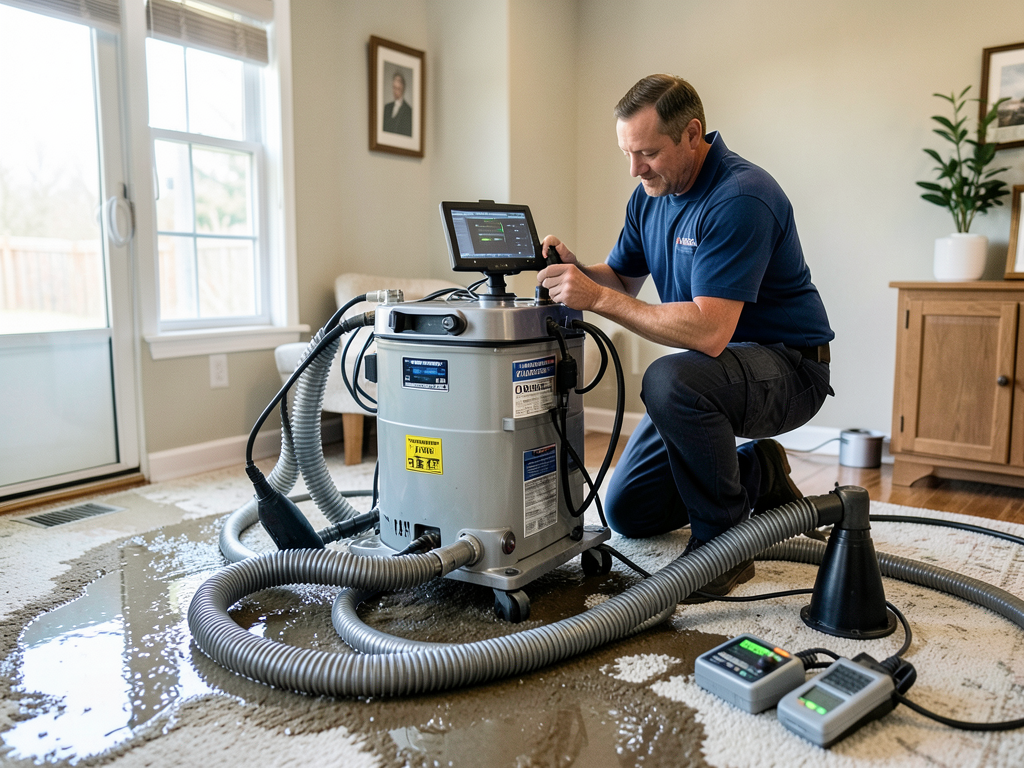
We offer same-day and next-day moisture detection appointments throughout Miami-Dade County. Call before noon and we can often arrive the same afternoon. Early detection prevents mold spore germination, which begins within 24 to 48 hours of water exposure. Speed matters. Our diagnostic equipment is vehicle-mounted and ready to deploy. You do not wait days for answers. You get a technician on-site quickly, equipped with professional-grade thermal cameras, moisture meters, and hygrometers. Emergency detection services are available around the clock for active leaks or suspected catastrophic intrusion.

The Diagnostic Process and Consultation

The detection visit takes 60 to 90 minutes depending on property size. We scan all suspect areas plus adjacent spaces to ensure we do not miss satellite moisture pockets. You receive real-time explanations as we work. We show you the thermal images and moisture readings. We explain what elevated readings mean for different materials. Drywall at 18 percent moisture content requires drying. At 25 percent, it likely requires replacement. We help you understand the severity and urgency. After the scan, we sit down and review a written summary. No technical jargon without translation. Just clear explanations and honest recommendations.

Accuracy and Documentation Quality

Our moisture reports include annotated floor plans, thermal images, and a room-by-room breakdown of moisture readings. Each measurement is time-stamped and labeled. If you file an insurance claim, this documentation is critical. Adjusters require proof of the extent of damage. Generic estimates do not hold up. Calibrated meter readings and infrared images do. We provide the evidence you need to support your claim and ensure you receive fair compensation. The report also serves as a baseline for tracking drying progress if remediation is needed. You can verify the work was done correctly because you have objective data to compare.

Follow-Up and Ongoing Monitoring

If remediation is needed, we perform follow-up moisture testing after drying equipment is removed. This confirms materials have returned to acceptable moisture levels before reconstruction begins. We also offer annual moisture checks for properties with recurring issues or high-value construction. Buildings near Biscayne Bay or in flood-prone areas benefit from routine monitoring. These preventive scans catch slow leaks before they escalate. Think of it as a checkup for your building envelope. You catch problems early when repairs are simple and inexpensive. Ongoing relationships mean we know your property history and can spot changes faster.

Frequently Asked Questions

You Have Questions,
We Have Answers

Why does my phone say moisture detected when there is no moisture? +

Your phone triggers moisture warnings from corrosion on the charging port pins, not actual water. Salt air in Miami accelerates this buildup. Debris, lint, or humidity can also trip the sensor. Power off your device and inspect the port with a flashlight. Gently clean with a dry toothbrush or compressed air. Let it sit in a dry space for 30 minutes. If the warning persists after cleaning, the sensor itself may be faulty and require professional repair. Avoid charging until resolved to prevent short circuits.

How do you detect moisture behind walls? +

Professional water damage restoration uses non-invasive moisture meters with penetrating probes or pin-less sensors to scan walls without demolition. Infrared thermal cameras detect temperature variations behind drywall that indicate wet insulation or studs. Hygrometers measure humidity levels in wall cavities. In Miami, high ambient humidity complicates detection, so technicians cross-reference multiple readings. Pinpointing hidden moisture prevents mold growth and structural rot common in South Florida's climate. Visual clues like paint bubbling, baseboards warping, or musty odors guide initial inspection zones before using detection equipment.

Do moisture Readers really work? +

Yes, moisture meters are accurate when used correctly. Pin-type meters measure electrical resistance between two prods inserted into materials. Pin-less meters use electromagnetic waves to scan surfaces without damage. Both types require calibration for different materials like drywall, wood, or concrete. Miami's humidity affects baseline readings, so experienced technicians adjust for ambient conditions. Meters identify moisture levels ranging from dry to saturated. They are essential tools for water damage assessment but work best when paired with thermal imaging and visual inspection to confirm leak sources and saturation patterns.

What do home inspectors use to detect moisture? +

Home inspectors use pin-type or pin-less moisture meters to check walls, floors, and ceilings during standard assessments. These handheld devices provide percentage readings of moisture content. Many inspectors also carry infrared cameras to map temperature anomalies that suggest hidden leaks or poor ventilation. In Miami, inspectors focus on areas prone to water intrusion like windows, roof penetrations, and exterior walls facing driving rain. Moisture detection during pre-purchase inspections reveals active leaks, past water damage, or conditions favoring mold growth before closing.

How do I fix a moisture detected glitch? +

Turn off your device immediately. Remove the charging cable and any case. Use compressed air to blow out the charging port, focusing on the center contacts. Avoid inserting objects that could damage pins. Place your phone in a dry, cool room for one to two hours. Miami humidity slows evaporation, so consider using a fan nearby. Restart the device after waiting. If the glitch continues, toggle Airplane Mode on and off, or perform a soft reset. Persistent warnings after thorough drying indicate sensor malfunction requiring technical service.

How to get rid of Samsung moisture Warning? +

Samsung moisture warnings protect your device from charging port damage. First, power down and disconnect all cables. Inspect the USB-C port for debris, lint, or corrosion using a flashlight. Clean gently with a dry toothbrush or toothpick, avoiding metal tools. Blow compressed air into the port at an angle. Let the phone rest in a dry environment for 60 minutes. Miami's coastal humidity extends drying time. Restart and test. You can temporarily dismiss the warning in settings, but do not charge until the port is completely dry to avoid electrical shorts.

How to tell if water is leaking behind a wall? +

Check for discoloration, bubbling paint, or peeling wallpaper along walls and ceilings. Run your hand across suspected areas to feel temperature drops or dampness. Warped baseboards or swollen drywall indicate saturation. Listen for dripping sounds behind walls during quiet hours. Musty odors signal trapped moisture and potential mold. In Miami, persistent wet spots despite dry weather suggest active plumbing leaks or roof intrusion. Use a moisture meter or call a water damage specialist for thermal imaging to locate the exact leak source before cutting into walls.

How to find where moisture is coming from? +

Start by identifying visible water stains, mold patches, or warped materials. Trace stains upward since water flows down through ceilings and walls. Check plumbing fixtures, water heaters, and supply lines for leaks. Inspect your roof, especially around vents, chimneys, and flashing after Miami storms. Examine window and door seals for gaps. Use a moisture meter to scan suspect areas. High humidity readings pinpoint saturation zones. Thermal cameras reveal temperature differences caused by wet building materials. Professionals cross-reference moisture maps with plumbing diagrams and structural plans to isolate intrusion points.

How long can drywall be wet before mold? +

Drywall begins growing mold within 24 to 48 hours of water exposure in Miami's humid climate. High temperatures accelerate spore germination. If drywall stays wet beyond 72 hours, mold colonization becomes extensive and remediation costs increase. Porous paper backing on drywall absorbs water rapidly, creating ideal conditions for fungal growth. Immediate water extraction and dehumidification within the first day prevent permanent damage. Saturated drywall often requires replacement rather than drying because structural integrity weakens and mold roots penetrate deep into the gypsum core.

Will mold go away if moisture is removed? +

Removing moisture stops active mold growth but does not eliminate existing colonies. Mold spores remain dormant on surfaces and inside porous materials like drywall or insulation. You must physically remove contaminated materials and clean affected areas with antimicrobial solutions. Miami's persistent humidity allows mold to reactivate quickly if moisture returns. Professional remediation includes controlled demolition, HEPA vacuuming, and encapsulation to prevent spore spread. Simply drying out a space leaves dead mold and mycotoxins behind, which still trigger allergies and respiratory issues. Complete removal requires both moisture control and physical cleanup.

Miami's High Water Table and Humidity Create Perfect Conditions for Hidden Moisture Problems

Miami sits on porous limestone with a water table that fluctuates between two and six feet below grade depending on the season. During heavy rain or king tides, hydrostatic pressure forces groundwater through slab cracks and foundation joints. This moisture intrusion is slow and often undetected until efflorescence appears on floors or baseboards swell. Detecting invisible leaks in slab construction requires specialized equipment because visual cues arrive late. The subtropical climate compounds the issue. Condensation forms on cold surfaces like air conditioning ducts and uninsulated pipes. This chronic moisture feeds mold growth in wall cavities and attic spaces. Identifying unseen water intrusion before it becomes a health hazard is not optional in this environment.

South Florida contractors understand the urgency of moisture detection because they see the consequences of neglect daily. Reliance Water Damage Restoration Orlando works with local insurance adjusters, property managers, and homeowner associations throughout Miami. We know the failure points in older buildings and the weaknesses in newer construction. Miami-Dade County mandates strict mold remediation protocols. Our detection methods align with these standards. We document everything to meet local regulatory expectations and support your insurance claim. Choosing a local provider means you get technicians who understand the building science specific to this region and who can navigate the claims process with you.
Water Damage Restoration Services in The Miami Area

Fortress proudly serves the entire Miami area and nearby neighborhoods with prompt, expert water damage restoration services. Whether you're located downtown, in the suburbs, or along the coast, our team is just a call away. Use the map below to view our service area and get directions to our office. We’re local, responsive, and ready to help 24/7—because when disaster strikes, having a trusted team nearby makes all the difference.

Address:
Fortress Water Damage Restoration Miami, 3250 NE 1st Ave, Miami, FL, 33137

Additional Services We Offer

Our news updates

Latest Articles & News from The Blogs

Should You Use Your Insurers Preferred Vendor for Brickell Condo Water Damage? When water floods your Brickell condo, your insurance…

Should You Use Your Insurers Preferred Vendor for Brickell Condo Water Damage?

Should You Use Your Insurers Preferred Vendor for Brickell Condo Water Damage? When water floods your Brickell condo, your insurance…

How to Hire a Restorer Who Understands Aventura Penthouse Plumbing Systems

How to Hire a Restorer Who Understands Aventura Penthouse Plumbing Systems Water damage in an Aventura penthouse is not just…

The Difference Between Surface Cleaning and Deep Extraction for Kendall Area Carpets

The Difference Between Surface Cleaning and Deep Extraction for Kendall Area Carpets When water invades your Kendall home, the first…

Contact Us

Do not wait for visible mold to confirm what you already suspect. Call Reliance Water Damage Restoration Orlando at (786) 789-8282 today for same-day moisture detection in Miami. We find the water you cannot see.