menu

Water Bug & Pest Infestations in Miami – Stop Moisture-Driven Roach Problems at the Source

When water damage creates the perfect breeding ground for oriental cockroaches and sewer roaches, you need more than pest control – you need complete moisture elimination and structural drying to prevent infestations from returning.

Slider Image 1
Slider Image 2
Slider Image 3
Slider Image 4
Slider Image 5
Slider Image 7
Slider Image 8
Slider Image 9
Slider Image 10
Slider Image 11

Why Water Bugs Thrive in Miami's Damp Homes and Buildings

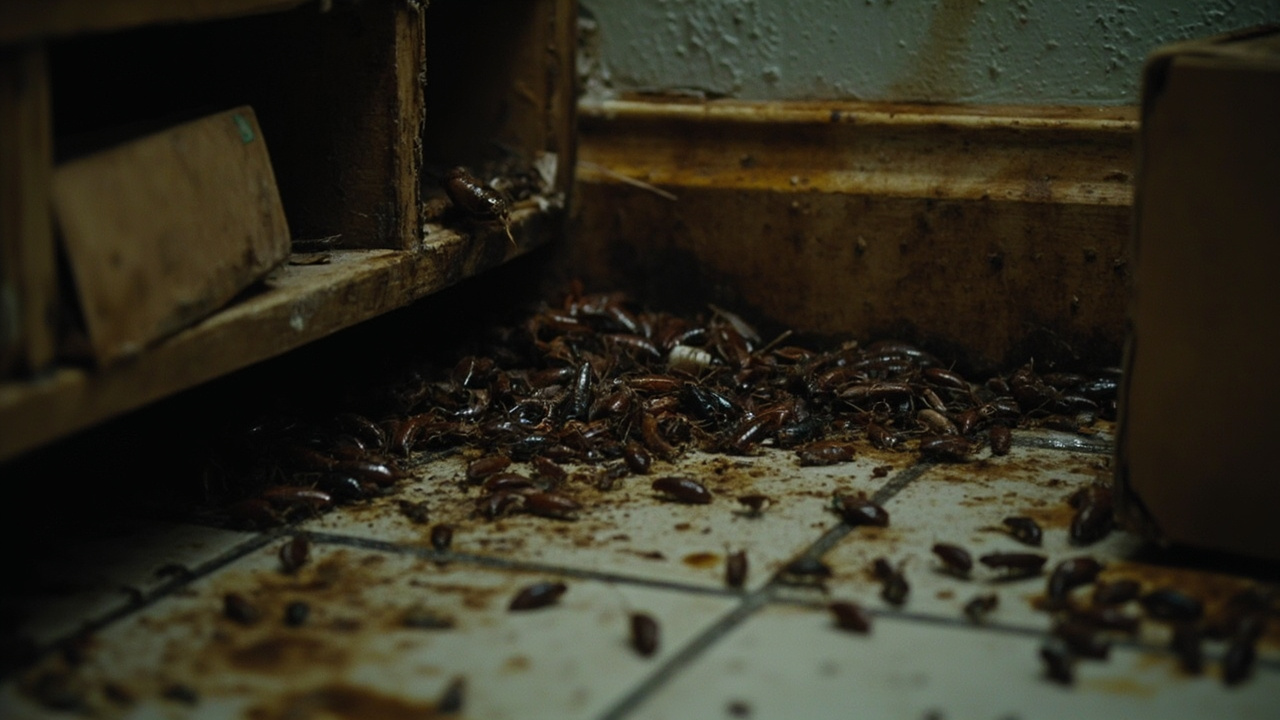
You spot them at night. Large, dark roaches skittering across bathroom tiles or emerging from under the sink. You call them water bugs, but they are oriental cockroaches, American cockroaches, or sewer roaches. They did not choose your home randomly. They followed the moisture.

Miami's subtropical climate and high water table create year-round humidity that penetrates crawl spaces, attic insulation, and wall cavities. When plumbing leaks, storm flooding, or AC condensation lines fail, the damp environment insects crave appears instantly. Water damage roaches are not just attracted to surface puddles. They colonize the hidden zones behind drywall, under flooring, and inside wet insulation where relative humidity stays above 70 percent.

Most property owners spray pesticides and assume the problem is solved. The roaches return within weeks because the moisture source remains untouched. Damp crawl spaces continue to evaporate water vapor into your living space. Wet subfloors create condensation pockets. Leaking supply lines behind walls feed breeding colonies you cannot see.

Moisture-related pest infestations require structural intervention, not surface-level treatments. If you see water bugs during the day, the infestation is severe. If you smell musty odors or notice warped baseboards alongside roach sightings, you have overlapping water damage and pest colonization. The oriental cockroach problems you face in Miami are symptoms of a deeper moisture failure that standard pest control cannot address.

The longer water sits in hidden cavities, the larger the population grows. Sewer roach infestations spread pathogens from contaminated water into your air ducts and food prep areas. You need the water eliminated first.

Why Water Bugs Thrive in Miami's Damp Homes and Buildings
How We Eliminate the Moisture That Feeds Roach Colonies

How We Eliminate the Moisture That Feeds Roach Colonies

Pest control companies kill visible roaches. We remove the environmental conditions that allow them to breed. Our water damage restoration process targets the moisture reservoirs where water damage roaches establish breeding sites.

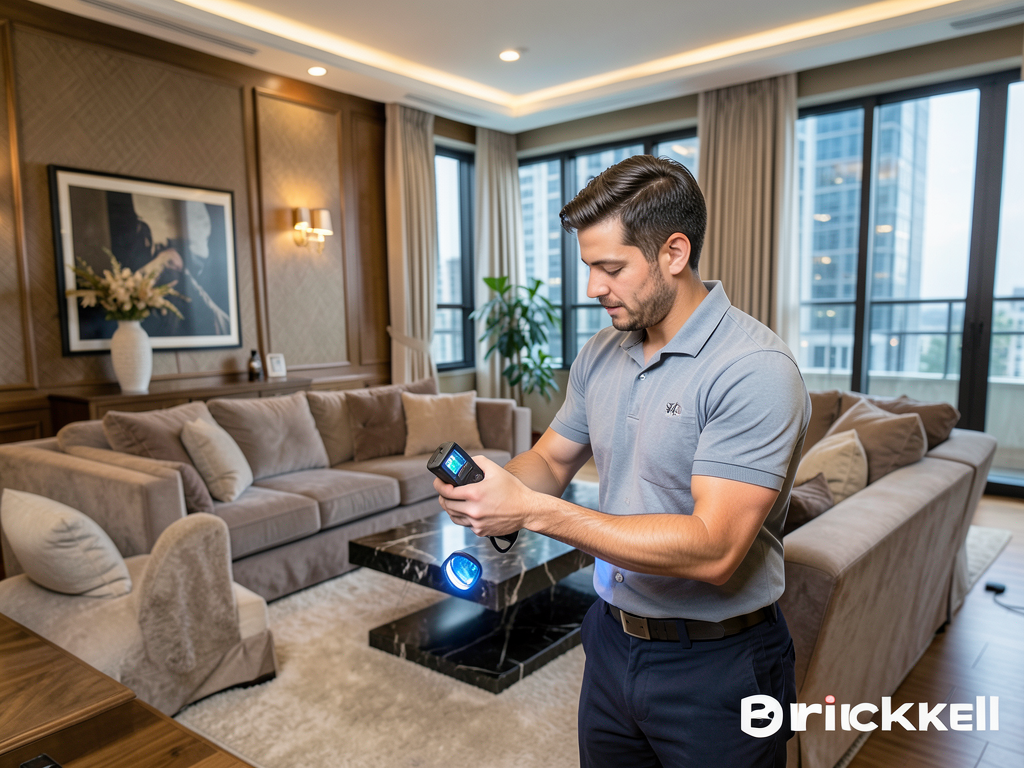
We begin with thermal imaging and moisture mapping to identify hidden water intrusion behind walls, under flooring, and inside ceiling cavities. Infrared cameras reveal temperature differentials that indicate trapped moisture even when surfaces feel dry. We measure relative humidity at multiple depths using penetrating moisture meters calibrated for drywall, concrete, and wood substrates. This diagnostic phase exposes the exact locations where damp environment insects congregate.

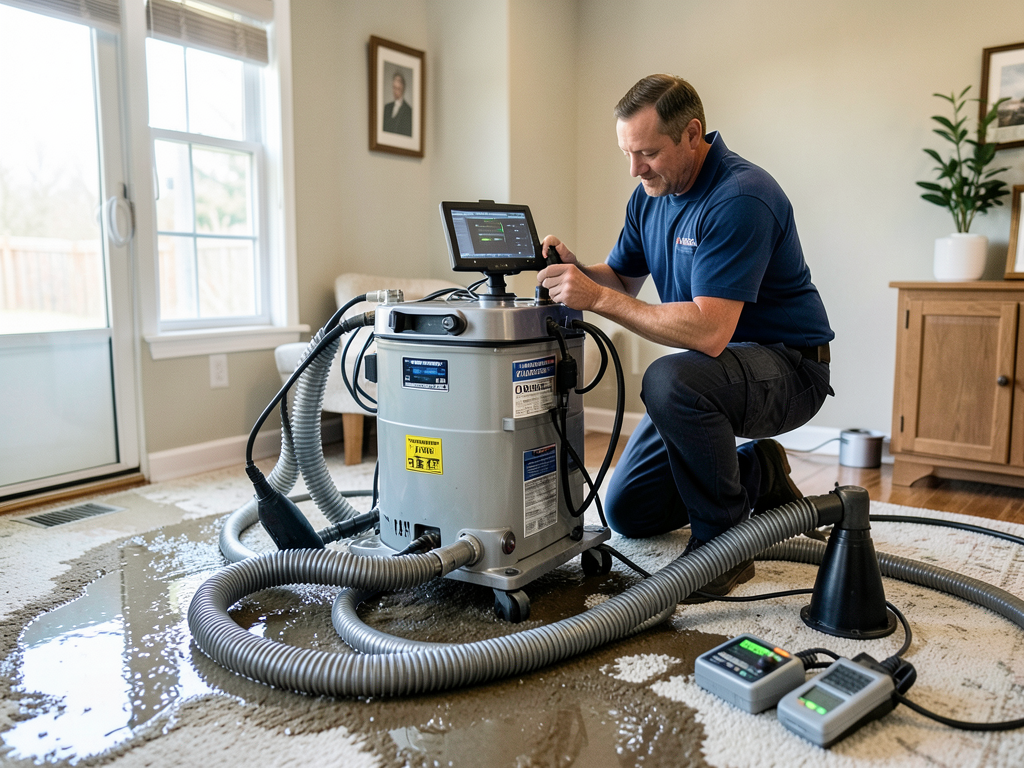
Once we map the moisture zones, we extract standing water using truck-mounted pumps and industrial wet vacuums. We remove water-saturated materials that cannot be saved, including soaked insulation, delaminated drywall, and compromised subflooring. These materials harbor roach eggs and nymphs that survive surface treatments.

High-velocity air movers and commercial dehumidifiers create negative pressure drying environments. We position equipment to pull moisture from wall cavities and subfloor spaces where oriental cockroach problems originate. Desiccant dehumidifiers reduce ambient humidity below the 50 percent threshold that discourages roach survival. We monitor moisture content daily until all structural elements reach equilibrium with surrounding air.

We treat affected areas with antimicrobial solutions that prevent secondary mold growth, which also attracts moisture-loving pests. We seal entry points where sewer roaches migrate from drainage systems. Once drying is complete and humidity stays below pest-friendly levels, any remaining roaches leave to find water elsewhere. The colony cannot sustain itself without moisture.

What Happens When You Call About Roach-Infested Water Damage

Water Bug & Pest Infestations in Miami – Stop Moisture-Driven Roach Problems at the Source
01

Emergency Moisture Assessment

We arrive within hours to assess the scope of water intrusion and pest activity. Our technicians use thermal imaging and moisture detection equipment to locate hidden water reservoirs where roaches breed. You receive a detailed moisture map showing affected zones and infestation severity. We identify the primary water source, whether it is a plumbing failure, foundation seepage, or AC drain line backup. This diagnostic phase determines the drying strategy and timeline.
02

Targeted Water Extraction

We remove all standing water and extract moisture from structural cavities where roaches hide. Industrial pumps evacuate bulk water while penetrating extraction tools pull moisture from carpet padding, subfloors, and wall assemblies. We remove non-salvageable materials saturated beyond safe drying thresholds. High-velocity air movers and dehumidifiers begin the controlled drying process. We configure airflow patterns to target the specific cavities where water damage roaches establish colonies, forcing moisture out faster than insects can adapt.
03

Humidity Control and Prevention

We maintain equipment on-site until moisture levels drop below the range that supports roach survival. Daily monitoring ensures structural materials reach safe moisture content benchmarks. We seal penetrations and repair leaks to prevent re-infestation. Once drying is complete and humidity stabilizes, the environment no longer supports moisture-related pest infestations. You receive documentation showing final moisture readings and recommendations to prevent future water intrusion. The roaches lose their habitat and cannot return.

Why Miami Property Owners Choose Structural Drying Over Pest Spray

Pest control companies treat symptoms. We eliminate the root cause. Fortress Water Damage Restoration Miami specializes in the environmental engineering that makes your property uninhabitable for water bugs and the pathogens they carry.

Miami's unique hydrology creates challenges that generic restoration companies miss. The porous limestone bedrock allows groundwater to wick into concrete slab foundations during seasonal flooding. Summer afternoon thunderstorms deposit 60 inches of rain annually, overwhelming roof drainage systems and creating attic condensation. Older homes in neighborhoods like Little Havana and Coconut Grove have galvanized plumbing that corrodes in our mineral-heavy water, creating pinhole leaks inside walls that feed roach colonies for months before you notice.

We understand how Miami-Dade County building codes address moisture intrusion in flood zones. We know which local materials resist humidity and which absorb it. Our technicians have dried out water-damaged properties from Brickell high-rises to Kendall single-family homes. We have seen how oriental cockroach problems concentrate in specific building types based on construction era and foundation style.

We coordinate with your insurance adjuster to document moisture damage and pest-related health risks. We provide the technical data insurers require to approve structural drying claims. Our moisture reports include psychrometric calculations and material-specific drying logs that meet IICRC S500 standards.

You will not find this level of technical precision at a pest control company. They spray pesticides. We re-engineer your indoor environment to make it hostile to moisture-dependent insects. When we finish drying your property, the water bugs lose their food, water, and breeding sites. They leave because they cannot survive in a properly dried structure.

What You Can Expect During Water Damage Pest Remediation

Rapid Response Time

We dispatch technicians within two hours of your call. Water damage worsens by the hour, and roach populations double every few weeks when moisture persists. Our emergency teams operate around the clock because we know that moisture-related pest infestations cannot wait for business hours. We arrive with truck-mounted extraction equipment and commercial-grade drying tools ready to start work immediately. You do not schedule an estimate and wait days for work to begin. We assess and start mitigation on the same visit.

Comprehensive Moisture Diagnosis

Our initial assessment maps every water source contributing to your pest problem. We use infrared thermography to see through walls and ceilings, exposing hidden leaks that create roach habitats. Moisture meters measure water content in wood framing, drywall, and concrete to identify which materials need removal versus drying. Hygrometers track ambient humidity throughout your property. You receive a written moisture report with photos, moisture readings, and a room-by-room breakdown of affected areas. This diagnostic phase ensures we target the actual problem zones, not just visible damage.

Verifiable Drying Results

We do not rely on guesswork. Our technicians document moisture levels daily using calibrated meters that measure water content in structural materials. We track drying progress with psychrometric charts that calculate vapor pressure and humidity ratios. You receive daily updates showing how moisture levels decline toward safe thresholds. We continue drying until all materials reach moisture content equilibrium, which means no residual dampness remains for roaches to exploit. Our final report proves your property meets industry standards for dryness, giving you documentation for insurance and future buyers.

Post-Drying Prevention Guidance

Once drying is complete, we provide specific recommendations to prevent future water intrusion and pest re-infestation. This includes guidance on drainage improvements, plumbing upgrades, humidity control systems, and seasonal maintenance tasks relevant to Miami's climate. We identify vulnerable entry points where sewer roaches access your property and recommend sealing methods. If your building has recurring moisture issues due to poor site grading or inadequate ventilation, we explain the permanent corrections needed. You leave with a clear action plan to keep your property dry and pest-free long-term.

Frequently Asked Questions

You Have Questions,
We Have Answers

How to get rid of a waterbug infestation? +

Start by eliminating standing water sources. Waterbugs thrive in Miami's humidity, so fix leaky pipes, clear clogged drains, and remove any moisture buildup under sinks or in crawl spaces. Seal cracks around doors, windows, and foundation gaps with caulk. Remove clutter like cardboard boxes where they hide. Apply boric acid powder along baseboards and under appliances. For severe infestations, use gel baits near water sources. Vacuum regularly to remove eggs and nymphs. If the problem persists after two weeks, call a licensed pest control professional who understands Miami's tropical conditions.

What causes water bugs in a house? +

Waterbugs enter homes searching for moisture and food. In Miami, heavy rainfall and high humidity create ideal conditions. Leaking pipes, dripping faucets, and condensation from air conditioning units attract them. Clogged gutters and poor drainage around your foundation push them indoors. They squeeze through tiny gaps in weatherstripping, window screens, and foundation cracks. Unsealed drains and sewer lines provide direct entry points. Garbage disposals and trash bins with food residue act as magnets. Older homes in neighborhoods like Coral Gables often have aging plumbing that creates hidden moisture pockets waterbugs exploit.

How do you know if you have a waterbug infestation? +

You will see live waterbugs scurrying across floors at night, especially in kitchens and bathrooms. Check for dark brown droppings resembling coffee grounds near sinks and tubs. Look for shed exoskeletons in corners and under appliances. A strong, musty odor indicates a large population. Inspect under sinks, behind toilets, and in cabinets for egg cases, which look like small brown capsules. Water damage stains on walls or ceilings often harbor hidden colonies. In Miami homes, check humid areas like laundry rooms and garages. Finding multiple bugs during daylight means serious overcrowding.

What is the hardest bug infestation to get rid of? +

Bed bugs rank as the most difficult infestation to eliminate. They hide in microscopic cracks, reproduce rapidly, and resist many pesticides. German cockroaches come second because they breed fast and develop chemical resistance. Termites require extensive treatment due to colony size and structural damage. Fleas persist because eggs survive in carpets for months. Waterbugs are moderate difficulty. They respond to moisture control and targeted baits when treated properly. Success depends on eliminating water sources and sealing entry points. Miami's climate makes any pest harder to control because warmth and humidity accelerate breeding cycles year-round.

What kills waterbugs instantly? +

Boric acid kills waterbugs within hours by destroying their digestive system and dehydrating them. Sprinkle it in a thin layer where you see activity. Diatomaceous earth cuts through their exoskeleton and causes death by dehydration. Insecticidal sprays with pyrethroids provide instant knockdown but do not prevent future invasions. Sticky traps catch and kill them on contact. Soapy water in a spray bottle suffocates them immediately if you spray directly. Hot water poured down drains kills those hiding in pipes. For Miami homes, combine instant-kill methods with long-term moisture control to stop new bugs from entering.

Does pouring bleach down the drain get rid of roaches? +

Bleach kills roaches and waterbugs in drains temporarily but does not solve the problem. It may kill bugs on contact and sanitize pipes, but it will not eliminate eggs or bugs hiding in wall voids connected to plumbing. Bleach also damages older pipes common in Miami homes. Instead, use enzyme drain cleaners to remove organic buildup where bugs feed and breed. Pour boiling water down drains weekly. Install drain covers to block entry. Address the root cause by fixing leaks and improving ventilation. Bleach is a temporary fix that creates false confidence while the colony thrives elsewhere.

How to find a water bug nest? +

Waterbugs nest in dark, damp areas near water sources. Check behind and under refrigerators, dishwashers, and washing machines. Inspect crawl spaces and areas with plumbing leaks. Look inside wall voids near bathrooms and kitchens, especially where pipes penetrate. Examine sump pump areas and floor drains. In Miami homes, check air conditioning drip pans and condensate lines where moisture collects. Basements and garages with poor ventilation attract colonies. Use a flashlight at night when they are active. Follow trails of droppings to locate nests. Waterbugs cluster near food and moisture, so find the leak to find the nest.

What smell do water bugs hate the most? +

Waterbugs hate peppermint oil, cedar oil, and citrus scents. They avoid bay leaves and cucumber peels. Lavender and eucalyptus repel them effectively. Mix peppermint oil with water in a spray bottle and apply along baseboards and entry points. However, repellents alone will not eliminate an infestation. They simply redirect bugs to other areas of your home. In Miami's humid climate, scents dissipate quickly and require frequent reapplication. Use repellents as a supplementary measure while you fix moisture problems and seal entry points. Professional treatment addresses the source rather than masking it with temporary odor barriers.

What time of year are water bugs most active? +

Waterbugs stay active year-round in Miami because temperatures rarely drop below their threshold. Peak activity occurs during the rainy season from May through October when flooding drives them indoors. You will see more after heavy storms when they seek dry shelter. Breeding accelerates in summer heat, increasing populations by late fall. Unlike northern climates where cold kills them, Miami's subtropical weather keeps colonies thriving through winter. Humidity from afternoon thunderstorms creates constant moisture. Air conditioning condensation in summer provides water sources. Expect heightened activity after hurricanes or tropical storms when standing water forces mass migrations into structures.

Do water bugs crawl up walls? +

Yes, waterbugs climb walls easily using tiny claws on their legs. They scale smooth surfaces like tile, drywall, and painted walls without difficulty. You will find them on ceilings, especially near light fixtures where heat attracts them. They climb to escape danger or search for food and moisture. In Miami homes, they crawl up exterior walls to enter through second-story windows or roof vents. They use wall voids as highways between floors. Sealing cracks where walls meet ceilings prevents movement between rooms. Their climbing ability makes them harder to contain than ground-dwelling pests, requiring comprehensive treatment of all vertical surfaces.

How Miami's High Water Table Feeds Year-Round Roach Infestations

Miami sits on porous limestone with a water table that rises to within inches of ground level during wet season. This geological reality means slab foundations wick moisture continuously, creating damp crawl spaces and subfloor cavities where oriental cockroaches thrive year-round. Unlike northern cities where cold winters suppress roach populations, Miami's subtropical warmth allows water damage roaches to breed continuously. Seasonal flooding in areas near Biscayne Bay and the Miami River pushes groundwater into basements and ground-level units, creating perfect conditions for sewer roach infestations that persist long after floodwaters recede.

Fortress Water Damage Restoration Miami understands how local construction methods and materials respond to this constant moisture pressure. We know which neighborhoods flood first during king tides and which building types suffer chronic humidity problems. Our technicians have dried properties in every Miami zip code and recognize the specific moisture patterns that attract damp environment insects to different structural assemblies. This local expertise means we identify and correct moisture problems that out-of-town companies miss, giving you permanent relief from moisture-related pest infestations instead of temporary fixes.
Water Damage Restoration Services in The Miami Area

Fortress proudly serves the entire Miami area and nearby neighborhoods with prompt, expert water damage restoration services. Whether you're located downtown, in the suburbs, or along the coast, our team is just a call away. Use the map below to view our service area and get directions to our office. We’re local, responsive, and ready to help 24/7—because when disaster strikes, having a trusted team nearby makes all the difference.

Address:
Fortress Water Damage Restoration Miami, 3250 NE 1st Ave, Miami, FL, 33137

Additional Services We Offer

Our news updates

Latest Articles & News from The Blogs

Should You Use Your Insurers Preferred Vendor for Brickell Condo Water Damage? When water floods your Brickell condo, your insurance…

Should You Use Your Insurers Preferred Vendor for Brickell Condo Water Damage?

Should You Use Your Insurers Preferred Vendor for Brickell Condo Water Damage? When water floods your Brickell condo, your insurance…

How to Hire a Restorer Who Understands Aventura Penthouse Plumbing Systems

How to Hire a Restorer Who Understands Aventura Penthouse Plumbing Systems Water damage in an Aventura penthouse is not just…

The Difference Between Surface Cleaning and Deep Extraction for Kendall Area Carpets

The Difference Between Surface Cleaning and Deep Extraction for Kendall Area Carpets When water invades your Kendall home, the first…

Contact Us

Every day you wait, the colony grows larger. Call Fortress Water Damage Restoration Miami now at (786) 789-8282 for emergency moisture elimination that removes the water source roaches need to survive. We answer 24 hours a day, 7 days a week.