
menu

Allergic Reactions in Home Miami | Expert Mold Source Detection and Complete Indoor Air Quality Restoration

Fortress Water Damage Restoration Miami uses advanced moisture mapping and HEPA containment to identify hidden water damage triggers causing your household mold allergies, then eliminates the source permanently.

Slider Image 1
Slider Image 2
Slider Image 3
Slider Image 4
Slider Image 5
Slider Image 7
Slider Image 8
Slider Image 9
Slider Image 10
Slider Image 11

Why Miami Homes Create the Perfect Environment for Mold Allergic Reactions

You wake up congested. Your throat feels scratchy. The kids are coughing again, and the antihistamines stopped working weeks ago. You are not imagining it. Miami's year-round humidity above 60 percent, combined with afternoon thunderstorms and constant air conditioning cycling, creates ideal conditions for household mold allergies to develop inside your walls, under your floors, and in your HVAC system.

Water damage allergy triggers do not always announce themselves with visible stains or musty smells. In older Miami neighborhoods like Coral Gables and Coconut Grove, homes built with concrete block construction trap moisture between the interior drywall and exterior walls. When condensation forms on cold AC ducts during summer or when minor roof leaks go undetected during hurricane season, mold begins colonizing within 24 to 48 hours.

Indoor mold symptoms mimic seasonal allergies, but they never go away. You might notice worsening asthma, persistent sinus pressure, skin rashes, or chronic fatigue. The problem escalates when central air systems distribute mold spores throughout every room. What started as a small leak under the kitchen sink or a slow drip from the second-floor bathroom now affects your entire home.

Mildew allergic reactions and mold exposure symptoms are not cosmetic issues. They are health hazards linked to respiratory infections, neurological problems, and immune system suppression. The source is almost always hidden water intrusion, and surface cleaning will not fix it. You need someone who understands how Miami's construction methods and subtropical climate create these conditions, then eliminates the moisture source before remediation begins.

Why Miami Homes Create the Perfect Environment for Mold Allergic Reactions
How We Locate and Eliminate Hidden Moisture Sources Causing Your Symptoms

How We Locate and Eliminate Hidden Moisture Sources Causing Your Symptoms

Most homeowners try bleach, air purifiers, or replacing visible drywall. The symptoms return because they treated the mold, not the water intrusion feeding it. We start with thermal imaging and moisture meter readings to map the entire moisture profile of your home. This shows us exactly where water is hiding inside walls, under flooring, or above ceilings.

In Miami, the usual suspects are condensation on uninsulated ductwork, failed window flashing on the windward side of the house, or slab leaks in homes built on fill dirt near Biscayne Bay. We also check for negative air pressure issues where bathroom exhaust fans or oversized AC systems pull humid outdoor air through wall penetrations. Each of these creates microclimates where mold thrives.

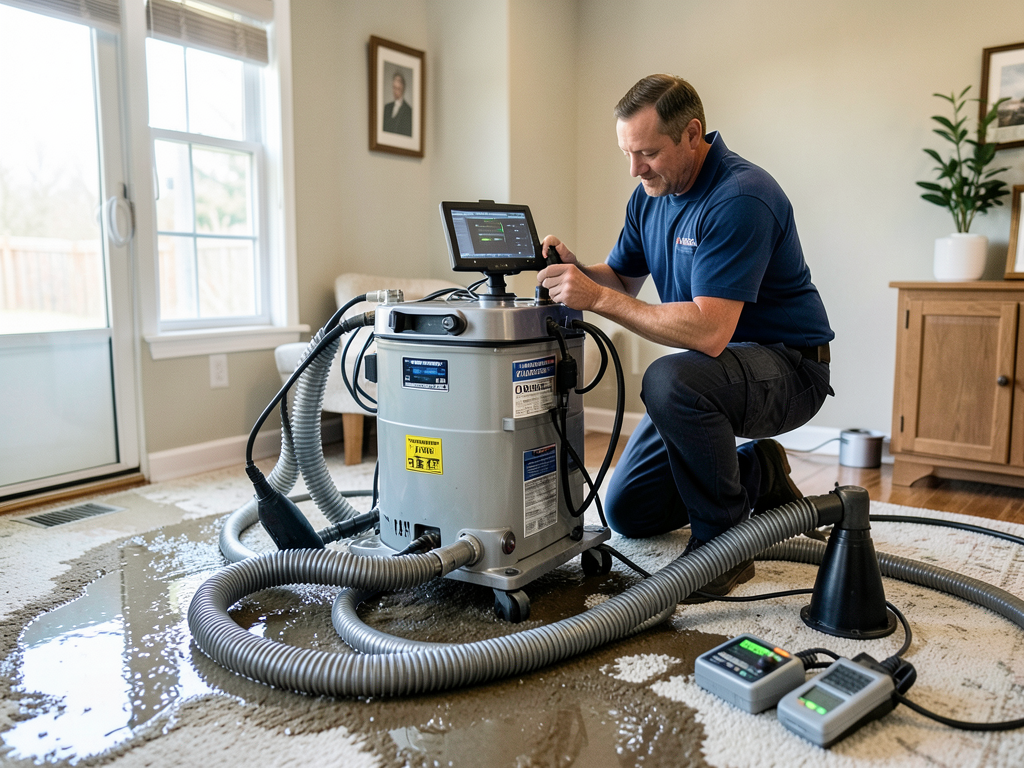
Once we identify the moisture source, we establish containment using negative air machines with HEPA filtration. This prevents cross-contamination to unaffected areas. We remove all porous materials that cannot be salvaged, including drywall, insulation, and carpeting. Non-porous surfaces get treated with antimicrobial agents, but only after we fix the underlying water problem.

The difference between our approach and a general contractor is that we treat this as a water damage issue first, a mold issue second. If we do not address why the moisture is present, remediation is temporary. We also coordinate with your HVAC contractor to verify your air handler and ductwork are not contributing to the problem. Many Miami homes have undersized return air pathways or duct leaks in the attic, which create the humidity imbalances that feed mold growth.

What Happens During Your Mold Allergy Investigation and Remediation

Allergic Reactions in Home Miami | Expert Mold Source Detection and Complete Indoor Air Quality Restoration
01

Diagnostic Moisture Assessment

We use infrared cameras and pin-type moisture meters to scan your walls, ceilings, and floors for hidden water intrusion. This non-invasive inspection identifies active leaks, condensation zones, and saturated building materials. You receive a moisture map showing exactly where the problem exists, how severe it is, and what is causing your indoor mold symptoms to persist.
02

Containment and Source Repair

Before we touch any mold, we fix the water source and isolate the contaminated area with plastic sheeting and negative air scrubbers. This prevents spores from spreading during demolition. We remove all wet or moldy materials, treat structural surfaces with EPA-registered antimicrobials, and dry the space to below 15 percent moisture content using commercial dehumidifiers and air movers.
03

Verification and Air Clearance

After remediation, we conduct a final moisture check to confirm all affected areas are dry. We recommend third-party air quality testing to verify spore counts are at normal levels before reconstruction begins. This independent verification gives you proof that your household mold allergies will not return because the environment no longer supports mold growth.

Why Miami Homeowners Trust Local Water Damage Specialists for Mold Health Issues

You need someone who understands that Miami homes are not built like homes in Denver or Detroit. Our concrete block construction, shallow frost-free foundations, and reliance on central air conditioning create unique vulnerabilities. A contractor from out of state will not know to check for capillary action pulling groundwater through your slab or recognize that your 1960s terrazzo floors are trapping moisture underneath.

We have worked in every Miami neighborhood, from the historic bungalows in Buena Vista to the high-rise condos on Brickell Avenue. We know that older homes in Coral Way often have cast-iron drain stacks that corrode and leak inside walls. We know that newer construction in Doral sometimes has improperly sloped AC condensate lines that back up during heavy rain. This is not generic knowledge. This is pattern recognition from hundreds of local projects.

Fortress Water Damage Restoration Miami also understands the insurance claim process for mold remediation tied to covered water damage events. We document everything with photos, moisture readings, and detailed scope reports. If your mildew allergic reactions started after a roof leak or plumbing failure, your homeowner's policy may cover the remediation costs. We work directly with adjusters to demonstrate causation and ensure you get a fair settlement.

Trust matters when someone is tearing into your walls. You need to know they will not create more problems than they solve. We pull permits when required, follow IICRC S520 mold remediation standards, and coordinate with your general contractor if reconstruction is needed. Our goal is to eliminate your mold exposure symptoms permanently, not just patch the visible damage and hope for the best.

What You Can Expect When You Call Us About Indoor Allergy Problems

Same-Day Assessment Availability

We respond to mold allergy concerns within hours, not days. Most assessments are scheduled within 24 hours of your call. During the inspection, we spend 60 to 90 minutes evaluating your entire home, not just the obvious problem areas. You receive a written moisture report with thermal images, moisture readings, and a recommended action plan before we leave. If you have an active water leak causing the issue, we can start emergency mitigation immediately to prevent further contamination.

Comprehensive Moisture and Mold Mapping

Our assessment is not a visual inspection. We use calibrated tools to measure moisture content in wood framing, drywall, concrete, and insulation. Thermal imaging reveals temperature differentials that indicate hidden leaks or condensation. We also inspect your HVAC system, check for plumbing leaks, and evaluate exterior drainage. This diagnostic process identifies the root cause of your water damage allergy triggers so we can fix the problem correctly the first time.

Complete Remediation and Restoration

You get a clean, dry, mold-free environment. We do not stop at demolition. We ensure all structural surfaces are treated, dried, and verified to be within acceptable moisture ranges. If reconstruction is part of the project, we manage that process or coordinate with your chosen contractor. The final product is a home where your indoor mold symptoms disappear because the underlying water intrusion has been permanently resolved.

Post-Remediation Moisture Monitoring

Mold comes back when moisture comes back. After remediation, we provide moisture monitoring recommendations to help you prevent future issues. This includes guidance on dehumidifier use, HVAC maintenance, and early warning signs of new leaks. We also offer follow-up moisture checks at 30 and 90 days post-remediation to confirm the problem is resolved. If your household mold allergies were severe, we can connect you with third-party indoor air quality consultants for independent verification testing.

Frequently Asked Questions

You Have Questions,
We Have Answers

What could be causing allergies in my house? +

Indoor allergens trigger most home allergies in Miami. Dust mites thrive in our high humidity, living in bedding, carpets, and upholstery. Mold grows rapidly in damp areas like bathrooms, crawl spaces, and AC units due to tropical moisture. Pet dander from cats and dogs circulates through ventilation systems. Cockroach droppings are common in older homes and condos. Pollen enters through open windows and clings to clothing. Hidden water damage behind walls or under floors creates perfect mold breeding grounds. Your HVAC system can spread these allergens throughout your home if filters are not changed regularly.

How do I find out what I'm allergic to in my house? +

Start with an allergist who performs skin prick tests or blood work to identify specific allergens. Keep a symptom diary noting when reactions occur and where in your home. Inspect for visible mold in bathrooms, under sinks, and around windows. Check for water stains on ceilings or walls that signal hidden moisture problems. Examine your HVAC system and ductwork for dust buildup or mold growth. Consider a professional indoor air quality assessment if symptoms persist. Miami homes often have hidden moisture issues from humidity or roof leaks that feed mold growth you cannot see.

How do you treat an allergic cough? +

Remove the allergen source first. Use a dehumidifier to keep indoor humidity below 50 percent, which reduces dust mites and mold. Over-the-counter antihistamines help suppress the allergic response. A cool-mist humidifier can soothe irritated airways, but clean it daily to prevent mold. Honey may coat the throat and reduce coughing. Flush nasal passages with saline solution to remove allergens. If mold or water damage causes the cough, you need professional remediation. Miami's humidity makes allergic coughs worse, so addressing moisture problems in your home is critical for lasting relief.

How to stop a nasal allergy attack? +

Close windows immediately and turn on your AC to filter outdoor pollen. Rinse your nasal passages with saline solution to flush out allergens. Take a fast-acting antihistamine. Use a decongestant nasal spray for quick relief, but not longer than three days. Remove contaminated clothing and shower to eliminate allergens from skin and hair. Run a HEPA air purifier in your room. Apply a cold compress to your sinuses. If your home has mold or water damage, the attack will return until you fix the source. Miami's humidity keeps allergens active year-round.

How to identify indoor allergies? +

Indoor allergies cause symptoms that worsen inside your home. You sneeze, cough, or get congestion when you wake up or enter specific rooms. Eyes become itchy and watery. Skin may develop rashes or hives. Symptoms improve when you leave the house. Notice if reactions spike after vacuuming, which stirs up dust mites. Check for musty odors that signal mold growth. Pay attention to humidity levels above 60 percent, common in Miami homes, which fuel dust mites and mold. Water stains, peeling paint, or discoloration on walls indicate moisture problems feeding allergens.

Can mold cause allergic reactions? +

Mold causes severe allergic reactions in many people. Inhaling mold spores triggers sneezing, runny nose, red eyes, and skin rashes. Some people develop asthma attacks or respiratory distress. Miami's humidity creates ideal mold growth conditions in AC systems, bathrooms, and any area with water damage. Black mold, common after leaks or floods, produces mycotoxins that cause more serious health problems. Even small amounts of hidden mold behind walls or under flooring release spores into your air. If you smell musty odors or see discoloration, you likely have mold requiring professional removal.

Can I test my house for allergies? +

You can test your home for allergens. Purchase dust mite test kits or mold test kits from hardware stores. These kits collect samples you mail to a lab for analysis. Air quality monitors measure particulate matter and humidity levels that indicate allergen presence. However, DIY tests miss hidden problems. Professional indoor air quality assessments provide comprehensive testing for mold, dust mites, pet dander, and volatile organic compounds. In Miami, professionals understand how humidity and water intrusion create allergen hotspots. They use moisture meters and thermal imaging to find hidden water damage feeding mold growth.

Do air purifiers help with allergies? +

Air purifiers with HEPA filters remove airborne allergens like dust mites, pet dander, mold spores, and pollen. They capture particles as small as 0.3 microns. Place purifiers in bedrooms and main living areas for best results. Change filters regularly or they become useless. Purifiers work best alongside source control. If mold grows in your walls or ducts, a purifier only masks the problem. Miami's humidity requires running purifiers continuously. Combine them with dehumidifiers to keep moisture below 50 percent. Purifiers help but do not replace fixing water damage or cleaning moldy HVAC systems.

What are dust mite allergy symptoms? +

Dust mite allergies cause sneezing, runny nose, and nasal congestion that worsen at night or upon waking. Eyes become red, itchy, and watery. Postnasal drip triggers coughing. Itchy skin or eczema flares occur. Asthma symptoms include wheezing, chest tightness, and difficulty breathing. Symptoms intensify in bedrooms where dust mites concentrate in mattresses and bedding. Miami's humidity keeps dust mite populations high year-round. You may notice worsening symptoms during summer when indoor moisture peaks. If you wake up congested daily, dust mites living in your bed are likely responsible.

When to worry about allergy cough? +

Worry when an allergy cough lasts longer than three weeks or worsens over time. Seek medical help if you develop wheezing, chest tightness, or difficulty breathing. Coughing up blood, green or yellow mucus, or experiencing fever signals infection requiring treatment. If the cough disrupts sleep or daily activities, get evaluated. Persistent coughs in Miami homes often stem from hidden mold or water damage. If over-the-counter treatments fail, the allergen source needs professional identification and removal. Children, elderly adults, or people with asthma should see a doctor sooner.

How Miami's Humidity and Coastal Climate Amplify Mold Allergy Triggers in Homes

Miami's average relative humidity stays between 60 and 75 percent year-round, which is well above the 50 percent threshold where mold begins to colonize porous surfaces. When you combine this baseline humidity with air conditioning systems that cycle constantly to combat 90-degree temperatures, you create condensation on cold surfaces like ductwork, window frames, and exterior walls. Homes near the coast face additional challenges from salt air intrusion and higher groundwater tables. Water damage allergy triggers are not seasonal here. They are constant, and they require proactive moisture control to prevent mold exposure symptoms from becoming chronic health issues.

Miami-Dade County building codes require mold-resistant drywall in flood-prone areas, but older homes built before these updates remain vulnerable. Local water damage restoration specialists understand these construction timelines and material differences. We know which neighborhoods have homes on slab foundations with no vapor barriers and which areas have elevated homes with crawl spaces prone to standing water. This local expertise means faster diagnosis and more effective remediation because we are not learning about Miami construction methods on your project. We already know them.
Water Damage Restoration Services in The Miami Area

Fortress proudly serves the entire Miami area and nearby neighborhoods with prompt, expert water damage restoration services. Whether you're located downtown, in the suburbs, or along the coast, our team is just a call away. Use the map below to view our service area and get directions to our office. We’re local, responsive, and ready to help 24/7—because when disaster strikes, having a trusted team nearby makes all the difference.

Address:
Fortress Water Damage Restoration Miami, 3250 NE 1st Ave, Miami, FL, 33137

Additional Services We Offer

Our news updates

Latest Articles & News from The Blogs

How to Tell the Difference Between Dry Rot and Active Water Damage in Little Havana\nWalking through your Little Havana home…

How to Tell the Difference Between Dry Rot and Active Water Damage in Little Havana

How to Tell the Difference Between Dry Rot and Active Water Damage in Little Havana\nWalking through your Little Havana home…

Are Your New Solar Panels Causing Roof Leaks in Your Kendall Home?

Are Your New Solar Panels Causing Roof Leaks in Your Kendall Home? If you’ve noticed water stains on your ceiling…

How Saltwater Intrusion Corrodes Key Biscayne Home Foundations Over Time

How Saltwater Intrusion Corrodes Key Biscayne Home Foundations Over Time Living on Key Biscayne means enjoying waterfront views and ocean…

Contact Us

Your symptoms are not normal, and you do not have to live with them. Call Fortress Water Damage Restoration Miami at (786) 789-8282 right now for a same-day moisture assessment. We will find the source, fix it, and give you your home back.