menu

Categories of Water in Miami – Understanding Water Contamination Levels Before Restoration Begins

Not all water damage is the same, and treating contaminated floodwater like a clean pipe leak can make you sick. Learn the three IICRC water categories that determine your restoration approach and safety protocols.

Slider Image 1
Slider Image 2
Slider Image 3
Slider Image 4
Slider Image 5
Slider Image 7
Slider Image 8
Slider Image 9
Slider Image 10
Slider Image 11

Why Water Categories Matter in Miami's Flood-Prone Climate

Miami sits barely above sea level, surrounded by the Atlantic Ocean, Biscayne Bay, and a network of canals that flood during king tides and hurricane season. When water enters your home or business, the source determines the health risk you face.

The IICRC defines three water damage categories based on contamination levels. Category 1 is clean water from supply lines or rainwater before it touches surfaces. Category 2 is gray water with chemical or biological contamination from appliances, washing machines, or toilet bowls without fecal matter. Category 3 is black water containing sewage, seawater, or standing floodwater that sat for more than 48 hours.

Miami's tropical humidity accelerates bacterial growth in all three types of water contamination. A Category 1 leak from your air conditioning condensate line becomes Category 2 within hours as it picks up dust, insulation fibers, and mold spores. Saltwater storm surge is always Category 3 because it contains bacteria, industrial runoff, and sewage that backflows from overwhelmed city systems.

Most property owners underestimate water quality classifications. You see clear water and assume it is safe. You mop it up with towels, dry the carpet with fans, and move on. But water contamination levels are invisible. Gray water soaks into drywall and subflooring, growing mold behind walls. Black water leaves pathogens that survive for weeks, even after surfaces look dry. Understanding the correct category prevents illness and ensures proper restoration protocols from the start.

Why Water Categories Matter in Miami's Flood-Prone Climate
How We Classify and Handle Each Water Category

How We Classify and Handle Each Water Category

We do not guess about water types. Our technicians assess the source, exposure time, and affected materials to determine the exact IICRC water category before starting extraction.

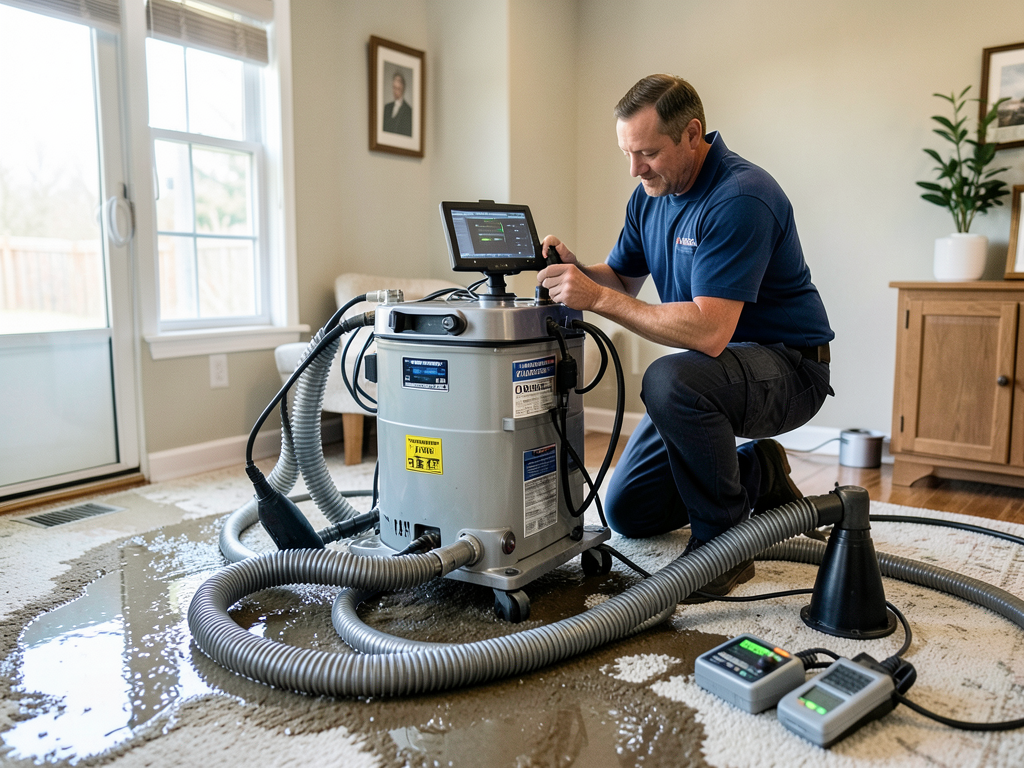
Category 1 events require standard extraction and drying. We remove water with truck-mounted extractors, place air movers to accelerate evaporation, and use thermal imaging to confirm moisture is gone from framing and insulation. If the water sat for less than 24 hours and only touched nonporous surfaces, we can often salvage carpets, padding, and drywall.

Category 2 requires antimicrobial treatment. Gray water carries detergents, oils, and microorganisms that contaminate porous materials. We remove carpet and padding, treat subflooring with EPA-registered disinfectants, and cut drywall 12 inches above the waterline to eliminate hidden contamination. Air scrubbers with HEPA filters capture airborne particles during demolition.

Category 3 demands full containment and disposal. Black water restoration follows hazmat protocols. We seal the work area with polyethylene barriers, use negative air pressure to prevent cross-contamination, and remove all porous materials that contacted floodwater. Framing, concrete, and tile get treated with hospital-grade biocides. Everything goes into sealed bags for proper disposal, not your curbside trash.

We adjust our approach based on what the water touched. A Category 1 supply line leak that floods a finished basement becomes Category 2 when it mixes with dirt tracked in from outside. Storm surge is always Category 3, even if it looks clear. We test questionable water with ATP meters that measure biological activity, so you get accurate answers instead of assumptions.

What Happens During a Water Category Assessment

Categories of Water in Miami – Understanding Water Contamination Levels Before Restoration Begins
01

Source Identification

We trace the water back to its origin, whether that is a broken supply line, a backed-up drain, or storm surge from Biscayne Bay. The source determines the initial category. We document the intrusion point with photos and moisture readings, then check how long the water has been present. Category 1 water becomes Category 2 after 48 hours of sitting, so timeline matters as much as source.
02

Material Contamination Analysis

We inspect every surface the water touched, from carpet fibers to ceiling insulation. Porous materials like drywall and fabric absorb contaminants that nonporous tile and metal do not. We use moisture meters to measure saturation depth in walls and subflooring, then determine which materials can be saved and which must be removed. This step prevents hidden contamination from turning into a mold problem three weeks later.
03

Protocol Assignment

Based on the water category and affected materials, we assign the correct restoration protocol. Category 1 gets standard drying. Category 2 adds antimicrobial treatment. Category 3 requires containment, protective equipment, and disposal procedures. You receive a detailed scope that explains why specific steps are necessary for your situation, so you understand what we are removing and why it cannot stay.

Why Miami Properties Require Category-Specific Restoration

Miami's water damage is rarely simple. Hurricanes drive seawater through door seals and window frames. Summer thunderstorms drop six inches of rain in two hours, overwhelming drainage systems and backing sewage into ground-floor units. King tides push saltwater up through storm drains in Miami Beach and Brickell, flooding streets with Category 3 water that looks deceptively clean.

Most restoration companies treat all water the same. They extract it, set fans, and leave. That works for a broken dishwasher hose in a kitchen with tile floors. It fails catastrophically for storm surge that soaked your carpet pad with bacteria from Biscayne Bay or sewage backup that contaminated your drywall with fecal coliform.

Fortress Water Damage Restoration Miami follows IICRC S500 standards because those guidelines were written after studying thousands of contaminated water events. We know that black water requires negative air pressure containment to prevent airborne pathogens from spreading to unaffected rooms. We know that gray water needs antimicrobial treatment because detergents and oils feed mold growth in Miami's 80-degree temperatures. We know that even Category 1 water turns into Category 2 within 48 hours if left sitting on your subflooring.

We also understand Miami-Dade building codes for water-damaged structures. If floodwater reaches electrical outlets, you need an inspection before power restoration. If mold growth exceeds 10 square feet, Florida law requires containment and air filtration. We coordinate with inspectors and insurance adjusters who work in this market daily, so your claim does not get delayed because someone missed a contamination protocol.

What to Expect During Category-Based Water Restoration

Emergency Response Time

We dispatch technicians within 60 minutes of your call because water categories escalate over time. Category 1 water sitting for two days becomes Category 2 as it grows bacteria. Category 2 water sitting for three days becomes Category 3 as microbial populations explode. Our trucks carry moisture meters, thermal cameras, and ATP testing equipment to classify water on-site, not back at the office after contamination has already spread. You get an accurate assessment while the evidence is fresh, which matters for both safety and insurance documentation.

Category-Specific Assessment Process

Our initial walkthrough identifies the water source, measures the affected area, and documents contamination levels with photos and moisture readings. We explain the difference between clean water, gray water, and black water in plain terms, then show you exactly which materials must be removed and which can be saved. You receive a written scope that breaks down demolition, antimicrobial treatment, and drying protocols specific to your water category. No surprises, no upselling, just the restoration work your situation actually requires based on IICRC standards.

Contamination Removal Standards

Category 1 restoration focuses on extraction and drying. Category 2 adds EPA-registered antimicrobial application to all affected surfaces. Category 3 requires full removal of porous materials, containment barriers to isolate the work area, and HEPA air scrubbers to capture airborne contaminants during demolition. We follow hospital-grade cleaning protocols for black water events, treating your property like the biohazard scene it becomes after sewage or storm surge exposure. Final verification includes moisture testing and visual inspection to confirm all contaminated materials are gone and remaining surfaces are safe.

Post-Restoration Monitoring

After extraction and drying, we monitor moisture levels for 72 hours to confirm humidity has returned to normal ranges. Category 2 and Category 3 jobs get follow-up inspections seven days after completion to check for secondary moisture or microbial growth. You receive detailed moisture logs and before-and-after photos that document the entire restoration process. If your insurance requires additional verification, we provide laboratory test results showing bacterial counts before and after antimicrobial treatment. This documentation proves the work was done correctly and protects you from future liability.

Frequently Asked Questions

You Have Questions,
We Have Answers

What are the 5 types of water? +

Water damage restoration professionals classify water by contamination level, not five types. The industry uses three categories: Category 1 (clean water from supply lines or rain), Category 2 (gray water from appliances like washing machines or dishwashers), and Category 3 (black water from sewage or flooding). Miami's high humidity and frequent storms make proper classification critical because Category 1 water can degrade to Category 2 or 3 within 48 hours if not addressed. Misidentifying water type leads to inadequate treatment and health risks. Always call a certified technician to assess the category before attempting cleanup.

What are the three categories of water? +

The three water categories are Category 1 (clean), Category 2 (gray), and Category 3 (black). Category 1 originates from sanitary sources like broken supply lines. Category 2 contains contaminants like detergents or urine, common in Miami homes after washing machine overflows. Category 3 is grossly unsanitary, containing sewage, bacteria, or floodwater from storm surge. Miami's tropical climate accelerates bacterial growth, so water can shift categories quickly. Category 2 becomes Category 3 within 48 hours if untreated. Understanding these distinctions helps you respond appropriately and avoid cross-contamination during emergency water events.

What is category 1, 2, and 3 water? +

Category 1 water is clean, coming from supply lines, faucets, or rainwater before ground contact. Category 2 is gray water with chemical or biological contamination from sources like dishwashers or sump pumps. Category 3 is black water, grossly contaminated with sewage, soil, or rising floodwater. In Miami, hurricane storm surge and aging sewer infrastructure make Category 3 events common. Black water requires full PPE and professional remediation because it carries pathogens like E. coli and hepatitis A. Never attempt DIY cleanup of Category 3 water. Proper classification dictates equipment, disposal methods, and safety protocols.

What are the different types of water categories? +

Water categories classify contamination levels for restoration purposes. The three categories are clean (Category 1), gray (Category 2), and black (Category 3). Clean water comes from sanitary sources. Gray water has mild contamination from household appliances. Black water is highly unsanitary, originating from sewage backups or floodwater. Miami's frequent thunderstorms and tidal flooding increase exposure to Category 3 water, especially in low-lying neighborhoods near Biscayne Bay. Restoration technicians use these categories to determine containment strategies, PPE requirements, and disposal procedures. The category directly impacts remediation costs and timelines because higher categories require more aggressive decontamination protocols.

What are the 7 types of water? +

There are not seven types of water in restoration terminology. The industry standard uses three contamination categories: Category 1 (clean), Category 2 (gray), and Category 3 (black). Some confusion arises from mixing water categories with water classes, which describe evaporation rate and affected materials. Miami restoration professionals focus on the three-category system because it determines health risks and cleanup protocols. If you encounter references to seven water types, they likely refer to drinking water classifications or scientific water states, not restoration standards. For damage assessment in your Miami property, trust the three-category framework used by IICRC-certified technicians.

What are the 10 forms of water? +

Water does not have ten forms in restoration work. You may be thinking of water's physical states (solid, liquid, gas) or scientific classifications. For water damage purposes, professionals use three contamination categories and four evaporation classes. The three categories address sanitation levels. The four classes describe how much water materials absorbed and drying difficulty. Class 1 affects minimal porous materials. Class 2 impacts carpet and cushions. Class 3 saturates walls and ceilings. Class 4 involves specialty materials like hardwood or plaster, common in Miami's older Coral Gables homes. This classification system guides equipment selection and drying timelines for your specific damage scenario.

What are the classification of waters? +

Water classification for restoration uses two systems. Categories (1, 2, 3) describe contamination levels from clean to grossly unsanitary. Classes (1, 2, 3, 4) describe evaporation rates and material saturation. Category determines health hazards and decontamination needs. Class determines drying time and equipment requirements. Miami's porous limestone foundation and concrete block construction often result in Class 3 or 4 losses after heavy rain or plumbing failures. A Category 1 supply line break can still be Class 4 if water saturates tile grout or seeps into wall cavities. Proper classification ensures complete drying and prevents mold growth in South Florida's humid climate.

What is category 3 water? +

Category 3 water is grossly contaminated and unsafe for human contact. Sources include raw sewage, rising floodwater from storm surge, or seawater intrusion. This black water contains harmful bacteria, viruses, parasites, and chemicals. Miami properties face Category 3 events during hurricanes when Biscayne Bay or canals overflow, or when aging sewer systems back up during king tides. Category 3 requires professional extraction, antimicrobial treatment, and disposal of porous materials like drywall or carpet padding. Technicians wear full PPE including respirators. Never attempt cleanup yourself. Category 3 exposure causes serious illness and requires immediate medical attention if contact occurs.

What are the different kinds of water? +

In water damage restoration, water is categorized by contamination level, not kind. The three categories are clean water (Category 1), gray water (Category 2), and black water (Category 3). Clean water comes from supply lines or rain before ground contact. Gray water has chemical or biological contamination from appliances or fixtures. Black water is grossly unsanitary from sewage or flooding. Miami's coastal location and tropical storms increase black water risks through storm surge and overwhelmed drainage systems. The category determines cleanup procedures, safety equipment, and which materials can be salvaged versus discarded. Proper identification protects your health and prevents secondary damage.

What are the four classes of water? +

Water classes describe evaporation difficulty and material saturation, not contamination. Class 1 affects minimal area with low absorption (concrete or tile). Class 2 impacts fast-evaporating materials like carpet over padding. Class 3 involves slow-drying materials including walls, ceilings, and insulation. Class 4 requires specialty drying for hardwood, plaster, or stone, common in Miami's historic districts and luxury condos. These classes determine equipment needs and drying time. A Class 4 loss in a Coconut Grove bungalow with terrazzo floors requires different techniques than Class 2 carpet damage. Technicians combine class and category assessments to build effective restoration plans for your property.

How Miami's Sea Level and Storm Surge Complicate Water Categories

Miami sits an average of six feet above sea level, which means storm surge and king tides regularly push seawater into ground-floor properties. Saltwater is always Category 3 because it contains bacteria, marine organisms, and sewage that backflows from overwhelmed treatment plants during flooding. The city's aging infrastructure compounds the problem. Combined sewer and stormwater systems overflow during heavy rain, mixing raw sewage with floodwater in neighborhoods from Allapattah to Coconut Grove. What looks like clean rainwater pooling in your parking lot is often contaminated with fecal coliform and chemical runoff.

South Florida restoration companies must understand these unique contamination risks. A pipe leak in Denver stays Category 1 because it is just clean water. The same leak in Miami becomes Category 2 within hours as humidity feeds bacterial growth in wet drywall. Storm damage here almost always involves Category 3 water because our flooding mixes saltwater, sewage, and runoff from thousands of streets. Choosing a company that follows IICRC water quality classifications protects you from inadequate treatment that leaves hidden contamination. We train on coastal flood restoration specifically because Miami's water is never just water.
Water Damage Restoration Services in The Miami Area

Fortress proudly serves the entire Miami area and nearby neighborhoods with prompt, expert water damage restoration services. Whether you're located downtown, in the suburbs, or along the coast, our team is just a call away. Use the map below to view our service area and get directions to our office. We’re local, responsive, and ready to help 24/7—because when disaster strikes, having a trusted team nearby makes all the difference.

Address:
Fortress Water Damage Restoration Miami, 3250 NE 1st Ave, Miami, FL, 33137

Additional Services We Offer

Our news updates

Latest Articles & News from The Blogs

Should You Use Your Insurers Preferred Vendor for Brickell Condo Water Damage? When water floods your Brickell condo, your insurance…

Should You Use Your Insurers Preferred Vendor for Brickell Condo Water Damage?

Should You Use Your Insurers Preferred Vendor for Brickell Condo Water Damage? When water floods your Brickell condo, your insurance…

How to Hire a Restorer Who Understands Aventura Penthouse Plumbing Systems

How to Hire a Restorer Who Understands Aventura Penthouse Plumbing Systems Water damage in an Aventura penthouse is not just…

The Difference Between Surface Cleaning and Deep Extraction for Kendall Area Carpets

The Difference Between Surface Cleaning and Deep Extraction for Kendall Area Carpets When water invades your Kendall home, the first…

Contact Us

Do not let contaminated water sit while you research companies. Call Fortress Water Damage Restoration Miami at (786) 789-8282 for immediate assessment and category-specific restoration that protects your health and property.