
menu

Does Insurance Cover Mold in Miami? Get Clear Answers on Coverage, Claims, and What Homeowners Need to Know

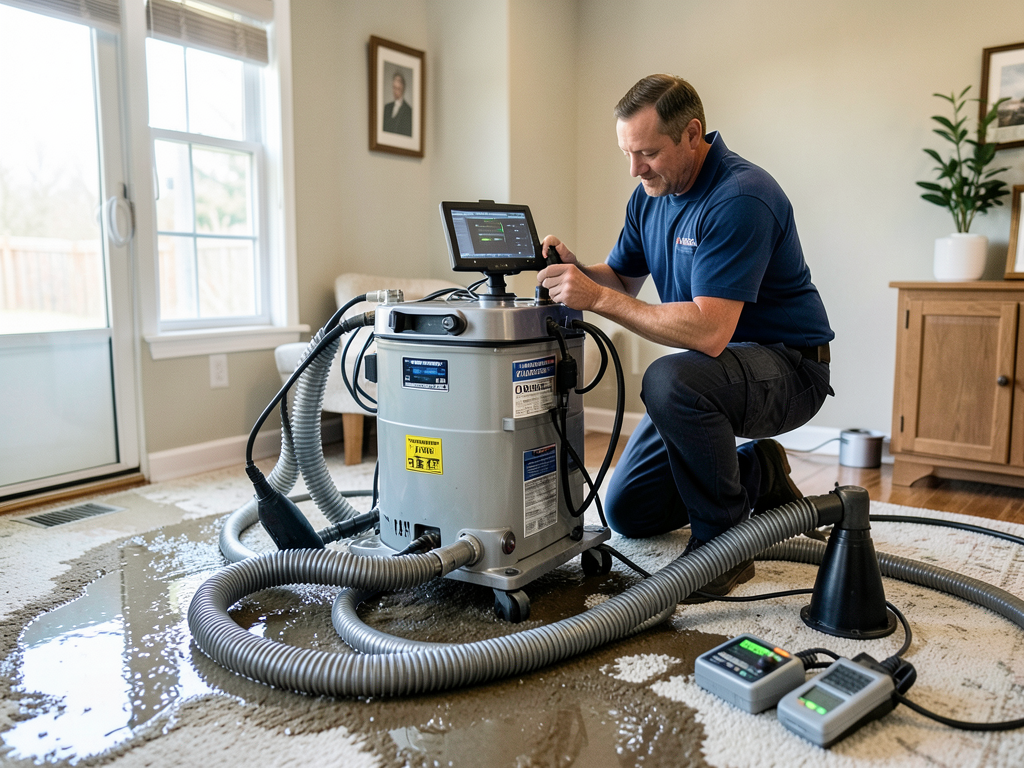
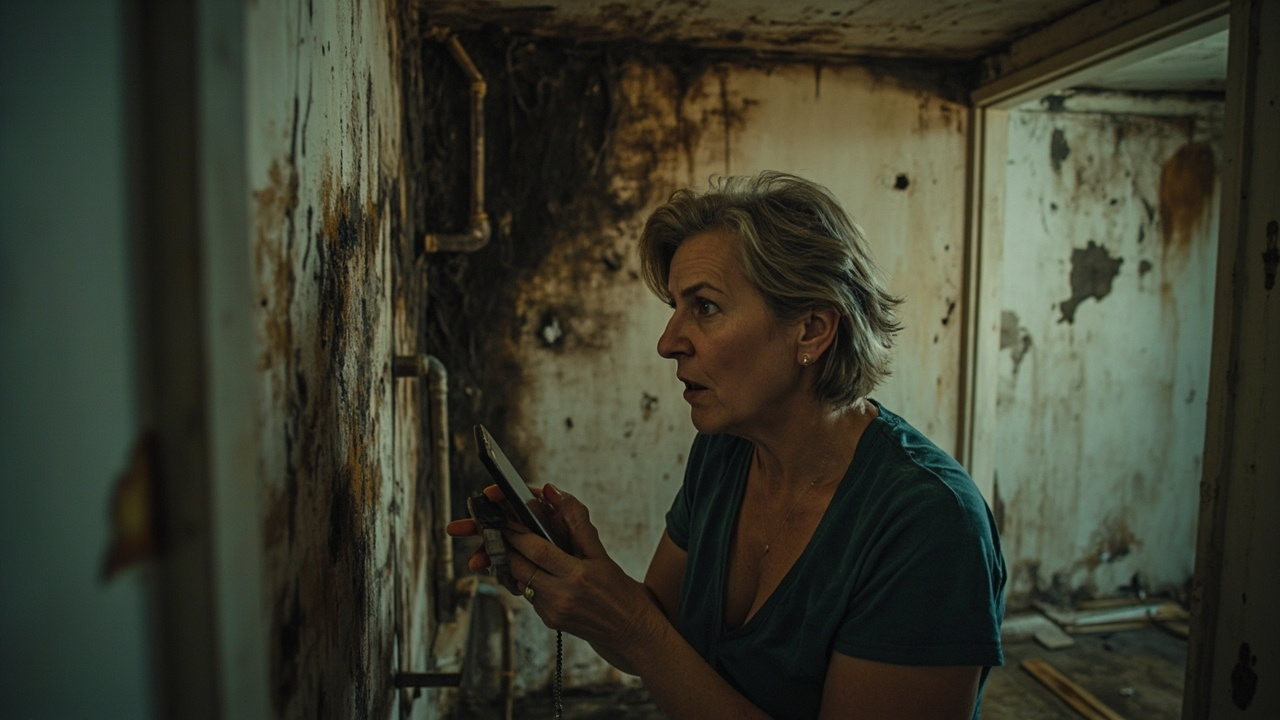
Understanding homeowners insurance mold coverage in South Florida's humid climate can save you thousands. We break down what policies actually cover, how water damage triggers coverage, and when mold remediation insurance claims get approved or denied.

Slider Image 1
Slider Image 2
Slider Image 3
Slider Image 4
Slider Image 5
Slider Image 7
Slider Image 8
Slider Image 9
Slider Image 10
Slider Image 11

Why Mold Coverage Confuses Miami Homeowners

Miami's subtropical climate creates perfect conditions for mold growth year-round. Humidity levels averaging 75 percent, combined with summer rainstorms and aging building stock in neighborhoods from Coconut Grove to Little Havana, mean mold questions dominate insurance conversations. Yet most homeowners do not understand what their policy actually covers.

The short answer is mold damage covered by insurance depends entirely on the cause. If a sudden, accidental water event like a burst pipe or roof leak during a tropical storm triggers mold growth, most standard homeowners insurance policies provide coverage. If mold develops from long-term neglect, poor maintenance, or chronic humidity issues, you will pay out of pocket.

This distinction trips up property owners across Miami-Dade County daily. You discover black spots spreading across drywall after a washing machine hose fails, file a claim, then get denied because the adjuster claims you should have noticed the slow leak months ago. Or you smell musty odors in your Coral Gables home, call a remediation company, and learn your insurance will not pay a cent because no sudden water event occurred.

Florida's insurance landscape complicates matters further. Many carriers now exclude mold coverage entirely or cap payouts at minimal amounts like $10,000. Some policies require separate mold endorsements. Others cover mold only if it results from a covered peril explicitly listed in your policy documents.

The key is understanding homeowners insurance mold coverage before disaster strikes, not after. Most property insurance mold coverage hinges on proving the water intrusion was sudden and accidental, documenting it quickly, and mitigating damage immediately to prevent mold from spreading beyond what insurance considers reasonable.

Why Mold Coverage Confuses Miami Homeowners
How Coverage Actually Works for Mold Claims

How Coverage Actually Works for Mold Claims

Insurance companies evaluate mold claims through a specific lens. They want to know three things: what caused the moisture, when you discovered it, and what you did to stop further damage. Your answers determine whether you get a check or a denial letter.

Standard HO-3 policies, the most common type in Florida, cover mold only when it results from a covered peril. A pipe bursts inside your wall, water soaks the drywall, and mold appears within 72 hours. That scenario typically qualifies. But if your air conditioning drip pan overflows repeatedly for weeks, saturating insulation until mold spreads through your ductwork, the carrier will likely deny the claim as maintenance-related.

Timing matters critically. Mold spores colonize within 24 to 48 hours of water exposure. If you delay reporting water damage for days or weeks, adjusters assume negligence and question whether the mold would have grown regardless of their coverage. This is why immediate documentation through photos, moisture readings, and professional assessments protects your claim position.

Does home insurance pay for mold removal also depends on policy limits and exclusions. Many Florida carriers cap mold coverage at $10,000 after Hurricane Katrina exposed massive exposure risks. Some exclude mold entirely unless you purchase a separate endorsement costing $100 to $300 annually. Others cover remediation only if you can prove the water source qualifies as sudden and accidental.

Commercial property policies operate differently. They often require specific fungi or bacteria endorsements and include much higher sub-limits. Business owners in Brickell or Wynwood need to verify their mold remediation insurance claims language explicitly covers business interruption losses if mold forces temporary closure.

The adjuster's interpretation of your policy language ultimately controls payment. Vague terms like "reasonable" or "necessary" give carriers wiggle room to minimize payouts.

What Happens When You File a Mold Insurance Claim

Does Insurance Cover Mold in Miami? Get Clear Answers on Coverage, Claims, and What Homeowners Need to Know
01

Document the Water Source

You must prove a covered water event caused the mold. Take timestamped photos of the leak, burst pipe, or storm damage before any cleanup begins. Shut off the water source if possible and document moisture readings with a meter if available. Adjusters want evidence the water intrusion was sudden, not gradual. Without clear documentation linking mold to a specific covered peril, your claim fails before it starts.
02

Notify Your Carrier Immediately

Call your insurance company within 24 hours of discovering water damage, even if mold has not appeared yet. Most policies require prompt notice of potential claims. Request a claim number and get the adjuster's contact information. Ask specifically about your policy's mold coverage limits and exclusions during this call. Delays in reporting give carriers ammunition to deny claims based on failure to mitigate or late notice provisions embedded in policy language.
03

Mitigate and Remediate Properly

Policies require you to prevent further damage. This means extracting standing water, removing wet materials, and drying affected areas quickly. Hire a licensed remediation company to follow IICRC S520 mold protocols. Keep every receipt, work order, and moisture log. The adjuster will review whether your mitigation efforts were reasonable. Proper documentation of professional remediation strengthens your claim and proves you acted responsibly to minimize the carrier's financial exposure.

Why Miami Homeowners Need Local Claims Expertise

Florida's insurance market operates under different rules than the rest of the country. Assignments of benefits, bad faith statutes, and frequent litigation create a complex environment where knowing state-specific regulations matters as much as understanding your policy.

Miami property owners face unique challenges. Coastal flood zones, saltwater intrusion in older neighborhoods like Miami Beach and Surfside, and building codes updated after Hurricane Andrew all influence how carriers evaluate claims. An adjuster from out of state may not recognize that limestone foundation wicking in Pinecrest differs from standard basement seepage elsewhere.

Local remediation companies understand these regional factors. They know Miami-Dade County requires permits for mold remediation exceeding ten square feet in some commercial applications. They recognize when coral rock foundations create moisture pathways that confuse adjusters unfamiliar with South Florida construction. This local knowledge translates into better documentation supporting your claim.

Working with professionals who regularly handle mold remediation insurance claims in Miami also means access to relationships with adjusters, public adjusters, and contractors who speak the same language. When an adjuster questions whether your terracotta roof tiles failed due to age or storm damage, local experts provide comparables from nearby properties to support your position.

The difference between a paid claim and a denial often comes down to how well you present evidence. Generic documentation fails. Specific references to local building materials, climate challenges, and regional construction practices demonstrate credibility. Fortress Water Damage Restoration Miami handles these claims daily and knows exactly what local adjusters expect to see in successful mold coverage submissions.

You need advocates who understand both insurance policy language and Miami's unique environmental stressors. Carriers count on homeowners accepting initial denials without challenge. Local expertise levels that playing field.

What to Expect During the Claims Process

Adjuster Response Times

Florida law requires carriers to acknowledge claims within 14 days and begin investigation promptly. Expect an adjuster visit within three to seven days for water damage claims, though mold-specific inspections may take longer. During peak hurricane season, response times stretch as carriers prioritize catastrophic losses. Document everything while you wait. Moisture continues spreading and mold colonies expand. If the adjuster delays beyond reasonable timeframes, that delay itself can become part of your claim if additional damage occurs. Keep detailed logs of all communication attempts and responses.

The Inspection and Documentation Phase

Adjusters will photograph affected areas, take moisture readings, and interview you about when you first noticed problems. They often bring environmental hygienists or industrial hygienists to assess contamination levels and identify mold species through air or surface sampling. Be present during inspections. Answer questions truthfully but avoid speculation about causes or timelines you cannot verify. The adjuster's report drives the coverage decision. Request copies of all inspection reports, lab results, and moisture maps. These documents become critical if you need to dispute a denial or underpayment later. Professional remediation companies can attend inspections with you to ensure accurate documentation.

Coverage Determination and Payment

Carriers must accept or deny claims within 90 days under Florida law, though most respond within 30 to 45 days for straightforward mold cases. If approved, you will receive a settlement offer based on the adjuster's scope of damage. This initial offer often lowballs actual remediation costs. Get independent estimates from licensed contractors before accepting any payment. If denied, the carrier must provide specific policy language justifying the denial. Many initial denials get overturned through appeals or appraisal processes. Do not assume a denial is final. Review the explanation carefully and consult with public adjusters or attorneys if the reasoning seems questionable.

Post-Remediation Verification

Proper remediation includes clearance testing to verify mold levels return to normal background levels. Insurance companies may require post-remediation verification before releasing final payments. This involves third-party environmental testing showing spore counts fall within acceptable ranges. Keep all clearance certificates and final moisture readings. These documents prove the remediation succeeded and protect you if mold returns later. Some policies cover re-treatment if initial remediation fails, but only if you can demonstrate the first attempt followed proper protocols. Documentation of IICRC S520 compliance and licensed contractor work orders strengthens any future claims related to the same water event.

Frequently Asked Questions

You Have Questions,
We Have Answers

Should I tell my insurance company about mold? +

Yes, you should report mold to your insurer if it results from a covered peril like a burst pipe or storm damage. Miami's high humidity and frequent hurricanes create conditions where sudden water events can trigger mold growth quickly. Document everything with photos and dates before calling. Do not wait. Insurance companies in Florida often have strict reporting windows. If the mold stems from long-term neglect or maintenance issues, your claim may be denied. Always review your policy's mold coverage limits and exclusions first. Transparency helps avoid claim disputes later.

Can you claim on house insurance for mold? +

You can claim mold on house insurance if the mold results from a covered peril, like a sudden plumbing leak or storm damage. Most Florida homeowners policies include limited mold coverage, often capped at $10,000 or less. If mold appears due to ongoing maintenance neglect, chronic leaks, or poor ventilation common in Miami's humid climate, your insurer will likely deny the claim. Review your policy's mold endorsement carefully. Some carriers require separate riders for broader mold protection. Document the water source and timeline to strengthen your claim.

What types of mold does insurance cover? +

Insurance covers mold that results from a covered peril, like a burst pipe, roof leak from hurricane damage, or appliance malfunction. Policies do not distinguish between mold types like black mold or common mildew. What matters is the cause. If water damage is sudden and accidental, mold remediation may be covered up to your policy's mold cap. In Miami, where humidity accelerates mold growth after water events, insurers focus on the timeline. Long-term moisture problems or neglect are excluded. Always check your policy's specific mold endorsement language.

What is an example of a mold claim? +

A typical mold claim in Miami might involve a homeowner who discovers mold after a washing machine hose bursts while they are at work. Water spreads into drywall and subflooring. The homeowner reports the damage immediately, hires a water mitigation company, and documents everything with photos. The insurer covers the water extraction and structural drying under the dwelling coverage. Mold remediation is covered up to the policy's mold cap, often $10,000. If mold spreads beyond that limit due to delayed response, the homeowner pays the difference out of pocket.

How expensive is mold removal? +

Mold removal costs in Miami vary based on the extent of contamination and affected materials. Small areas, like a bathroom corner, may cost a few hundred dollars. Larger infestations involving drywall, insulation, or HVAC systems can reach several thousand dollars. Miami's humidity means mold can spread quickly after water damage, increasing costs if not addressed immediately. Professional remediation includes containment, air filtration, material removal, and antimicrobial treatment. Insurance may cover costs up to your policy's mold cap if the mold stems from a covered peril. Always get a detailed estimate before work begins.

Will my rates go up if I file a mold claim? +

Filing a mold claim may not directly increase your rates, but multiple claims within a short period can. Florida insurers track claim history through databases like CLUE reports. If your mold claim is denied or stems from maintenance neglect, it still appears on your record. Miami homeowners already face high premiums due to hurricane risk. Filing frequent claims signals higher risk to insurers, which can lead to non-renewal or rate hikes at policy renewal. Weigh the claim payout against potential long-term cost increases. Small mold issues may be cheaper to handle out of pocket.

What are my rights if my insurance denies a mold claim? +

If your insurer denies a mold claim, you have options. Request a detailed denial letter explaining the reason. Review your policy's mold endorsement and compare it to the denial. If the denial seems unfair, file an appeal with your carrier. You can also file a complaint with the Florida Department of Financial Services. Miami homeowners can hire a public adjuster or attorney to challenge the denial. Document all water damage, mold spread, and timelines with photos and receipts. Florida law requires insurers to act in good faith. Legal recourse is available if bad faith is proven.

What are the signs of mold in a house? +

Signs of mold in Miami homes include visible black, green, or white patches on walls, ceilings, or floors. You may notice a musty, earthy odor in bathrooms, crawl spaces, or HVAC closets. Water stains, peeling paint, or warped drywall often indicate hidden moisture and mold. Miami's humidity can cause condensation on windows and walls, fueling mold growth. Allergy symptoms like sneezing, coughing, or itchy eyes may worsen indoors. Check behind appliances, under sinks, and in air ducts. If you suspect mold, test the area and address moisture sources immediately.

How much compensation can I get for mold? +

Mold compensation depends on your policy's mold coverage cap and the claim's validity. Most Florida homeowners policies cap mold remediation at $10,000, though some offer higher limits with endorsements. If mold results from a covered peril, you may receive payment for remediation, structural repairs, and temporary relocation if the home is uninhabitable. Miami's high humidity can escalate mold damage quickly, so timely reporting matters. If the insurer denies your claim unfairly, legal action may result in additional compensation. Always document the water source, mold spread, and all expenses to maximize your payout.

How to get homeowners insurance to pay for mold? +

To get homeowners insurance to pay for mold, you must prove the mold resulted from a sudden, covered peril like a burst pipe or storm damage. Report the water event immediately and document everything with photos, videos, and repair receipts. In Miami, where mold can appear within 24 to 48 hours after water intrusion, speed matters. Hire a licensed water mitigation company to extract water and dry the structure. Submit all documentation to your insurer with a clear timeline. Review your policy's mold cap and exclusions. If denied, appeal with evidence or hire a public adjuster.

How Miami's Climate Creates Unique Insurance Coverage Challenges

Miami's average humidity hovers near 75 percent year-round, creating an environment where mold spores thrive on any available moisture. Summer afternoon thunderstorms dump inches of rain in minutes, testing roof flashing and window seals in buildings from Downtown to Kendall. Coastal neighborhoods face saltwater intrusion during king tides that saturates ground-level foundations and crawl spaces. These conditions mean water damage and subsequent mold growth happen faster here than in drier climates. Insurance carriers know this and scrutinize Miami claims more heavily, looking for any evidence that high humidity or poor ventilation, rather than a sudden covered event, caused the contamination. This local environmental reality makes documenting the specific water source and timeline absolutely critical for homeowners insurance mold coverage approval.

South Florida's construction methods also influence how adjusters evaluate claims. Concrete block construction, terrazzo floors, and flat or low-slope roofs create different moisture pathways than wood-frame homes elsewhere. An experienced local remediation company recognizes when water travels through CMU block cores or when EIFS stucco traps moisture behind exterior walls. This expertise matters when explaining to adjusters why mold appeared in seemingly unrelated areas from the initial water source. Fortress Water Damage Restoration Miami works with adjusters familiar with these regional construction details daily, translating technical findings into documentation that supports rather than undermines your claim position. Local knowledge turns potential coverage obstacles into clearly explained cause-and-effect sequences that carriers accept.
Water Damage Restoration Services in The Miami Area

Fortress proudly serves the entire Miami area and nearby neighborhoods with prompt, expert water damage restoration services. Whether you're located downtown, in the suburbs, or along the coast, our team is just a call away. Use the map below to view our service area and get directions to our office. We’re local, responsive, and ready to help 24/7—because when disaster strikes, having a trusted team nearby makes all the difference.

Address:
Fortress Water Damage Restoration Miami, 3250 NE 1st Ave, Miami, FL, 33137

Additional Services We Offer

Our news updates

Latest Articles & News from The Blogs

How to Tell the Difference Between Dry Rot and Active Water Damage in Little Havana\nWalking through your Little Havana home…

How to Tell the Difference Between Dry Rot and Active Water Damage in Little Havana

How to Tell the Difference Between Dry Rot and Active Water Damage in Little Havana\nWalking through your Little Havana home…

Are Your New Solar Panels Causing Roof Leaks in Your Kendall Home?

Are Your New Solar Panels Causing Roof Leaks in Your Kendall Home? If you’ve noticed water stains on your ceiling…

How Saltwater Intrusion Corrodes Key Biscayne Home Foundations Over Time

How Saltwater Intrusion Corrodes Key Biscayne Home Foundations Over Time Living on Key Biscayne means enjoying waterfront views and ocean…

Contact Us

Do not navigate mold coverage questions alone. Call (786) 789-8282 now for a free consultation on your insurance situation. We review policies, document damage properly, and work directly with adjusters to maximize your claim approval chances.