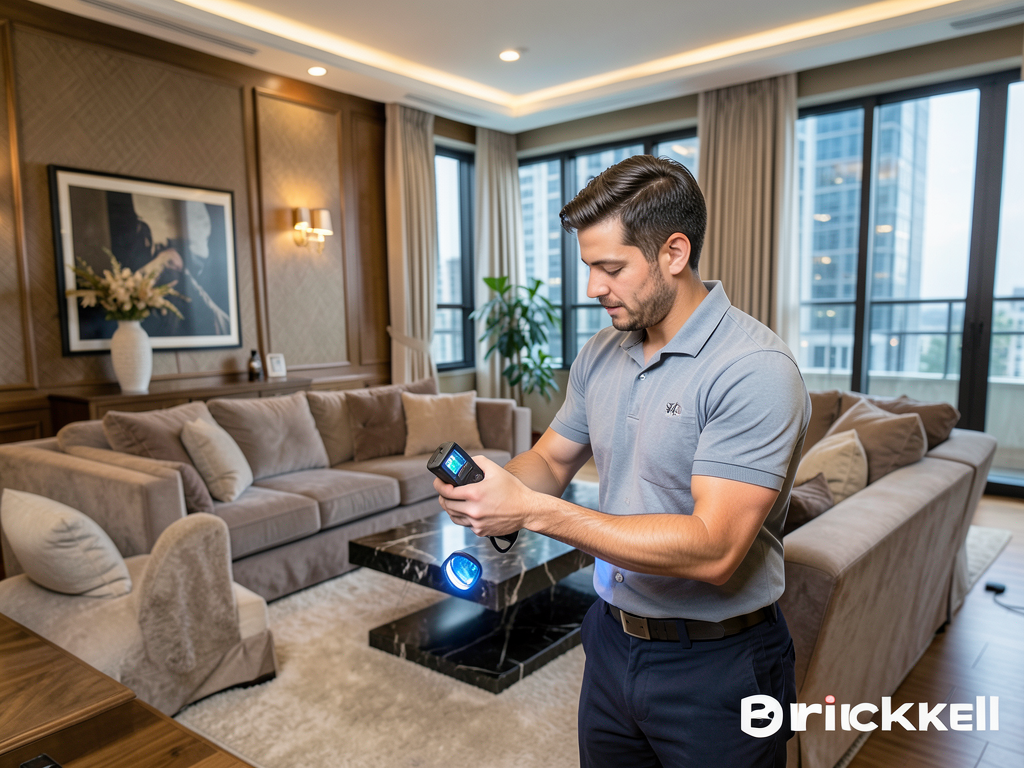
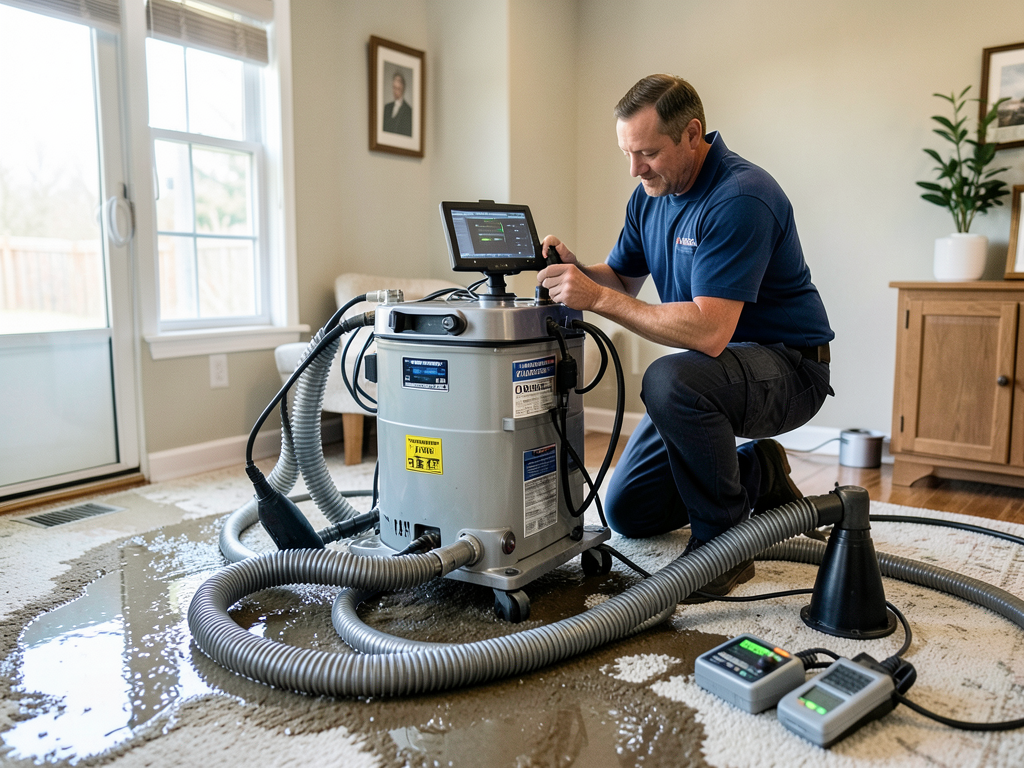
Miami's subtropical climate, combined with hurricane exposure and aging infrastructure, creates unique commercial water damage risks. The city experiences heavy rainfall from June through November, with tropical storms delivering inches of rain in hours. Flat roofs on commercial buildings, common across Miami-Dade County, trap water if drains clog or roof membranes fail. Concrete slab construction, standard in Miami, absorbs and retains moisture longer than wood framing, extending drying times and increasing mold risk. Humidity levels above 70 percent year-round mean that untreated water intrusion becomes mold colonization within 48 hours. Commercial properties in flood-prone areas like Brickell, Downtown, and Little Havana face additional risk from storm surge and groundwater infiltration during king tides.
Miami's commercial real estate market moves fast, and building codes are strict. The City of Miami Building Department requires permits for structural drying equipment in certain commercial occupancies, and failure to comply can result in fines or stop-work orders. Property managers and business owners must document water damage response to meet lease obligations and insurance requirements. Choosing a local commercial water damage restoration provider who understands Miami's building codes, climate challenges, and insurance carrier expectations reduces liability and speeds recovery. Fortress Water Damage Restoration Miami has worked with property management firms, commercial landlords, and business owners across Miami-Dade County, delivering fast response and compliant restoration that protects business continuity.