
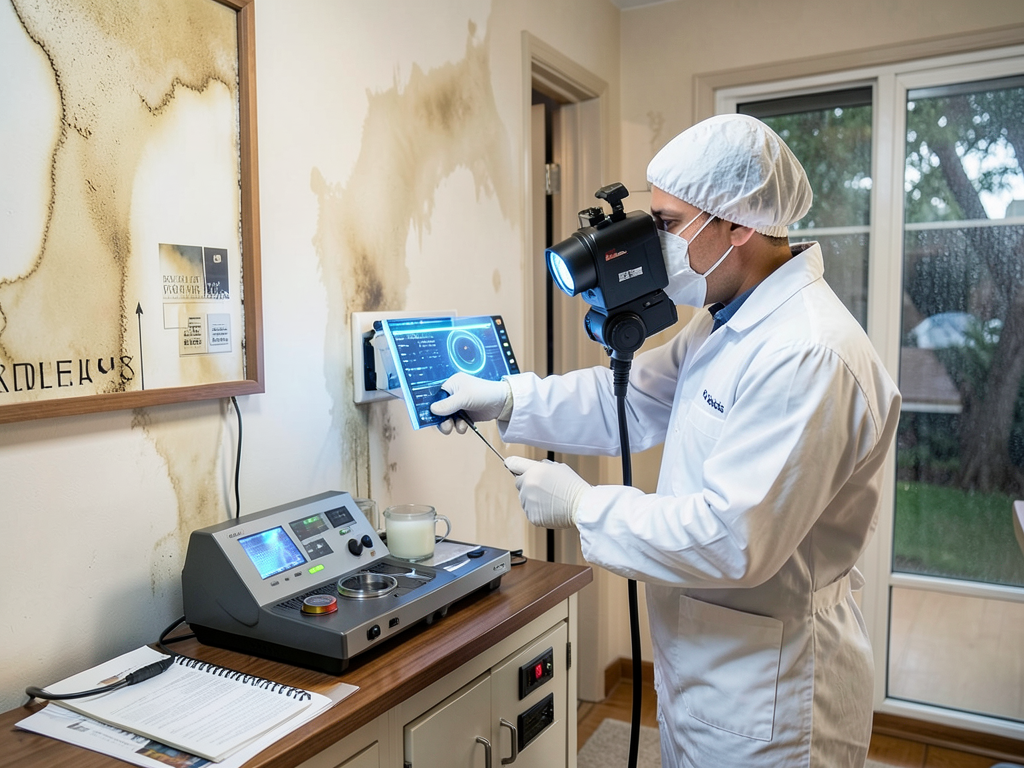
Keeping South Beach vacation rentals free of mold and mildew
Mold and mildew thrive in South Beach’s tropical climate where humidity regularly exceeds 80% and salt air accelerates moisture absorption into building materials. Vacation rentals face unique risks because they sit vacant between guests, allowing hidden leaks to create perfect conditions for mold growth within 24-48 hours. Property managers need fast, professional remediation that protects both their investment and their online reputation.. Read more about Getting your Miami Beach property back to normal after a tropical storm.
South Beach’s Art Deco buildings present specific challenges. Many were constructed before modern vapor barriers existed, and their aging plumbing systems develop pinhole leaks that slowly saturate walls. The concrete block construction common in Miami Beach absorbs moisture like a sponge, creating hidden pockets where mold colonies establish themselves behind decorative tiles and vintage wallpaper.
Black mold, specifically Stachybotrys chartarum, poses serious health risks in humid environments. This toxic strain produces mycotoxins that trigger respiratory issues, especially dangerous for guests with asthma or compromised immune systems. The Florida Department of Health requires landlords to address mold problems within 7 days of notification, making quick professional response essential for legal compliance. EPA Mold Resources.
Professional remediation follows strict protocols. Technicians use HEPA filtration to capture airborne spores, apply EPA-registered antimicrobial treatments, and verify moisture levels with thermal imaging before declaring a space safe. The process typically requires 3-5 days for complete drying and post-remediation verification, longer than many property managers expect.
Prevention proves more cost-effective than emergency remediation. Installing dehumidifiers with automatic drainage, scheduling quarterly HVAC inspections, and using mold-resistant paint in bathrooms can reduce mold risk by 70%. Smart moisture sensors provide early warning of leaks before visible damage appears.
South Beach’s vacation rental market generates over $2 billion annually, making property protection a significant financial priority. A single mold incident can trigger negative reviews, booking cancellations, and potential lawsuits. Professional remediation not only solves the immediate problem but also provides documentation for insurance claims and future guest reassurance.
The unique combination of historic architecture, coastal humidity, and high-value rental properties makes South Beach particularly vulnerable to mold damage. Property managers who partner with experienced local remediation specialists gain peace of mind and protect their investment from the costly consequences of untreated moisture problems.. Read more about Solving persistent mold problems in humid Coconut Grove homes.
Common mold problems in South Beach vacation rentals
Vacation rentals in South Beach face mold challenges that differ from year-round residences. Understanding these specific issues helps property managers implement effective prevention strategies.
Between-guest periods create ideal conditions for mold growth. When HVAC systems shut down, humidity levels spike, and any existing moisture problems worsen. A bathroom leak that might cause minimal damage in a continuously occupied home can lead to extensive mold colonies in a vacant rental.
South Beach’s Art Deco buildings often lack modern moisture management systems. Many were built before vapor barriers became standard, and their concrete block walls absorb moisture from both air and ground contact. The decorative elements that make these buildings attractive—ornate plasterwork, vintage tile, and wood paneling—also provide food sources for mold when moisture is present.
High-rise condo rentals face additional risks from shared plumbing systems. A leak in a unit above can saturate ceilings and walls in units below, creating mold problems that affect multiple properties. The concrete construction common in Miami Beach can hide these moisture problems for weeks before visible signs appear.
Seasonal weather patterns in South Beach create mold-friendly conditions. Summer thunderstorms bring sudden moisture influxes, while hurricane season from June through November increases the risk of roof leaks and flooding. King tides can cause groundwater to rise, affecting ground-floor units in older buildings.
Guest behavior also contributes to mold risk. Visitors unfamiliar with South Florida’s humidity may not run exhaust fans during showers or may leave wet towels on furniture. Some guests close blinds and curtains, creating dark, stagnant conditions where mold thrives.
Professional mold inspectors use moisture meters and thermal imaging to detect problems before they become visible. These tools can identify moisture levels behind walls and under flooring, allowing for targeted remediation before extensive damage occurs.
Understanding these common problems helps property managers develop effective prevention strategies and respond quickly when issues arise. The key is recognizing that South Beach’s unique combination of climate, architecture, and rental patterns creates specific mold risks that require specialized solutions.
Professional mold remediation process for vacation rentals
Professional mold remediation follows a systematic process designed to eliminate mold colonies while protecting the property and its occupants. Understanding this process helps property managers know what to expect and ensure proper remediation.
Initial assessment begins with a comprehensive inspection using moisture meters, thermal imaging cameras, and air quality testing. Technicians identify all affected areas, including hidden moisture pockets behind walls or under flooring. This diagnostic phase typically takes 2-4 hours for a standard vacation rental.
Containment setup prevents mold spores from spreading during remediation. Technicians seal off affected areas using plastic sheeting and negative air pressure machines. This isolation protects the rest of the property and neighboring units in multi-family buildings.
HEPA air scrubbers run continuously during the entire remediation process. These industrial-grade machines filter particles as small as 0.3 microns, capturing mold spores and other contaminants from the air. Multiple air scrubbers may be needed for larger properties or severe contamination.
Removal of contaminated materials follows strict protocols. Porous materials like drywall, insulation, and carpeting that cannot be cleaned must be removed and disposed of properly. Non-porous surfaces receive thorough cleaning with EPA-registered antimicrobial solutions.
Drying and dehumidification remove residual moisture that could allow mold to return. Industrial dehumidifiers and air movers run for several days, with moisture levels monitored daily until they reach safe thresholds.
Post-remediation verification confirms the work was successful. Independent testing labs collect air and surface samples to verify mold levels are within acceptable ranges. This third-party verification provides documentation for insurance claims and guest assurance.
The entire process typically requires 3-7 days, depending on the extent of contamination and drying requirements. Property managers should plan for this timeline when scheduling remediation to minimize rental income loss.. Read more about Why you should never ignore a musty smell in your Miami Lakes home.
Professional remediation costs vary based on several factors. Small bathroom mold problems might cost $500-1,500, while whole-unit remediation in severe cases can exceed $10,000. The investment protects against much larger costs from property damage and liability claims.
Documentation provided after remediation includes before-and-after photos, laboratory test results, and detailed work reports. This documentation serves multiple purposes: insurance claims, future property sales, and guest assurance about property safety.
Understanding the professional remediation process helps property managers make informed decisions and ensures they receive thorough, effective service when mold problems arise in their South Beach vacation rentals.
Preventing mold in South Beach vacation rentals
Prevention costs significantly less than remediation and protects both property value and guest satisfaction. Effective prevention strategies address South Beach’s unique climate challenges while accommodating the vacation rental business model.
Humidity control forms the foundation of mold prevention. Installing dehumidifiers with automatic drainage eliminates the need for manual emptying and ensures continuous operation. Units should maintain relative humidity between 30-50%, with sensors that activate when levels exceed safe thresholds.
Smart home technology provides early warning of moisture problems. Water leak detectors placed under sinks, near water heaters, and around HVAC units can send alerts to property managers’ phones when moisture is detected. Some systems automatically shut off water supply when leaks are detected.
Regular HVAC maintenance prevents moisture problems before they start. Professional inspections every six months check for condensate drain line clogs, which are a leading cause of indoor moisture problems in South Florida. Clean coils and proper refrigerant levels ensure efficient moisture removal.
Guest education reduces mold risk without creating negative experiences. Simple instructions about running exhaust fans during showers, keeping blinds open for air circulation, and reporting water spots help guests contribute to mold prevention. These instructions can be included in welcome packets or digital guides.
Building materials matter in mold prevention. Using mold-resistant drywall in bathrooms and kitchens, applying mold-resistant paint throughout, and installing tile or luxury vinyl plank flooring instead of carpet in moisture-prone areas reduces mold risk significantly.
Ventilation improvements address South Beach’s unique challenges. Installing exhaust fans with humidity sensors that run automatically after showers, ensuring attic ventilation is adequate, and using ceiling fans to improve air circulation all help control moisture levels.
Landscaping and exterior maintenance prevent moisture intrusion. Ensuring proper grading directs water away from foundations, keeping gutters clean and functional, and sealing windows and doors prevents the moisture problems that lead to indoor mold growth.
Professional inspections provide peace of mind. Annual mold inspections by certified professionals can identify potential problems before they become visible or expensive. These inspections typically cost $300-500 but can prevent remediation costs of thousands of dollars.
Insurance considerations affect prevention strategies. Some policies offer premium discounts for properties with installed moisture detection systems or regular professional maintenance. Understanding these incentives helps property managers make cost-effective prevention decisions.
Effective prevention requires consistent attention but pays dividends through protected property value, satisfied guests, and avoided remediation costs. The investment in prevention typically returns 3-5 times its cost through avoided damage and liability.
Legal requirements for mold in South Beach vacation rentals
Florida law requires landlords to maintain habitable conditions, and mold problems can violate this requirement. Understanding legal obligations helps property managers avoid liability and ensure compliance with state and local regulations.
The Florida Statutes Chapter 83 governs landlord-tenant relationships and includes implied warranty of habitability. This warranty requires landlords to maintain rental properties in a condition fit for human habitation, which courts have interpreted to include freedom from harmful mold growth.
Miami-Dade County has additional requirements through its Housing Code. Section 8E-6 of the code requires property owners to maintain buildings in a safe and sanitary condition, free from conditions that endanger the health or safety of occupants. Mold growth that affects air quality or causes health symptoms can trigger code violations.
Disclosure requirements vary by situation. While Florida does not have specific mold disclosure laws like some states, landlords must disclose known material defects that could affect a tenant’s decision to rent. Significant mold problems would likely qualify as material defects requiring disclosure.
Insurance policies often contain mold exclusions or limitations. Many standard policies cover sudden water damage but exclude long-term moisture problems that lead to mold growth. Understanding policy limitations helps property managers know when additional coverage is necessary.
Guest injury claims create significant liability risks. If a guest develops health problems from mold exposure, they may file claims for medical expenses, lost wages, and pain and suffering. These claims can reach tens of thousands of dollars, especially if multiple guests are affected.
Business interruption insurance may cover lost rental income during remediation. Policies vary widely, but some cover the income lost while a property is uninhabitable due to covered perils. Understanding these provisions helps property managers plan for worst-case scenarios.
Documentation proves essential for legal compliance. Keeping records of maintenance, inspections, guest communications, and remediation work provides evidence of reasonable care if disputes arise. Photos, receipts, and professional reports create a paper trail that protects property owners.
Local health departments can become involved in severe cases. While they typically don’t regulate residential mold in private homes, they may investigate complaints about vacation rentals that affect multiple guests or create public health concerns.
Understanding legal requirements helps property managers implement appropriate prevention and response strategies. The cost of compliance is far less than the potential liability from unaddressed mold problems in South Beach vacation rentals.
Choosing a mold remediation company in South Beach
Selecting the right remediation company affects both the quality of work and the protection of your investment. Professional certifications, local experience, and proper insurance distinguish qualified companies from unqualified contractors.
Certifications provide objective proof of expertise. The Institute of Inspection Cleaning and Restoration Certification (IICRC) offers the S520 standard for mold remediation. Companies with IICRC-certified technicians follow industry best practices and maintain current knowledge of remediation techniques. IICRC Standards.
Florida requires specific licensing for mold work. The Florida Department of Business and Professional Regulation issues mold-related services licenses. Companies must maintain these licenses and carry appropriate insurance, including general liability and pollution liability coverage.
Local experience matters significantly in South Beach. Companies familiar with Art Deco buildings understand the unique challenges of working in historic structures. They know how to protect original features while effectively remediating mold problems behind walls and under flooring.
Response time can prevent minor problems from becoming major disasters. Companies offering 24/7 emergency service can begin remediation within hours of water damage, potentially saving thousands in mold prevention costs. Fast response is especially important in vacation rentals where guest health and satisfaction are at stake.
Insurance coordination experience helps property managers navigate claims. Companies that work directly with insurance adjusters can provide the documentation and estimates needed for claim approval. This coordination reduces stress and speeds the remediation process.
References from other South Beach property managers provide valuable insight. Companies with experience in the vacation rental market understand the need for minimal disruption and quick turnaround times. They know how to work around guest schedules and coordinate with property management companies.
Equipment quality affects remediation effectiveness. Professional companies use commercial-grade HEPA filtration, industrial dehumidifiers, and thermal imaging cameras. They should be willing to explain their equipment and methods, demonstrating their commitment to thorough remediation.
Written guarantees provide protection against incomplete work. Reputable companies offer warranties on their remediation work, typically ranging from 6 months to 2 years. These guarantees demonstrate confidence in their methods and provide recourse if problems recur.
Cost considerations should include both immediate and long-term factors. While the cheapest option might seem attractive, incomplete remediation often leads to recurring problems that cost more over time. Quality remediation with proper documentation protects property value and guest satisfaction.
Choosing the right remediation company requires careful evaluation, but the investment in quality service pays dividends through effective mold elimination and protected property value in South Beach’s competitive vacation rental market.
Cost factors for mold remediation in vacation rentals
Understanding cost factors helps property managers budget effectively and make informed decisions about remediation services. Several variables affect the total cost of mold remediation in South Beach vacation rentals.
Square footage directly impacts remediation costs. Larger properties require more labor, equipment, and materials. A small studio apartment might cost $1,000-2,000 to remediate, while a large penthouse could exceed $10,000 for extensive mold problems.
Contamination severity determines the scope of work required. Surface mold on non-porous materials costs less to remediate than mold that has penetrated drywall, insulation, or structural elements. Severe contamination requiring demolition and reconstruction significantly increases costs.
Building construction type affects remediation complexity. Art Deco buildings with decorative plasterwork, vintage tile, and original wood features require more careful work to preserve historic elements. This specialized work typically costs 20-30% more than standard remediation.
Accessibility issues can increase costs. Mold in hard-to-reach areas like attics, crawl spaces, or behind built-in cabinetry requires additional labor and equipment. High-rise buildings may have restricted access hours or require special permits for remediation work.
Testing and verification add to total costs but provide essential documentation. Professional mold testing before and after remediation typically costs $300-800. Third-party verification provides documentation for insurance claims and guest assurance.
Emergency service premiums apply for after-hours or holiday work. Companies often charge 25-50% more for emergency calls outside normal business hours. However, this premium can be worthwhile when preventing mold growth after water damage.
Containment requirements affect costs in multi-unit buildings. South Beach’s high-rise condos often require extensive containment to protect neighboring units. Negative air pressure systems, additional plastic sheeting, and air quality monitoring increase remediation costs.
Insurance coverage affects out-of-pocket costs. Some policies cover mold remediation if caused by covered perils like sudden pipe bursts. Understanding policy coverage helps property managers know what costs they’ll need to cover personally.
Prevention measures can be bundled with remediation for cost savings. Installing dehumidifiers, upgrading ventilation, or applying mold-resistant coatings during remediation often costs less than doing these improvements separately.
Long-term cost considerations include property value protection and liability prevention. Quality remediation with proper documentation helps maintain property value and provides protection against guest claims, potentially saving thousands in future costs.
Getting multiple estimates helps property managers understand cost ranges and service inclusions. However, the lowest bid isn’t always the best value when considering the importance of thorough remediation and proper documentation.
Understanding these cost factors helps property managers budget appropriately and make informed decisions about mold remediation services for their South Beach vacation rentals.
Impact of mold on vacation rental business
Mold problems extend beyond physical damage to affect the entire vacation rental business. Understanding these impacts helps property managers appreciate the importance of prevention and quick remediation.
Online reputation damage occurs quickly in today’s review-driven market. A single mold complaint can trigger negative reviews that potential guests see before booking. These reviews often mention health concerns and property conditions, creating lasting impressions that affect future bookings.
Booking cancellations result in immediate revenue loss. Guests who discover mold problems upon arrival often leave immediately, demanding full refunds. Even if remediation occurs quickly, the negative experience typically leads to cancellation and lost income for multiple nights or weeks.
Insurance premium increases can result from repeated claims. Properties with frequent mold problems may face higher insurance rates or difficulty obtaining coverage. Some insurers may decline to renew policies for properties with chronic moisture and mold issues.
Legal liability extends beyond immediate guests. If mold problems cause health issues, affected guests may file lawsuits seeking damages for medical expenses, lost wages, and pain and suffering. These lawsuits can cost tens of thousands in legal fees and settlements, even if the property owner prevails.
Property value depreciation affects long-term investment returns. Buildings with documented mold history or visible moisture damage typically appraise for less than comparable properties. This depreciation can amount to thousands in lost equity when properties are sold.
Maintenance costs increase with recurring mold problems. Properties that experience frequent mold issues often require more frequent HVAC service, plumbing inspections, and building maintenance. These ongoing costs reduce net operating income from vacation rentals.
Guest satisfaction scores affect platform rankings on vacation rental websites. Properties with lower satisfaction scores appear lower in search results, reducing visibility and booking rates. This reduced visibility can decrease annual revenue by 15-30% for affected properties.
Operational disruptions affect property management efficiency. Mold remediation requires coordination with guests, contractors, and insurance companies. These disruptions take property managers away from other tasks, reducing overall operational efficiency.
Brand reputation damage affects multiple properties if owners operate several vacation rentals. Guests who have negative experiences at one property may avoid all properties owned by the same person or company, multiplying the impact of a single mold incident.
Market competitiveness suffers when properties have mold history. In South Beach’s competitive vacation rental market, properties with clean health records and positive reviews maintain higher occupancy rates and can charge premium rates compared to properties with mold history.
Understanding these business impacts helps property managers justify investments in prevention and quality remediation. The cost of prevention typically returns 5-10 times its value through protected revenue and property value.
Frequently Asked Questions
How quickly does mold grow after water damage?
Mold can begin growing within 24-48 hours after water exposure. In South Beach’s humid climate, this timeline shortens to 12-24 hours for many mold species. Quick response to water damage is essential to prevent mold growth.
Can I stay in my vacation rental during mold remediation?
Typically no. Mold remediation requires containment and air filtration that makes spaces unsafe for occupancy. Most remediation projects require 3-7 days, during which guests must relocate. Professional companies can help coordinate temporary housing if needed.
How do I know if mold is making me sick?
Mold exposure symptoms include respiratory issues, headaches, fatigue, and skin irritation. These symptoms often worsen when spending time in affected areas. However, these symptoms can also indicate other health conditions, so professional medical evaluation is recommended if you suspect mold-related illness.
Is black mold more dangerous than other types?
Stachybotrys chartarum (black mold) produces mycotoxins that can cause more severe health effects than many other mold species. However, any mold growth in indoor environments should be addressed promptly, as all molds can trigger allergic reactions and respiratory issues.
How much does professional mold remediation cost?
Costs vary widely based on contamination extent, building type, and location. Small bathroom mold problems might cost $500-1,500, while whole-unit remediation can exceed $10,000. Most vacation rental remediation falls in the $2,000-5,000 range.
Will my insurance cover mold remediation?
Coverage depends on your specific policy and the cause of mold. Many policies cover mold resulting from sudden, accidental water damage but exclude long-term moisture problems. Review your policy or consult your insurance agent to understand your coverage.
How can I prevent mold in my South Beach vacation rental?
Effective prevention includes maintaining indoor humidity below 50%, installing dehumidifiers, running exhaust fans, fixing leaks promptly, and scheduling regular HVAC maintenance. Professional inspections every 6-12 months can identify potential problems before they become visible.
How long does mold remediation take?
Most remediation projects require 3-7 days, depending on contamination extent and drying requirements. This includes containment setup, removal of contaminated materials, cleaning, drying, and post-remediation verification. Emergency response can begin within hours of your call.
Do I need permits for mold remediation in South Beach?
Permit requirements vary by municipality and the extent of work. Minor remediation often doesn’t require permits, but demolition or structural work typically does. Professional remediation companies understand local requirements and can obtain necessary permits.
How do I choose a reputable mold remediation company?
Look for IICRC certification, Florida state licensing, proper insurance, and experience with South Beach properties. Check references from other vacation rental owners, verify their response time guarantees, and ensure they provide written guarantees and documentation for their work. For more information, visit CDC Mold Information.
{
“@context”: “https://schema.org”,
“@type”: “BlogPosting”,
“headline”: “Keeping South Beach vacation rentals free of mold and mildew”,
“description”: “Protect your South Beach rental from mold with expert remediation. Fast 24/7 service for Art Deco buildings in Miami Beach. Call (786) 789-8282 for immediate help.”,
“wordCount”: 3633,
“datePublished”: “2026-02-24T10:32:00.000Z”,
“dateModified”: “2026-02-24T10:32:00.000Z”,
“inLanguage”: “en-US”,
“mainEntityOfPage”: {
“@type”: “WebPage”,
“@id”: “https://fortresswaterdamagerestorationmiami.com”
},
“publisher”: {
“@type”: “LocalBusiness”,
“name”: “Fortress Water Damage Restoration Miami”,
“url”: “https://fortresswaterdamagerestorationmiami.com”
},
“author”: {
“@type”: “Organization”,
“name”: “Fortress Water Damage Restoration Miami”,
“url”: “https://fortresswaterdamagerestorationmiami.com”
},
“image”: {
“@type”: “ImageObject”,
“url”: “https://fortresswaterdamagerestorationmiami.com/wp-content/uploads/2026/03/keeping-south-beach-vacation-rentals-free-of-mold-1.png”
}
}
{
“@context”: “https://schema.org”,
“@type”: “LocalBusiness”,
“name”: “Fortress Water Damage Restoration Miami”,
“url”: “https://fortresswaterdamagerestorationmiami.com”,
“address”: {
“@type”: “PostalAddress”,
“addressLocality”: “Miami”
},
“areaServed”: {
“@type”: “City”,
“name”: “Miami”
}
}
{
“@context”: “https://schema.org”,
“@type”: “FAQPage”,
“mainEntity”: [
{
“@type”: “Question”,
“name”: “How quickly does mold grow after water damage?”,
“acceptedAnswer”: {
“@type”: “Answer”,
“text”: “Mold can begin growing within 24-48 hours after water exposure. In South Beach’s humid climate, this timeline shortens to 12-24 hours for many mold species. Quick response to water damage is essential to prevent mold growth.”
}
},
{
“@type”: “Question”,
“name”: “Can I stay in my vacation rental during mold remediation?”,
“acceptedAnswer”: {
“@type”: “Answer”,
“text”: “Typically no. Mold remediation requires containment and air filtration that makes spaces unsafe for occupancy. Most remediation projects require 3-7 days, during which guests must relocate. Professional companies can help coordinate temporary housing if needed.”
}
},
{
“@type”: “Question”,
“name”: “How do I know if mold is making me sick?”,
“acceptedAnswer”: {
“@type”: “Answer”,
“text”: “Mold exposure symptoms include respiratory issues, headaches, fatigue, and skin irritation. These symptoms often worsen when spending time in affected areas. However, these symptoms can also indicate other health conditions, so professional medical evaluation is recommended if you suspect mold-related illness.”
}
},
{
“@type”: “Question”,
“name”: “Is black mold more dangerous than other types?”,
“acceptedAnswer”: {
“@type”: “Answer”,
“text”: “Stachybotrys chartarum (black mold) produces mycotoxins that can cause more severe health effects than many other mold species. However, any mold growth in indoor environments should be addressed promptly, as all molds can trigger allergic reactions and respiratory issues.”
}
},
{
“@type”: “Question”,
“name”: “How much does professional mold remediation cost?”,
“acceptedAnswer”: {
“@type”: “Answer”,
“text”: “Costs vary widely based on contamination extent, building type, and location. Small bathroom mold problems might cost $500-1,500, while whole-unit remediation can exceed $10,000. Most vacation rental remediation falls in the $2,000-5,000 range.”
}
},
{
“@type”: “Question”,
“name”: “Will my insurance cover mold remediation?”,
“acceptedAnswer”: {
“@type”: “Answer”,
“text”: “Coverage depends on your specific policy and the cause of mold. Many policies cover mold resulting from sudden, accidental water damage but exclude long-term moisture problems. Review your policy or consult your insurance agent to understand your coverage.”
}
},
{
“@type”: “Question”,
“name”: “How can I prevent mold in my South Beach vacation rental?”,
“acceptedAnswer”: {
“@type”: “Answer”,
“text”: “Effective prevention includes maintaining indoor humidity below 50%, installing dehumidifiers, running exhaust fans, fixing leaks promptly, and scheduling regular HVAC maintenance. Professional inspections every 6-12 months can identify potential problems before they become visible.”
}
},
{
“@type”: “Question”,
“name”: “How long does mold remediation take?”,
“acceptedAnswer”: {
“@type”: “Answer”,
“text”: “Most remediation projects require 3-7 days, depending on contamination extent and drying requirements. This includes containment setup, removal of contaminated materials, cleaning, drying, and post-remediation verification. Emergency response can begin within hours of your call.”
}
},
{
“@type”: “Question”,
“name”: “Do I need permits for mold remediation in South Beach?”,
“acceptedAnswer”: {
“@type”: “Answer”,
“text”: “Permit requirements vary by municipality and the extent of work. Minor remediation often doesn’t require permits, but demolition or structural work typically does. Professional remediation companies understand local requirements and can obtain necessary permits.”
}
},
{
“@type”: “Question”,
“name”: “How do I choose a reputable mold remediation company?”,
“acceptedAnswer”: {
“@type”: “Answer”,
“text”: “Look for IICRC certification, Florida state licensing, proper insurance, and experience with South Beach properties. Check references from other vacation rental owners, verify their response time guarantees, and ensure they provide written guarantees and documentation for their work. For more information, visit CDC Mold Information.”
}
}
]
}
{
“@context”: “https://schema.org”,
“@type”: “BreadcrumbList”,
“itemListElement”: [
{
“@type”: “ListItem”,
“position”: 1,
“name”: “Home”,
“item”: “https://fortresswaterdamagerestorationmiami.com”
},
{
“@type”: “ListItem”,
“position”: 2,
“name”: “Blog”,
“item”: “https://fortresswaterdamagerestorationmiami.com/blog”
},
{
“@type”: “ListItem”,
“position”: 3,
“name”: “Keeping South Beach vacation rentals free of mold and mildew”
}
]
}
{
“@context”: “https://schema.org”,
“@type”: “Service”,
“serviceType”: “Water Damage Restoration”,
“provider”: {
“@type”: “LocalBusiness”,
“name”: “Fortress Water Damage Restoration Miami”,
“url”: “https://fortresswaterdamagerestorationmiami.com”
},
“areaServed”: {
“@type”: “City”,
“name”: “Miami”
},
“description”: “Protect your South Beach rental from mold with expert remediation. Fast 24/7 service for Art Deco buildings in Miami Beach. Call (786) 789-8282 for immediate help.”
}