
Identifying the subtle signs of a slab leak under your Palmetto Bay home
Water seeping through your home’s foundation creates expensive damage before you notice anything wrong. Palmetto Bay homes built on Miami Oolite limestone face higher slab leak risks than most Florida neighborhoods due to shifting soil and high groundwater pressure. Early detection saves thousands in structural repairs and prevents dangerous mold growth in our humid climate. Florida Building Code.
Slab leaks start small but grow rapidly when copper pipes corrode under constant pressure from Palmetto Bay’s high water table. The first signs often appear as warm spots on tile floors or unexplained drops in water pressure. These subtle indicators mean water is already flowing beneath your home’s concrete foundation. Rapid storm damage repairs for Coconut Grove homeowners after a heavy rain.
Warm spots on tile floors signal hot water line failures
Hot water pipes run through concrete slabs to reach bathrooms and kitchens. When these pipes develop pinhole leaks, heat transfers through concrete to your floor surface. Walking barefoot across bathroom tiles reveals temperature differences that indicate active leaks beneath the slab. Professional water extraction for Doral commercial properties and warehouses.
Copper pipes in Palmetto Bay homes face accelerated corrosion from our high-mineral water and acidic soil conditions. The Florida Building Code requires specific pipe materials for slab installations but many older homes still contain vulnerable copper lines. Hot water line leaks create persistent warm zones that grow larger as pressure continues. Commercial Water Damage Restoration.
Test for hot spots by walking across tile floors during cooler morning hours. Pay attention to areas near bathrooms, kitchens, and laundry rooms where pipes concentrate. Consistent warmth in one location suggests water flowing through damaged pipe insulation and concrete. Efflorescence on Concrete.
Unexplained water bill increases point to hidden leaks
Miami-Dade Water and Sewer Department bills show water usage patterns that reveal slab leaks. A sudden spike in consumption without increased household activity indicates water escaping somewhere in your plumbing system. Compare current bills to the same month last year to account for seasonal changes. EPA mold remediation guidelines.
Slab leaks waste hundreds of gallons daily before causing visible damage. The constant pressure forces water through even tiny pipe openings. Your meter continues running 24/7 when slab leaks develop, creating costs that multiply quickly in Palmetto Bay’s high-rate water districts.. Read more about How to handle a slow dishwasher leak before it rots your El Portal floors.
Check your water meter when no water runs in your home. If the dial moves during a two-hour test period, water flows somewhere unaccounted for. This simple test confirms suspicions raised by high bills and helps determine leak severity.. Read more about Red flags for water damage to look for when touring a home for sale in Coconut Grove.
Foundation cracks and baseboard dampness indicate structural stress
Water beneath concrete slabs creates pressure that forces foundations to shift. Small cracks appear in walls, especially near door frames and window corners. These separations grow wider over time as water continues eroding soil support beneath your home.
Baseboards near slab edges feel damp or show water stains even when no plumbing fixtures exist nearby. Moisture wicks through concrete and affects interior finishes. Palmetto Bay’s high humidity accelerates this process, creating ideal conditions for mold growth behind walls.
Walk your home’s perimeter and inspect foundation walls for new cracks. Pay attention to areas where landscaping slopes toward your house. Water pooling near foundations increases hydrostatic pressure that forces water through pipe joints and concrete pores.
Mold and mildew odors signal hidden moisture problems
Palmetto Bay’s tropical climate creates perfect conditions for mold when slab leaks provide constant moisture. Musty odors in specific rooms often indicate water-damaged materials behind walls or under flooring. These smells intensify during humid summer months when moisture levels peak.
Check for mold growth in closets, under sinks, and along baseboards. Dark spots on walls or ceilings suggest water traveling through building materials from slab-level leaks. The EPA recommends immediate remediation when mold covers areas larger than ten square feet. Fixing ceiling leaks and water spots in Wynwood art lofts.
Pay attention to allergy symptoms that worsen indoors. Mold spores from slab leaks cause respiratory issues, especially in children and elderly residents. Professional testing identifies specific mold types and determines if remediation requires full containment procedures.. Read more about The difference between mold testing and actual remediation in Sunny Isles Beach condos.
Running water sounds when fixtures are off indicate active leaks
Place your ear against walls near bathrooms or kitchens during quiet times. The sound of running water when no fixtures operate suggests water escaping under pressure. These sounds often localize to specific areas where pipes run closest to interior surfaces.
Check for vibrations in walls by touching surfaces near suspected leak locations. Water moving through damaged pipes creates subtle shaking that transfers through building materials. This diagnostic technique helps pinpoint leak locations before professional detection equipment arrives.
Listen during different times of day. Slab leaks maintain constant flow regardless of household water usage patterns. The continuous sound distinguishes active leaks from normal plumbing operations like ice makers or filtration systems.
DIY verification using the water meter test
Verify slab leak suspicions with a simple water meter test. Locate your meter box near the street and record the current reading. Ensure all water-using appliances and fixtures remain off for at least two hours. Check the meter again to see if numbers changed.
Meters with leak indicators show small triangles or wheels that spin when water flows. Even tiny leaks cause these indicators to move continuously. Palmetto Bay homes with older meters may require longer observation periods to detect slow leaks.
Document meter readings over several days to establish usage patterns. Compare results with normal consumption based on household size and habits. Sudden unexplained increases confirm active leaks requiring professional attention.. Read more about Why your family’s sudden allergies might be linked to a hidden leak in your Little Haiti cottage.
Professional detection methods save time and prevent damage
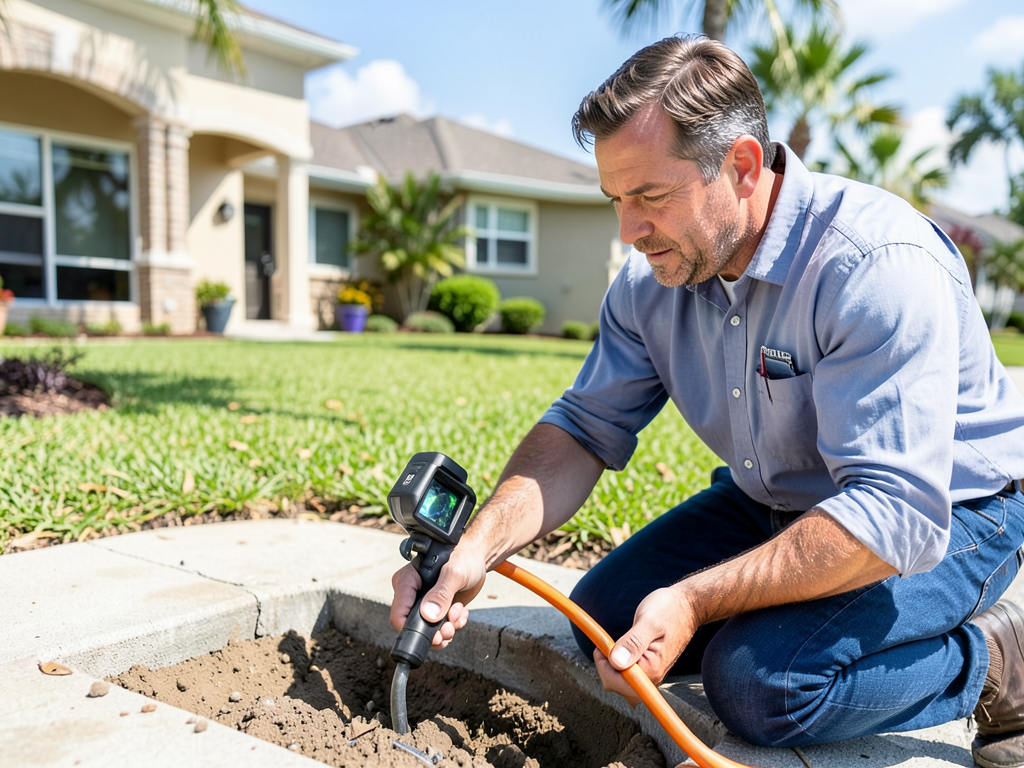
Electronic leak detection equipment identifies slab leak locations without destructive testing. Technicians use acoustic sensors to listen for water movement through concrete and specialized cameras to inspect pipe interiors. These methods pinpoint exact leak locations before any demolition begins.
Thermal imaging cameras detect temperature differences caused by hot water leaks. Cold water leaks show up as moisture patterns on infrared scans. Both technologies work effectively in Palmetto Bay’s humid conditions where traditional methods struggle with false readings.
Professional detection costs range from $200 to $500 depending on home size and leak complexity. This investment prevents thousands in unnecessary demolition and repairs from exploratory digging. Most insurance policies cover detection costs when leaks cause property damage.
Common causes of slab leaks in Palmetto Bay homes
Copper pipe corrosion represents the primary cause of slab leaks in older Palmetto Bay homes. Our high-mineral water and acidic soil conditions accelerate pipe deterioration. The Florida Building Code now requires PEX or CPVC piping for new slab installations to prevent these failures.
Foundation settling creates stress on pipe joints and connections. Palmetto Bay’s limestone soil shifts during wet seasons, causing pipes to separate at coupling points. This movement repeats annually with seasonal rainfall patterns, gradually worsening small leaks into major failures.
High water pressure from municipal supply lines stresses older plumbing systems. Many Palmetto Bay homes built before 1990 lack pressure regulators that protect pipes from excessive force. Water hammer from quick-closing valves also contributes to pipe joint failures over time.
Insurance coverage and claim considerations
Florida homeowners insurance typically covers sudden and accidental slab leaks but excludes damage from long-term corrosion or neglect. Document all leak signs with photos and videos before repairs begin. This evidence supports insurance claims and demonstrates the sudden nature of the failure.
Most policies cover water damage restoration but may exclude foundation repairs. Review your specific coverage limits and deductibles before filing claims. Some Palmetto Bay homeowners find separate foundation warranties provide better protection than standard insurance policies.
Professional restoration companies coordinate directly with insurance adjusters to streamline claims processes. They provide detailed damage assessments and repair estimates that satisfy insurance requirements. This service eliminates the burden of managing complex restoration projects during stressful situations.
Prevention strategies for Palmetto Bay homeowners
Regular plumbing inspections identify potential slab leak risks before failures occur. Professional plumbers check water pressure, inspect visible pipes, and test for early corrosion signs. Annual inspections cost significantly less than emergency repairs and provide peace of mind for homeowners.
Install water pressure regulators if your home lacks this protection. Palmetto Bay’s municipal supply often exceeds safe levels for older plumbing systems. Regulators extend pipe life and prevent stress-related failures throughout your home’s water distribution network.
Consider pipe replacement during major renovations for homes over twenty years old. Modern PEX piping resists corrosion and handles foundation movement better than copper. This proactive approach eliminates slab leak risks entirely for the next generation of homeowners.
Comparing detection methods and their effectiveness
| Detection Method | Accuracy Rate | Cost Range | Best For |
|---|---|---|---|
| Acoustic Sensors | 95% | $200-400 | Pinpointing leak location |
| Thermal Imaging | 90% | $250-450 | Hot water leaks |
| Moisture Meters | 85% | $150-300 | Surface moisture detection |
| Pressure Testing | 98% | $300-500 | Confirming leak existence |
Professional detection combines multiple methods for maximum accuracy. Technicians choose specific tools based on suspected leak type and location. This comprehensive approach ensures no damage goes undetected during initial assessments.
Emergency response and immediate actions
Turn off your home’s main water valve if you confirm a slab leak through meter testing. This stops further damage while you arrange professional help. Main valves typically locate near water meters or where supply lines enter your home.
Document all leak signs with photos before cleanup begins. Insurance companies require evidence of damage extent and pre-existing conditions. Clear photos showing date stamps strengthen your claim position and support repair cost negotiations.
Move furniture and valuables away from affected areas to prevent additional damage. Water spreads quickly through building materials and affects adjacent rooms. Quick action limits restoration scope and reduces overall project costs.
Long-term consequences of untreated slab leaks
Foundation damage represents the most expensive consequence of untreated slab leaks. Water erodes soil support beneath concrete, causing uneven settling and structural instability. Repairs often require extensive demolition and temporary home evacuation during reconstruction.
Mold growth creates health hazards that persist long after water removal. Spores spread through HVAC systems and affect air quality throughout your home. Professional remediation requires containment procedures and specialized equipment to ensure complete removal.
Property value decreases significantly when slab leaks cause visible damage. Buyers avoid homes with foundation issues and negotiate steep discounts for necessary repairs. Early detection and professional restoration preserve your investment and maintain market value.
Choosing qualified professionals for slab leak repairs
Verify contractor licensing and insurance before hiring slab leak specialists. Florida requires specific certifications for plumbing and foundation work. Ask for proof of liability coverage and worker’s compensation insurance to protect your interests.
Request references from Palmetto Bay homeowners with similar repair projects. Local experience matters because technicians understand our unique soil conditions and building practices. Established companies provide portfolios showing successful slab leak repairs in your neighborhood.
Compare detailed written estimates that outline repair scope and timeline. Avoid contractors who cannot explain their detection methods or provide specific pricing breakdowns. Professional companies guarantee their work and offer warranties on both labor and materials.
Frequently Asked Questions
How much does slab leak detection cost in Palmetto Bay?
Professional slab leak detection typically costs between $200 and $500 in Palmetto Bay depending on home size and the complexity of the leak. This investment prevents thousands in unnecessary demolition and helps pinpoint exact repair locations.
Will my insurance cover slab leak repairs?
Most Florida homeowners insurance policies cover sudden and accidental slab leaks but exclude damage from long-term corrosion or neglect. Document all signs with photos and videos to support your claim with the insurance company.
How long can I wait before fixing a slab leak?
Slab leaks worsen quickly and should be addressed immediately. Even small leaks waste hundreds of gallons daily and can cause foundation damage within weeks. The longer you wait, the more expensive the repairs become.
What causes slab leaks in Palmetto Bay specifically?
Palmetto Bay’s high water table, limestone soil, and acidic conditions accelerate copper pipe corrosion. Foundation settling from seasonal soil movement and high municipal water pressure also contribute to slab leak development in local homes.
Can I fix a slab leak myself?
DIY slab leak repairs are not recommended because they require specialized equipment to locate the exact leak source. Professional detection prevents unnecessary demolition and ensures proper repair techniques that prevent future failures.
Take action before minor leaks become major disasters
Slab leaks create expensive damage when homeowners ignore early warning signs. Palmetto Bay’s unique environmental conditions make local homes particularly vulnerable to foundation water intrusion. The cost of professional detection pales compared to foundation repairs and mold remediation.
Trust experienced technicians who understand Palmetto Bay’s specific challenges. Our team uses advanced detection equipment to locate leaks without unnecessary demolition. We coordinate directly with insurance companies to streamline your restoration process.
Don’t wait for visible damage to appear. Call (786) 789-8282 today to schedule your slab leak inspection. Early detection saves your foundation, protects your family’s health, and preserves your home’s value.
Pick up the phone and call (786) 789-8282 before the next storm hits. Water damage waits for no one, but our 24/7 emergency response team stands ready to protect your Palmetto Bay home from escalating slab leak damage. For more information, visit Miami-Dade Water and Sewer Department.
{
“@context”: “https://schema.org”,
“@type”: “BlogPosting”,
“headline”: “Identifying the subtle signs of a slab leak under your Palmetto Bay home”,
“description”: “Learn to spot early slab leak warning signs in Palmetto Bay homes. Protect your foundation from costly damage with expert detection tips.”,
“wordCount”: 2199,
“datePublished”: “2026-03-09T14:10:00.000Z”,
“dateModified”: “2026-03-09T14:10:00.000Z”,
“inLanguage”: “en-US”,
“mainEntityOfPage”: {
“@type”: “WebPage”,
“@id”: “https://fortresswaterdamagerestorationmiami.com”
},
“publisher”: {
“@type”: “LocalBusiness”,
“name”: “Fortress Water Damage Restoration Miami”,
“url”: “https://fortresswaterdamagerestorationmiami.com”
},
“author”: {
“@type”: “Organization”,
“name”: “Fortress Water Damage Restoration Miami”,
“url”: “https://fortresswaterdamagerestorationmiami.com”
},
“image”: {
“@type”: “ImageObject”,
“url”: “https://fortresswaterdamagerestorationmiami.com/wp-content/uploads/2026/03/identifying-the-subtle-signs-of-a-slab-leak-under-1.png”
}
}
{
“@context”: “https://schema.org”,
“@type”: “LocalBusiness”,
“name”: “Fortress Water Damage Restoration Miami”,
“url”: “https://fortresswaterdamagerestorationmiami.com”,
“address”: {
“@type”: “PostalAddress”,
“addressLocality”: “Miami”
},
“areaServed”: {
“@type”: “City”,
“name”: “Miami”
}
}
{
“@context”: “https://schema.org”,
“@type”: “FAQPage”,
“mainEntity”: [
{
“@type”: “Question”,
“name”: “How much does slab leak detection cost in Palmetto Bay?”,
“acceptedAnswer”: {
“@type”: “Answer”,
“text”: “Professional slab leak detection typically costs between $200 and $500 in Palmetto Bay depending on home size and the complexity of the leak. This investment prevents thousands in unnecessary demolition and helps pinpoint exact repair locations.”
}
},
{
“@type”: “Question”,
“name”: “Will my insurance cover slab leak repairs?”,
“acceptedAnswer”: {
“@type”: “Answer”,
“text”: “Most Florida homeowners insurance policies cover sudden and accidental slab leaks but exclude damage from long-term corrosion or neglect. Document all signs with photos and videos to support your claim with the insurance company.”
}
},
{
“@type”: “Question”,
“name”: “How long can I wait before fixing a slab leak?”,
“acceptedAnswer”: {
“@type”: “Answer”,
“text”: “Slab leaks worsen quickly and should be addressed immediately. Even small leaks waste hundreds of gallons daily and can cause foundation damage within weeks. The longer you wait, the more expensive the repairs become.”
}
},
{
“@type”: “Question”,
“name”: “What causes slab leaks in Palmetto Bay specifically?”,
“acceptedAnswer”: {
“@type”: “Answer”,
“text”: “Palmetto Bay’s high water table, limestone soil, and acidic conditions accelerate copper pipe corrosion. Foundation settling from seasonal soil movement and high municipal water pressure also contribute to slab leak development in local homes.”
}
},
{
“@type”: “Question”,
“name”: “Can I fix a slab leak myself?”,
“acceptedAnswer”: {
“@type”: “Answer”,
“text”: “DIY slab leak repairs are not recommended because they require specialized equipment to locate the exact leak source. Professional detection prevents unnecessary demolition and ensures proper repair techniques that prevent future failures.”
}
}
]
}
{
“@context”: “https://schema.org”,
“@type”: “BreadcrumbList”,
“itemListElement”: [
{
“@type”: “ListItem”,
“position”: 1,
“name”: “Home”,
“item”: “https://fortresswaterdamagerestorationmiami.com”
},
{
“@type”: “ListItem”,
“position”: 2,
“name”: “Blog”,
“item”: “https://fortresswaterdamagerestorationmiami.com/blog”
},
{
“@type”: “ListItem”,
“position”: 3,
“name”: “Identifying the subtle signs of a slab leak under your Palmetto Bay home”
}
]
}
{
“@context”: “https://schema.org”,
“@type”: “Service”,
“serviceType”: “Water Damage Restoration”,
“provider”: {
“@type”: “LocalBusiness”,
“name”: “Fortress Water Damage Restoration Miami”,
“url”: “https://fortresswaterdamagerestorationmiami.com”
},
“areaServed”: {
“@type”: “City”,
“name”: “Miami”
},
“description”: “Learn to spot early slab leak warning signs in Palmetto Bay homes. Protect your foundation from costly damage with expert detection tips.”
}