

What to do if your pool overflows into your living room during a heavy South Miami downpour
When pool water rushes through your sliding glass doors during a South Miami storm, panic sets in fast. The immediate concern is stopping the water before it destroys floors, walls, and your family’s safety. This guide walks you through the exact steps to take when pool overflow floods your home, from emergency containment to professional restoration and insurance claims. Rapid storm damage repairs for Coconut Grove homeowners after a heavy rain.
South Miami’s flat terrain and high water table make pool overflow flooding a real threat during heavy rains. When your pool lifts or overflows, the contaminated water can carry chemicals, debris, and bacteria directly into your living space. Acting within the first 30 minutes can save thousands in structural repairs and prevent dangerous mold growth. EPA mold guidelines.
Immediate Actions to Take When Pool Water Enters Your Home
Time is critical when pool water floods your living room. Every minute allows more damage to spread through your home’s structure. Here’s what to do immediately: Professional water extraction for Doral commercial properties and warehouses.
- Stop the Water Source
Turn off your pool’s pump and filtration system immediately. If possible, close the main water valve to prevent additional filling. This prevents the pool from continuing to overflow while you work on containment. Commercial Water Damage Restoration.
- Electrical Safety First
Shut off power to affected rooms at the circuit breaker. Pool water conducts electricity and creates electrocution hazards. Never touch electrical outlets or appliances while standing in water.
- Contain the Spread
Use towels, blankets, or available materials to create barriers around the water’s edge. This slows the spread to unaffected rooms and buys time for professional help to arrive.
- Document Everything
Take photos and videos of all damage before removing anything. This documentation proves essential for insurance claims and helps restoration professionals assess the scope of work needed.
- Remove Valuables
Move electronics, important documents, and irreplaceable items to dry areas immediately. Pool water can destroy electronics within minutes and cause permanent staining on fabrics and paper.
During South Miami’s summer storms, pool overflow can release hundreds of gallons into your home within minutes. The water carries chlorine, algaecides, and outdoor contaminants that create Category 2 or 3 water damage conditions requiring professional remediation.
Why Miami Pools Overflow (Heavy Rain vs. Equipment Failure)
Understanding why your pool overflowed helps prevent future incidents and determines the restoration approach needed. South Miami’s unique geography creates specific vulnerabilities that generic pool maintenance guides miss.. Read more about Understanding the gap between flood insurance and water backup coverage in Miami.
South Miami sits on oolitic limestone bedrock with a high water table that fluctuates seasonally. During heavy rains, the ground becomes saturated, creating hydrostatic pressure that pushes against your pool’s structure. This pressure can lift entire pools out of the ground, breaking pipes and creating overflow conditions.
Common causes of pool overflow in South Miami include:
- Surface water accumulation from inadequate drainage systems around the pool deck
- Clogged overflow drains filled with leaves and debris from tropical vegetation
- Failed sump pumps that cannot handle South Florida’s intense rainfall rates
- Improper grading that directs rainwater toward the pool instead of away from it
- Automatic fill valves that malfunction during power fluctuations
The Biscayne Bay watershed affects South Miami’s drainage patterns. When the bay rises during King Tide events or storm surges, the entire area’s groundwater level increases, reducing the soil’s ability to absorb rainwater. This creates surface pooling that flows toward the lowest points, often your pool area.
According to the Florida Building Code High-Velocity Hurricane Zone standards, pools in South Miami must have specific overflow protection systems. However, many older pools built before 2010 do not meet current requirements, leaving them vulnerable to overflow during extreme weather events. Florida Building Code.
Professional Water Extraction and Structural Drying Process
Once you’ve stopped the immediate flooding, professional restoration becomes critical. Pool water damage requires specialized equipment and techniques that go beyond standard water removal. The process follows IICRC S500 standards for water damage restoration.
Professional water extraction begins with industrial-grade pumps capable of removing thousands of gallons per hour. These submersible pumps can extract water from flooded areas while simultaneously removing contaminants and debris. The extraction process typically takes 2-4 hours depending on the volume of water.
After bulk water removal, structural drying begins immediately. South Miami’s 80%+ humidity means moisture can penetrate building materials within hours. Professional restoration teams use:
- High-capacity dehumidifiers that remove 20-30 gallons of moisture per day
- Air movers that create directional airflow to accelerate evaporation
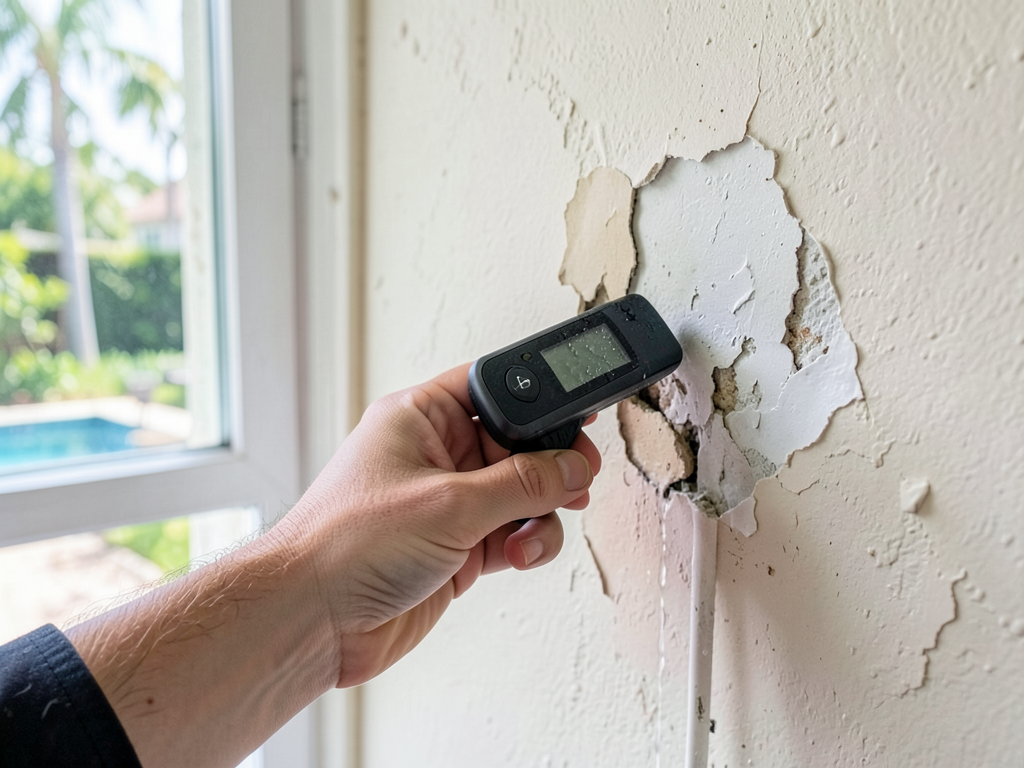
- Moisture meters to detect hidden water in walls and under flooring
- Thermal imaging cameras to identify temperature variations indicating moisture
The drying process typically requires 3-5 days in South Florida’s climate. During this time, technicians monitor moisture levels daily using calibrated instruments. They adjust equipment placement based on readings to ensure complete drying of all affected materials.
Category 2 or 3 water damage from pool overflow requires antimicrobial treatment. Professional restoration teams apply EPA-registered disinfectants to all affected surfaces, killing bacteria and preventing mold growth. This treatment is crucial in South Miami where warm temperatures accelerate microbial growth.
Structural assessment follows drying. Technicians check for compromised drywall, warped flooring, and damaged electrical systems. They may recommend removing sections of drywall to access wet insulation or checking subfloor integrity, especially in homes with concrete slab foundations common in South Miami. Efflorescence on Concrete.
Health Risks: Dealing with Chlorine and Microorganisms
Pool water flooding your home creates serious health hazards beyond the immediate water damage. The combination of pool chemicals, outdoor contaminants, and South Florida’s warm climate creates perfect conditions for dangerous microorganisms to thrive.
Pool water contains chlorine, pH balancers, algaecides, and other chemicals designed for water treatment, not indoor exposure. When these chemicals mix with household materials, they can create toxic fumes and corrosive reactions. Chlorine gas can irritate lungs and eyes, while chemical reactions with flooring adhesives can release harmful vapors.
Outdoor contaminants carried by floodwater include bacteria from soil, animal waste, and organic matter. In South Miami’s climate, these contaminants multiply rapidly. Within 24-48 hours, standing water can harbor E. coli, salmonella, and other pathogens that cause serious illness.
Mold growth represents the biggest long-term health risk. South Miami’s humidity creates ideal conditions for mold spores to germinate within 24-48 hours of water exposure. Common molds found after pool overflow include:
- Stachybotrys chartarum (black mold) – produces mycotoxins
- Aspergillus – can cause respiratory infections
- Penicillium – triggers allergic reactions
Professional remediation teams wear personal protective equipment including respirators, gloves, and Tyvek suits when handling contaminated water. They use HEPA filtration systems to capture airborne particles and prevent cross-contamination to unaffected areas.
Children, elderly individuals, and those with respiratory conditions face higher risks from exposure to contaminated floodwater. Symptoms of exposure may include coughing, wheezing, skin rashes, and eye irritation. Professional testing can identify specific contaminants and guide appropriate remediation strategies.
Navigating Homeowners Insurance for Pool-Related Flooding
Insurance coverage for pool overflow flooding creates confusion for many South Miami homeowners. Understanding your policy’s specific language determines whether you’ll receive full compensation or face significant out-of-pocket expenses.
Standard homeowners insurance policies in Florida typically cover sudden and accidental water damage, including pool overflow. However, coverage depends on the cause of the overflow. Damage from equipment failure or heavy rain usually qualifies, while damage from poor maintenance or gradual seepage often does not.
Key insurance considerations for pool overflow damage:
- Coverage limits may cap structural repairs at specific dollar amounts
- Personal property damage may have separate coverage limits
- Additional living expenses coverage may apply if your home becomes uninhabitable
- Deductibles for water damage claims often exceed standard deductibles
Documenting damage thoroughly strengthens your insurance claim. Take photos before cleanup begins, keep all receipts for emergency services, and maintain a log of all communications with your insurance company. Professional restoration companies often provide detailed documentation that insurance adjusters require.
Some South Miami homeowners carry flood insurance through the National Flood Insurance Program (NFIP). However, pool overflow typically falls under homeowners insurance rather than flood insurance, which covers rising water from external sources like storm surges or overflowing rivers.
Insurance companies may send their own adjusters to assess damage. Having a professional restoration company present during the adjuster’s inspection ensures all damage is properly documented and prevents overlooked issues that could cause problems later.
Claims processing times vary, but most water damage claims in South Florida take 30-60 days for final resolution. During this time, temporary repairs may be necessary to prevent further damage, but major reconstruction should wait for insurance approval.
Preventing Future Overflows in South Florida’s Climate
Preventing pool overflow requires understanding South Florida’s unique climate challenges and implementing appropriate engineering solutions. The right prevention system depends on your specific property characteristics and local conditions. What to do right now if your Coral Gables home is flooding.
Automatic pool levelers help prevent overflow by shutting off water flow when the pool reaches capacity. However, these devices can fail during power outages common during South Miami storms. Installing battery backup systems ensures continued operation during emergencies.
Surface drainage improvements around your pool area significantly reduce overflow risk. This includes:
- French drains that collect and redirect surface water away from the pool
- Proper grading that slopes away from the pool deck at 1-2% grade
- Overflow drains with debris guards to prevent clogging
- Channel drains along the pool deck perimeter
Sump pump systems provide additional protection in areas with high water tables. These pumps activate when groundwater reaches specific levels, preventing hydrostatic pressure from building against your pool structure. In South Miami, pumps should have battery backup and be sized for local rainfall intensity.
Pool covers offer protection during storms but must be properly installed and maintained. Automatic covers can support significant weight and prevent debris from entering the pool, reducing the risk of clogged drains. However, covers require regular cleaning and mechanical maintenance.
Regular maintenance prevents many overflow issues. This includes cleaning overflow drains quarterly, checking automatic fill valves monthly, and inspecting pool equipment for signs of wear. Professional pool service companies in South Miami understand local conditions and can recommend appropriate prevention measures.
Consider upgrading older pools to meet current Florida Building Code requirements. Modern overflow protection systems include multiple redundant safeguards that significantly reduce overflow risk during extreme weather events common in South Florida.
Community drainage systems also affect individual property drainage. Stay informed about local infrastructure projects and report persistent drainage issues to Miami-Dade County authorities. Coordinated drainage improvements benefit entire neighborhoods.
Frequently Asked Questions
How long does pool water damage take to cause permanent structural problems?
Pool water can cause permanent damage to flooring within 24-48 hours in South Florida’s humidity. Hardwood floors warp, laminate delaminates, and drywall becomes structurally compromised. Mold begins growing within 24-48 hours, creating health hazards and requiring extensive remediation.
Can I clean up pool overflow myself or do I need professionals?
Small spills under 10 square feet might be manageable with proper safety equipment, but pool overflow flooding typically requires professional restoration. The contaminated water, hidden moisture in walls and floors, and rapid mold growth in South Florida’s climate make DIY cleanup risky and often incomplete.
Will my homeowner’s insurance cover pool overflow damage?
Most standard homeowners policies cover sudden and accidental pool overflow damage caused by equipment failure or heavy rain. However, damage from poor maintenance or gradual seepage is typically excluded. Coverage limits and deductibles vary significantly between policies.
How much does professional pool overflow restoration cost?
Professional restoration costs range from $2,000 to $10,000+ depending on damage extent, water volume, and required repairs. Category 2 or 3 water damage requiring antimicrobial treatment and extensive drying falls on the higher end of this range.
How can I tell if water got behind my walls?
Signs of hidden water damage include bubbling paint, soft drywall, musty odors, and visible mold growth. Professional moisture meters and thermal imaging can detect water behind walls that’s invisible to the naked eye. South Florida’s humidity makes hidden moisture detection especially important.
[IMAGE_PLACEHOVER_1]
Pool overflow flooding creates immediate danger and long-term property damage that requires professional intervention. The combination of contaminated water, South Florida’s humidity, and potential structural damage makes DIY cleanup inadequate for most situations. Acting quickly within the first 30 minutes can prevent thousands in additional damage and protect your family’s health.
Professional restoration teams understand South Miami’s unique challenges, from high water tables to hurricane-driven rainfall patterns. They use industrial equipment and follow IICRC standards to ensure complete water removal, proper drying, and prevention of secondary damage like mold growth.
Don’t wait for the water to spread or for mold to take hold. Call (786) 789-8282 today to schedule your inspection. Our certified technicians are available 24/7 to respond to pool overflow emergencies throughout South Miami and surrounding areas. We work directly with your insurance company to streamline the claims process and get your home back to normal as quickly as possible.
Pick up the phone and call (786) 789-8282 before the next storm hits. Protect your home, your health, and your peace of mind with professional pool overflow restoration services you can trust.
You may also find this helpful. Saving expensive Persian and silk rugs after a water leak in your Gables Estates home.
You may also find this helpful. Managing the stress and chaos of a sudden home flood in the middle of the night.
{
“@context”: “https://schema.org”,
“@type”: “BlogPosting”,
“headline”: “What to do if your pool overflows into your living room during a heavy South Miami downpour”,
“description”: “Pool overflow flooding house in Miami? Get immediate emergency steps, professional restoration, and insurance help. Call (786) 789-8282 for 24/7 Miami pool water damage response.”,
“wordCount”: 2189,
“datePublished”: “2026-03-30T06:53:00.000Z”,
“dateModified”: “2026-03-30T06:53:00.000Z”,
“inLanguage”: “en-US”,
“mainEntityOfPage”: {
“@type”: “WebPage”,
“@id”: “https://fortresswaterdamagerestorationmiami.com”
},
“publisher”: {
“@type”: “LocalBusiness”,
“name”: “Fortress Water Damage Restoration Miami”,
“url”: “https://fortresswaterdamagerestorationmiami.com”
},
“author”: {
“@type”: “Organization”,
“name”: “Fortress Water Damage Restoration Miami”,
“url”: “https://fortresswaterdamagerestorationmiami.com”
},
“image”: {
“@type”: “ImageObject”,
“url”: “https://fortresswaterdamagerestorationmiami.com/wp-content/uploads/2026/03/what-to-do-if-your-pool-overflows-into-your-living-1.png”
}
}
{
“@context”: “https://schema.org”,
“@type”: “LocalBusiness”,
“name”: “Fortress Water Damage Restoration Miami”,
“url”: “https://fortresswaterdamagerestorationmiami.com”,
“address”: {
“@type”: “PostalAddress”,
“addressLocality”: “Miami”
},
“areaServed”: {
“@type”: “City”,
“name”: “Miami”
}
}
{
“@context”: “https://schema.org”,
“@type”: “FAQPage”,
“mainEntity”: [
{
“@type”: “Question”,
“name”: “How long does pool water damage take to cause permanent structural problems?”,
“acceptedAnswer”: {
“@type”: “Answer”,
“text”: “Pool water can cause permanent damage to flooring within 24-48 hours in South Florida’s humidity. Hardwood floors warp, laminate delaminates, and drywall becomes structurally compromised. Mold begins growing within 24-48 hours, creating health hazards and requiring extensive remediation.”
}
},
{
“@type”: “Question”,
“name”: “Can I clean up pool overflow myself or do I need professionals?”,
“acceptedAnswer”: {
“@type”: “Answer”,
“text”: “Small spills under 10 square feet might be manageable with proper safety equipment, but pool overflow flooding typically requires professional restoration. The contaminated water, hidden moisture in walls and floors, and rapid mold growth in South Florida’s climate make DIY cleanup risky and often incomplete.”
}
},
{
“@type”: “Question”,
“name”: “Will my homeowner’s insurance cover pool overflow damage?”,
“acceptedAnswer”: {
“@type”: “Answer”,
“text”: “Most standard homeowners policies cover sudden and accidental pool overflow damage caused by equipment failure or heavy rain. However, damage from poor maintenance or gradual seepage is typically excluded. Coverage limits and deductibles vary significantly between policies.”
}
},
{
“@type”: “Question”,
“name”: “How much does professional pool overflow restoration cost?”,
“acceptedAnswer”: {
“@type”: “Answer”,
“text”: “Professional restoration costs range from $2,000 to $10,000+ depending on damage extent, water volume, and required repairs. Category 2 or 3 water damage requiring antimicrobial treatment and extensive drying falls on the higher end of this range.”
}
},
{
“@type”: “Question”,
“name”: “How can I tell if water got behind my walls?”,
“acceptedAnswer”: {
“@type”: “Answer”,
“text”: “Signs of hidden water damage include bubbling paint, soft drywall, musty odors, and visible mold growth. Professional moisture meters and thermal imaging can detect water behind walls that’s invisible to the naked eye. South Florida’s humidity makes hidden moisture detection especially important.”
}
}
]
}
{
“@context”: “https://schema.org”,
“@type”: “HowTo”,
“name”: “Emergency Pool Overflow Response”,
“step”: [
{
“@type”: “HowToStep”,
“position”: 1,
“name”: “Stop the Water Source”,
“text”: “Turn off your pool’s pump and filtration system immediately. If possible, close the main water valve to prevent additional filling. This prevents the pool from continuing to overflow while you work on containment. Commercial Water Damage Restoration.”
},
{
“@type”: “HowToStep”,
“position”: 2,
“name”: “Electrical Safety First”,
“text”: “Shut off power to affected rooms at the circuit breaker. Pool water conducts electricity and creates electrocution hazards. Never touch electrical outlets or appliances while standing in water.”
},
{
“@type”: “HowToStep”,
“position”: 3,
“name”: “Contain the Spread”,
“text”: “Use towels, blankets, or available materials to create barriers around the water’s edge. This slows the spread to unaffected rooms and buys time for professional help to arrive.”
},
{
“@type”: “HowToStep”,
“position”: 4,
“name”: “Document Everything”,
“text”: “Take photos and videos of all damage before removing anything. This documentation proves essential for insurance claims and helps restoration professionals assess the scope of work needed.”
},
{
“@type”: “HowToStep”,
“position”: 5,
“name”: “Remove Valuables”,
“text”: “Move electronics, important documents, and irreplaceable items to dry areas immediately. Pool water can destroy electronics within minutes and cause permanent staining on fabrics and paper.”
}
],
“image”: “https://fortresswaterdamagerestorationmiami.com/wp-content/uploads/2026/03/what-to-do-if-your-pool-overflows-into-your-living-1.png”
}
{
“@context”: “https://schema.org”,
“@type”: “BreadcrumbList”,
“itemListElement”: [
{
“@type”: “ListItem”,
“position”: 1,
“name”: “Home”,
“item”: “https://fortresswaterdamagerestorationmiami.com”
},
{
“@type”: “ListItem”,
“position”: 2,
“name”: “Blog”,
“item”: “https://fortresswaterdamagerestorationmiami.com/blog”
},
{
“@type”: “ListItem”,
“position”: 3,
“name”: “What to do if your pool overflows into your living room during a heavy South Miami downpour”
}
]
}
{
“@context”: “https://schema.org”,
“@type”: “Service”,
“serviceType”: “Water Damage Restoration”,
“provider”: {
“@type”: “LocalBusiness”,
“name”: “Fortress Water Damage Restoration Miami”,
“url”: “https://fortresswaterdamagerestorationmiami.com”
},
“areaServed”: {
“@type”: “City”,
“name”: “Miami”
},
“description”: “Pool overflow flooding house in Miami? Get immediate emergency steps, professional restoration, and insurance help. Call (786) 789-8282 for 24/7 Miami pool water damage response.”
}