
Fixing Water Damage in Historic Miami Churches Without Ruining the Architecture
Historic churches in Miami face unique water damage challenges that require specialized restoration techniques to preserve architectural integrity. When water infiltrates a 100-year-old sanctuary, the damage extends beyond structural concerns to include irreplaceable artifacts, pipe organs, stained glass windows, and hand-carved woodwork that define these sacred spaces. Professional water extraction for Doral commercial properties and warehouses.
Miami’s humid subtropical climate creates perfect conditions for mold growth in historic buildings. Combined with the city’s high water table and frequent storm events, churches built before modern waterproofing standards need immediate professional intervention when water damage occurs. Rapid storm damage repairs for Coconut Grove homeowners after a heavy rain.
Church administrators often discover water damage during services or events, creating urgent situations where preservation meets emergency response. The key lies in understanding how historic construction materials react to moisture differently than modern buildings. Commercial Water Damage Restoration.
Understanding Historic Church Construction in Miami
Many Miami churches built between 1920 and 1960 used Dade County pine, a now-extinct wood species known for its natural resistance to termites and rot. When this wood gets saturated, it swells and can warp permanently, unlike engineered lumber used today.
Plaster walls in historic churches contain horsehair reinforcement and lime-based compounds that absorb water like sponges. Unlike drywall, wet plaster cannot simply be cut out and replaced without destroying the original craftsmanship.
Stained glass windows mounted in lead cames become unstable when wooden frames rot from moisture exposure. The weight of saturated wood can cause entire window assemblies to fail, sending centuries-old glass crashing to the floor.
Miami’s oolitic limestone foundation, common in older church construction, wicks groundwater upward through capillary action. This creates continuous moisture problems that modern vapor barriers would prevent.
Common Water Damage Sources in Miami Churches
Roof failures during hurricane season account for 60% of water damage in historic churches. Aging clay tiles or slate roofs develop cracks that allow wind-driven rain to penetrate attic spaces.
Plumbing failures in 80-year-old copper pipes create catastrophic flooding when joints corrode in Miami’s salty air. A single burst pipe can release thousands of gallons before detection in a large sanctuary. Dealing with a burst pipe in your historic Little Havana bungalow.
Air conditioning condensation lines often clog in Miami’s heat, causing overflow pans to spill water onto wooden pews and carpeted floors. The constant temperature changes in large worship spaces create condensation on cold water pipes.
Storm surge during tropical events pushes seawater through foundation cracks. Salt water accelerates corrosion of metal components and creates white efflorescence stains on masonry surfaces.
Specialized Restoration Techniques for Sacred Spaces
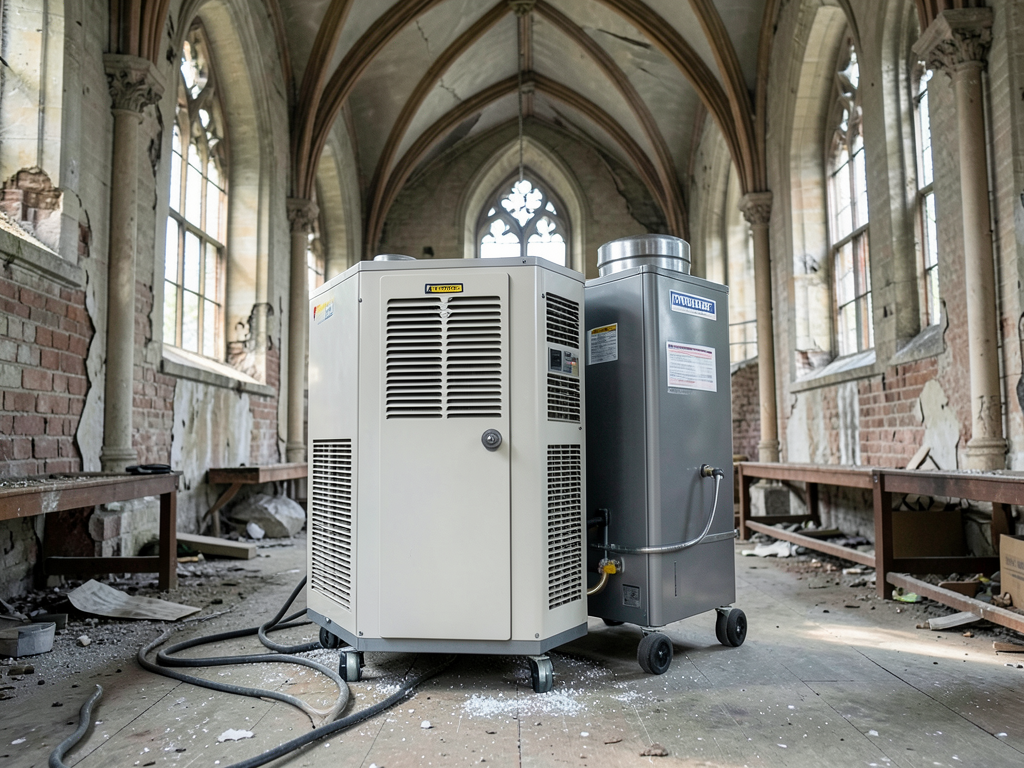
Low-pressure drying systems prevent further damage to delicate plaster surfaces. Unlike aggressive industrial drying that can crack historic materials, specialized equipment maintains ambient humidity while removing excess moisture.
Freeze-drying technology preserves water-damaged hymnals and religious texts without causing paper to warp or ink to bleed. This technique maintains the integrity of rare books and documents.
Hydroxyl generators eliminate odors and sanitize without using harsh chemicals that could damage antique finishes or harm sensitive congregants with respiratory issues.. Read more about Can Your Antique Furniture Be Restored After a Flood in Morningside?.
Infrared thermal imaging detects hidden moisture pockets behind walls without destructive testing. This allows restoration teams to target drying efforts precisely where needed.
Custom-built containment barriers protect pipe organs during restoration. These instruments can cost millions and contain delicate leather components that require specific humidity levels to prevent cracking.
The 5-Step Church Water Damage Restoration Process
Emergency Response and Assessment
Our IICRC-certified technicians arrive within 60 minutes of your call. We document all damage with moisture meters, thermal cameras, and detailed photography for insurance purposes.
We immediately isolate electrical systems in affected areas to prevent shock hazards. Historic churches often have outdated wiring that becomes dangerous when wet.
Water Extraction and Containment
Using truck-mounted extraction units, we remove standing water from all surfaces. For historic wood floors, we use specialized wands that prevent cupping and warping during extraction.
We set up containment zones to prevent cross-contamination between affected and unaffected areas. This protects religious artifacts and maintains worship schedules when possible.
Structural Drying with Humidity Control
Miami’s 75% average relative humidity makes structural drying challenging. We use desiccant dehumidifiers that can achieve 20% relative humidity, essential for preventing mold growth in historic materials.
Air movers are strategically positioned to create optimal airflow patterns without disturbing delicate architectural features like plaster medallions or carved woodwork.
Cleaning and Sanitization
We use EPA-registered antimicrobials safe for use around religious artifacts. Our technicians understand which cleaning agents won’t damage original finishes or cause discoloration on historic surfaces. EPA mold guidelines.
Smoke and odor removal uses ozone-free technology to protect sensitive individuals during the restoration process.
Reconstruction and Preservation
We match original materials and techniques when possible. For Dade County pine repairs, we source reclaimed lumber from demolition sites to maintain historical accuracy.
Plaster repairs use traditional lime-based compounds mixed to match the original texture and color. We never use modern drywall in historic restoration work.
Insurance Navigation for Non-Profit Houses of Worship
Most Miami churches lack flood insurance because they’re located in high-risk zones. We help navigate FEMA assistance programs and SBA disaster loans for uninsured losses. FEMA disaster assistance.
Commercial insurance policies for churches often have unique exclusions for mold damage. We provide documentation that meets insurer requirements for mold remediation in Florida.
Non-profit status affects how claims are processed. We understand the documentation requirements for tax-exempt organizations and can coordinate with church treasurers and insurance adjusters.
Building codes in Miami-Dade County require specific permits for restoration work in historic districts. We handle all permitting to ensure compliance with local regulations.
Case Study: St. Agnes Catholic Church in Coral Gables
In 2024, a Category 1 hurricane caused roof failure at St. Agnes Church, built in 1928. Water poured through the sanctuary ceiling for 48 hours before discovery. Fixing ceiling leaks and water spots in Wynwood art lofts.
Our team extracted 2,000 gallons of water from the nave and sanctuary. We saved 95% of the original pews using specialized drying techniques that prevented warping of the antique oak.
The 1930s pipe organ required custom containment and humidity control. We maintained 45% relative humidity throughout the restoration to protect leather valves and wooden pipes.
Insurance covered $180,000 of the $220,000 restoration cost. The church reopened services within 30 days, preserving their worship schedule and community connections.
Preventing Future Water Damage in Historic Churches
Annual roof inspections by specialists familiar with historic materials can prevent 80% of water damage incidents. We check clay tiles, flashing, and underlayment for deterioration.
Plumbing systems in buildings over 50 years old need pressure testing every two years. We use non-invasive leak detection to find problems before they cause damage.
Install secondary drainage systems around foundations to handle Miami’s intense rainfall. French drains and sump pumps prevent groundwater from entering basements and crawl spaces.
Maintain HVAC systems to prevent condensation issues. Clean condensate lines quarterly and ensure proper drainage away from building foundations.
Why Miami Churches Trust Our Restoration Services
Our technicians hold IICRC certifications in water damage restoration, applied structural drying, and mold remediation. We maintain Florida mold assessor and remediator licenses required for work in Miami-Dade County.
We understand the sensitivity required when working in sacred spaces. Our teams receive training in proper conduct around religious artifacts and ceremonies.
24/7 emergency response means we’re available when disasters strike, whether during Sunday services or in the middle of the night.
We coordinate directly with insurance companies, adjusters, and church leadership to minimize administrative burden during stressful situations.
Our experience with historic preservation guidelines ensures restoration work maintains architectural integrity and complies with local historic district requirements.
Frequently Asked Questions
How quickly can you respond to a church water emergency?
We guarantee arrival within 60 minutes of your call, 24 hours a day. Our emergency response teams are strategically positioned throughout Miami to reach any location quickly.
Can we continue holding services during restoration?
Often yes. We use containment barriers and work in phases to maintain usable worship space. For severe damage, we can help arrange temporary facilities while restoration proceeds.
How much does church water damage restoration cost?
Costs vary based on damage extent, but most church restorations range from $50,000 to $250,000. Insurance typically covers sudden damage, while neglect-related issues may not be covered.
Will mold grow in our historic church after water damage?
Without proper drying, mold can begin growing within 24-48 hours. Our rapid response and industrial dehumidification prevent mold growth in most cases. We also offer post-restoration mold testing for documentation.
Do you work with historic preservation boards?
Yes. We have experience working with Miami-Dade County historic preservation offices and can ensure all restoration work meets their guidelines for historic properties.

Call Fortress Water Damage Restoration Miami Today
Water damage in your historic Miami church requires immediate professional attention to prevent permanent loss of irreplaceable architectural features. Our specialized restoration techniques protect your sanctuary’s heritage while addressing water damage efficiently.
Don’t let water damage destroy the historic character of your sacred space. Our IICRC-certified technicians understand the unique challenges of restoring Miami’s historic churches and can respond immediately to your emergency.
Call (786) 789-8282 now for 24/7 emergency response. We’ll assess your damage, provide a detailed restoration plan, and work with your insurance company to get your church back to serving your community as quickly as possible.
Pick up the phone and call (786) 789-8282 before the next storm hits. Your historic church deserves restoration experts who understand both water damage and historic preservation.
{
“@context”: “https://schema.org”,
“@type”: “BlogPosting”,
“headline”: “Fixing Water Damage in Historic Miami Churches Without Ruining the Architecture”,
“description”: “Expert church water damage restoration in Miami. Preserve historic sanctuaries, pipe organs, and stained glass with IICRC-certified techniques. Call (786) 789-8282 now.”,
“wordCount”: 1592,
“datePublished”: “2026-05-09T14:19:00.000Z”,
“dateModified”: “2026-05-09T14:19:00.000Z”,
“inLanguage”: “en-US”,
“mainEntityOfPage”: {
“@type”: “WebPage”,
“@id”: “https://fortresswaterdamagerestorationmiami.com”
},
“publisher”: {
“@type”: “LocalBusiness”,
“name”: “Fortress Water Damage Restoration Miami”,
“url”: “https://fortresswaterdamagerestorationmiami.com”
},
“author”: {
“@type”: “Organization”,
“name”: “Fortress Water Damage Restoration Miami”,
“url”: “https://fortresswaterdamagerestorationmiami.com”
},
“image”: {
“@type”: “ImageObject”,
“url”: “https://fortresswaterdamagerestorationmiami.com/wp-content/uploads/2026/03/fixing-water-damage-in-historic-miami-churches-wit-1.png”
}
}
{
“@context”: “https://schema.org”,
“@type”: “LocalBusiness”,
“name”: “Fortress Water Damage Restoration Miami”,
“url”: “https://fortresswaterdamagerestorationmiami.com”,
“address”: {
“@type”: “PostalAddress”,
“addressLocality”: “Miami”
},
“areaServed”: {
“@type”: “City”,
“name”: “Miami”
}
}
{
“@context”: “https://schema.org”,
“@type”: “FAQPage”,
“mainEntity”: [
{
“@type”: “Question”,
“name”: “How quickly can you respond to a church water emergency?”,
“acceptedAnswer”: {
“@type”: “Answer”,
“text”: “We guarantee arrival within 60 minutes of your call, 24 hours a day. Our emergency response teams are strategically positioned throughout Miami to reach any location quickly.”
}
},
{
“@type”: “Question”,
“name”: “Can we continue holding services during restoration?”,
“acceptedAnswer”: {
“@type”: “Answer”,
“text”: “Often yes. We use containment barriers and work in phases to maintain usable worship space. For severe damage, we can help arrange temporary facilities while restoration proceeds.”
}
},
{
“@type”: “Question”,
“name”: “How much does church water damage restoration cost?”,
“acceptedAnswer”: {
“@type”: “Answer”,
“text”: “Costs vary based on damage extent, but most church restorations range from $50,000 to $250,000. Insurance typically covers sudden damage, while neglect-related issues may not be covered.”
}
},
{
“@type”: “Question”,
“name”: “Will mold grow in our historic church after water damage?”,
“acceptedAnswer”: {
“@type”: “Answer”,
“text”: “Without proper drying, mold can begin growing within 24-48 hours. Our rapid response and industrial dehumidification prevent mold growth in most cases. We also offer post-restoration mold testing for documentation.”
}
},
{
“@type”: “Question”,
“name”: “Do you work with historic preservation boards?”,
“acceptedAnswer”: {
“@type”: “Answer”,
“text”: “Yes. We have experience working with Miami-Dade County historic preservation offices and can ensure all restoration work meets their guidelines for historic properties.”
}
}
]
}
{
“@context”: “https://schema.org”,
“@type”: “BreadcrumbList”,
“itemListElement”: [
{
“@type”: “ListItem”,
“position”: 1,
“name”: “Home”,
“item”: “https://fortresswaterdamagerestorationmiami.com”
},
{
“@type”: “ListItem”,
“position”: 2,
“name”: “Blog”,
“item”: “https://fortresswaterdamagerestorationmiami.com/blog”
},
{
“@type”: “ListItem”,
“position”: 3,
“name”: “Fixing Water Damage in Historic Miami Churches Without Ruining the Architecture”
}
]
}
{
“@context”: “https://schema.org”,
“@type”: “Service”,
“serviceType”: “Water Damage Restoration”,
“provider”: {
“@type”: “LocalBusiness”,
“name”: “Fortress Water Damage Restoration Miami”,
“url”: “https://fortresswaterdamagerestorationmiami.com”
},
“areaServed”: {
“@type”: “City”,
“name”: “Miami”
},
“description”: “Expert church water damage restoration in Miami. Preserve historic sanctuaries, pipe organs, and stained glass with IICRC-certified techniques. Call (786) 789-8282 now.”
}