
How Saltwater Intrusion Corrodes Key Biscayne Home Foundations Over Time
Living on Key Biscayne means enjoying waterfront views and ocean breezes, but it also means facing a hidden threat to your home’s structural integrity. Saltwater intrusion slowly corrodes concrete foundations through a chemical process that accelerates in Miami’s unique coastal environment. The chloride ions in seawater penetrate concrete pores, attack steel rebar reinforcement, and cause expansion that cracks and weakens your foundation over time. Professional water extraction for Doral commercial properties and warehouses.
The problem intensifies during King Tide events when Biscayne Bay’s elevated water levels push saltwater through Miami’s porous oolitic limestone bedrock. This natural process, combined with storm surge flooding and rising sea levels, creates a perfect storm for foundation degradation. Homeowners who understand this chemistry can take proactive steps to protect their investment before visible damage appears. Rapid storm damage repairs for Coconut Grove homeowners after a heavy rain.
The Science Behind Saltwater Foundation Corrosion
Concrete may seem solid, but it contains microscopic pores that allow saltwater to seep deep into foundation walls. When chloride ions from seawater reach embedded steel rebar, they trigger electrochemical reactions that convert iron to iron oxide (rust). Unlike surface rust, this internal corrosion causes rebar to expand up to four times its original volume. Commercial Water Damage Restoration.
This expansion creates internal pressure that forces concrete to crack, spall, and eventually delaminate. The process accelerates in Miami’s warm climate where higher temperatures speed chemical reactions. Additionally, the constant humidity prevents concrete from drying completely, keeping salt solutions active within the structure year-round. Efflorescence on Concrete.
According to the American Concrete Institute (ACI) 318-19 building code, chloride ion penetration represents one of the primary causes of reinforced concrete deterioration in coastal environments. The code specifically addresses saltwater exposure zones and recommends protective measures for structures within 1,500 feet of marine water bodies. Water Damage Restoration Coral Gables.
Why Key Biscayne Foundations Face Unique Challenges
Key Biscayne’s geological foundation consists of porous oolitic limestone sitting just above sea level. This limestone acts like a sponge, allowing groundwater to rise and fall with tidal fluctuations. During high tides and storm events, saltwater pushes upward through the limestone, creating hydrostatic pressure against foundation walls.
The island’s average elevation of just 3-5 feet above sea level means many homes sit within the daily tidal influence zone. Combined with Miami-Dade County’s rising sea level projections of 10-17 inches by 2040, the exposure window for saltwater contact continues to expand. The porous nature of local limestone also means traditional waterproofing methods often fail as water finds new pathways through the rock.
Key Biscayne’s proximity to Biscayne Bay creates additional exposure through salt spray carried by ocean winds. This airborne salt settles on exterior foundation surfaces, where morning dew and rain create saltwater solutions that penetrate concrete through capillary action.
Warning Signs of Saltwater Foundation Damage
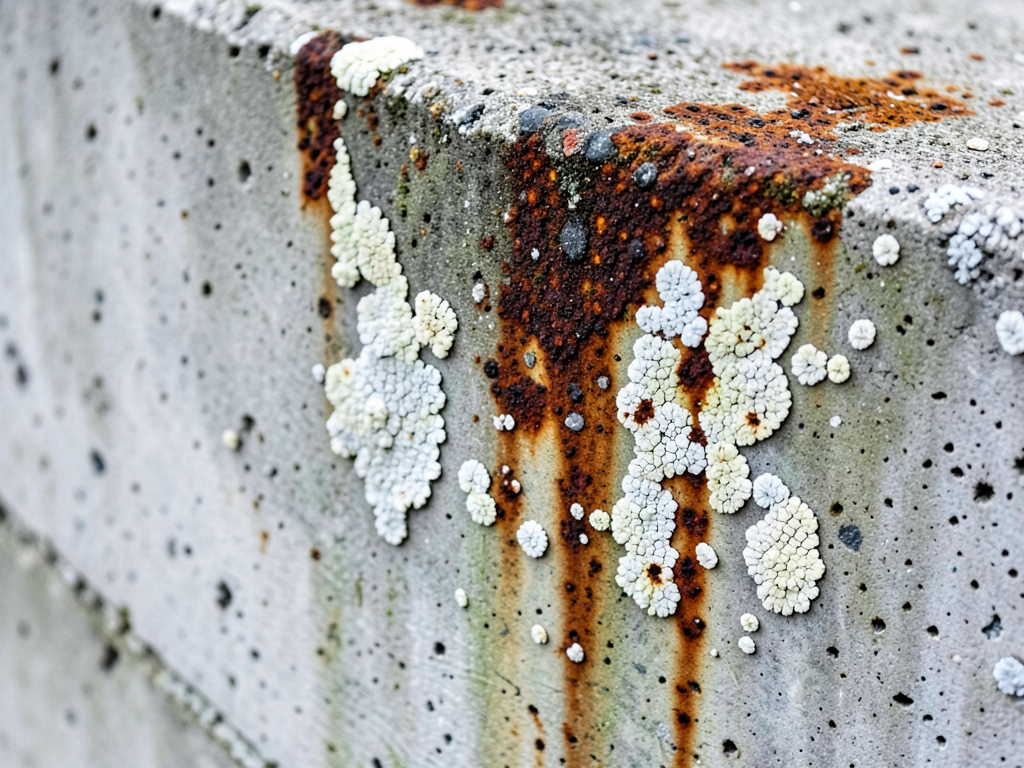
Homeowners should watch for specific indicators that saltwater is attacking their foundation. Efflorescence appears as white, powdery deposits on concrete surfaces where salt solutions evaporate and leave mineral residue behind. This crystalline growth signals active saltwater movement through the foundation.
Cracking patterns also reveal saltwater damage. Horizontal cracks near grade level often indicate hydrostatic pressure from rising groundwater. Stair-step cracks in concrete block foundations suggest differential settling caused by internal rebar corrosion. Rust stains on exterior walls, particularly near ground level, point to corroding reinforcement within the concrete.
Doors and windows that suddenly stick or fail to close properly may indicate foundation movement from internal concrete degradation. Similarly, sloping floors, diagonal wall cracks, or gaps around baseboards suggest the foundation is losing structural integrity from within.
Diagnostic Testing for Saltwater Intrusion
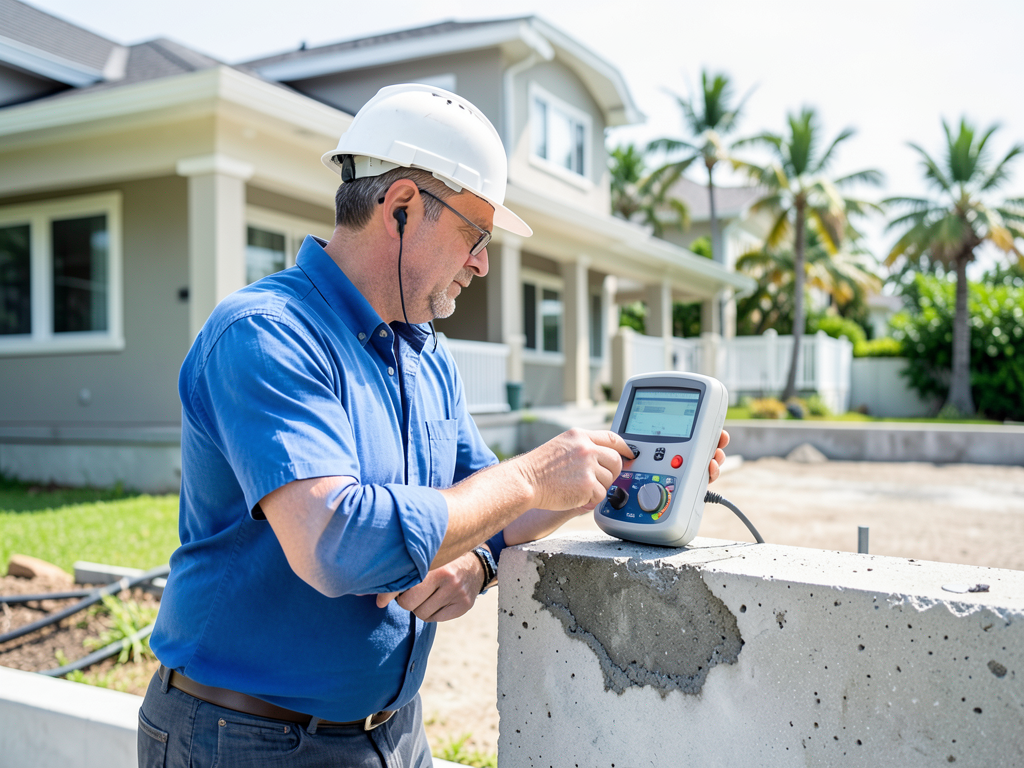
Professional assessment begins with chloride ion testing using field meters that measure salt concentration in concrete cores. A typical healthy concrete reading shows less than 0.1% chloride by weight, while saltwater-damaged concrete often exceeds 1.0%.
Moisture meters help map water movement patterns through foundation walls. High readings near grade level during low tide periods suggest groundwater intrusion rather than surface moisture. Infrared thermal imaging reveals temperature differentials caused by moisture presence, highlighting areas where saltwater creates cooling effects within concrete.
Core sampling provides definitive evidence by exposing internal rebar condition. Technicians extract small concrete cylinders and examine steel reinforcement for rust pitting, scale formation, and expansion cracks in surrounding concrete. This destructive testing confirms the extent of chloride-induced corrosion.
Restoration Methods for Saltwater-Damaged Foundations
Traditional water damage restoration methods prove insufficient for saltwater intrusion. The process requires desalination to remove existing salt deposits before structural repairs begin. Technicians use pressurized fresh water flushing combined with chemical neutralizers to extract chloride ions from concrete pores.
Once desalinated, damaged concrete requires removal to expose corroded rebar. Technicians then perform sandblasting or chemical cleaning to remove rust scale. In severe cases, epoxy-coated replacement rebar installs to resist future chloride attack. The concrete patch mix uses sulfate-resistant cement with pozzolan additives that reduce permeability.
Protective coatings create the final defense layer. Silane-siloxane sealers penetrate 1/4 inch into concrete, blocking water absorption while allowing vapor transmission. These treatments reduce chloride ion penetration by over 95% when properly applied to clean, dry surfaces.
Preventive Measures for Key Biscayne Homeowners
Foundation protection starts with proper drainage management. French drains installed around foundation perimeters intercept groundwater before it reaches walls. These systems connect to sump pumps that discharge water away from the structure, reducing hydrostatic pressure on foundation walls.
Landscape grading should slope away from the foundation at 1/2 inch per foot minimum. Native salt-tolerant plants help absorb excess moisture while their root systems stabilize soil without damaging foundations. Avoid planting trees within 20 feet of foundation walls as roots can create pathways for water intrusion.
Regular maintenance inspections catch problems early. Check foundation walls quarterly for new cracks, efflorescence growth, or rust staining. Monitor interior spaces for musty odors that indicate moisture problems. Address plumbing leaks immediately as even fresh water can carry dissolved salts that contribute to foundation degradation.
Miami-Dade Building Code Requirements
The Florida Building Code (FBC) Section 1808.7 specifically addresses foundation design in coastal high-hazard areas. For Key Biscayne properties, this requires minimum 4-inch thick concrete stem walls with #4 rebar reinforcement at 12-inch spacing. The code also mandates Class II vapor barriers beneath slabs in flood zones VE and AE. Florida Building Code.
Miami-Dade County supplements state requirements with local amendments. Section 11B-4 of the county code requires foundations in VE zones to elevate one foot above Base Flood Elevation (BFE). Additionally, all new construction must use Type V-A construction with flood-resistant materials below the design flood elevation.
The National Flood Insurance Program (NFIP) standards influence foundation design through elevation certificate requirements. Properties in high-risk zones must maintain documentation showing compliance with both FEMA and local building standards to qualify for flood insurance coverage.
Insurance and Financial Considerations
Standard homeowners insurance policies exclude foundation damage from groundwater or tidal flooding. Miami-Dade County residents need separate flood insurance through the NFIP or private carriers. Policies must specifically cover foundation repair costs, which often exceed $10,000 for moderate damage and can reach $50,000+ for extensive corrosion.
Documentation proves crucial for insurance claims. Maintain records of all foundation inspections, water testing results, and repair work. Photos showing damage progression help establish claim validity. Some insurance companies require engineering reports before approving foundation repair coverage in high-risk coastal zones.
Federal Emergency Management Agency (FEMA) offers mitigation grants for properties that implement flood-resistant foundation upgrades. The Building Resilient Infrastructure and Communities (BRIC) program provides funding for elevation, relocation, or floodproofing measures that reduce future damage risk. Federal Emergency Management Agency.
When to Call Foundation Restoration Professionals
Contact specialists when you observe multiple warning signs or notice new foundation problems developing rapidly. Professional assessment becomes critical if you detect foundation movement affecting structural elements like load-bearing walls or roof connections.
Foundation restoration requires specialized equipment and expertise beyond general contractors. Technicians must understand coastal chemistry, hydrostatic pressure dynamics, and Miami’s specific geological conditions. Improper repairs can trap moisture, accelerate corrosion, or create new structural problems.
Time sensitivity matters for foundation issues. Small cracks expand quickly once saltwater intrusion begins. What starts as a hairline crack can become a major structural problem within 2-3 rainy seasons if left untreated. Early intervention reduces repair costs and prevents secondary damage to interior finishes and mechanical systems.
Comparing Foundation Repair Methods
| Repair Method | Best For | Cost Range | Duration |
|---|---|---|---|
| Carbon Fiber Reinforcement | Minor cracks, horizontal movement | $3,000 – $8,000 | 2-3 days |
| Underpinning with Piers | Settling, vertical movement | $10,000 – $25,000 | 1-2 weeks |
| Complete Foundation Replacement | Extensive corrosion, structural failure | $40,000 – $100,000+ | 4-8 weeks |
| Desalination and Sealing | Early saltwater intrusion | $5,000 – $15,000 | 3-5 days |
Frequently Asked Questions
How long does saltwater foundation damage take to develop?
Visible damage typically appears within 5-10 years of consistent saltwater exposure, though chemical deterioration begins immediately upon contact. Factors like concrete quality, exposure frequency, and local tidal patterns affect the timeline significantly.
Can I waterproof my foundation against saltwater intrusion?
Complete waterproofing against saltwater proves nearly impossible due to Miami’s high water table and porous limestone. However, professional sealing treatments can significantly reduce moisture penetration and slow deterioration rates when properly maintained.
Does homeowners insurance cover saltwater foundation damage?
Standard policies exclude groundwater and tidal flooding damage. You need separate flood insurance through NFIP or private carriers. Some policies cover sudden pipe failures but not gradual saltwater intrusion from environmental factors.
How can I test my foundation for saltwater damage?
Professional testing uses chloride ion meters, moisture meters, and core sampling to assess salt concentration and rebar condition. DIY testing with moisture meters can identify problem areas, but accurate chloride measurement requires specialized equipment.
What building materials resist saltwater corrosion best?
Type V-A concrete with sulfate-resistant cement, epoxy-coated rebar, and stainless steel reinforcement offer the best resistance. Polymer-modified mortars and specialized sealants provide additional protection in coastal environments.
Take Action to Protect Your Key Biscayne Home
Foundation problems rarely improve without intervention. The longer saltwater continues attacking your home’s structural base, the more expensive repairs become. Early detection through regular inspections can save thousands in restoration costs while preventing catastrophic foundation failure.
Professional assessment provides peace of mind and establishes a baseline for monitoring foundation conditions. Technicians can identify active saltwater intrusion, measure chloride levels, and recommend appropriate protection strategies based on your specific property conditions.
Don’t wait until you notice significant cracking or structural movement. The cost of preventive measures pales compared to emergency foundation replacement. Call (786) 789-8282 today to schedule your comprehensive foundation inspection and protect your Key Biscayne investment from saltwater damage.
Pick up the phone and call (786) 789-8282 before the next King Tide event puts your foundation at risk. Our certified technicians understand Miami’s unique coastal challenges and provide solutions that last. Your home deserves protection from the saltwater that threatens its very foundation.
Remember, foundation problems only worsen over time. Contact us now at (786) 789-8282 to take the first step toward securing your home against saltwater intrusion. We serve all of Key Biscayne with emergency response available 24/7.
{
“@context”: “https://schema.org”,
“@type”: “BlogPosting”,
“headline”: “How Saltwater Intrusion Corrodes Key Biscayne Home Foundations Over Time”,
“description”: “Learn how Miami’s saltwater environment damages Key Biscayne home foundations and what you can do to protect your property. Call (786) 789-8282 for expert help.”,
“wordCount”: 1844,
“datePublished”: “2026-05-28T10:29:00.000Z”,
“dateModified”: “2026-05-28T10:29:00.000Z”,
“inLanguage”: “en-US”,
“mainEntityOfPage”: {
“@type”: “WebPage”,
“@id”: “https://fortresswaterdamagerestorationmiami.com”
},
“publisher”: {
“@type”: “LocalBusiness”,
“name”: “Fortress Water Damage Restoration Miami”,
“url”: “https://fortresswaterdamagerestorationmiami.com”
},
“author”: {
“@type”: “Organization”,
“name”: “Fortress Water Damage Restoration Miami”,
“url”: “https://fortresswaterdamagerestorationmiami.com”
},
“image”: {
“@type”: “ImageObject”,
“url”: “https://fortresswaterdamagerestorationmiami.com/wp-content/uploads/2026/03/how-saltwater-intrusion-corrodes-key-biscayne-home-1.png”
}
}
{
“@context”: “https://schema.org”,
“@type”: “LocalBusiness”,
“name”: “Fortress Water Damage Restoration Miami”,
“url”: “https://fortresswaterdamagerestorationmiami.com”,
“address”: {
“@type”: “PostalAddress”,
“addressLocality”: “Miami”
},
“areaServed”: {
“@type”: “City”,
“name”: “Miami”
}
}
{
“@context”: “https://schema.org”,
“@type”: “FAQPage”,
“mainEntity”: [
{
“@type”: “Question”,
“name”: “How long does saltwater foundation damage take to develop?”,
“acceptedAnswer”: {
“@type”: “Answer”,
“text”: “Visible damage typically appears within 5-10 years of consistent saltwater exposure, though chemical deterioration begins immediately upon contact. Factors like concrete quality, exposure frequency, and local tidal patterns affect the timeline significantly.”
}
},
{
“@type”: “Question”,
“name”: “Can I waterproof my foundation against saltwater intrusion?”,
“acceptedAnswer”: {
“@type”: “Answer”,
“text”: “Complete waterproofing against saltwater proves nearly impossible due to Miami’s high water table and porous limestone. However, professional sealing treatments can significantly reduce moisture penetration and slow deterioration rates when properly maintained.”
}
},
{
“@type”: “Question”,
“name”: “Does homeowners insurance cover saltwater foundation damage?”,
“acceptedAnswer”: {
“@type”: “Answer”,
“text”: “Standard policies exclude groundwater and tidal flooding damage. You need separate flood insurance through NFIP or private carriers. Some policies cover sudden pipe failures but not gradual saltwater intrusion from environmental factors.”
}
},
{
“@type”: “Question”,
“name”: “How can I test my foundation for saltwater damage?”,
“acceptedAnswer”: {
“@type”: “Answer”,
“text”: “Professional testing uses chloride ion meters, moisture meters, and core sampling to assess salt concentration and rebar condition. DIY testing with moisture meters can identify problem areas, but accurate chloride measurement requires specialized equipment.”
}
},
{
“@type”: “Question”,
“name”: “What building materials resist saltwater corrosion best?”,
“acceptedAnswer”: {
“@type”: “Answer”,
“text”: “Type V-A concrete with sulfate-resistant cement, epoxy-coated rebar, and stainless steel reinforcement offer the best resistance. Polymer-modified mortars and specialized sealants provide additional protection in coastal environments.”
}
}
]
}
{
“@context”: “https://schema.org”,
“@type”: “BreadcrumbList”,
“itemListElement”: [
{
“@type”: “ListItem”,
“position”: 1,
“name”: “Home”,
“item”: “https://fortresswaterdamagerestorationmiami.com”
},
{
“@type”: “ListItem”,
“position”: 2,
“name”: “Blog”,
“item”: “https://fortresswaterdamagerestorationmiami.com/blog”
},
{
“@type”: “ListItem”,
“position”: 3,
“name”: “How Saltwater Intrusion Corrodes Key Biscayne Home Foundations Over Time”
}
]
}
{
“@context”: “https://schema.org”,
“@type”: “Service”,
“serviceType”: “Water Damage Restoration”,
“provider”: {
“@type”: “LocalBusiness”,
“name”: “Fortress Water Damage Restoration Miami”,
“url”: “https://fortresswaterdamagerestorationmiami.com”
},
“areaServed”: {
“@type”: “City”,
“name”: “Miami”
},
“description”: “Learn how Miami’s saltwater environment damages Key Biscayne home foundations and what you can do to protect your property. Call (786) 789-8282 for expert help.”
}