
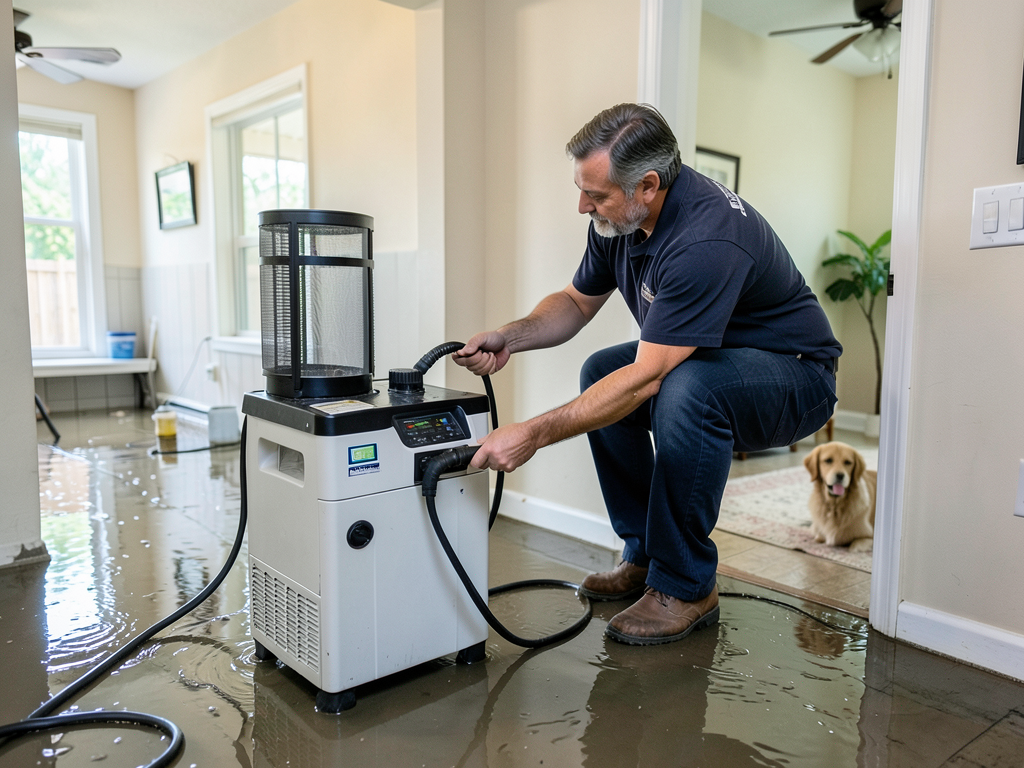
Keeping Your Pets Safe and Healthy After a Major Home Flood in Miami
When floodwaters rise in your Miami home, your pets face dangers you cannot see. Category 3 water carries bacteria, chemicals, and pathogens that can make animals sick within hours. Your dog or cat walks through contaminated water, then licks their paws. They breathe in mold spores before you notice the musty smell. The humid South Florida air traps moisture, creating perfect conditions for harmful microorganisms to multiply. Professional water extraction for Doral commercial properties and warehouses.
You need to act fast to protect your furry family members. This guide shows you exactly what to do when your home floods, from immediate safety steps to professional cleanup that makes your house safe again for everyone who lives there.
Immediate Hazards: Recognizing ‘Black Water’ Risks
Category 3 water, also called black water, contains sewage, chemicals, and dangerous bacteria. In Miami, floodwaters often mix with street runoff, septic system overflows, and industrial chemicals from nearby businesses. Your pets have no protection against these contaminants. Commercial Water Damage Restoration.
Common Miami floodwater contaminants include:
- E. coli and other fecal bacteria
- Leptospira bacteria from rodent urine
- Pesticides and fertilizers from lawns
- Motor oil and fuel from streets
- Household chemicals that floated from cabinets
Florida building codes require Category 3 water to be treated as hazardous material. Miami-Dade County Environmental Resources Management classifies contaminated floodwater as a public health threat requiring professional removal. Water Damage Restoration Coral Gables.
Your pets show distress through behavior changes. A normally energetic dog may become lethargic. Cats might hide or refuse food. Watch for vomiting, diarrhea, or excessive scratching after exposure. These symptoms can appear within 24 hours.
Step-by-Step Pet Decontamination Protocol
Move your pets to a dry, clean area immediately. Use a bathroom with tile floors or a garage if it stays dry. Keep them away from all floodwater, even if they seem curious.
Clean your pet thoroughly if they touched contaminated water:
- Rinse paws and legs with clean water
- Wash fur with pet-safe antibacterial shampoo
- Check between toes and under nails for debris
- Clean ears to prevent infections
- Monitor for unusual behavior for 48 hours
Keep contaminated items separate from clean areas. Pet beds, toys, and food bowls touched by floodwater need thorough cleaning or disposal. The EPA recommends using EPA-registered disinfectants for surfaces that contacted Category 3 water. EPA Mold Resources.
Watch for signs that require immediate veterinary care:
- Lethargy lasting more than 6 hours
- Vomiting or diarrhea
- Difficulty breathing
- Unusual discharge from eyes or nose
- Excessive thirst or urination
Hidden Dangers in the Home: Mold, Mildew, and Miami Humidity
Miami’s humidity creates perfect conditions for mold growth within 24-48 hours after flooding. Your pets breathe air closer to the floor where mold spores concentrate. Small animals like birds and rodents are especially vulnerable to airborne toxins.
Common post-flood mold problems in Miami homes:
- Black mold behind baseboards and under flooring
- Aspen mold in air conditioning ducts
- Penicillium in wall cavities
- Stachybotrys in areas with prolonged moisture
Florida Building Code requires proper ventilation in flood-prone areas. Miami-Dade County enforces strict mold remediation standards. Professional restoration companies use industrial-grade dehumidifiers that remove 30-50 gallons of moisture daily from affected spaces.
Signs of mold exposure in pets:
- Excessive scratching or licking
- Watery eyes or nasal discharge
- Respiratory distress
- Skin rashes or hot spots
- Unusual fatigue
Professional testing detects mold types that affect pets differently. Some species produce mycotoxins that cause neurological symptoms in animals.
Structural Safety Checklist for Pet Owners
Flood damage creates physical hazards your pets cannot avoid. They explore with their noses and paws, putting them at risk for injuries you might not notice immediately.
Common structural dangers after Miami flooding:
- Weakened flooring that gives way under weight
- Exposed electrical wiring from damaged outlets
- Broken glass or sharp debris in hidden areas
- Displaced wildlife seeking shelter in your home
- Collapsed ceiling sections creating falling hazards
South Florida building codes require specific flood-resistant construction in flood zones. Miami-Dade County mandates that electrical systems be elevated above potential flood levels. Check your home’s foundation for cracks that could allow wildlife entry.
Keep pets confined to safe areas during restoration. Use baby gates or closed doors to prevent access to damaged rooms. Monitor them closely when they are in partially restored areas.
Professional Restoration vs. DIY Pet Safety
DIY cleanup leaves invisible dangers that harm your pets over time. Household cleaners cannot eliminate Category 3 water pathogens. Consumer dehumidifiers lack the power to prevent mold growth in Miami’s humid climate.
Professional restoration equipment includes:
- Industrial air scrubbers that filter particles as small as 0.3 microns
- Commercial dehumidifiers removing 70+ pints of moisture daily
- Thermal imaging cameras detecting hidden moisture pockets
- EPA-registered antimicrobial treatments safe for pets after drying
- HEPA vacuums preventing cross-contamination
IICRC S500 standards require specific procedures for Category 3 water. These standards protect both human and animal health by ensuring complete decontamination. Miami-Dade County building officials inspect restoration work in flood zones.
Professional restoration costs more upfront but prevents long-term health problems. Your pets avoid chronic respiratory issues, skin conditions, and digestive problems that develop from incomplete cleanup.
Call (786) 789-8282 today to schedule your inspection. Our certified technicians understand Miami’s unique challenges and will make your home safe for every family member.
Creating a Pet-Safe Recovery Environment
Your pets need stability during the chaos of flood recovery. Maintain their normal routines as much as possible. Feed them at regular times in a designated safe area away from restoration work.
Essential items for pet recovery:
- Clean bedding in a dry location
- Fresh water in non-contaminated bowls
- Favorite toys that stayed dry
- Medications and medical records
- Carrier or crate for secure transport
Monitor your pet’s stress levels. Some animals become anxious during loud restoration work. Consider temporary boarding if your pet shows severe anxiety or if work creates unsafe conditions.
Keep emergency veterinary contacts handy:
- 24-hour emergency vet clinics
- Regular veterinarian phone number
- Pet poison control hotline
- Local animal shelters for temporary housing
Long-Term Prevention for Miami Pet Owners
Prevent future flood damage with Miami-specific solutions. The city’s flat terrain and high water table create unique challenges for homeowners.
Effective flood prevention measures:
- Install backflow prevention valves on sewer lines
- Elevate HVAC systems above flood levels
- Seal foundation cracks with hydraulic cement
- Install sump pumps with battery backup
- Use water-resistant materials in flood-prone areas
Miami-Dade County offers flood mitigation programs for qualified homeowners. Check with local building officials about elevation certificates and flood insurance requirements.
Regular maintenance prevents many flood-related pet hazards:
- Clean AC drain lines monthly
- Inspect plumbing for leaks quarterly
- Test sump pumps before hurricane season
- Check roof for missing shingles after storms
- Clean gutters and downspouts regularly
Emergency Contacts and Resources
Keep these numbers accessible during flood recovery:
- Fortress Water Damage Restoration: (786) 789-8282
- Miami-Dade Animal Services: (305) 884-1101
- Local 24-hour emergency vet clinics
- Poison Control: (888) 426-4435
- National Flood Insurance Program
Download emergency pet identification cards with photos, medical information, and your contact details. Keep copies in your wallet, car, and emergency kit.
Prepare a pet evacuation kit with:
- Three-day supply of food and water
- Medications and medical records
- Leash, harness, and carrier
- Waste bags and cleaning supplies
- Recent photos of your pets
Practice evacuation drills with your pets. Many animals become frightened during emergencies and may not respond to commands. Training reduces stress for everyone during actual emergencies. What to do right now if your Coral Gables home is flooding.
Pick up the phone and call (786) 789-8282 before the next storm hits. Our team specializes in making Miami homes safe for families and their pets. We understand the unique challenges of South Florida flooding and provide complete restoration that protects your loved ones.
Frequently Asked Questions
How long after a flood is it safe for my pets to return home?
Professional testing determines when your home is safe. Most Category 3 water situations require 3-5 days of professional drying and decontamination before pets can safely return. The exact timeline depends on damage extent and materials affected.
Can mold make my pets sick even if I don’t see it?
Yes. Mold spores are microscopic and can cause respiratory problems, skin irritation, and digestive issues in pets. Professional testing identifies hidden mold growth that poses health risks to animals.
What should I do if my pet drinks floodwater?
Contact your veterinarian immediately. Floodwater can contain bacteria, chemicals, and parasites that cause serious illness. Watch for vomiting, diarrhea, lethargy, or unusual behavior in the following 24-48 hours.
Are certain pet breeds more vulnerable to flood-related health issues?
Flat-faced breeds like bulldogs and Persian cats are more susceptible to respiratory problems from mold and poor air quality. Small animals and birds are also more vulnerable to airborne contaminants due to their size and proximity to contaminated surfaces.
How can I tell if my home has hidden moisture that could harm my pets?
Musty odors, peeling paint, warped flooring, and condensation on windows indicate hidden moisture. Professional moisture meters and thermal imaging detect problems behind walls and under floors that could create unhealthy conditions for pets. For more information, visit CDC Leptospirosis Information.
{
“@context”: “https://schema.org”,
“@type”: “BlogPosting”,
“headline”: “Keeping Your Pets Safe and Healthy After a Major Home Flood in Miami”,
“description”: “Protect your pets during Miami flood recovery. Learn Category 3 water risks, decontamination steps, and how to keep your furry family safe with expert restoration.”,
“wordCount”: 1524,
“datePublished”: “2026-05-21T07:18:00.000Z”,
“dateModified”: “2026-05-21T07:18:00.000Z”,
“inLanguage”: “en-US”,
“mainEntityOfPage”: {
“@type”: “WebPage”,
“@id”: “https://fortresswaterdamagerestorationmiami.com”
},
“publisher”: {
“@type”: “LocalBusiness”,
“name”: “Fortress Water Damage Restoration Miami”,
“url”: “https://fortresswaterdamagerestorationmiami.com”
},
“author”: {
“@type”: “Organization”,
“name”: “Fortress Water Damage Restoration Miami”,
“url”: “https://fortresswaterdamagerestorationmiami.com”
},
“image”: {
“@type”: “ImageObject”,
“url”: “https://fortresswaterdamagerestorationmiami.com/wp-content/uploads/2026/03/keeping-your-pets-safe-and-healthy-after-a-major-h-1.png”
}
}
{
“@context”: “https://schema.org”,
“@type”: “LocalBusiness”,
“name”: “Fortress Water Damage Restoration Miami”,
“url”: “https://fortresswaterdamagerestorationmiami.com”,
“address”: {
“@type”: “PostalAddress”,
“addressLocality”: “Miami”
},
“areaServed”: {
“@type”: “City”,
“name”: “Miami”
}
}
{
“@context”: “https://schema.org”,
“@type”: “FAQPage”,
“mainEntity”: [
{
“@type”: “Question”,
“name”: “How long after a flood is it safe for my pets to return home?”,
“acceptedAnswer”: {
“@type”: “Answer”,
“text”: “Professional testing determines when your home is safe. Most Category 3 water situations require 3-5 days of professional drying and decontamination before pets can safely return. The exact timeline depends on damage extent and materials affected.”
}
},
{
“@type”: “Question”,
“name”: “Can mold make my pets sick even if I don’t see it?”,
“acceptedAnswer”: {
“@type”: “Answer”,
“text”: “Yes. Mold spores are microscopic and can cause respiratory problems, skin irritation, and digestive issues in pets. Professional testing identifies hidden mold growth that poses health risks to animals.”
}
},
{
“@type”: “Question”,
“name”: “What should I do if my pet drinks floodwater?”,
“acceptedAnswer”: {
“@type”: “Answer”,
“text”: “Contact your veterinarian immediately. Floodwater can contain bacteria, chemicals, and parasites that cause serious illness. Watch for vomiting, diarrhea, lethargy, or unusual behavior in the following 24-48 hours.”
}
},
{
“@type”: “Question”,
“name”: “How can I tell if my home has hidden moisture that could harm my pets?”,
“acceptedAnswer”: {
“@type”: “Answer”,
“text”: “Musty odors, peeling paint, warped flooring, and condensation on windows indicate hidden moisture. Professional moisture meters and thermal imaging detect problems behind walls and under floors that could create unhealthy conditions for pets. For more information, visit CDC Leptospirosis Information.”
}
}
]
}
{
“@context”: “https://schema.org”,
“@type”: “BreadcrumbList”,
“itemListElement”: [
{
“@type”: “ListItem”,
“position”: 1,
“name”: “Home”,
“item”: “https://fortresswaterdamagerestorationmiami.com”
},
{
“@type”: “ListItem”,
“position”: 2,
“name”: “Blog”,
“item”: “https://fortresswaterdamagerestorationmiami.com/blog”
},
{
“@type”: “ListItem”,
“position”: 3,
“name”: “Keeping Your Pets Safe and Healthy After a Major Home Flood in Miami”
}
]
}
{
“@context”: “https://schema.org”,
“@type”: “Service”,
“serviceType”: “Water Damage Restoration”,
“provider”: {
“@type”: “LocalBusiness”,
“name”: “Fortress Water Damage Restoration Miami”,
“url”: “https://fortresswaterdamagerestorationmiami.com”
},
“areaServed”: {
“@type”: “City”,
“name”: “Miami”
},
“description”: “Protect your pets during Miami flood recovery. Learn Category 3 water risks, decontamination steps, and how to keep your furry family safe with expert restoration.”
}