
Protecting your high-end home theater and electronics from humidity damage in Coral Gables
Your high-end home theater represents a significant investment in both technology and entertainment. In Coral Gables’ tropical climate with average humidity levels around 74% year-round, those sensitive electronics face constant threats from moisture damage that can silently destroy components and create expensive failures. What to do right now if your Coral Gables home is flooding.
South Florida’s unique coastal environment creates a perfect storm for electronic degradation. The combination of high relative humidity, salt air from Biscayne Bay, and frequent afternoon thunderstorms means your expensive AV equipment is under attack 24/7. Without proper protection, you could be looking at corrosion of circuit boards, short circuits, and complete system failures that cost thousands to repair or replace. EPA mold and moisture control guidelines.
The good news is that with the right knowledge and preventative measures, you can shield your home theater from Coral Gables’ harsh climate. This guide covers the science behind humidity damage, warning signs to watch for, and professional solutions that can extend the life of your electronics for years to come. Professional water extraction for Doral commercial properties and warehouses.
How Miami’s climate destroys sensitive circuitry
Coral Gables sits in a tropical monsoon climate zone where relative humidity rarely drops below 60% even on dry days. When humidity levels exceed 50%, moisture begins to accumulate on electronic components through a process called condensation. This happens when warm, moist air contacts cooler surfaces inside your devices.
The problem compounds in coastal areas like Coral Gables due to salt air. Salt particles in the air are hygroscopic, meaning they attract and hold water molecules. These salt-laden water droplets create conductive paths on circuit boards that lead to short circuits and corrosion. Over time, this process causes what technicians call electrochemical migration, where metal ions move through the moisture and create unintended electrical connections. Commercial Water Damage Restoration.
Temperature fluctuations common in South Florida accelerate the damage cycle. As your home theater components heat up during use and cool down when turned off, they create a pumping effect that draws humid air inside through tiny openings. This continuous moisture exchange gradually degrades internal components even when the system appears to be working normally.
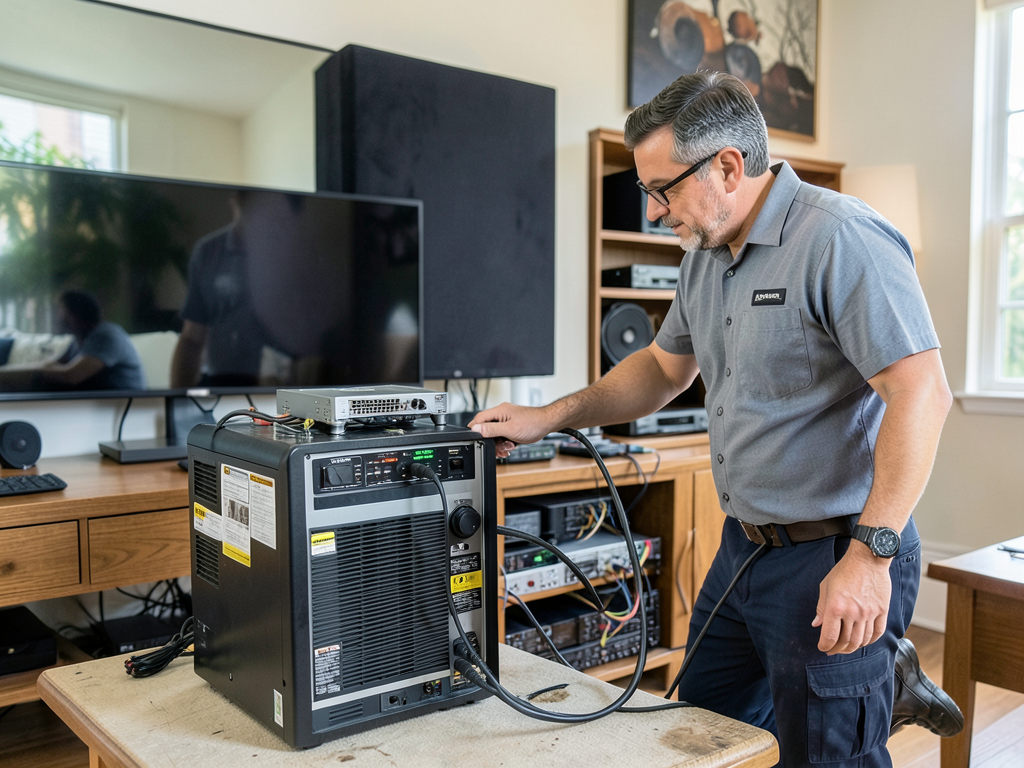
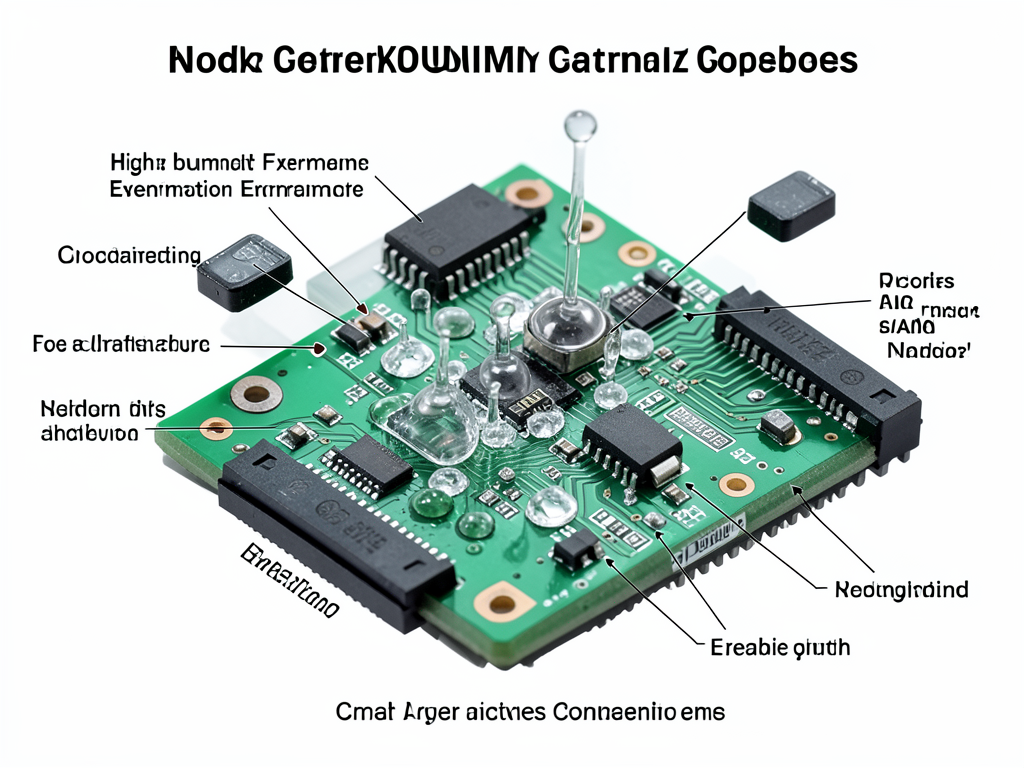
Diagram showing condensation formation on circuit boards in high humidity environments
The science of damage: corrosion and short circuits
When moisture contacts the copper traces and solder joints on printed circuit boards, it initiates oxidation reactions. Copper turns green as it corrodes, creating resistance that causes components to overheat and fail. This corrosion process accelerates in the presence of salt, which acts as an electrolyte that speeds up the chemical reactions.
Galvanic corrosion presents another threat when different metals come into contact in the presence of moisture. Many electronics use aluminum heatsinks, copper traces, and various metal connectors. When these dissimilar metals get wet, they create tiny batteries that accelerate corrosion and can cause complete component failure within months rather than years.
Electrochemical migration creates the most dangerous failures because they’re intermittent and unpredictable. As moisture creates temporary conductive paths between circuit traces, you might experience random reboots, audio dropouts, or complete system crashes. These symptoms often appear and disappear, making diagnosis difficult until permanent damage occurs.
The Florida Building Code requires specific moisture control measures for coastal construction, but these standards typically focus on structural protection rather than the sensitive electronics inside your home. This regulatory gap leaves your home theater vulnerable despite meeting all building requirements.
5 warning signs your electronics are suffering from humidity
Recognizing early warning signs can help you address humidity damage before catastrophic failure occurs. Watch for these five indicators that your home theater components are under moisture stress:
- Unresponsive controls – Buttons that work intermittently or require multiple presses often indicate moisture on contact surfaces. This happens when water creates temporary shorts between button contacts.
- Foggy screens – Condensation forming inside display panels appears as foggy or cloudy areas that come and go with temperature changes. This indicates moisture has penetrated sealed components.
- Erratic performance – Random reboots, audio dropouts, or video artifacts that seem to happen during humid weather point to moisture-related electrical interference.
- Visible residue – White or green deposits around ports, vents, or seams indicate salt and mineral buildup from evaporated moisture. This residue accelerates future corrosion.
- Musty odors – A damp, musty smell from your equipment cabinet suggests mold growth inside components. Mold feeds on the organic materials in circuit boards and can spread rapidly in humid conditions.
According to the EPA’s moisture control guidelines, indoor relative humidity should stay between 30-50% for optimal comfort and equipment protection. In Coral Gables, maintaining these levels requires active dehumidification year-round.
Immediate triage: what to do if your device gets damp
If you discover moisture on your home theater equipment, quick action can prevent permanent damage. Never try to power on wet electronics as this creates short circuits that destroy components instantly.
First, disconnect all power sources immediately. This includes unplugging from wall outlets and removing batteries from remote controls. Water and electricity create dangerous conditions that can cause fires or electric shock.
Next, remove any standing water with lint-free cloths. Avoid paper towels as they can leave fibers that interfere with electrical contacts. Pay special attention to ports, vents, and seams where water tends to collect.
Place the affected equipment in a sealed container with commercial desiccants rather than rice. Silica gel packets designed for electronics drying work much better than household rice, which can introduce starch particles that clog ports and vents.
Allow at least 48-72 hours for thorough drying before attempting to power up the equipment. Even if the exterior appears dry, moisture can remain trapped inside sealed components where it causes the most damage.
For valuable or complex equipment, professional restoration services use industrial-grade dehumidifiers and ultrasonic cleaning to remove moisture and corrosion without damaging sensitive components. These services can often recover data and functionality that DIY methods cannot save.
Technician using industrial dehumidifier on water-damaged home theater equipment
Professional restoration vs DIY repair
Deciding between professional restoration and DIY repair depends on several factors including equipment value, damage extent, and your technical expertise. Understanding when to call professionals can save you money and prevent further damage.
Professional restoration becomes necessary when you notice corrosion on circuit boards, smell burning electronics, or experience complete system failure. These situations require specialized equipment and expertise that goes beyond basic drying techniques. Restoration technicians use ultrasonic cleaners that create microscopic bubbles to remove corrosion without damaging delicate components.
DIY methods work for minor moisture exposure when caught immediately. Using desiccant packs, proper drying techniques, and careful cleaning can resolve surface-level moisture issues. However, DIY approaches cannot address internal corrosion that has already begun or recover data from damaged storage devices.
The cost comparison often favors professional restoration for expensive equipment. While professional services typically range from $300-1000 depending on damage extent, they can save you from replacing $5000-10000 worth of home theater components. Additionally, professionals can identify and address underlying moisture problems that caused the initial damage.
Professional services also provide documentation useful for insurance claims. They can detail the damage extent, restoration steps taken, and provide before/after documentation that supports your claim for coverage under your homeowner’s policy.
Preventative measures for Coral Gables homes
Prevention remains the most cost-effective approach to protecting your home theater investment. Several strategies can create a moisture-resistant environment that keeps your electronics safe year-round.. Read more about Protecting your Olympia Heights server room from overhead pipe leaks.
Whole-home dehumidification systems maintain consistent humidity levels throughout your house. These systems integrate with your HVAC and can keep indoor humidity between 45-55%, well below the threshold where moisture damage begins. The initial investment of $3000-5000 typically pays for itself through extended equipment life and improved comfort.
Equipment cabinets with active ventilation prevent moisture buildup around sensitive components. These cabinets include small fans that circulate air and sometimes incorporate silica gel compartments that absorb excess moisture. Look for cabinets rated for tropical environments with corrosion-resistant materials.
Smart humidity monitoring systems alert you when moisture levels rise above safe thresholds. These systems can integrate with your home automation and send notifications to your phone when humidity exceeds 55%, allowing you to activate dehumidifiers before damage occurs.
According to the IICRC S500 standard for professional water damage restoration, maintaining relative humidity below 60% is critical for preventing microbial growth and material degradation. This standard guides professional restoration practices and provides a benchmark for your preventative measures. IICRC S500 water damage restoration standard.
Insurance considerations for humidity damage
Standard homeowner’s insurance policies in Florida typically cover sudden and accidental water damage but may exclude damage from long-term humidity exposure or lack of maintenance. Understanding your coverage helps you make informed decisions about protection and restoration.
Documenting your equipment’s condition before problems occur strengthens your position if you need to file a claim. Take photos of your home theater setup, keep receipts for expensive components, and maintain records of any moisture control systems you install.
When filing claims for humidity damage, be prepared to demonstrate that the damage was sudden rather than gradual. Insurance adjusters look for evidence of long-term moisture exposure such as corrosion patterns, mold growth, or water staining that indicates the problem developed over time rather than from a specific event.
Some insurance companies offer endorsements for electronics protection that cover humidity damage specifically. These riders typically cost $50-100 per year but can provide valuable coverage for expensive home theater systems in humid climates like Coral Gables.
Professional restoration companies often work directly with insurance providers and can help document damage, provide estimates, and coordinate the claims process. This service can be invaluable when dealing with complex electronics damage that requires specialized assessment. Dealing with a burst pipe in your historic Little Havana bungalow.
Local building considerations for new installations
If you’re planning a new home theater installation in Coral Gables, several local factors should influence your design decisions. The area’s unique climate and building characteristics create specific challenges that smart planning can address.
Coral Gables features many historic Mediterranean Revival homes with thick plaster walls and limited ventilation. These architectural characteristics can trap moisture inside equipment cabinets and create localized humidity problems even when whole-home humidity levels appear acceptable.
The area’s high water table means basements and lower-level installations face additional moisture risks from groundwater seepage. Even homes without traditional basements can experience moisture problems in equipment closets or media rooms below grade.
Local building codes require specific moisture barriers and ventilation in new construction, but these requirements focus on structural protection rather than sensitive electronics. You may need to exceed code requirements to adequately protect your home theater investment.
Working with contractors familiar with Coral Gables’ unique challenges helps ensure your installation accounts for local conditions. They can recommend specific equipment configurations, ventilation strategies, and moisture control measures that work well in the area’s climate.
Modern home theater installation with humidity control systems in Coral Gables
Emergency response for sudden moisture events
Despite your best prevention efforts, sudden moisture events can still damage your home theater. Hurricanes, tropical storms, and plumbing failures create emergency situations requiring immediate action to minimize damage. Rapid storm damage repairs for Coconut Grove homeowners after a heavy rain.
During hurricane season, which runs from June through November in South Florida, consider implementing temporary protection measures. Cover equipment with waterproof covers, elevate components off the floor, and ensure your home’s drainage systems are clear and functioning properly.
If flooding occurs, prioritize safety over equipment. Never enter standing water to reach electronics, as this creates electrocution hazards. Once it’s safe to enter, disconnect power at the circuit breaker before touching any wet equipment.
Time becomes critical after water exposure. The first 24-48 hours determine whether you can save your equipment or face complete replacement. Professional restoration services offer 24/7 emergency response specifically for these situations.
Document everything for insurance purposes. Take photos and videos of the damage before beginning cleanup, keep all damaged components for adjuster inspection, and maintain detailed records of all restoration work performed.
Consider creating an emergency response plan that includes contact information for restoration professionals, insurance company details, and step-by-step procedures for different types of moisture events. Having this plan ready can save valuable time when minutes count.
Long-term monitoring and maintenance
Protecting your home theater requires ongoing attention rather than a one-time solution. Regular monitoring and maintenance help catch problems early and ensure your protection systems continue working effectively.
Install humidity monitors in your equipment cabinet and media room. These devices should track both temperature and relative humidity, alerting you when levels approach dangerous thresholds. Smart monitors can send notifications to your phone and integrate with other home automation systems.
Schedule annual inspections of your moisture control systems. Check dehumidifier filters, test humidity sensors, and verify that ventilation systems are functioning properly. These inspections can identify developing problems before they cause equipment damage.
Clean your equipment regularly to prevent dust buildup that can trap moisture against components. Use compressed air designed for electronics rather than household dusters, which can leave residue that attracts moisture.
Review and update your protection strategy annually. As you add new components or change your home theater configuration, ensure your moisture control measures still provide adequate coverage for all equipment.
Consider professional assessments every few years, especially if you notice any warning signs or make significant changes to your setup. These assessments can identify hidden problems and recommend updates to your protection strategy.
Conclusion: protecting your investment
Your high-end home theater represents both a significant financial investment and a source of entertainment and enjoyment for your family. In Coral Gables’ challenging climate, protecting this investment requires understanding the specific threats posed by humidity and implementing appropriate safeguards.
The combination of high relative humidity, salt air, and temperature fluctuations creates a hostile environment for sensitive electronics. However, with proper prevention, monitoring, and quick response to problems, you can significantly extend the life of your equipment and avoid costly repairs or replacements.
Remember that professional help is available when you need it. Whether you’re dealing with existing moisture damage or want to implement comprehensive protection for new equipment, experienced restoration specialists can provide the expertise and equipment necessary to keep your home theater functioning perfectly despite South Florida’s challenging climate.
Don’t wait until you notice warning signs or experience a catastrophic failure. Take action now to protect your investment and ensure years of trouble-free entertainment from your home theater system.
Frequently Asked Questions
How much humidity is too much for home theater equipment?
Relative humidity above 55% begins to pose risks to electronic components. The ideal range for electronics is 30-50% relative humidity. In Coral Gables, maintaining these levels typically requires active dehumidification year-round.
Can I use rice to dry out wet electronics?
Rice is less effective than commercial desiccants and can introduce starch particles that clog ports and vents. Silica gel packets designed for electronics drying work much better and don’t leave residue that can cause additional problems.
How long does it take for humidity to damage electronics?
Damage can begin within days of continuous exposure to high humidity above 60%. Corrosion and electrochemical migration may take weeks or months to cause visible problems, but the damage process starts immediately when moisture contacts metal components.
Is humidity damage covered by homeowner’s insurance?
Standard policies typically cover sudden and accidental water damage but may exclude long-term humidity exposure. Some insurers offer specific endorsements for electronics protection that cover humidity damage. Professional documentation strengthens your position when filing claims.
What’s the best way to prevent humidity damage in Coral Gables?
Whole-home dehumidification combined with equipment-specific protection provides the best defense. Maintain indoor humidity below 55%, use ventilated equipment cabinets, and monitor conditions with smart humidity sensors. Professional assessments can identify hidden moisture problems before they cause damage.
Call (786) 789-8282 today to schedule your inspection. Our Coral Gables restoration specialists can assess your home theater’s vulnerability to humidity damage and recommend specific protection strategies for your equipment and installation.
Pick up the phone and call (786) 789-8282 before the next storm hits. Don’t wait until you notice warning signs or experience a catastrophic failure. Professional moisture assessment and prevention can save you thousands in equipment replacement costs and ensure your home theater continues providing years of trouble-free entertainment.
{
“@context”: “https://schema.org”,
“@type”: “BlogPosting”,
“headline”: “Protecting your high-end home theater and electronics from humidity damage in Coral Gables”,
“description”: “High-end electronics in Coral Gables are at risk from South Florida’s extreme humidity. Learn how to protect your home theater and when to call a professional.”,
“wordCount”: 2719,
“datePublished”: “2026-04-04T12:42:00.000Z”,
“dateModified”: “2026-04-04T12:42:00.000Z”,
“inLanguage”: “en-US”,
“mainEntityOfPage”: {
“@type”: “WebPage”,
“@id”: “https://fortresswaterdamagerestorationmiami.com”
},
“publisher”: {
“@type”: “LocalBusiness”,
“name”: “Fortress Water Damage Restoration Miami”,
“url”: “https://fortresswaterdamagerestorationmiami.com”
},
“author”: {
“@type”: “Organization”,
“name”: “Fortress Water Damage Restoration Miami”,
“url”: “https://fortresswaterdamagerestorationmiami.com”
},
“image”: {
“@type”: “ImageObject”,
“url”: “https://fortresswaterdamagerestorationmiami.com/wp-content/uploads/2026/03/protecting-your-high-end-home-theater-and-electron-1.png”
}
}
{
“@context”: “https://schema.org”,
“@type”: “LocalBusiness”,
“name”: “Fortress Water Damage Restoration Miami”,
“url”: “https://fortresswaterdamagerestorationmiami.com”,
“address”: {
“@type”: “PostalAddress”,
“addressLocality”: “Miami”
},
“areaServed”: {
“@type”: “City”,
“name”: “Miami”
}
}
{
“@context”: “https://schema.org”,
“@type”: “FAQPage”,
“mainEntity”: [
{
“@type”: “Question”,
“name”: “How much humidity is too much for home theater equipment?”,
“acceptedAnswer”: {
“@type”: “Answer”,
“text”: “Relative humidity above 55% begins to pose risks to electronic components. The ideal range for electronics is 30-50% relative humidity. In Coral Gables, maintaining these levels typically requires active dehumidification year-round.”
}
},
{
“@type”: “Question”,
“name”: “Can I use rice to dry out wet electronics?”,
“acceptedAnswer”: {
“@type”: “Answer”,
“text”: “Rice is less effective than commercial desiccants and can introduce starch particles that clog ports and vents. Silica gel packets designed for electronics drying work much better and don’t leave residue that can cause additional problems.”
}
},
{
“@type”: “Question”,
“name”: “How long does it take for humidity to damage electronics?”,
“acceptedAnswer”: {
“@type”: “Answer”,
“text”: “Damage can begin within days of continuous exposure to high humidity above 60%. Corrosion and electrochemical migration may take weeks or months to cause visible problems, but the damage process starts immediately when moisture contacts metal components.”
}
},
{
“@type”: “Question”,
“name”: “Is humidity damage covered by homeowner’s insurance?”,
“acceptedAnswer”: {
“@type”: “Answer”,
“text”: “Standard policies typically cover sudden and accidental water damage but may exclude long-term humidity exposure. Some insurers offer specific endorsements for electronics protection that cover humidity damage. Professional documentation strengthens your position when filing claims.”
}
},
{
“@type”: “Question”,
“name”: “What’s the best way to prevent humidity damage in Coral Gables?”,
“acceptedAnswer”: {
“@type”: “Answer”,
“text”: “Whole-home dehumidification combined with equipment-specific protection provides the best defense. Maintain indoor humidity below 55%, use ventilated equipment cabinets, and monitor conditions with smart humidity sensors. Professional assessments can identify hidden moisture problems before they cause damage.”
}
}
]
}
{
“@context”: “https://schema.org”,
“@type”: “BreadcrumbList”,
“itemListElement”: [
{
“@type”: “ListItem”,
“position”: 1,
“name”: “Home”,
“item”: “https://fortresswaterdamagerestorationmiami.com”
},
{
“@type”: “ListItem”,
“position”: 2,
“name”: “Blog”,
“item”: “https://fortresswaterdamagerestorationmiami.com/blog”
},
{
“@type”: “ListItem”,
“position”: 3,
“name”: “Protecting your high-end home theater and electronics from humidity damage in Coral Gables”
}
]
}
{
“@context”: “https://schema.org”,
“@type”: “Service”,
“serviceType”: “Water Damage Restoration”,
“provider”: {
“@type”: “LocalBusiness”,
“name”: “Fortress Water Damage Restoration Miami”,
“url”: “https://fortresswaterdamagerestorationmiami.com”
},
“areaServed”: {
“@type”: “City”,
“name”: “Miami”
},
“description”: “High-end electronics in Coral Gables are at risk from South Florida’s extreme humidity. Learn how to protect your home theater and when to call a professional.”
}